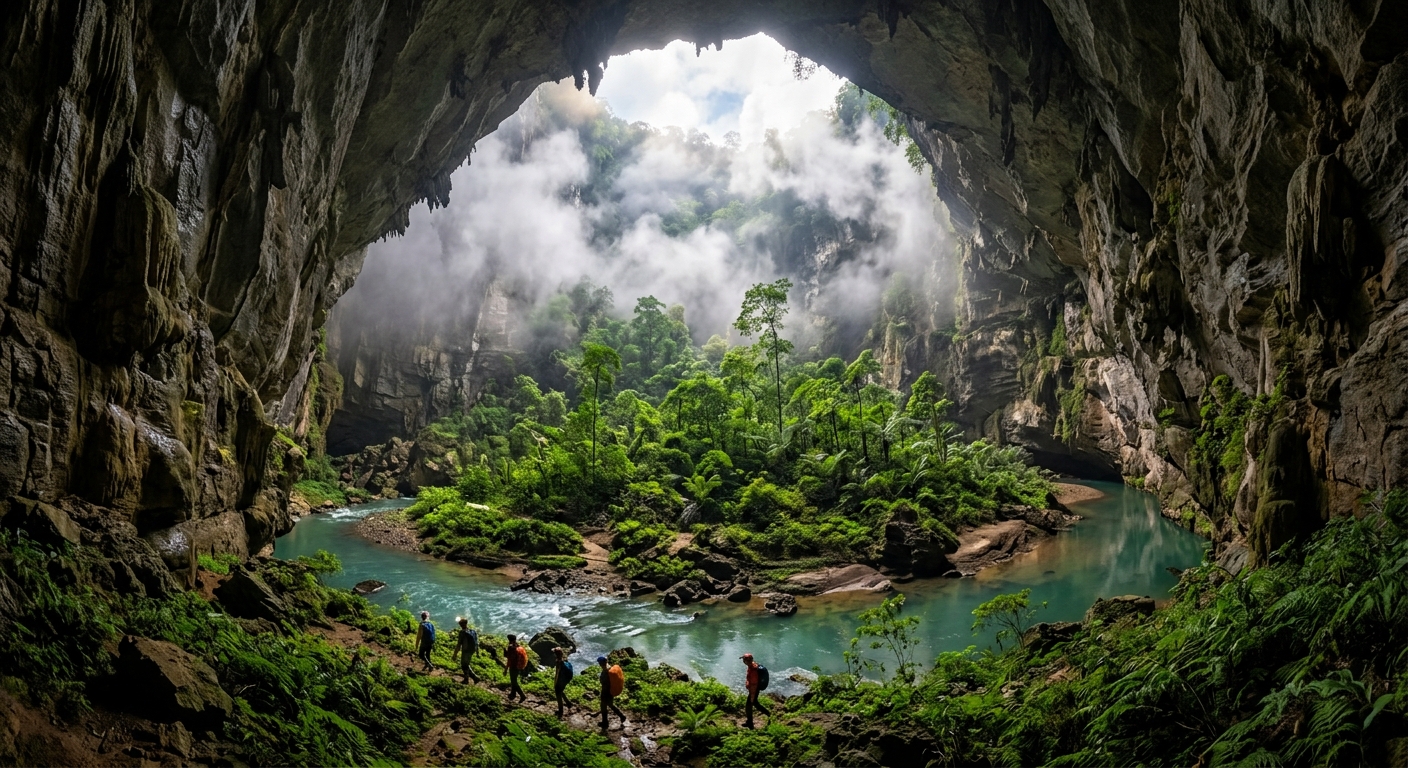
The world’s largest cave in Vietnam contains an entire ecosystem underground, complete with flowing rivers, growing jungles, and its own weather system including cloud formation. This subterranean world is so massive that skyscrapers could fit inside its chambers, creating a hidden planet beneath our feet.
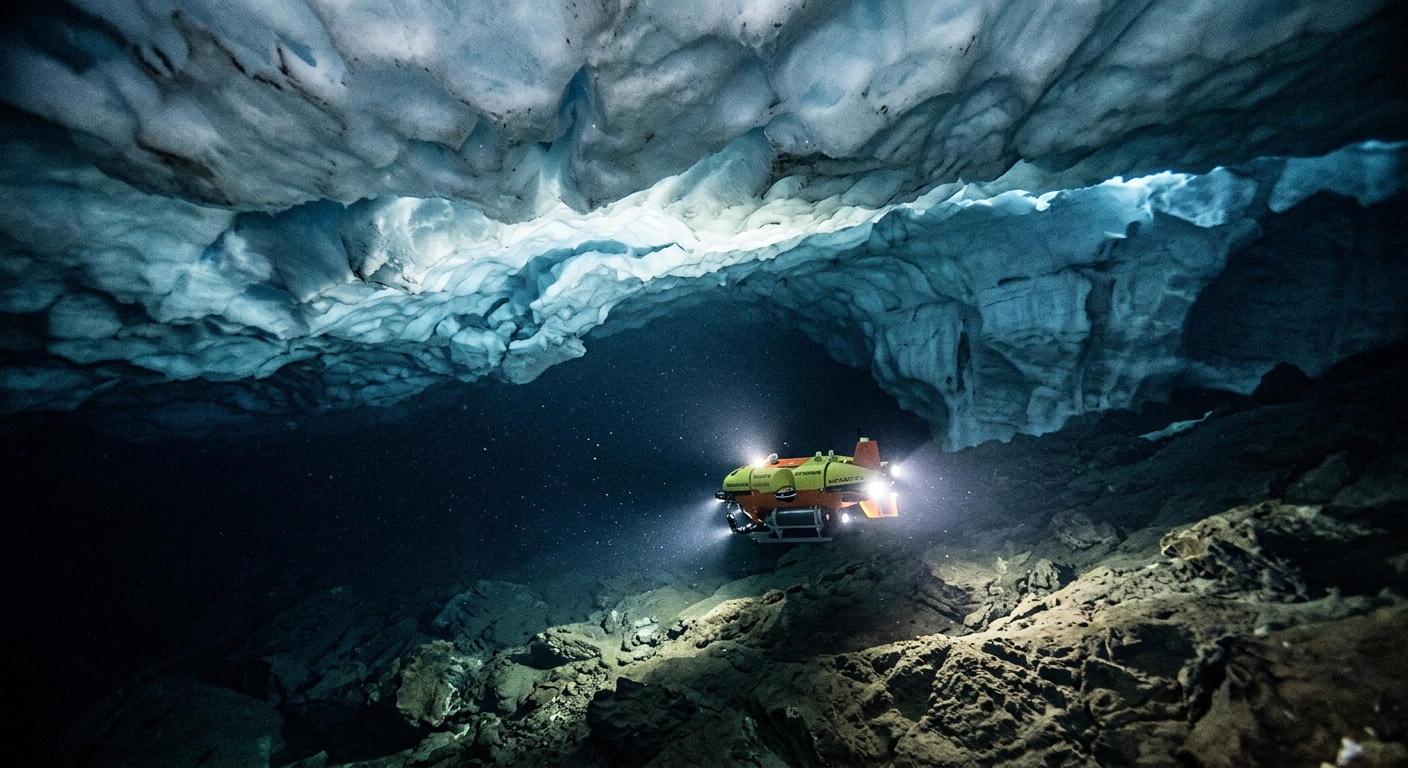
Buried 4 kilometers beneath Antarctica’s ice lies Lake Vostok, a body of water the size of Lake Ontario that has remained hidden and isolated for millions of years. This extraordinary subglacial lake may harbor unique life forms and represents one of Earth’s last unexplored frontiers, offering insights into the limits of life and potential for discovery on other worlds.
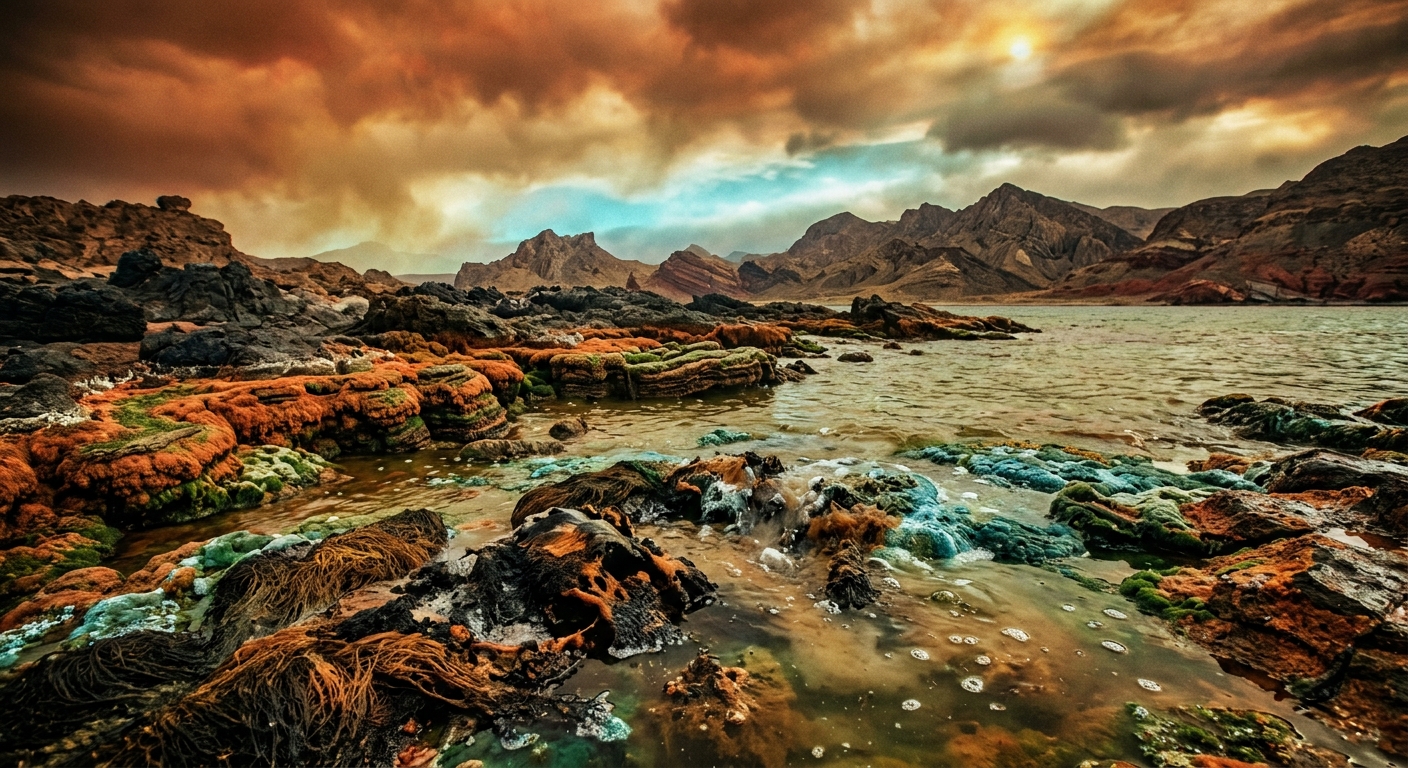
2.4 billion years ago, tiny bacteria accidentally created Earth’s deadliest environmental disaster when they began producing oxygen, a toxic waste product that killed 99% of all life on the planet. This catastrophic event, known as the Great Oxidation Event, ironically paved the way for all complex life that exists today.
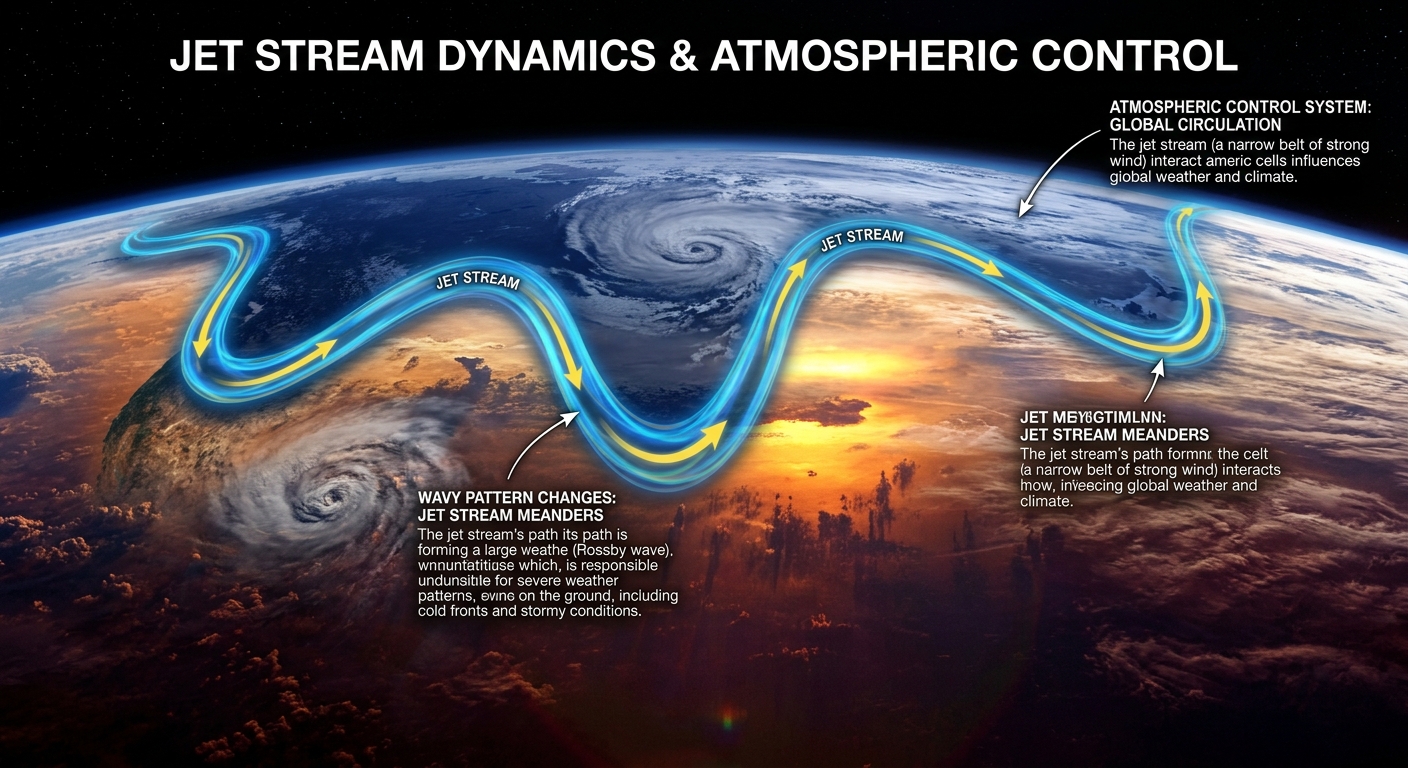
An invisible river of air racing 50,000 feet above Earth at 275 mph controls every storm, drought, and temperature swing on the planet. Climate change is making this atmospheric giant increasingly unstable, fundamentally altering weather patterns worldwide.
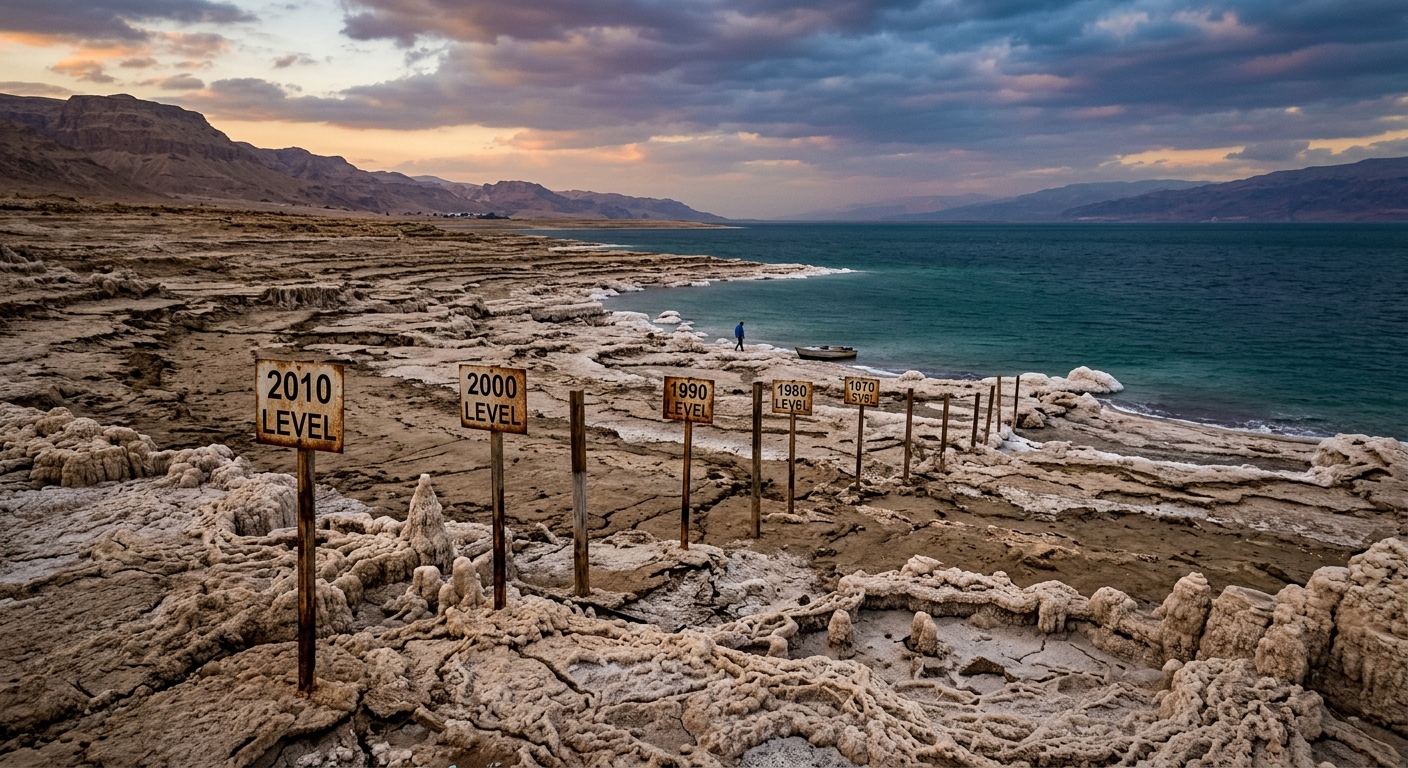
The Dead Sea, one of Earth’s most iconic natural wonders, is shrinking by three feet annually and faces complete disappearance by 2050. This environmental catastrophe results from water diversions, climate change, and industrial exploitation, threatening to erase a site of immense cultural, historical, and ecological significance.
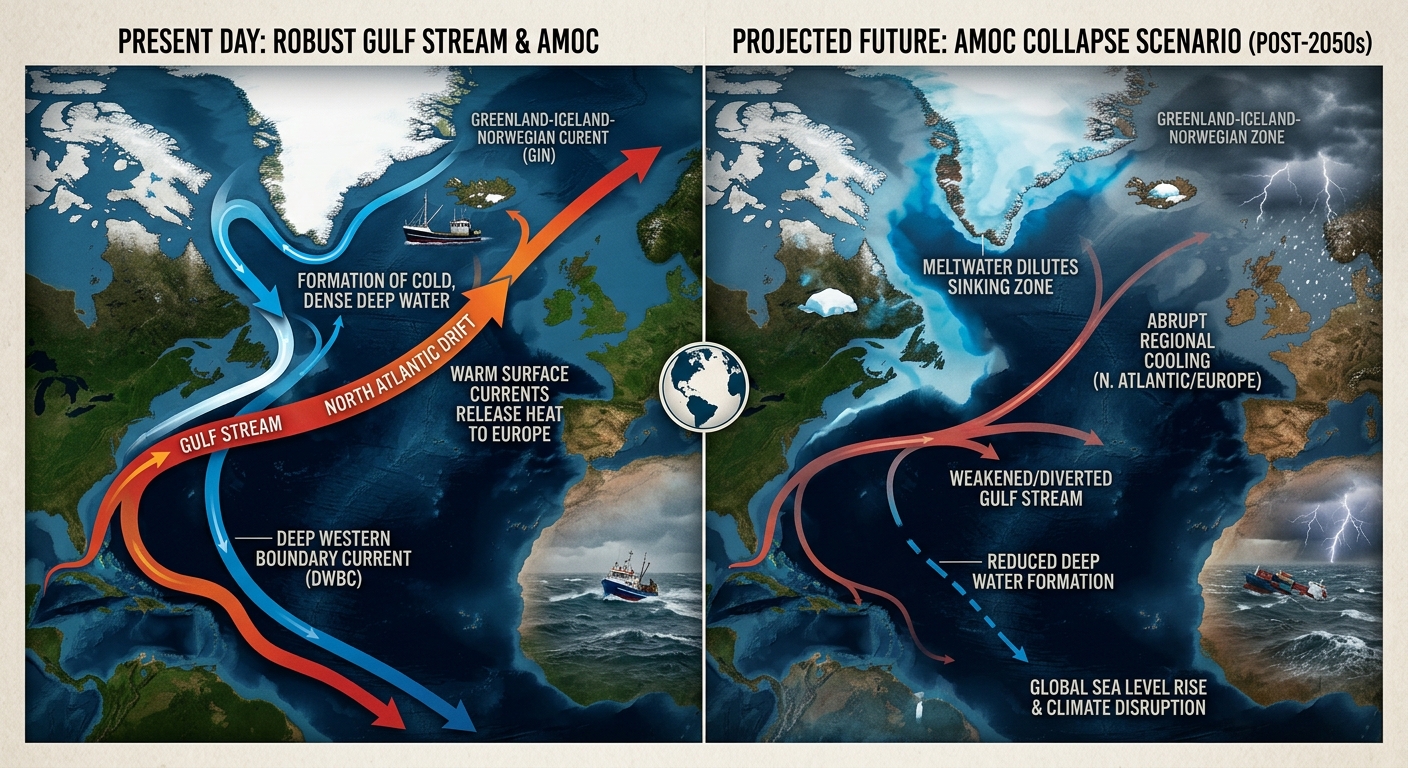
The Gulf Stream, which keeps Europe warm, is weakening rapidly and could collapse within decades due to climate change and melting ice from Greenland. Scientists warn this shutdown could plunge Northern Europe into a deep freeze while triggering chaotic weather patterns worldwide.
The La Garita supervolcano in Colorado erupted 28 million years ago with a force 2,500 times greater than Krakatoa, ejecting 5,000 cubic kilometers of material and creating the largest known volcanic eruption in Earth’s history. This prehistoric catastrophe covered thousands of square miles in superheated ash and rock, fundamentally reshaping the landscape and climate of ancient Earth.
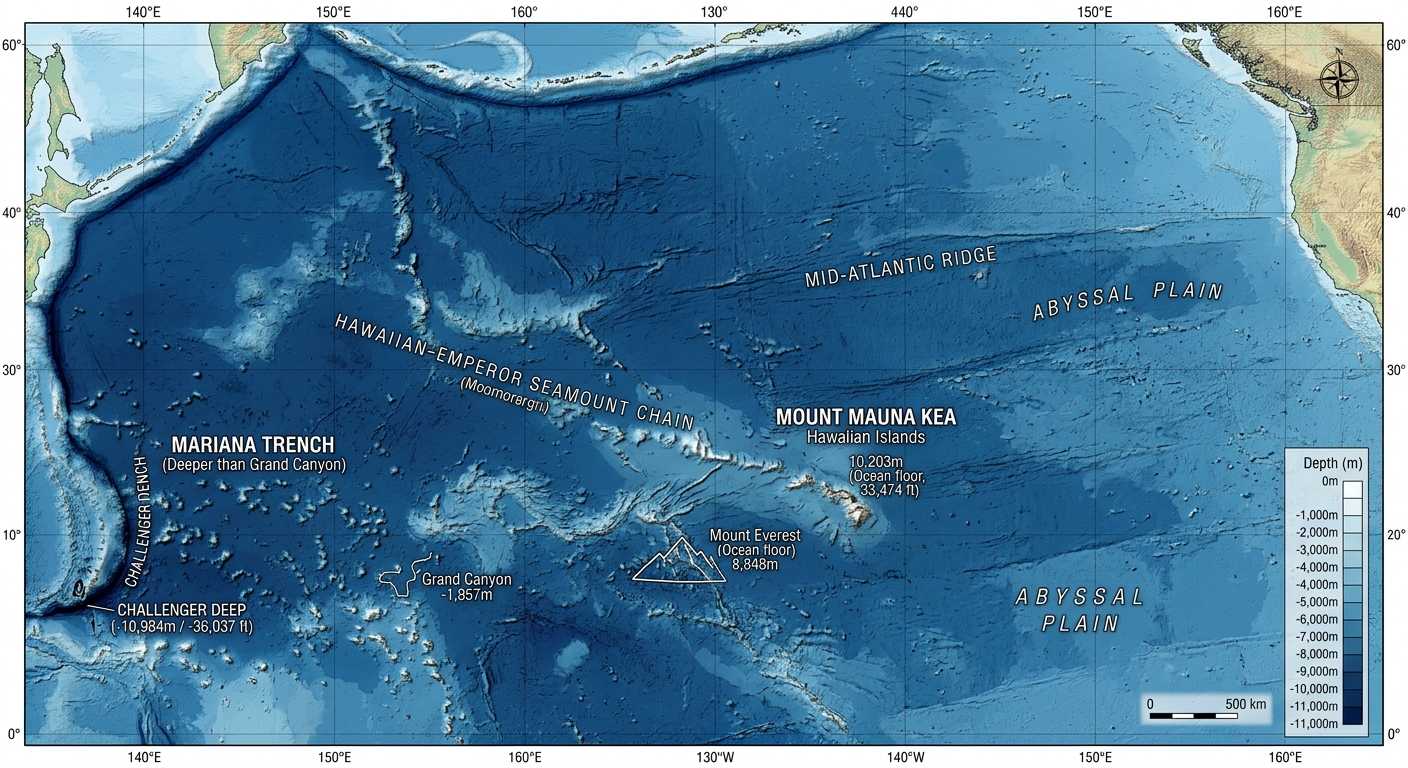
Over 80% of Earth’s most dramatic mountains, active volcanoes, and deepest canyons lie hidden on the ocean floor, creating landscapes more extreme than anything found on land. These underwater geological wonders remain largely unexplored, harboring secrets that could revolutionize our understanding of our own planet.
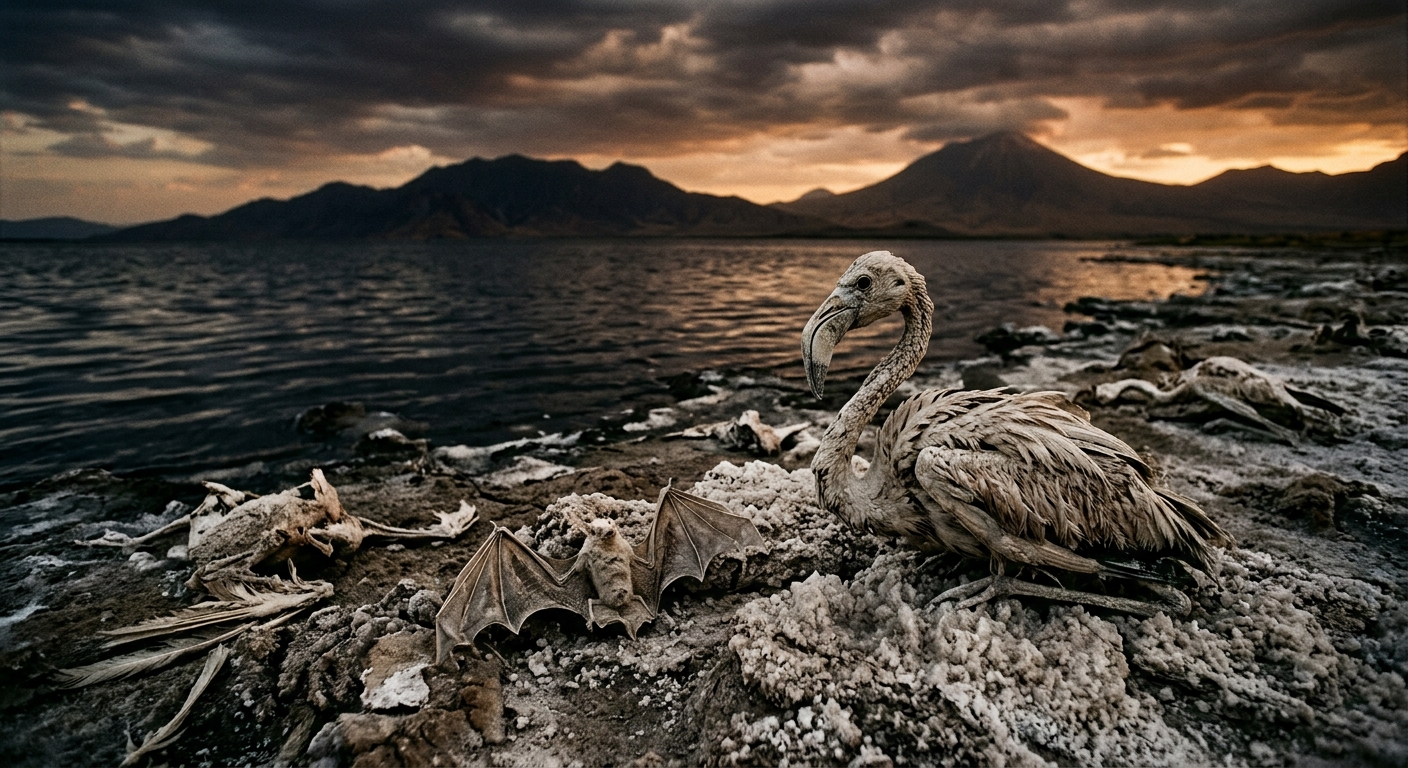
Lake Natron in Tanzania possesses waters so alkaline they can calcify dead animals into perfect stone statues, preserving them in haunting detail. Despite its deadly reputation, this extreme environment serves as a crucial breeding ground for millions of flamingos and offers unique insights into life’s ability to survive in hostile conditions.
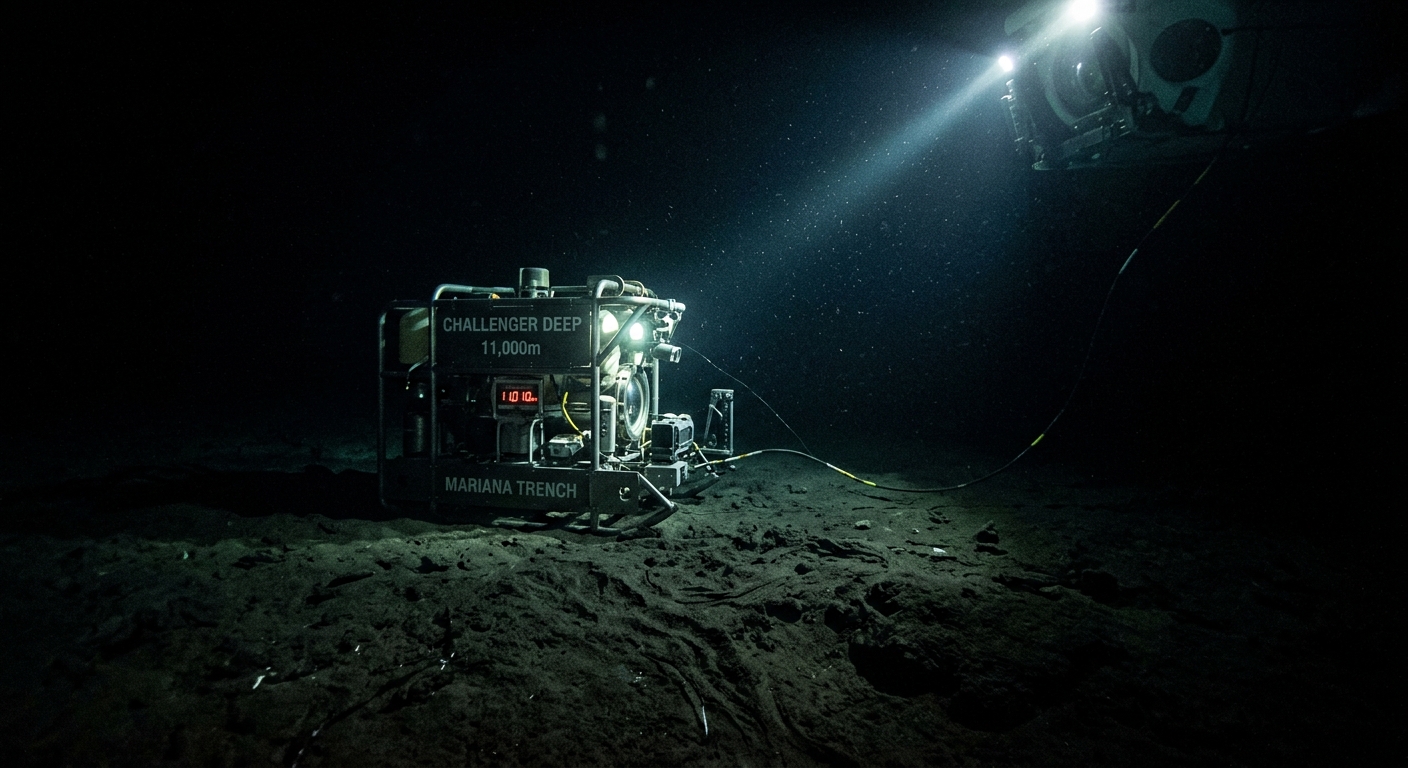
The Challenger Deep plunges nearly 11 kilometers below the ocean surface, creating Earth’s most alien environment where no sunlight has ever reached and bizarre life forms thrive in crushing darkness. This underwater realm, more hostile than space, harbors ecosystems that challenge everything we know about life’s possibilities.