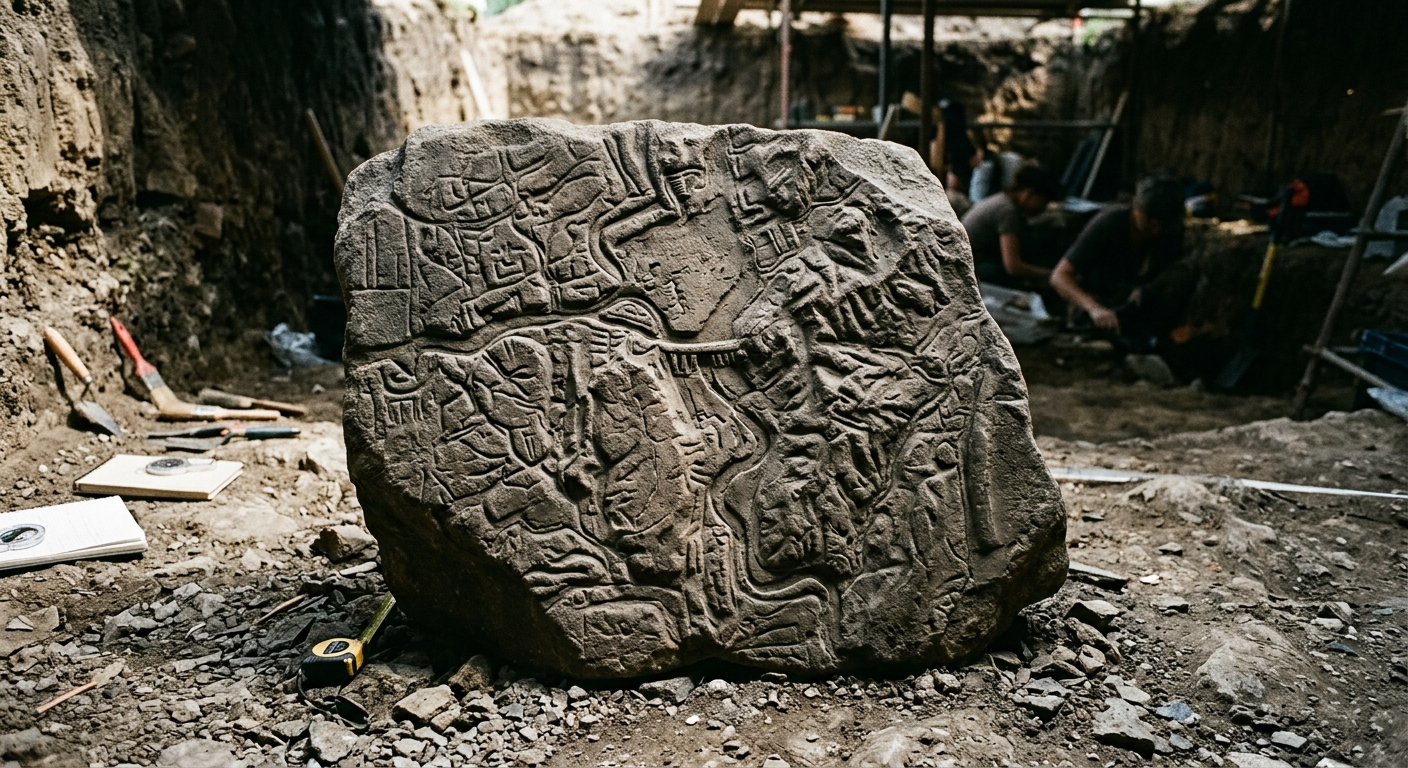
A stone map discovered in Russia depicts Earth’s geological features with impossible accuracy from 120 million years ago, challenging everything we know about ancient civilizations. The three-dimensional relief shows topographical details that should have required satellite technology to create, yet it predates human civilization by millions of years.
Roman concrete structures have withstood 2,000 years while modern concrete crumbles in decades, and scientists have only recently discovered why. The secret lies in volcanic ash and self-healing lime particles that make ancient concrete stronger over time.
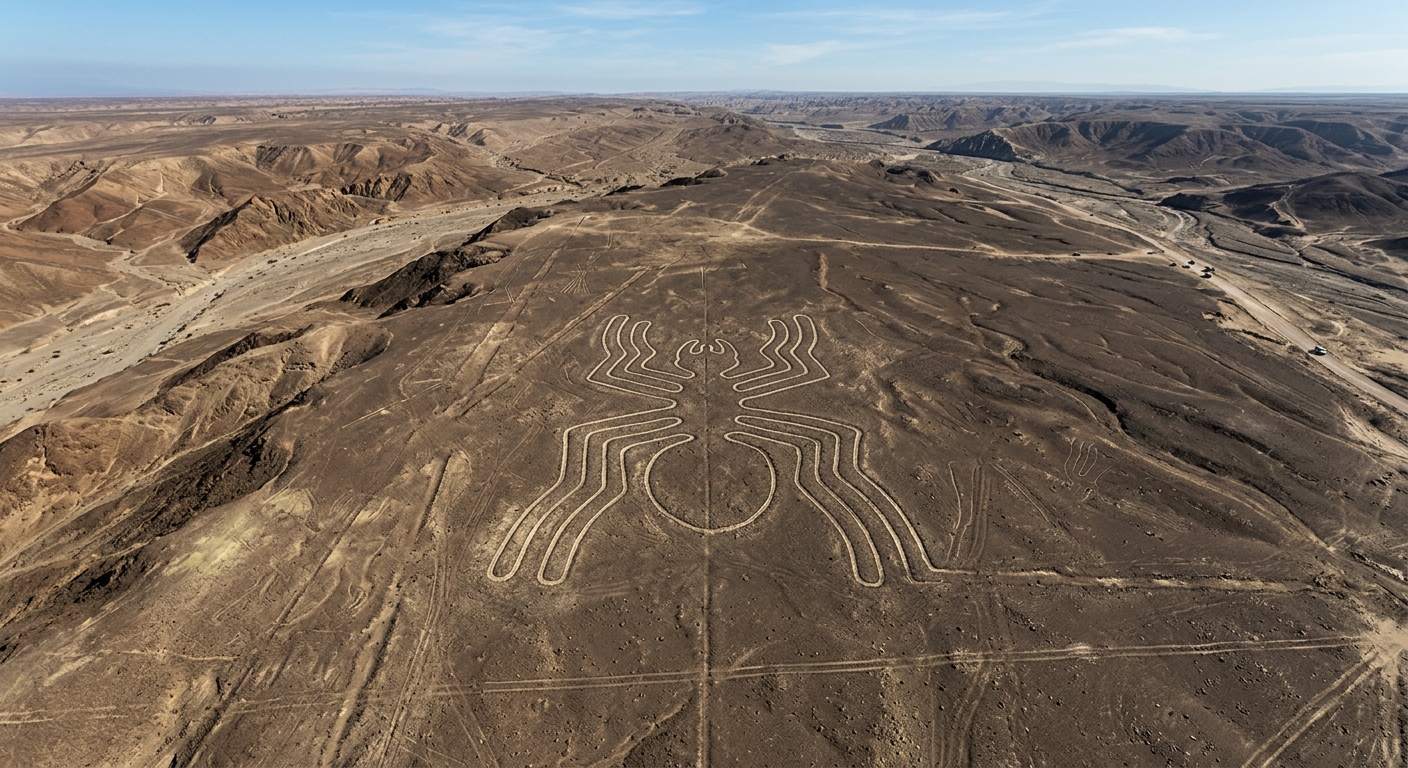
Deep in Peru’s desert lie massive ancient drawings that can only be seen from the air, created by a civilization 2,000 years ago that had no way to fly. These mysterious Nazca Lines span over 1,000 square kilometers and include perfectly proportioned animals and geometric shapes that continue to baffle archaeologists today.
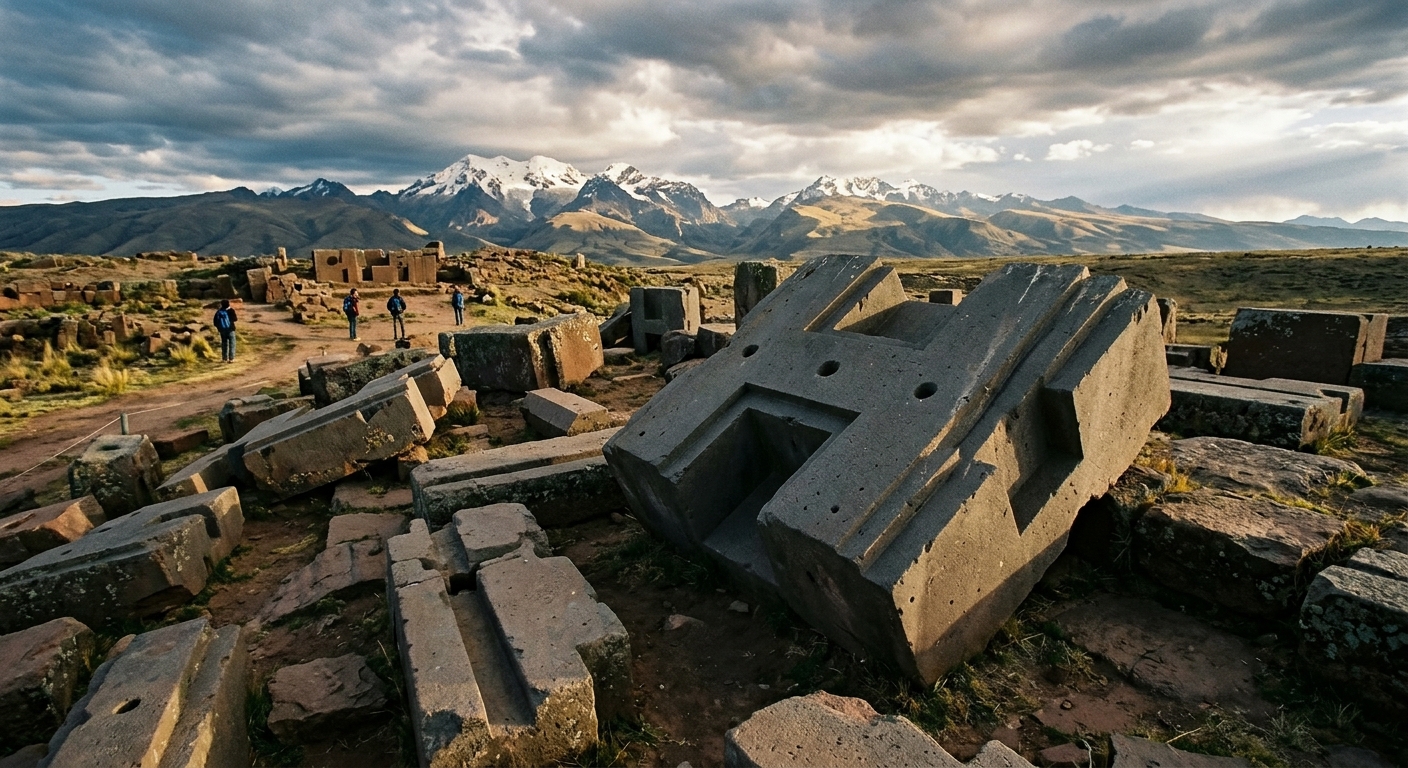
High in the Bolivian Andes, Puma Punku contains stone blocks cut with such impossible precision that modern engineers can’t explain how they were made using primitive tools. These 2,000-year-old megalithic structures feature perfect 90-degree angles and flawless surfaces that challenge everything we know about ancient civilizations.
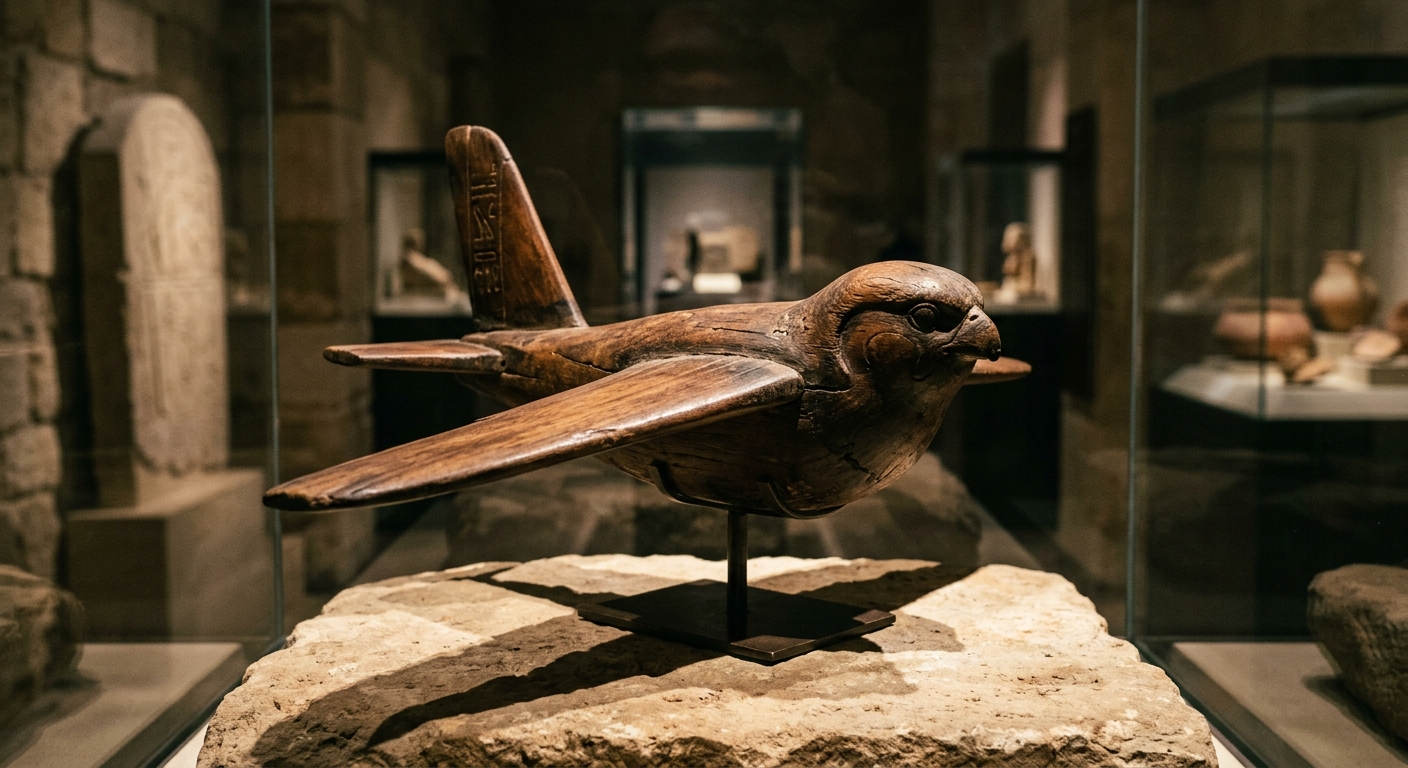
A 2,200-year-old wooden artifact found in an Egyptian tomb has aerodynamic properties that match modern glider aircraft, featuring straight wings and a vertical tail fin never seen on real birds. This mysterious object has sparked debates about whether ancient Egyptians possessed flight technology thousands of years before modern aviation.
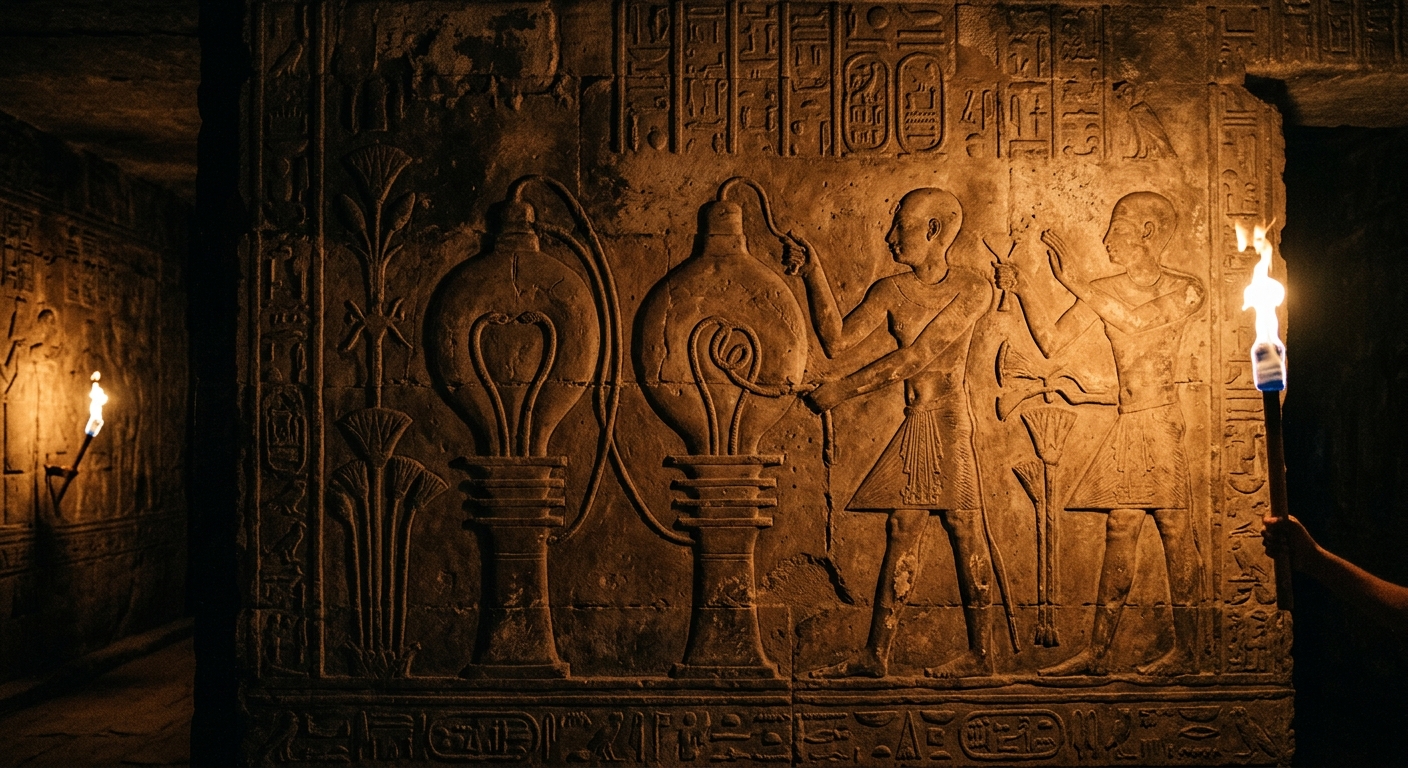
Ancient Egyptian temple carvings at Dendera appear to show electric light bulbs complete with filaments and power sources, sparking intense debate between archaeologists and alternative historians. These 2,000-year-old reliefs either represent sophisticated religious symbolism or evidence of lost ancient technology that challenges our understanding of the past.
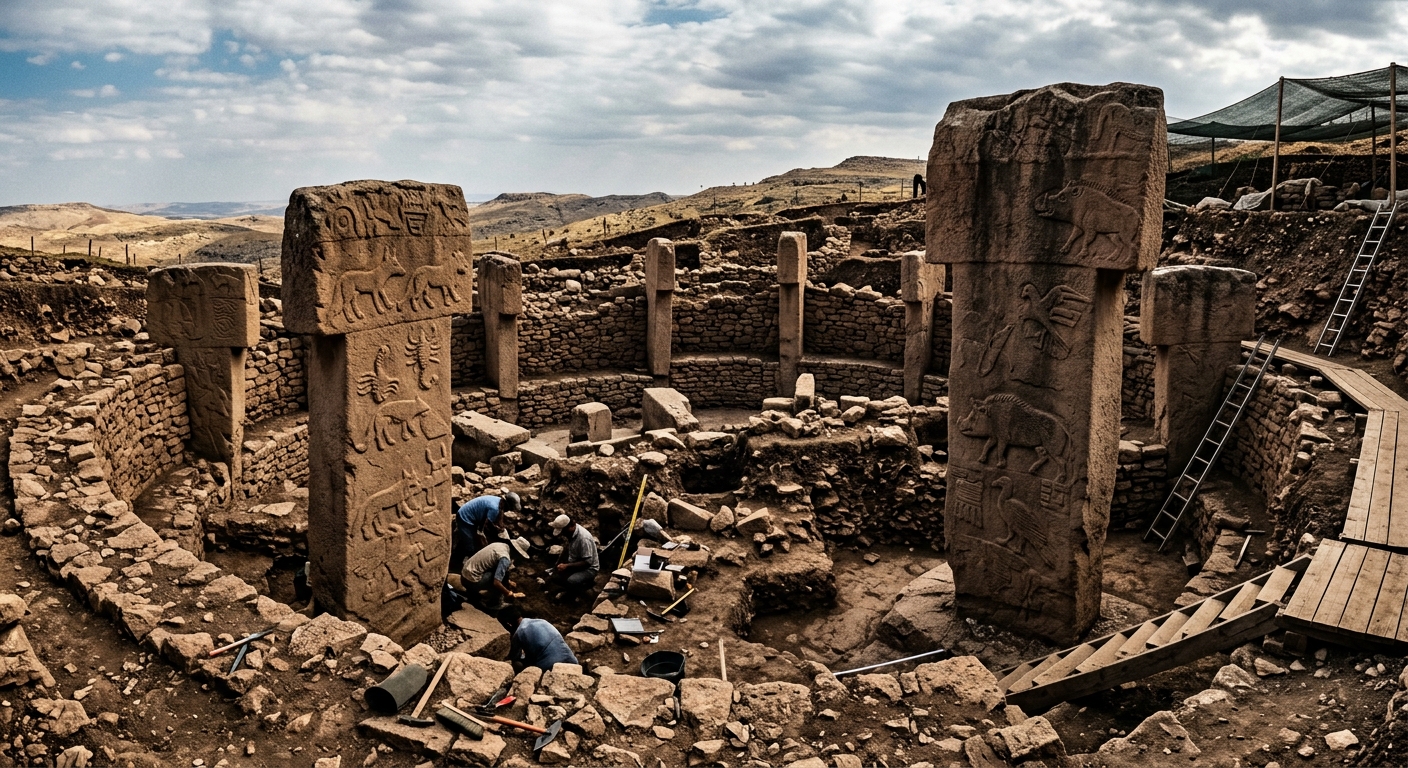
Göbekli Tepe, a sophisticated 12,000-year-old temple complex in Turkey, predates Stonehenge by over 6,000 years and was built by hunter-gatherers before agriculture existed. This discovery has completely rewritten our understanding of early human civilization and suggests that organized religion may have actually driven the development of agriculture, not the other way around.
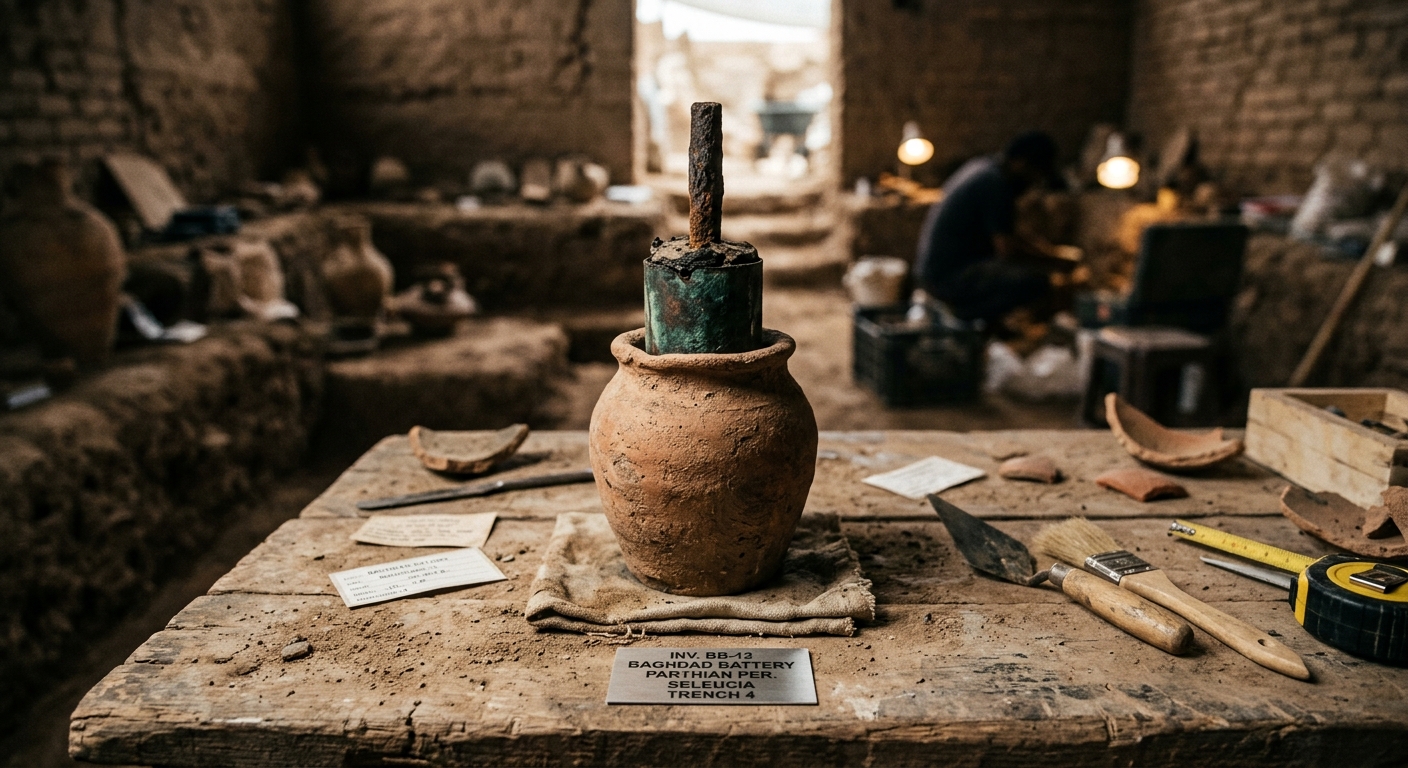
A mysterious 2,000-year-old clay jar discovered in Iraq contains copper and iron components that can generate electricity when filled with acid. This ancient device, known as the Baghdad Battery, challenges our understanding of when humans first harnessed electrical power.
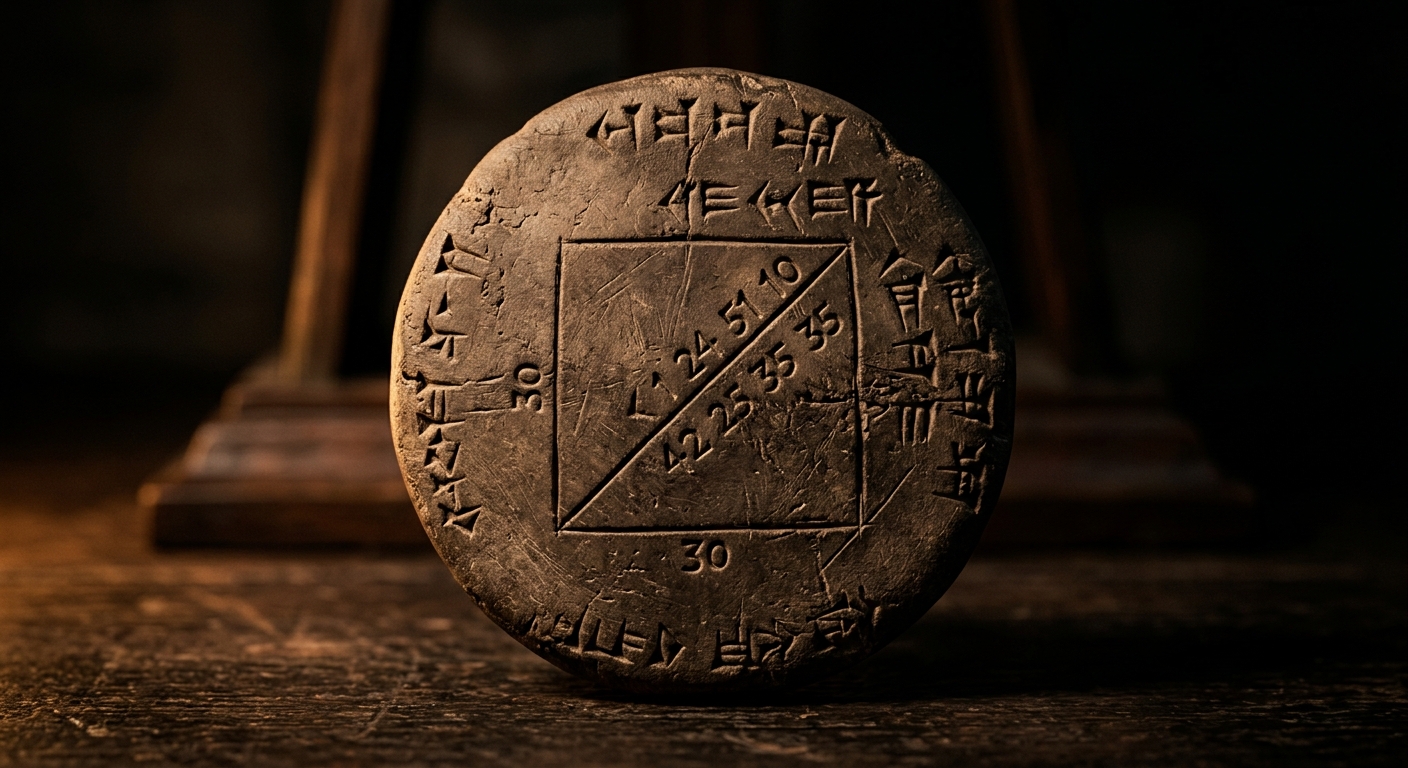
Archaeological discoveries reveal that Babylonian mathematicians were solving complex algebraic equations and calculating advanced mathematical problems as early as 2000 BCE, over 1,500 years before Greek mathematics reached its peak. Clay tablets show they understood concepts like the Pythagorean theorem, quadratic equations, and compound interest calculations with remarkable sophistication.
The Colosseum featured a massive retractable awning system called the velarium, operated by 1,000 skilled Roman sailors who could deploy canvas coverings over two-thirds of the arena. This ancient air conditioning system used sophisticated rope networks and aerodynamic design to cool 50,000 spectators during events.