Sound doesn’t travel at a constant speed through air, but changes dramatically based on temperature and humidity conditions. These variations create fascinating real-world effects from wildlife communication strategies to why thunder sounds different in summer versus winter.
The Drake Passage between South America and Antarctica represents the most dangerous ocean crossing on Earth, where hurricane-force winds and 65-foot waves are created by the collision of powerful currents. This 500-mile stretch of hellish waters has terrorized sailors for centuries and continues to challenge even modern ships with its unrelenting fury.
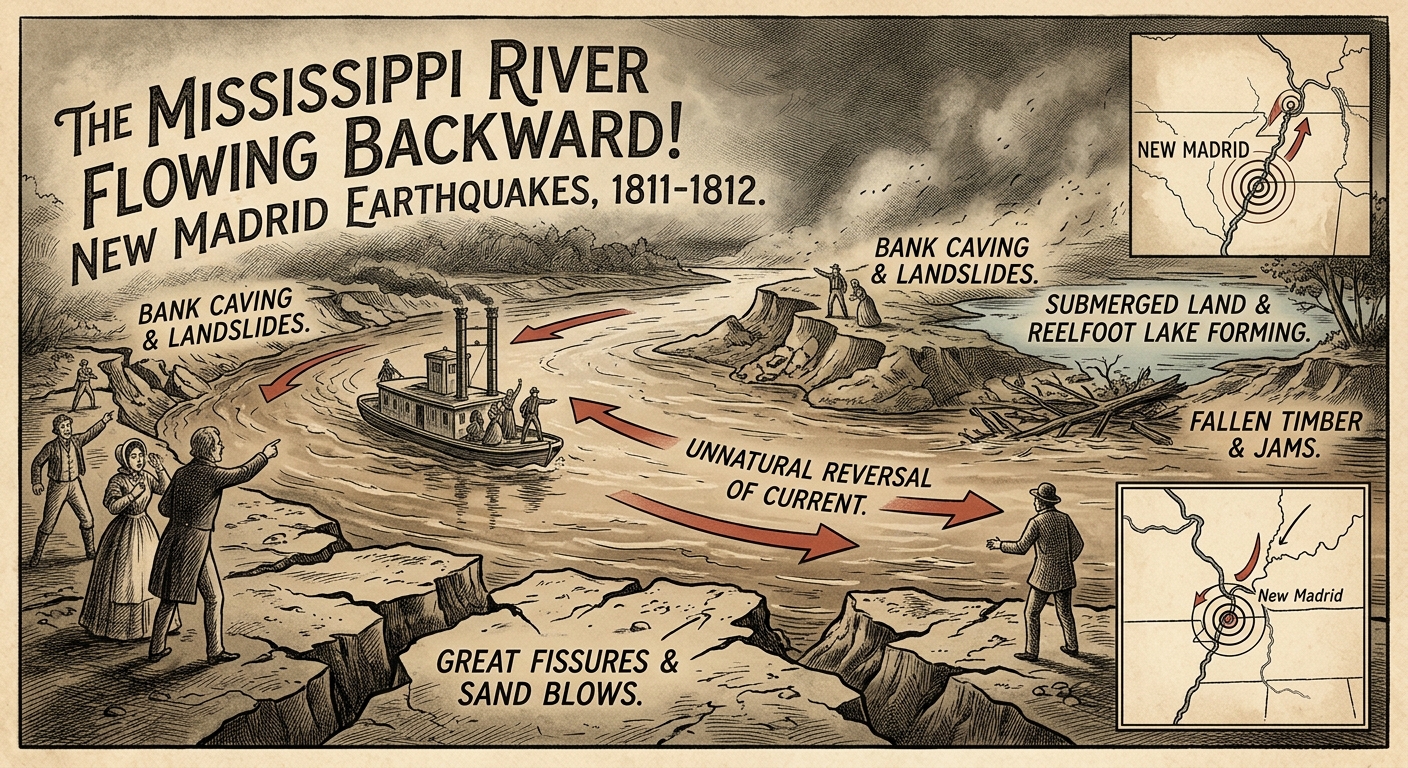
In December 1811, one of the most powerful earthquakes in American history made the Mississippi River flow backward for three days. This incredible geological event reshaped the landscape and created new lakes while demonstrating nature’s awesome power to break the laws we think govern our world.
Scientists have discovered microplastics in the deepest part of the ocean, the Mariana Trench, proving that human pollution has reached even the most remote places on Earth. This shocking finding in creatures living 36,000 feet below the surface reveals that nowhere on our planet remains untouched by plastic contamination.
In the Arctic Circle, the sun refuses to set for two straight months, creating a surreal world of 24-hour daylight that completely disrupts normal life rhythms. This extraordinary phenomenon occurs due to Earth’s axial tilt, transforming Arctic communities into lands where midnight looks identical to midday and reshaping everything from sleep patterns to wildlife behavior.
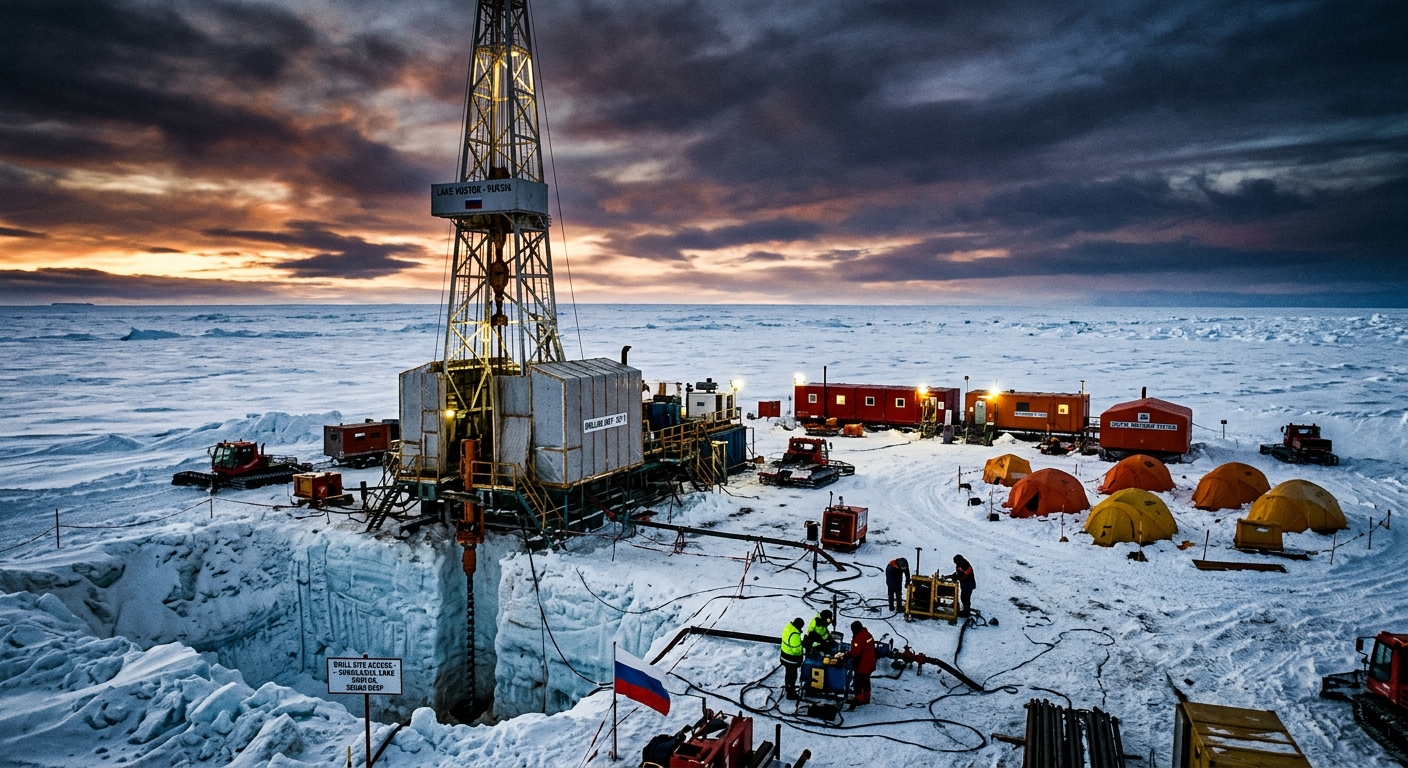
Hidden beneath 2.5 miles of Antarctic ice, Lake Vostok has been completely isolated from the outside world for 15 million years. Scientists who finally breached this frozen time capsule discovered thriving microbial ecosystems that could revolutionize our understanding of life’s limits and possibilities beyond Earth.
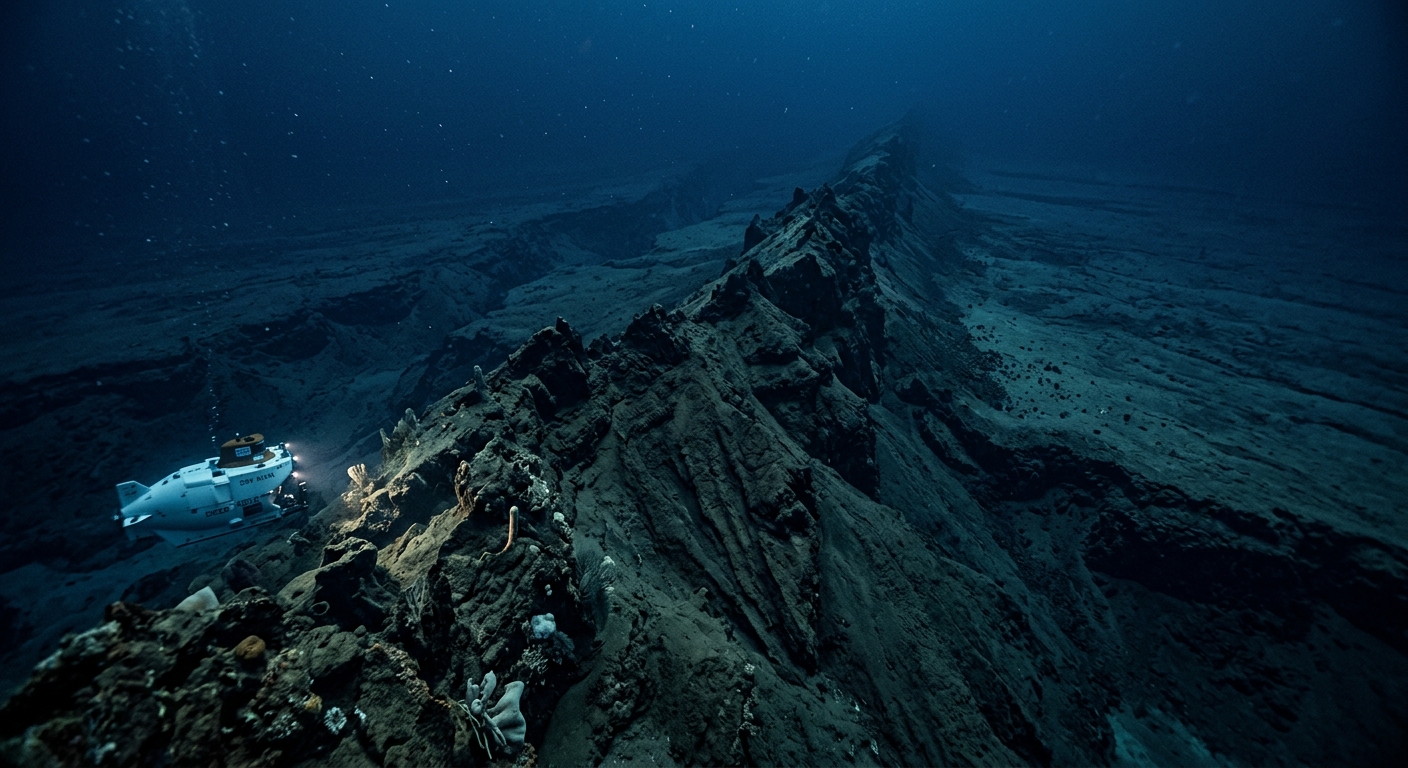
The Ninety East Ridge stretches 5,000 kilometers across the Indian Ocean floor in an almost perfectly straight line, making it the longest and straightest geological feature on Earth. This underwater mountain chain was created over 40 million years as a tectonic plate moved over a stationary volcanic hotspot, leaving behind a ruler-straight trail of peaks.
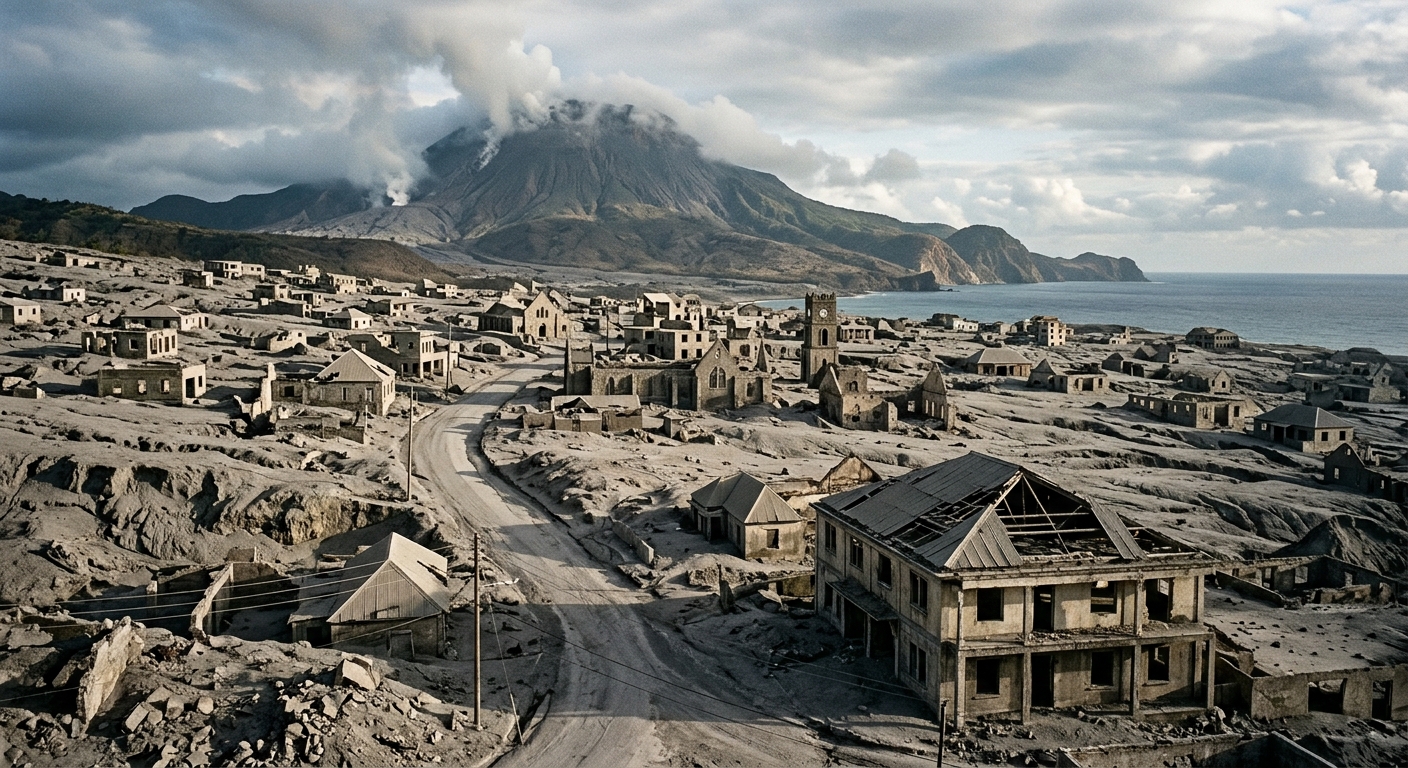
In 1995, the Soufriere Hills Volcano on the Caribbean island of Montserrat awakened after 350 years of dormancy and completely buried the capital city of Plymouth under volcanic ash and debris. This modern-day Pompeii remains perfectly preserved under meters of ash, creating a haunting time capsule of 1990s Caribbean life.
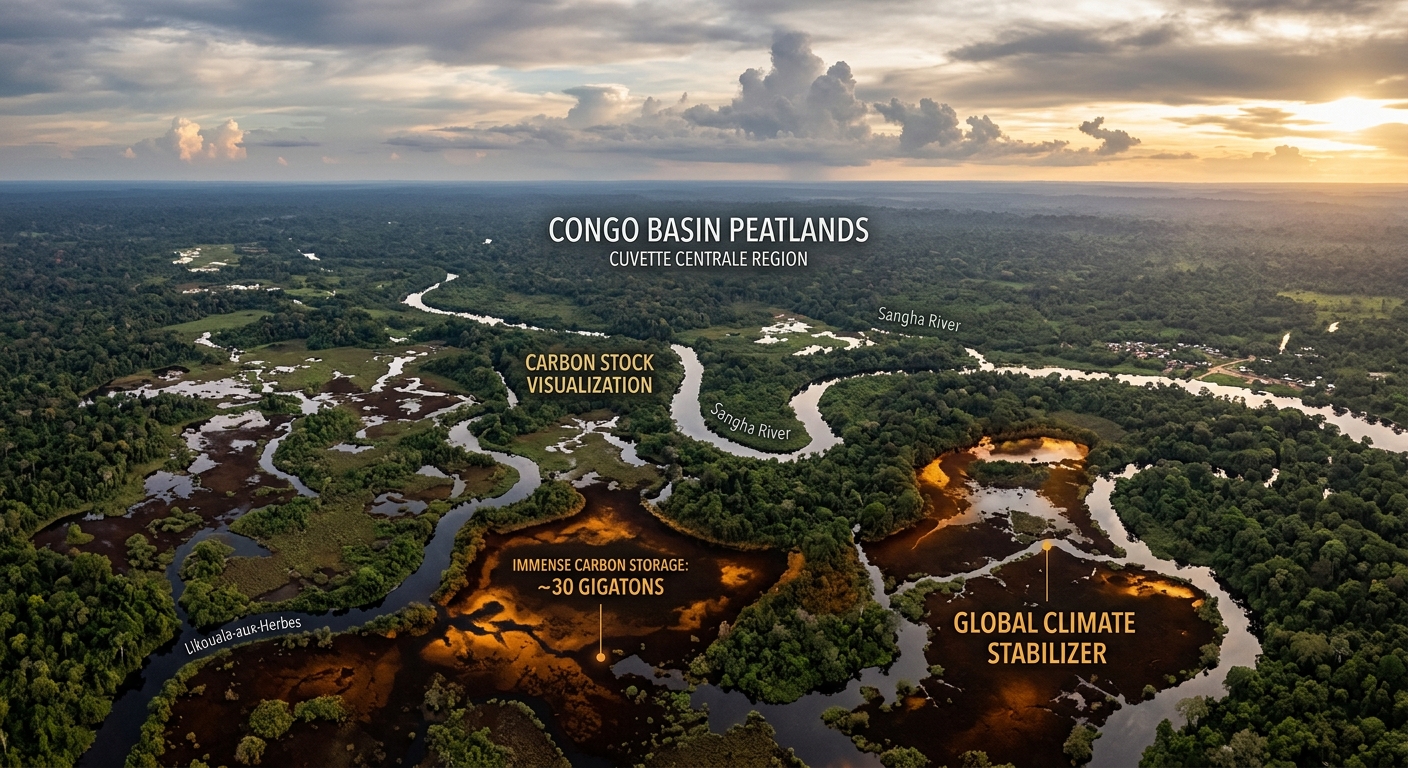
The Congo Basin rainforest stores 60 billion tons of carbon, equivalent to three years of global fossil fuel emissions. If this massive carbon reserve were released through deforestation or fires, it could dramatically accelerate global climate change beyond current projections.
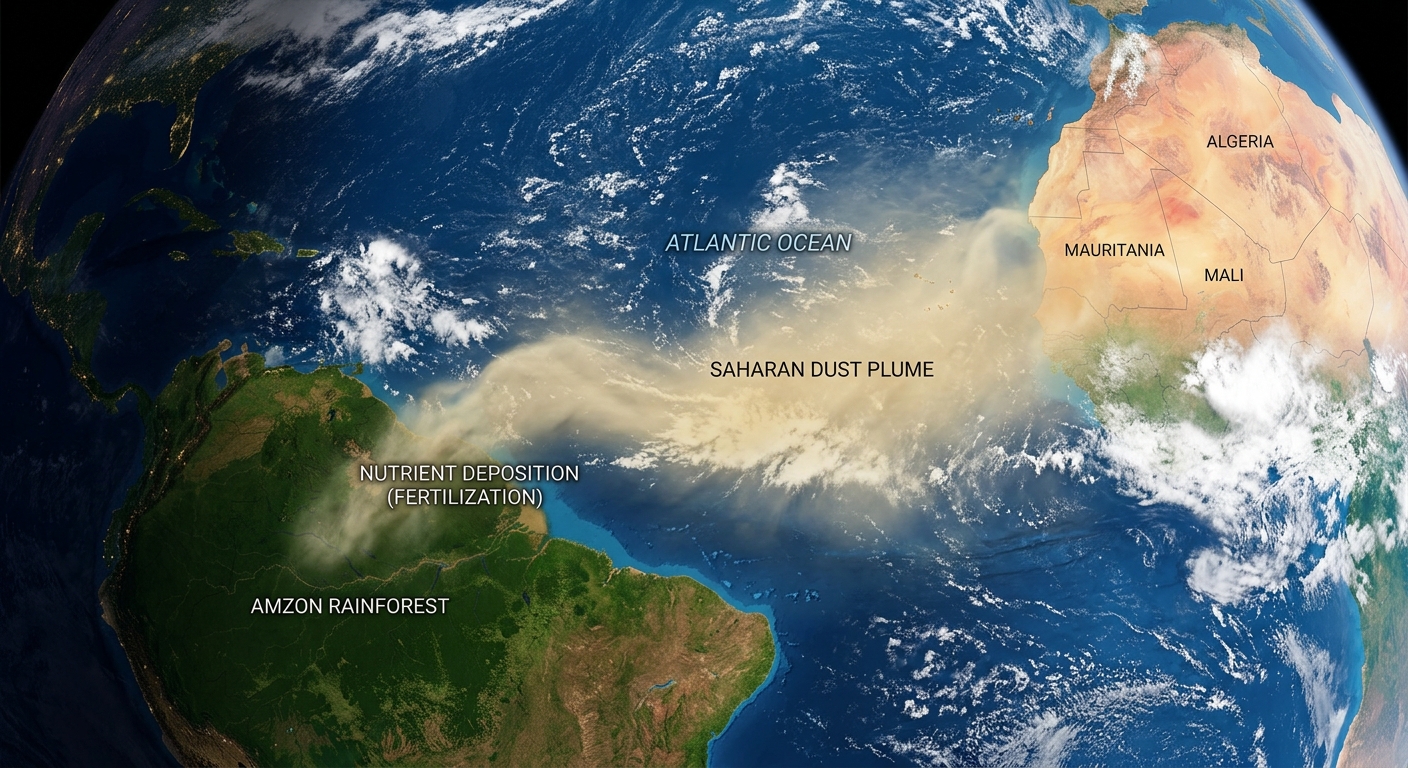
Every year, the Sahara Desert launches 22 million tons of mineral-rich dust on a 4,000-mile journey across the Atlantic Ocean to fertilize the Amazon rainforest. This invisible sky bridge delivers exactly the phosphorus and nutrients the Amazon needs to thrive, creating one of nature’s most spectacular long-distance relationships.