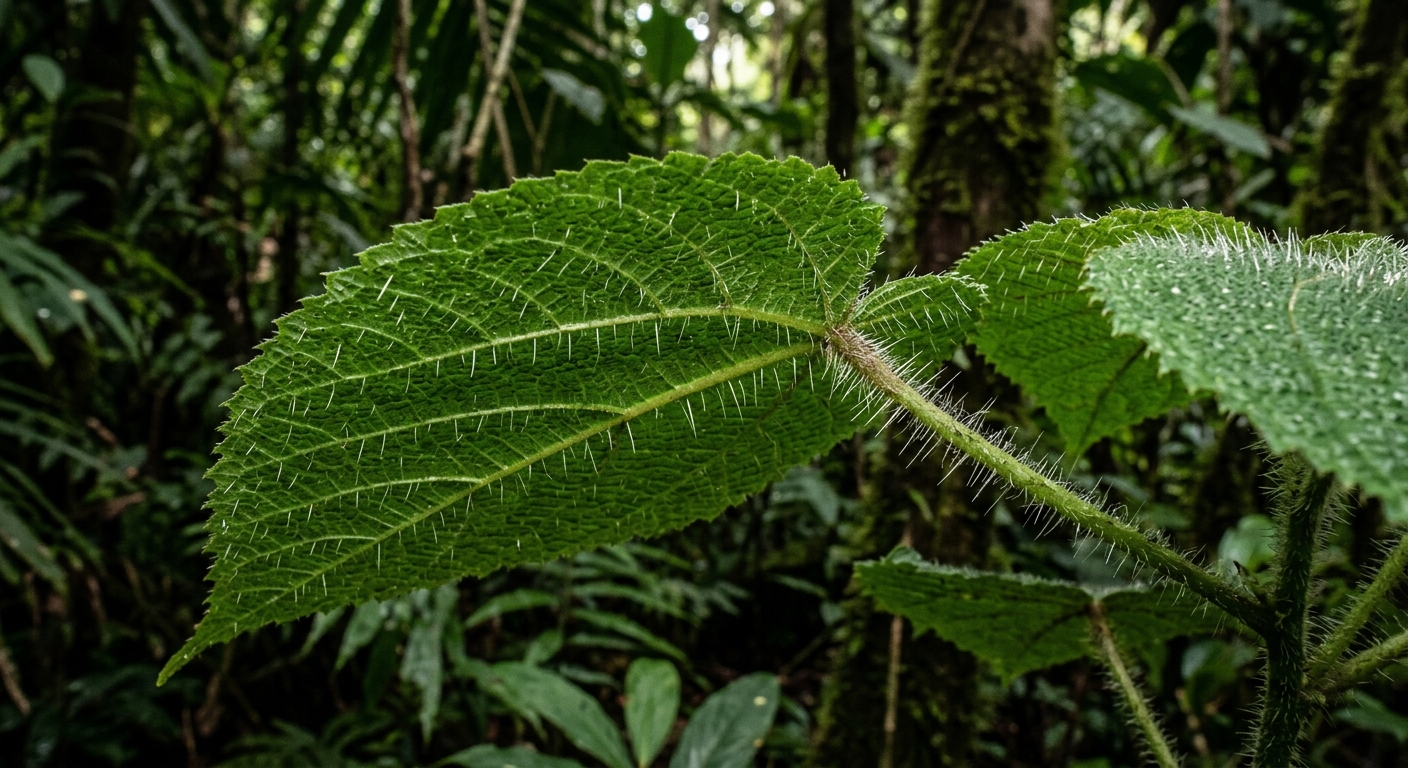
The Gympie-Gympie stinging tree of Australia delivers pain so excruciating that it has driven people to suicide, with agony lasting for years after a single touch. This plant’s microscopic needles inject neurotoxins that permanently alter nerve function, making it arguably the most dangerous plant on Earth.
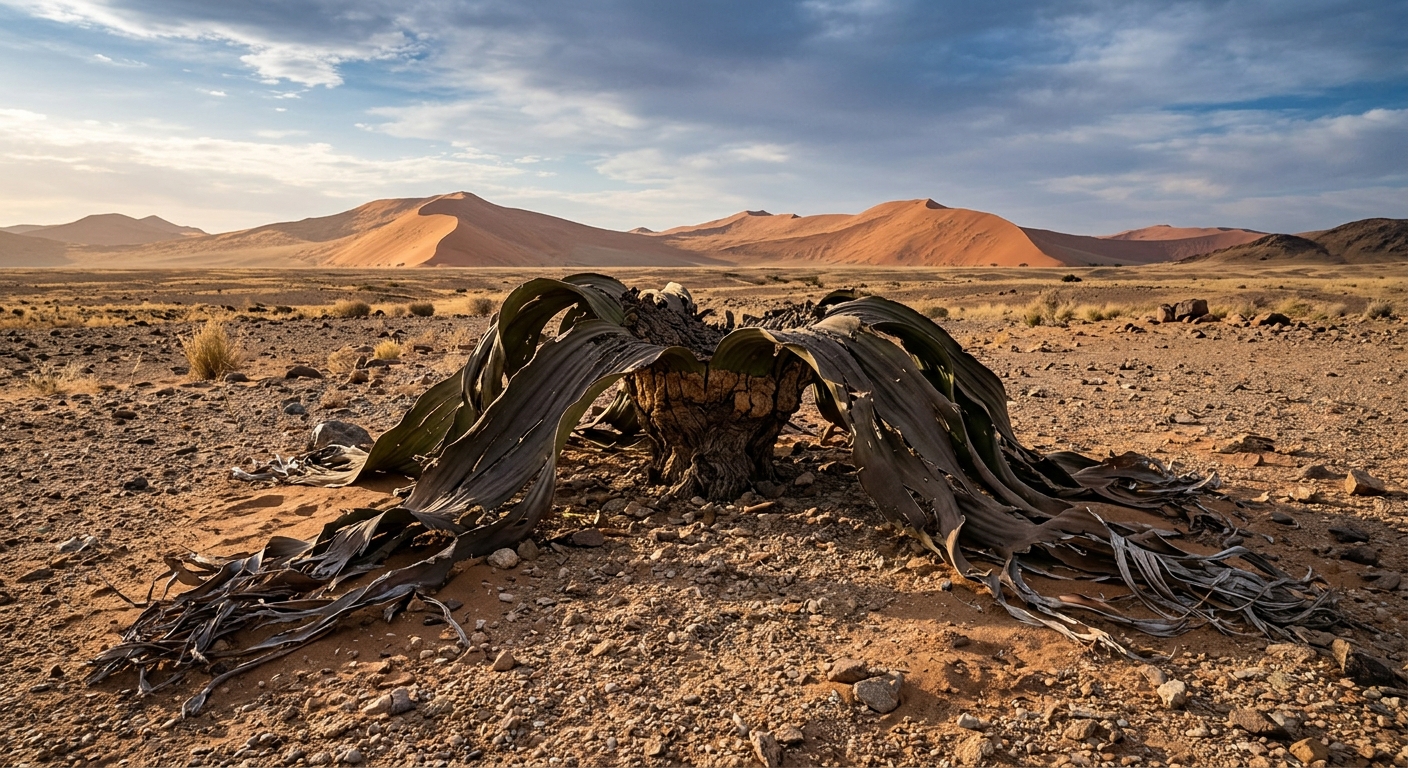
In the brutal Namib Desert lives the Welwitschia mirabilis, a bizarre plant that survives with just two leaves for over 1,500 years. This living fossil defies everything we know about plant biology, thriving in one of Earth’s most hostile environments through extraordinary adaptations.
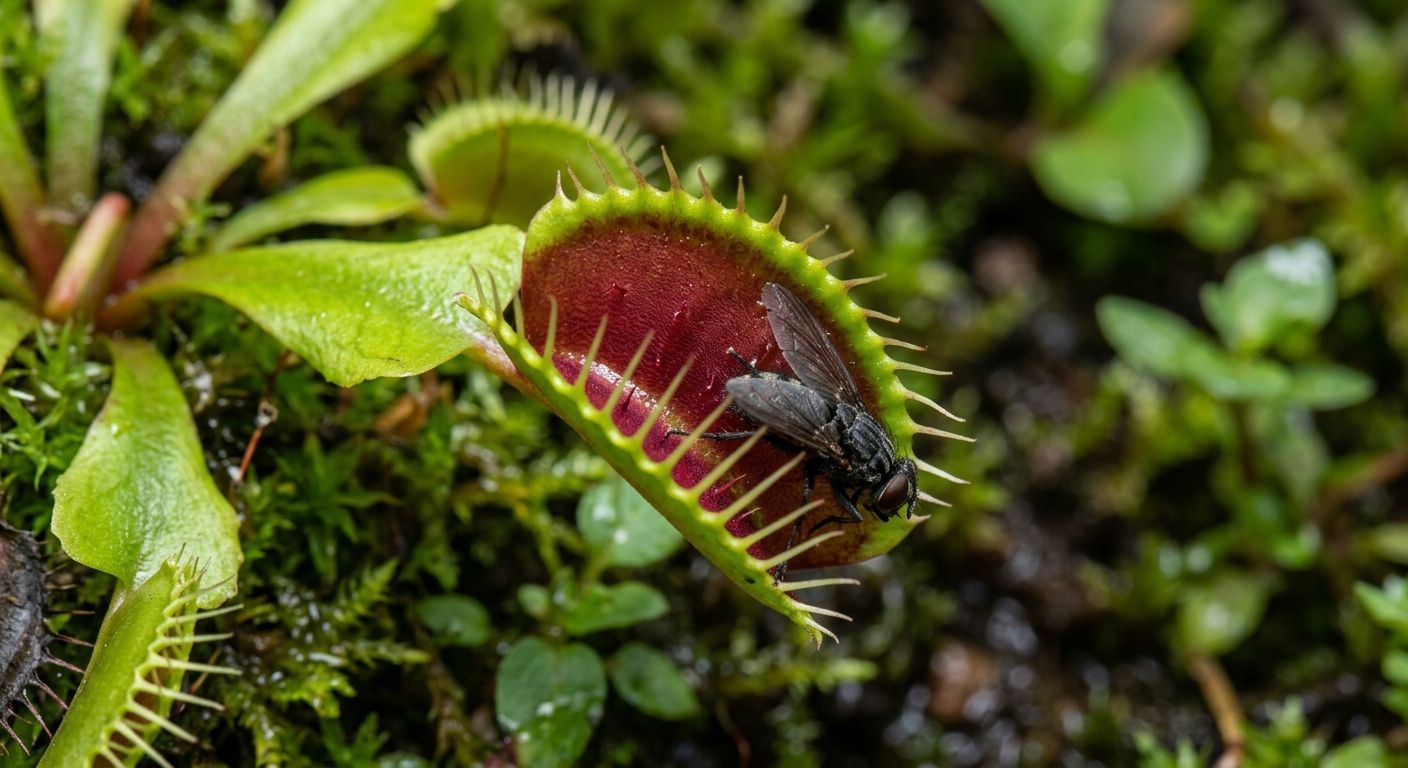
The Venus flytrap doesn’t just snap shut randomly – it actually counts trigger touches up to five before deciding whether to close its trap and begin digestion. This carnivorous plant uses sophisticated bioelectrical signals to perform mathematical calculations that determine whether potential prey is worth the enormous energy cost of closing its deadly jaws.
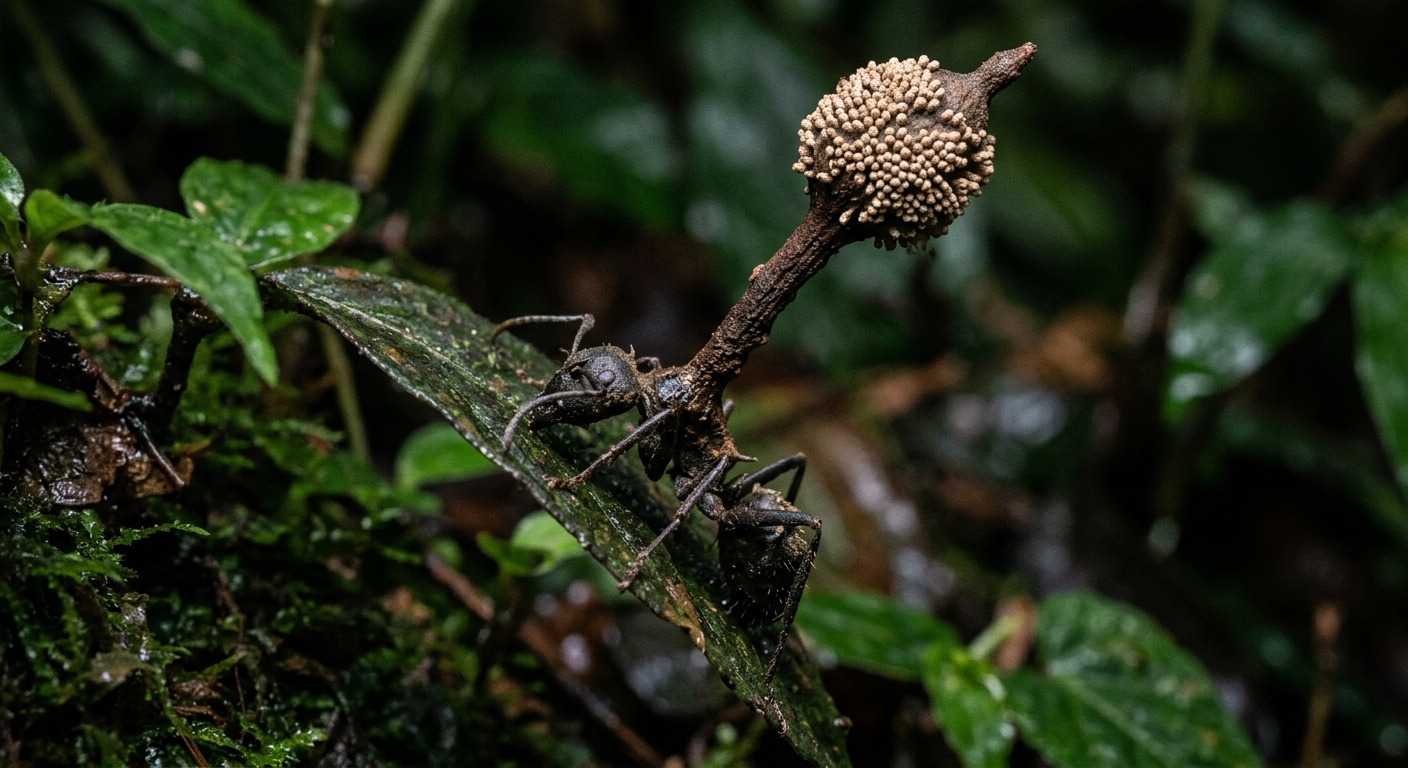
Deep in tropical rainforests, a parasitic fungus turns carpenter ants into mindless zombies, hijacking their behavior to create the perfect spore-spreading machines. This microscopic puppet master forces infected ants to climb to precise locations before erupting from their heads in a gruesome finale that ensures the cycle continues.
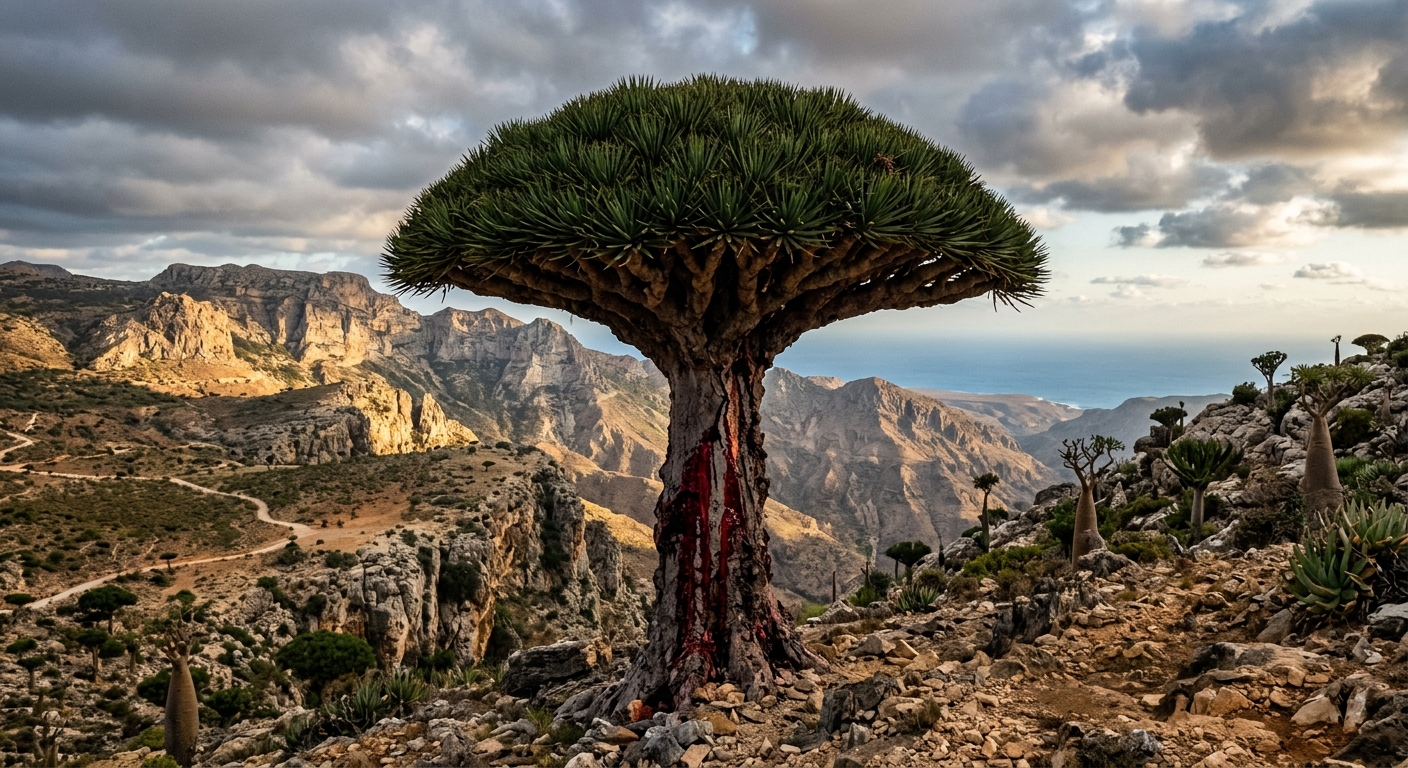
The Dragon Blood Tree of Socotra Island literally bleeds crimson red when wounded and can live for over 650 years, making it one of Earth’s most alien-looking and longest-living plants. These umbrella-shaped giants have witnessed centuries of human history from their remote island home in the Indian Ocean.
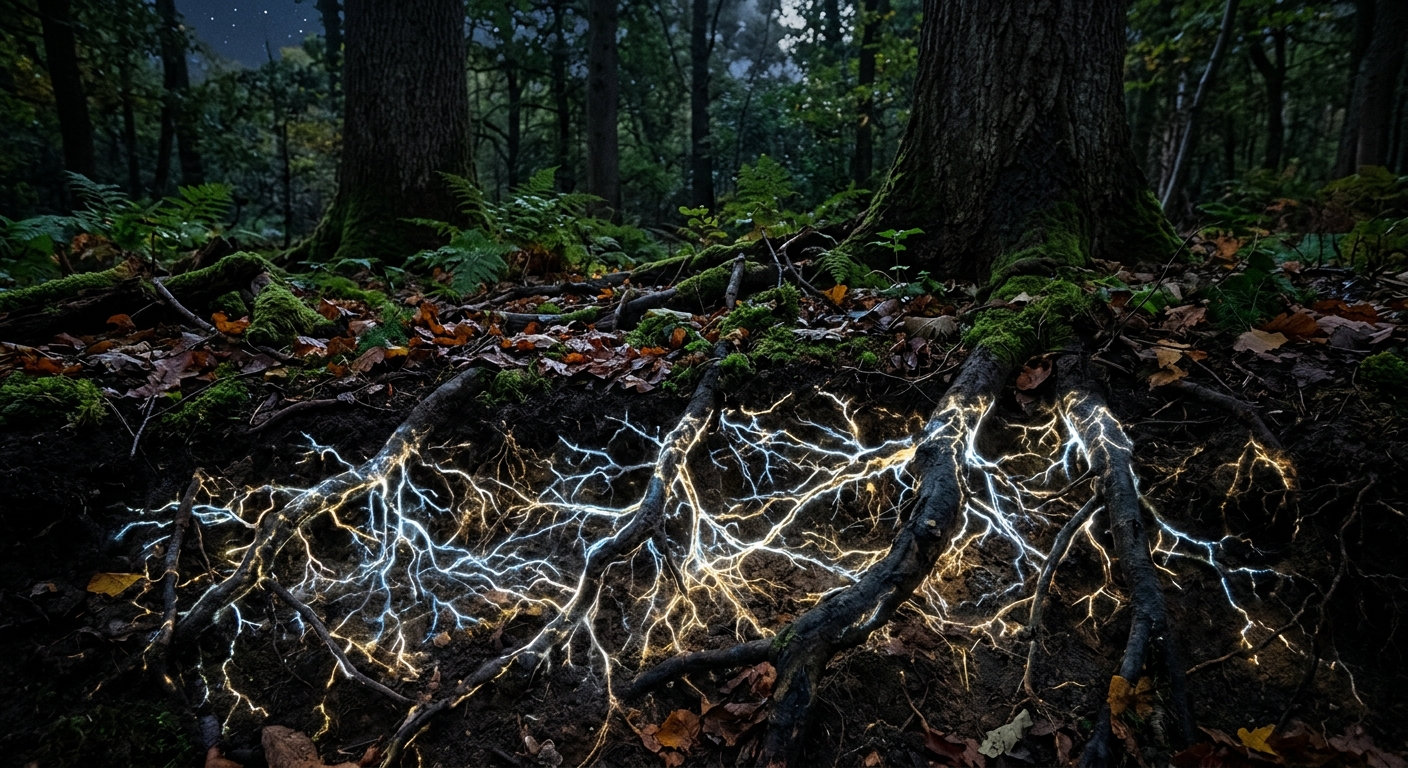
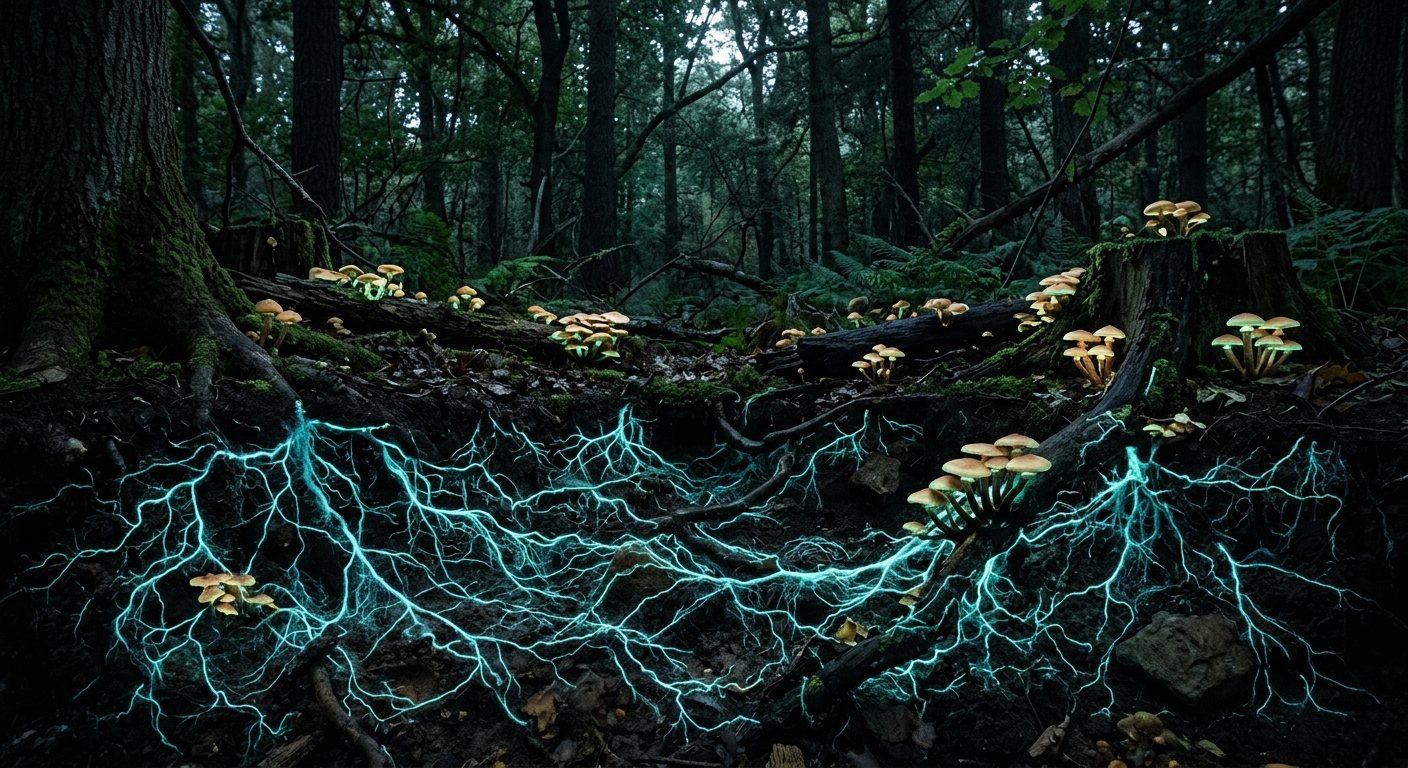
Scientists have discovered that trees communicate through vast underground fungal networks, sharing resources and warning signals in a biological internet that spans entire forests. This “wood wide web” reveals forests as interconnected superorganisms rather than collections of competing individual trees.
Hidden beneath an Oregon forest lies the world’s largest living organism – a single mushroom covering 2,385 acres that has been growing for thousands of years. This fungal giant challenges everything we thought we knew about life on Earth.
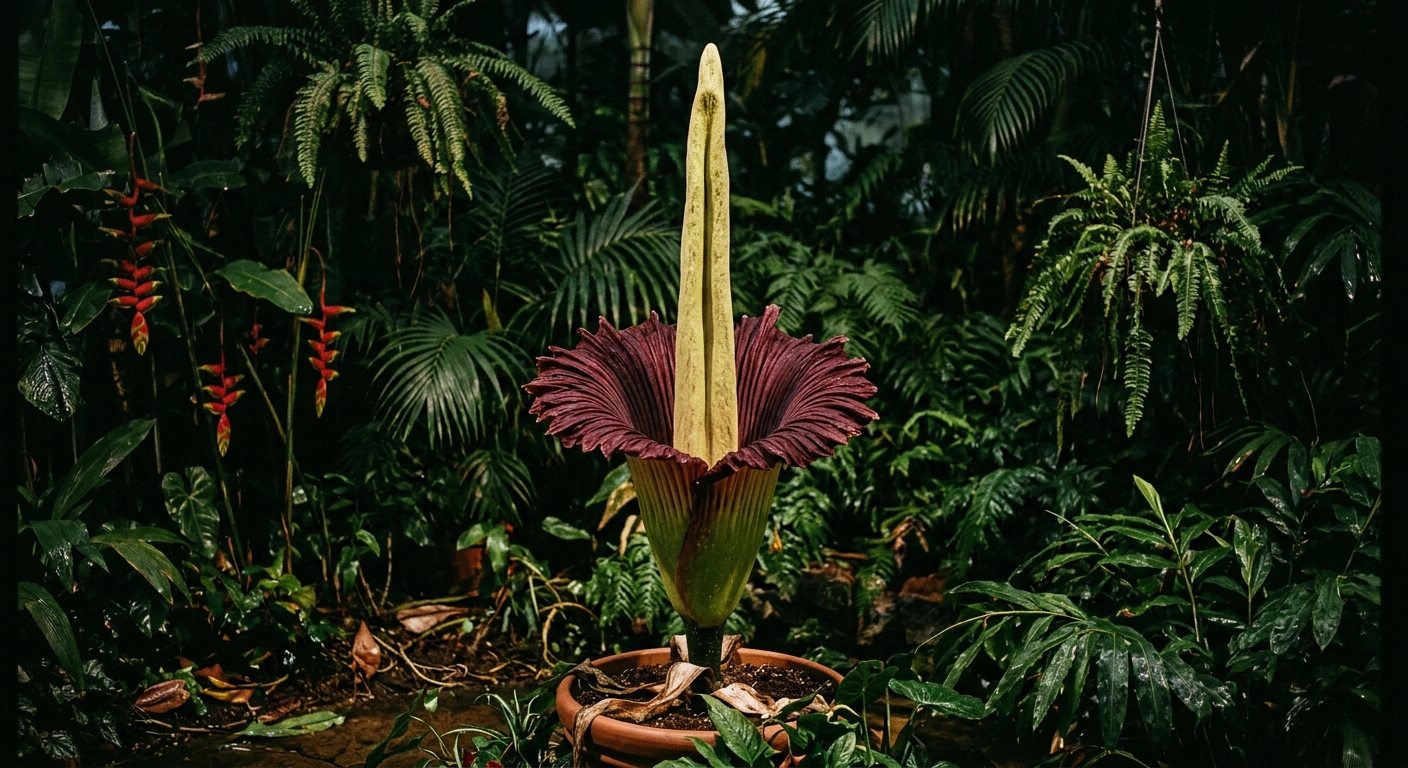
The corpse flower blooms only once a decade, reaching 10 feet tall and producing an odor so putrid it mimics rotting flesh to trick insects into pollination. This botanical horror show represents one of nature’s most extreme evolutionary adaptations, combining massive size, precise chemical mimicry, and body-temperature heat generation.
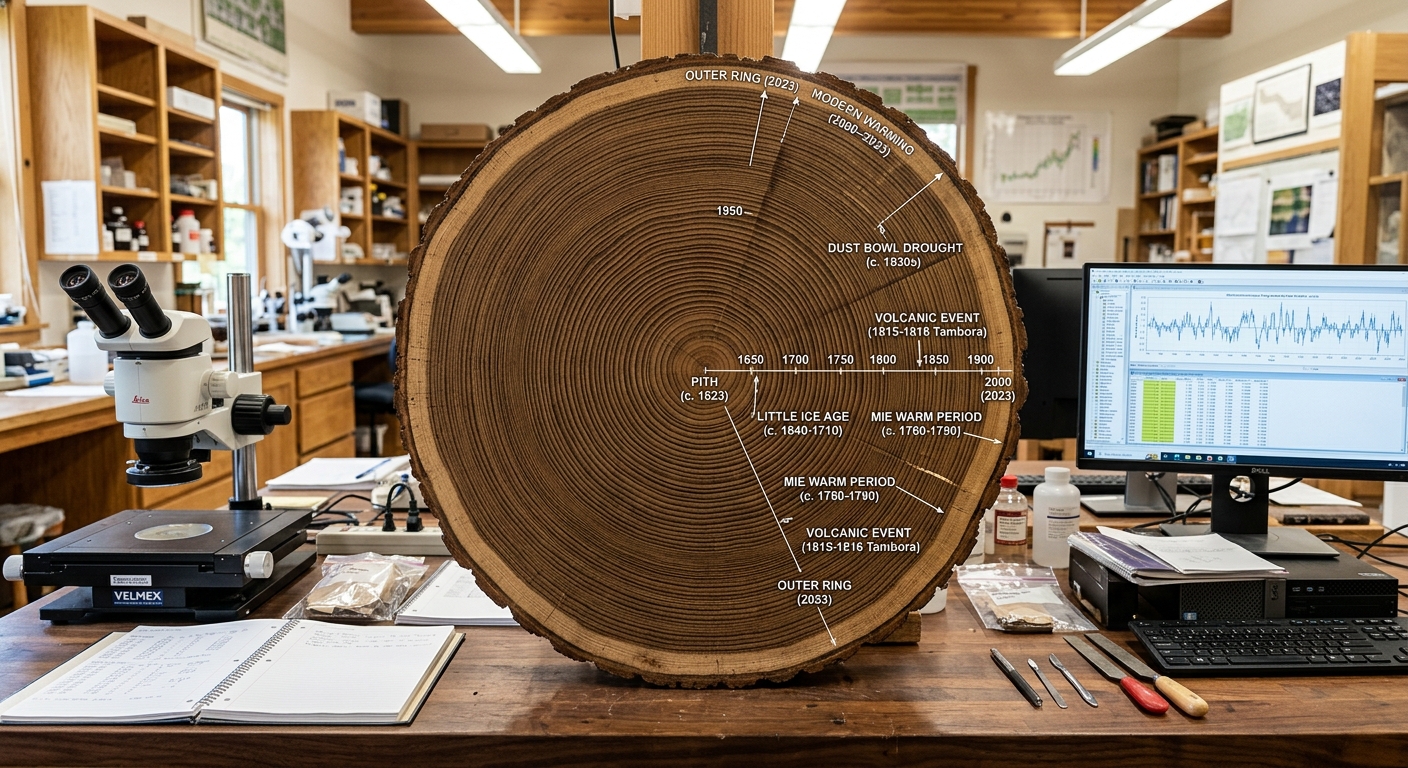
Ancient trees store detailed climate records in their wood rings, with some forests holding drought memories spanning over 400 years. These biological time machines reveal shocking details about historical climate patterns and provide crucial data for understanding how nature survives extreme weather events.
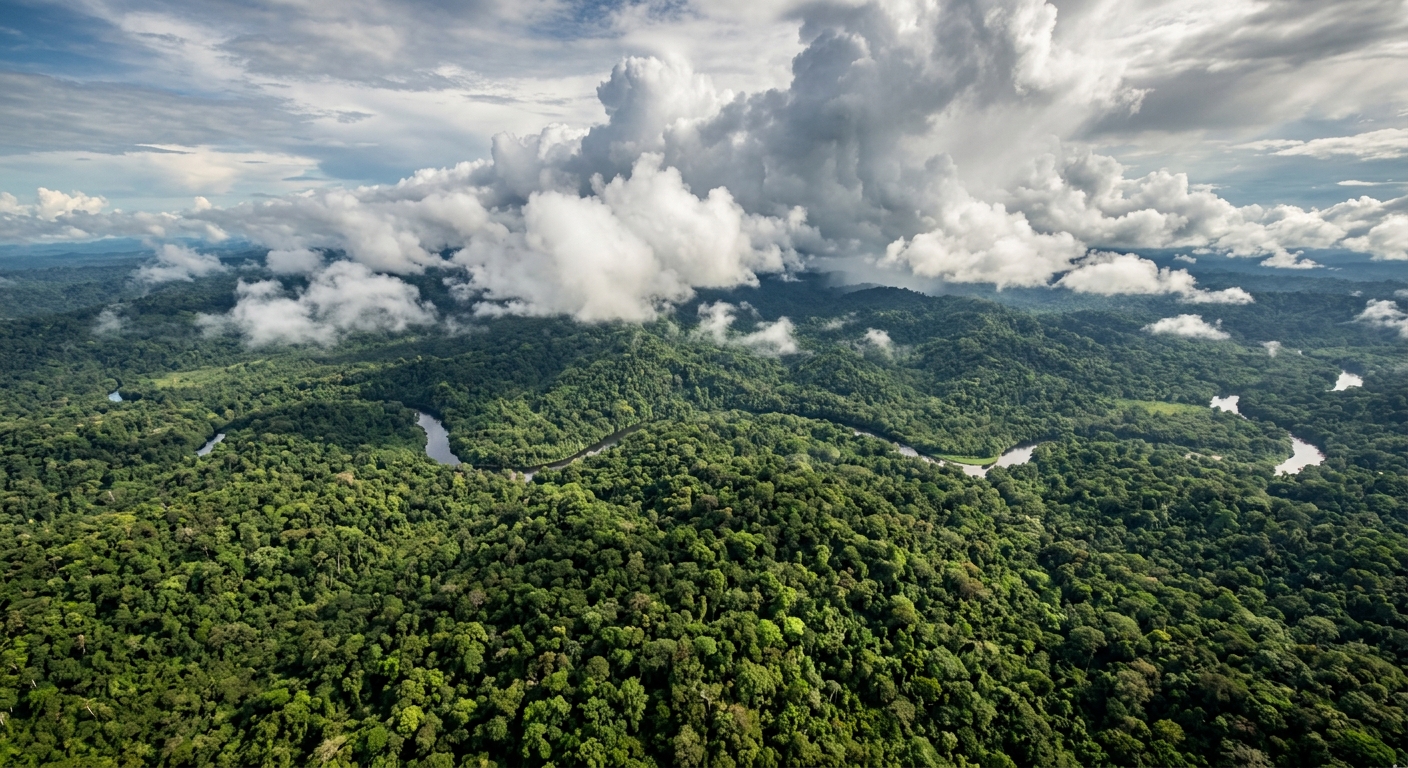
The Amazon rainforest produces roughly half of its own rainfall through an extraordinary process that releases 20 billion tons of water vapor daily into the atmosphere. This natural rain-making system influences weather patterns across South America and demonstrates nature’s most sophisticated climate engineering on a continental scale.