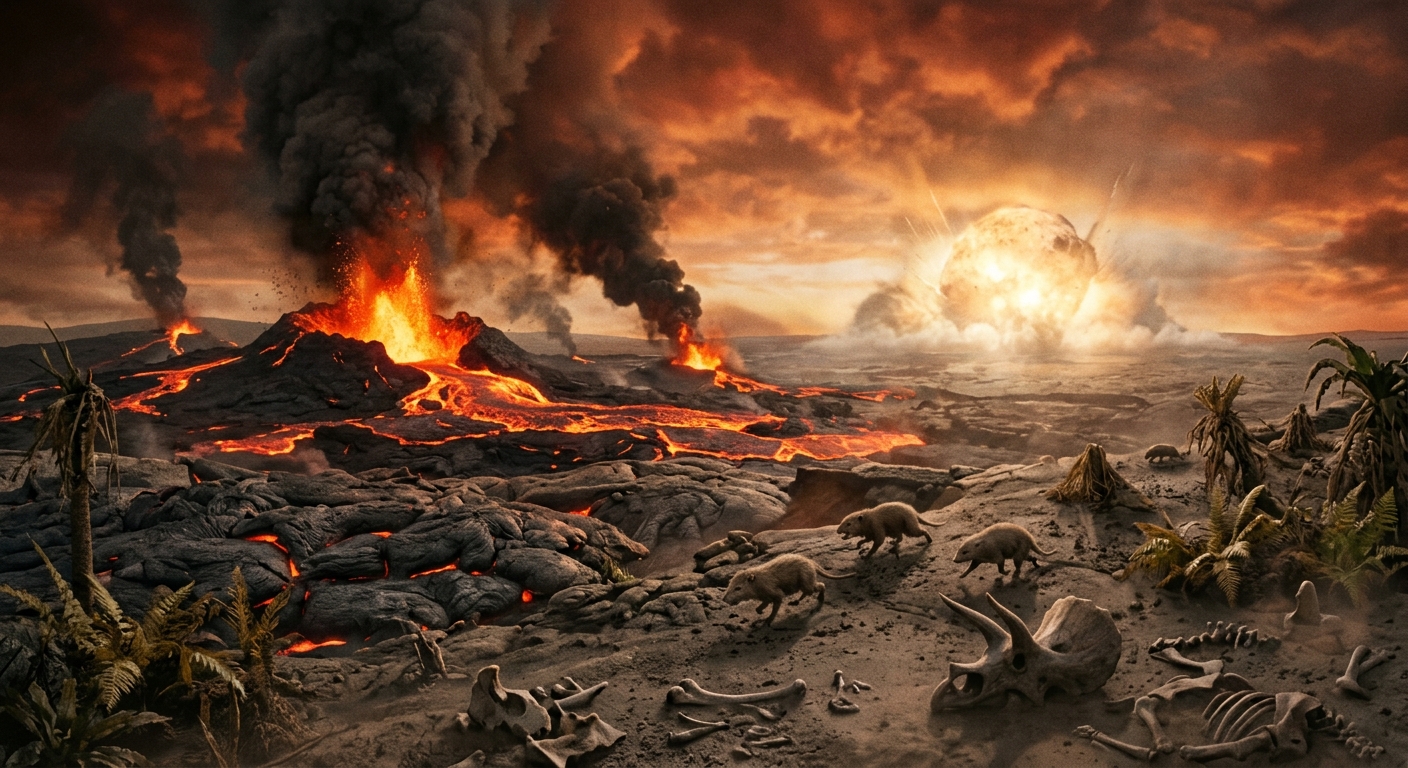
The massive Deccan Traps volcanic eruptions in India may have been slowly killing dinosaurs for hundreds of thousands of years before the famous asteroid impact. This volcanic catastrophe pumped greenhouse gases and toxic compounds into the atmosphere, creating a prolonged extinction event that weakened ecosystems worldwide.
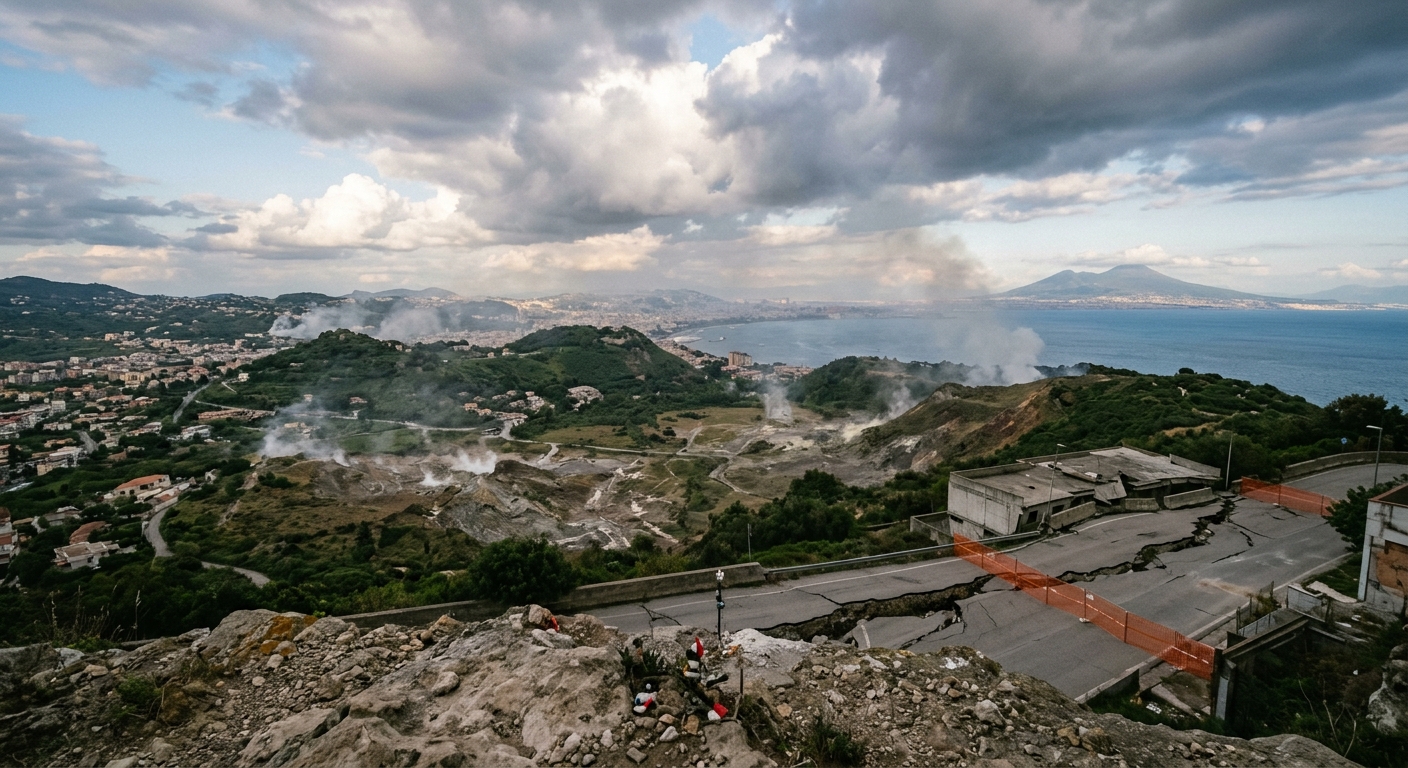
The Campi Flegrei supervolcano beneath Naples has been slowly inflating for decades, with the ground rising over 4 meters in some areas since the 1950s. This geological giant threatens millions of people and could potentially trigger global climate effects if it erupts.
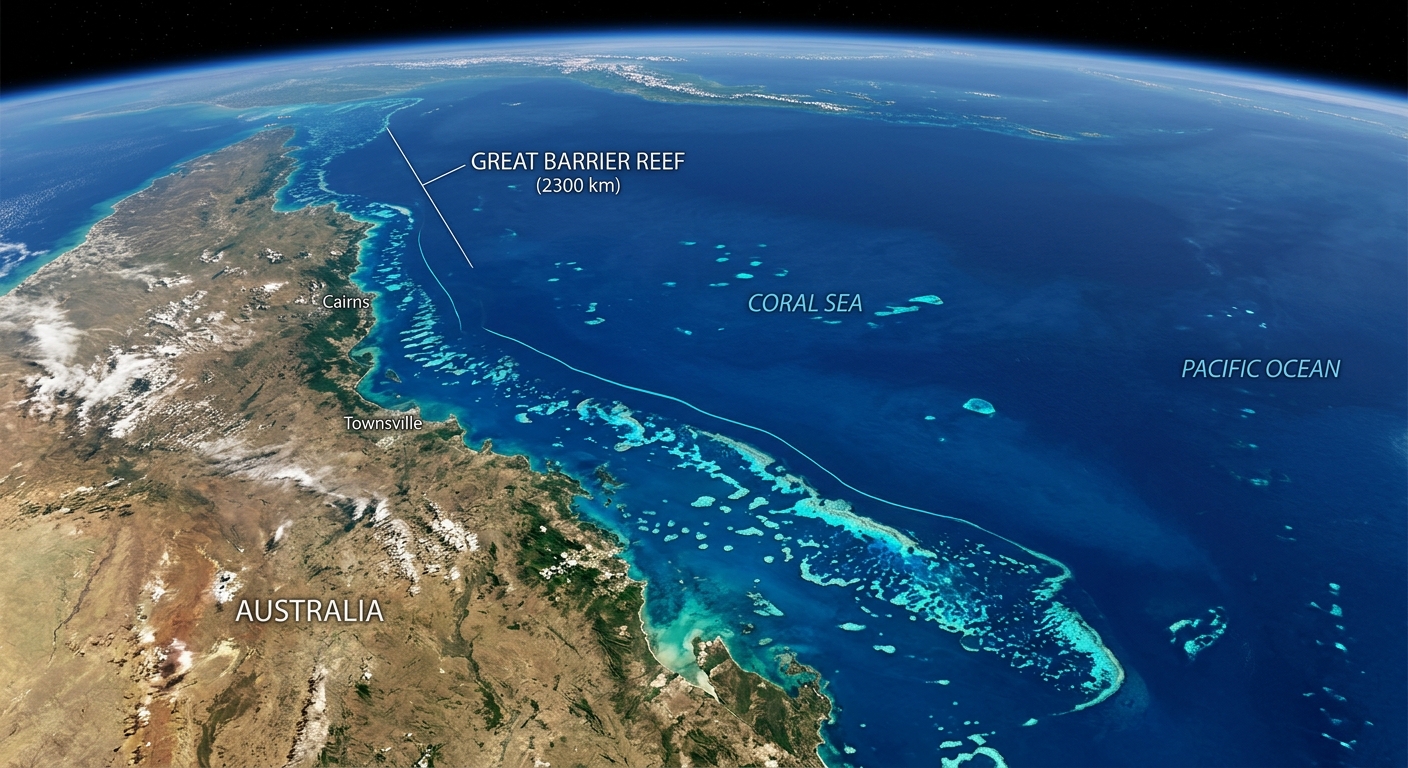
The Great Barrier Reef stands as the only living structure visible from space, a massive underwater city built by tiny coral polyps over thousands of years. This biological marvel stretches over 2,300 kilometers and covers an area larger than Italy, making it clearly visible to astronauts orbiting Earth.
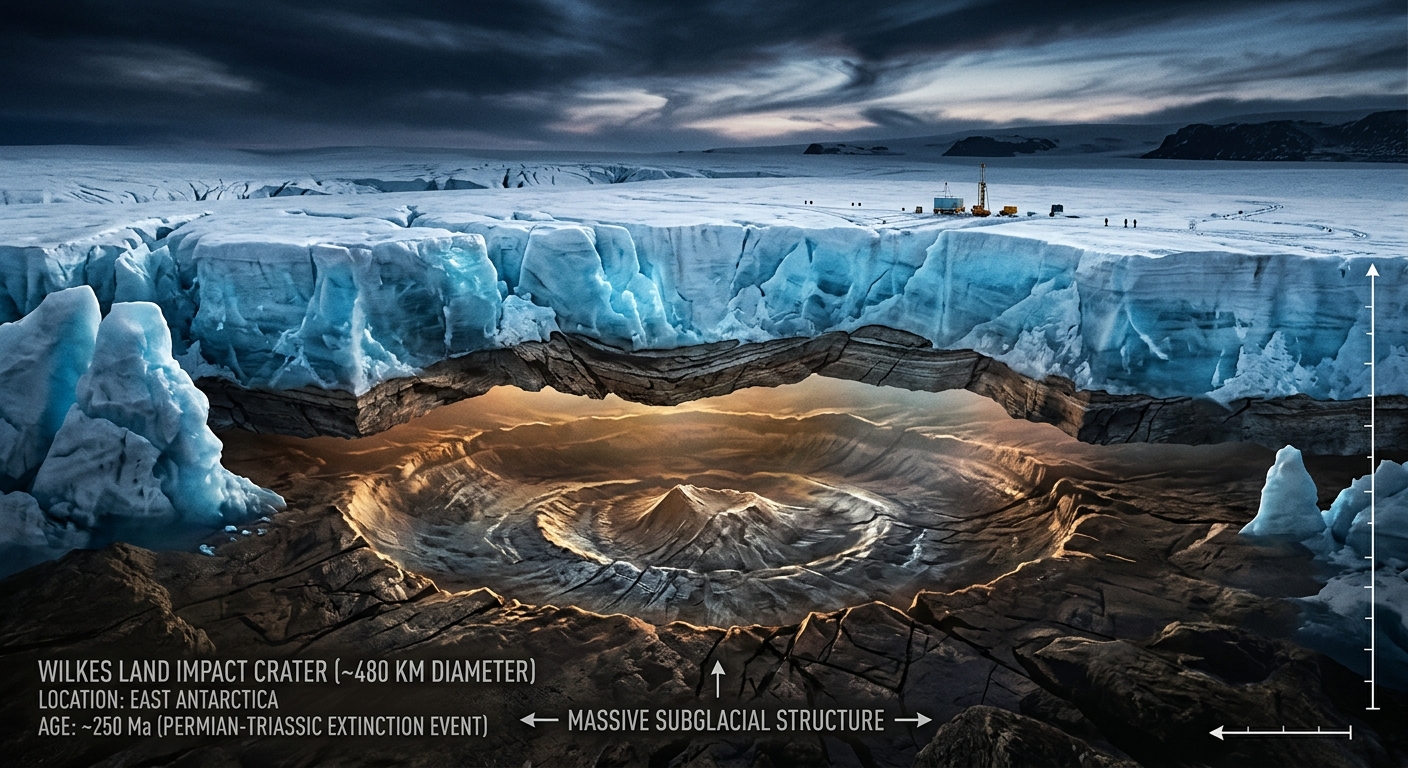
Scientists have discovered a massive 300-mile-wide crater hidden beneath Antarctica’s ice that may have triggered the Permian extinction, Earth’s most devastating mass extinction event 252 million years ago. This colossal impact could explain how 96% of marine life and 70% of land animals vanished in the event known as the Great Dying.
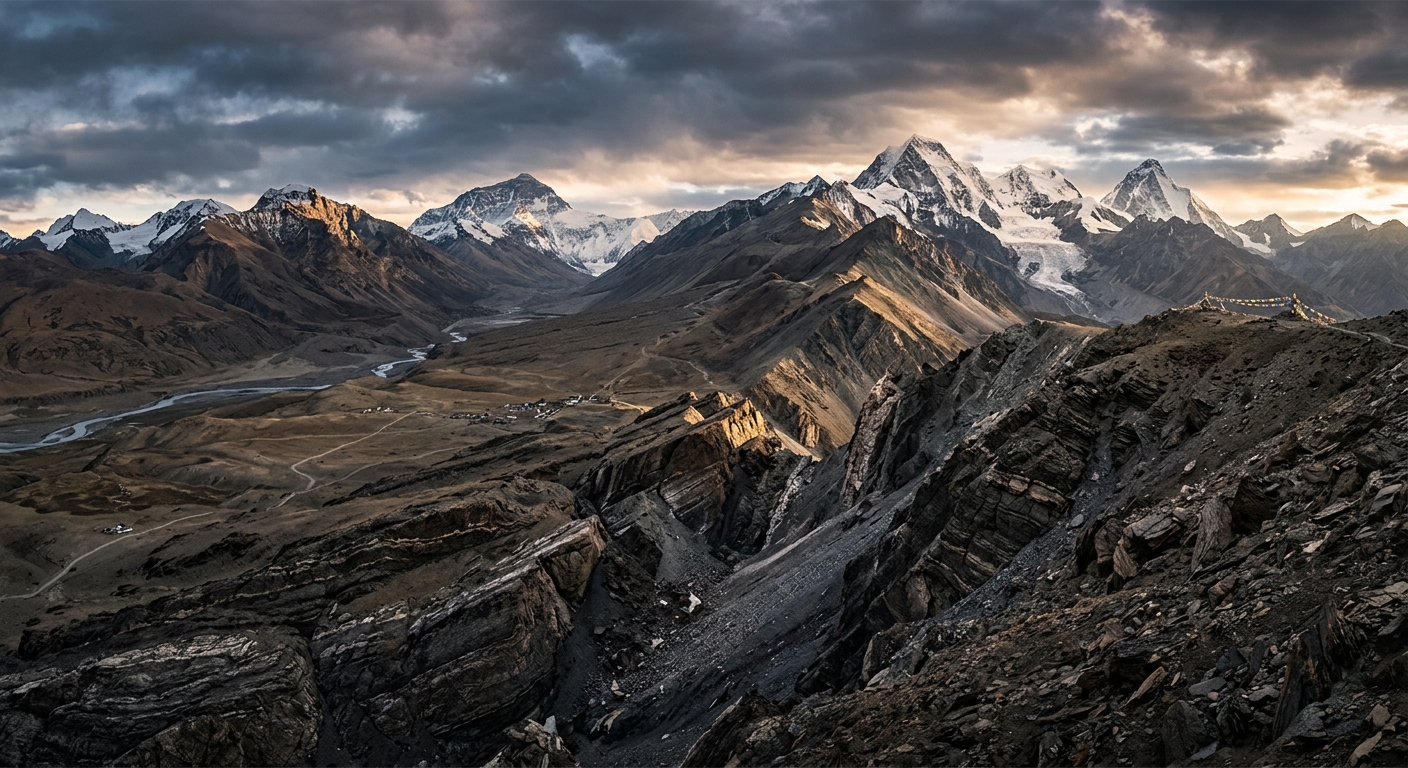
Mount Everest and the entire Tibetan Plateau are rising at nearly identical rates of 4 millimeters per year due to the ongoing collision between tectonic plates. This synchronized growth represents one of Earth’s most spectacular geological processes, reshaping Asia’s landscape over millions of years.