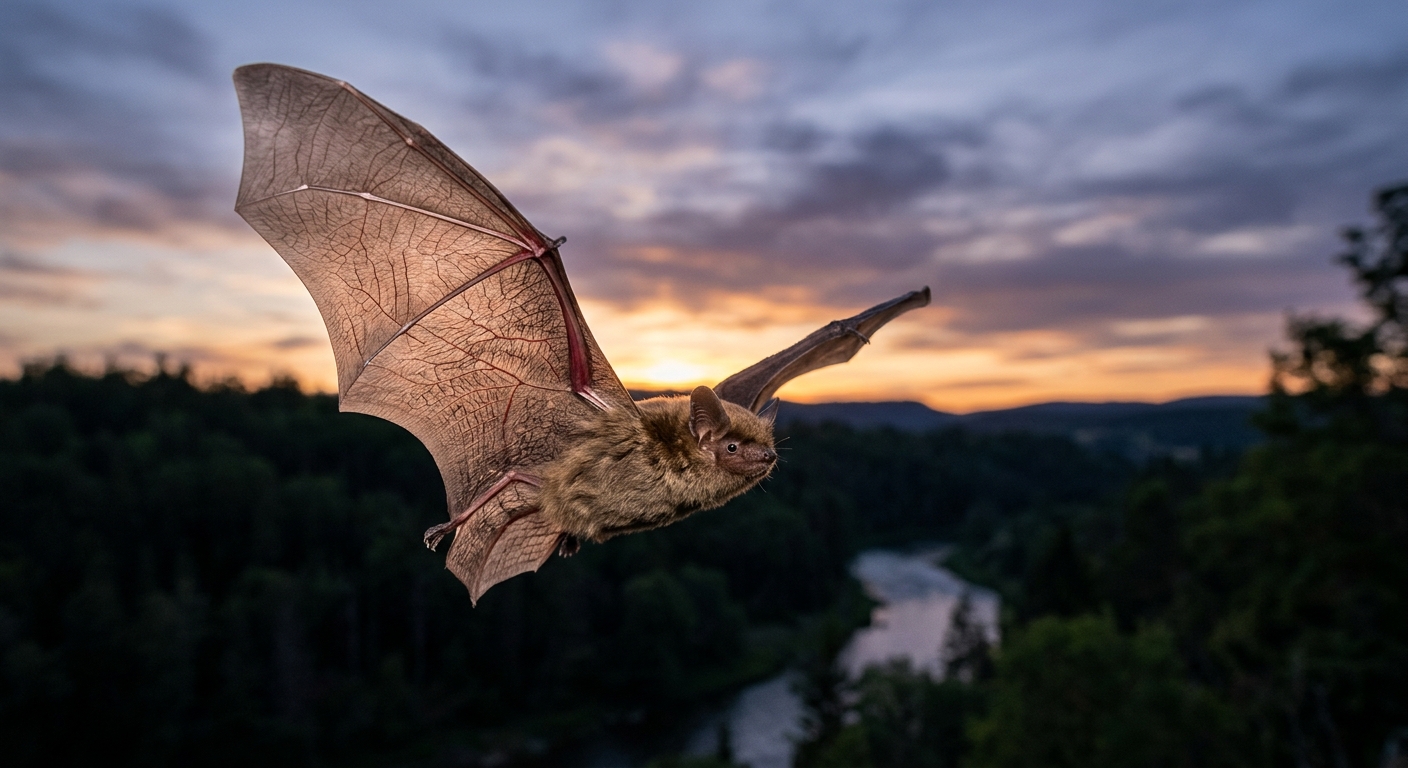
Bats are the only mammals on Earth capable of true powered flight, using flexible wing membranes and incredible aerial acrobatics that put them in a league of their own. Their unique evolutionary adaptations have unlocked ecological niches unavailable to any other mammal group.
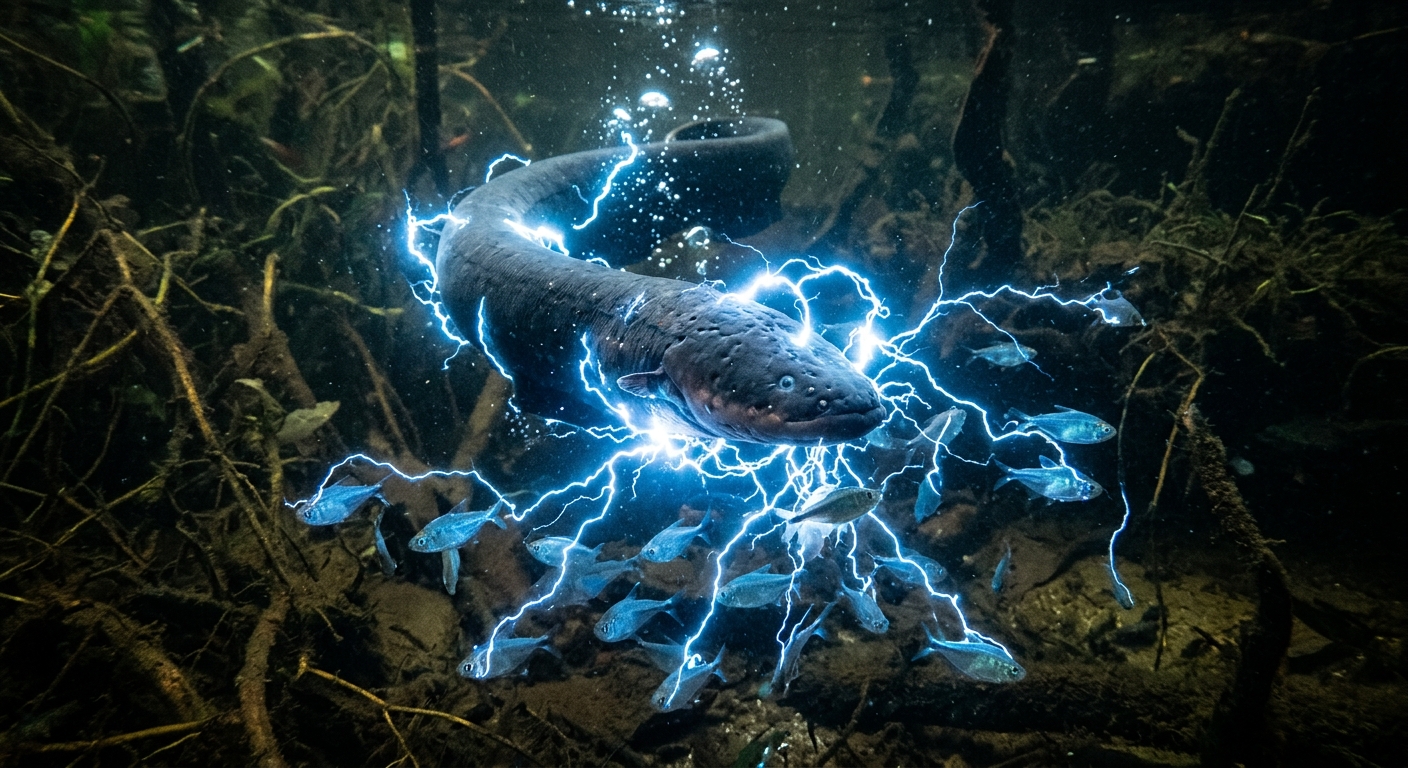
Electric eels don’t just shock their prey, they literally hijack their nervous systems and remotely control their muscles before attacking. This incredible predator can force hidden fish to reveal themselves and even swim directly toward their doom through precise bioelectric manipulation.
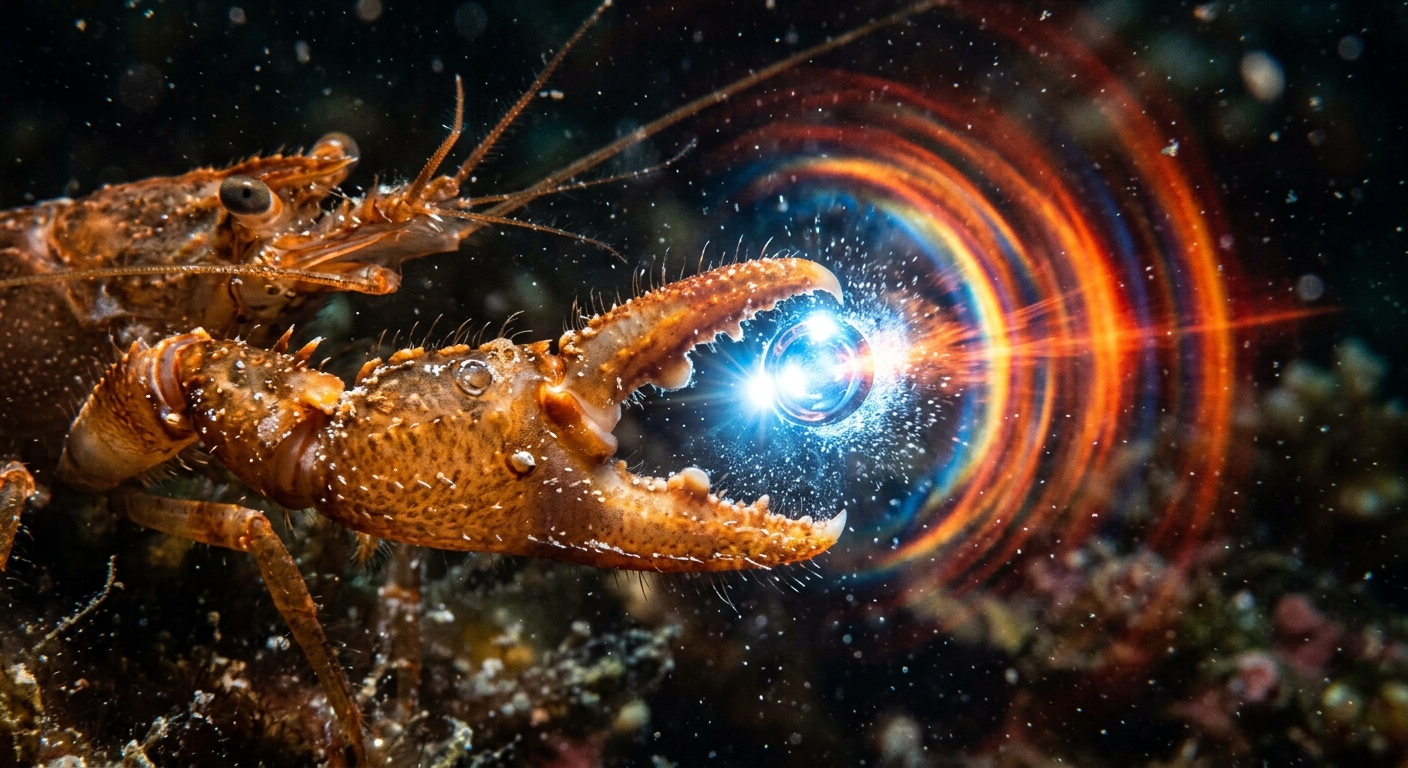
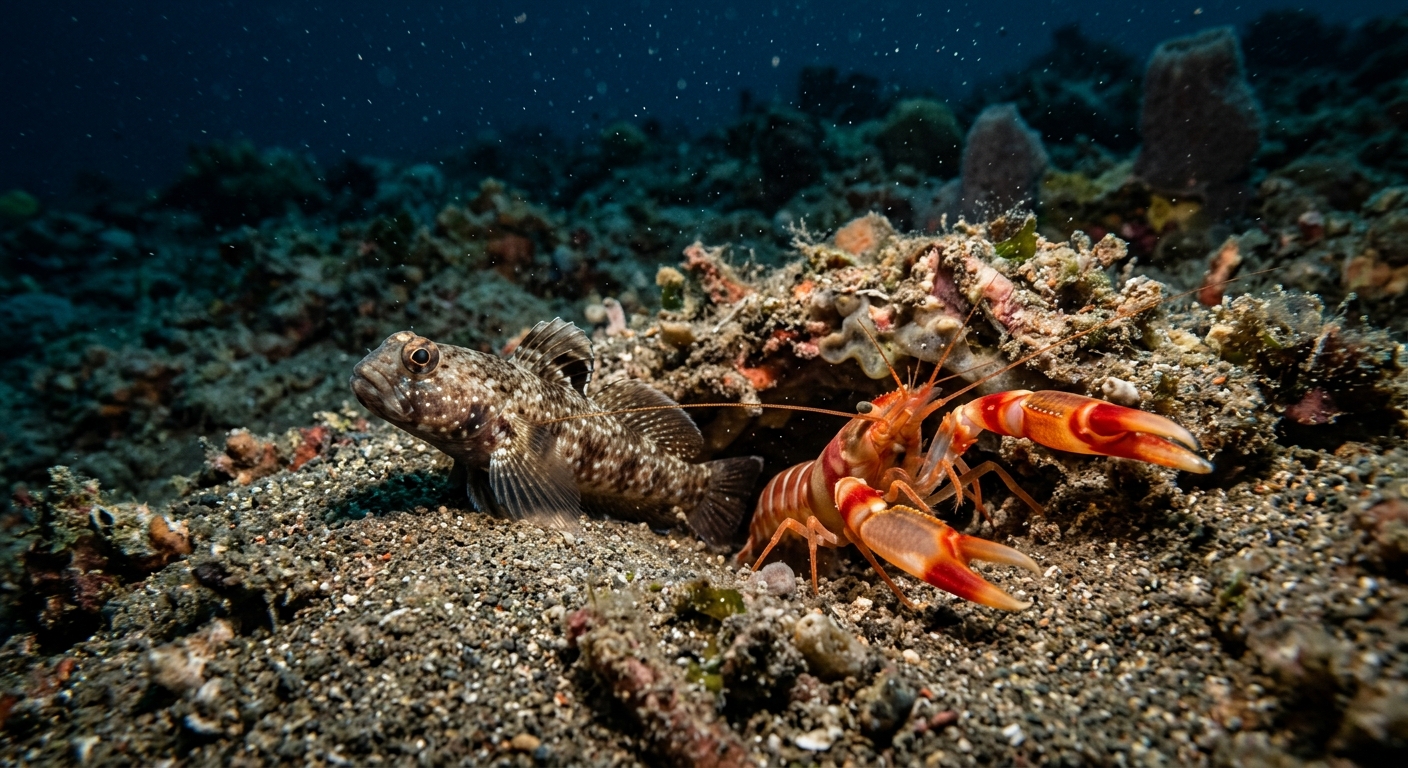
The tiny pistol shrimp creates sounds louder than jet engines and generates temperatures nearly as hot as the sun’s surface using nothing but a specialized claw. This remarkable crustacean uses cavitation bubbles as a biological weapon to hunt prey and communicate with others of its kind.
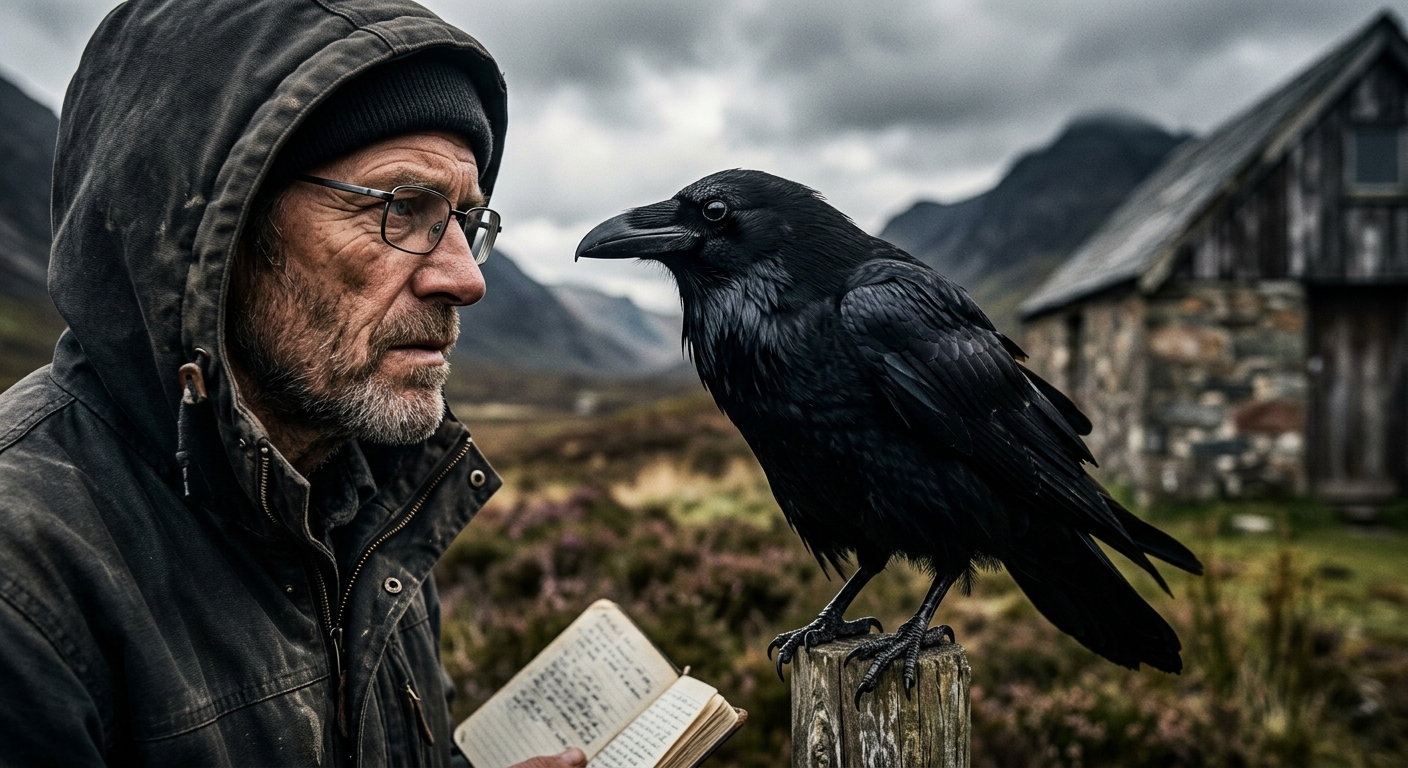
Crows possess extraordinary facial recognition abilities that allow them to remember individual humans for years and pass grudges down through generations. University research reveals these intelligent birds can distinguish between thousands of human faces and teach their offspring which people to trust or fear.
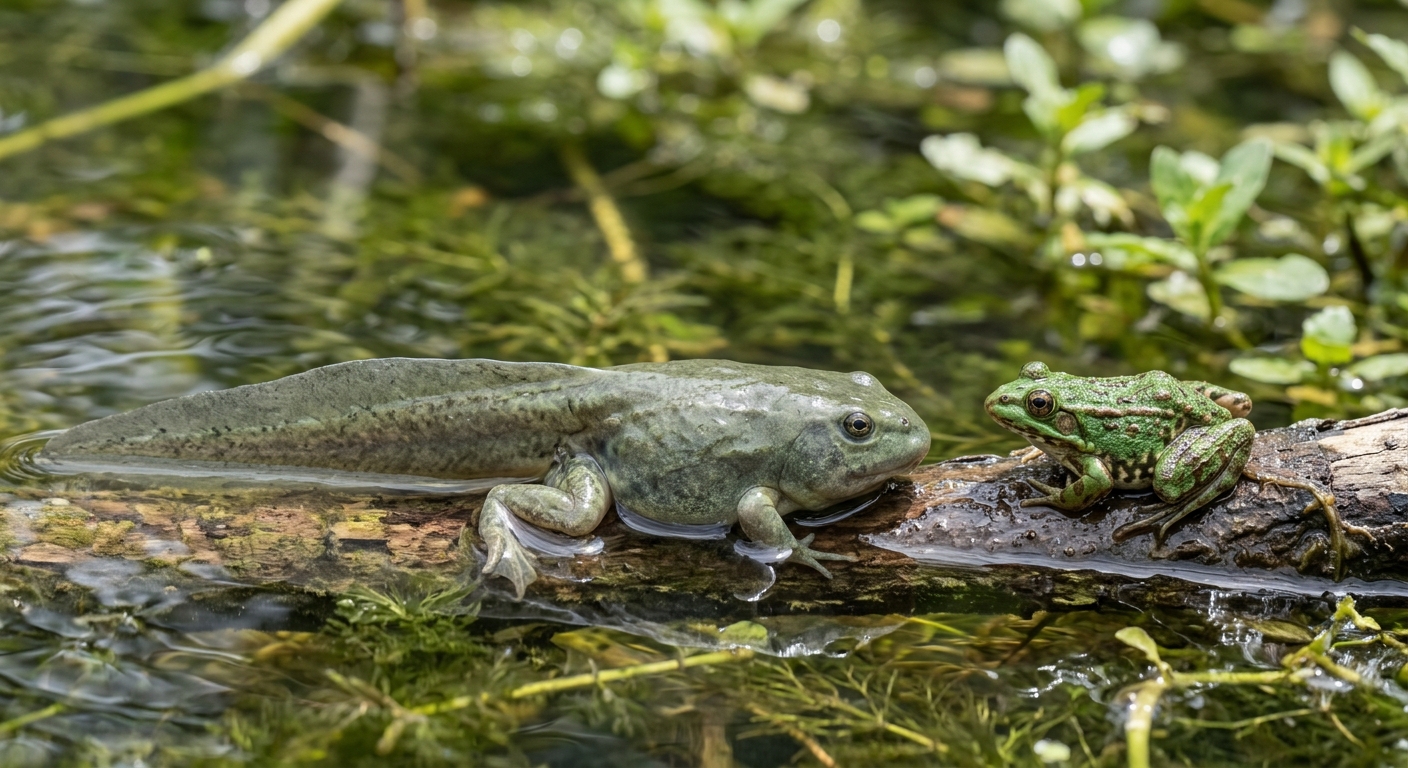
The Paradoxical Frog of South America defies nature’s rules by starting life as a massive 10-inch tadpole and shrinking down to just 2-3 inches as an adult. This extraordinary amphibian represents one of the most extreme examples of reverse growth in the animal kingdom.
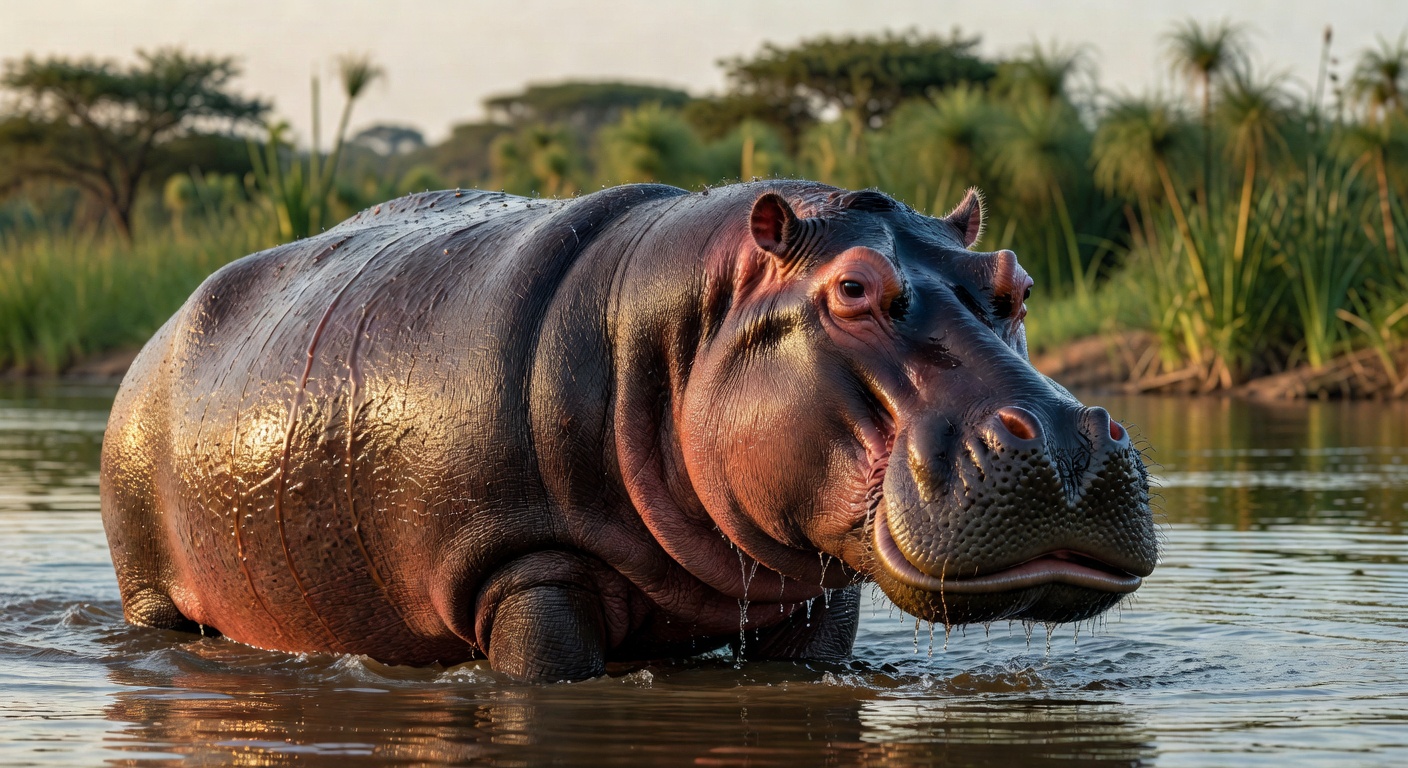
Hippos produce a remarkable pink secretion that functions as both powerful sunscreen and natural antibiotic, protecting them from UV damage and bacterial infections. This evolutionary marvel combines multiple protective functions in a single substance, offering insights for modern medicine and skincare technology.
For 50 million years, the nearly blind pistol shrimp and the sharp-eyed goby fish have maintained one of nature’s most sophisticated partnerships. This incredible relationship involves complex communication, shared architecture, and a level of trust that has made both species more successful than they ever could have been alone.
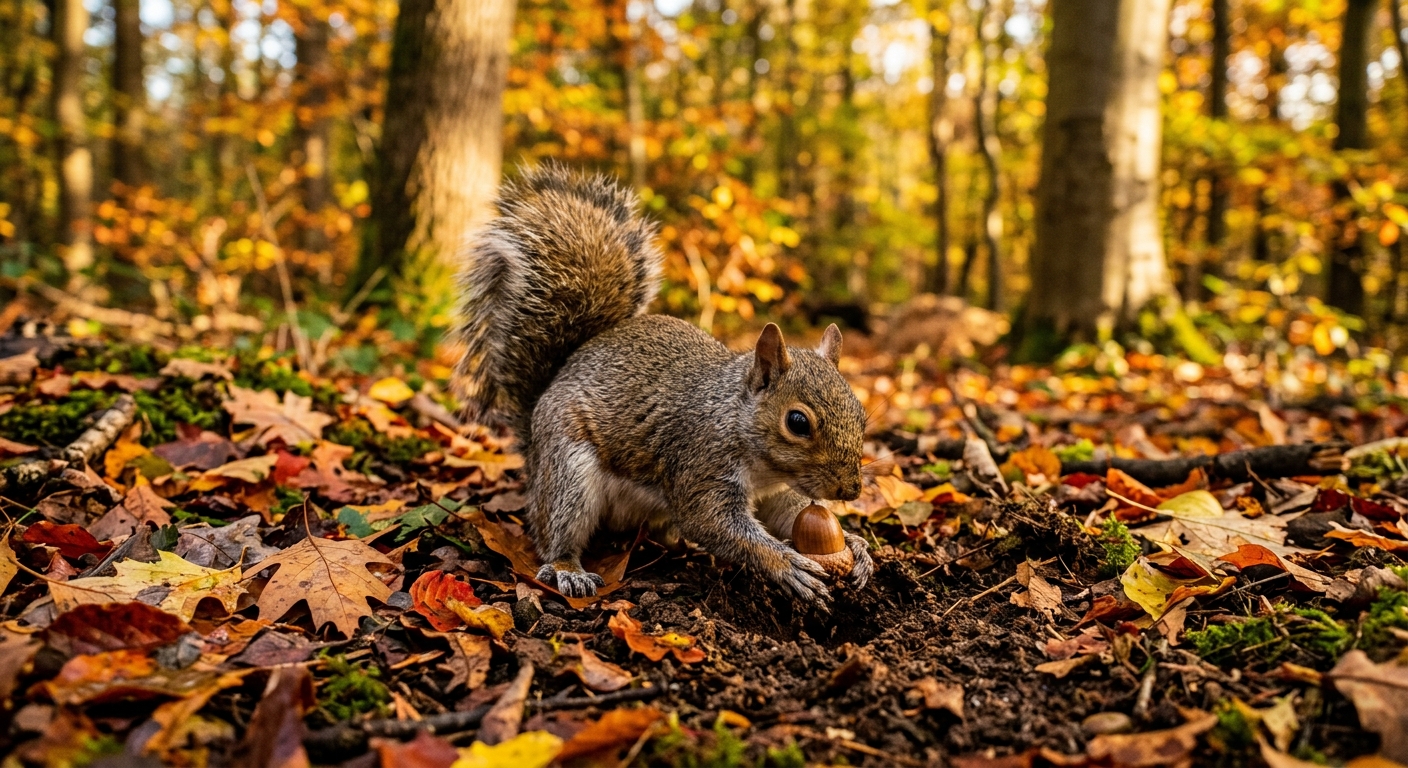
Squirrels forget where they buried 74% of their nuts, but this apparent memory failure is actually one of nature’s most important tree-planting programs. These forgetful creatures accidentally plant millions of trees every year, reshaping forests and fighting climate change one forgotten acorn at a time.
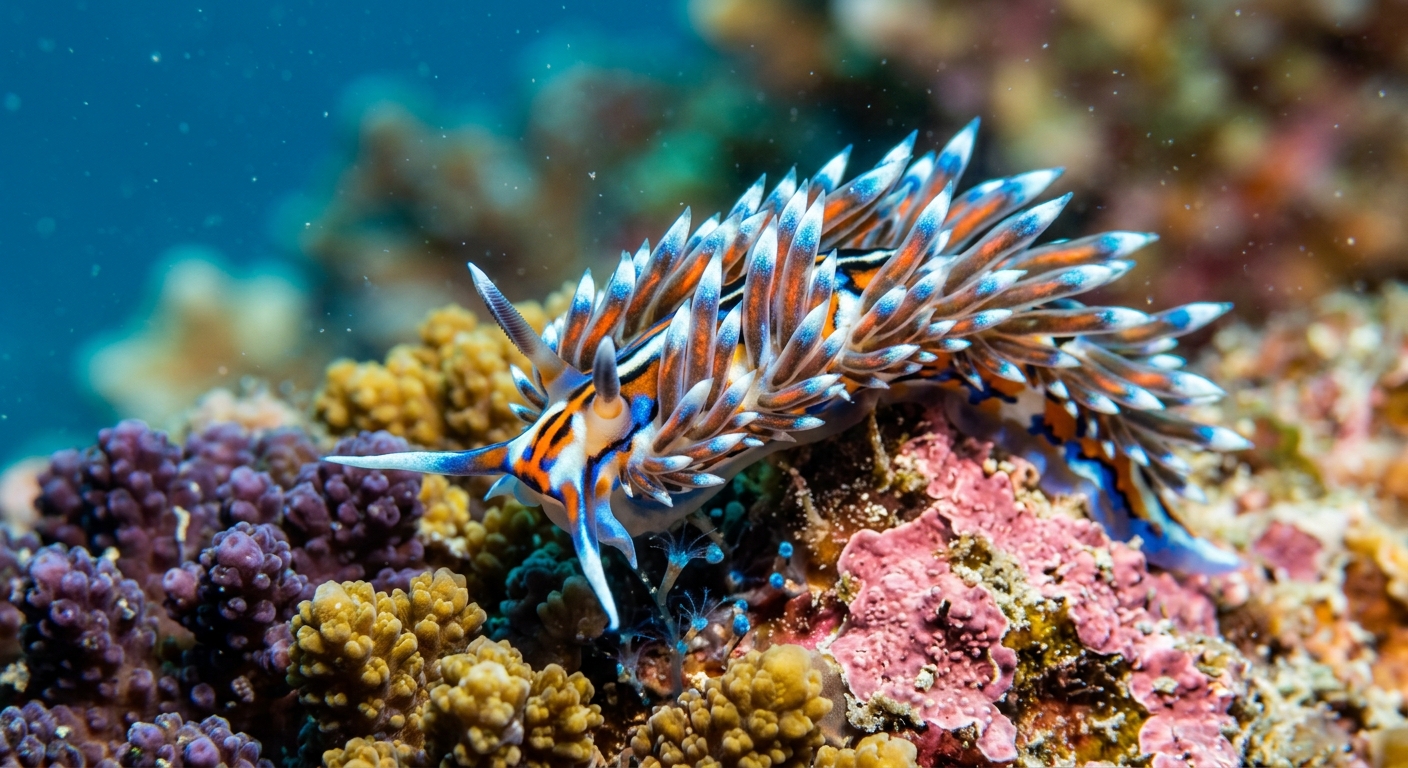
The blue sea dragon, a thumb-sized sea slug, has mastered the incredible ability to steal stinging cells from jellyfish and store them as weapons. This tiny ocean pirate becomes more venomous than its prey by concentrating thousands of stolen nematocysts in specialized storage organs.
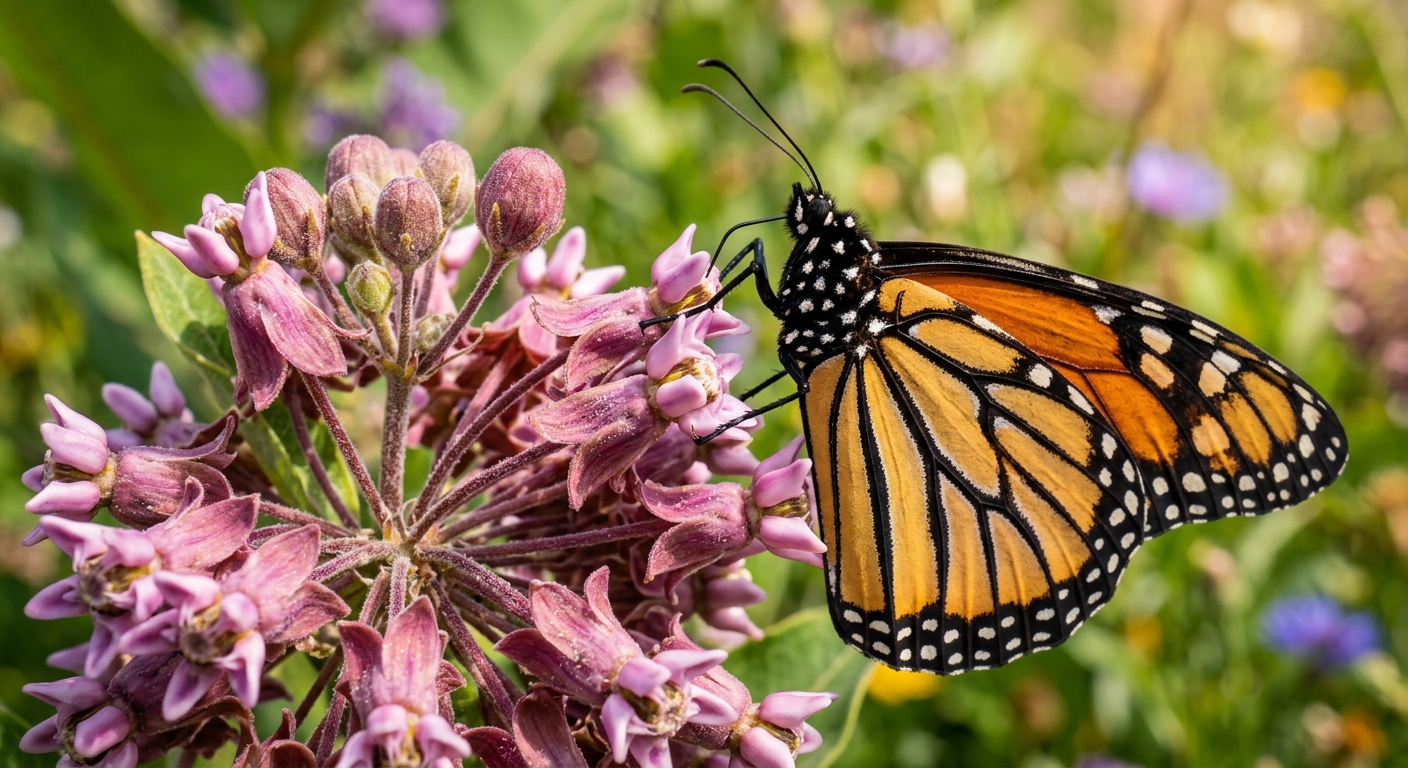
Butterflies possess one of nature’s most extraordinary superpowers: they can taste the world through specialized chemoreceptors located in their feet. This incredible adaptation allows them to instantly analyze the chemical composition of any surface they land on, helping them find food, avoid danger, and choose perfect spots for laying eggs.