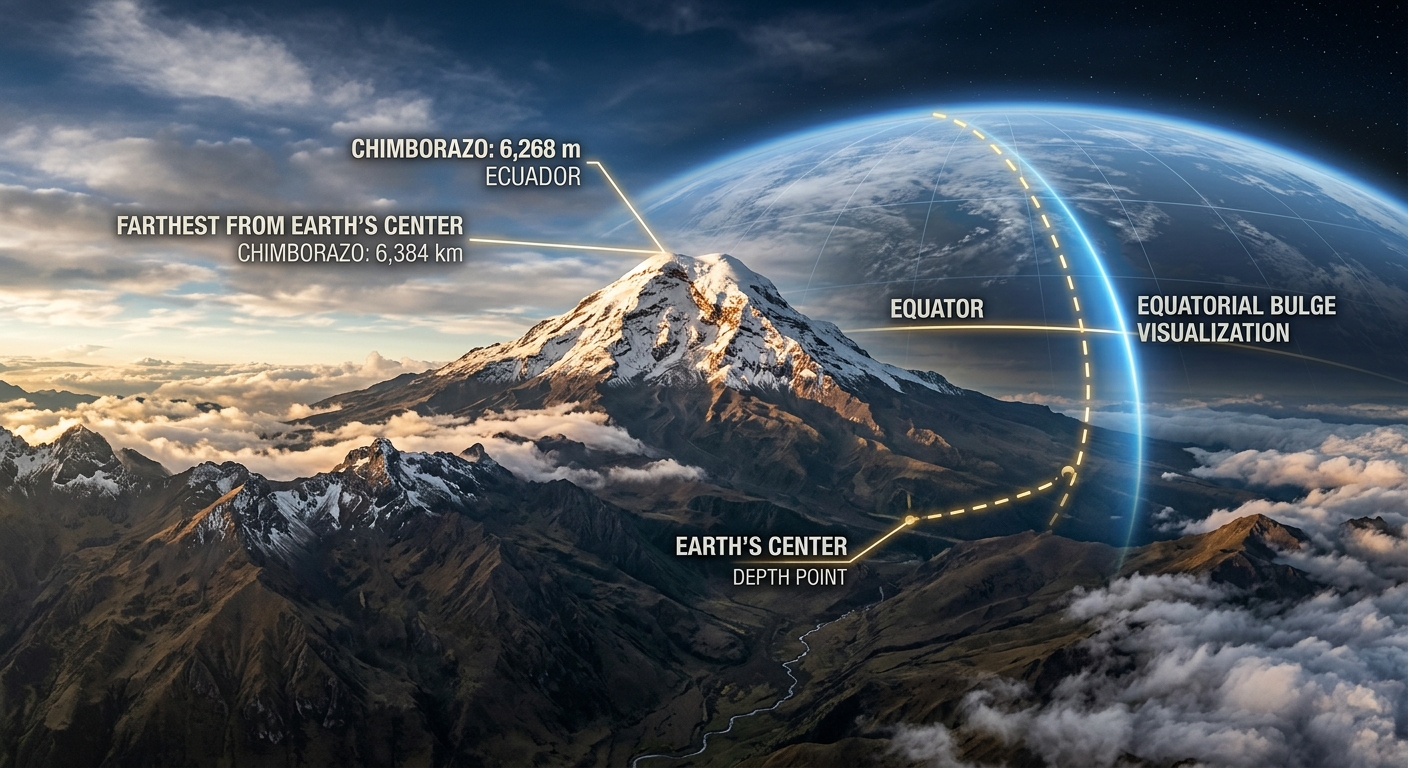
Mount Everest may be the highest peak above sea level, but when measured from Earth’s center, an Ecuadorian volcano called Mount Chimborazo actually extends farther into space. This surprising truth reveals how Earth’s equatorial bulge completely changes our understanding of the world’s tallest mountain.
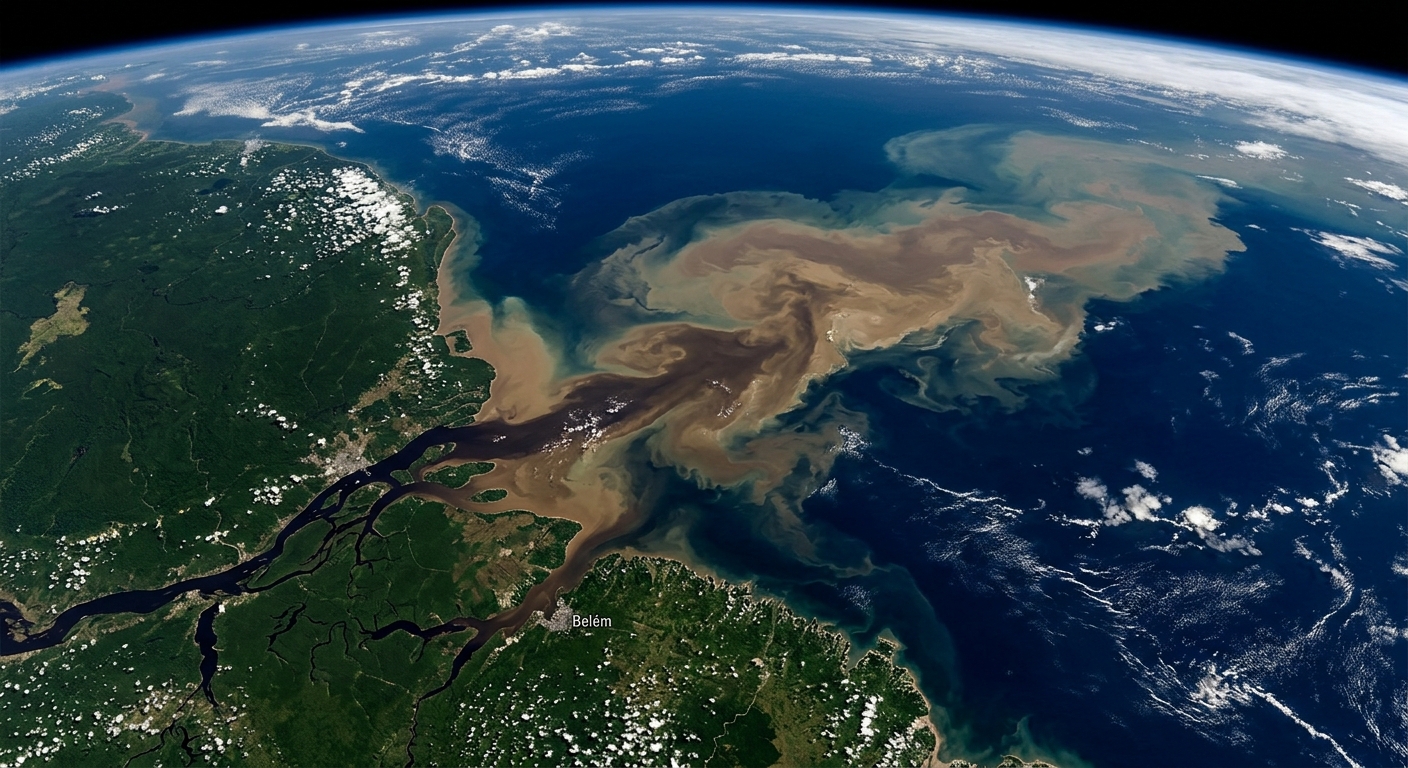
The Amazon River discharges an mind-blowing 7.1 million cubic feet of fresh water into the Atlantic Ocean every second, more than the next seven largest rivers combined. This liquid giant creates a freshwater plume extending 100 miles into the ocean and represents 20% of all river water entering the world’s oceans.
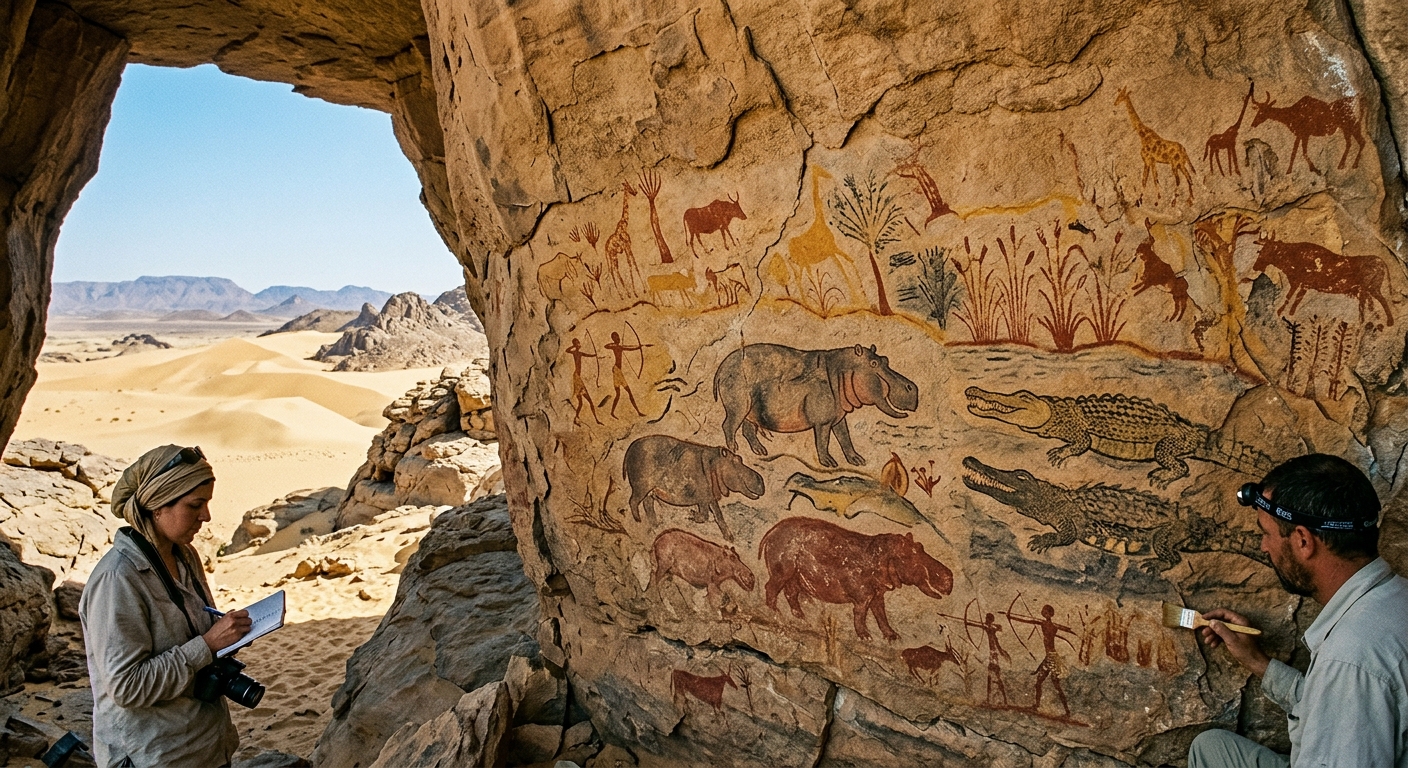
Just 6,000 years ago, the Sahara Desert was a lush green savanna filled with hippos, elephants, and flowing rivers. The transformation from paradise to barren desert happened with shocking speed, leaving behind hidden evidence of a lost world beneath the sand.
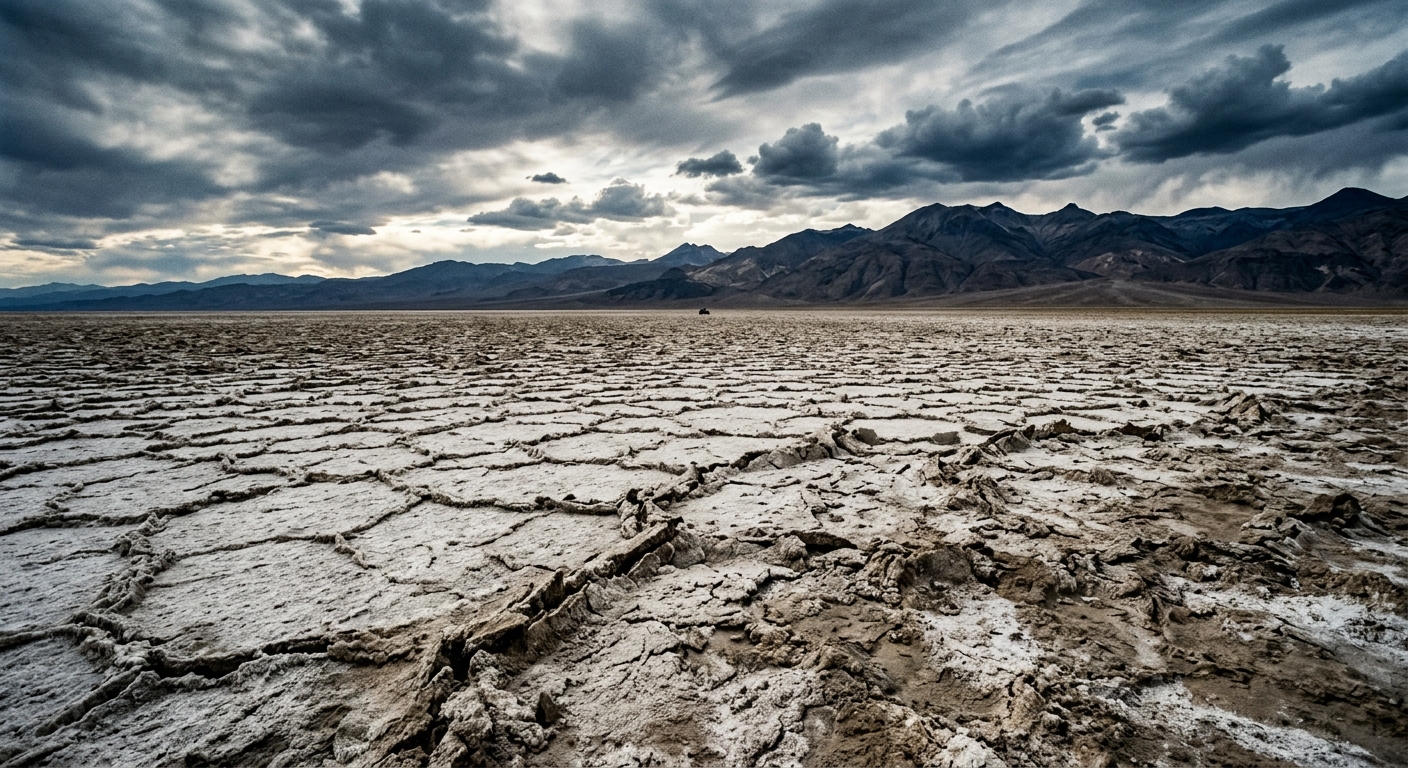
Deep in Chile’s Atacama Desert lie places where meteorological stations have never recorded rain in their entire operational history, creating Earth’s most Mars-like conditions. These hyperarid zones challenge our understanding of life’s limits and serve as testing grounds for future space missions.
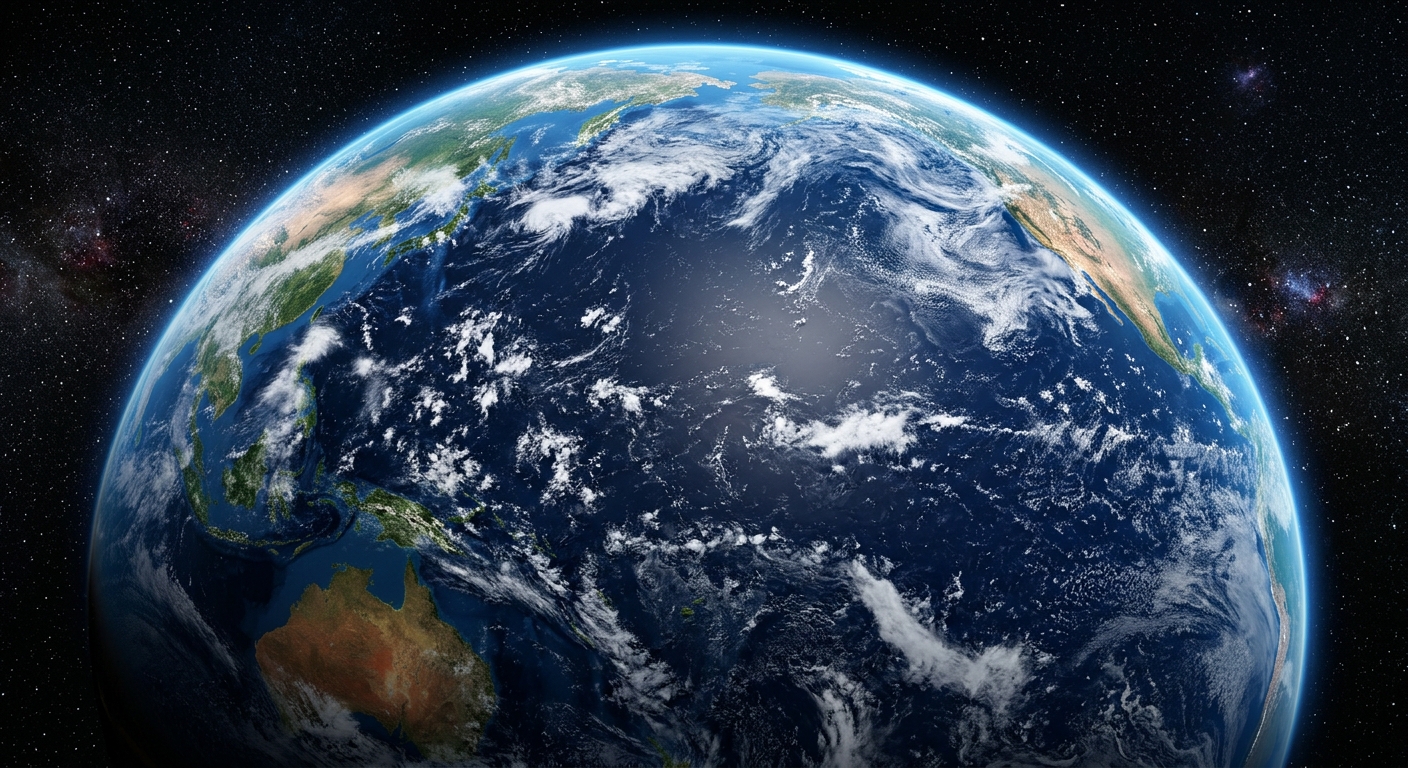
The Pacific Ocean covers 63.8 million square miles, making it larger than all continents and landmasses on Earth combined by over 6 million square miles. This single body of water demonstrates just how much of our planet is actually ocean rather than land.
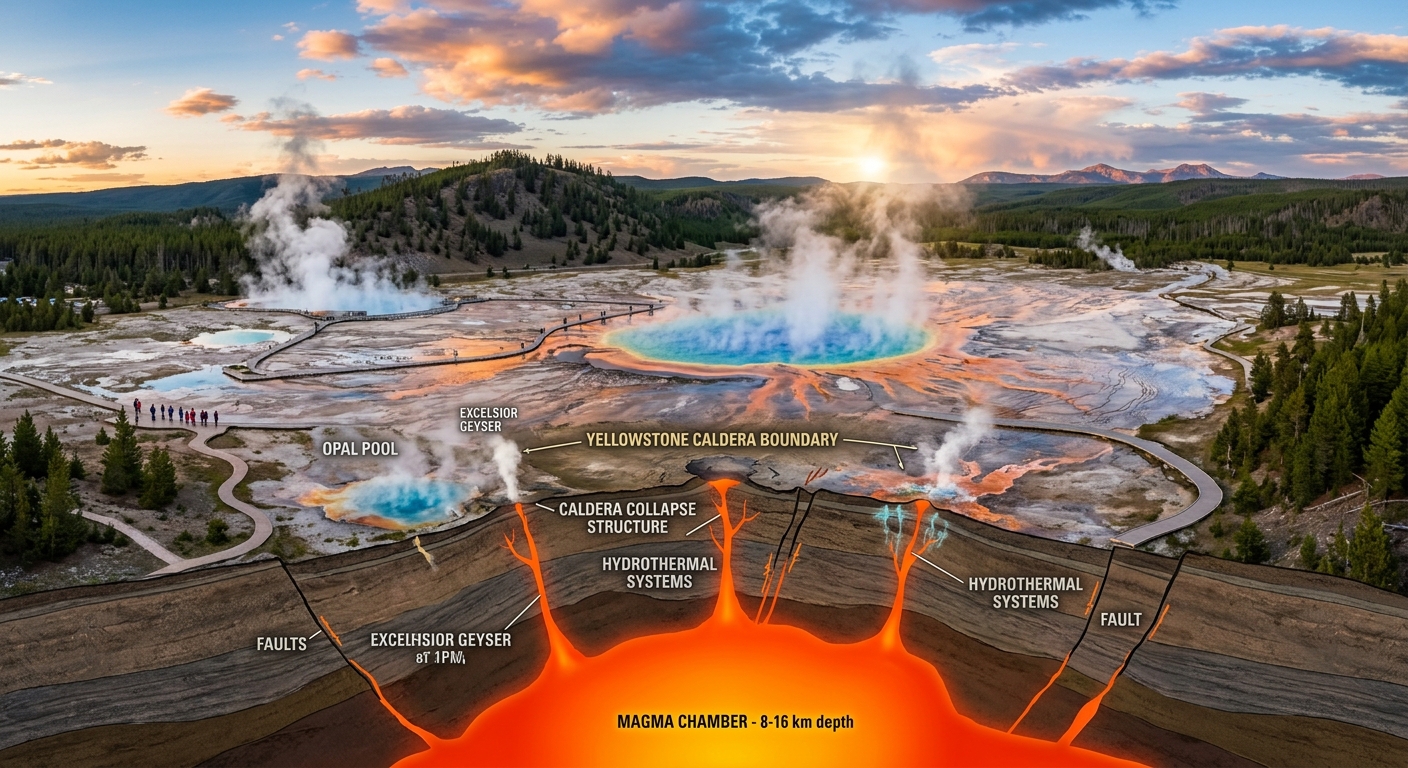
Beneath Yellowstone National Park lies a supervolcano with the power to end human civilization, containing enough molten rock to bury entire states in ash. Scientists monitor this sleeping giant around the clock, knowing that its next eruption could trigger a global volcanic winter lasting years.
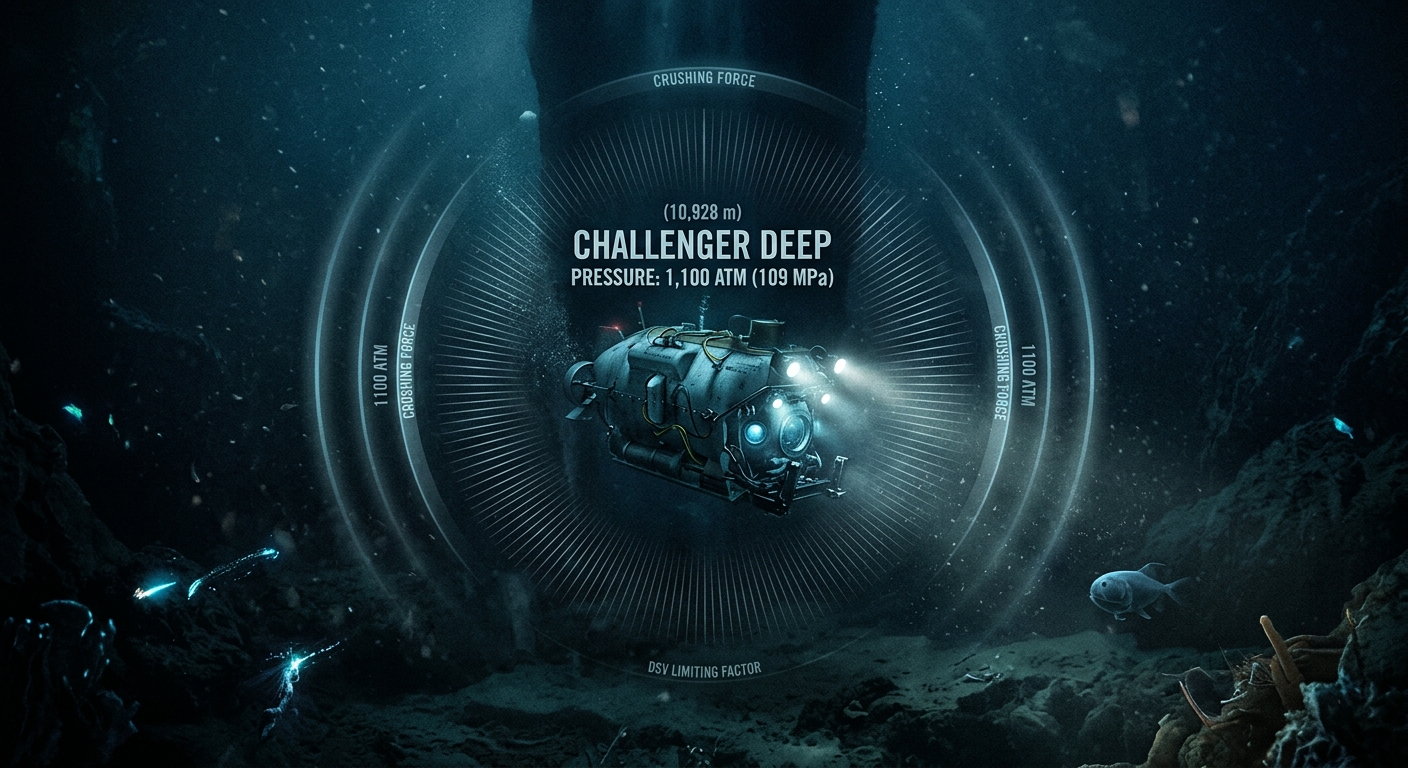
At Challenger Deep, the deepest point on Earth, water pressure reaches 1,086 times greater than sea level, equivalent to having 50 jumbo jets pressing down on every square inch. Despite these crushing forces that could destroy a human in 0.03 seconds, remarkable life forms have evolved to thrive in this extreme environment.
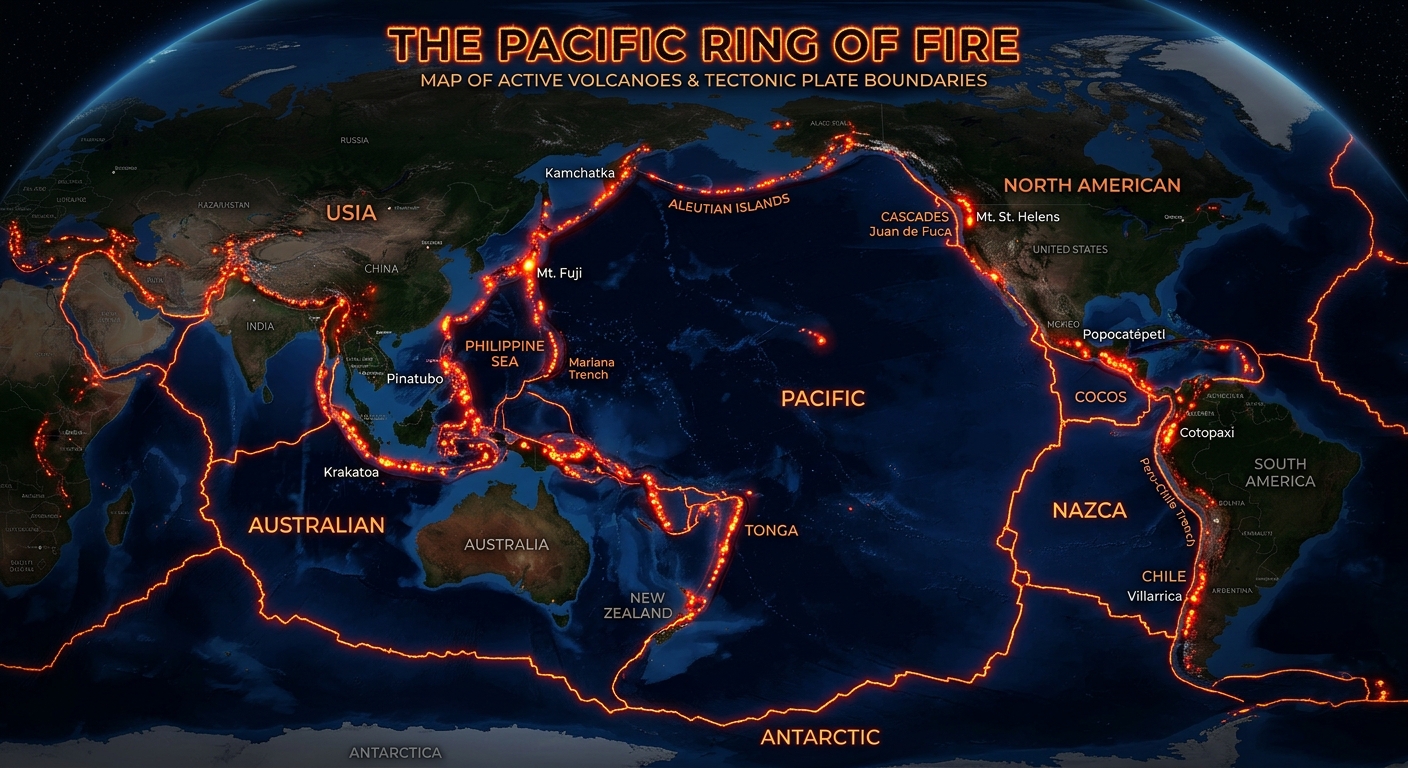
The Pacific Ring of Fire, a 25,000-mile horseshoe-shaped zone around the Pacific Ocean, contains 75% of Earth’s volcanoes and 90% of its earthquakes. This geological phenomenon affects hundreds of millions of people and continues to shape our planet through powerful tectonic forces.
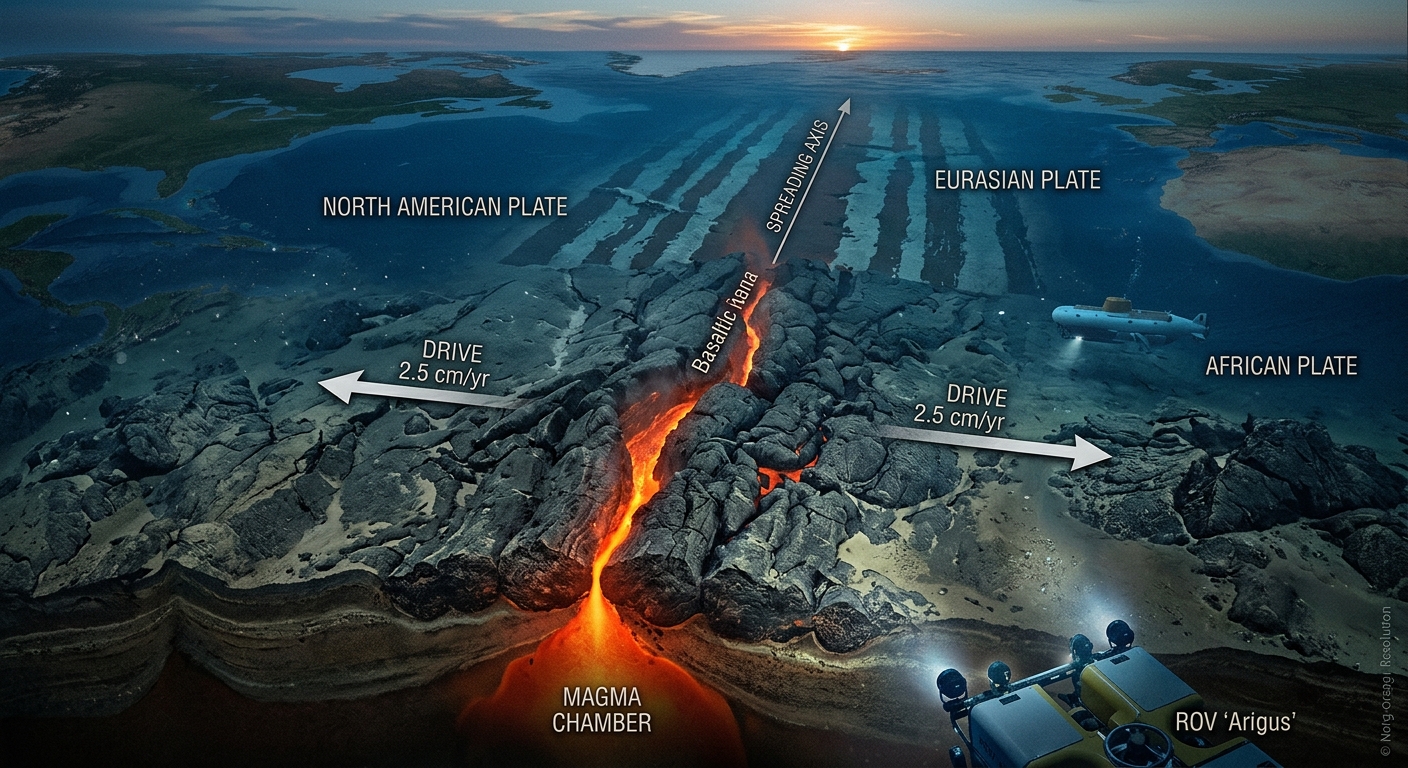
The Atlantic Ocean expands by 2.5 centimeters annually as the Mid-Atlantic Ridge creates new seafloor, slowly pushing North America and Europe apart. This seemingly tiny measurement represents one of Earth’s most powerful geological forces that has been reshaping our planet for 200 million years.
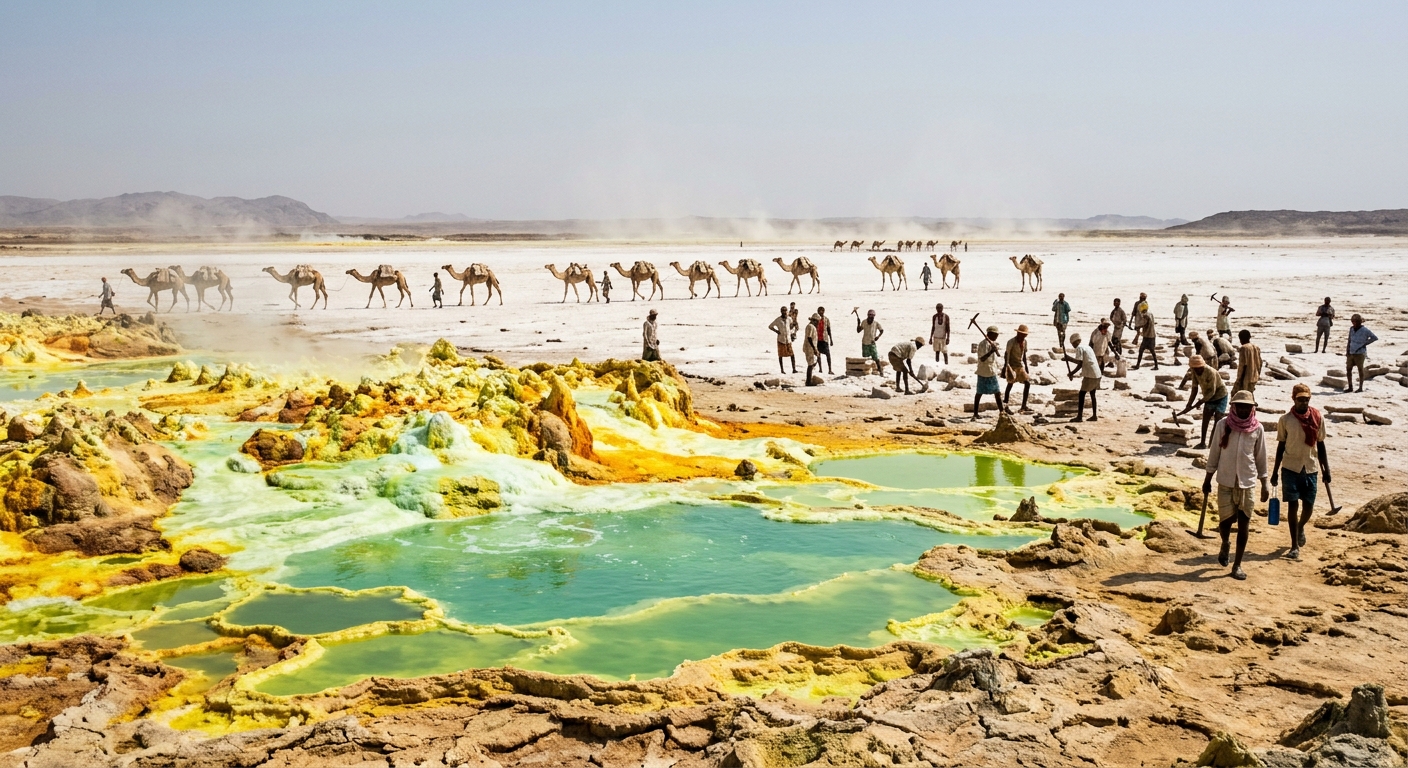
The Danakil Depression in Ethiopia regularly experiences temperatures above 125°F, yet the Afar people have thrived there for thousands of years. This geological furnace reveals incredible human adaptations and provides insights into survival in Earth’s most extreme environments.