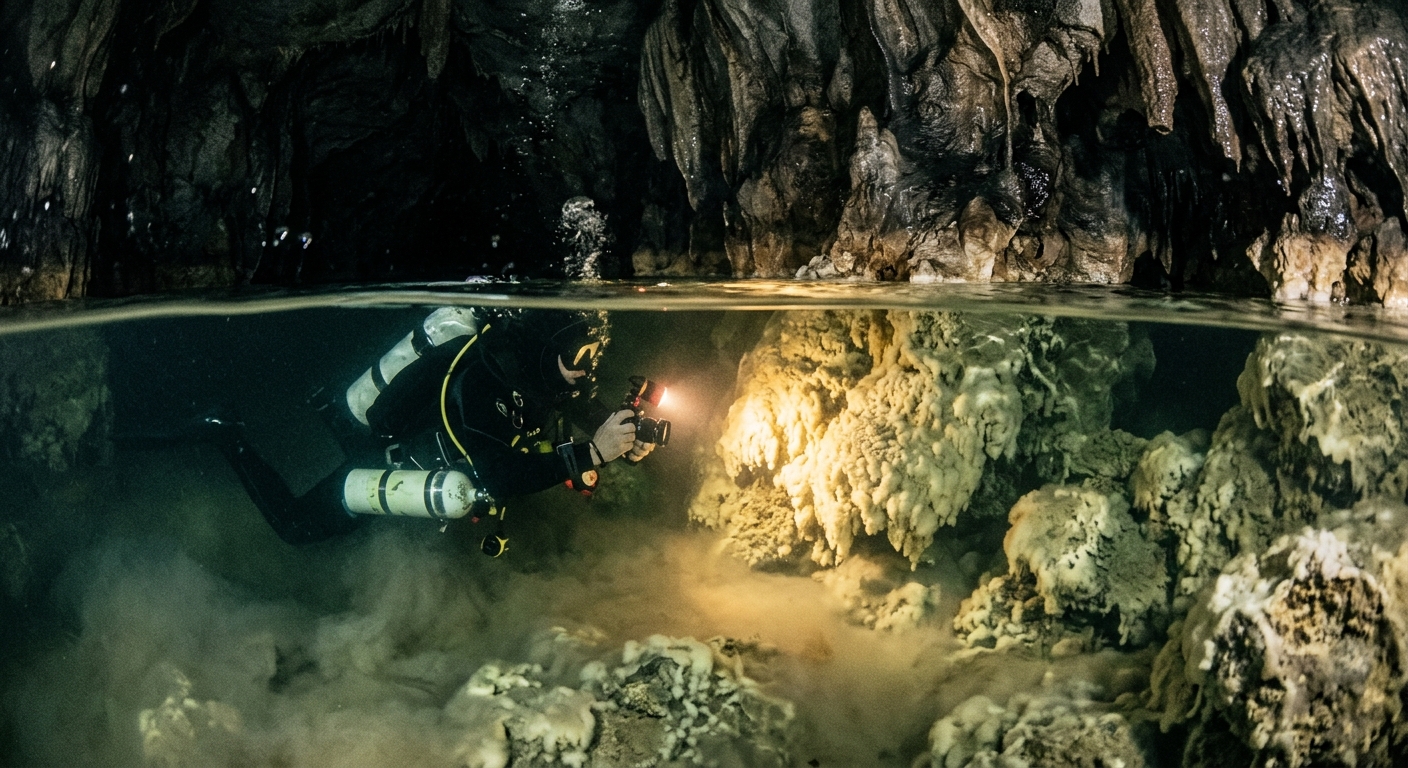
Romania’s Movile Cave has been sealed for 5.5 million years, filled with poisonous air that would kill humans in minutes. Yet this toxic environment supports 48 unique species found nowhere else on Earth, creating an alien ecosystem that survives without sunlight.
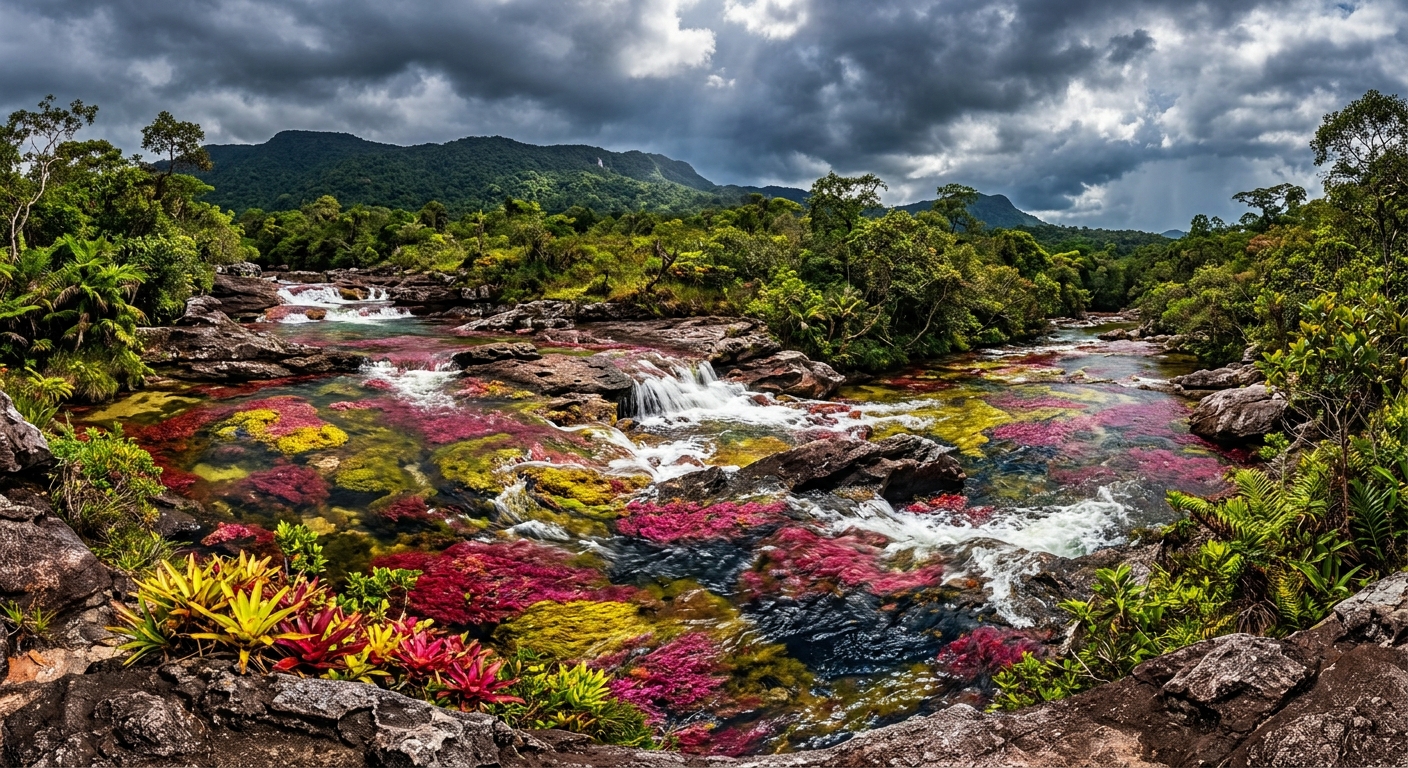
The Cano Cristales River in Colombia transforms into a spectacular display of five colors simultaneously, thanks to a unique aquatic plant found nowhere else on Earth. This natural phenomenon creates one of the world’s most extraordinary sights, earning it the name ‘River of Five Colors.’
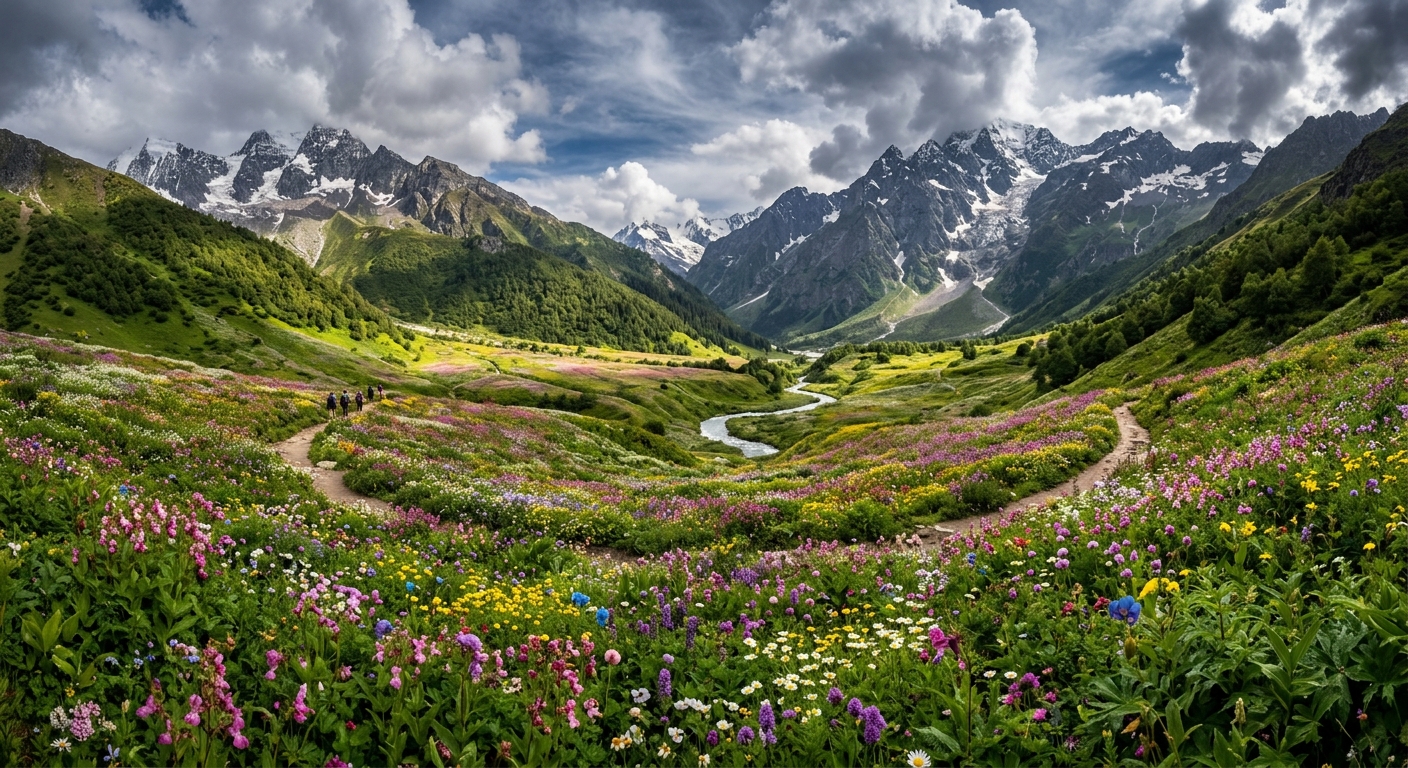
Hidden in the Himalayas at 12,000 feet lies a valley that explodes into 500 species of rare flowers for just 3 months yearly, then vanishes under snow. This botanical paradise remained completely unknown to science until a lost mountaineer stumbled upon it by accident in 1931.
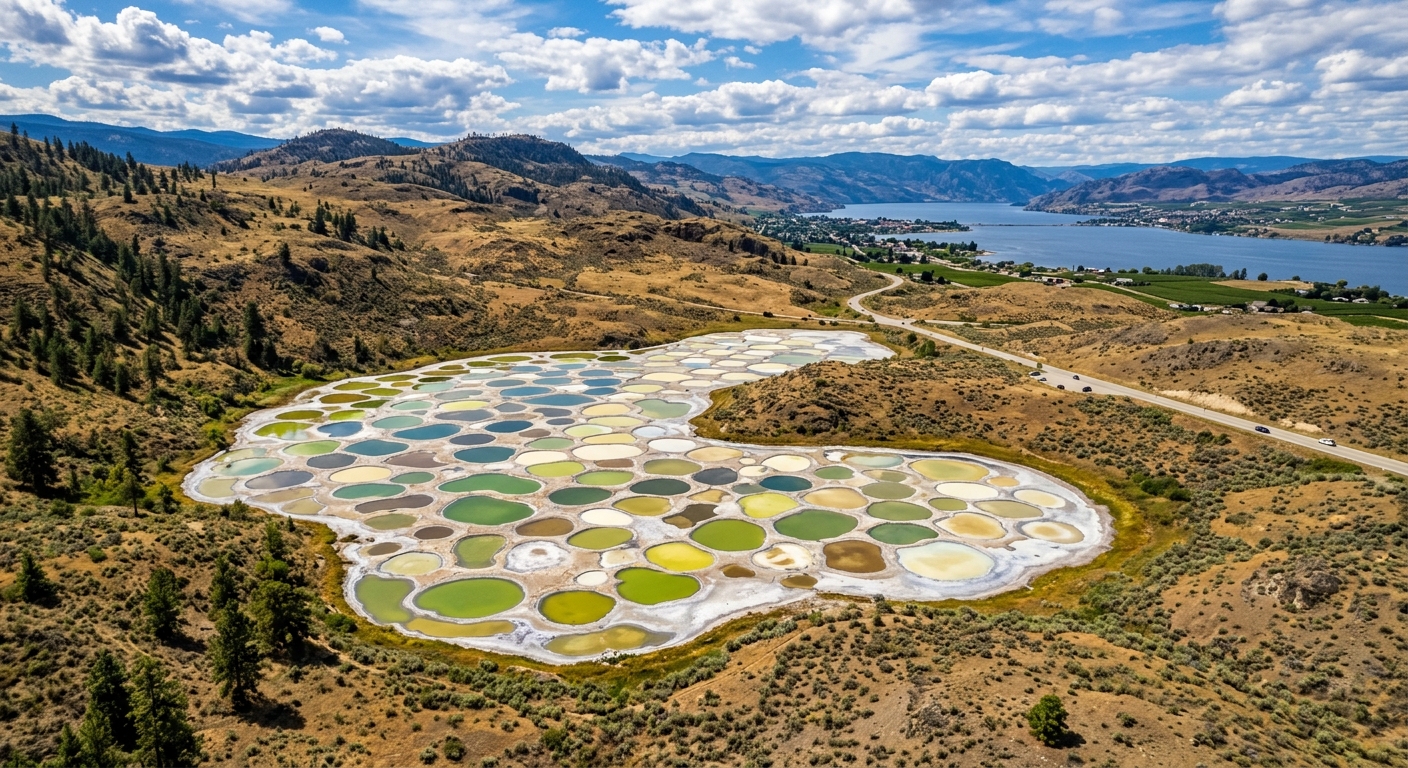
Every summer, British Columbia’s Spotted Lake transforms into an alien landscape as evaporation creates hundreds of colorful mineral islands separated by crystallized walkways. This sacred indigenous site contains some of Earth’s highest mineral concentrations, creating a natural wonder that looks like something from another planet.
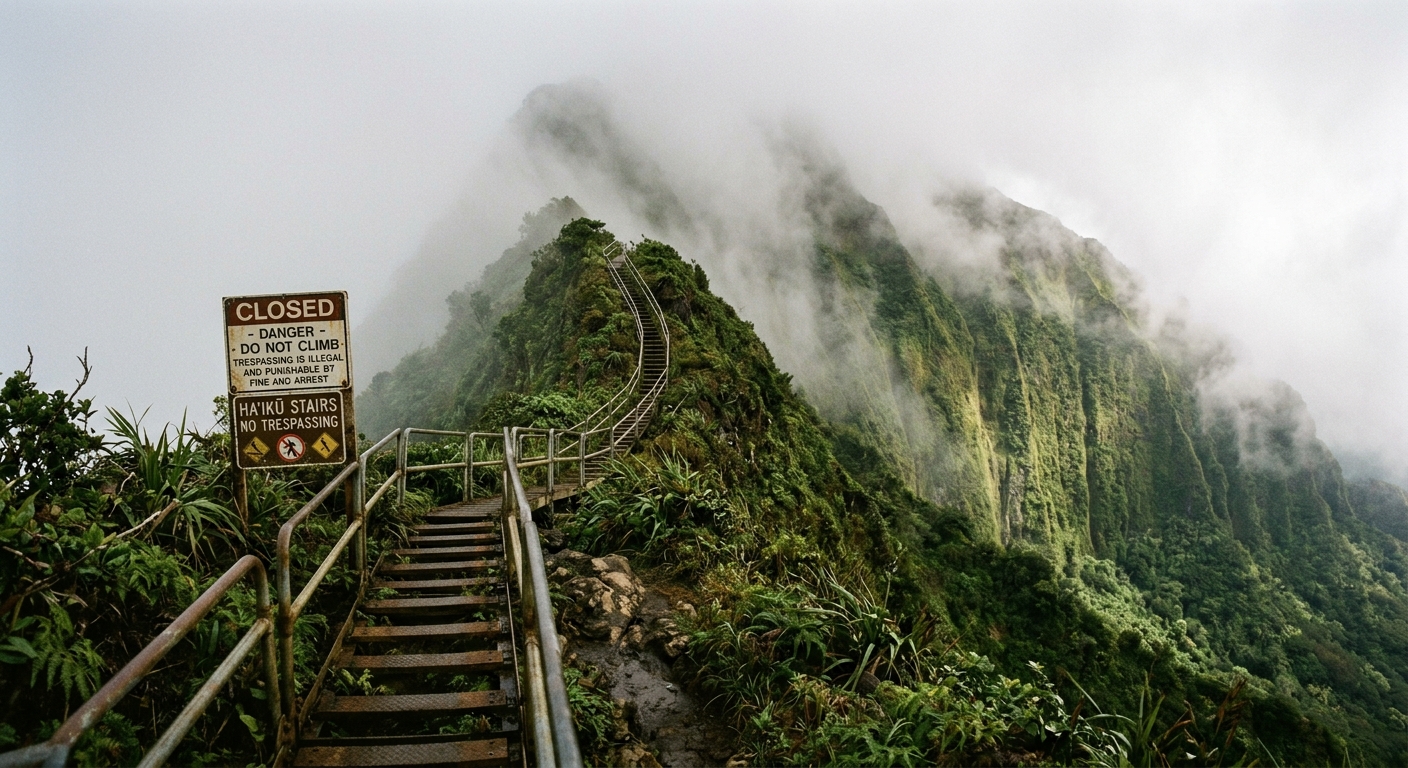
Hawaii’s infamous Haiku Stairs climb 3,922 metal steps up a mountain ridge, offering breathtaking views to those brave enough to risk arrest. This World War II relic has been completely illegal to climb for decades, yet continues to lure hundreds of adventurers each year.
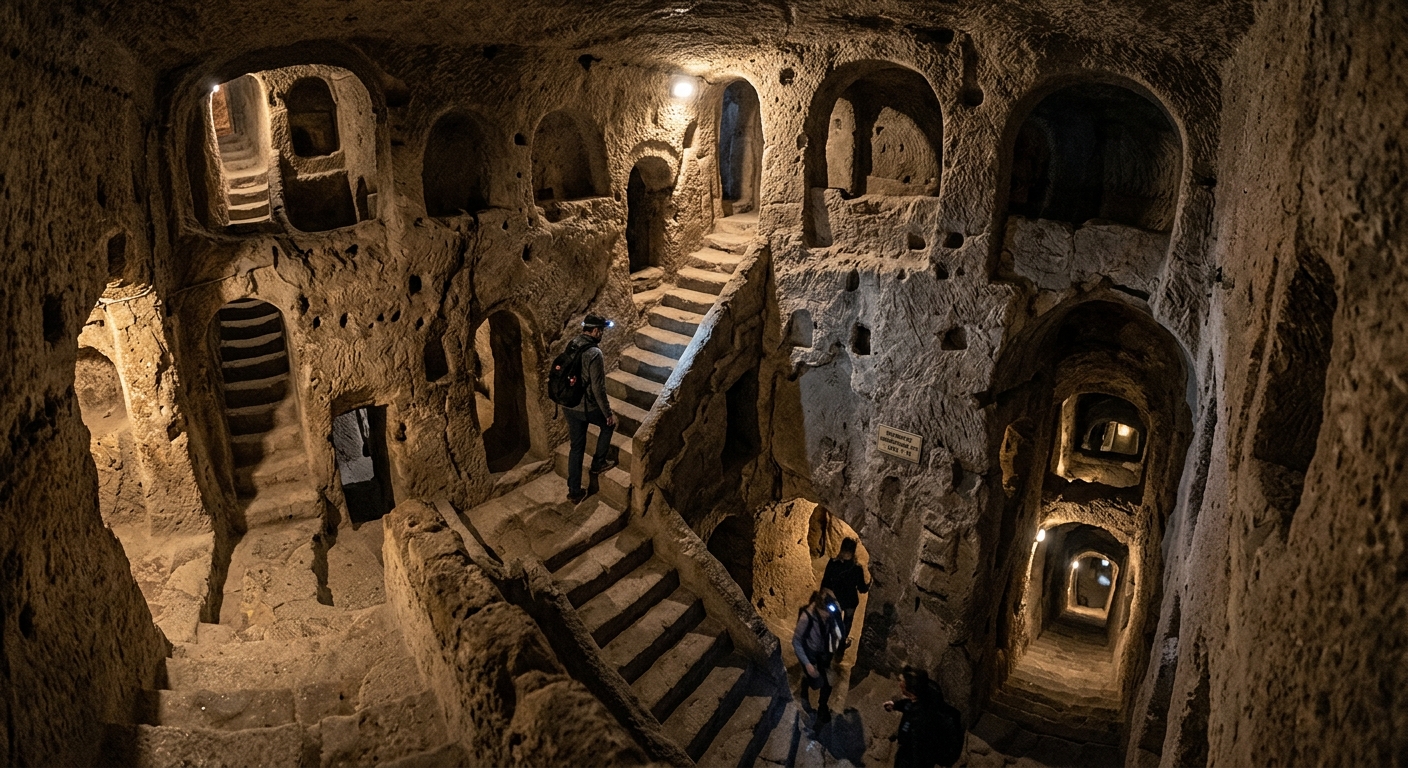
Hidden beneath Turkey’s Cappadocia region lies Derinkuyu, a mind-boggling underground city carved entirely by hand that once housed 20,000 people across eight subterranean levels. This ancient engineering marvel featured everything from churches and schools to livestock quarters and sophisticated ventilation systems, representing one of history’s most ambitious construction projects.
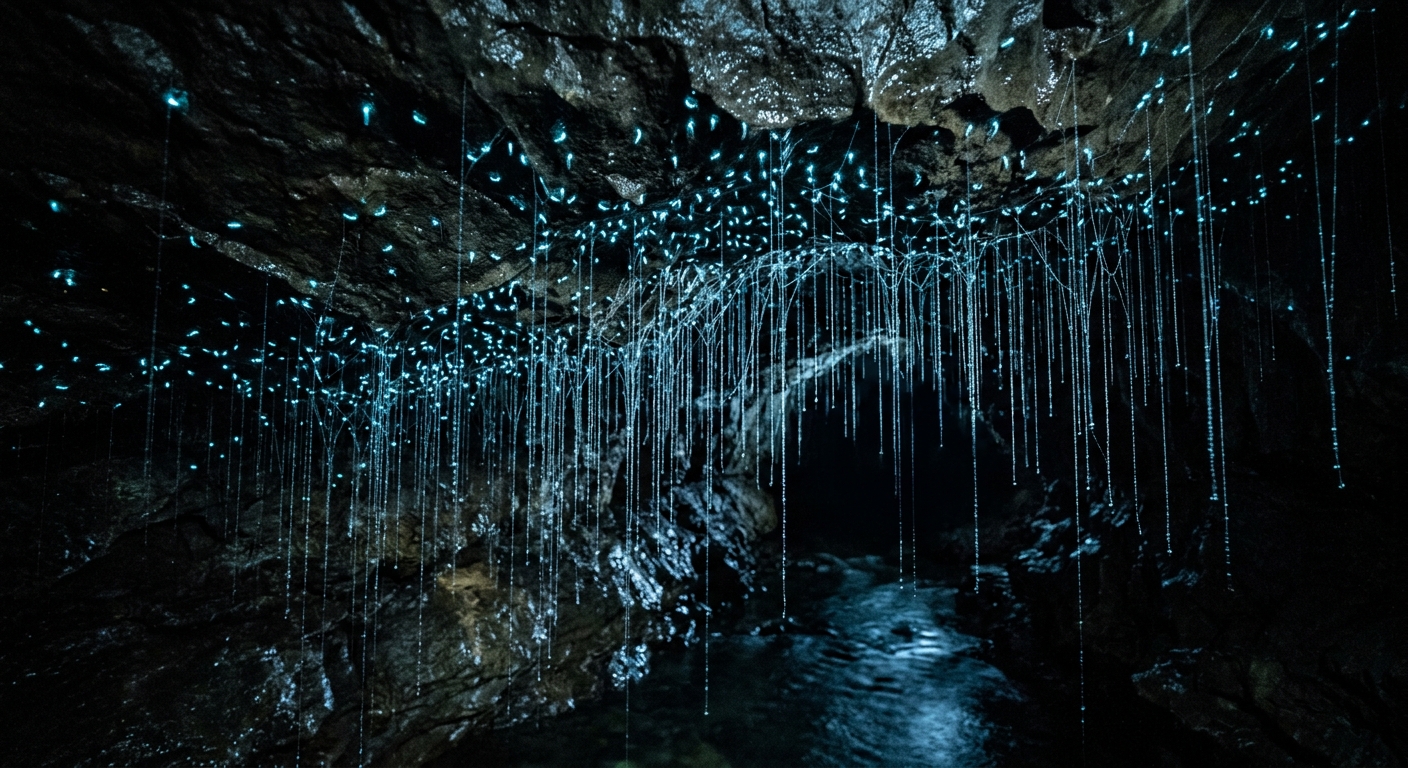
New Zealand’s famous Waitomo glowworms that create magical underground light displays aren’t actually worms at all, but rather the larvae of endemic fungus gnats. These bioluminescent baby flies use their glow as part of an elaborate silk-thread hunting system to catch prey in complete darkness.
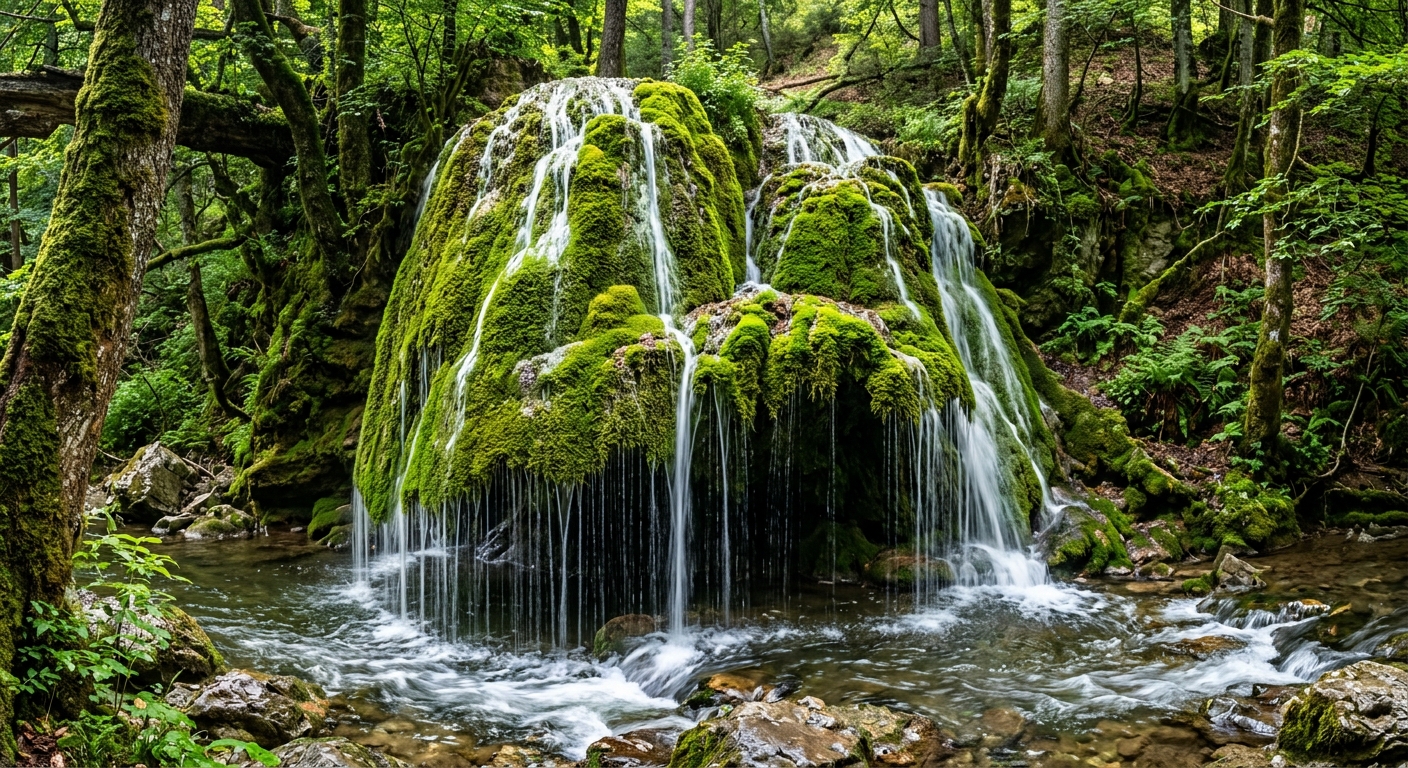
Hidden in Romania lies a waterfall that defies physics by falling in a perfect dome shape over living moss rather than cascading straight down like normal waterfalls. This geological marvel creates hundreds of tiny streams flowing in all directions, making it appear more like alien architecture than a natural formation.
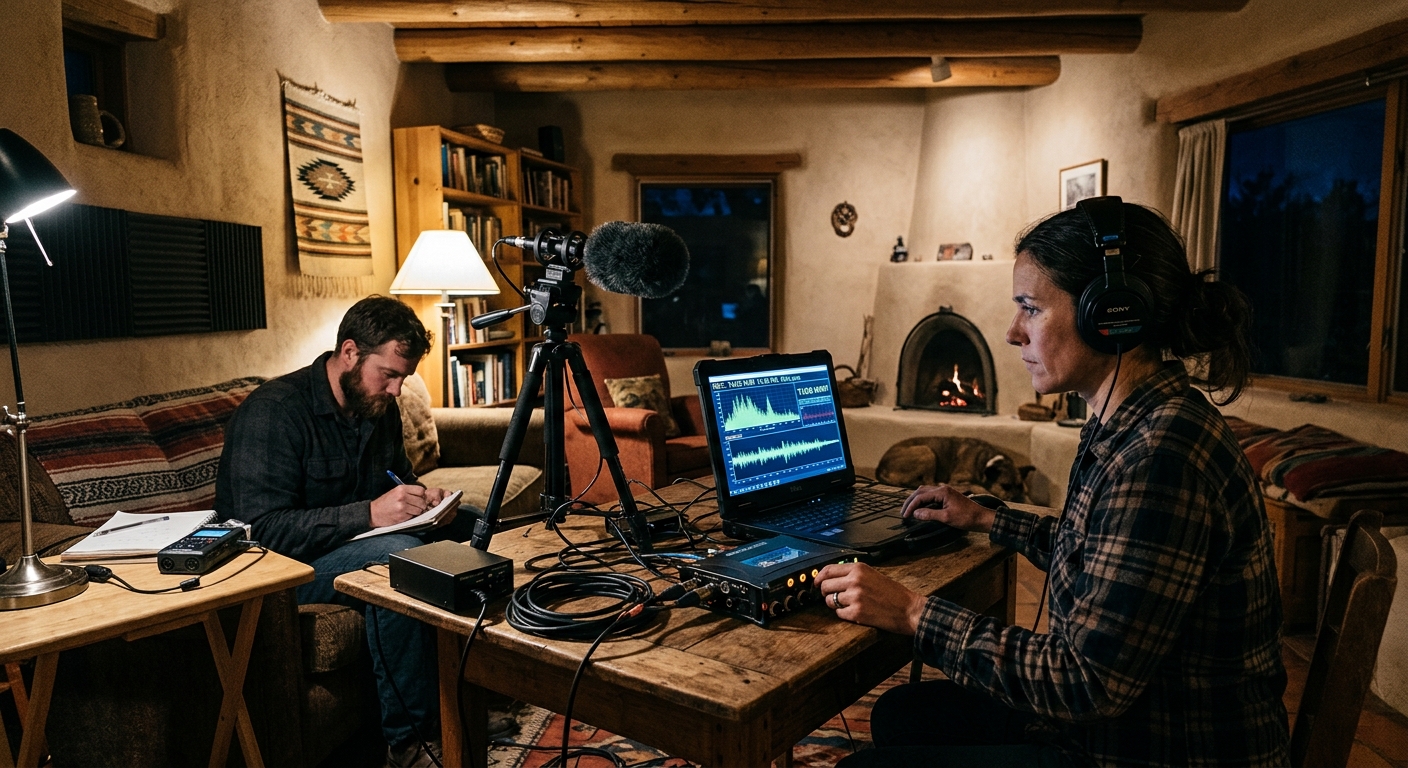
In the town of Taos, New Mexico, residents report hearing a mysterious humming sound that has one bizarre characteristic: it can only be heard indoors. The moment anyone steps outside, the persistent drone completely disappears, creating an acoustic mystery that has puzzled scientists for decades.
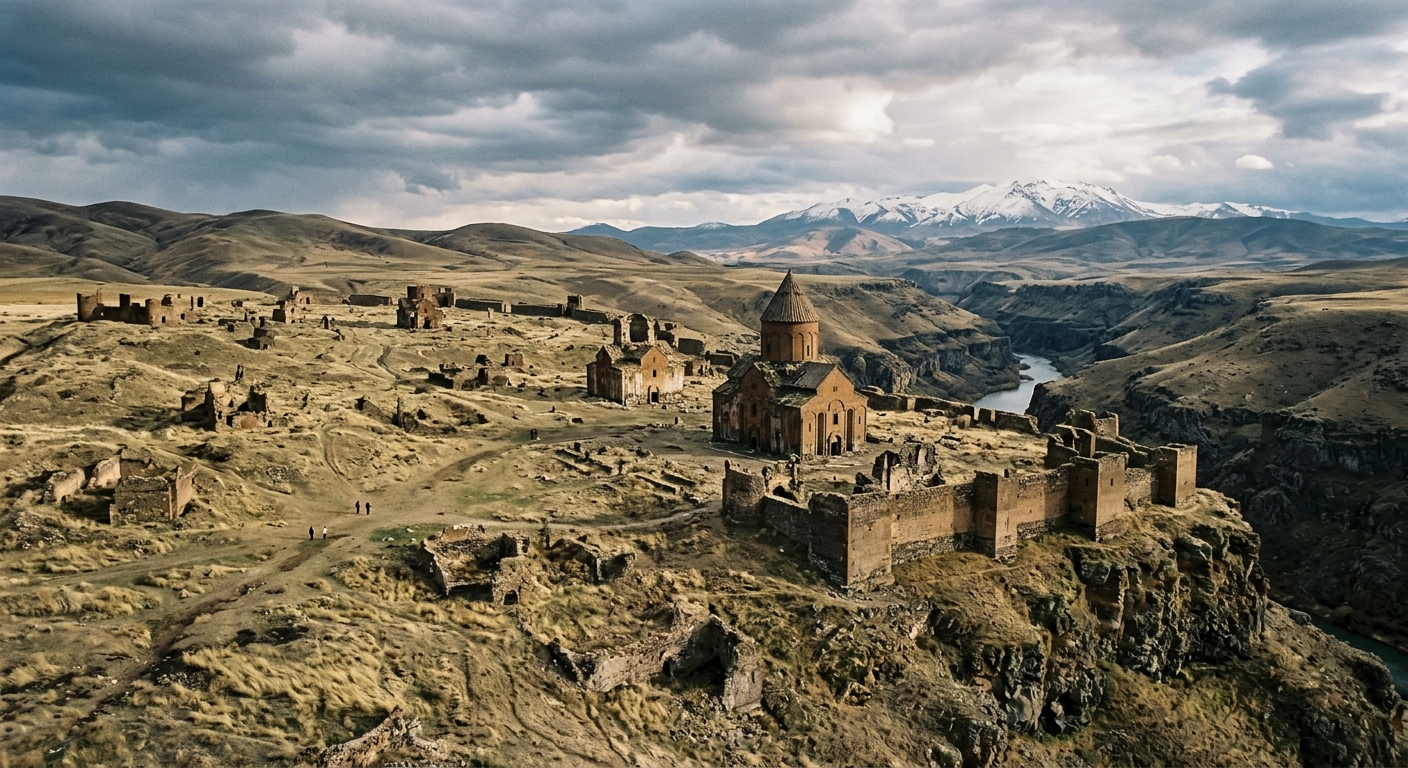
The ruins of Ani in Turkey were once home to 100,000 people, making it larger than medieval Paris or London. This lost Armenian capital along the Silk Road featured revolutionary architecture and advanced urban planning before mysteriously declining into the ghost city that exists today.