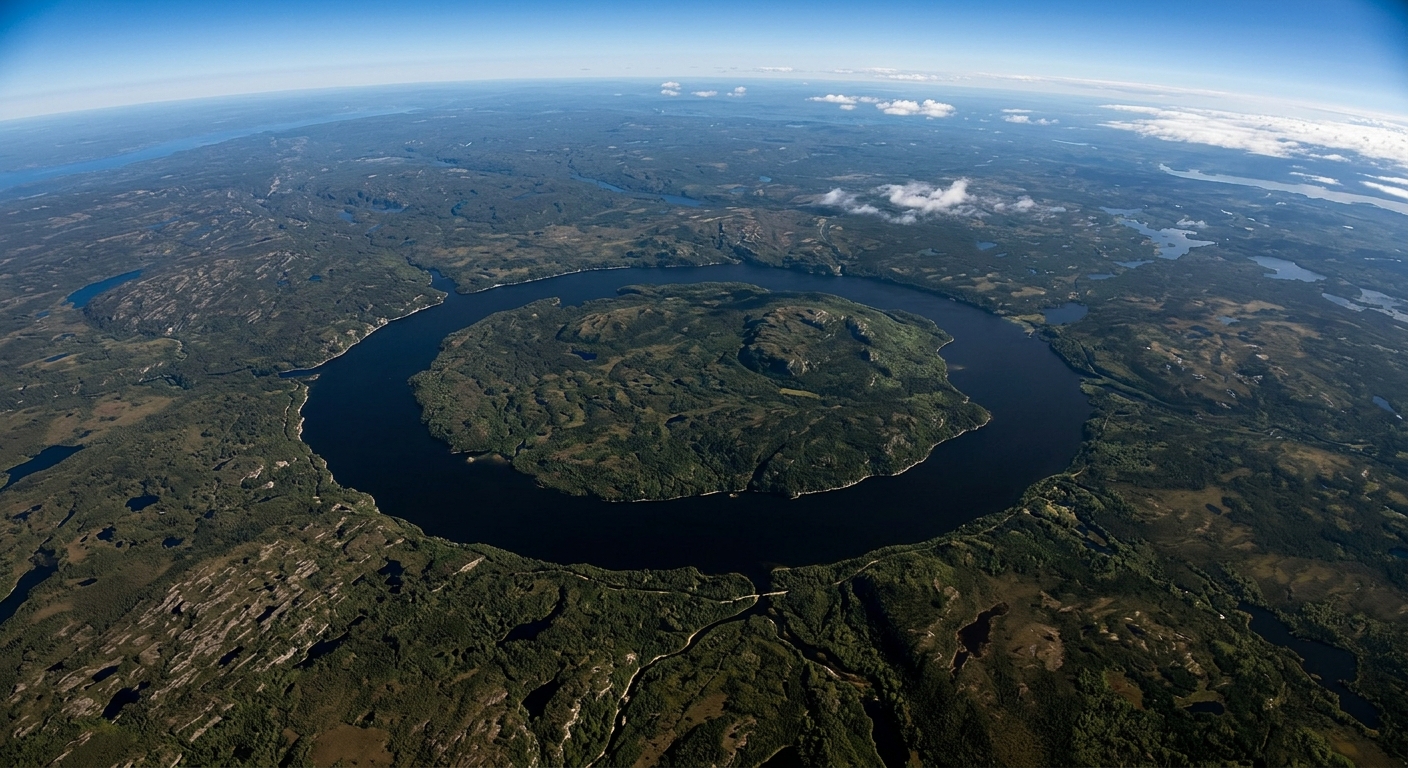
Hidden in Quebec’s wilderness lies a perfectly circular lake that baffled geologists for decades with its impossible geometry. The mystery’s explosive solution rewrote our understanding of Earth’s violent cosmic history.
The Lut Desert in Iran holds the record as the hottest place on Earth at 177.4°F, creating conditions so extreme that absolutely no life can survive there. This natural furnace represents one of the few places on our planet that remains completely sterile, defying life’s usual ability to adapt to even the harshest environments.
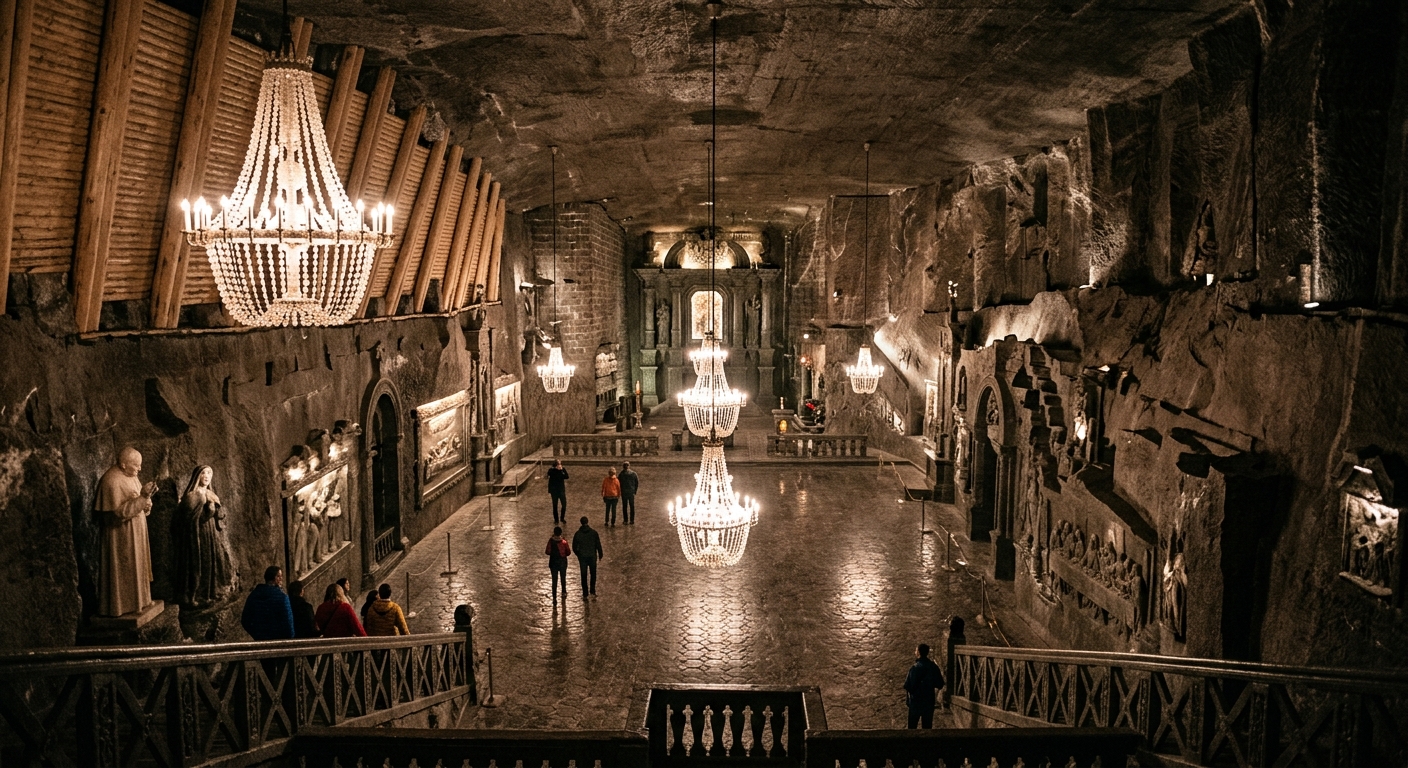
Deep beneath Poland lies an impossible cathedral carved entirely from salt, where miners transformed an ancient sea into one of the world’s most extraordinary underground art galleries. This 700-year-old masterpiece proves that human creativity can flourish in the most unlikely places.
The Great Blue Hole of Belize appears to be a perfect circle of deep blue water, but this 407-foot-deep formation was once a massive limestone cave system during the last ice age. When sea levels rose at the end of the ice age, the cave’s roof collapsed, creating this spectacular underwater time capsule that preserves evidence of Earth’s ancient past.
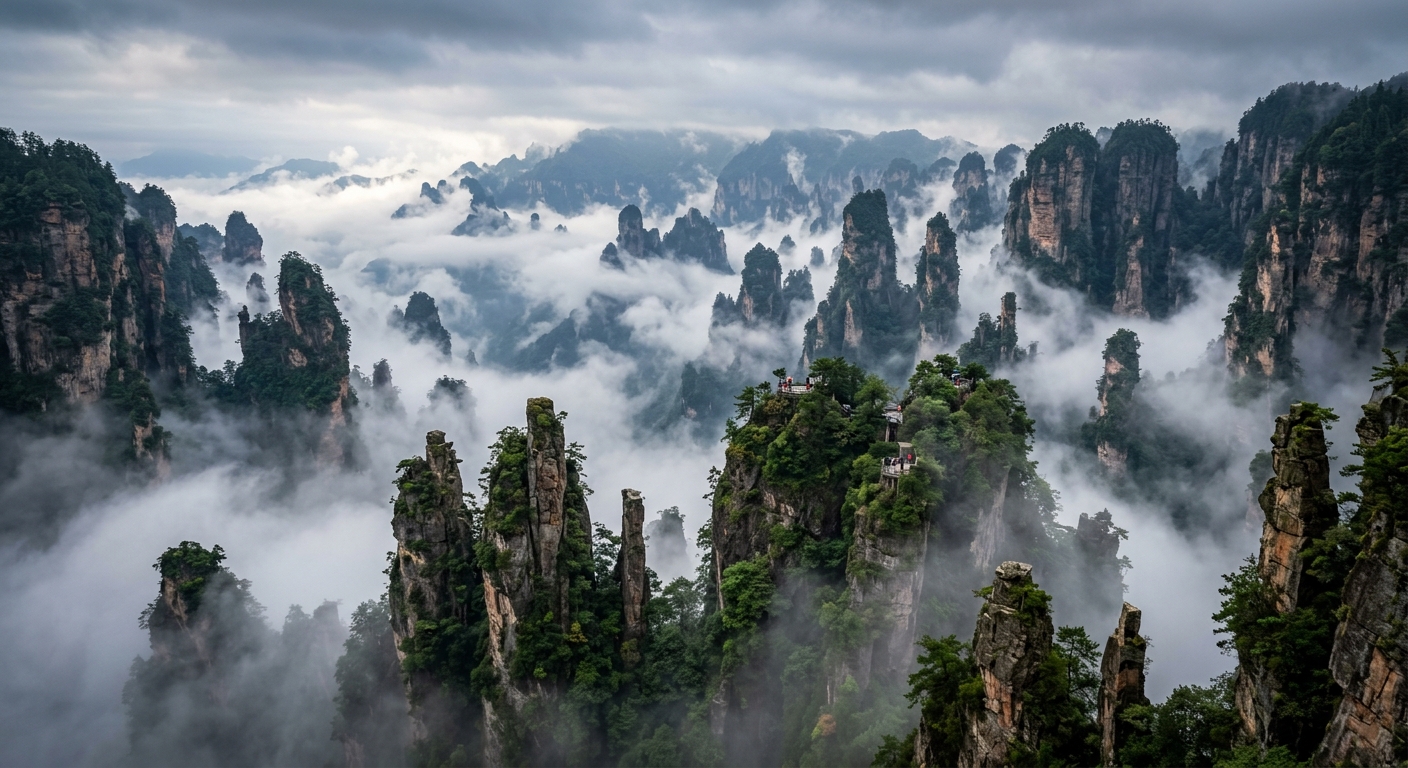
China’s Tianzi Mountains rise like impossible stone skyscrapers through swirling clouds, creating a landscape so alien that James Cameron used them as the blueprint for Avatar’s floating Hallelujah Mountains. These quartzite pillars, carved by millions of years of erosion, naturally create the illusion of floating mountains when mist settles in the valleys below.
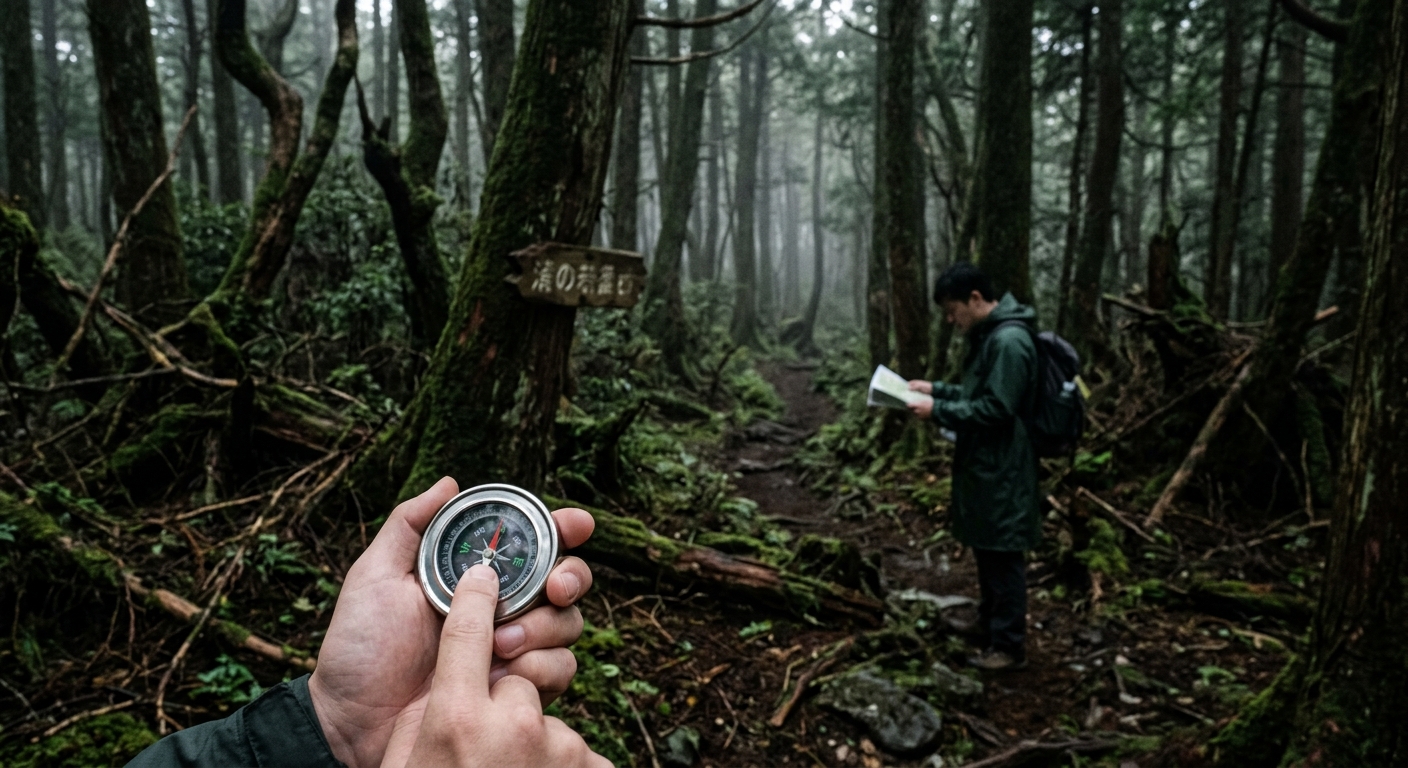
Japan’s Aokigahara Forest contains massive underground deposits of iron-rich volcanic rock that create magnetic anomalies powerful enough to make compasses spin wildly and point in completely wrong directions. This natural phenomenon, caused by magnetite-rich lava flows from ancient Mount Fuji eruptions, has turned the forest into one of Earth’s most magnetically confusing places where modern navigation equipment fails.
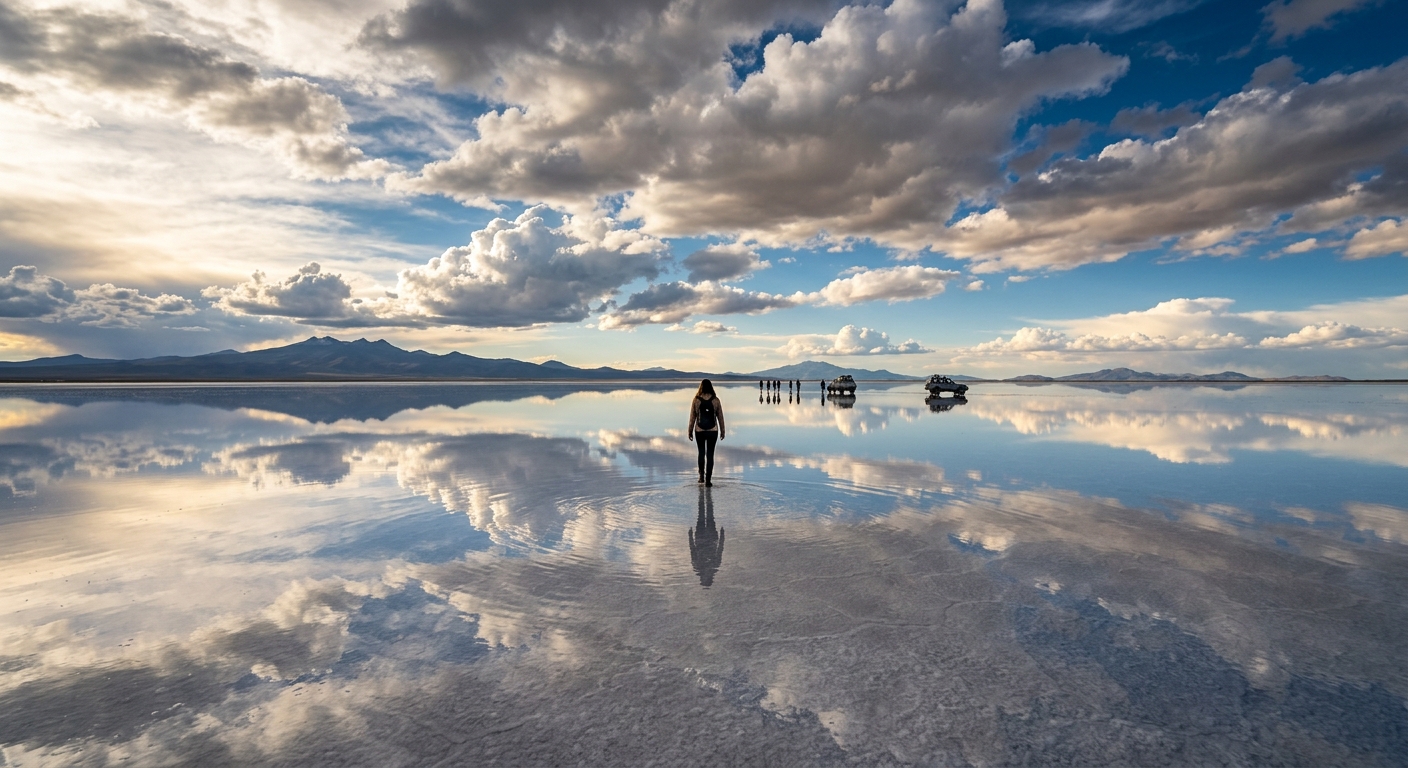
Bolivia’s Salar de Uyuni transforms from a stark white salt desert into the world’s largest natural mirror during rainy season, creating optical illusions so perfect that sky and ground become indistinguishable. This 4,086-square-mile salt flat produces reflections so flawless that visitors appear to walk on air while flamingos seem to fly through clouds.
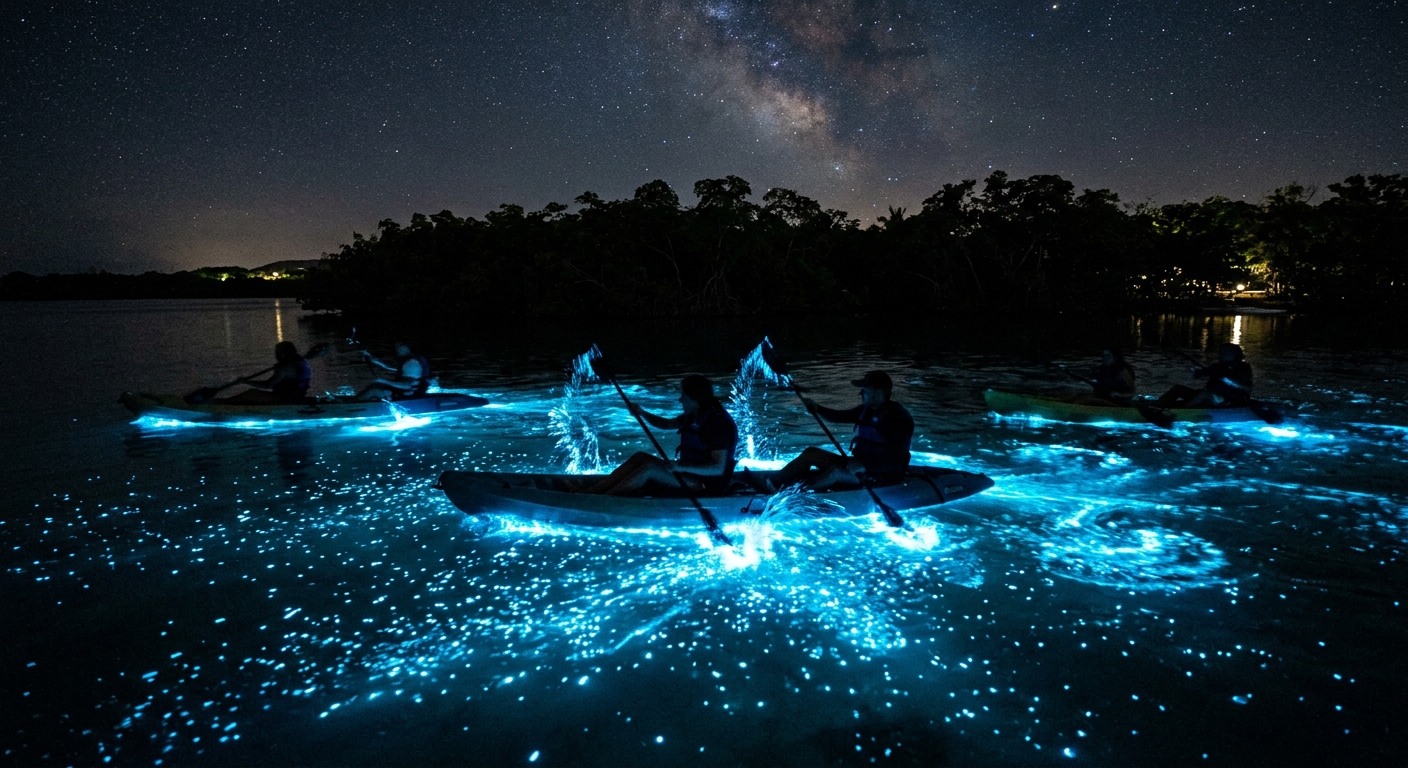
Mosquito Bay in Puerto Rico defies scientific expectations by glowing brighter during rainstorms, creating an intensified bioluminescent spectacle that has puzzled researchers for decades. This rare phenomenon occurs when rainwater delivers nutrients to microscopic organisms while simultaneously agitating them into producing more brilliant displays of living light.
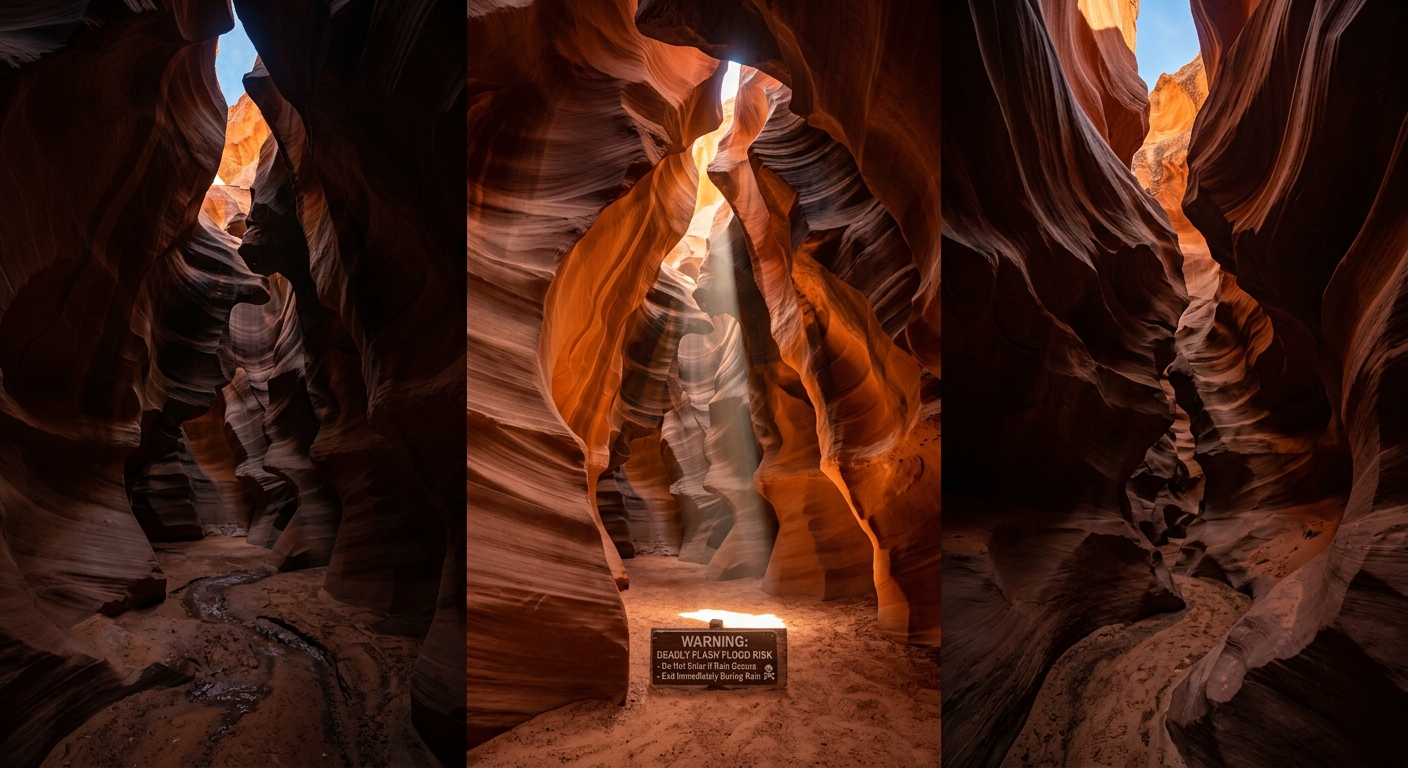
Antelope Canyon’s breathtaking beauty conceals a deadly secret: flash floods can fill these narrow passages in minutes, creating an inescapable death trap. The 1997 tragedy that killed 11 tourists revealed how storms miles away can unleash killer floods without any warning to visitors inside the canyon.
The Bisti Badlands of New Mexico present such an alien landscape that NASA uses this desert terrain to test Mars rovers and train planetary scientists. This otherworldly wilderness features towering rock spires and mushroom-shaped formations that mirror the surface of Mars so closely that visitors feel transported to another planet entirely.