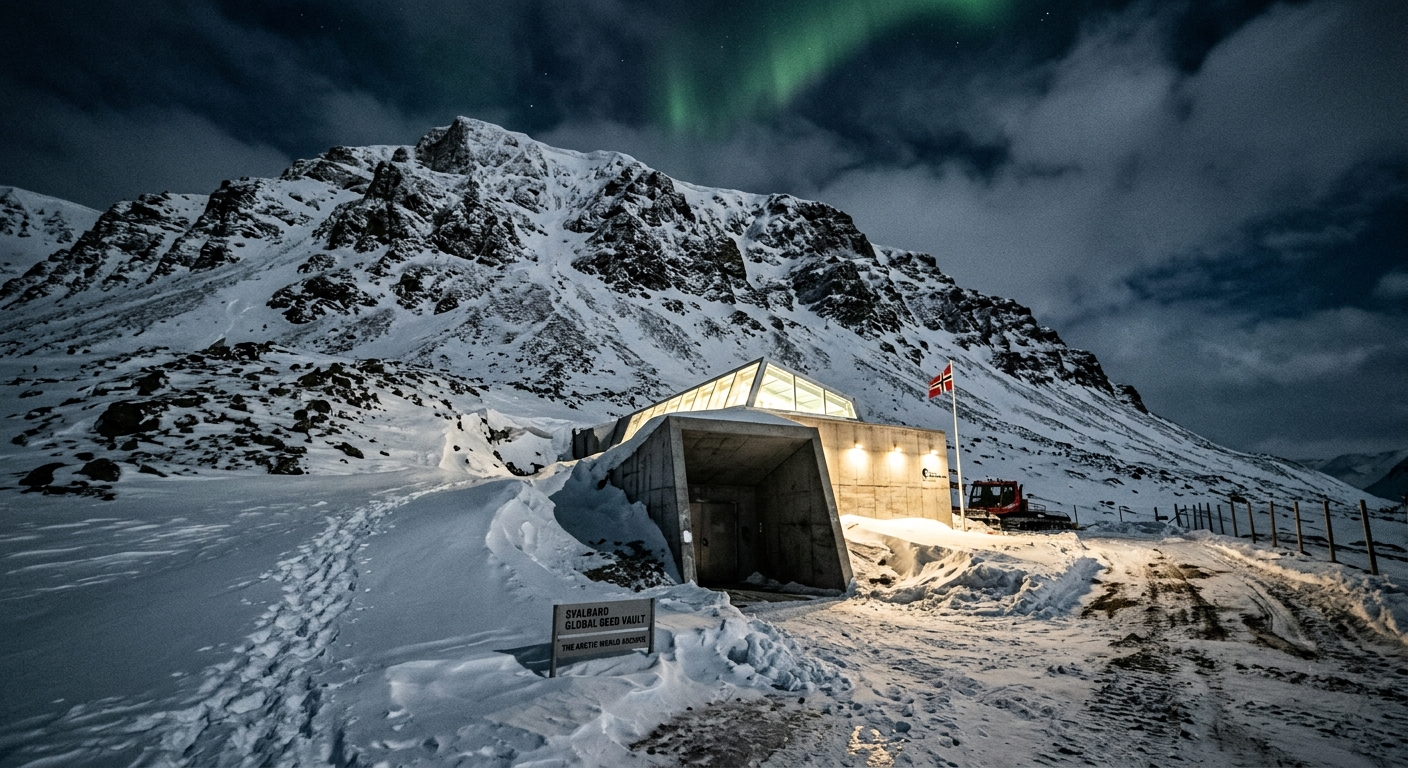
Hidden beneath Norway’s permafrost lies a frozen fortress designed to survive nuclear war and climate catastrophe. The Svalbard Global Seed Vault stores over 1 million seeds from around the world, serving as humanity’s agricultural insurance policy against global disaster.
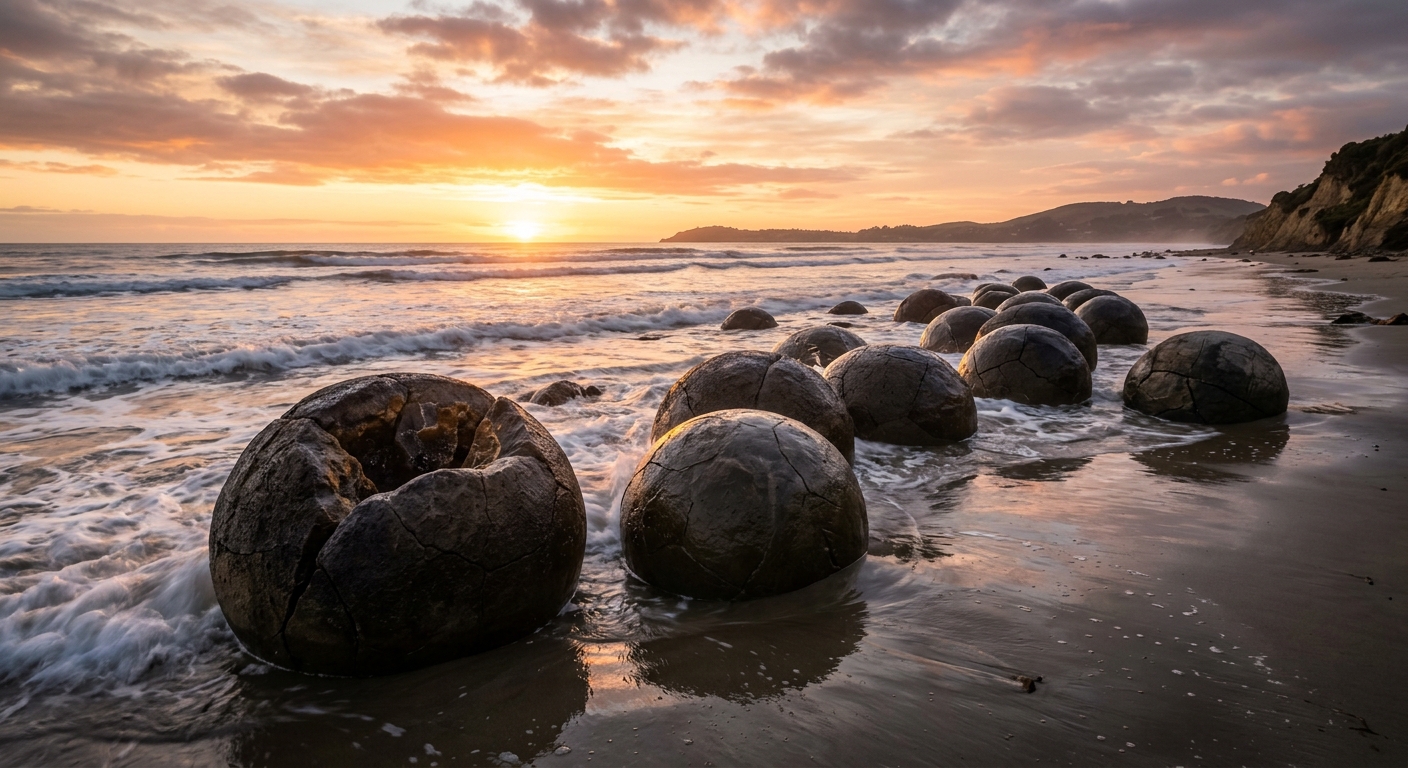
The mysterious spherical boulders scattered across New Zealand’s Koekohe Beach took 4 million years to form on the ancient ocean floor through a remarkable process called concretion. These natural sculptures reveal how patient geological forces can create near-perfect spheres from seafloor sediments, offering a glimpse into deep time and the incredible artistry of Earth’s geological processes.
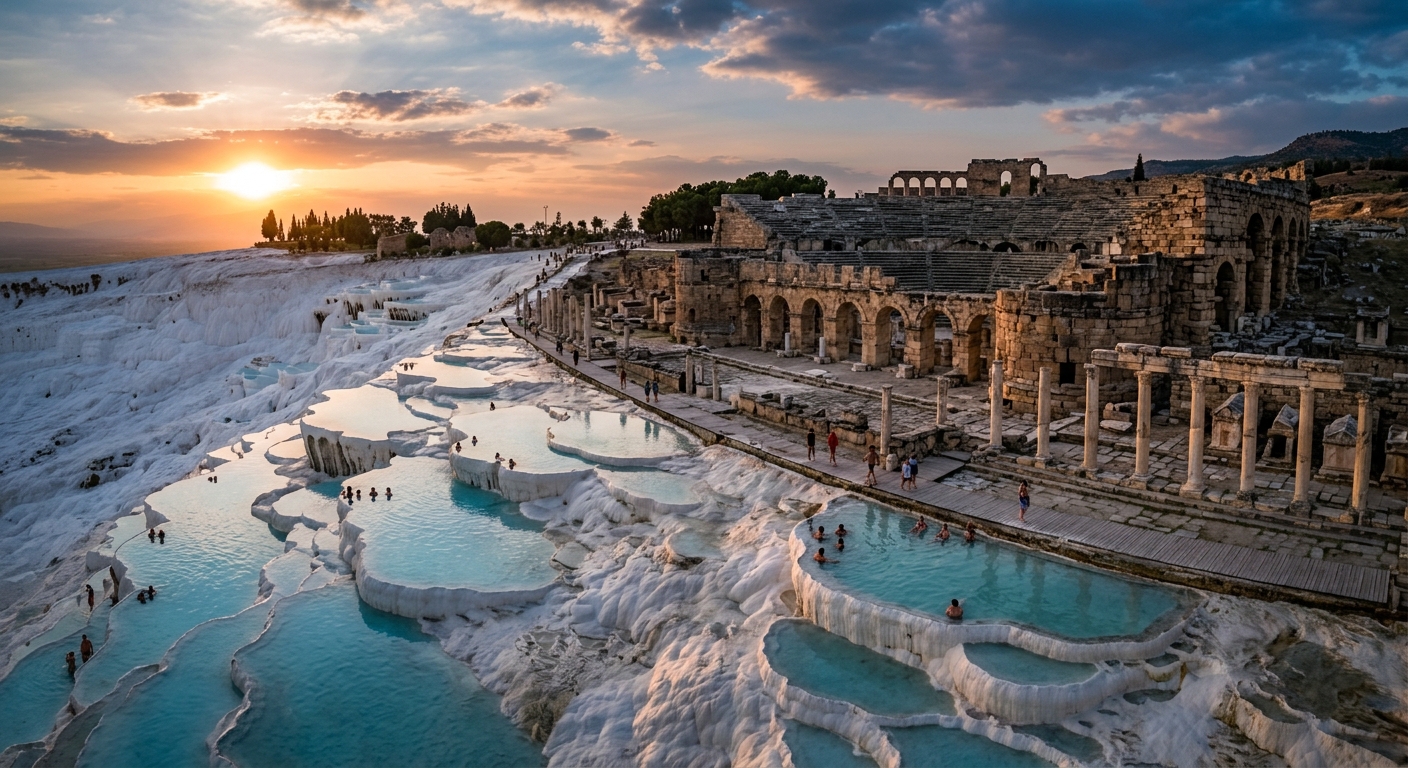
For over 2,000 years, the brilliant white travertine pools of Pamukkale, Turkey have served as nature’s pharmacy, attracting Roman emperors and ancient warriors seeking healing in their mineral-rich waters. Modern science has now proven what the ancients knew intuitively: these geological formations really do provide measurable health benefits through their unique combination of calcium carbonate, magnesium, and other therapeutic minerals.
Deep in Iceland’s volcanic landscape, natural rock formations literally breathe like living creatures, inhaling and exhaling with thunderous sounds that can be heard for miles. These breathing blowholes are created by ocean waves compressing air in underground chambers, producing a rhythmic cycle that mimics the respiration of sleeping giants.
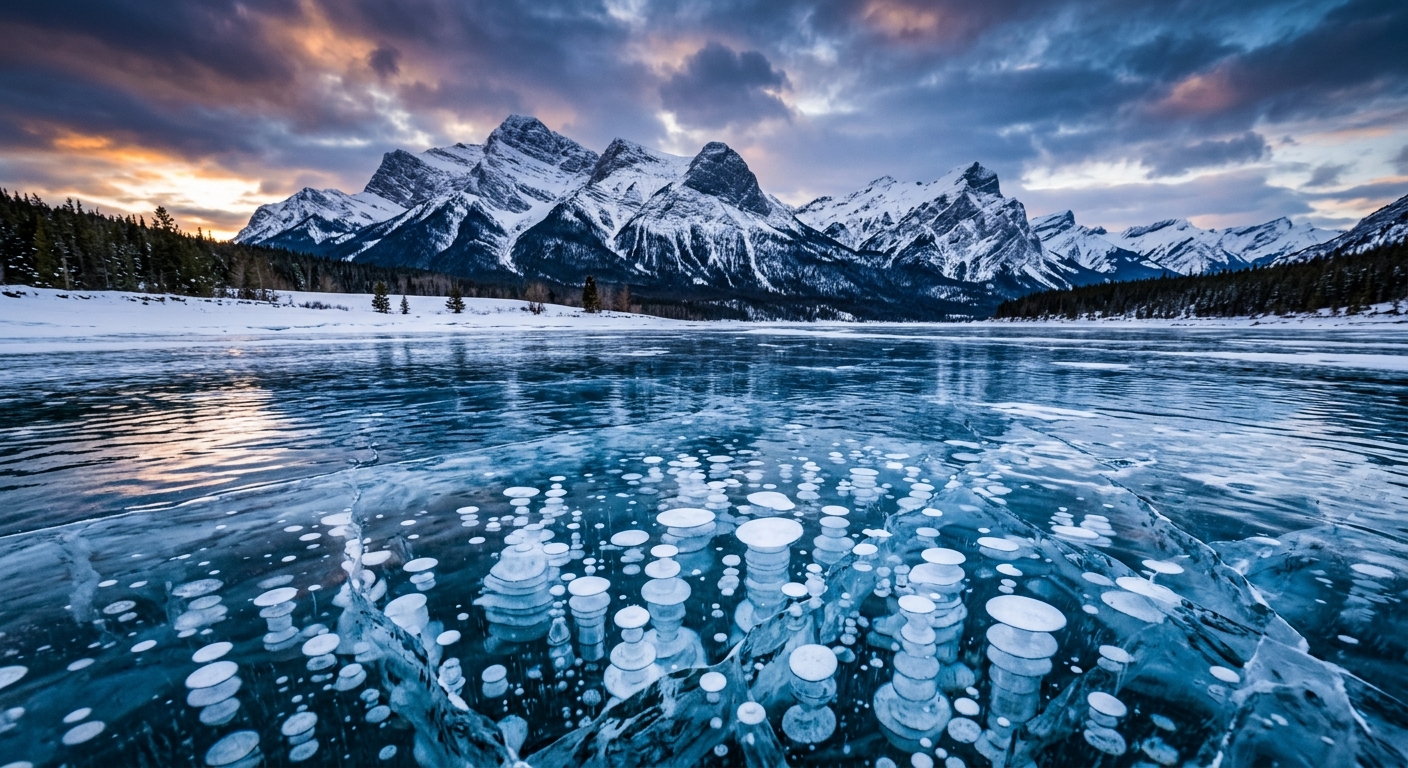
Lake Abraham in Canada transforms each winter into a surreal landscape of frozen methane bubbles trapped beneath crystal-clear ice. These flammable gas pockets create a stunning natural display while hiding an explosive secret that can literally ignite when released.
Brazil’s Lencois Maranhenses National Park defies nature’s rules by being a desert that receives 60 inches of rain annually and floods every year with crystal-clear lagoons. This impossible landscape transforms from endless white dunes to a maze of pristine pools filled with fish, only to return to desert conditions in an endless cycle.
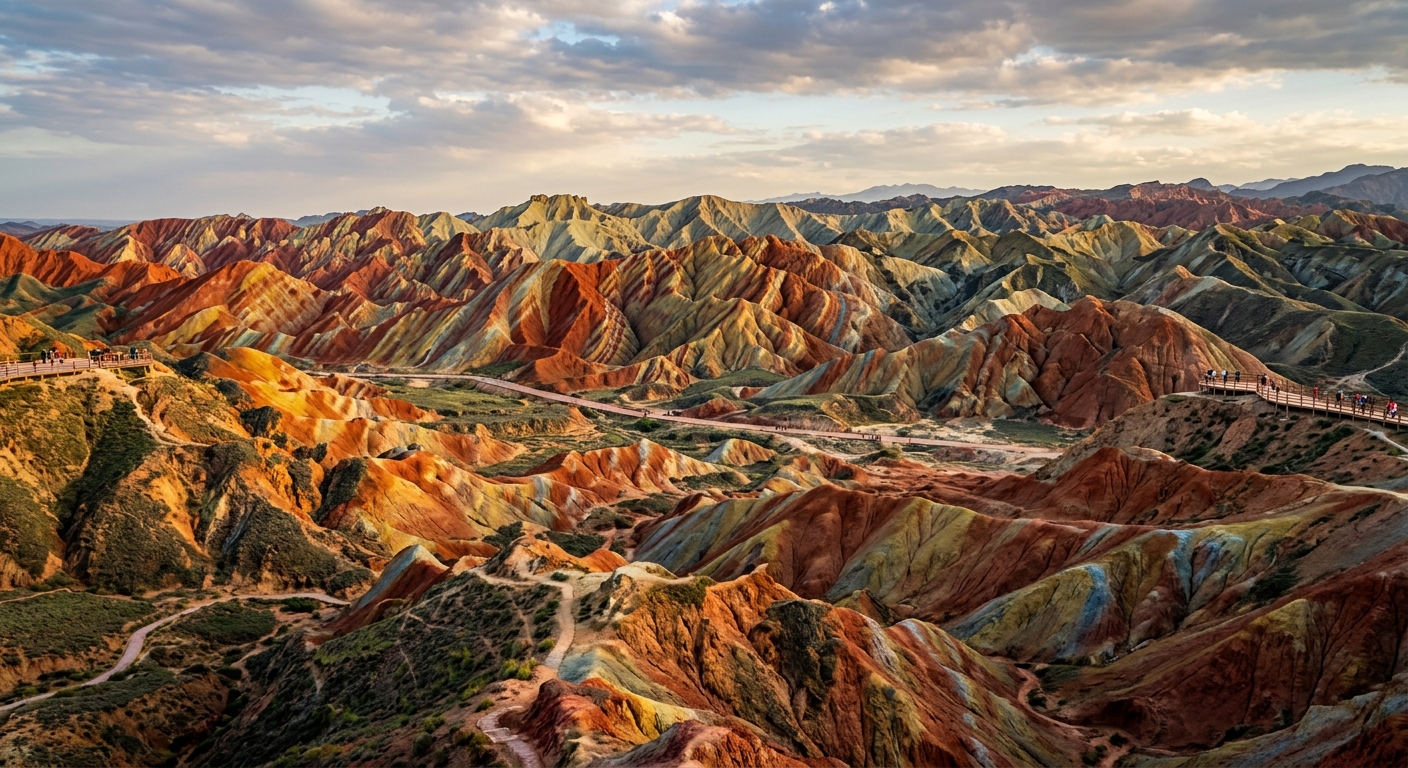
China’s Zhangye Danxia Landform features mountains that look hand-painted in brilliant stripes of red, orange, yellow, green, and blue, created by millions of years of geological processes. This UNESCO World Heritage Site showcases how mineral deposits and tectonic forces can create landscape art that surpasses human imagination.
The rolling hills of Washington’s Palouse region look so geometrically perfect that many visitors question whether they’re viewing natural terrain or computer-generated imagery. These mathematically precise formations were sculpted by ancient mega-floods and wind-deposited sediment called loess, creating one of Earth’s most artificially perfect natural landscapes.
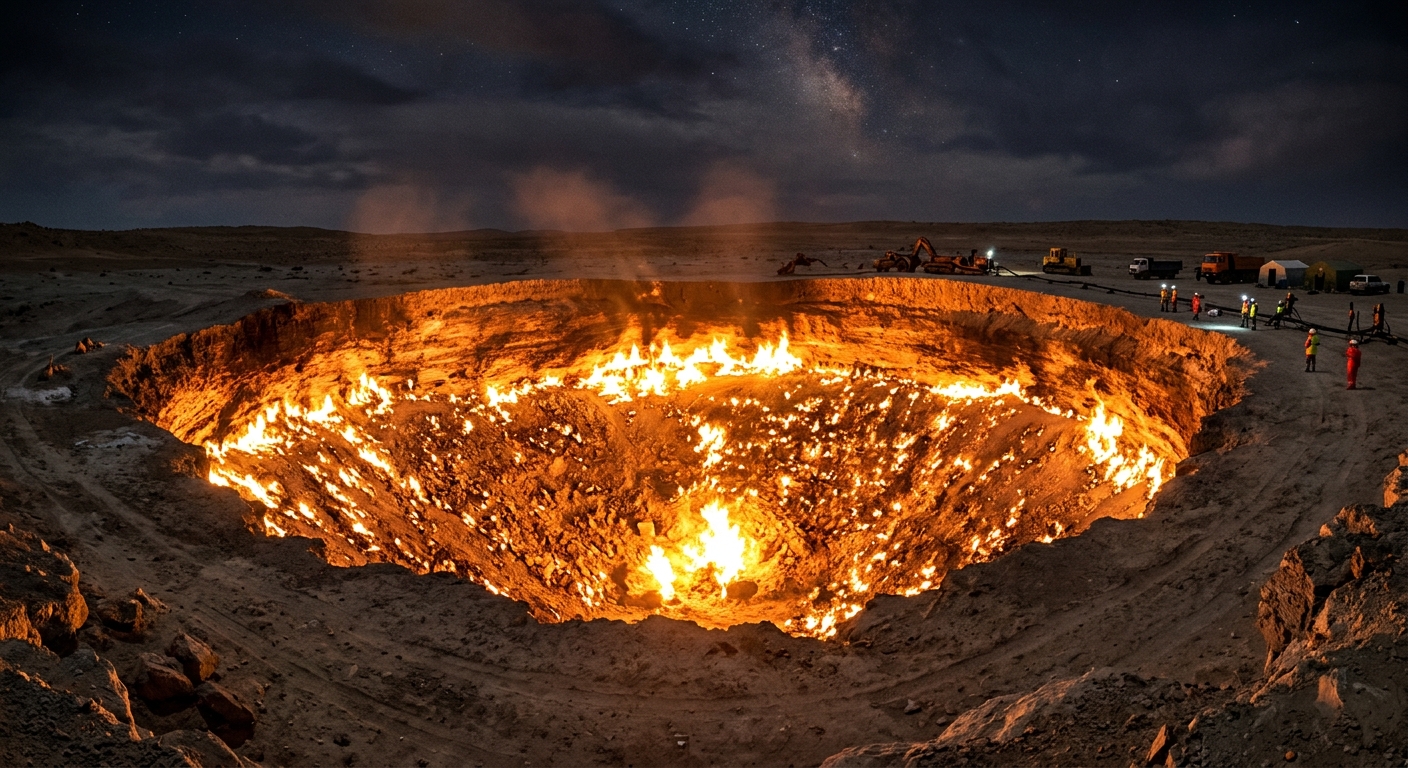
The Darvaza gas crater in Turkmenistan has been burning continuously since 1971 when Soviet geologists accidentally created this fiery pit. Despite multiple government attempts using everything from sand to chemical suppressants, the flames refuse to die, fed by vast underground natural gas reserves.
Namibia’s Skeleton Coast has claimed over 1,000 ships throughout history, combining deadly fog, powerful currents, and hidden reefs into a maritime death trap. Portuguese sailors called it the Gates of Hell, and the endless shipwrecks scattered along its shores prove why this coastline remains one of the most feared in the world.