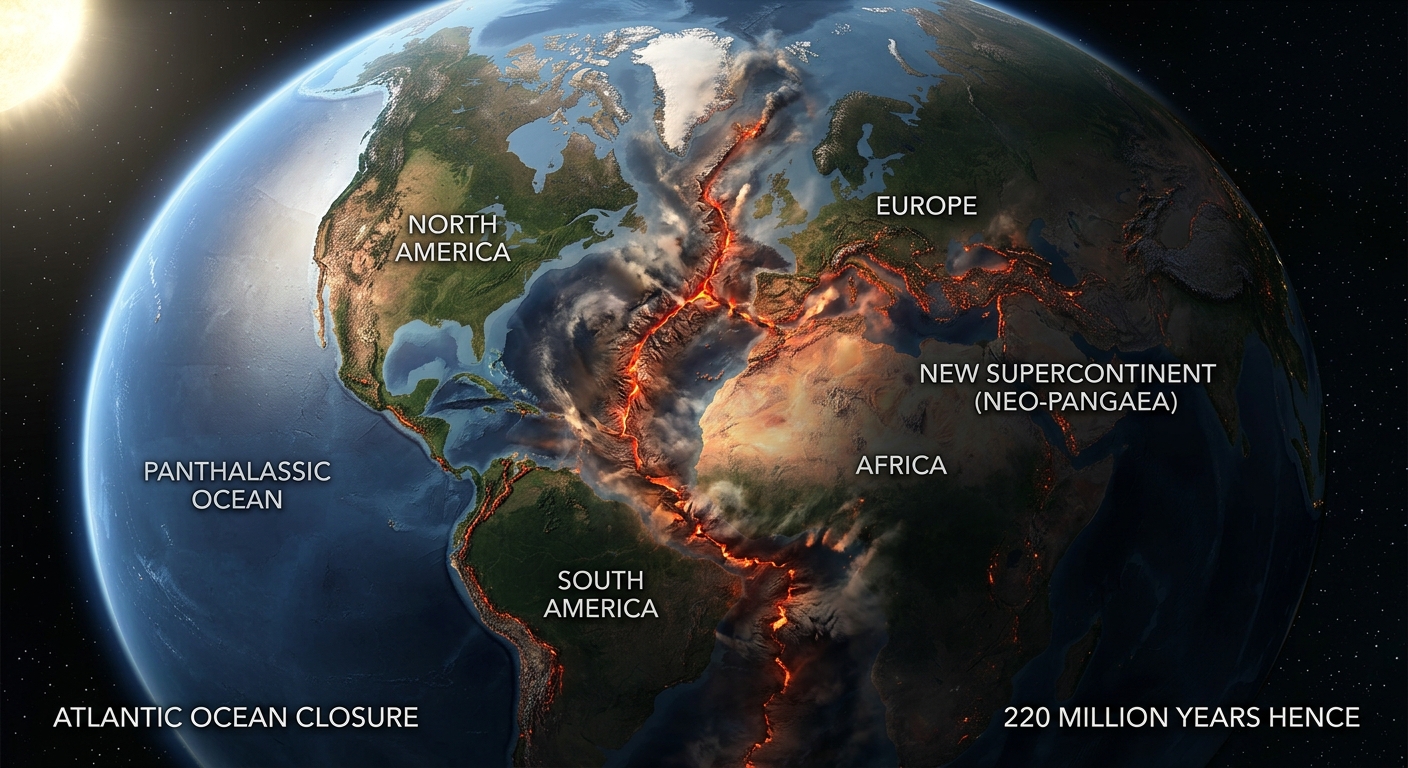
The Atlantic Ocean is slowly disappearing at a rate of 2-3 centimeters per year and will completely close in 220 million years due to continental drift and subduction processes. This gradual closure will eventually create a new supercontinent called Pangaea Proxima, fundamentally reshaping Earth’s geography and climate systems.
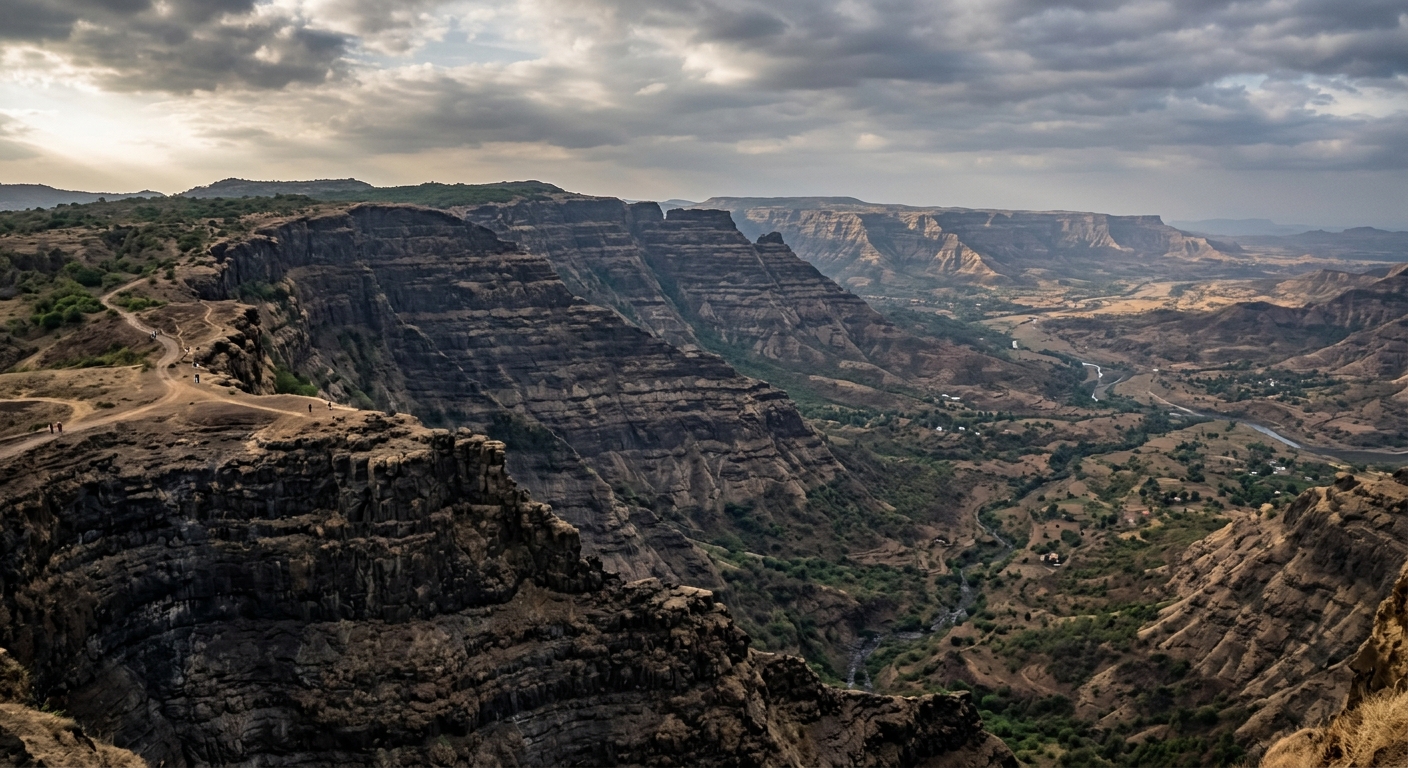
The Deccan Traps in India represent one of Earth’s most massive volcanic catastrophes, covering an area the size of France with lava up to 2 kilometers deep. This ancient volcanic field, formed 66 million years ago, may have contributed to the extinction of the dinosaurs and reshaped global climate.
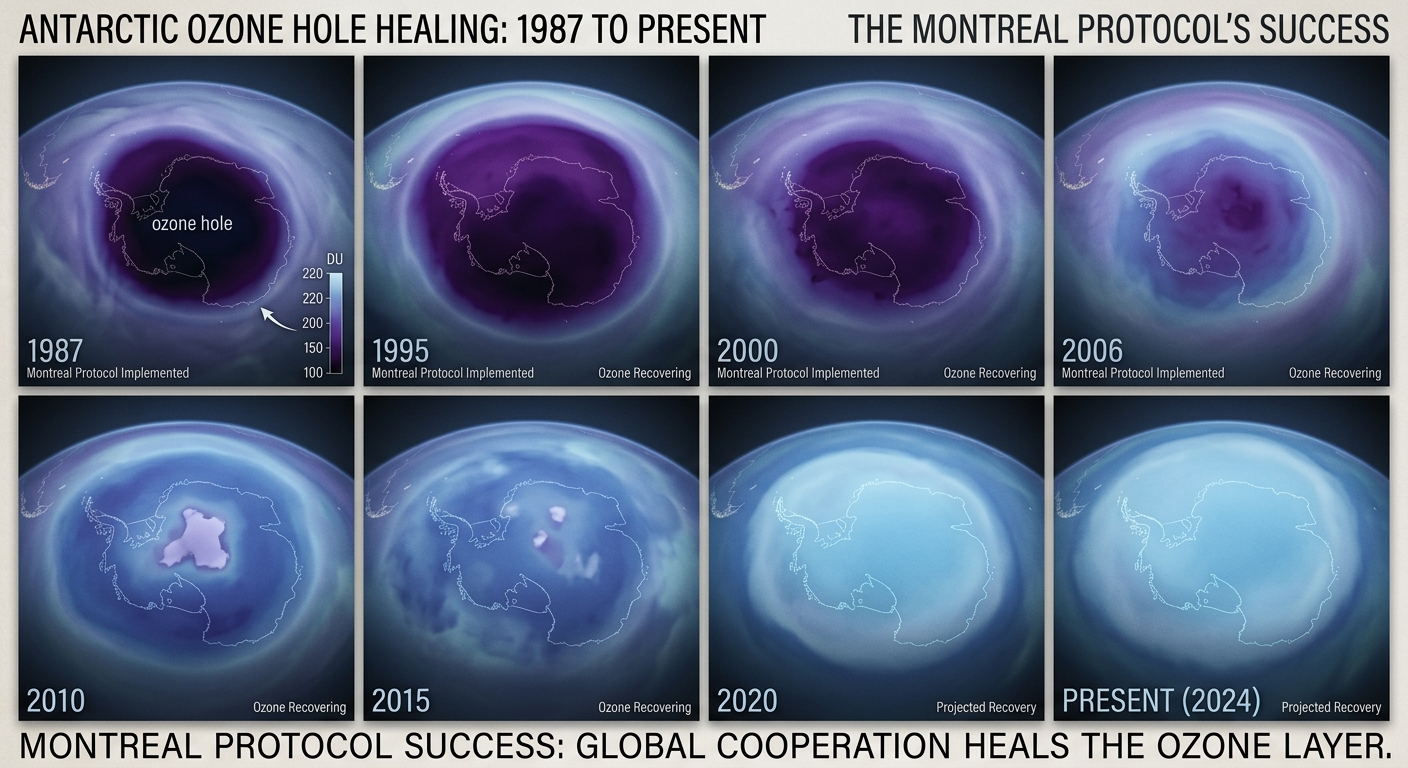
In 1985, scientists discovered a hole in Earth’s protective ozone layer above Antarctica so massive it could swallow North America. Remarkably, thanks to the fastest global environmental response in history, this atmospheric catastrophe has been healing since 1987 and is expected to fully close by 2070.
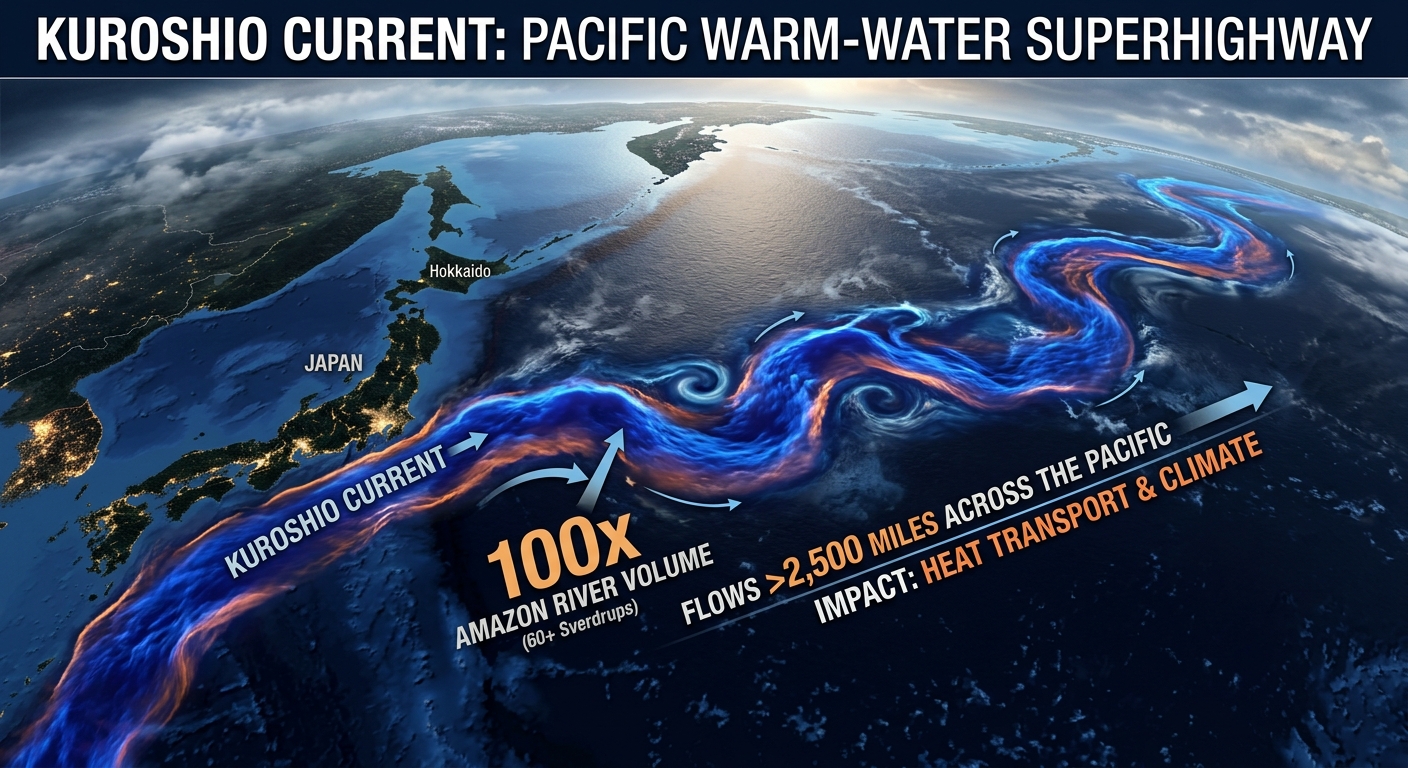
The Kuroshio Current in the Pacific Ocean transports an incredible 42 million cubic meters of water per second, making it 100 times more powerful than the Amazon River. This invisible underwater highway plays a crucial role in regulating climate and supporting marine ecosystems across the western Pacific.
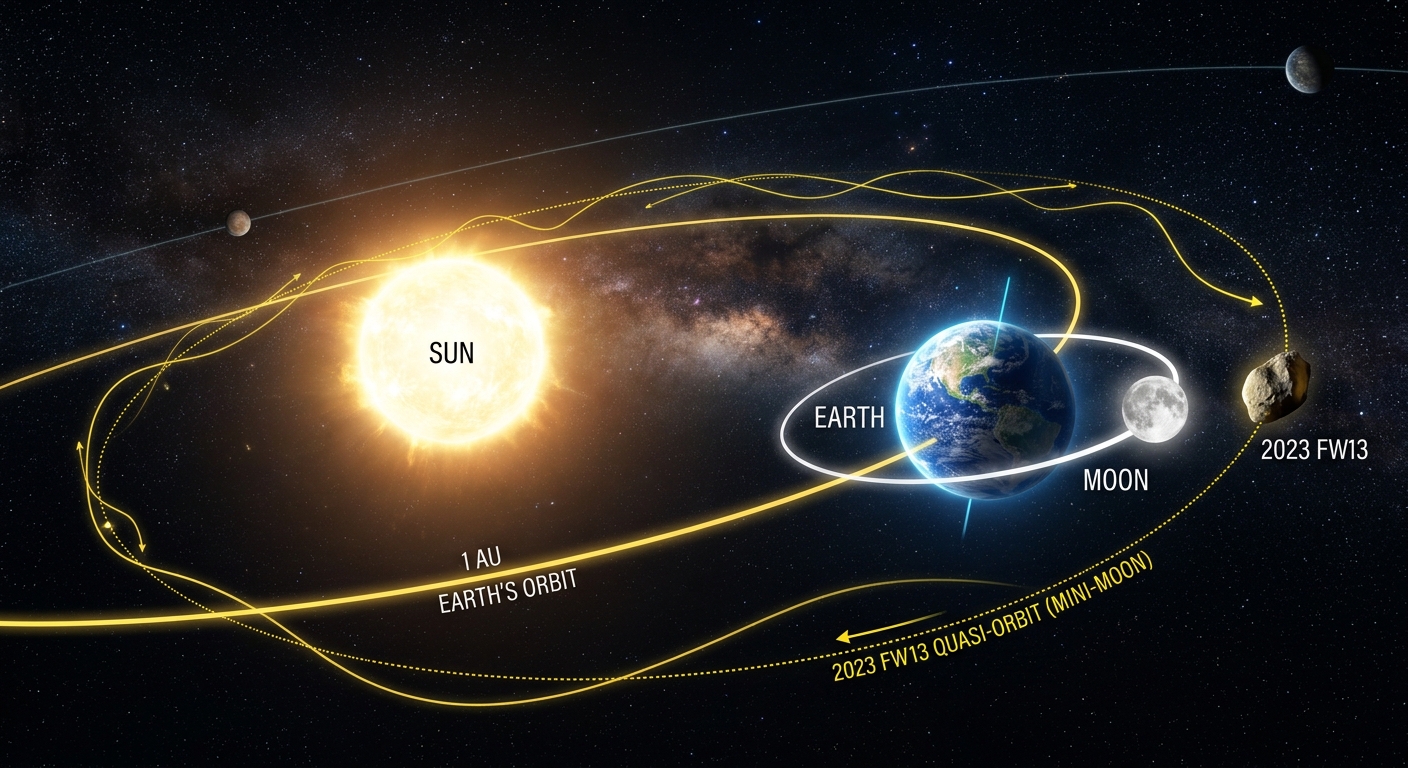
Earth secretly hosts temporary mini-moons that orbit our planet for months or years before escaping back to space. These dark, car-sized asteroids are captured by Earth’s gravity and go completely unnoticed by most people on the ground.
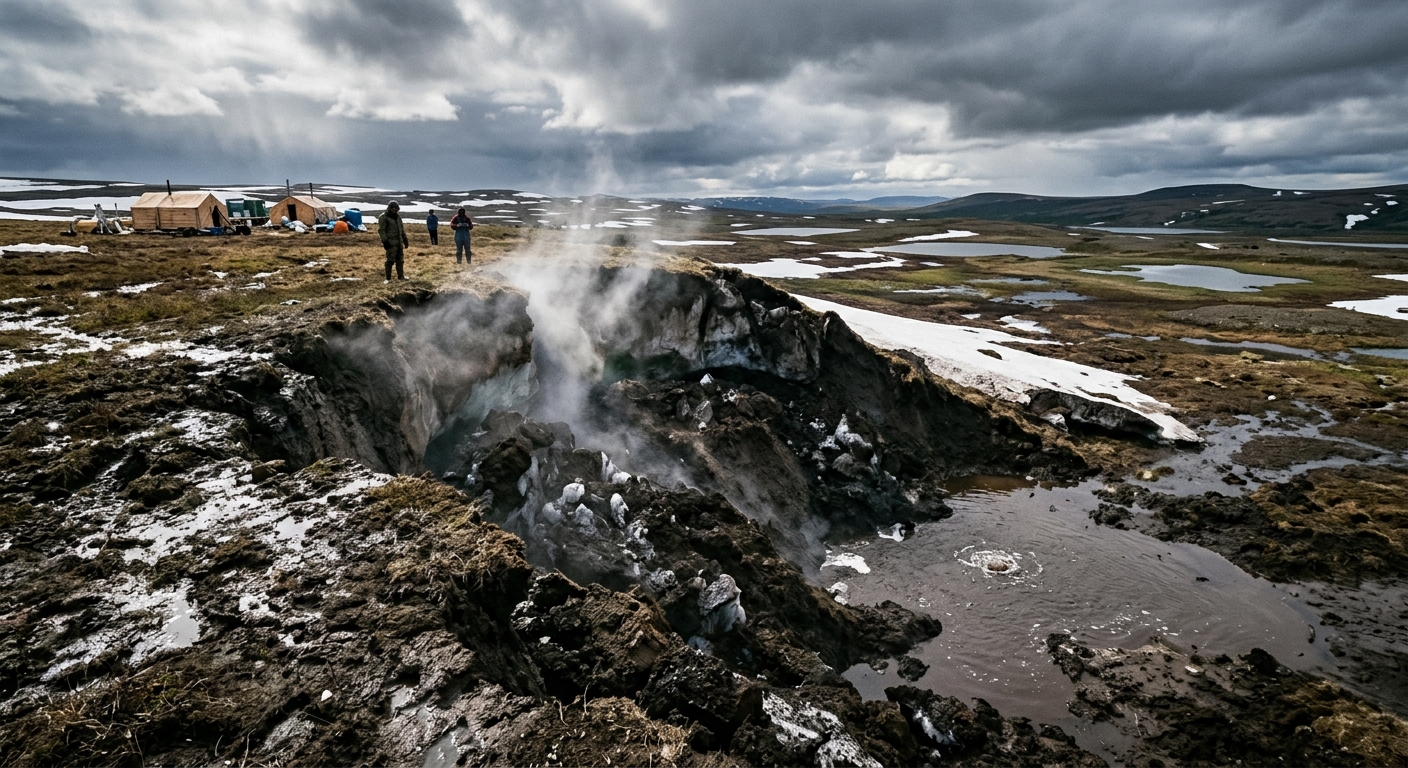
Hidden beneath Siberia’s frozen ground lies a carbon reservoir containing 1,700 billion tons of carbon, nearly twice what exists in our entire atmosphere and far exceeding all human emissions in history. As this permafrost thaws due to warming temperatures, it threatens to release this ancient carbon and dramatically accelerate climate change through a dangerous feedback loop.
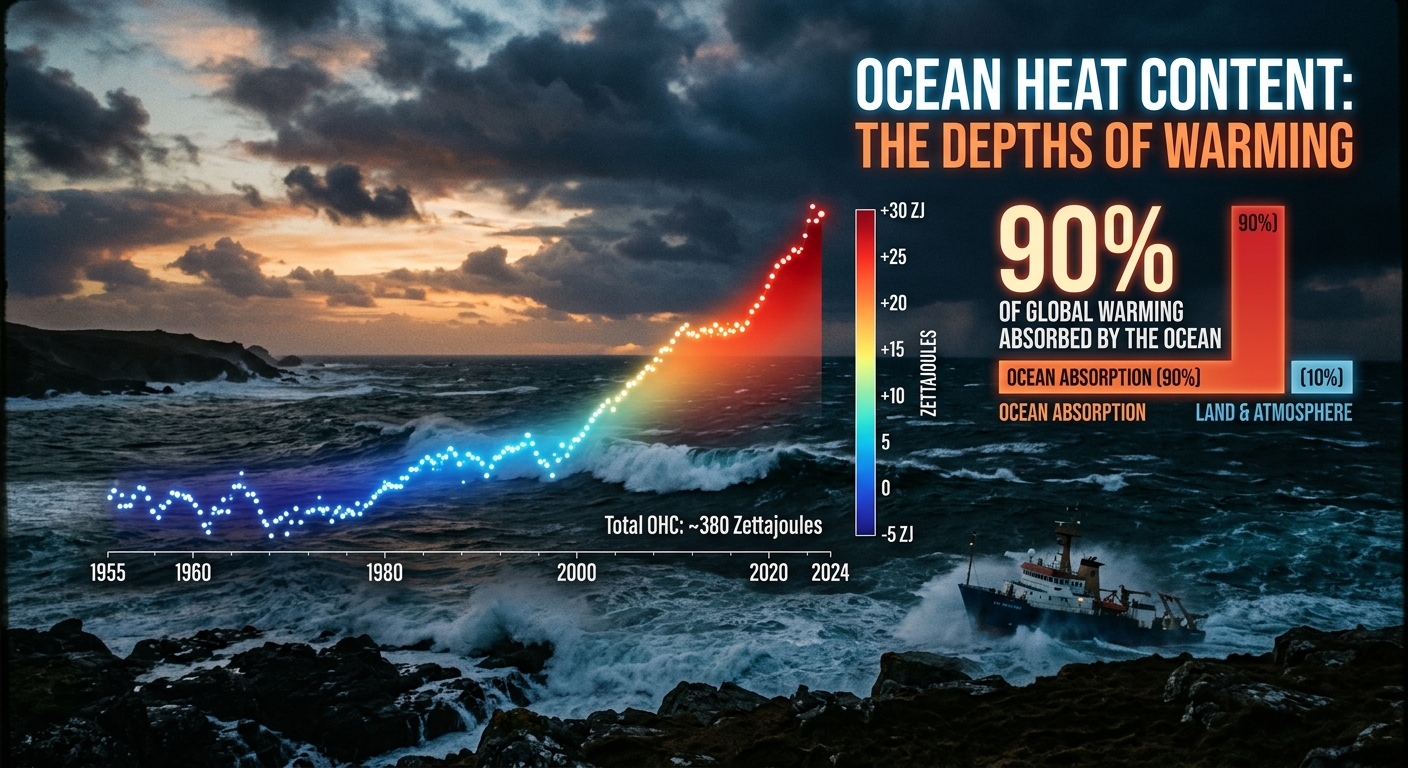
Our oceans absorb 90% of global warming’s excess heat, preventing Earth’s atmosphere from heating up by a catastrophic 97°F. Without this incredible thermal heroism happening beneath the waves, our planet would be uninhabitable.
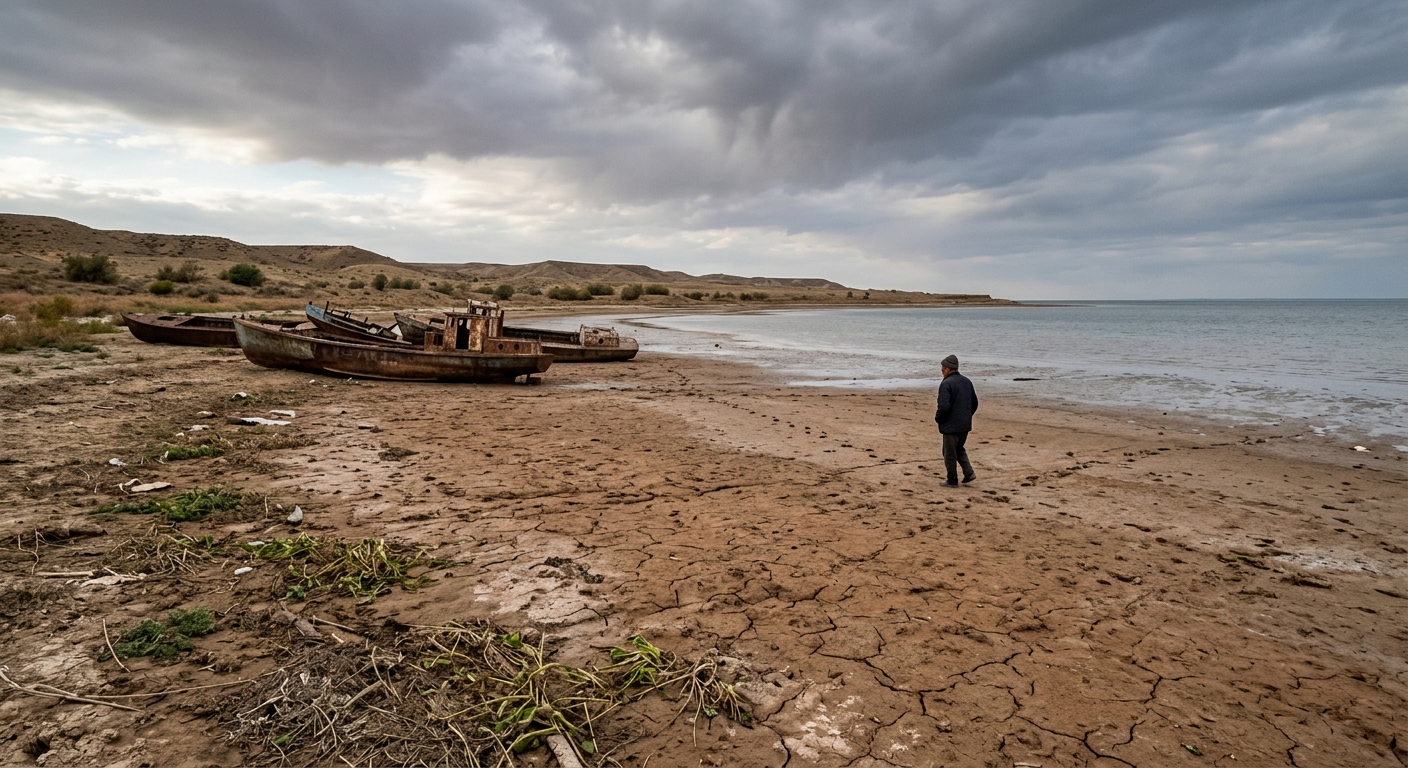
The world’s largest lake, the Caspian Sea, is disappearing at a rate of 8 inches per year due to climate change and human activity. This environmental catastrophe is reshaping an entire region, threatening unique species, and could create the world’s largest new desert within decades.
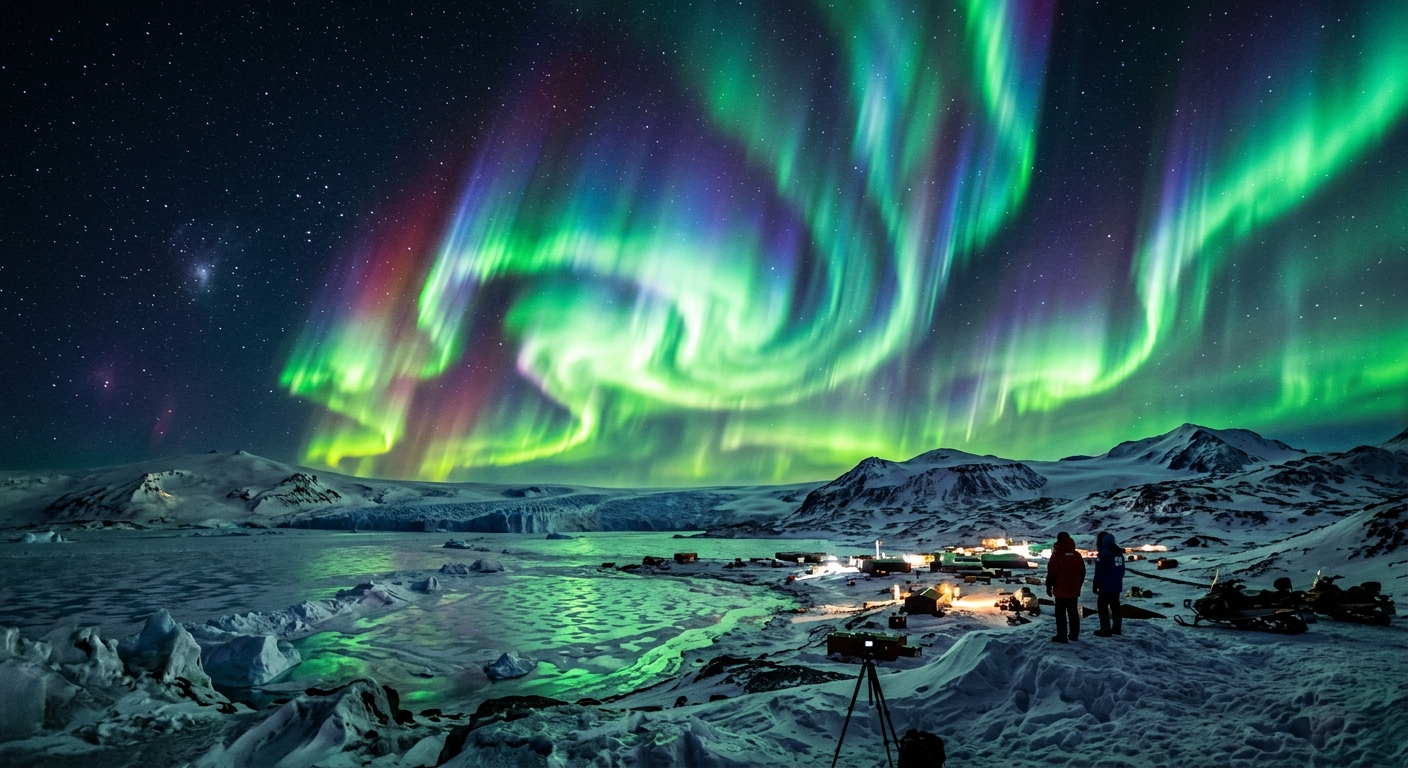
Hidden in Antarctica’s extreme environment, the Aurora Australis creates light displays up to 10 times more intense than the famous Northern Lights. This incredible phenomenon remains one of Earth’s best-kept secrets due to the continent’s isolation and harsh conditions.
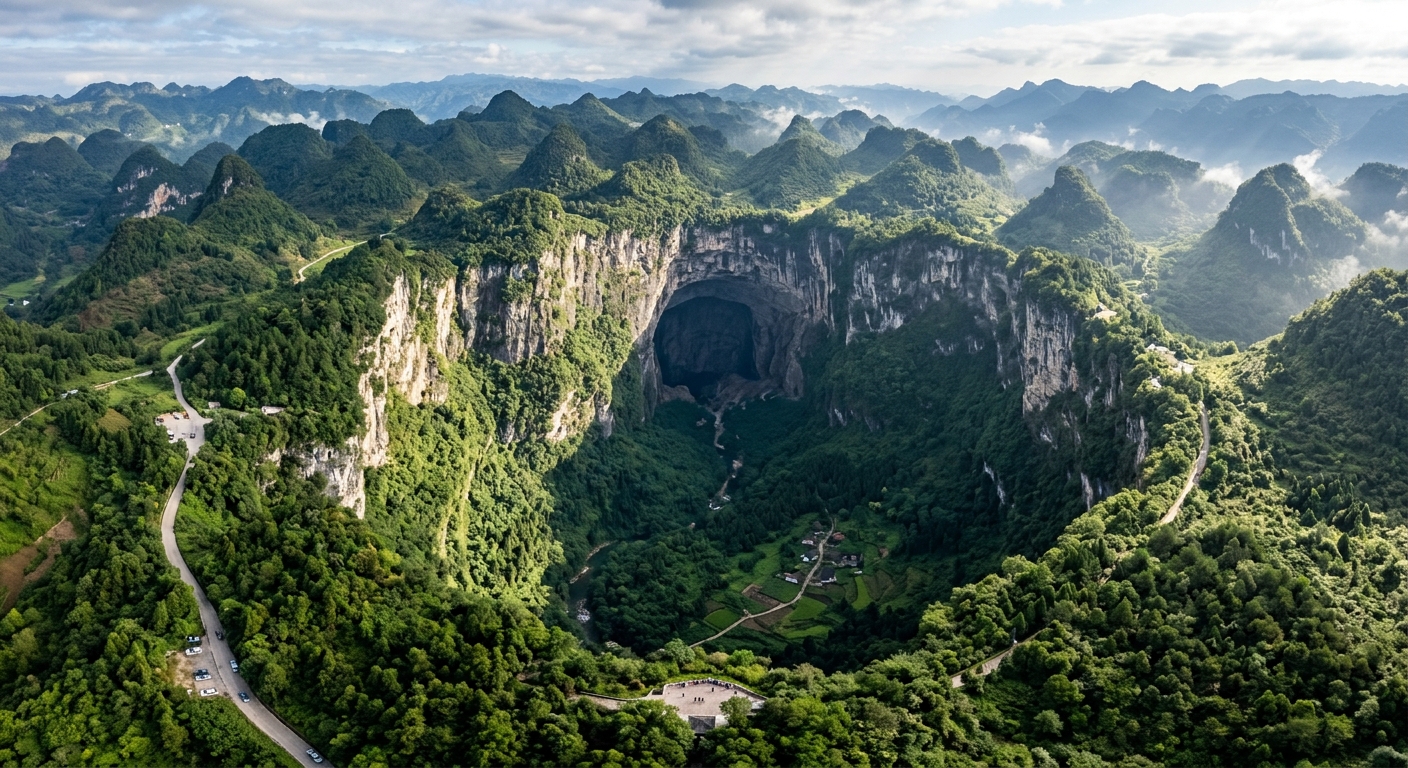
The Xiaozhai Tiankeng in China is a geological monster so massive it could swallow San Francisco whole, measuring over 2,000 feet deep and containing 130 million cubic meters of space. This natural wonder houses an entire ecosystem of rare plants and animals that have evolved in isolation at the bottom of the world’s largest sinkhole.