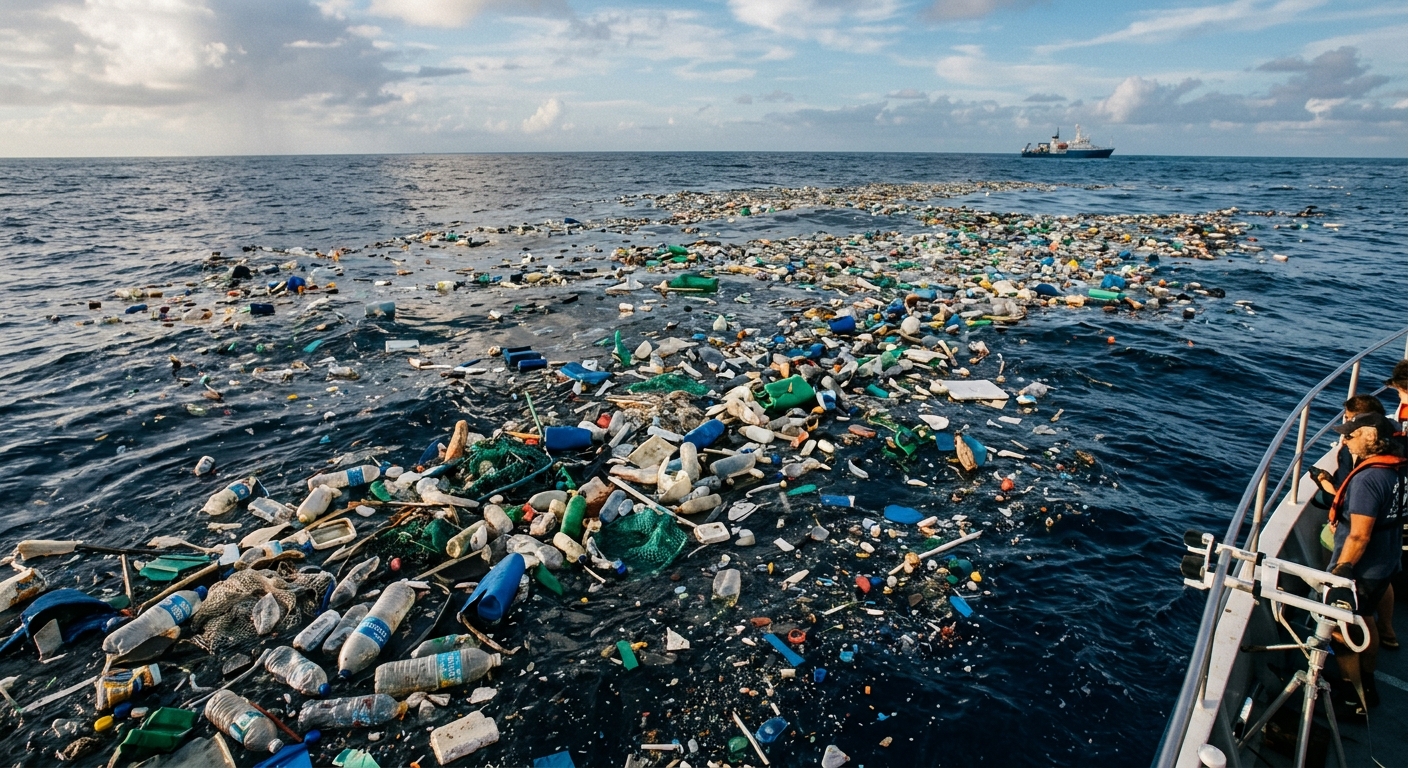
The Great Pacific Garbage Patch covers an area three times larger than France, containing at least 80,000 metric tons of floating plastic debris trapped by ocean currents. This floating continent of waste represents one of the most visible and disturbing examples of humanity’s impact on our planet’s oceans.
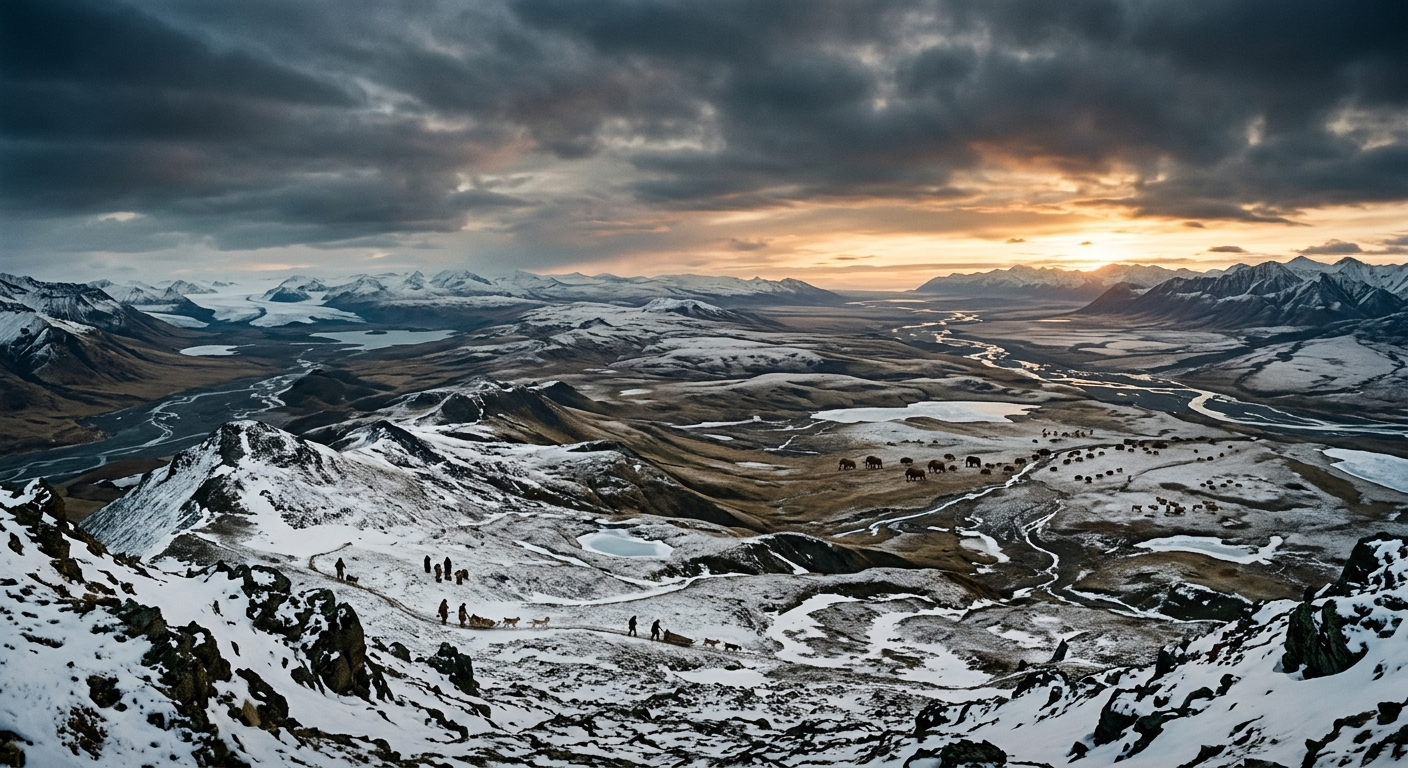
For thousands of years, a massive land bridge wider than Texas connected Asia and America, allowing early humans and giant Ice Age animals to walk freely between continents. This incredible natural highway disappeared beneath rising seas 11,000 years ago, forever changing the course of human history.
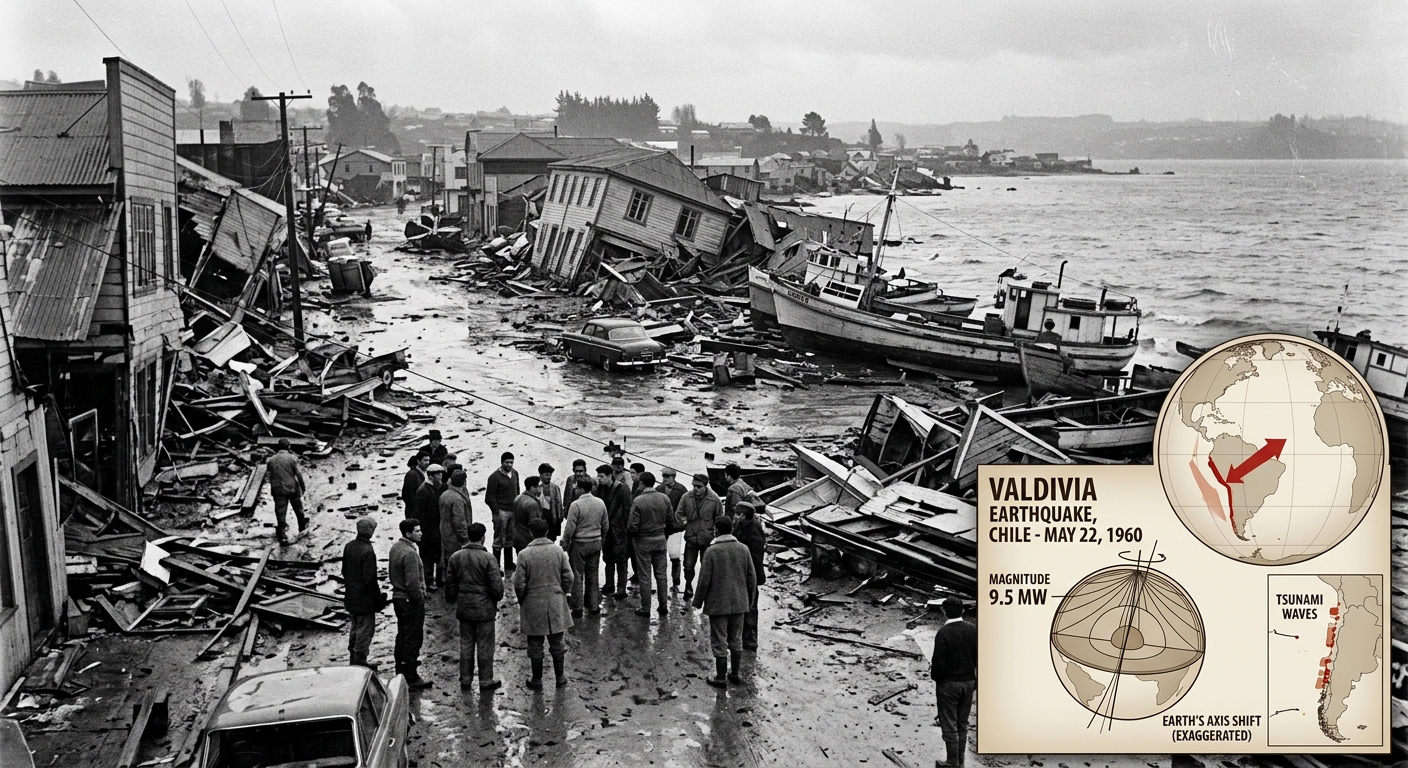
The 2011 Japanese earthquake was so powerful it literally shifted Earth’s rotational axis by 6.7 inches and permanently shortened every day by 1.8 microseconds. This incredible demonstration of seismic power shows how dynamic forces beneath our feet can actually move our entire planet.
In 1986, Lake Nyos in Cameroon released 1.6 million tons of carbon dioxide in a single night, creating an invisible cloud of death that killed over 1,700 people as they slept. This rare phenomenon called a limnic eruption transformed a peaceful crater lake into nature’s deadliest gas chamber.
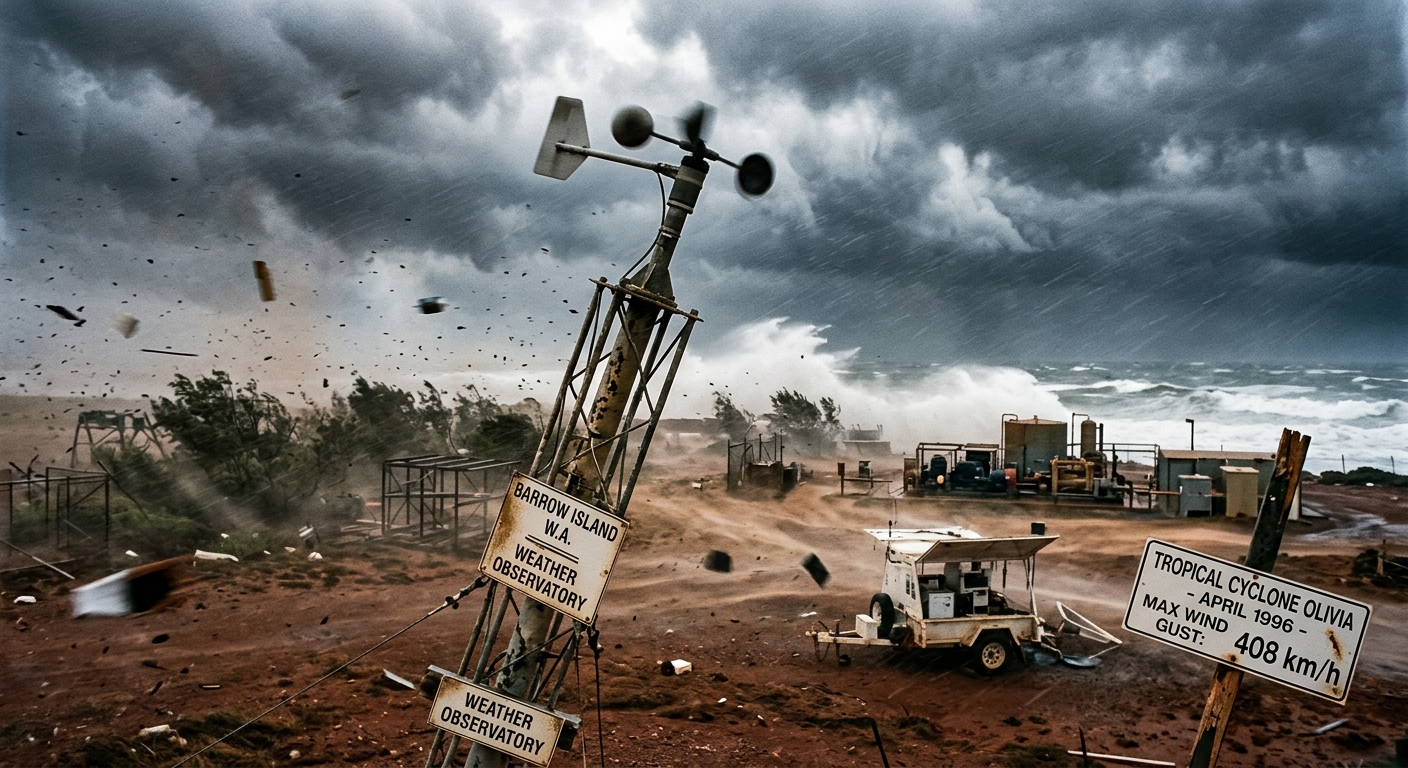
In 1999, a tornado near Moore, Oklahoma produced the fastest winds ever recorded on Earth at 408 kilometers per hour. These catastrophic winds moved faster than Formula 1 race cars and demonstrated the terrifying upper limits of what our planet’s atmosphere can produce.
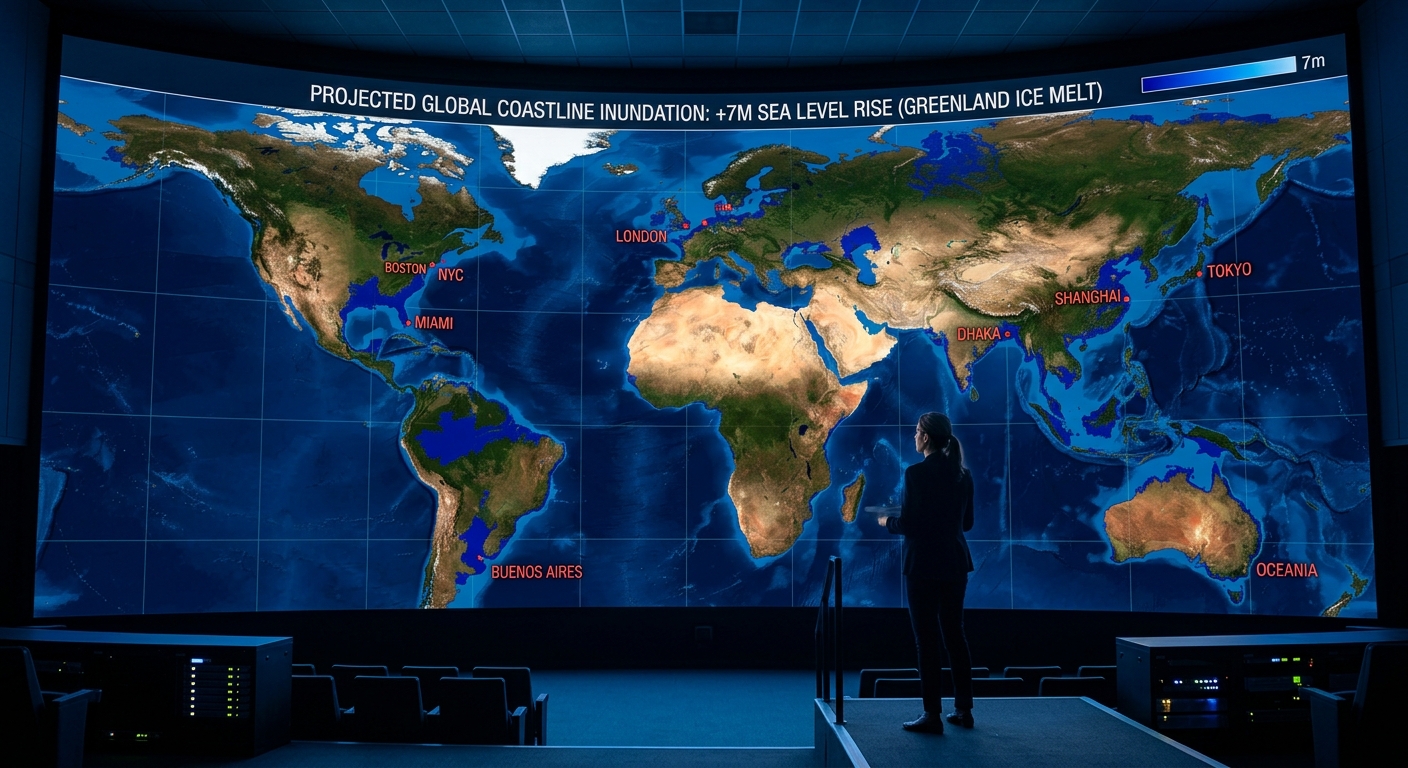
The Greenland Ice Sheet contains enough frozen water to raise global sea levels by 7 meters, which would completely submerge major cities like Miami and Amsterdam while erasing entire island nations from the map. This massive ice sheet is already melting at accelerating rates, potentially crossing irreversible tipping points that could trigger catastrophic coastal flooding worldwide.
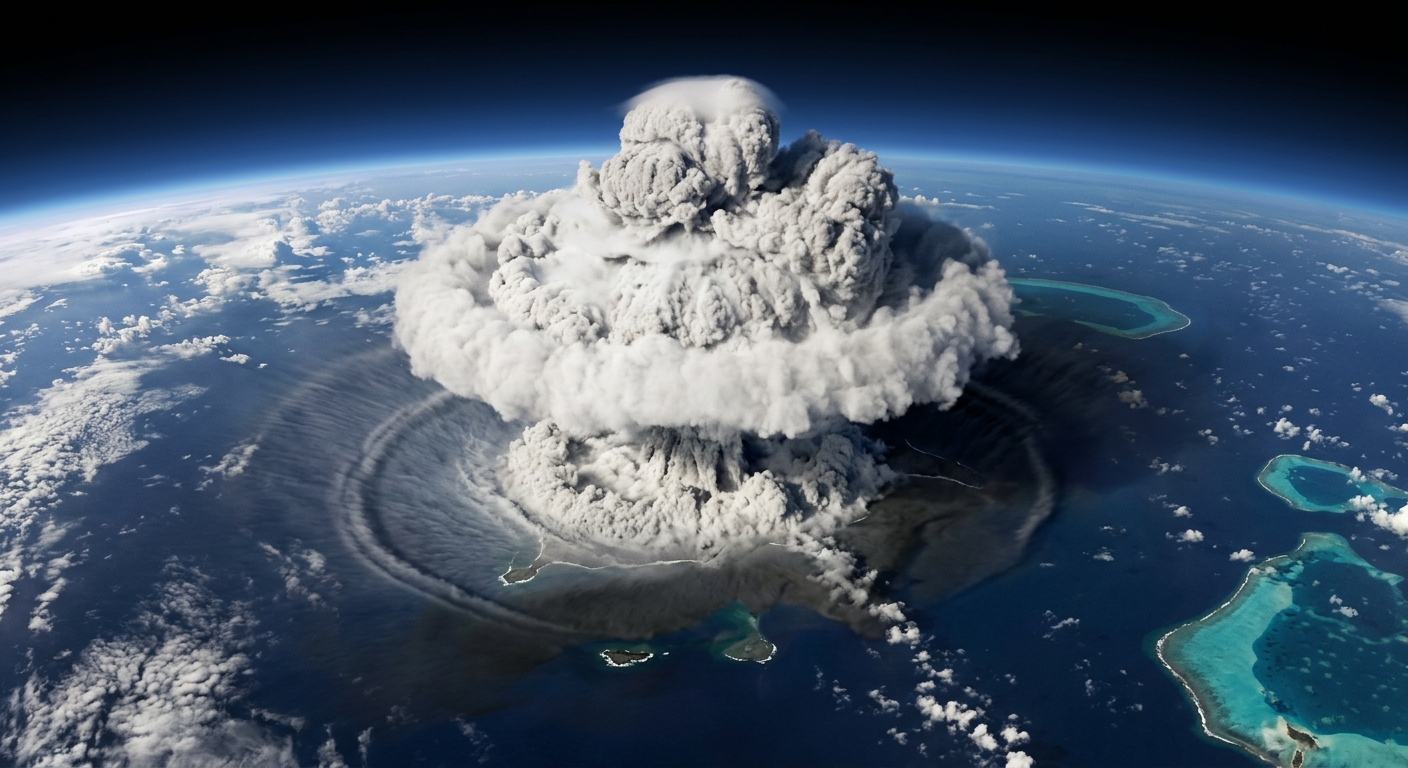
The 2022 Tonga volcanic eruption was the most powerful in 130 years, sending shock waves around Earth four times and injecting 150 million tons of water vapor into space. This underwater explosion created atmospheric tsunamis, was heard 6,000 miles away, and uniquely warmed rather than cooled the planet’s climate.
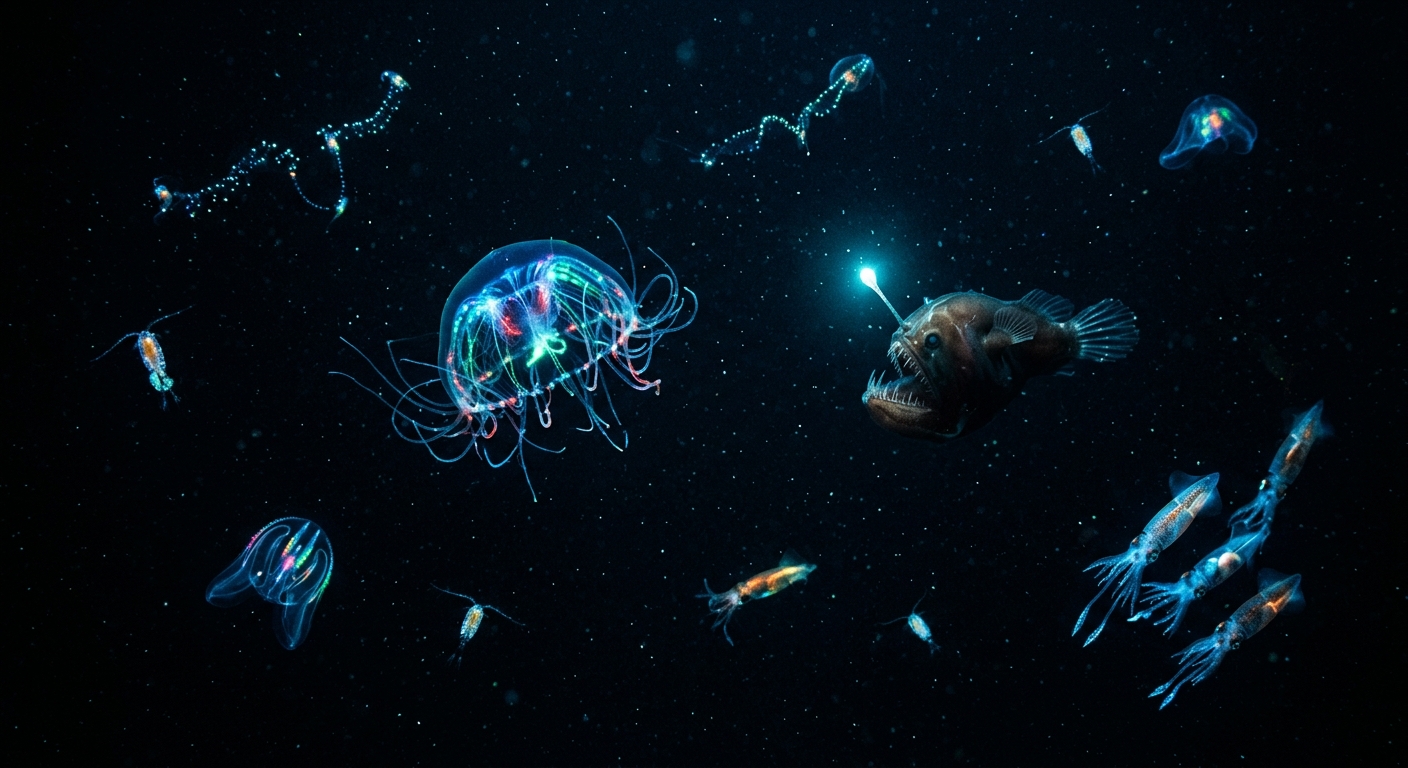
The midnight zone covers more of Earth’s surface than all continents combined, yet remains colder, darker, and more alien than Mars. This perpetually frozen underwater realm hosts bizarre bioluminescent creatures and holds secrets that could reshape our understanding of life itself.
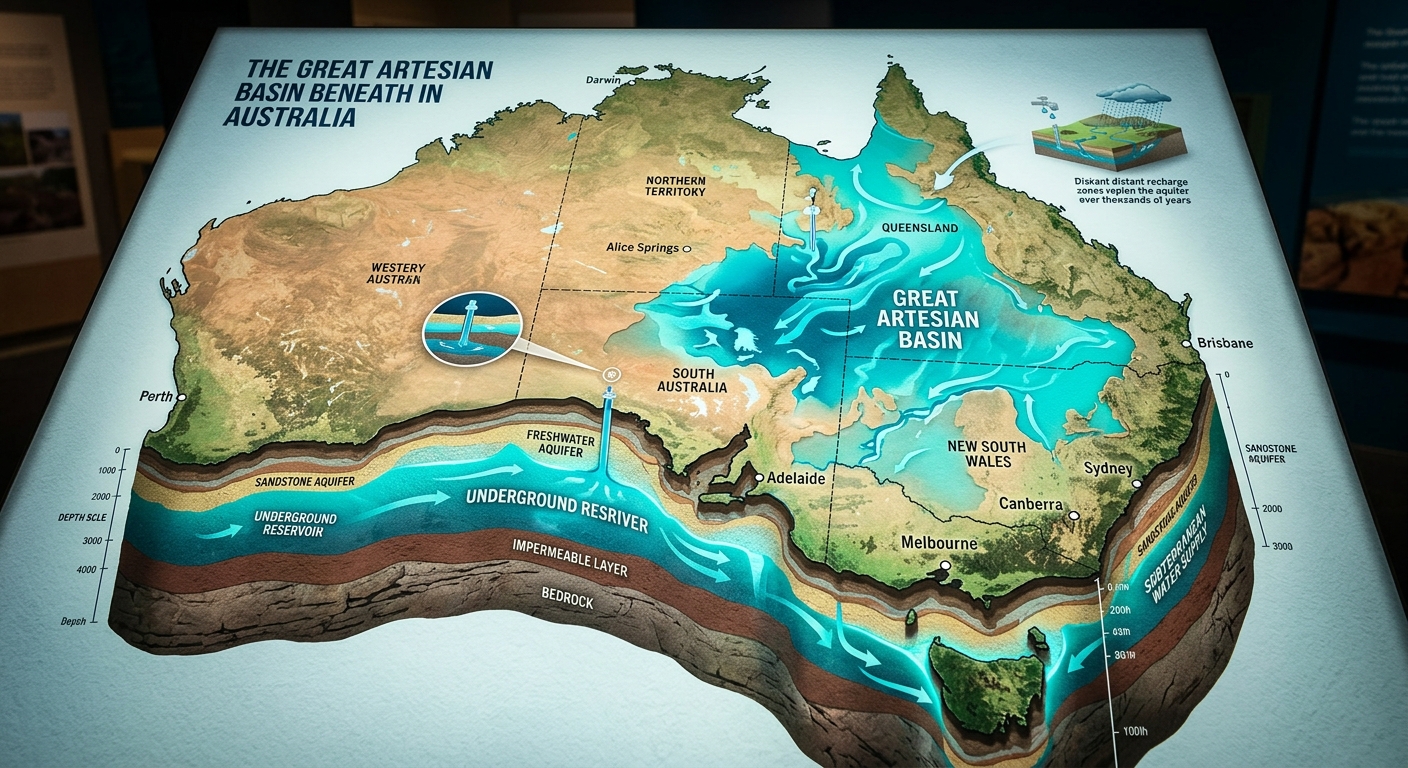
Beneath Australia lies the world’s largest groundwater reservoir, containing enough ancient water to cover Texas 7 meters deep. This hidden underground ocean, some of it over 2 million years old, supports life across the continent’s arid interior.
Mount Etna has been erupting almost continuously for 500,000 years, making it Earth’s most persistently active volcano. This Sicilian giant has produced more volcanic material than any other volcano on the planet while serving as a geological landmark throughout human history.