The massive Olmec heads of ancient Mexico weigh up to 40 tons and were somehow transported over 80 miles without wheels, metal tools, or beasts of burden. How this impossible feat was accomplished 3,000 years ago remains one of archaeology’s greatest mysteries.
Ancient Chinese engineers created a mechanical cart that always pointed south without using magnetism or compasses, relying instead on an intricate system of bronze gears that performed real-time directional calculations. This technological marvel, predating GPS by over 2,000 years, baffled modern engineers until they realized it was essentially an analog computer built from wood and metal.
The Roman Pantheon’s massive concrete dome held the world record for largest unsupported span for an astounding 1,300 years. Modern engineers are still discovering the secrets behind this ancient architectural miracle that humbled builders for over a millennium.
Ancient Polynesian navigators crossed over 10,000 miles of Pacific Ocean using only stars, waves, and natural signs to find tiny islands. Their incredible wayfinding skills allowed them to settle nearly every habitable island in the world’s largest ocean without any modern instruments.
The ancient Library of Alexandria housed up to 700,000 scrolls containing more textual content than the entire modern Library of Congress. This 2,000-year-old institution was humanity’s first research university and the greatest collection of knowledge ever assembled, until its tragic decline changed the course of history.
Ancient Peruvian warriors wielded slings with deadly accuracy that surpassed 16th-century Spanish muskets, achieving 80-90% hit rates at 100 meters compared to muskets’ mere 50%. This simple weapon of woven fibers and stones represented thousands of years of refined engineering that outclassed European military technology.
The Bronze Age tin trade created humanity’s first global supply chain, connecting civilizations from Britain to Mesopotamia through the quest for a single precious metal. This ancient network moved Cornish tin thousands of miles across Europe and Asia, creating cultural exchanges and technological transfers that shaped the ancient world.
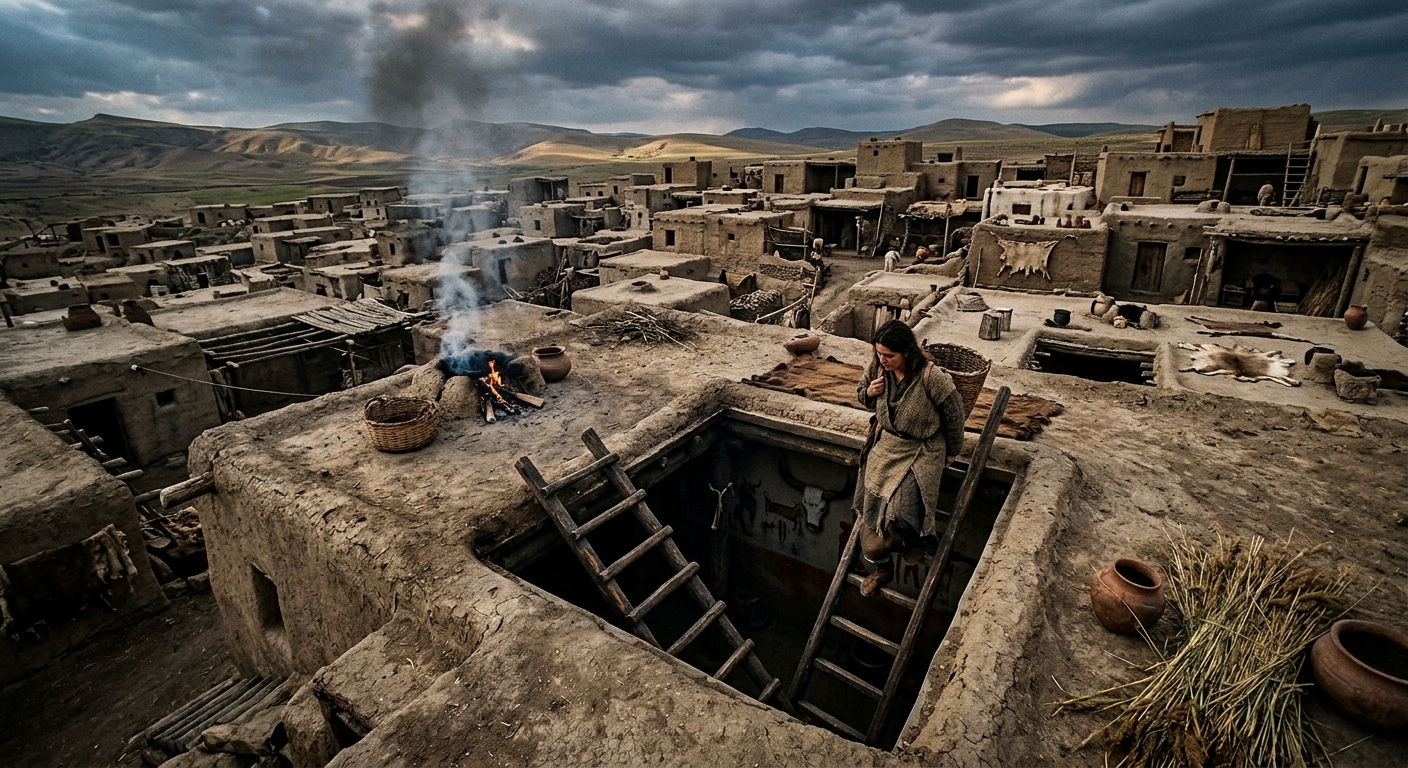
The ancient settlement of Catalhoyuk had no streets or doors, with residents entering their homes by climbing down ladders through holes in their roofs. This 9,000-year-old Turkish city operated as one massive interconnected building where rooftops served as highways and community spaces.
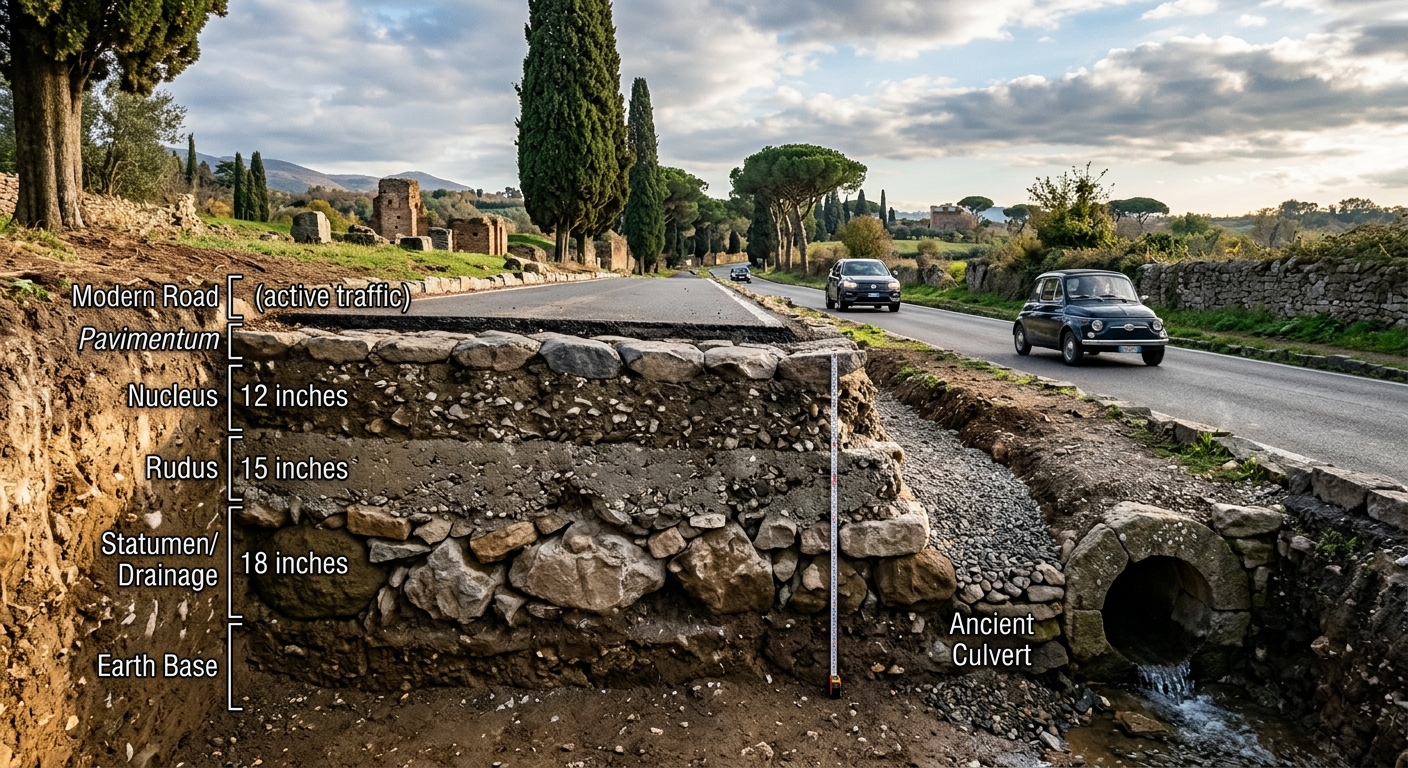
Ancient Roman roads, built over 2,000 years ago with military precision, continue to serve as foundations for modern highways and blueprints for contemporary engineering projects. These remarkable constructions used five-layer foundation systems and drainage principles that modern engineers still study and struggle to replicate.
Ancient Indian step wells are architectural marvels that descend up to 100 feet underground, featuring intricate staircases and elaborate carvings while providing sustainable water access for over 1,000 years. These engineering masterpieces created natural cooling systems, harvested rainwater, and served as community centers, proving that sometimes the most brilliant solutions come from the distant past.