The Iron Pillar of Delhi has stood for 1,600 years without a trace of rust, defying everything we know about iron corrosion. This ancient marvel holds metallurgical secrets that could revolutionize modern materials science and engineering.
For seven centuries, the Byzantine Empire wielded Greek fire, a mysterious incendiary weapon that burned on water and couldn’t be extinguished by conventional means, terrorizing enemies and changing naval warfare forever. Despite extensive modern research, the exact formula for this revolutionary weapon died with the empire and remains one of history’s greatest unsolved mysteries.
Ancient Viking navigators used special crystals called sunstones to locate the sun’s position even in thick fog or behind heavy clouds, relying on invisible light polarization patterns. This remarkable navigation technology allowed them to sail across vast oceans with accuracy that rivaled modern instruments, centuries before the magnetic compass reached Northern Europe.
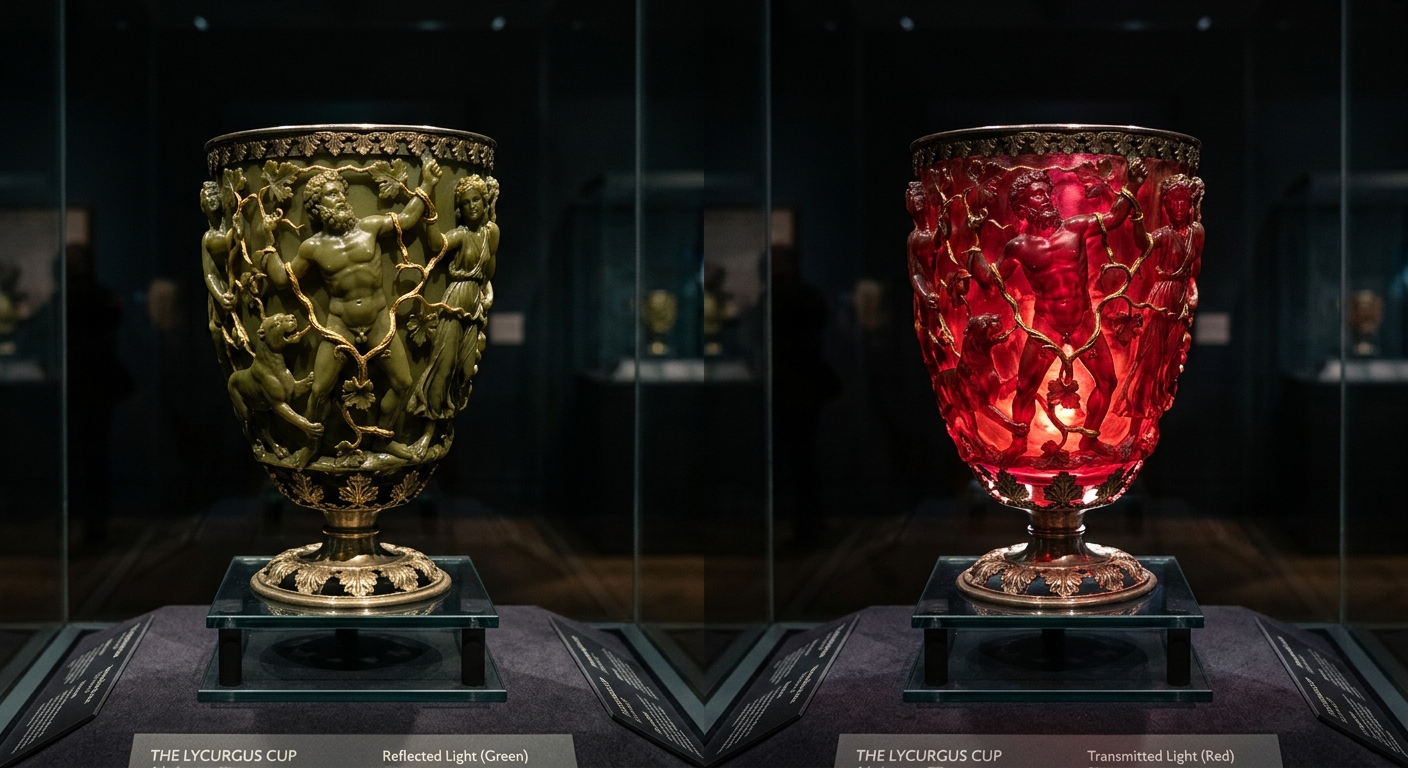
The 1,600-year-old Roman Lycurgus Cup appears green when lit from outside but glows brilliant red when illuminated from within. Scientists discovered this impossible effect comes from gold nanoparticles just 50 nanometers wide, making it history’s first example of nanotechnology.
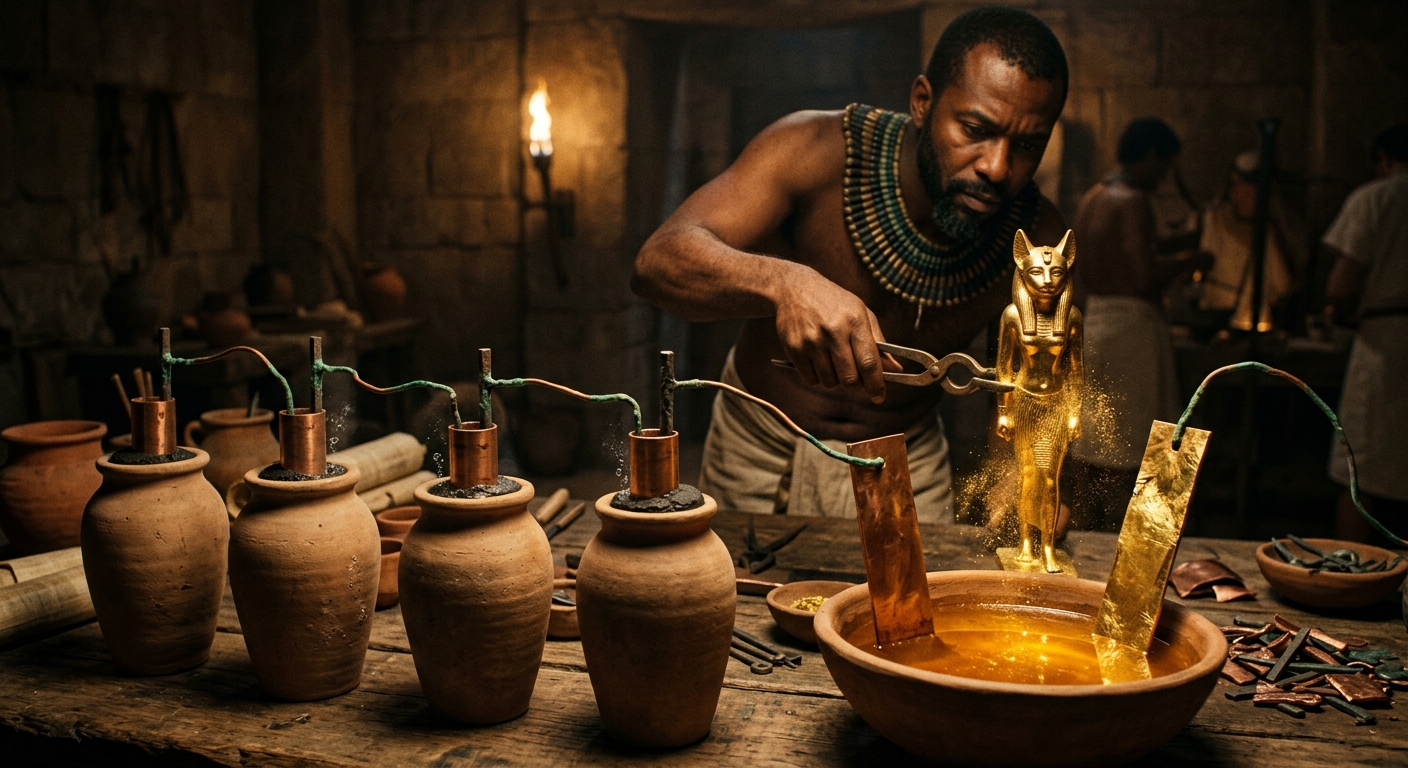
Archaeological evidence suggests ancient Egyptians may have used primitive batteries to electroplate gold onto ceremonial objects 4,000 years ago, challenging our understanding of technological progress in antiquity. Modern experiments with reconstructed ancient batteries have successfully replicated the uniform gold coatings found on mysterious Egyptian artifacts.
The Great Pyramid of Giza achieves true north alignment with just 0.05 degrees of error, a precision so extraordinary that it rivals modern GPS technology. This ancient engineering marvel demonstrates mathematical and astronomical knowledge that challenges our understanding of 4,500-year-old capabilities.
Roman engineers created concrete that actually grows stronger over 2,000 years by using volcanic ash and seawater, while modern concrete crumbles in decades. Scientists are now racing to unlock this ancient formula that could revolutionize construction and solve our crumbling infrastructure crisis.
The Antikythera Mechanism, discovered in a Greek shipwreck, contained 37 bronze gears that could predict eclipses and track planetary movements with stunning accuracy. This 2,000-year-old device was more sophisticated than any technology that would be created for the next 1,400 years.
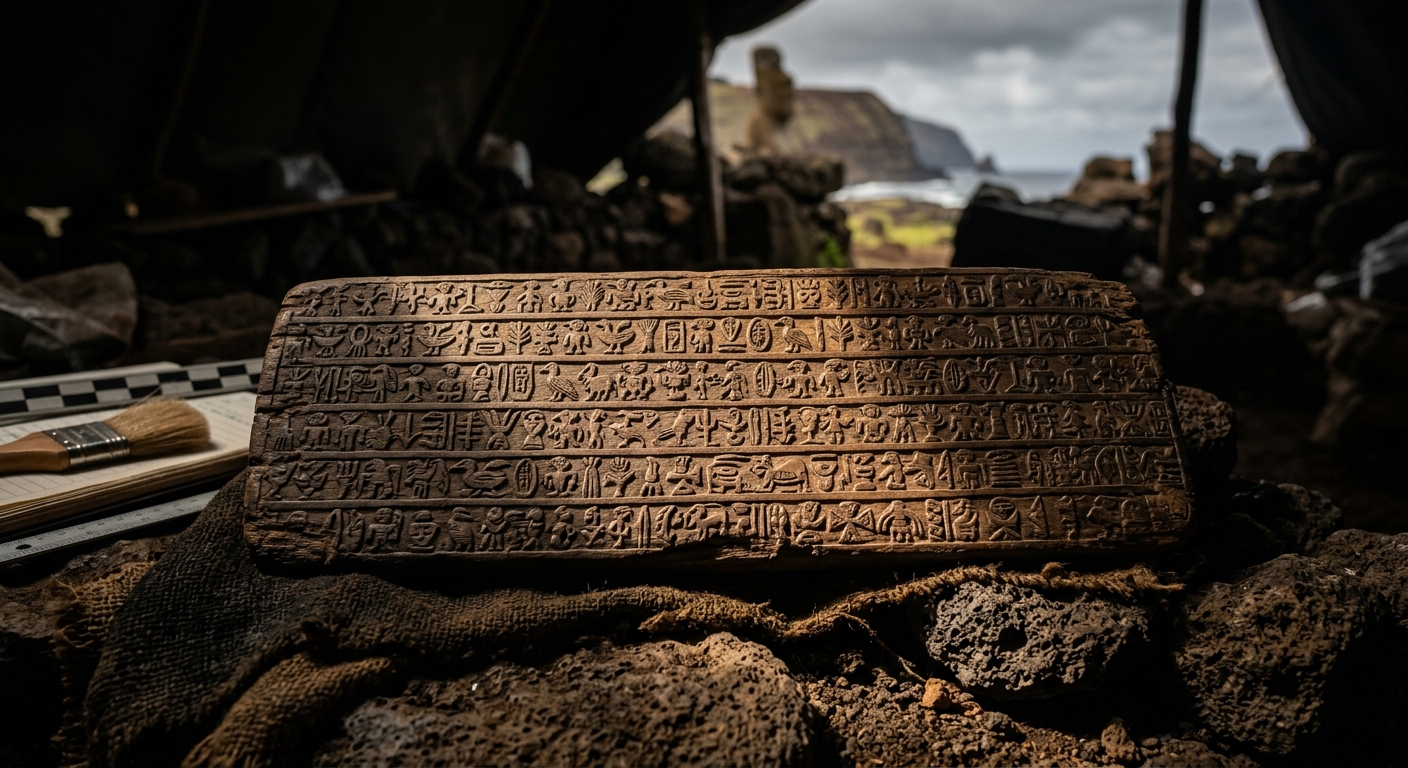
The mysterious rongorongo script of Easter Island contains hundreds of intricate symbols that have baffled researchers for over 150 years, making it one of the world’s last undeciphered writing systems. Despite modern technology and decades of analysis, these wooden tablets continue to guard their secrets, potentially holding invaluable information about one of humanity’s most isolated civilizations.
Italian radio operators claimed to intercept dying cosmonauts’ final transmissions before Gagarin’s historic flight, suggesting the Soviet Union secretly lost multiple space explorers. While evidence remains controversial, the Lost Cosmonauts theory reveals the potentially deadly cost of the early Space Race.