Earth Is Weird

The Ancient Mechanical Marvel That Always Knew South: China’s Impossible 2,600-Year-Old GPS

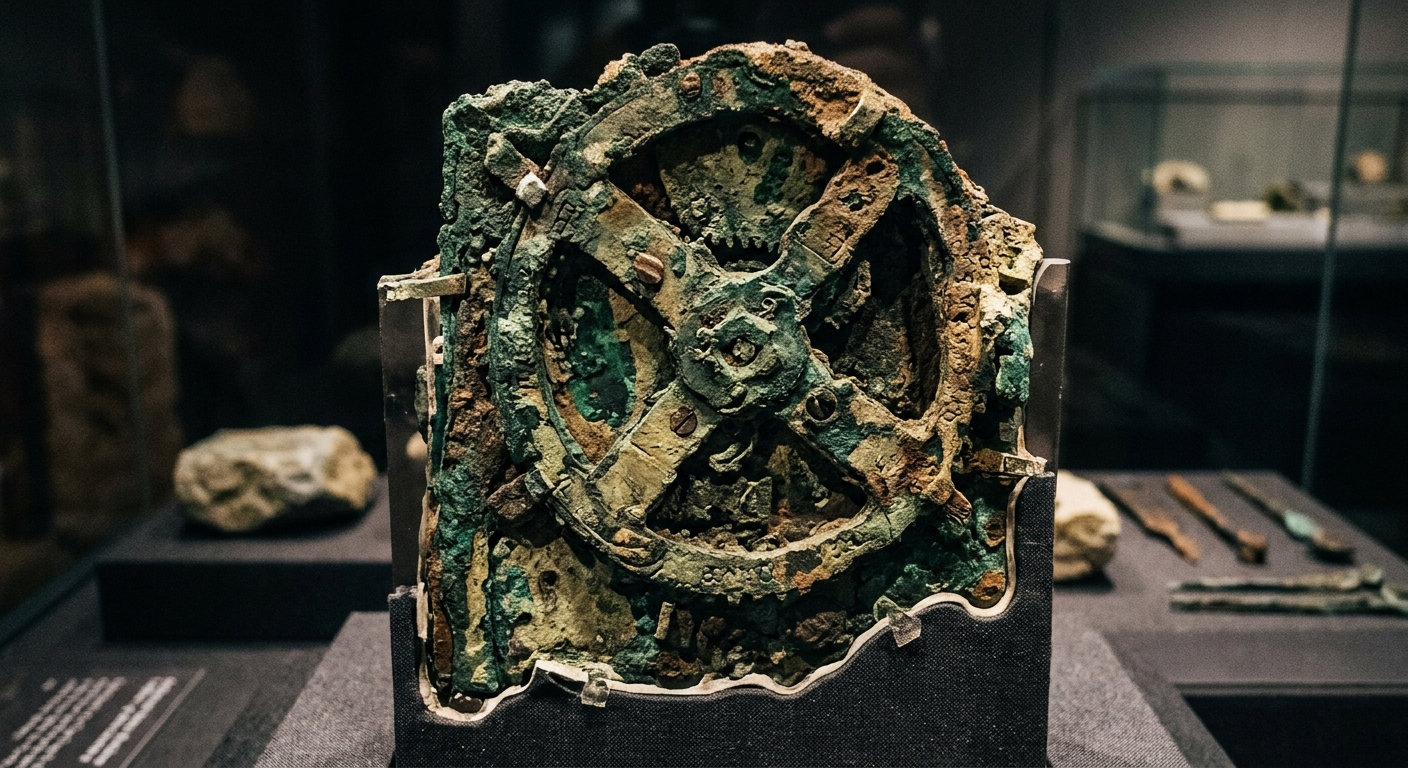
Ancient Chinese engineers created a mechanical cart that always pointed south without using magnetism or compasses, relying instead on an intricate system of bronze gears that performed real-time directional calculations. This technological marvel, predating GPS by over 2,000 years, baffled modern engineers until they realized it was essentially an analog computer built from wood and metal.

Read More →

When Real Sea Monsters Inspired Ancient Terror: The Giant Squid That Became the Kraken

For over a thousand years, Norse sailors told terrifying tales of the Kraken, a massive sea monster capable of destroying ships with its writhing tentacles. Modern science reveals these weren’t mere myths, but likely encounters with giant squid, one of Earth’s most elusive creatures that can reach 43 feet in length.

Read More →

The Shape-Shifting Predator That Haunted Scotland’s Waters for Centuries

Scotland’s legendary kelpie, a shape-shifting water horse, terrorized communities for centuries by luring victims to watery deaths through supernatural deception. These folklore creatures reveal fascinating insights into how ancient cultures used storytelling as sophisticated safety education and risk management.

Read More →

Antarctica’s Secret Light Show: Why the Southern Lights Eclipse the Aurora Borealis in Spectacular Fashion

Hidden in Antarctica’s extreme environment, the Aurora Australis creates light displays up to 10 times more intense than the famous Northern Lights. This incredible phenomenon remains one of Earth’s best-kept secrets due to the continent’s isolation and harsh conditions.

Read More →

The Snow Apocalypse: How One Japanese Coast Gets Buried Under 33 Feet of Powder Every Year

Coastal towns along Japan’s Sea of Japan receive an astounding 10 meters (33 feet) of snow annually due to a unique meteorological phenomenon. Siberian winds absorb massive moisture from the warm sea waters, creating extreme snowfall when they hit Japan’s mountainous western coast.

Read More →

The Planet Within a Planet: How Earth’s Core Spins to Its Own Beat

Scientists have discovered that Earth’s solid inner core rotates at a different speed than the rest of the planet, spinning independently like a ball bearing in liquid metal 3,000 miles beneath our feet. This mind-blowing phenomenon affects our magnetic field and may even influence the length of our days in ways we’re only beginning to understand.

Read More →

Death Valley’s Killer Heat: The Day Earth’s Surface Tried to Melt Everything Alive

On July 10, 1913, Death Valley, California recorded the hottest air temperature ever measured on Earth at 54.4°C (129.9°F) in the shade. This extreme heat created conditions that challenge the very limits of what life can endure, yet remarkable organisms have evolved to thrive in this natural furnace.

Read More →

The Day Earth Nearly Died: How One Rock Unleashed the Power of a Billion Nuclear Bombs

66 million years ago, an asteroid impact released energy equivalent to one billion Hiroshima bombs, ending the age of dinosaurs in a global catastrophe that nearly erased all life on Earth. This cosmic disaster created hell on Earth, but also paved the way for the rise of mammals and ultimately, human civilization.

Read More →