Ancient Roman concrete structures submerged in seawater are actually growing stronger after 2,000 years due to unique volcanic ingredients that create self-healing crystals. Modern scientists are racing to unlock these secrets that could revolutionize construction and create buildings that strengthen over time.
Around 1200 BCE, the most advanced civilizations on Earth vanished within decades in an event called the Bronze Age Collapse. This catastrophic mystery destroyed empires from Greece to Turkey, erased entire populations, and plunged the Mediterranean world into a 300-year dark age that scholars are still trying to understand.
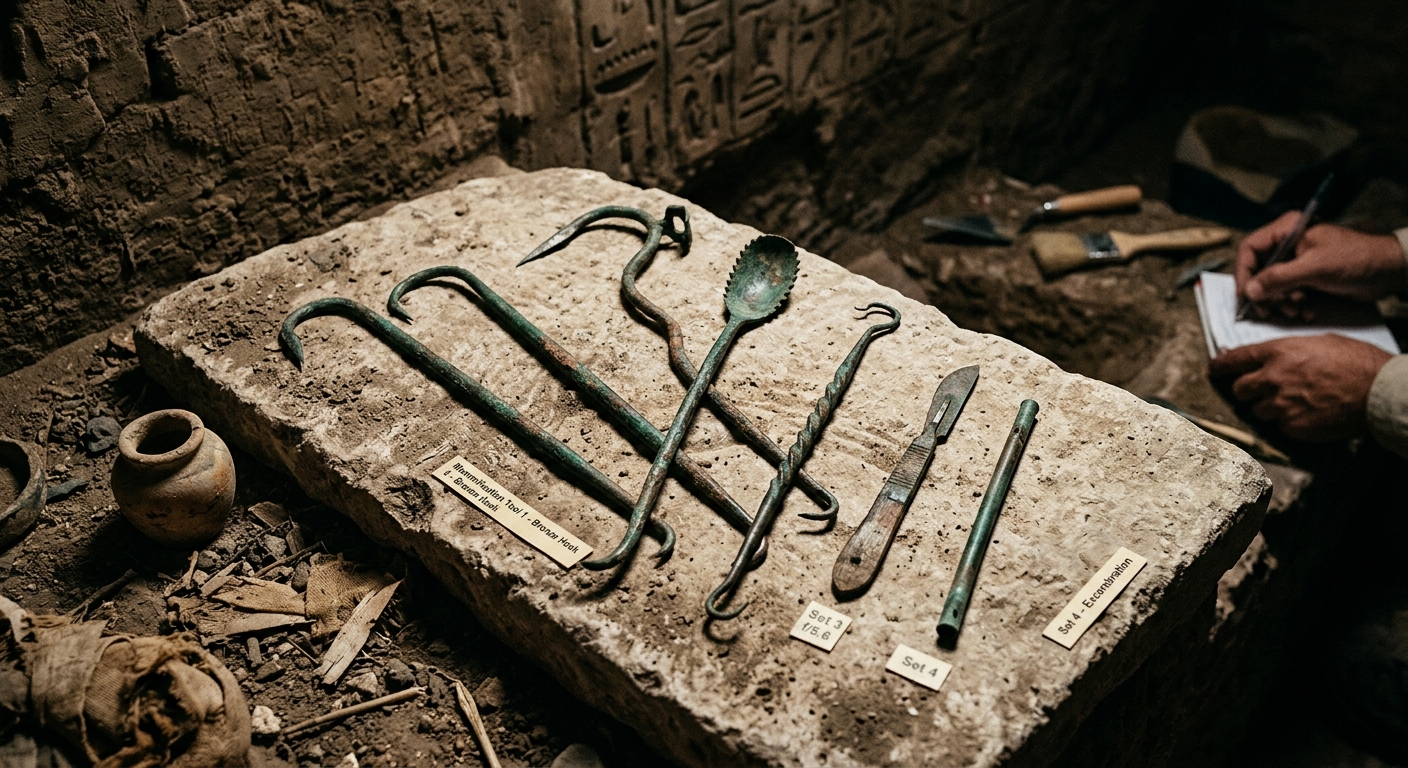
Ancient Egyptian physicians were performing sophisticated brain surgery through the nose 3,500 years ago, using techniques so advanced they’re still used by modern neurosurgeons today. Archaeological evidence reveals detailed surgical procedures that challenge everything we thought we knew about ancient medicine.
The Roman Empire’s sophisticated lead pipe system, considered an engineering marvel, may have slowly poisoned the population with toxic water for centuries. Archaeological evidence reveals Roman skeletons with lead levels 50-100 times higher than normal, potentially contributing to erratic imperial behavior and even the empire’s decline.
The ancient Lighthouse of Alexandria used a massive polished bronze mirror to project light 50 kilometers across the Mediterranean Sea, achieving optical engineering that wouldn’t be matched again for over 1,000 years. This lost technology turned simple firelight into a focused beam powerful enough to guide ships safely home from beyond the horizon.
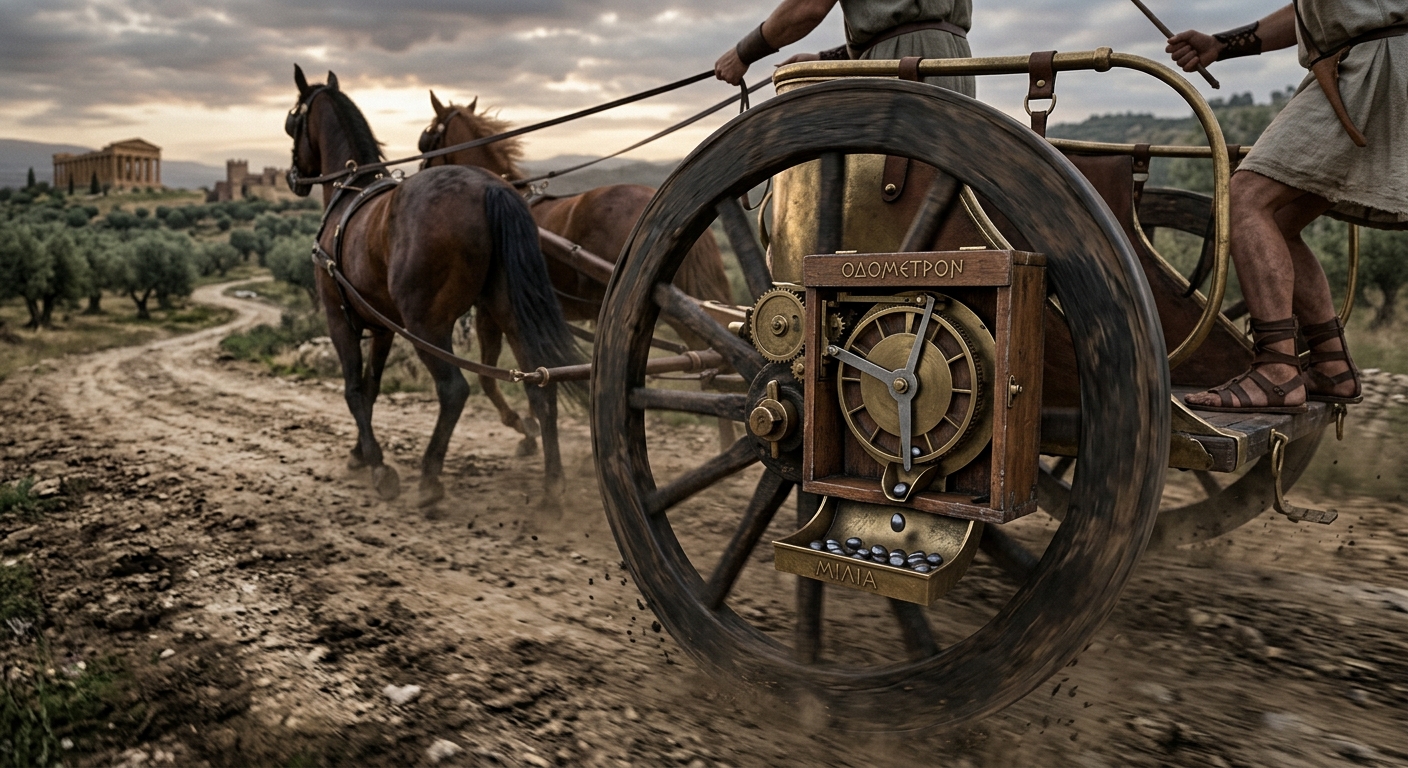
Ancient Greek engineers created a mechanical marvel called the hodometer that automatically counted travel distances by dropping pebbles into a container after each mile traveled. This sophisticated 2,000-year-old device used complex gears and precision engineering that wouldn’t be matched again for over a thousand years.
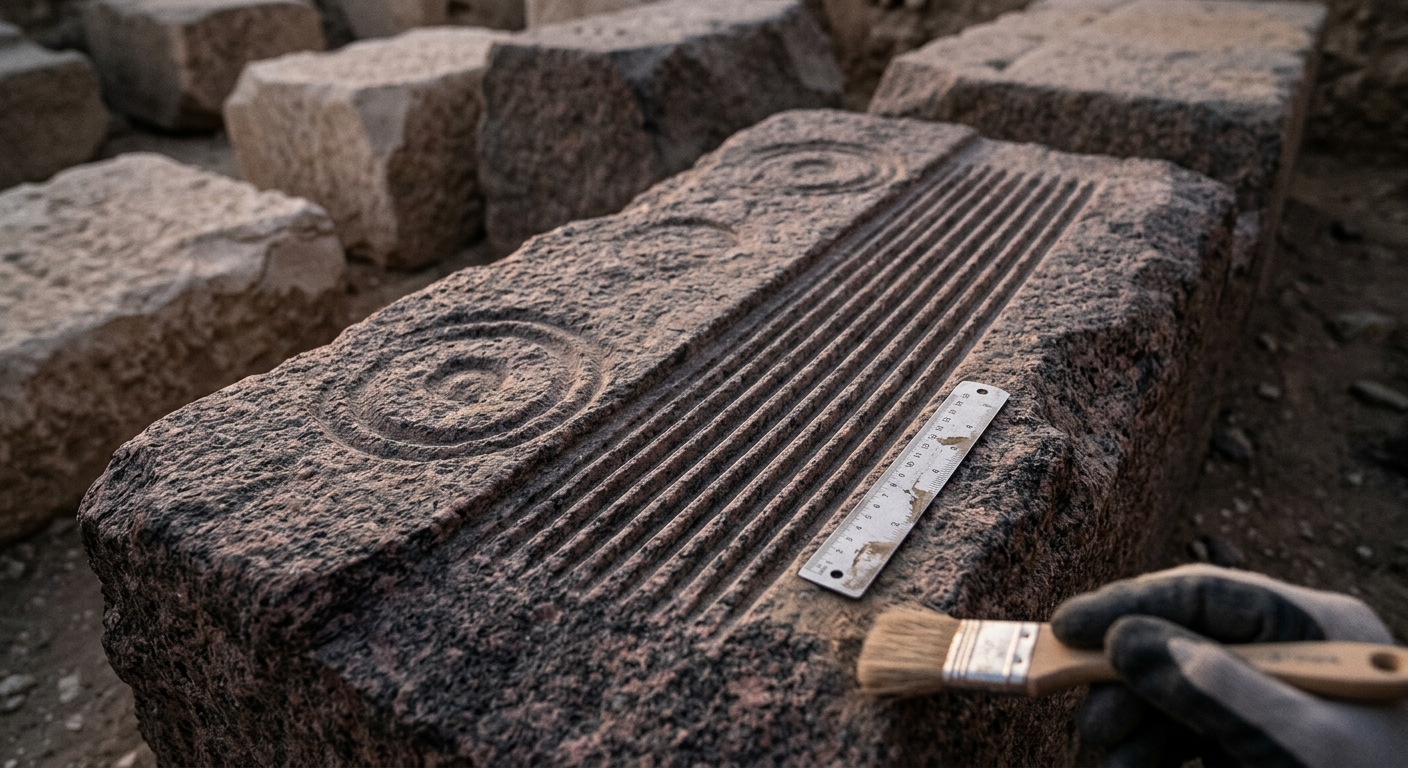
At Bolivia’s mysterious Puma Punku site, massive 1,000-year-old stone H-blocks weighing up to 130 tons display precision that rivals modern laser-cutting technology. These ancient engineers achieved identical dimensions down to the millimeter without power tools, challenging everything we know about pre-Columbian capabilities.
The famous Ottoman Topkapi Dagger contains three massive emeralds and dozens of diamonds, but its most incredible feature is completely hidden from view. Inside the ornate hilt, 18th-century craftsmen installed a fully functional watch, creating one of history’s most remarkable combinations of jewelry, weaponry, and precision timekeeping.
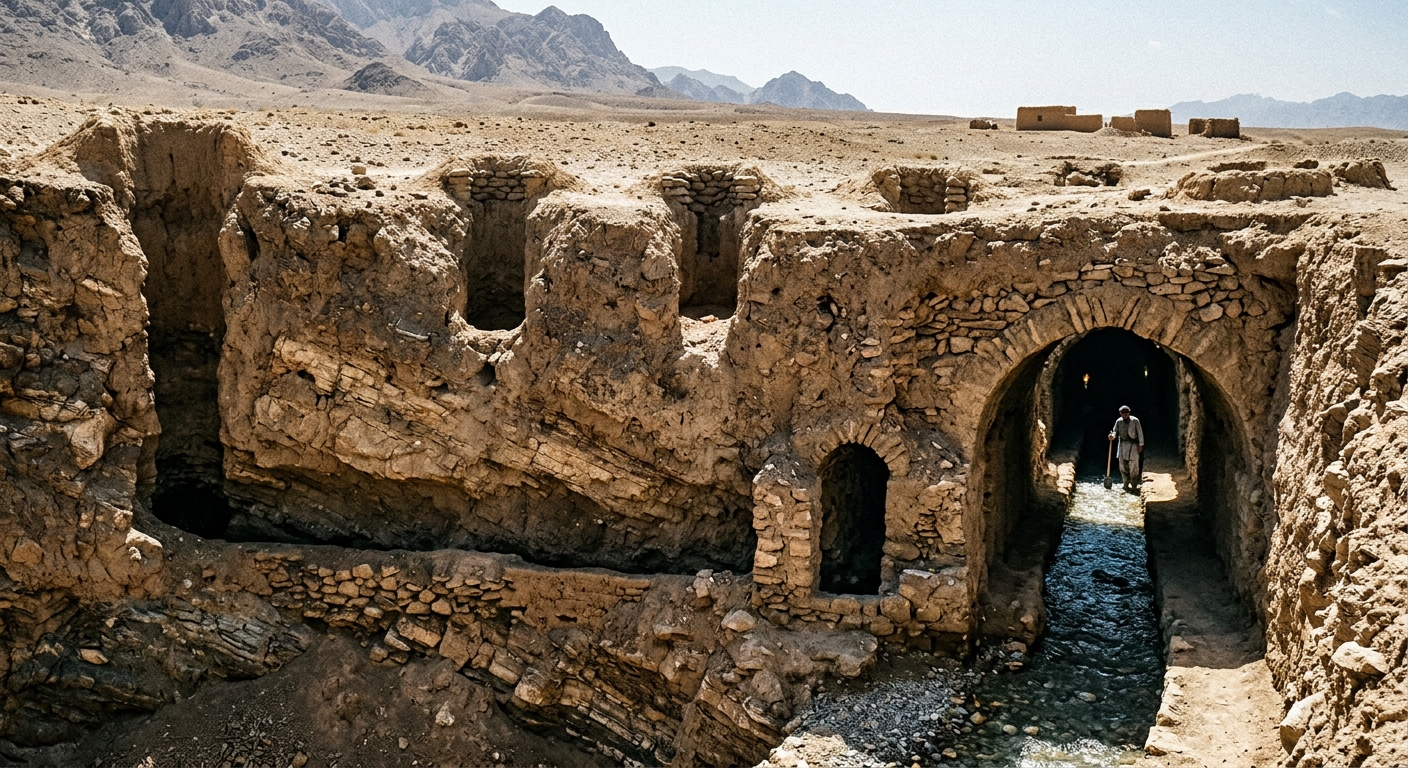
Persian engineers built underground water tunnels stretching up to 300 kilometers using only hand tools over 2,500 years ago. These incredible qanat systems still supply millions of people with water today, representing some of the longest-running engineering projects in human history.
The Great Pyramid was built using copper tools that should have been too soft to cut limestone, yet archaeological evidence proves these ‘inadequate’ implements carved monuments lasting 4,500 years. Recent experiments reveal the ingenious techniques that made this metallurgical impossibility a stunning reality.