
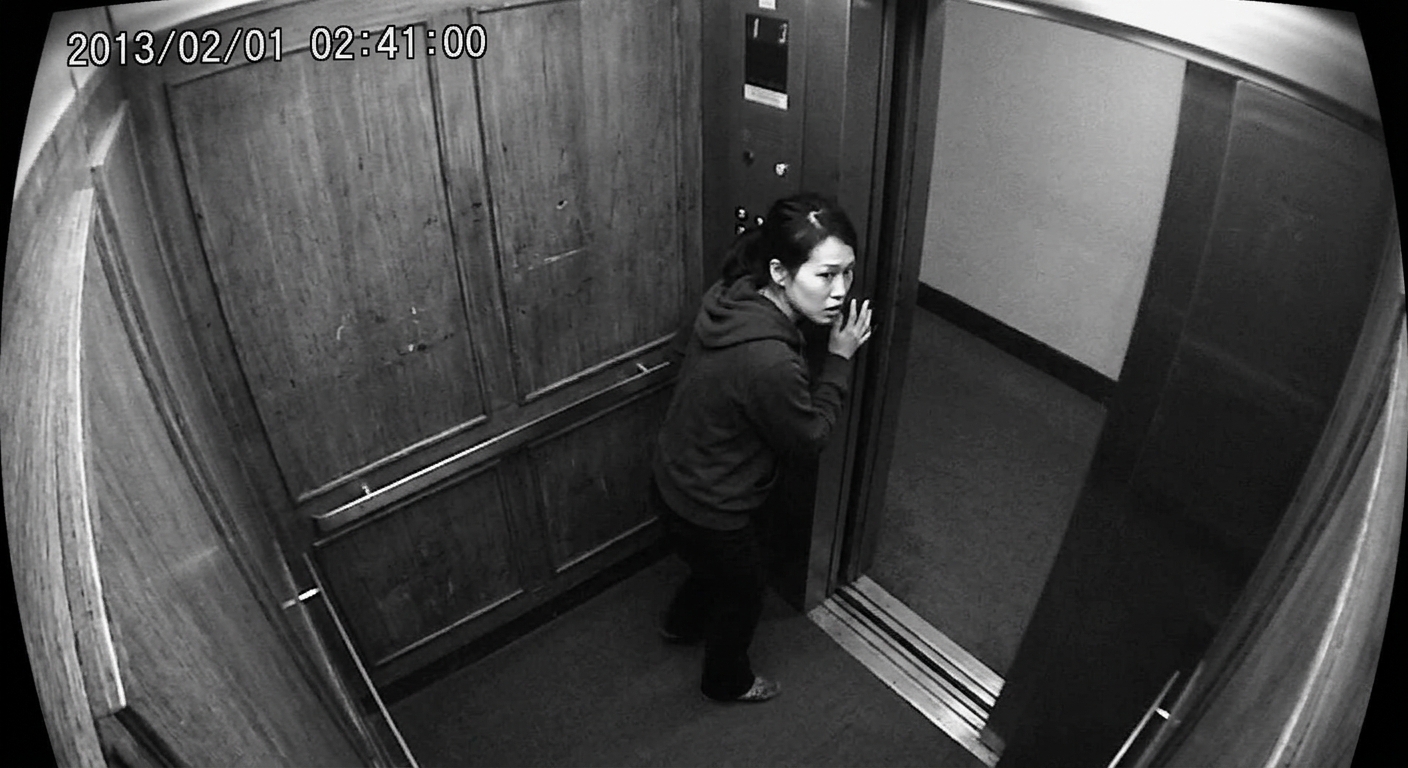
In February 2013, a 21-year-old Canadian student vanished from the Cecil Hotel in downtown Los Angeles, leaving behind one of the most perplexing mysteries of the modern era. The case of Elisa Lam combines elements that seem ripped from a horror movie: a hotel with a dark history, bizarre surveillance footage, and a tragic ending that defies conventional explanation.
The Disappearance That Launched a Thousand Theories
Elisa Lam was traveling solo through California when she checked into the Cecil Hotel on January 28, 2013. Known for its troubled past and connection to serial killers, the Cecil had long been a fixture in LA’s seedier downtown district. Lam, a student from the University of British Columbia, was supposed to check out on January 31st but never did.
When her family couldn’t reach her, they contacted police. What followed was an extensive search that would captivate the internet and spawn countless conspiracy theories. But it was the release of hotel surveillance footage that turned this missing person case into a global phenomenon.
The Elevator Video That Defies Logic
The surveillance footage shows Lam in a hotel elevator, and her behavior appears deeply disturbing and inexplicable. In the grainy black and white video, she:
- Enters the elevator and presses multiple buttons
- Peers out into the hallway as if hiding from someone
- Steps in and out of the elevator repeatedly
- Makes strange hand gestures that appear almost ritualistic
- Appears to be talking to someone who isn’t visible
Most unnervingly, the elevator doors remain open for an unusually long time throughout most of the footage, as if the normal safety mechanisms weren’t functioning. After Lam finally leaves, the elevator begins operating normally again, traveling to different floors as if responding to calls.
Technical Anomalies That Puzzle Experts
Several aspects of the video have never been satisfactorily explained. The timestamp appears to have gaps, leading some to suggest the footage was edited. The elevator’s failure to close its doors violates standard safety protocols built into modern elevator systems. Some viewers noted that Lam’s movements appear to be in slow motion at certain points, though this could be attributed to the frame rate of the security system.
The Grim Discovery
Nineteen days after Lam’s disappearance, hotel guests began complaining about the water pressure and taste. Maintenance workers investigating the hotel’s water supply made a horrifying discovery: Lam’s body was found in one of the four water tanks on the hotel’s roof.
The circumstances of how she ended up there defy easy explanation:
- The roof access was locked and alarmed
- The water tanks were extremely heavy and difficult to access
- The tank opening was small, making entry challenging
- Her clothes were found floating separately in the tank
- There were no obvious signs of trauma
The Science Behind the Mystery
Mental Health Factors
The coroner’s report revealed that Lam had been diagnosed with bipolar disorder and depression. Toxicology tests showed she had not been taking her prescribed medications at the time of her death. Mental health experts suggest that her behavior in the elevator could be consistent with a psychotic episode or severe manic state.
However, this explanation doesn’t account for the physical impossibility of accessing the roof and water tank, especially during a mental health crisis. The complex series of actions required, including navigating security measures and climbing into the tank, seems inconsistent with someone experiencing a severe psychological break.
Environmental and Chemical Considerations
Some researchers have explored whether environmental factors at the Cecil Hotel could have contributed to Lam’s altered state. The building’s age and poor maintenance could have resulted in exposure to various chemicals or toxins. However, no evidence of such exposure was found during the investigation.
Drowning Mechanics and Body Decomposition
The condition of Lam’s body when discovered raised additional questions. After nearly three weeks in the water tank, the decomposition patterns didn’t match what forensic experts typically expect. The temperature and chemical composition of the water may have affected the normal decomposition process, but this remains speculative.
Theories That Don’t Add Up
Numerous theories have emerged to explain the case, but each faces significant scientific or logical problems:
Murder Hypothesis
While the circumstances seem suspicious, there was no evidence of foul play. No defensive wounds, no signs of struggle, and no indication that anyone else was involved. The complex logistics of moving a body to the roof and into the water tank would have required multiple people and sophisticated planning.
Supernatural Explanations
The Cecil Hotel’s dark history has fueled paranormal theories, but these lack any scientific basis. While the case is certainly eerie, attributing unexplained events to supernatural causes doesn’t advance our understanding of what actually happened.
Government Cover-up
Some conspiracy theorists suggest government involvement, but there’s no evidence supporting such claims. The investigation was conducted by the LAPD with standard procedures, and multiple independent experts reviewed the evidence.
The Ongoing Scientific Mystery
What makes the Elisa Lam case so compelling from a scientific perspective is not the supernatural theories, but rather the genuine gaps in our understanding. How did someone experiencing a mental health crisis navigate complex security systems? Why did the elevator malfunction in that specific way? What sequence of events could logically explain all the evidence?
Modern neuroscience has revealed that severe mental illness can sometimes produce seemingly impossible feats of strength or problem-solving ability. The human brain in crisis mode can override normal limitations and pain responses. However, even accounting for these factors, the case presents a puzzle that challenges our understanding of human behavior and capability.
A Mystery That Continues to Perplex
The Elisa Lam case reminds us that even in our connected, surveilled world, genuine mysteries still exist. Despite extensive investigation, multiple expert analyses, and thousands of hours of amateur detective work, no single theory adequately explains all the evidence.
Perhaps that’s what makes this case so fascinating from a scientific standpoint. It represents the limits of our current understanding and serves as a reminder that human behavior, especially during extreme psychological distress, can still surprise and confound us.
The case continues to generate discussion among forensic experts, mental health professionals, and scientists trying to understand the complex interplay of factors that led to this tragic and bewildering outcome. While we may never have a complete explanation, the Elisa Lam case stands as one of the most thoroughly documented yet inexplicable mysteries of our time.






This case is genuinely tragic, but I have to say the “science can’t explain it” framing feels overblown – her family deserved better investigation than they got, and mental health crises combined with a dangerous water tank setup is pretty explainable, even if heartbreaking. The real failure was structural negligence, not some mystery beyond science.
Log in or register to replyI appreciate Rachel’s point here, and yeah the sensationalism around this case has always bothered me too. That said, I’m genuinely curious about the toxicology and timeline details – like what specific substances were found and how they might have affected her coordination and decision-making that night? The water tank access situation is wild though, that’s more of a building safety failure than a mystery imo.
Log in or register to replyhonestly i think rachel has a really good point about the sensationalism – it bugs me too how ppl turn genuine tragedy into this unsolvable mystery when theres actually pretty solid explanations if you look at the full context. i get that her behavior in the elevator seems weird, but mental health crises can look really strange from the outside, especially when combined with medication or other factors. its kind of like how people dont understand plant behavior sometimes and assume its supernatural when theres actually just ecology at play, you know? the real failure wasnt science but the hotel not securing that water tank properly in the first place.
Log in or register to reply