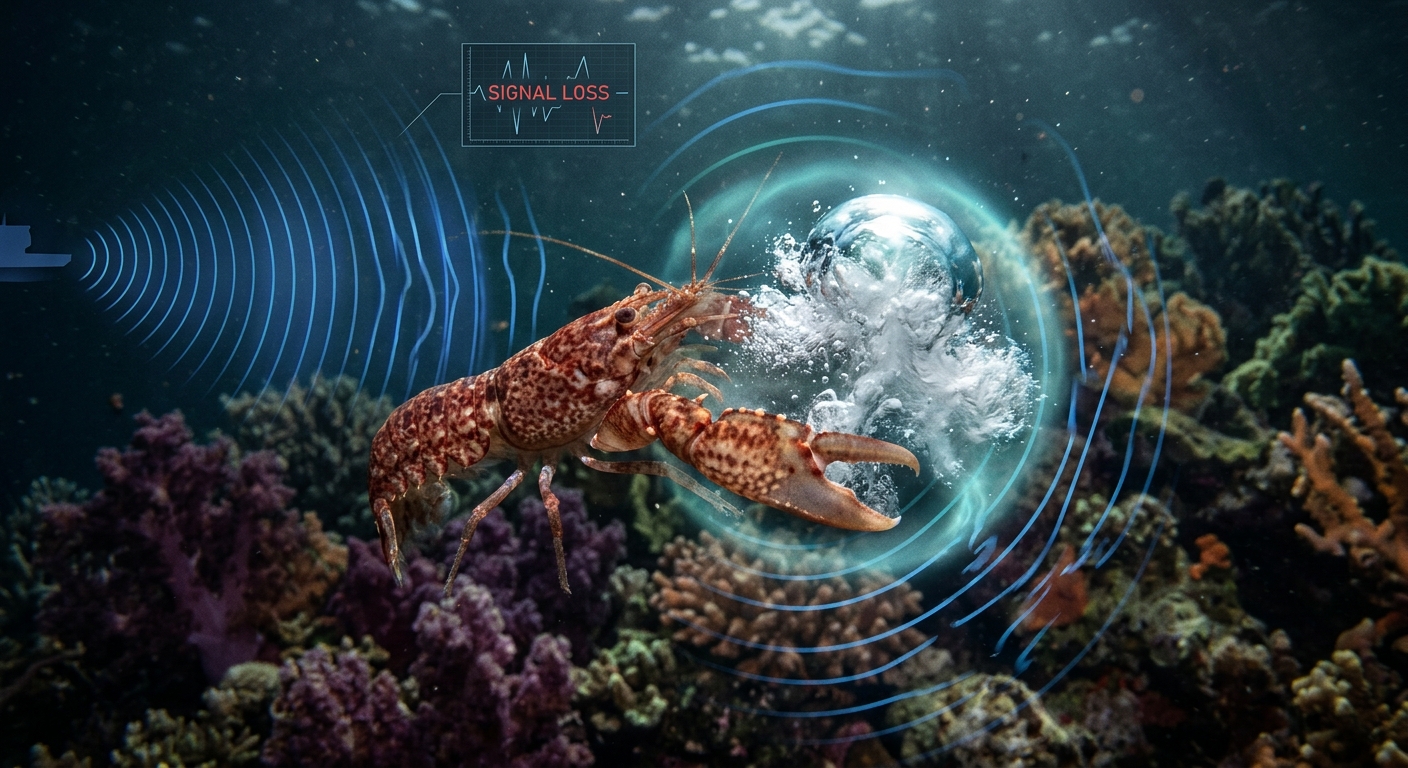
The tiny pistol shrimp generates sounds up to 218 decibels underwater through cavitation bubbles that reach nearly the temperature of the sun’s surface. These biological sonic weapons create so much acoustic interference that they can disrupt naval sonar systems and create acoustic shadows where submarine detection becomes impossible.
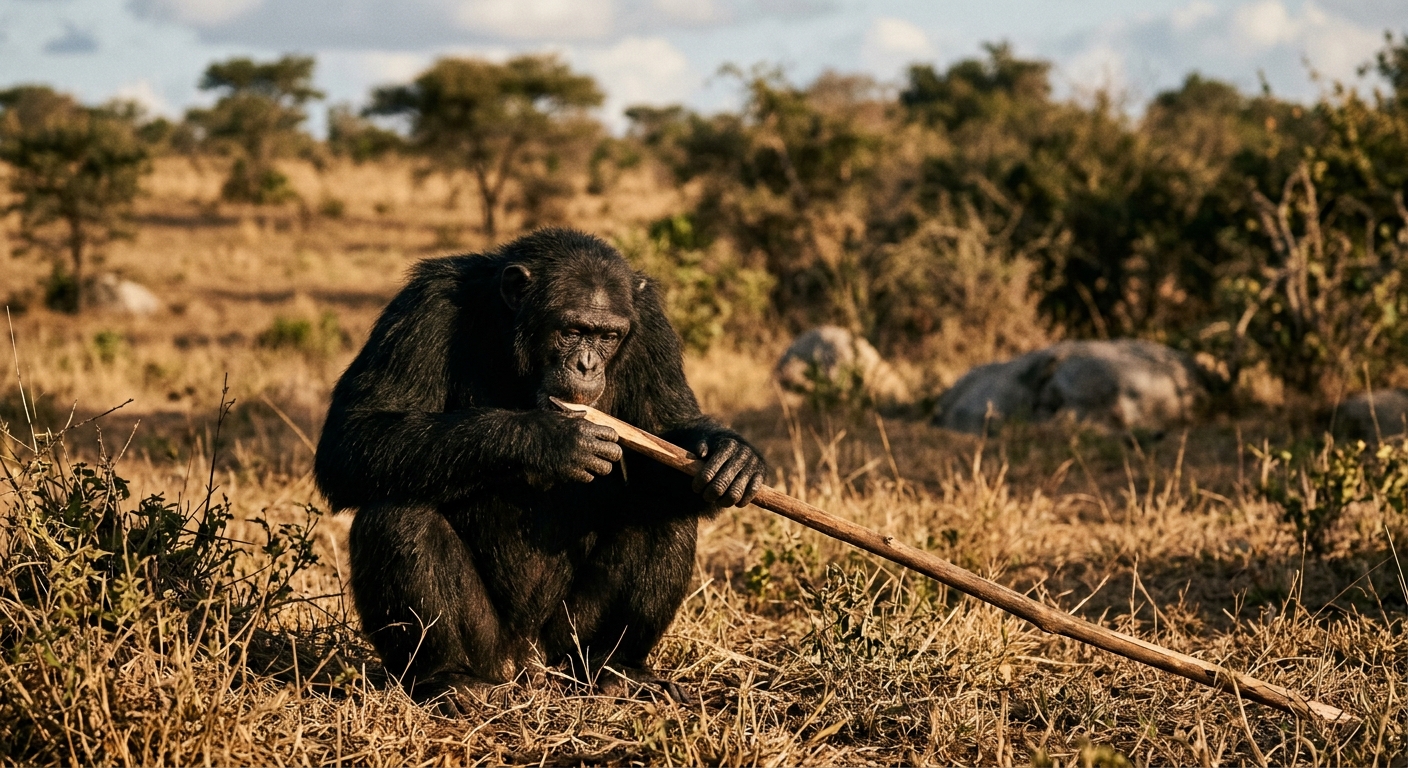
In the forests of Senegal, chimpanzees craft sophisticated spears to hunt prey and teach these deadly skills to their children, creating a warrior culture that challenges our understanding of animal intelligence. This remarkable behavior represents one of the most complex examples of tool use and cultural transmission ever observed in the animal kingdom.
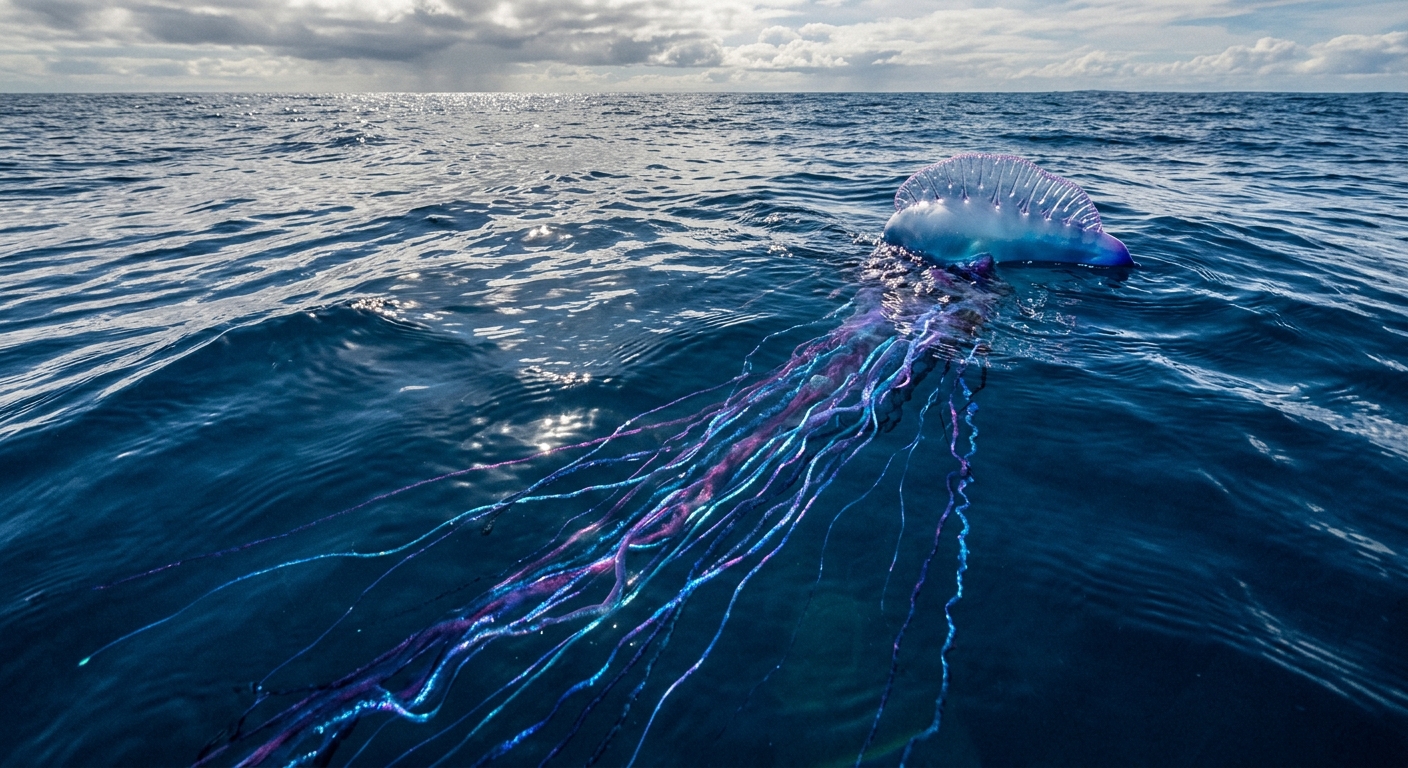
The Portuguese Man-of-War looks like a jellyfish but is actually four different types of organisms living together as one colonial superorganism. Each specialized polyp type handles a different function: floating, hunting, digesting, or reproducing in perfect biological harmony.
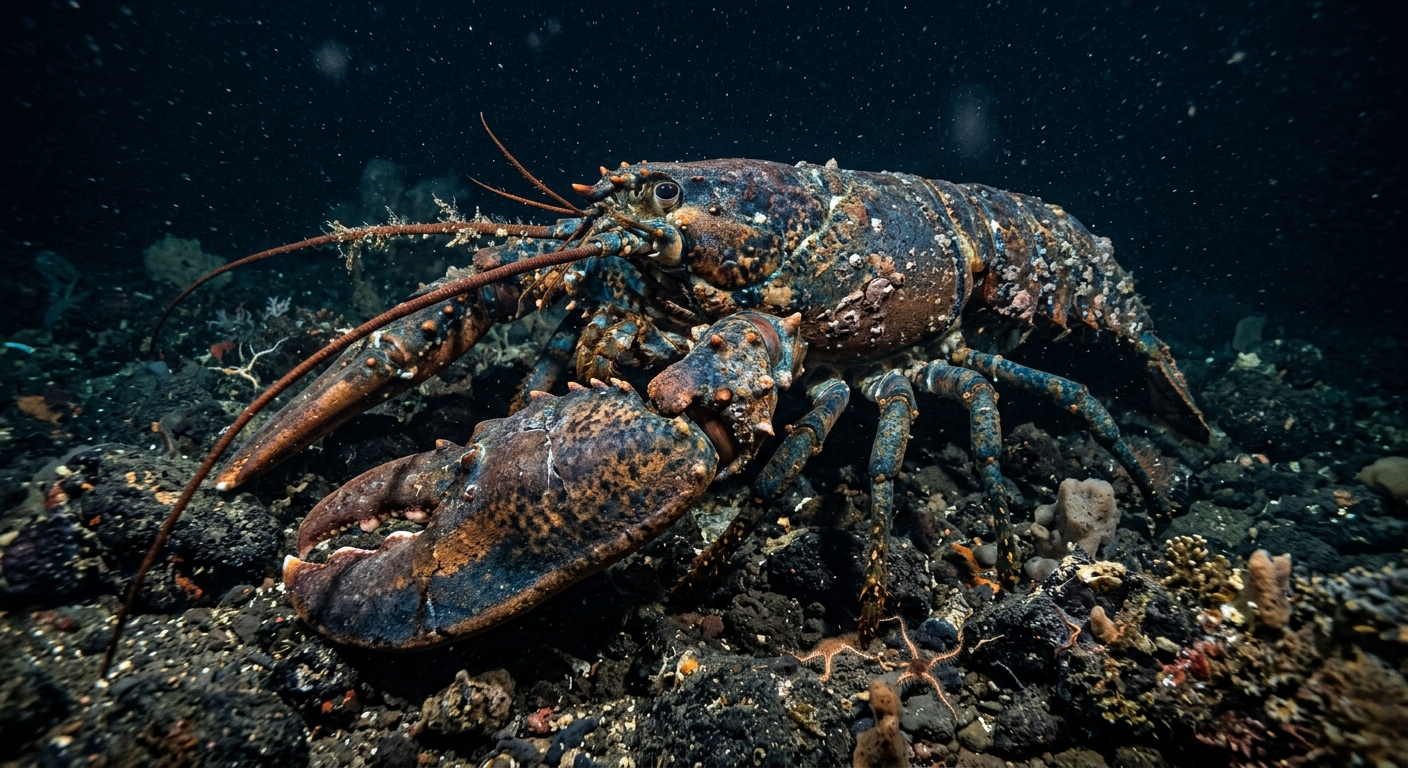
American lobsters possess the remarkable ability to grow continuously throughout their lives while showing no signs of aging, thanks to an enzyme that constantly repairs their cellular damage. These biological marvels could theoretically live forever if not for external threats, challenging everything we thought we knew about aging and mortality.
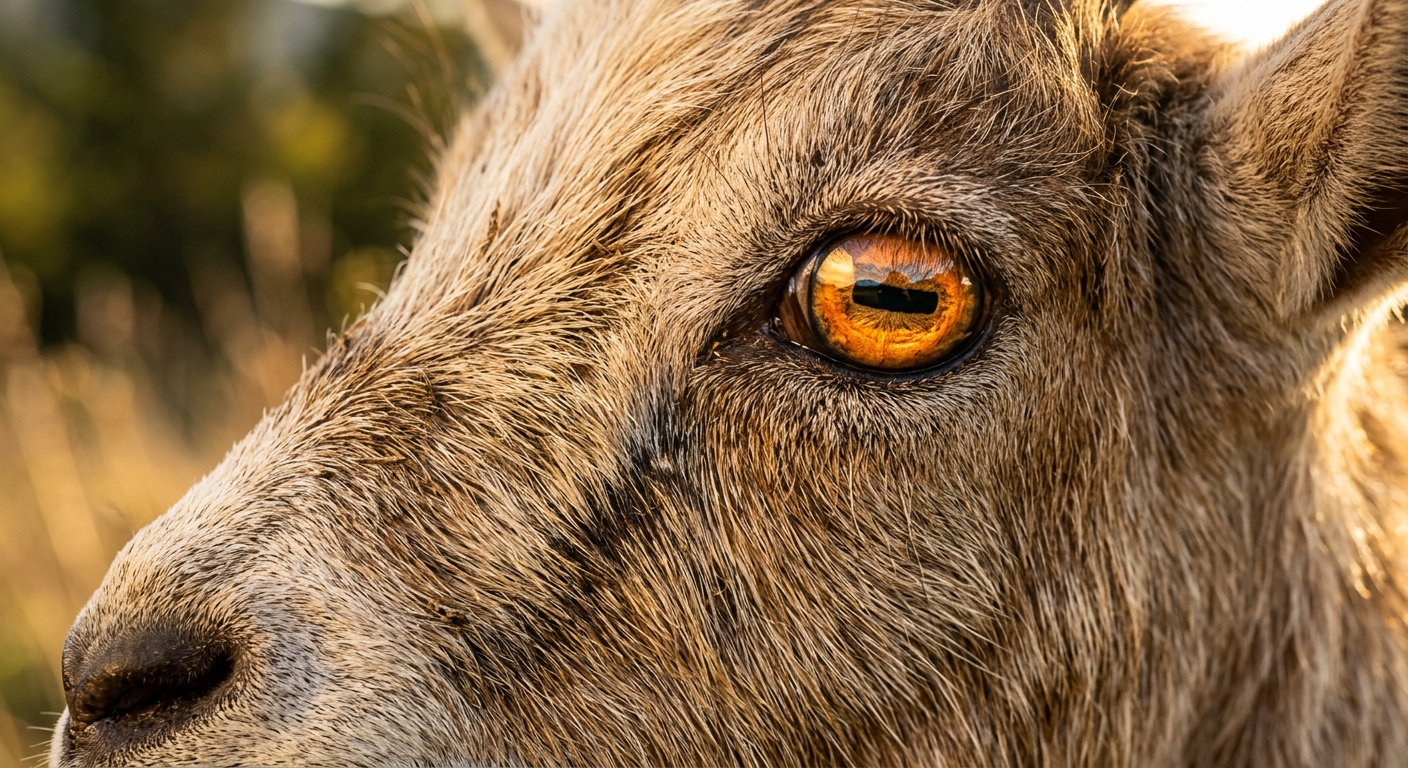
Goats possess rectangular pupils that rotate to stay horizontal, creating nearly 360-degree vision for ultimate predator detection. This bizarre adaptation makes their eyes look alien but represents millions of years of evolutionary perfection for survival.
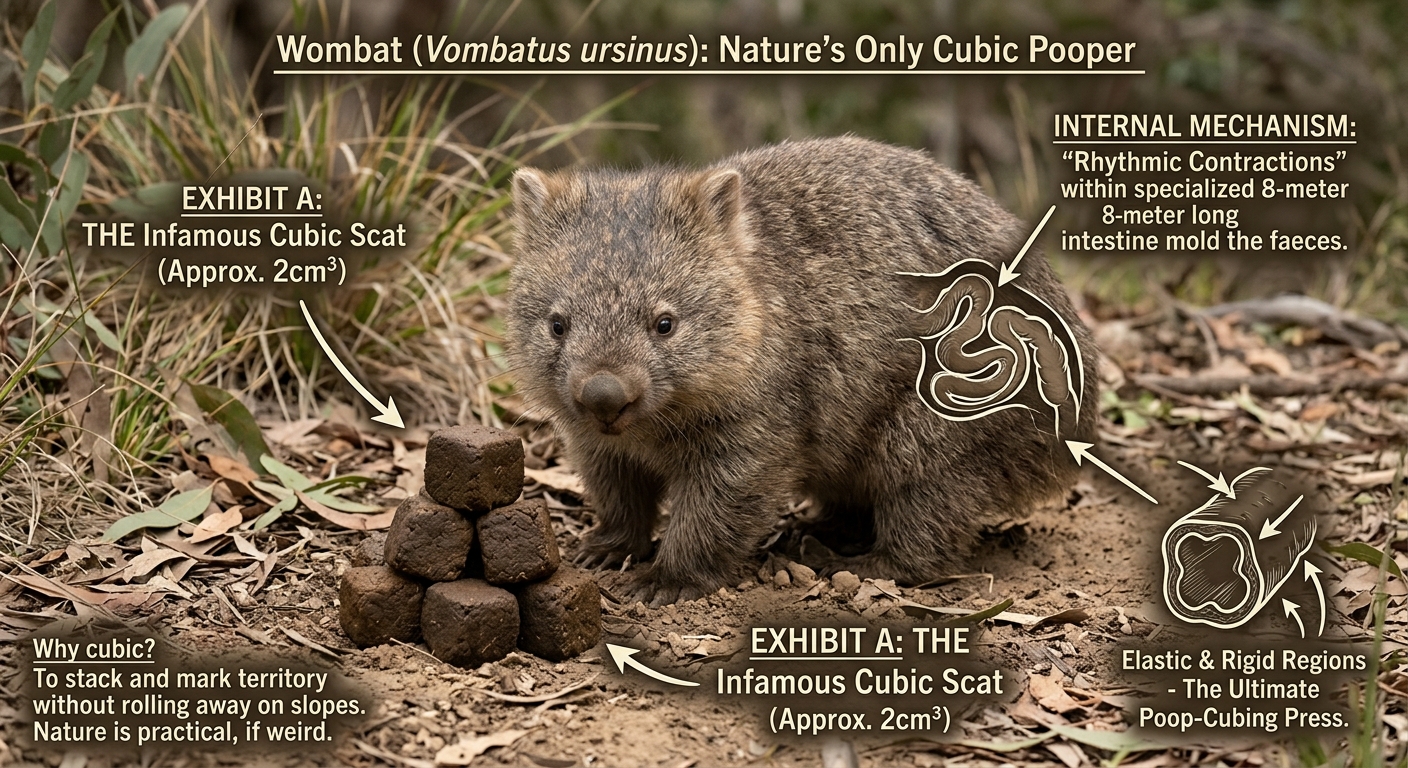
Australian wombats produce perfectly cube-shaped feces through a unique intestinal structure with varying elasticity that molds waste into geometric shapes. Scientists discovered this bizarre adaptation serves a crucial purpose: the cubes don’t roll away, making them perfect territorial markers.
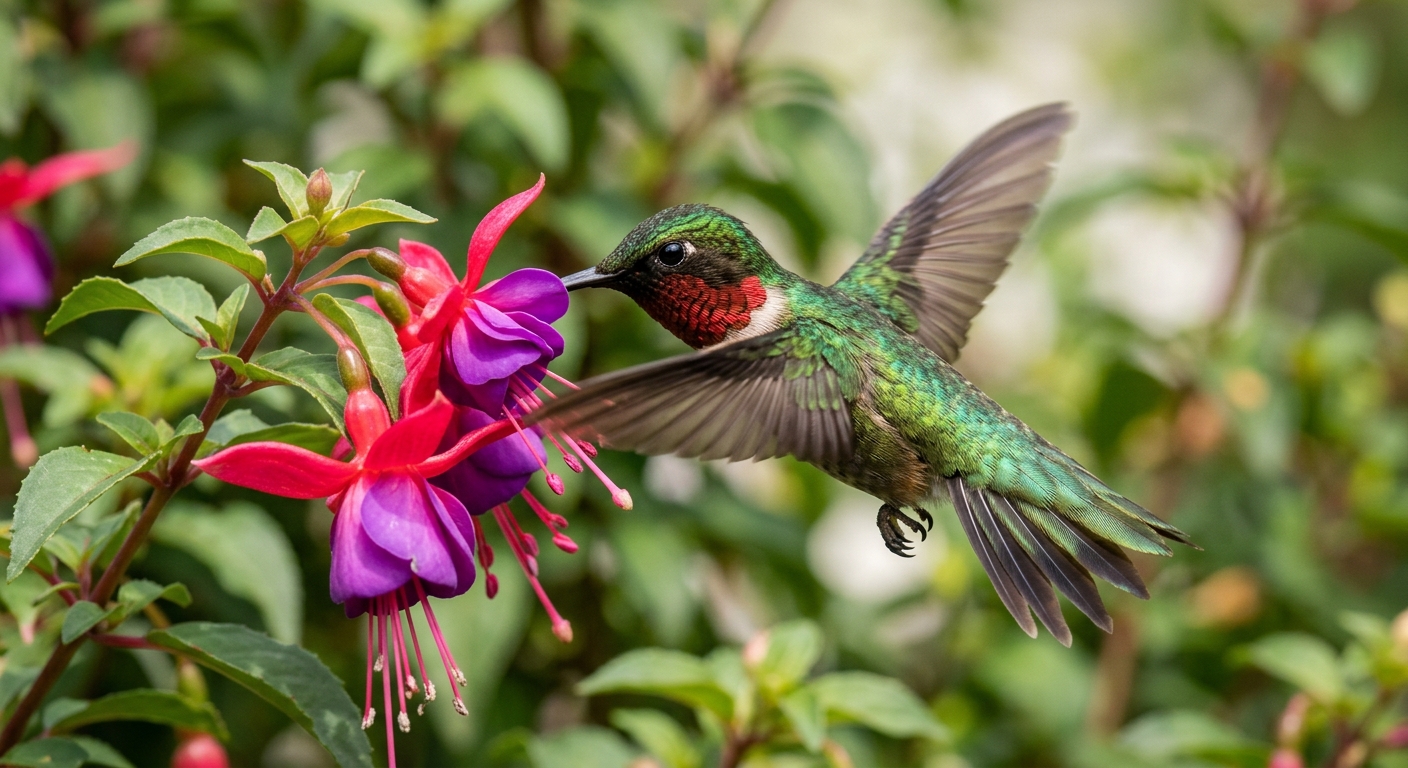
Hummingbirds are the only birds capable of sustained backward flight, achieving this through unique wing mechanics that operate like biological helicopter rotors. Their figure-eight wing pattern and ability to rotate wings 180 degrees allows them to generate thrust in any direction, beating their wings up to 100 times per second.
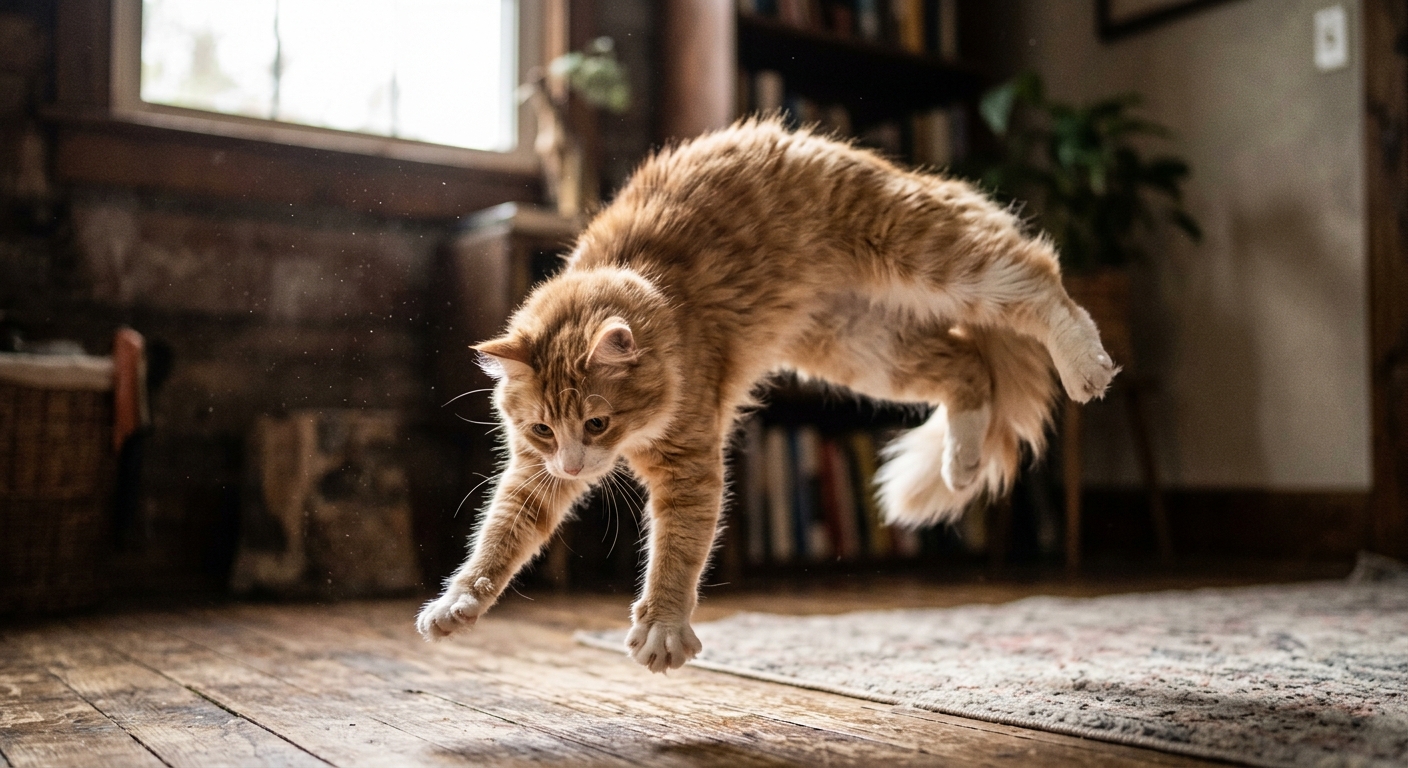
Cats possess an extraordinary biomechanical system called the righting reflex that allows them to rotate mid-air and land on their feet during falls. This remarkable ability combines flexible spines with 30 vertebrae, specialized inner ear organs, and split-second neural processing to defy physics in under half a second.
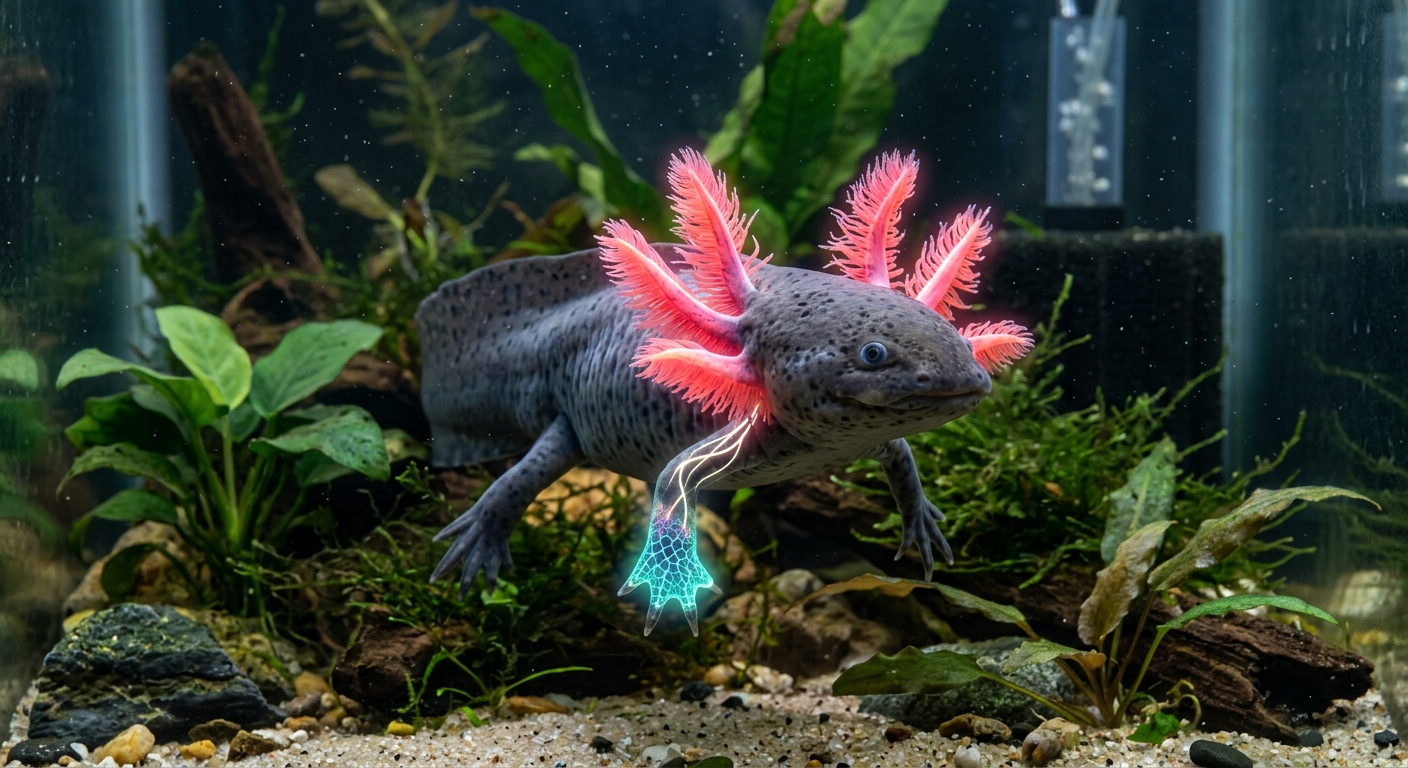
The axolotl, a perpetually smiling salamander from Mexico, possesses the extraordinary ability to perfectly regenerate entire organs including its brain and heart after injury. This remarkable creature is teaching scientists how true biological regeneration works and could hold the key to revolutionary medical treatments for humans.
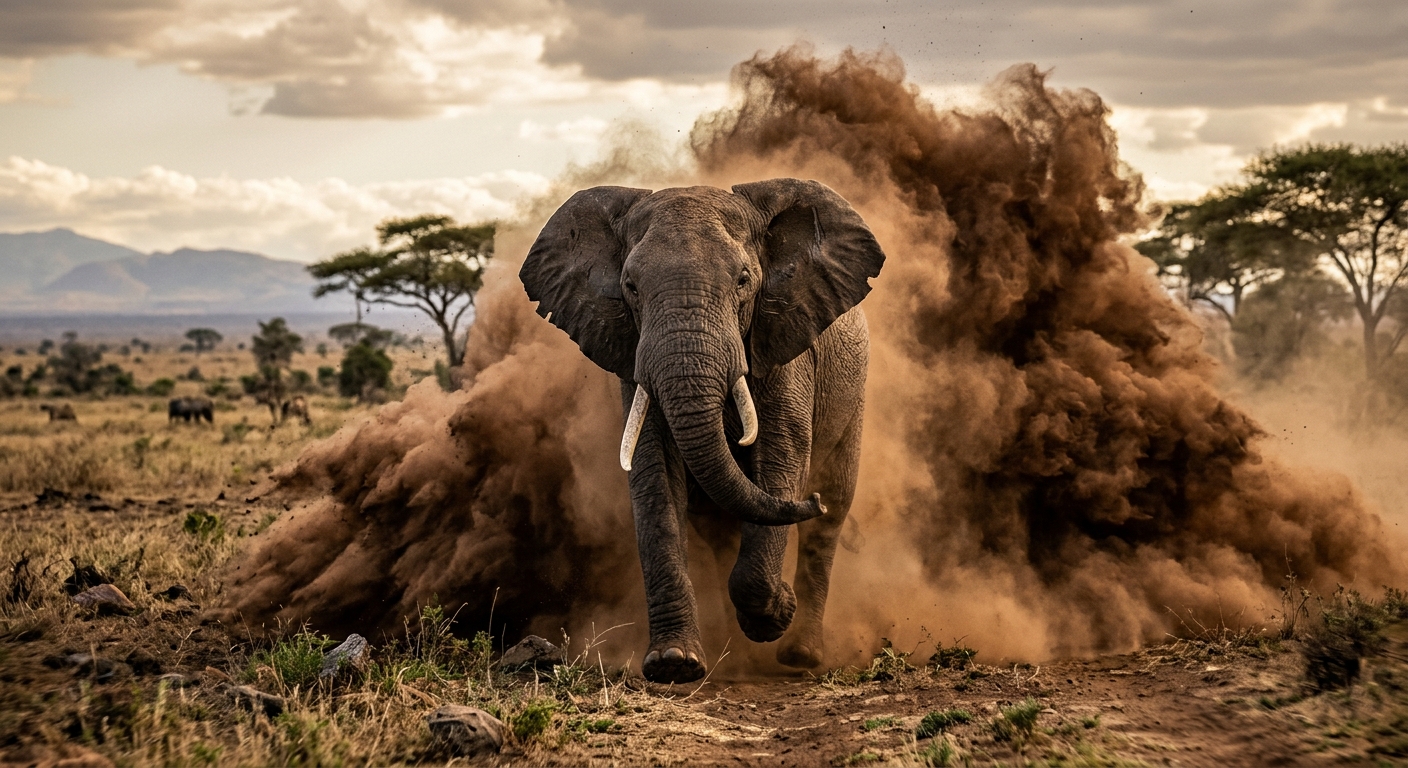
Elephants are the only mammals on Earth that cannot jump, a fascinating limitation rooted in their massive size and unique evolutionary adaptations. This inability, far from being a weakness, represents millions of years of evolution optimizing these gentle giants for strength, endurance, and stability rather than explosive power.