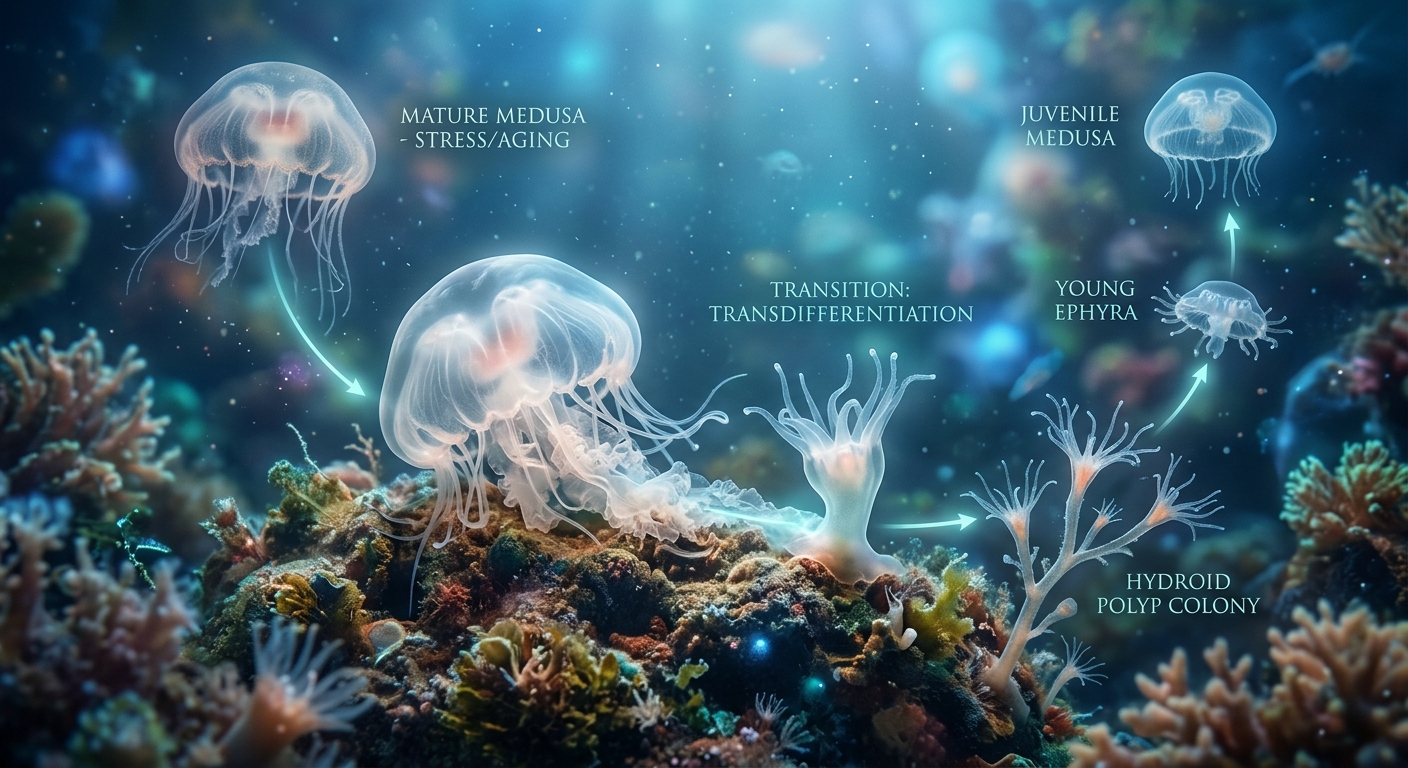
The immortal jellyfish Turritopsis dohrnii has achieved true biological immortality by reversing its aging process and restarting its life cycle whenever death approaches. This tiny ocean creature uses a process called transdifferentiation to transform from adult back to juvenile, potentially living forever.
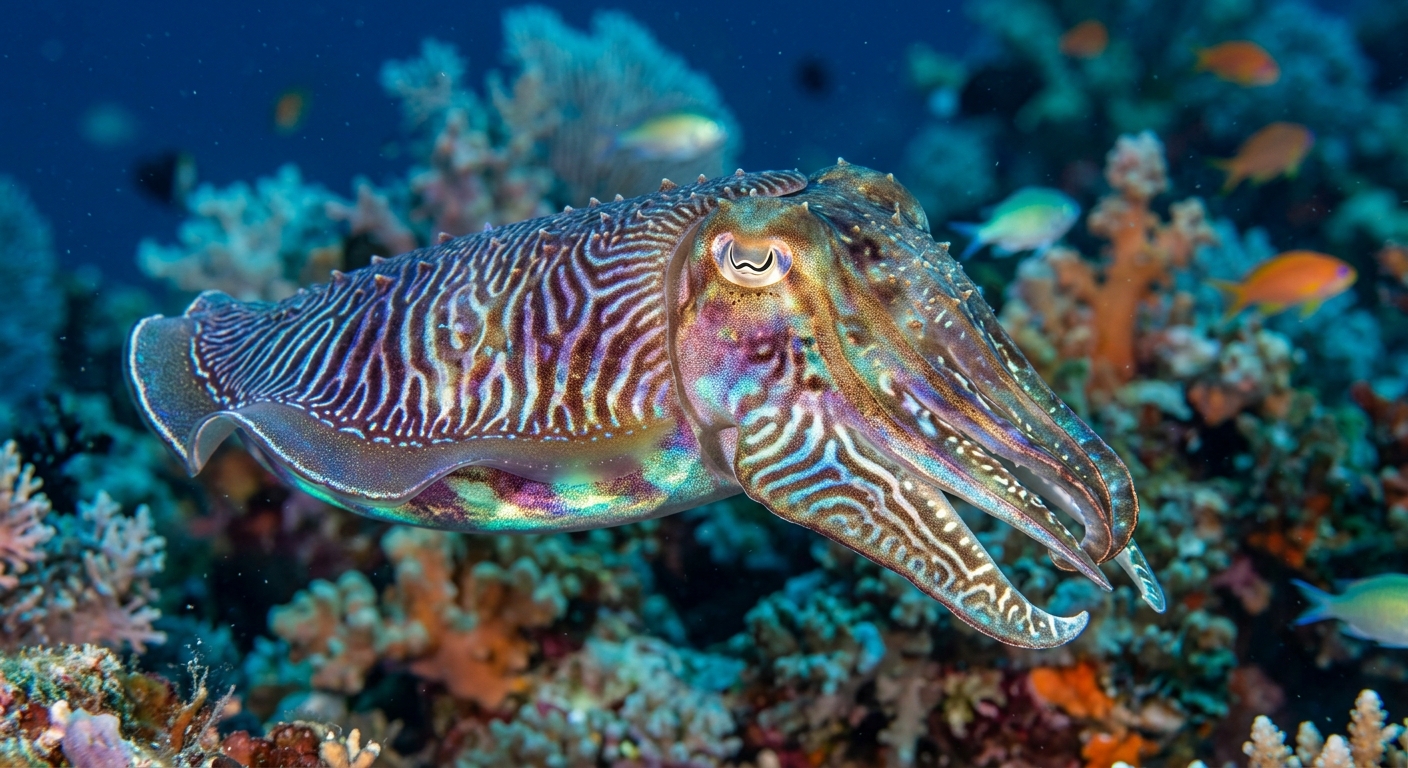
Cuttlefish are master color-changers capable of instantly transforming their appearance to match any environment with stunning precision. The mind-blowing twist: these underwater artists are completely colorblind, seeing the world only in shades of gray while creating vibrant displays that would make any painter jealous.
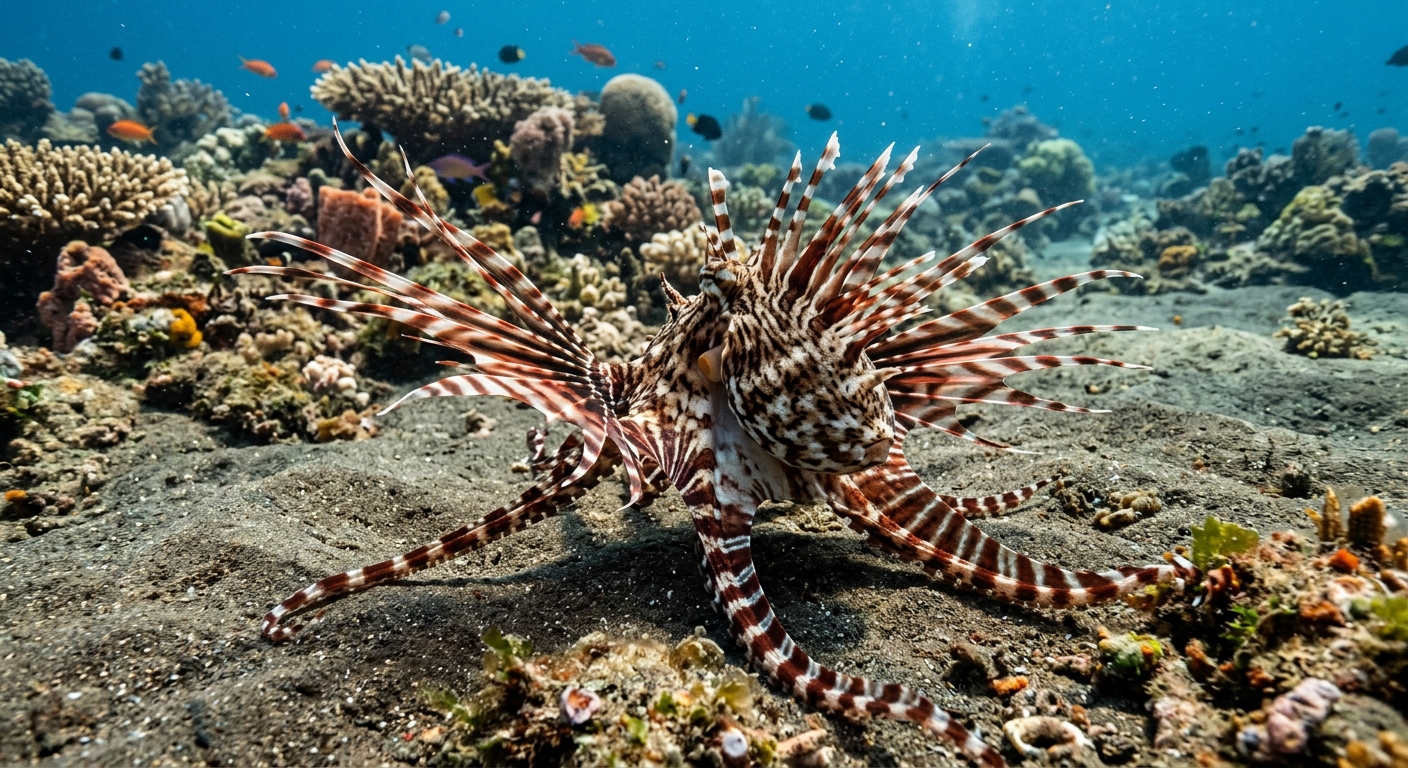
The mimic octopus is nature’s ultimate shapeshifter, capable of impersonating 15 different dangerous marine animals with stunning accuracy. This remarkable cephalopod uses its transformations not just for protection, but as a sophisticated hunting strategy that showcases one of the most advanced forms of mimicry in the animal kingdom.
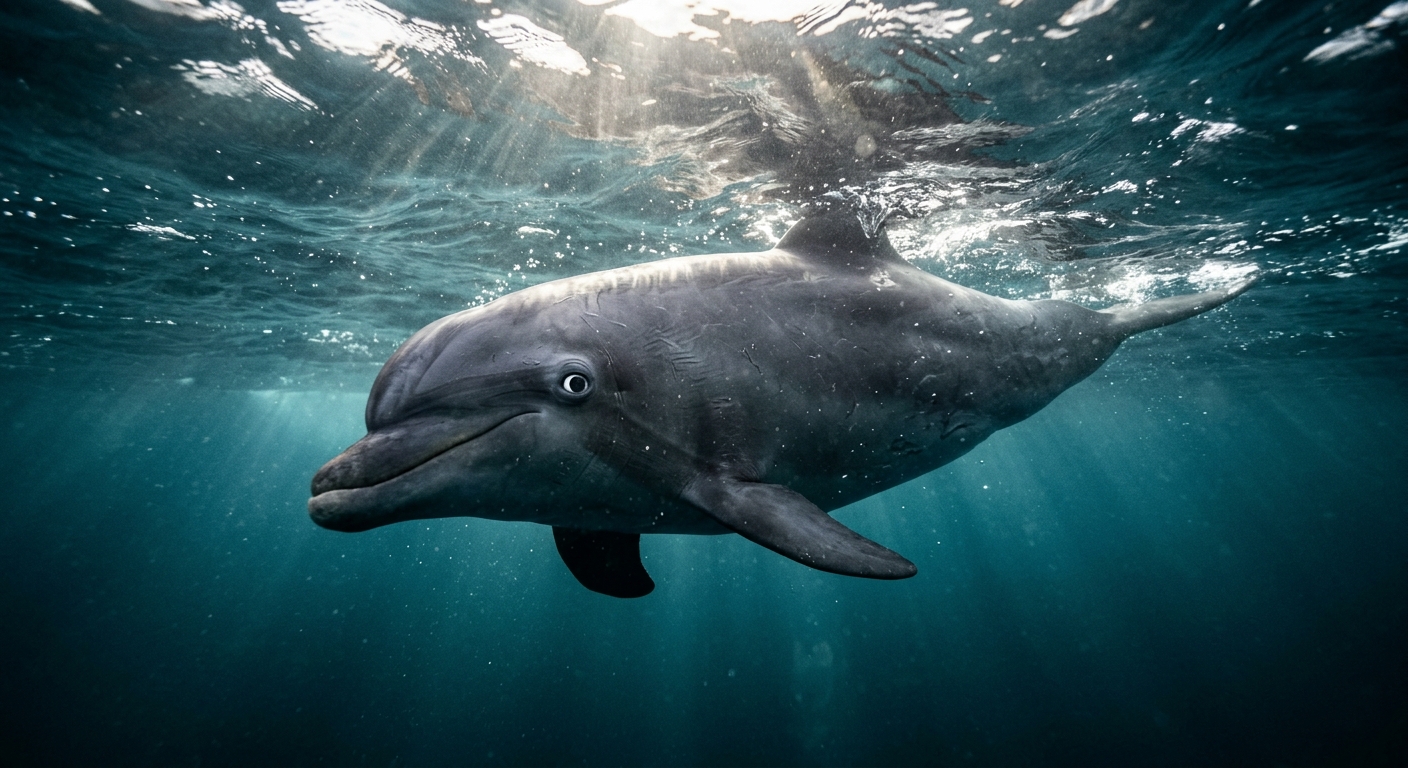
Dolphins have evolved an extraordinary ability to sleep with only half their brain at a time, keeping one hemisphere alert to control breathing and watch for dangers. This remarkable adaptation allows them to rest while remaining conscious enough to surface for air and survive in their aquatic environment.
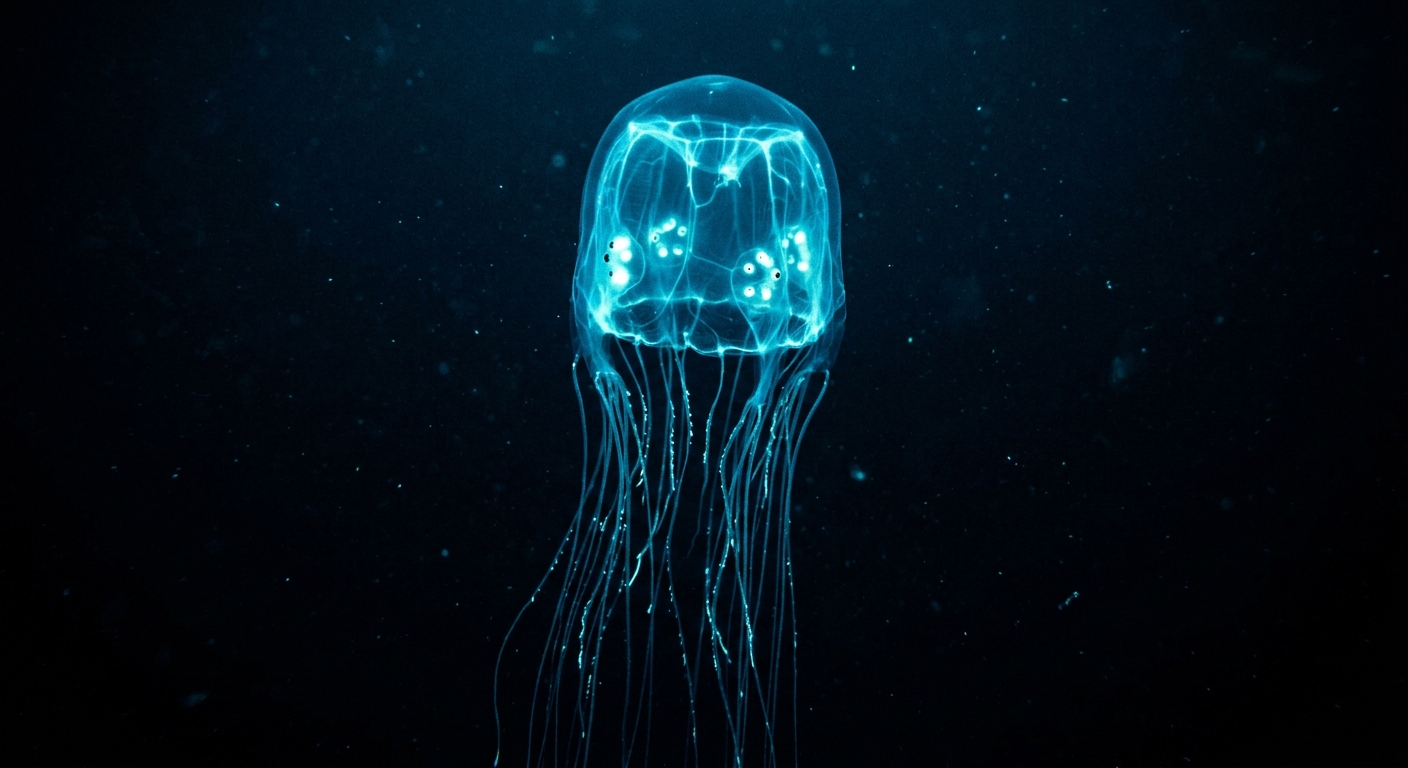
The box jellyfish possesses 24 sophisticated eyes distributed across its translucent body, yet operates without a single brain cell to process what it sees. This deadly marine creature uses a distributed network of just 10,000 neurons to navigate complex environments, hunt prey, and avoid obstacles with remarkable precision.
African wild dogs have evolved a remarkable democratic system where pack members literally vote on hunting decisions by sneezing. Scientists discovered that these endangered predators require a specific threshold of sneezes during pre-hunt gatherings before the entire pack agrees to embark on a hunting expedition.
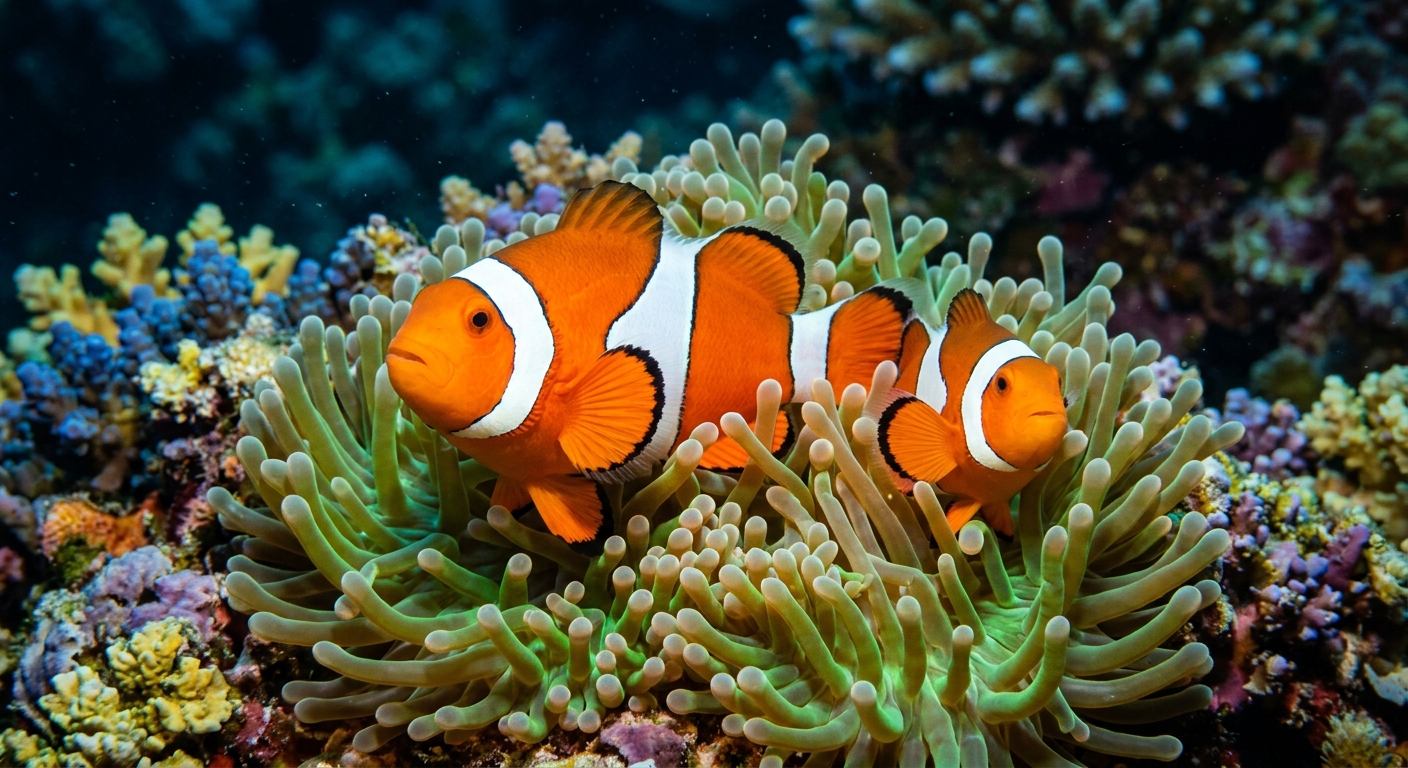
Clownfish possess one of nature’s most remarkable abilities: completely changing from male to female when their partner dies. This incredible biological transformation involves hormonal surges, organ restructuring, and behavioral changes that occur within just days, ensuring the survival of their social group.
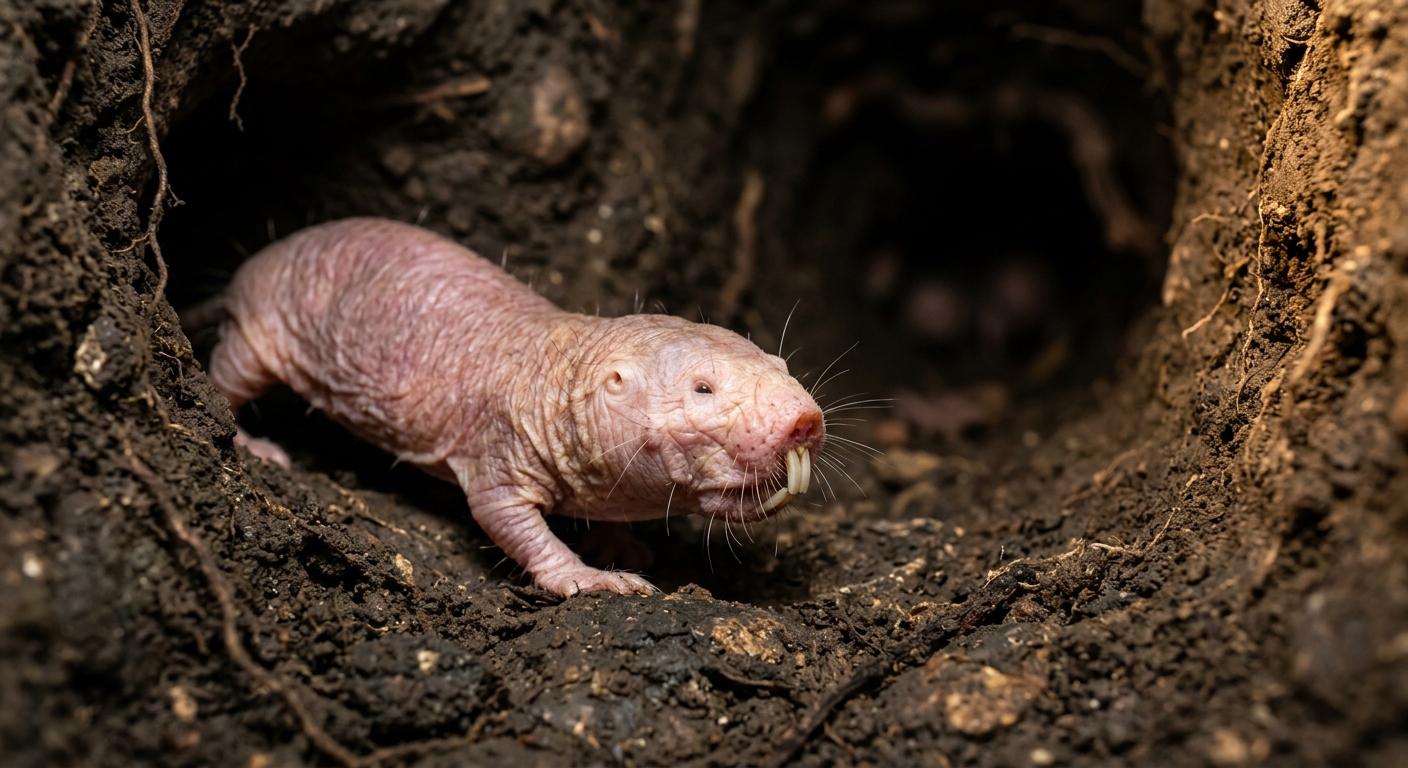
The naked mole rat has achieved what medical science dreams of: complete immunity to cancer and the ability to live without feeling pain. These wrinkled, underground rodents may hold the keys to revolutionary breakthroughs in human medicine.
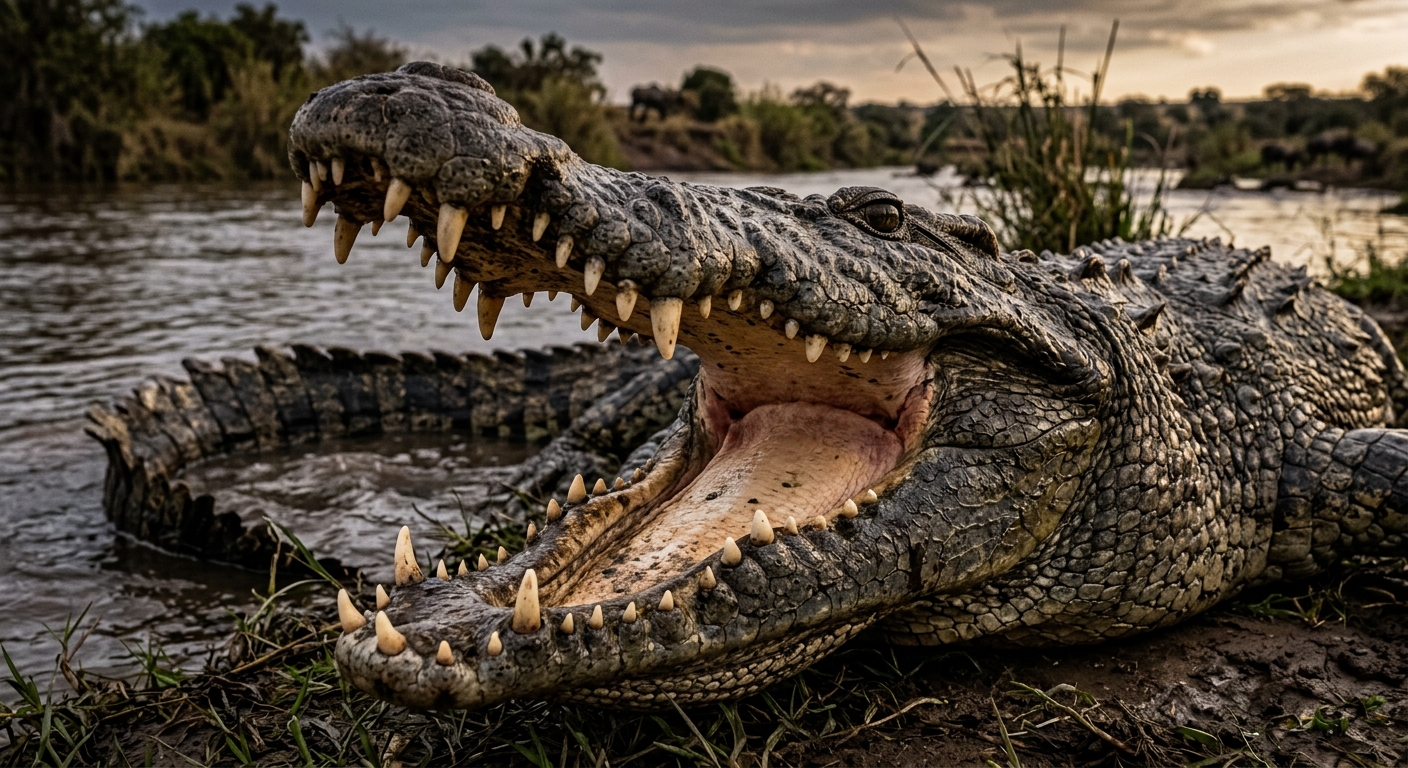
Crocodiles have survived for 200 million years with virtually no evolutionary changes, making them true living fossils that witnessed the rise and fall of dinosaurs. These ancient predators possess a unique anatomical feature: they cannot stick out their tongues due to a membrane that attaches the tongue to their mouth floor, which actually helps them hunt underwater without drowning.
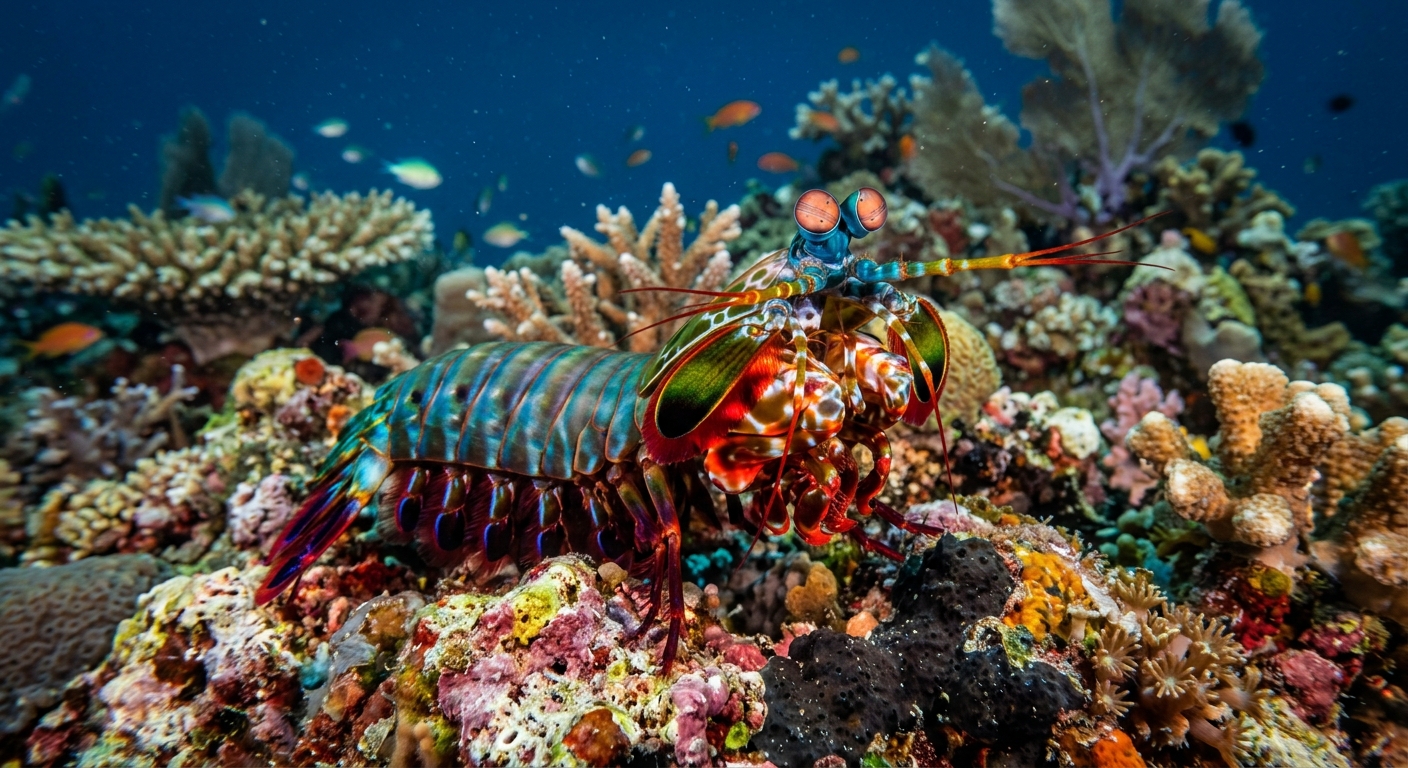
The peacock mantis shrimp possesses 16 different color receptors compared to humans’ mere three, creating a visual experience beyond our imagination. This ocean predator can see ultraviolet patterns, polarized light, and communicate through invisible signals while hunting with deadly precision.