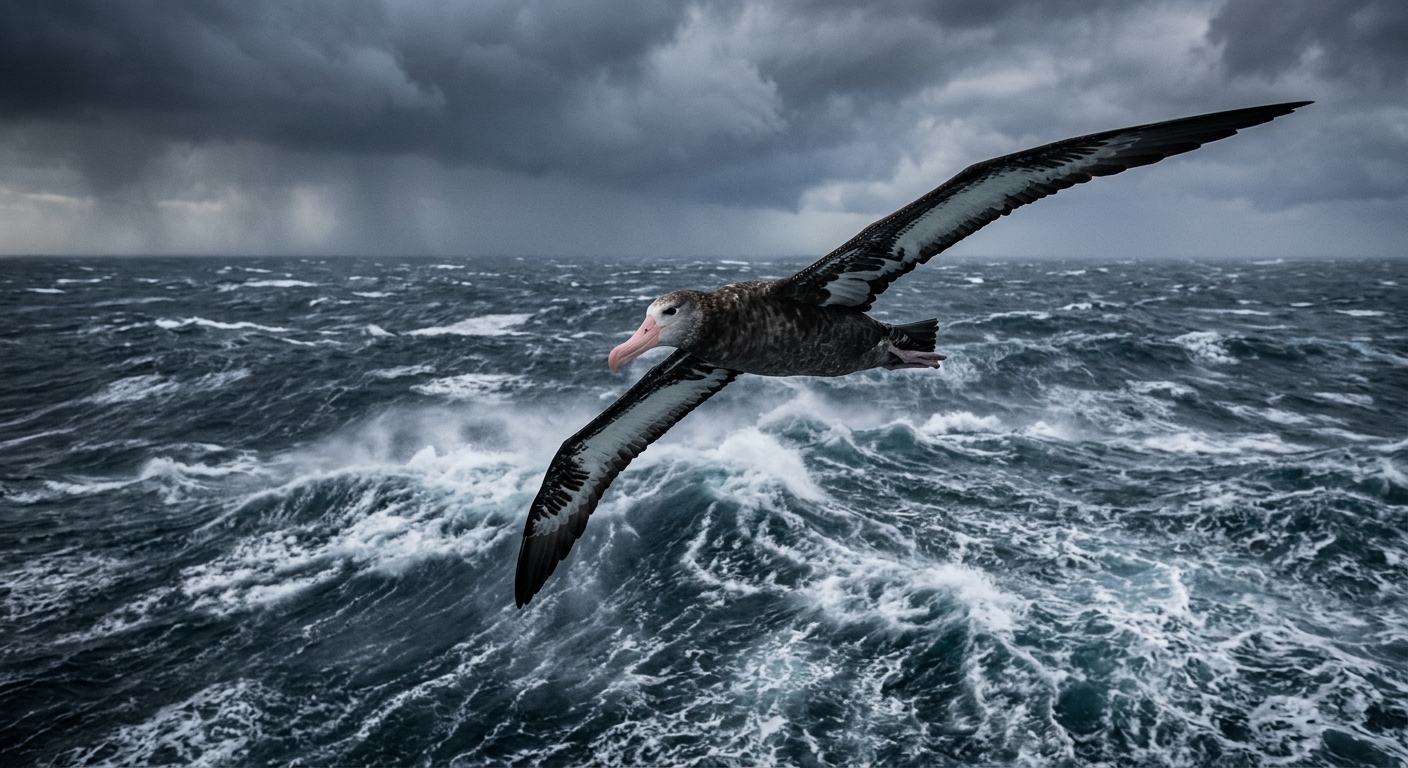
The wandering albatross can fly for up to 10 years without touching land, covering over 75,000 miles annually using dynamic soaring techniques. These ocean giants sleep while flying and have evolved incredible adaptations that turn them into living gliders perfectly suited for perpetual flight.
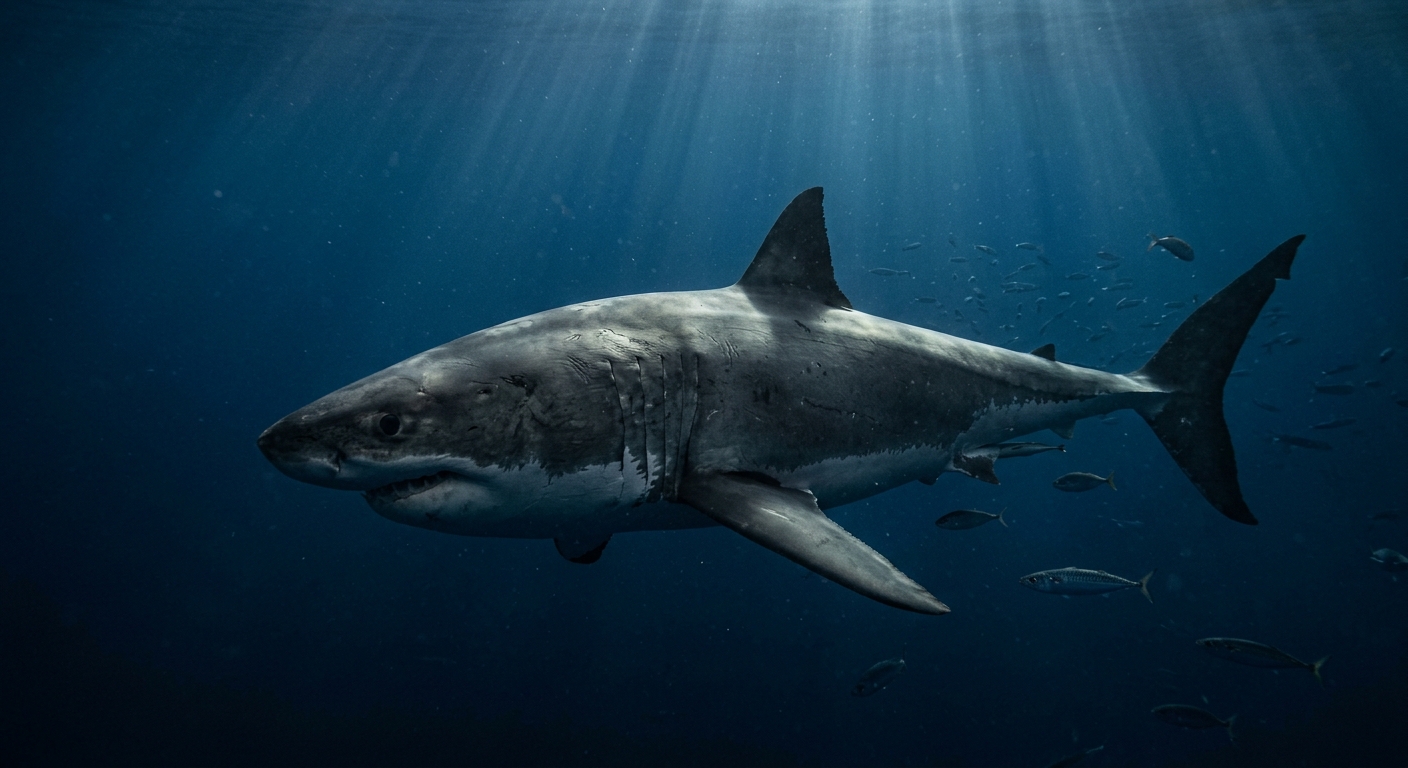
Sharks have been swimming Earth’s oceans for 450 million years, while trees only appeared 250 million years ago. These ancient predators were already apex hunters when our planet’s land was nothing but barren rock and primitive plants.
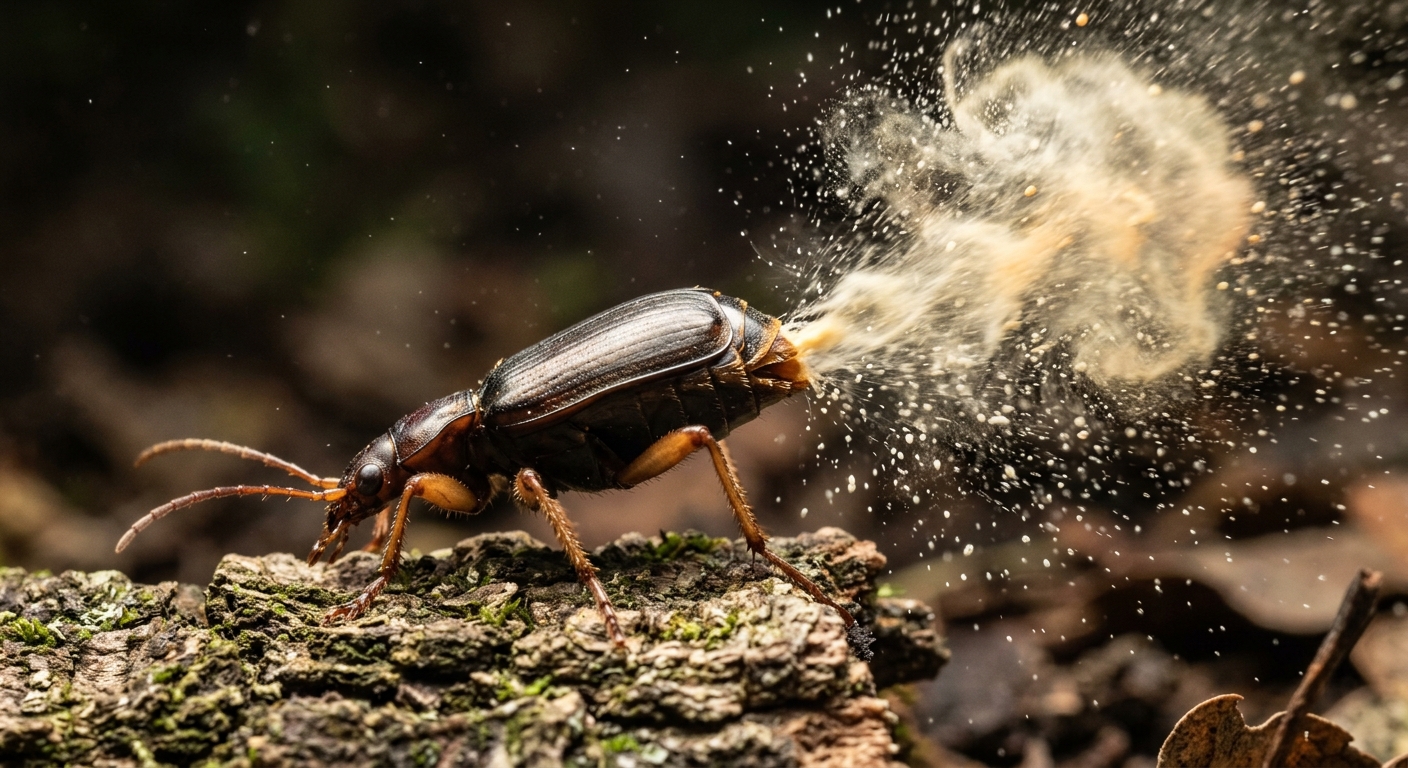
The bombardier beetle performs controlled chemical explosions inside its own body, mixing hydrogen peroxide and toxic compounds at temperatures over 200°F to create a superheated defensive spray. This tiny insect has evolved a sophisticated two-chamber system that allows it to survive repeated internal detonations while incapacitating predators with precision chemical warfare.
Recent scientific research has revealed that parrots can understand the abstract concept of zero and perform basic arithmetic, mathematical abilities that took human civilization thousands of years to develop. These feathered geniuses can count, add, subtract, and grasp numerical concepts that challenge even young children.
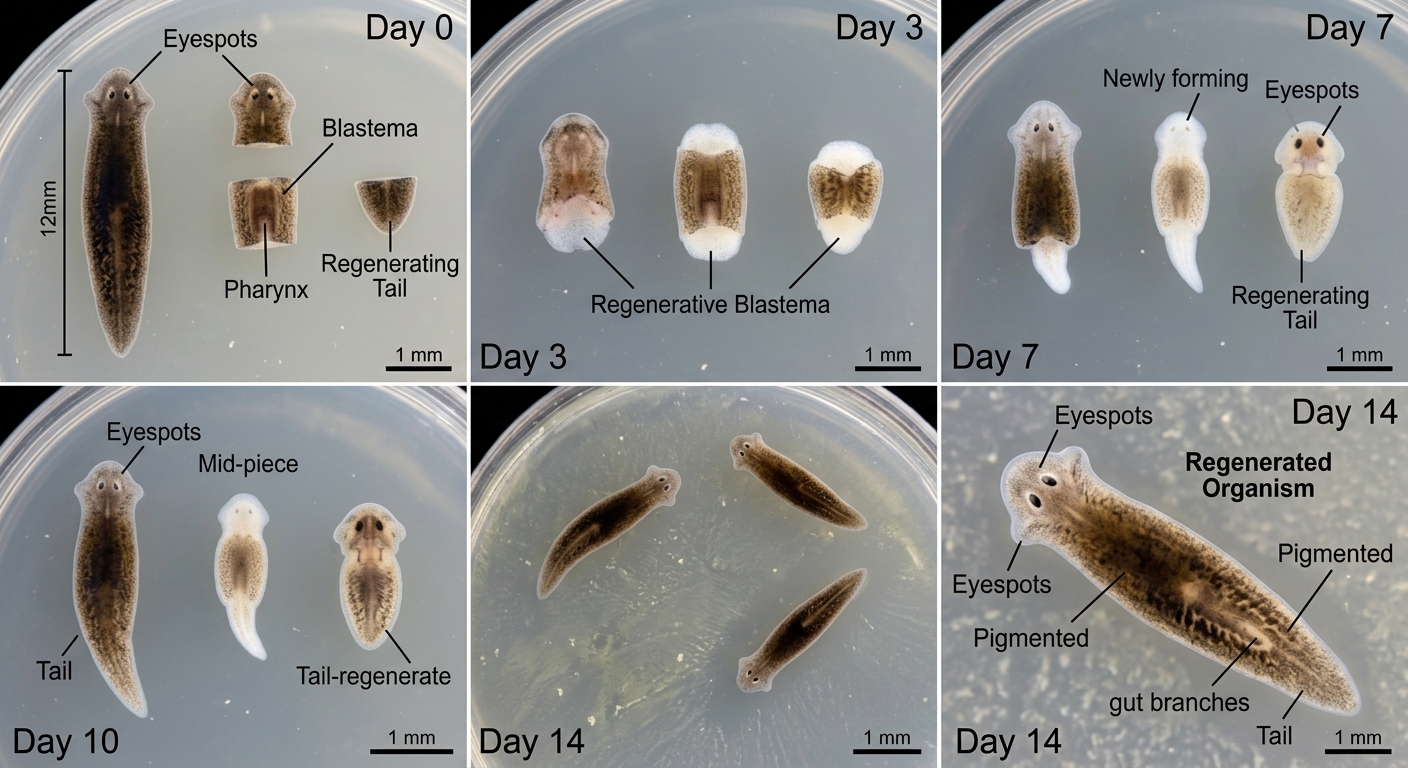
Planarian flatworms possess the ultimate superpower of regeneration, capable of being cut into 100 pieces with each fragment growing into a complete, living organism. These tiny freshwater creatures hold the key to biological immortality and could revolutionize human medicine.
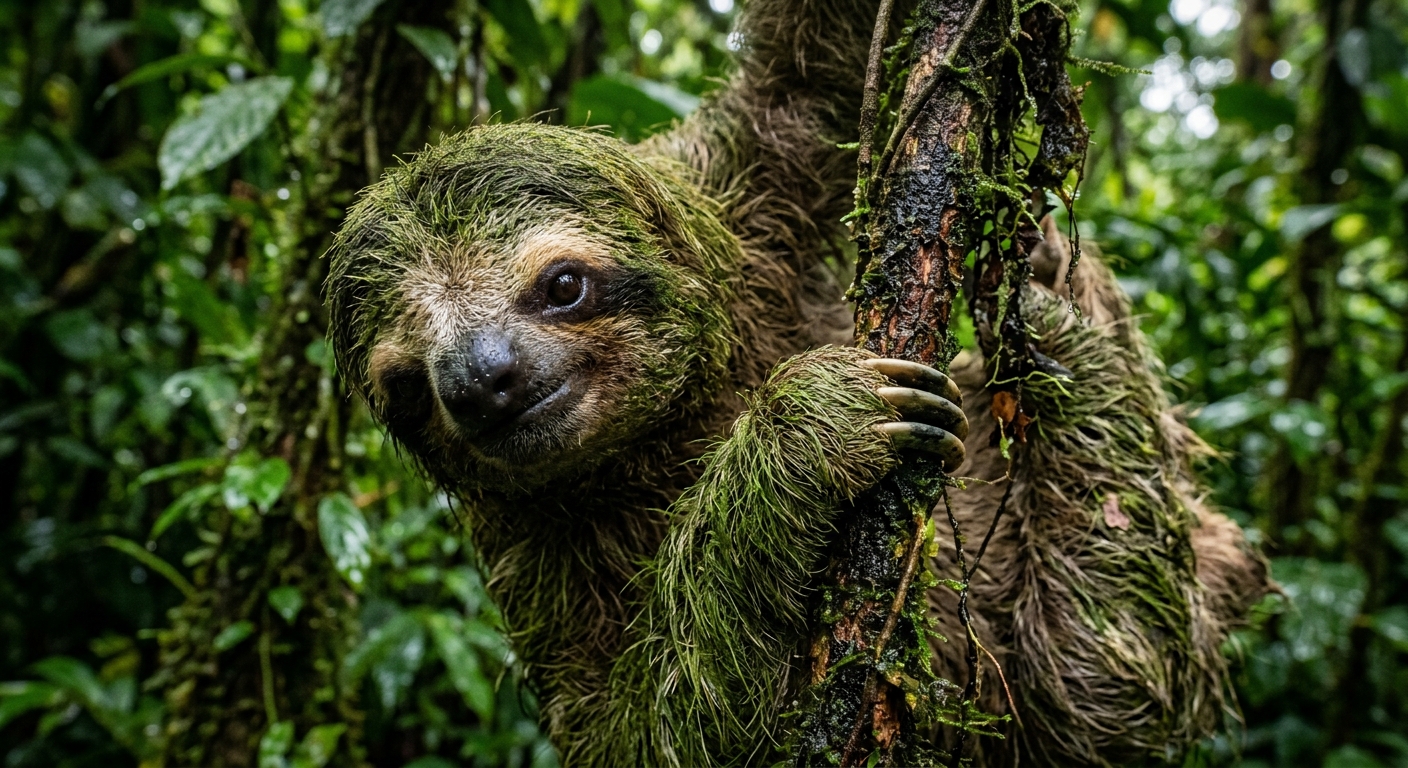
Three-toed sloths move so slowly that algae grows directly on their fur, creating a living ecosystem that provides camouflage, nutrition, and protection. This bizarre symbiotic relationship turns these mammals into walking gardens that host entire communities of insects and microorganisms.
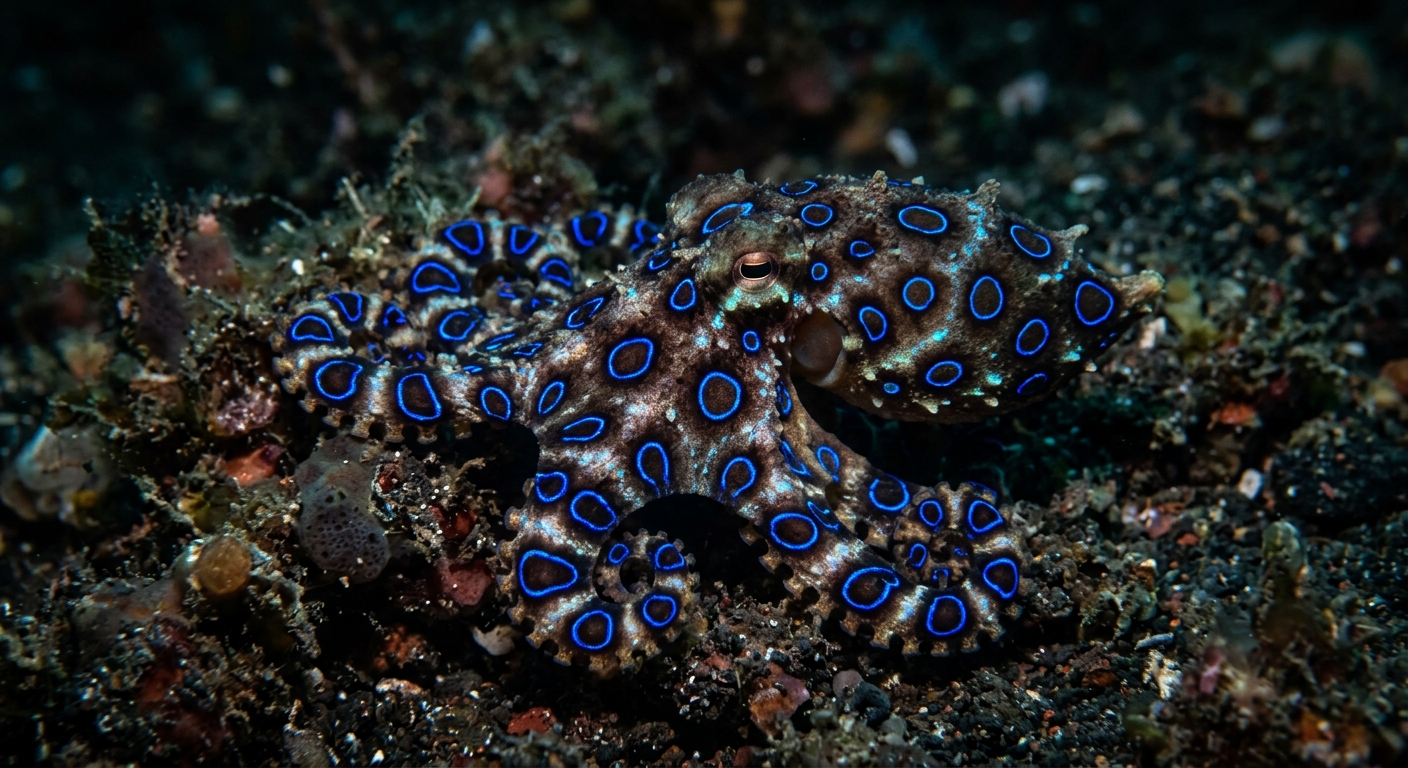
The blue-ringed octopus weighs less than an ounce but carries enough tetrodotoxin venom to kill 26 adult humans within hours. This tiny Indo-Pacific cephalopod flashes brilliant blue warning rings when threatened, signaling the presence of one of nature’s most potent neurotoxins.
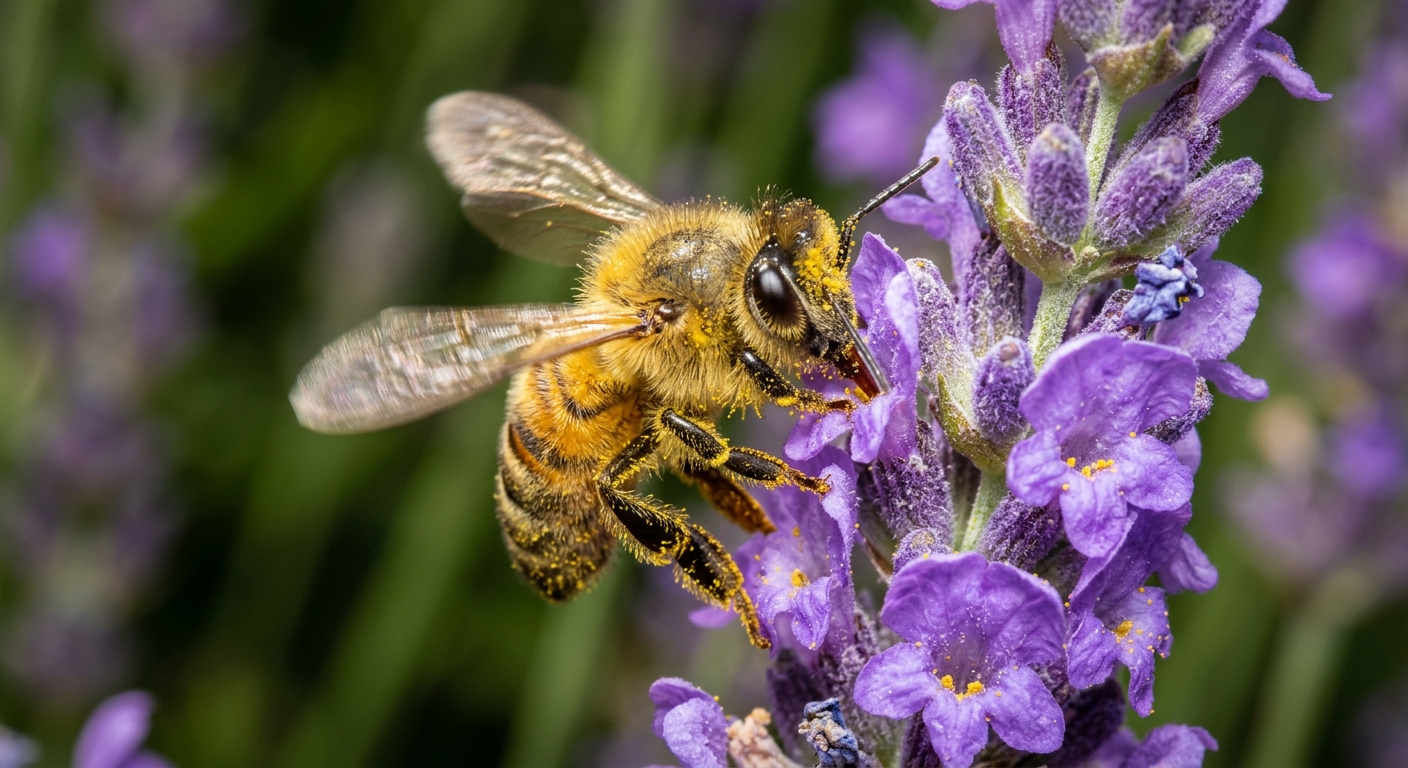
Bees beat their wings an astounding 200 times per second, faster than hummingbirds, but this incredible speed isn’t just for flying. These lightning-fast wing beats are actually essential tools that power the complex process of transforming flower nectar into honey through precise temperature control and evaporation.
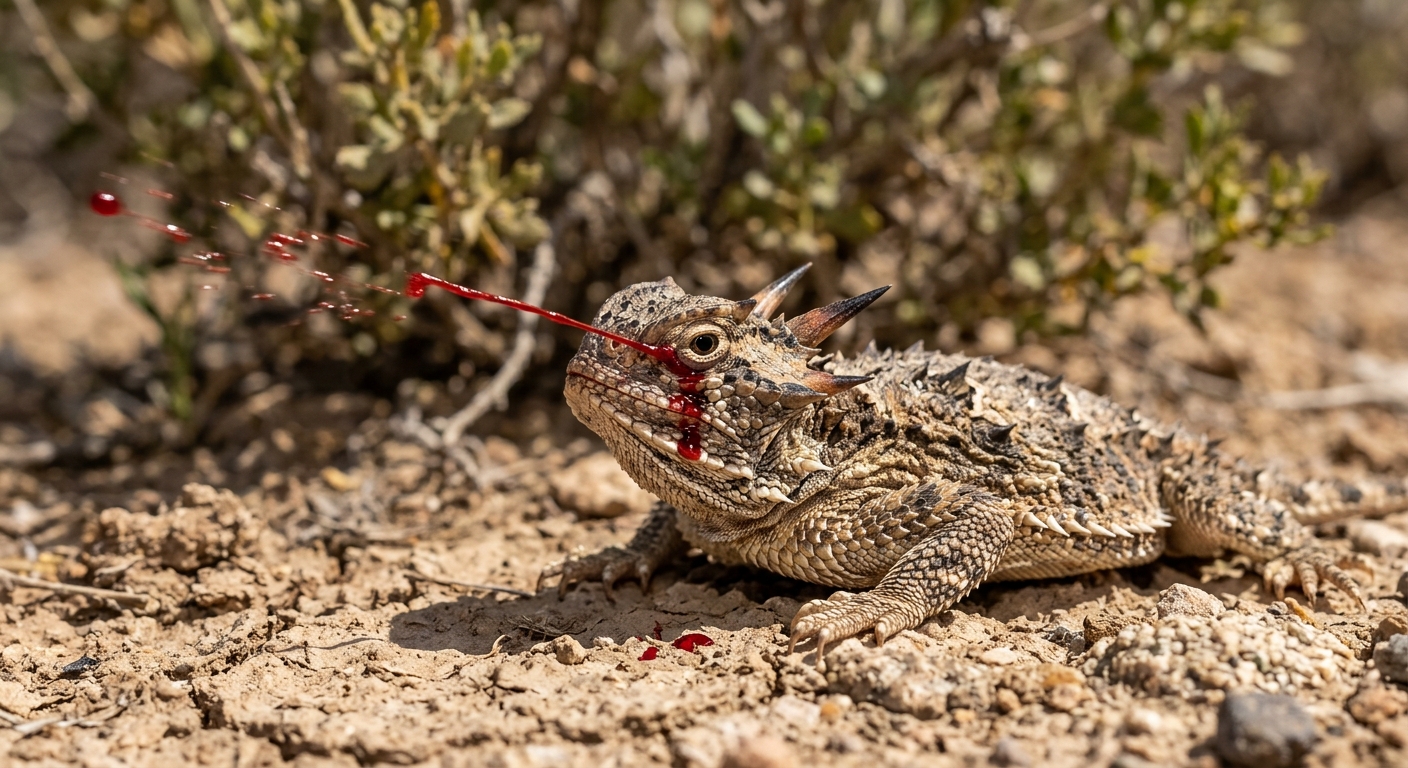
The horned lizard can shoot blood up to five feet from its eyes when threatened, using specialized blood vessels and chemical compounds to repel predators. This shocking defense mechanism is just one of several escalating survival strategies employed by these remarkable desert reptiles.
Tardigrades, microscopic water bears, became the first animals to survive direct exposure to space’s vacuum, deadly radiation, and extreme temperatures without protection. These nearly indestructible creatures can enter a state called cryptobiosis, essentially pausing life itself for decades while enduring conditions that would instantly kill most other organisms.