
In the remote island of Socotra, off the coast of Yemen, stands one of Earth’s most extraordinary and otherworldly trees. The Dragon Blood Tree (Dracaena cinnabari) looks like it belongs on an alien planet, with its distinctive umbrella-shaped canopy and bizarre ability to “bleed” crimson red resin when cut. But perhaps most mind-blowing of all is its incredible lifespan—some specimens have been alive for over 650 years, meaning they were already ancient when Christopher Columbus set sail for the Americas.
A Tree That Defies Everything We Know About Plant Life
The Dragon Blood Tree challenges our understanding of what a tree should look like. Instead of the familiar trunk-and-branches structure we’re used to, this remarkable plant grows in a distinctive umbrella shape called a “candelabra” formation. Its thick, stubby branches spread outward and upward, creating a flat-topped crown that resembles a giant green umbrella against the harsh desert sky.
But the most shocking feature becomes apparent when the tree is damaged or cut: it literally bleeds. A dark crimson resin oozes from wounds in the bark, earning it the dramatic name “dragon’s blood.” This isn’t just a colorful metaphor—the resin is so intensely red that it looks disturbingly similar to actual blood flowing from the tree.
The Science Behind the Supernatural Bleeding
The red resin serves as the tree’s natural defense system and healing mechanism. When the bark is damaged, the tree immediately begins producing this crimson substance to:
- Seal wounds: The resin hardens quickly, creating a protective barrier against infections and parasites
- Deter herbivores: The bitter, astringent taste discourages animals from eating the bark
- Protect against UV radiation: The dark pigments help shield the tree from Socotra’s intense sunlight
- Prevent moisture loss: In the arid environment, every drop of water is precious
Living Legends: Trees That Have Witnessed Centuries
Perhaps the most astounding fact about Dragon Blood Trees is their incredible longevity. These botanical time capsules can live for 650 years or more, making them some of the longest-living trees on Earth. To put this in perspective, the oldest Dragon Blood Trees alive today:
- Were already mature when the Ottoman Empire was at its peak
- Have survived through the rise and fall of multiple civilizations
- Were ancient when the first European explorers reached the Americas
- Have witnessed the entire course of modern human history
The secret to their longevity lies in their extremely slow growth rate and remarkable adaptations to harsh conditions. These trees grow so slowly that they can take 25 years just to reach reproductive maturity, and their thick, waxy leaves and specialized root systems allow them to survive in conditions that would kill most other plants.
Socotra: The Galápagos of the Indian Ocean
The Dragon Blood Tree exists nowhere else on Earth except the island of Socotra, a UNESCO World Heritage site often called the “Galápagos of the Indian Ocean.” This remote island has been isolated for millions of years, allowing unique species like the Dragon Blood Tree to evolve in complete isolation.
Socotra’s extreme isolation—it separated from the Arabian Peninsula over 6 million years ago—created the perfect conditions for evolutionary experimentation. The island’s harsh, arid climate and unique geological features pushed plant life to develop extraordinary survival strategies, resulting in some of the most alien-looking flora on the planet.
A Landscape from Another World
Walking through a Dragon Blood Tree forest is like stepping onto an alien planet. The trees dot the landscape like enormous umbrellas, their distinctive silhouettes creating an otherworldly panorama against Socotra’s rugged mountains and desert plains. During certain times of day, when the light hits just right, the entire landscape takes on an ethereal, almost supernatural quality.
Ancient Medicine and Modern Threats
For thousands of years, the Dragon Blood Tree’s crimson resin has been one of the world’s most prized natural medicines. Ancient civilizations, including the Romans and Greeks, valued dragon’s blood resin more highly than gold for its supposed magical and medicinal properties. The resin was used to:
- Treat wounds and stop bleeding
- Reduce inflammation and pain
- Preserve mummies in ancient Egypt
- Create vibrant red dyes and paints
- Perform religious and mystical ceremonies
Modern scientific analysis has confirmed that the resin does indeed possess antimicrobial and anti-inflammatory properties, validating some of the ancient medicinal uses.
Fighting for Survival in the 21st Century
Despite surviving for hundreds of years, these ancient giants now face their greatest threat: climate change and human activity. Rising temperatures and changing rainfall patterns are making it increasingly difficult for new Dragon Blood Trees to establish themselves. The trees that have stood for centuries are witnessing the gradual disappearance of their own species.
Conservation efforts are now underway to protect these living monuments, but time may be running out for one of Earth’s most extraordinary and ancient life forms.
Witnesses to Deep Time
Standing before a 650-year-old Dragon Blood Tree is a humbling experience that connects us to the vast sweep of history. These trees are living libraries, silent witnesses to centuries of change on our planet. They remind us that life can take forms so extraordinary and alien that they challenge our very understanding of what’s possible on Earth.
In a world where most of us are disconnected from deep time, these bleeding, ancient giants serve as powerful reminders of life’s incredible resilience and the magnificent diversity of our planet’s biological heritage.
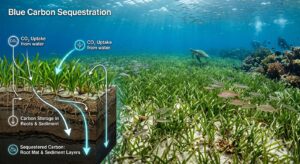

Socotra is such a magical place underwater too, and honestly seeing those Dragon Blood Trees makes me think about how fragile these ancient ecosystems really are. I got to dive near there a few years back and the biodiversity is absolutely stunning, but climate change and ocean acidification are creeping in and threatening everything from the coral to the seagrass beds these trees depend on. Have you ever looked into how Socotra’s marine environment connects to the health of these trees? It’s a reminder that we need to protect these places as whole systems, not just the charismatic species.
Log in or register to replyThose dragon blood trees are absolutely stunning, and you’re so right about the fragility, Connie. It makes me think about how we can protect ancient ecosystems by supporting the smaller, more local species right where we live, you know? Even planting native species in our own yards creates these little refuges that add up across neighborhoods and regions, which hopefully takes some pressure off the really threatened places like Socotra.
Log in or register to replyThis is such a fascinating example of how nature’s biodiversity is literally irreplaceable, and it honestly reminds me of why I’m so passionate about conservation across all species. The Dragon Blood Tree’s resilience over 650 years is incredible, but what really gets me is thinking about how we’ve lost so many primate habitats in that same timeframe – Jane Goodall’s work in Gombe showed us that when we lose forests, we lose entire communities with their own complex social structures and knowledge systems. These ancient ecosystems are interconnected in ways we’re still discovering, and protecting trees like these means protecting the animals that depend on them too.
Log in or register to reply