Deep in the Mojave Desert, an unassuming shrub called the creosote bush has been continuously alive for 11,700 years, making it one of Earth’s oldest living organisms. Through clonal reproduction and remarkable desert adaptations, this ancient plant has witnessed the entire span of human civilization while thriving in one of the planet’s harshest environments.
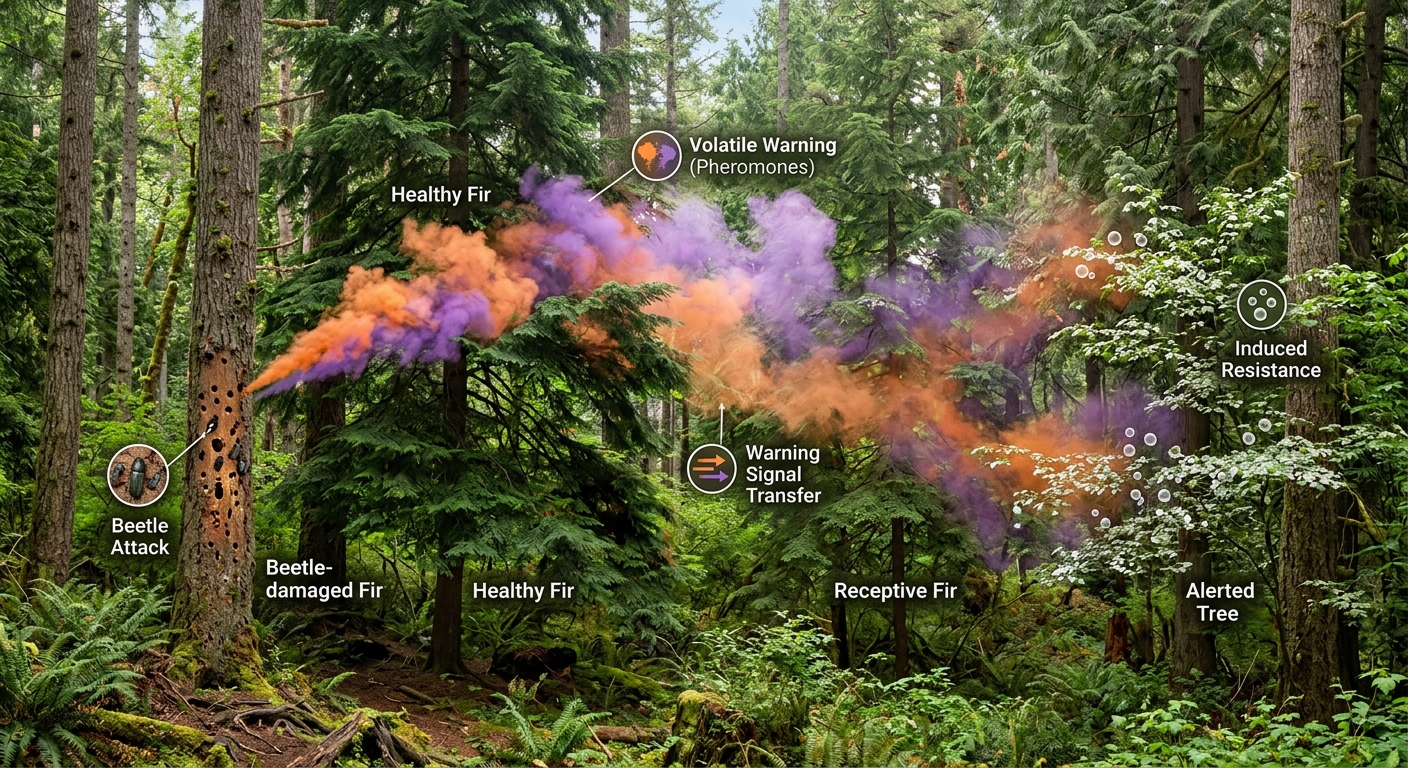
Ancient trees have been operating a sophisticated chemical communication network for millions of years, warning each other about insect attacks through airborne molecular messages. This invisible forest internet allows trees to coordinate defenses and share critical survival information faster than our modern technology.
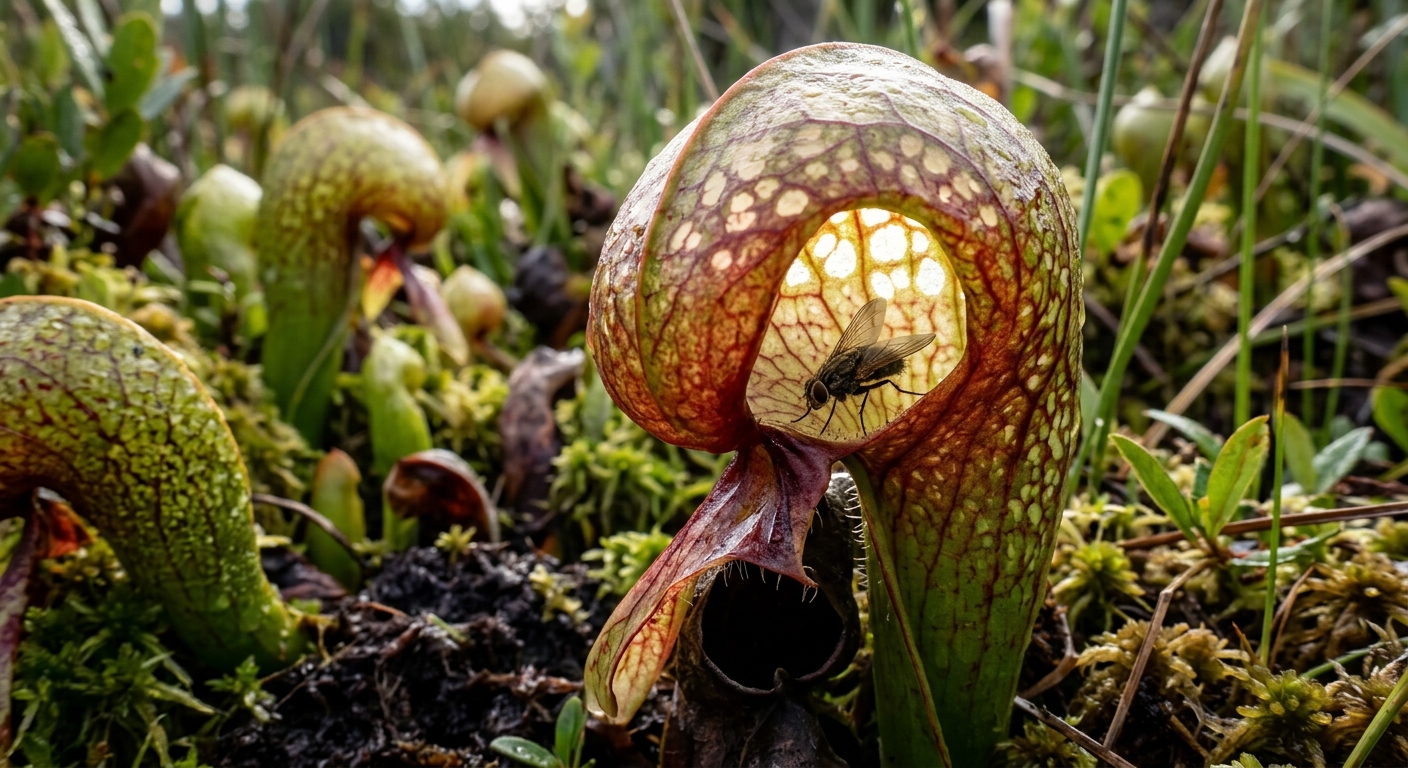
The Cobra Lily uses translucent false windows to create deadly optical illusions that trap insects in an inescapable death maze. This carnivorous plant exploits insect psychology by making fake exits appear bright while hiding the real escape route in shadow.
Mushroom spores ride high-altitude jet streams to travel thousands of miles across continents and oceans, surviving extreme conditions to colonize new environments. This invisible aerial migration shapes ecosystems worldwide and connects distant parts of our planet through microscopic travelers.
The Welwitschia mirabilis produces only two leaves in its entire lifetime, but these leaves grow continuously for over 1,000 years and never fall off. This desert survivor creates one of nature’s most bizarre spectacles in Africa’s Namib Desert.
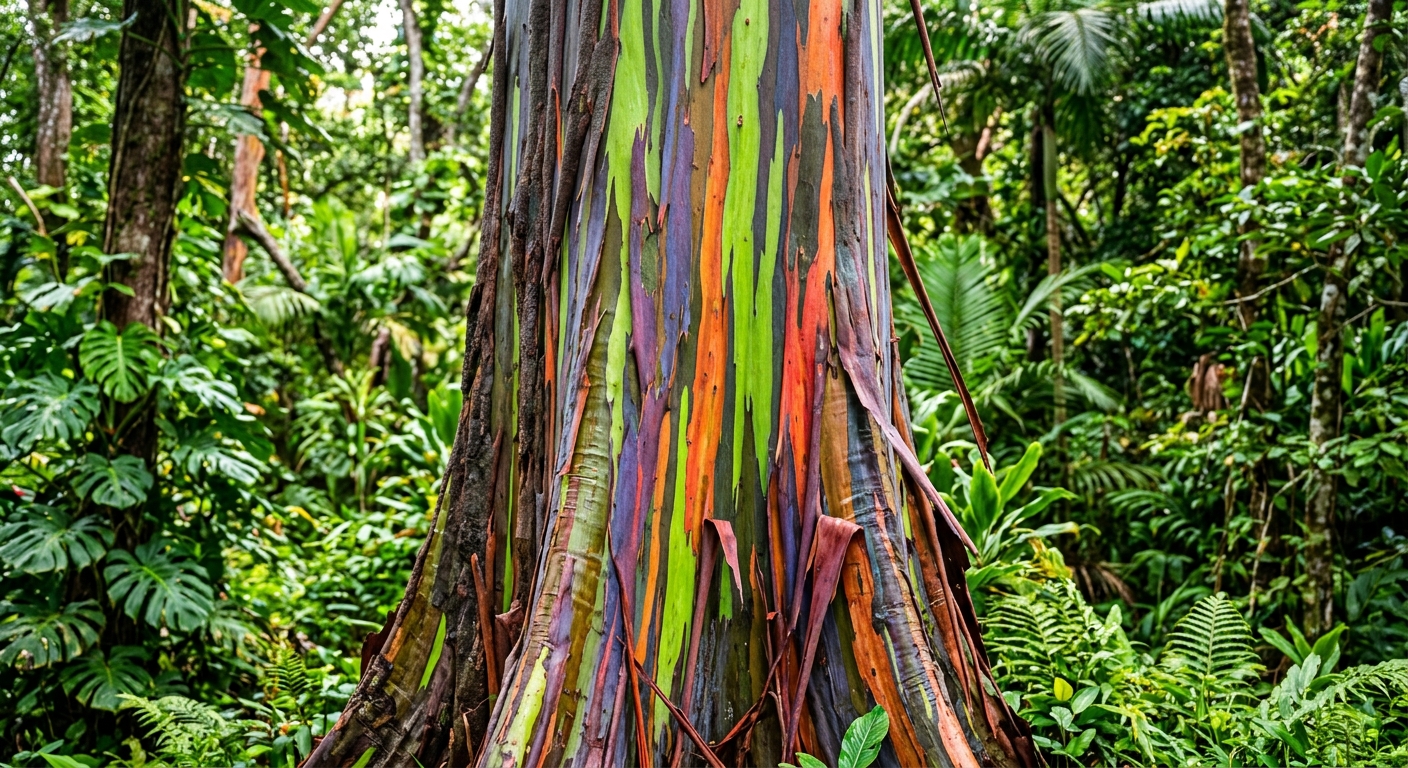
The Rainbow Eucalyptus continuously sheds its bark like a snake molting, revealing brilliant neon colors underneath that shift from green to blue, purple, orange, and maroon. This spectacular natural process creates a living kaleidoscope that makes these trees look more like giant paint brushes than ordinary forest giants.
Scientists have discovered that sundew plants can actually count the number of times an insect touches their sticky tentacles before deciding to close their deadly trap. This remarkable mathematical ability allows these carnivorous plants to conserve energy by distinguishing between worthwhile prey and false alarms.
A controversial theory suggests that psilocybin mushrooms encountered by early humans in African grasslands may have catalyzed the rapid evolution of human consciousness and intelligence. Modern neuroscience research reveals surprising support for how these fungi enhance brain plasticity, creativity, and social bonding.
Hidden in California’s harsh mountains, bristlecone pines have survived over 5,000 years in conditions that would kill most life forms within seasons. These ancient trees hold secrets to extreme longevity and serve as living libraries of Earth’s climate history.
The world’s largest flower, Rafflesia, grows up to 3 feet across but has no stem, leaves, or roots of its own. This parasitic plant lives entirely inside host vines and emerges only to produce its massive, corpse-scented bloom for just one week before dying.