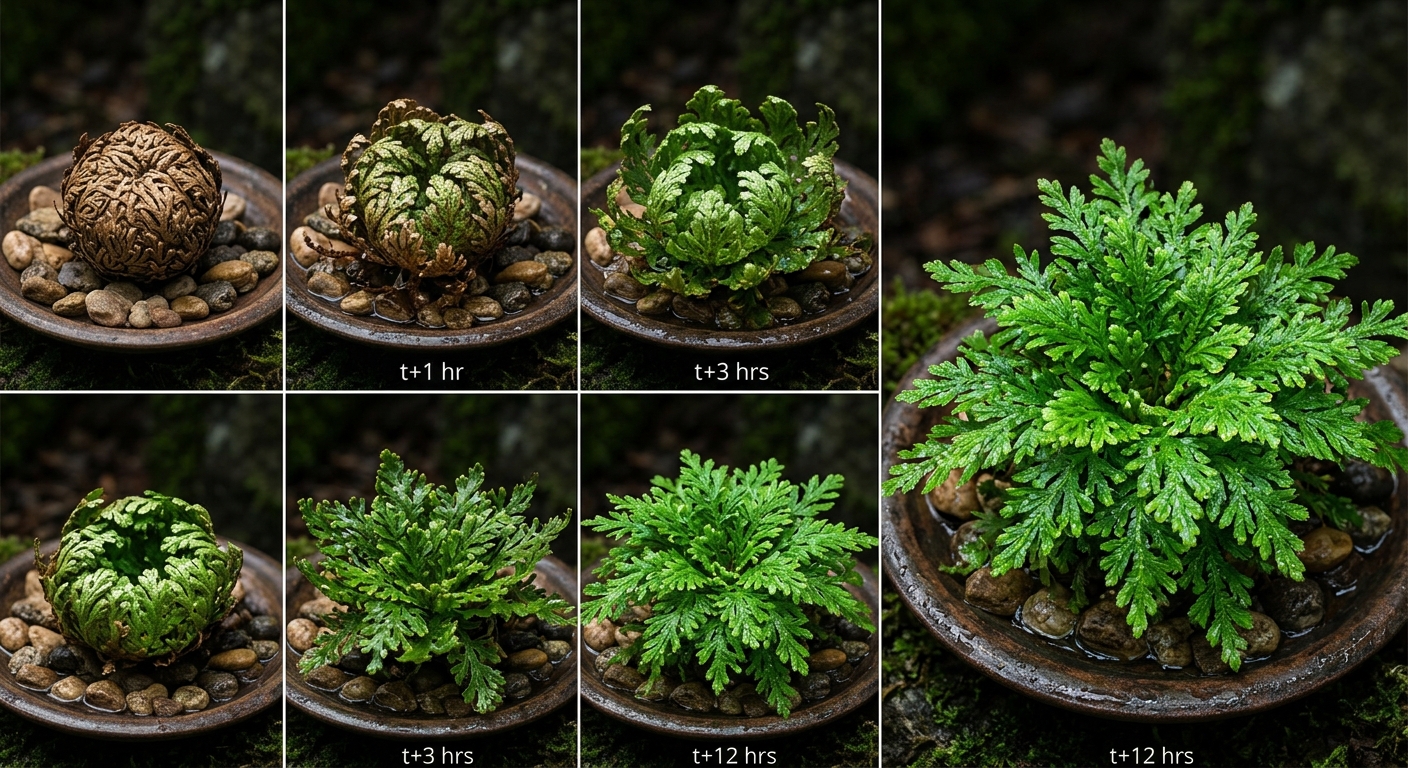
Resurrection plants can survive complete dehydration for decades, appearing totally dead while retaining the ability to spring back to life with just water. These botanical marvels have evolved extraordinary cellular protection mechanisms that allow them to cheat death in some of Earth’s harshest environments.
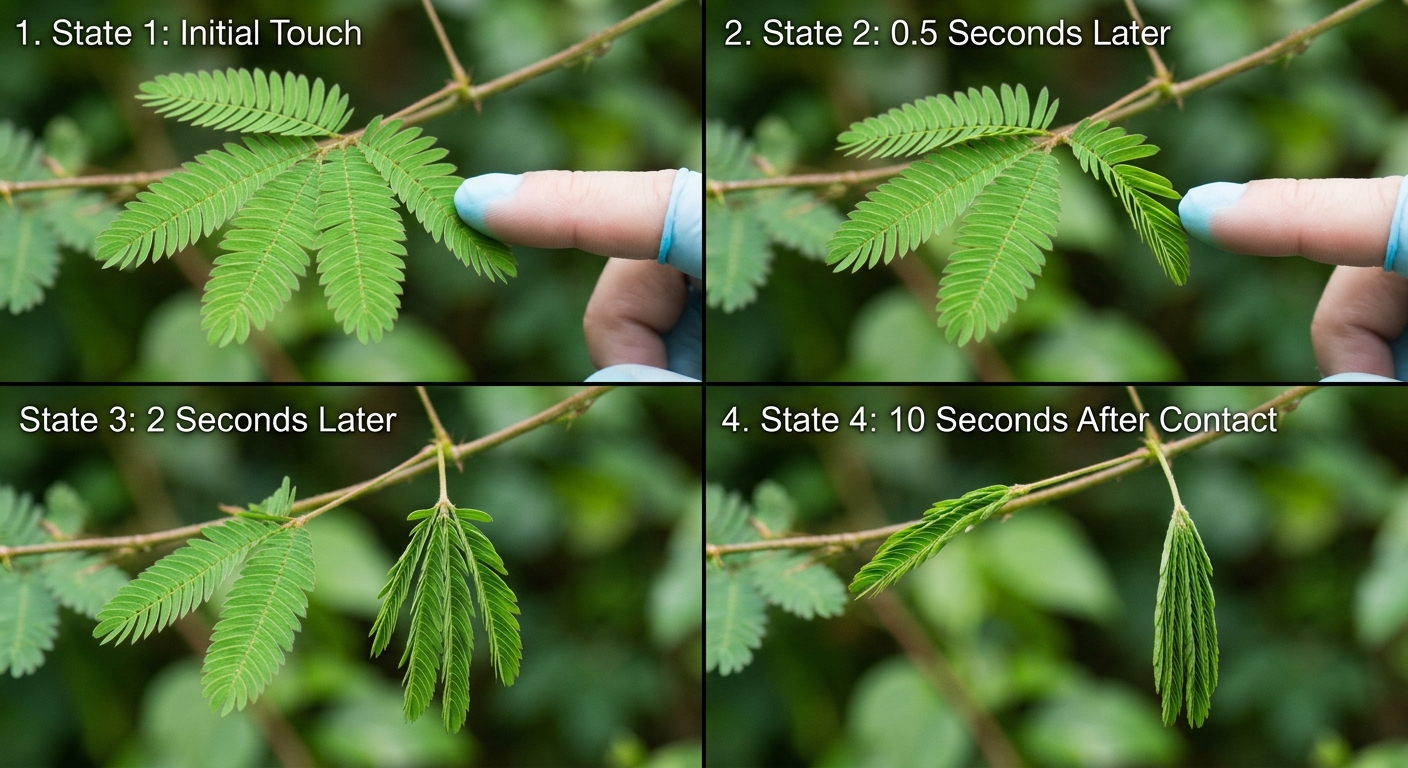
The sensitive plant doesn’t just fold its leaves when touched, it actually learns to ignore repeated harmless disturbances and remembers these lessons for weeks. This discovery of plant memory is revolutionizing our understanding of intelligence in the natural world.
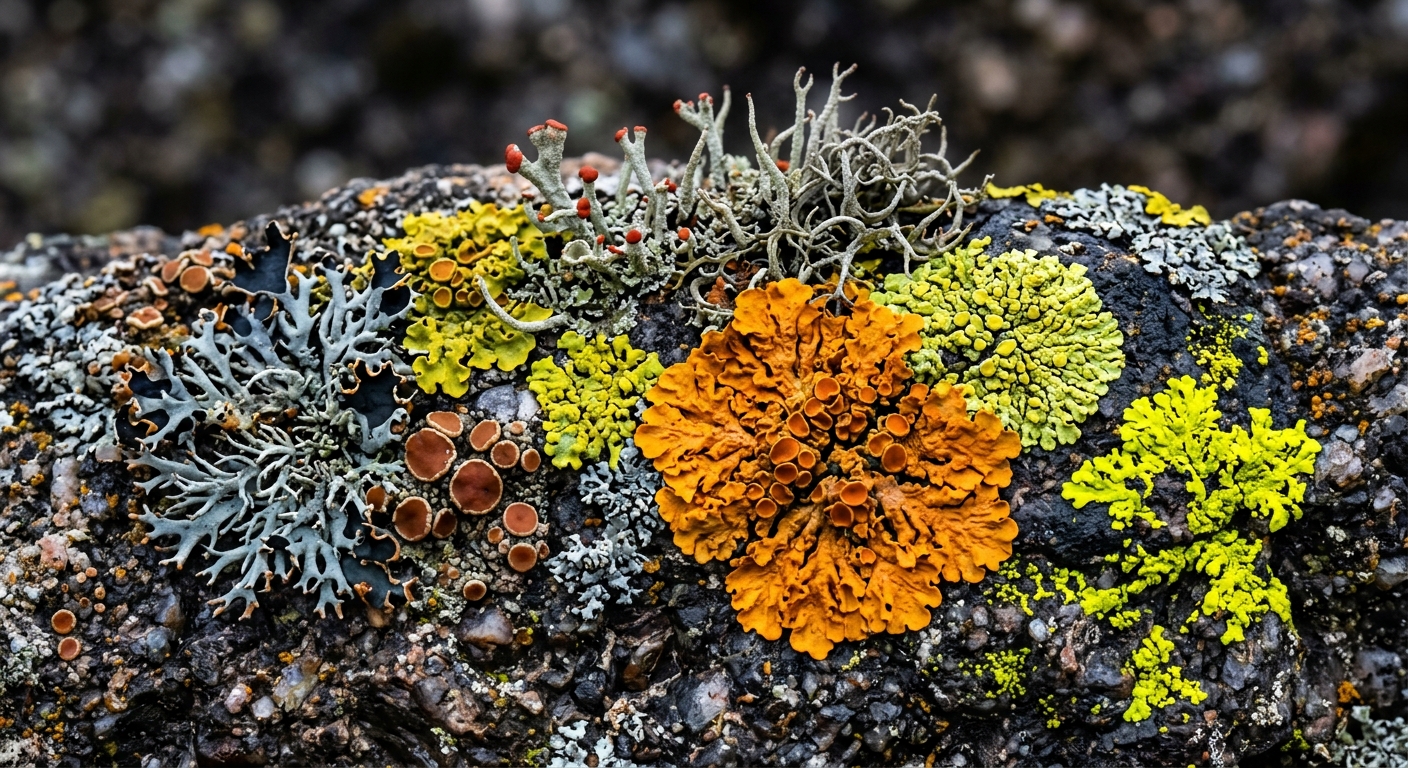
Those colorful patches on rocks and trees that look like simple plants are actually one of nature’s most successful partnerships: a fusion of fungi and algae living as a single organism. This biological alliance is so effective that lichens have conquered environments from Arctic tundra to desert rocks, surviving conditions that would kill most other life forms.
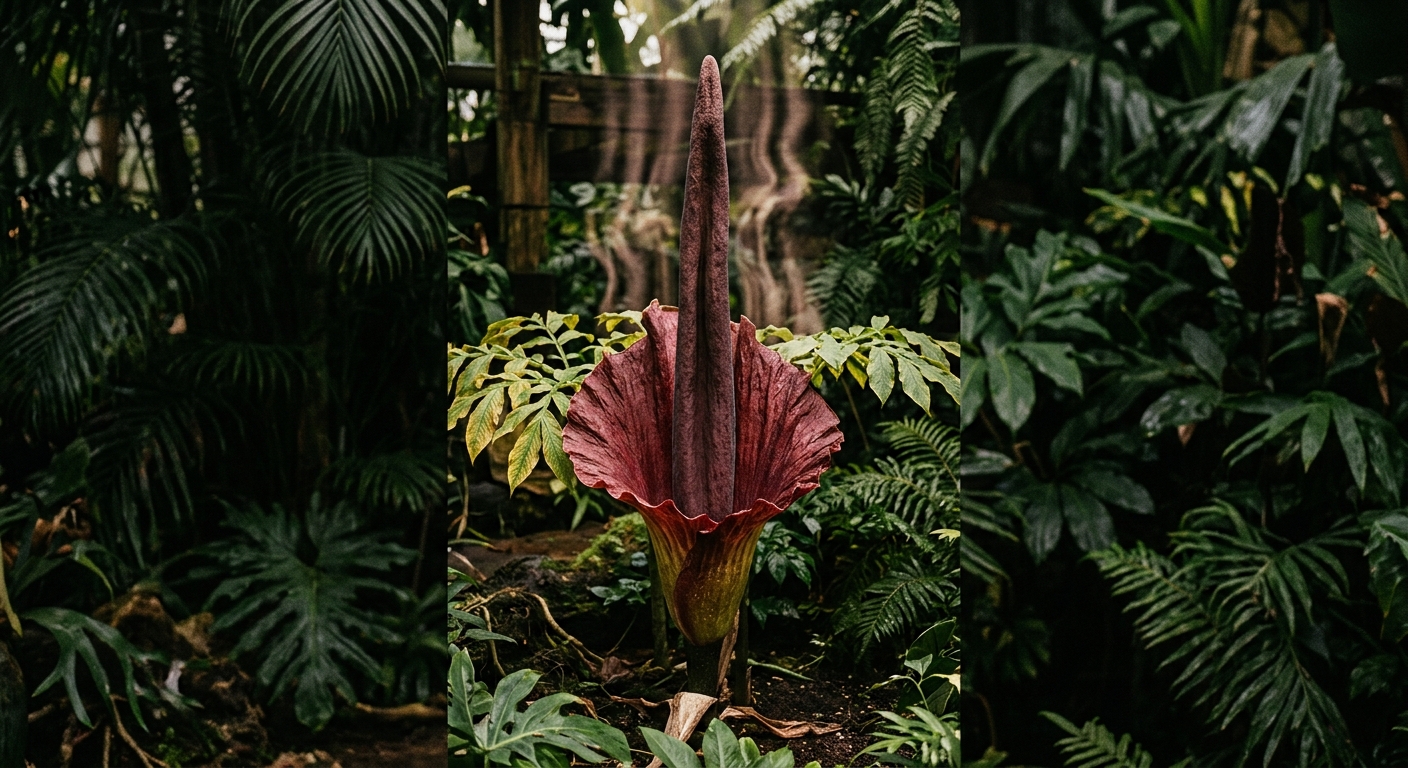
The massive Titan Arum flower can heat itself to 98°F through a remarkable process called thermogenesis, generating its own thermal energy to amplify its corpse-like smell. This biological furnace attracts carrion insects from over a mile away, representing one of nature’s most sophisticated pollination strategies.
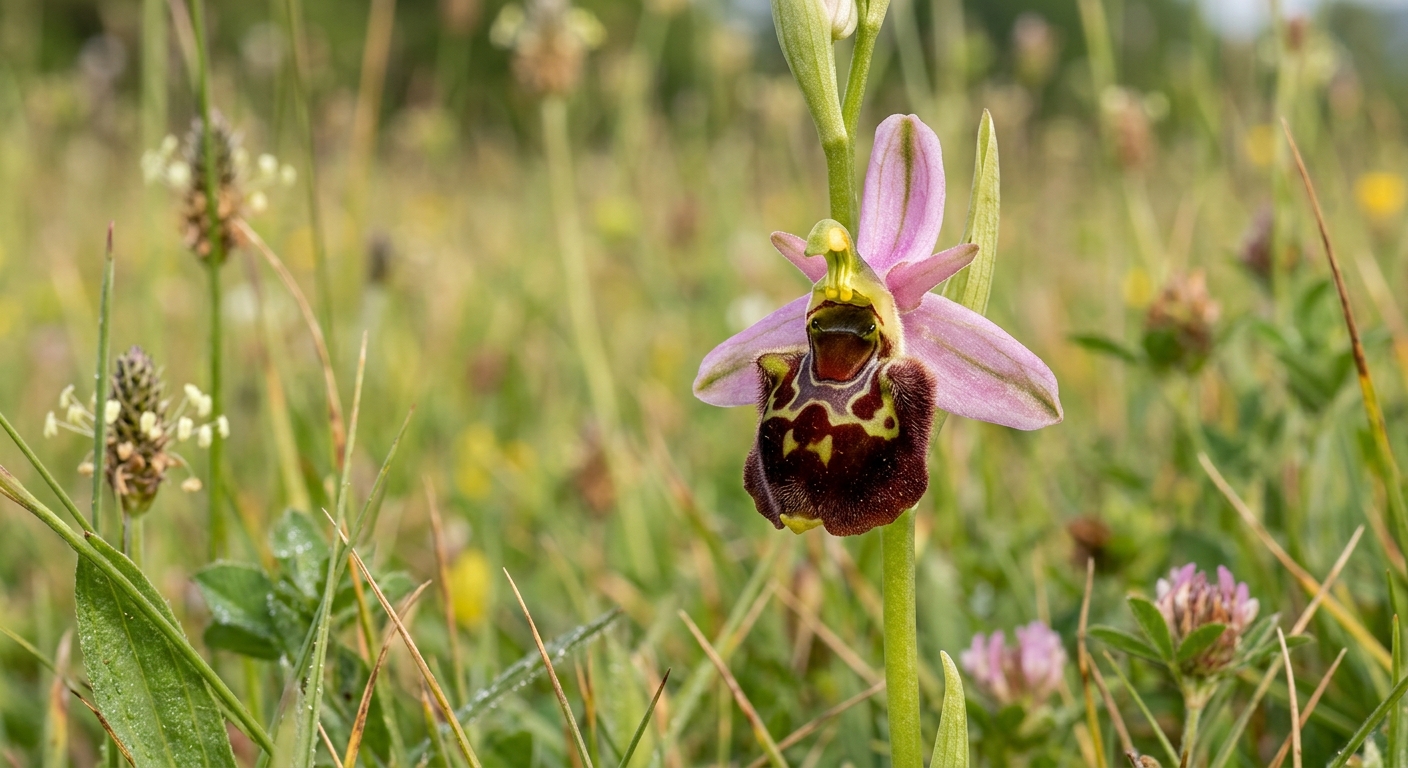
Certain orchid species have evolved to perfectly mimic female wasps in both appearance and scent, tricking male wasps into attempting to mate with the flowers. This elaborate deception results in the frustrated males unknowingly pollinating the orchids in what scientists call pseudocopulation.
Inside Chernobyl’s radioactive ruins, scientists discovered black mold that doesn’t just survive deadly radiation but actually feeds on it, using nuclear energy as food through a process called radiosynthesis. This extraordinary fungus is thriving in one of Earth’s most hostile environments and could revolutionize everything from nuclear cleanup to space exploration.
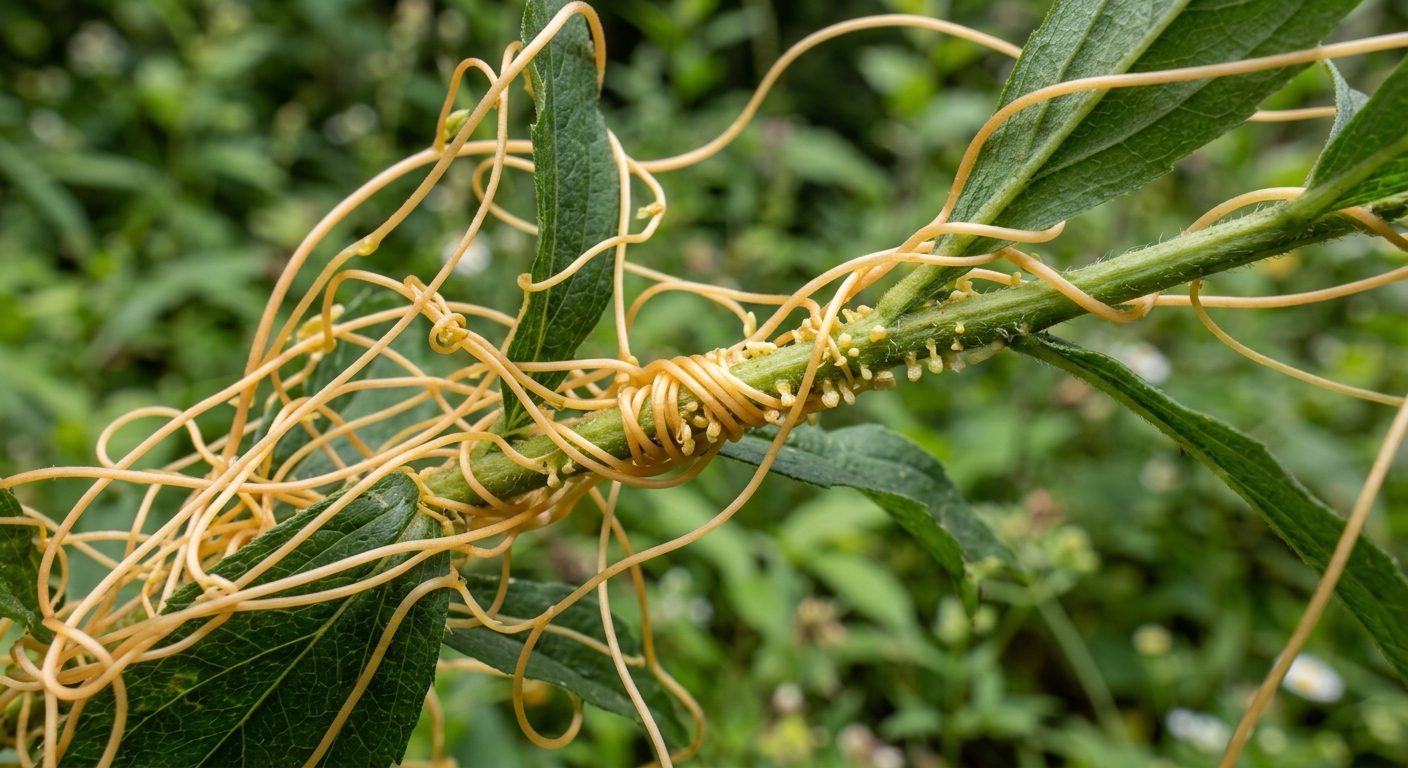
Deep in South America’s rainforests lives a parasitic plant with no chlorophyll that hunts by smell and drinks nutrients directly from other plants. This botanical vampire has abandoned photosynthesis entirely to become nature’s most sophisticated plant parasite.
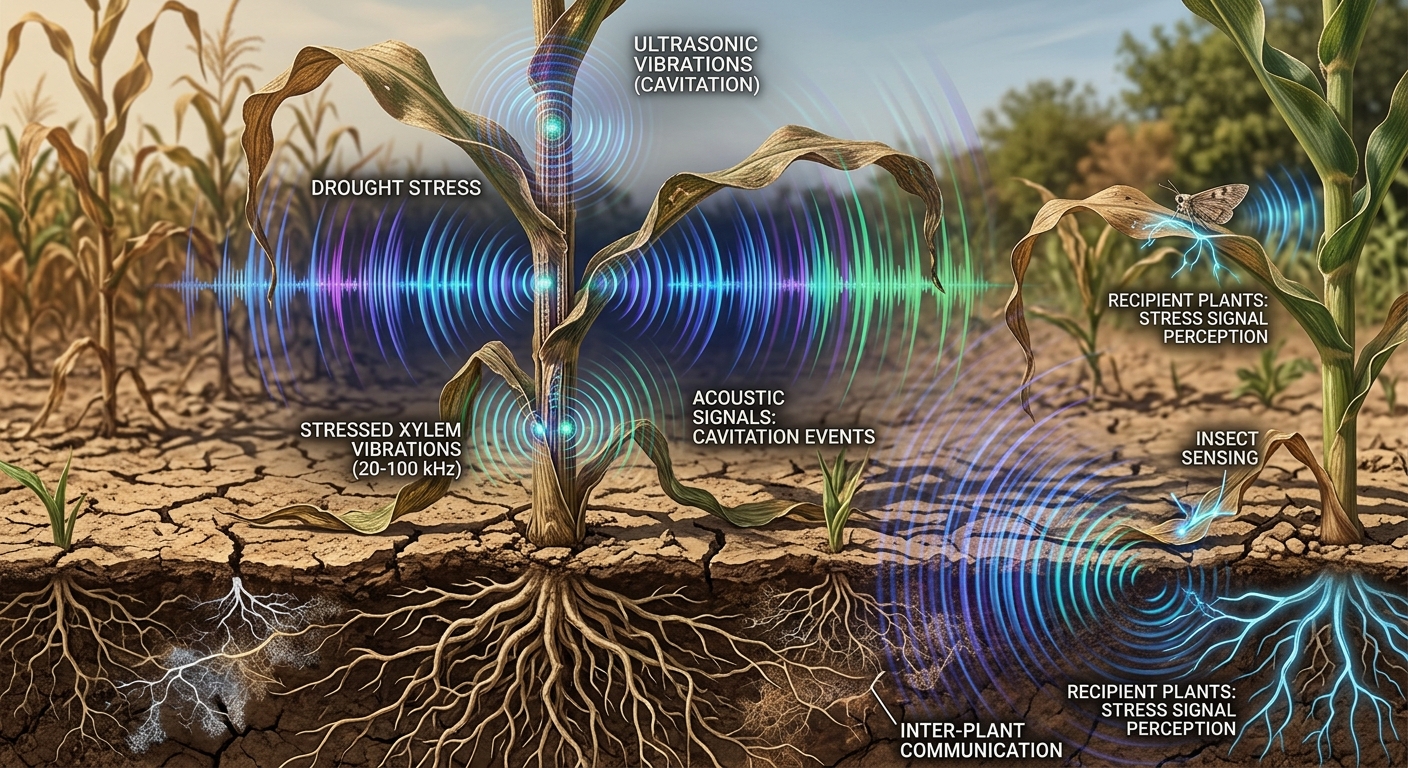
Scientists have discovered that plants emit ultrasonic screams when cut or drought-stressed, producing distinct sound patterns that vary based on their condition. These findings reveal a hidden world of plant communication occurring beyond human hearing range.
Deep in New Zealand’s grasslands grows a remarkable plant that creates music when the wind blows through its specially evolved stems and seed heads. This unique grass species turns entire landscapes into natural orchestras, producing haunting melodies that have guided indigenous communities for generations.
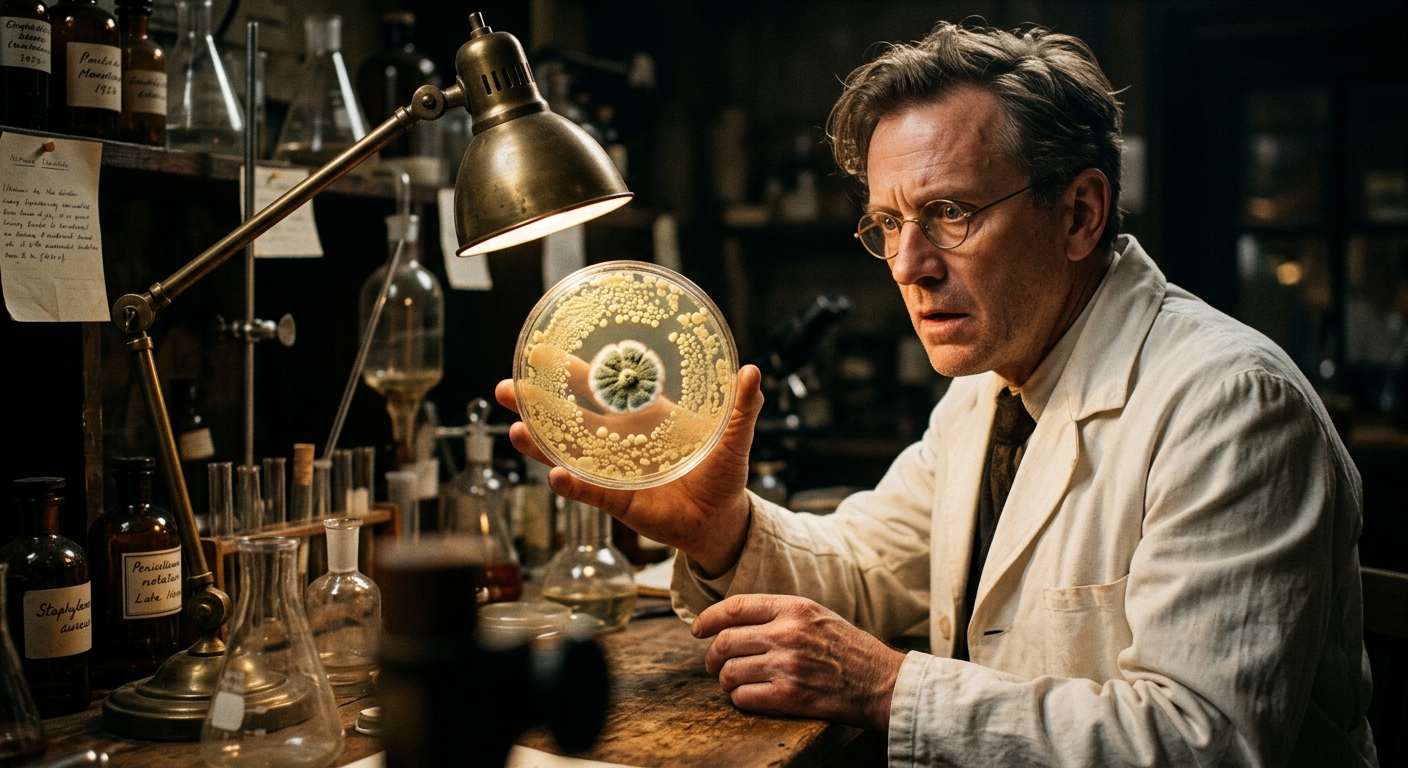
In 1928, Alexander Fleming returned from vacation to find his lab contaminated with mold, but instead of throwing away the “ruined” bacterial cultures, his curiosity led to the discovery of penicillin. This accidental observation of a mold killing bacteria would become the foundation for modern antibiotics and save over 200 million lives.