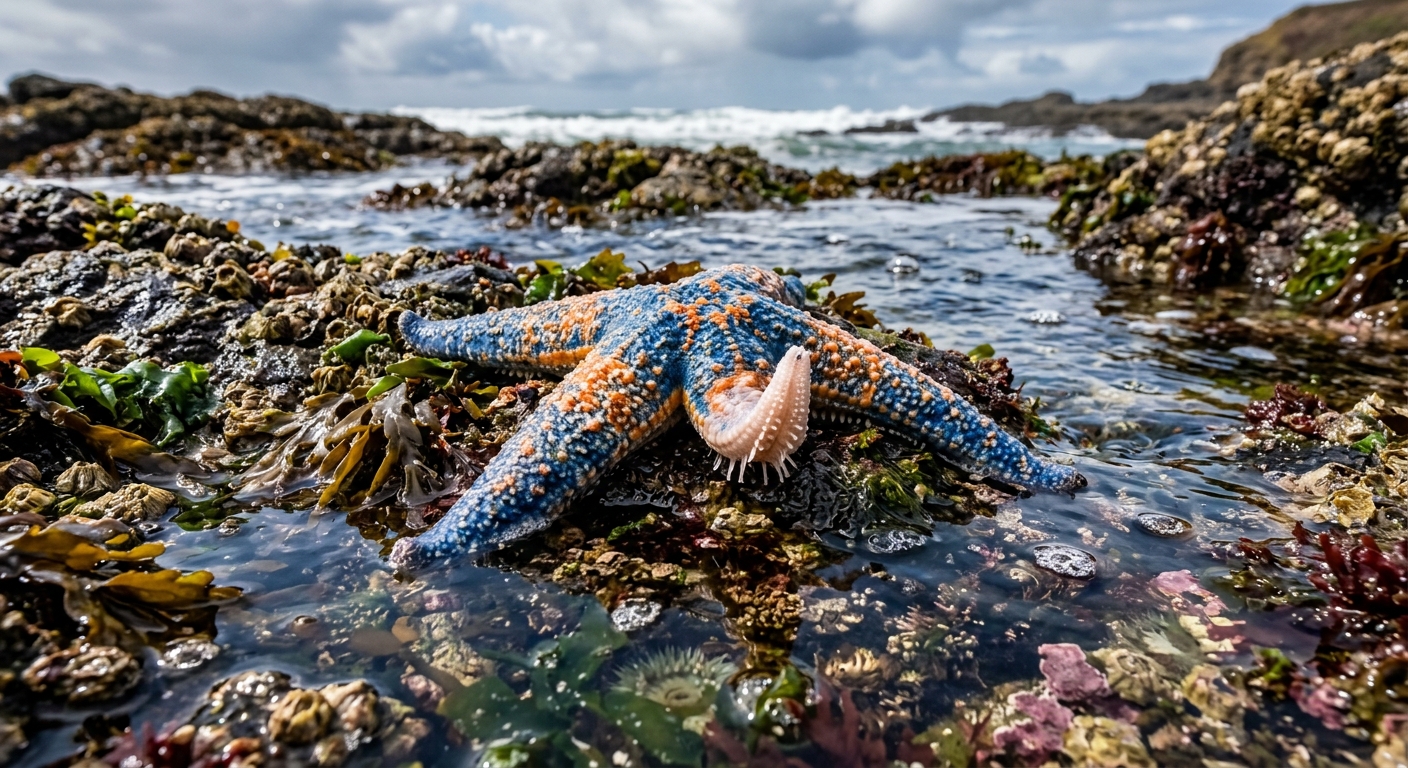
Starfish perform biological miracles without a single brain cell, using distributed nerve networks to navigate and hunt. Even more remarkably, a single severed arm can regenerate into a completely new animal through stem cell magic that scientists are racing to understand.
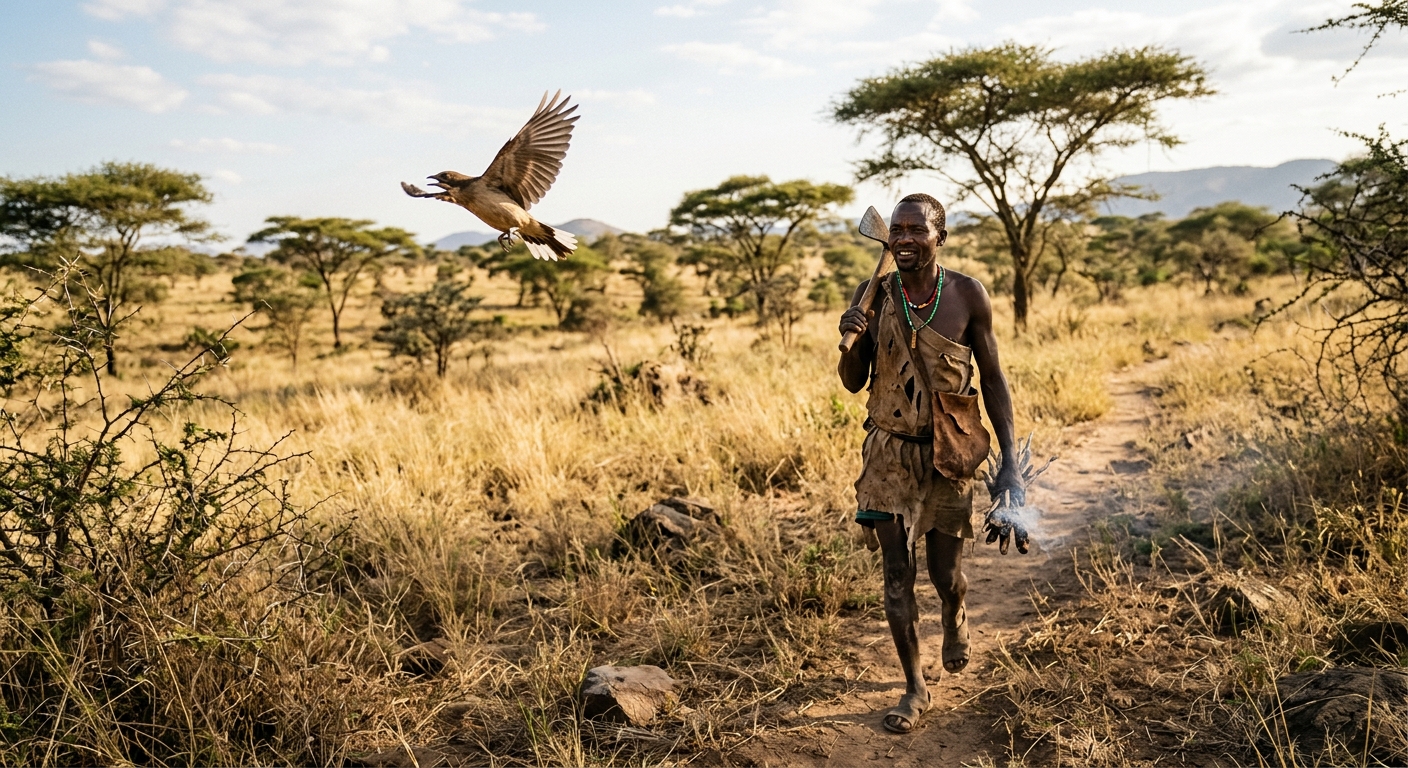
The Greater Honeyguide bird has mastered an extraordinary skill that sounds like pure fantasy: it can communicate with humans using sophisticated calls and flight patterns to lead them directly to hidden beehives. This remarkable partnership has been documented across Africa for over 20,000 years, representing one of nature’s most successful examples of interspecies communication and cooperation.
The reintroduction of wolves to Yellowstone National Park triggered an extraordinary chain reaction that literally changed the course of rivers and reshaped the landscape. This remarkable example of a trophic cascade shows how a single predator species can engineer entire ecosystems through the “landscape of fear.”
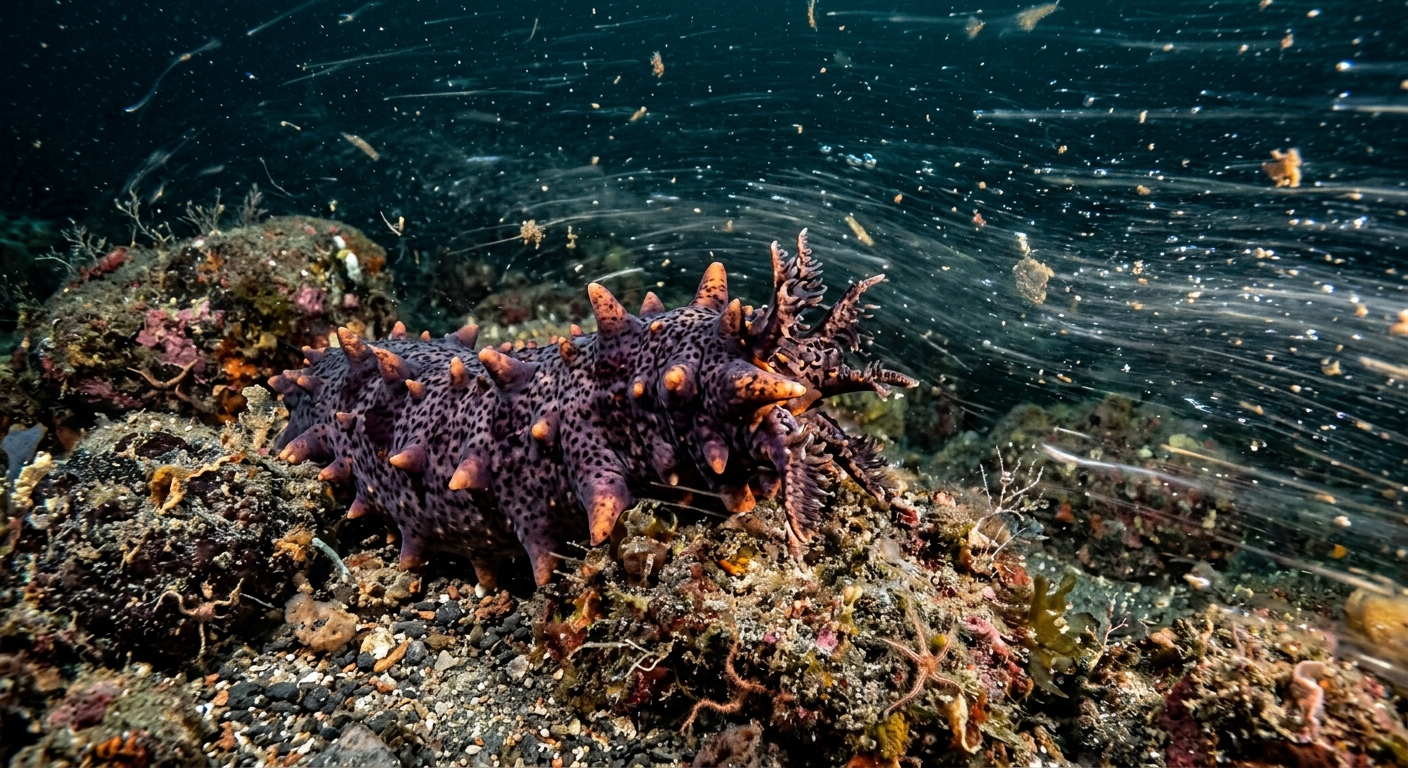
Sea cucumbers have evolved one of nature’s strangest breathing methods, using their anus to pump water through specialized internal organs called respiratory trees. This bizarre adaptation allows them to extract oxygen while keeping their heads buried in ocean sediment, proving that evolution’s solutions can be both weird and wonderful.
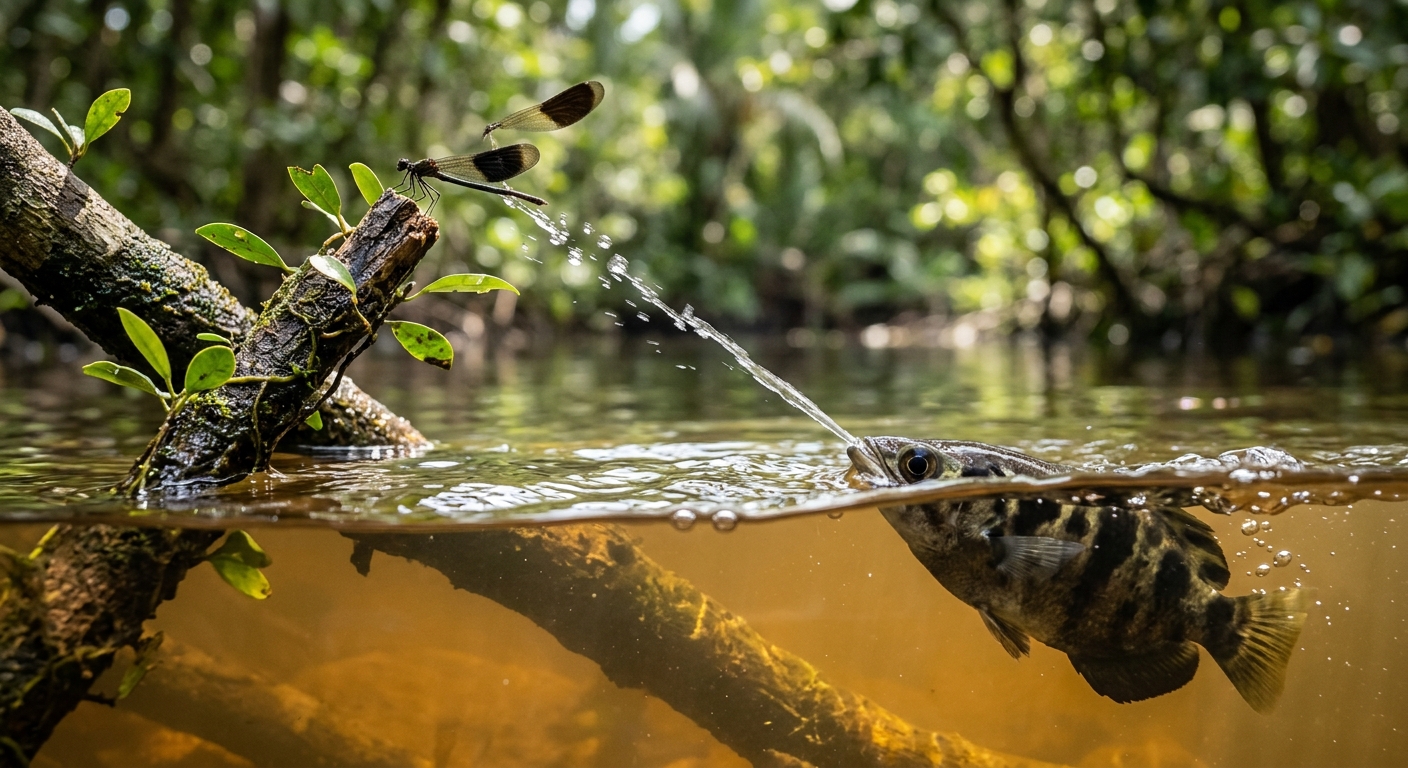
Archerfish have evolved the extraordinary ability to shoot high-pressure water jets with sniper-like accuracy to knock insects and small animals from overhanging branches into the water below. These aquatic marksmen can hit targets up to 6 feet away while automatically compensating for complex physics like light refraction, making them one of nature’s most precise hunters.
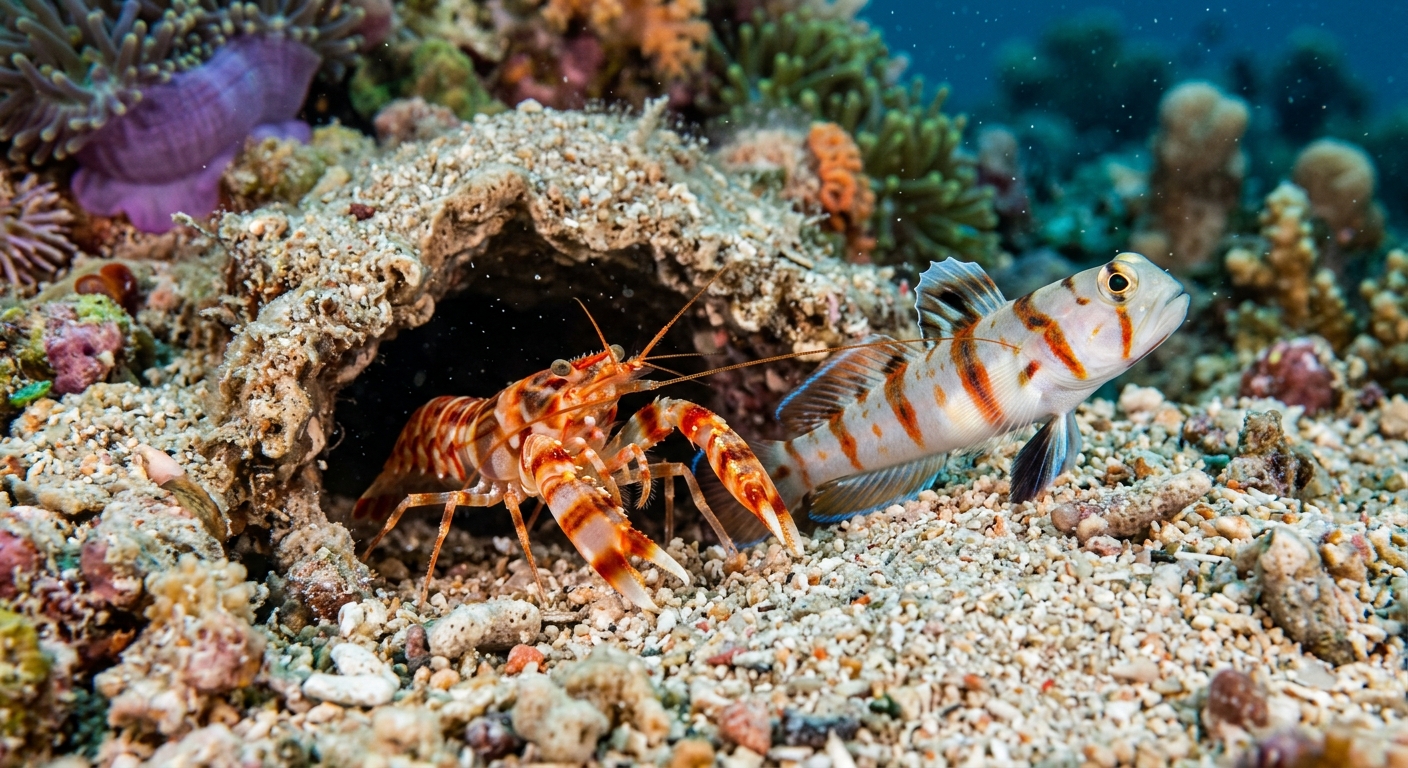
For over 50 million years, the nearly blind pistol shrimp and sharp-eyed goby fish have maintained one of nature’s most sophisticated partnerships. This remarkable duo has developed an intricate communication system and mutual dependency that challenges everything we know about interspecies cooperation.
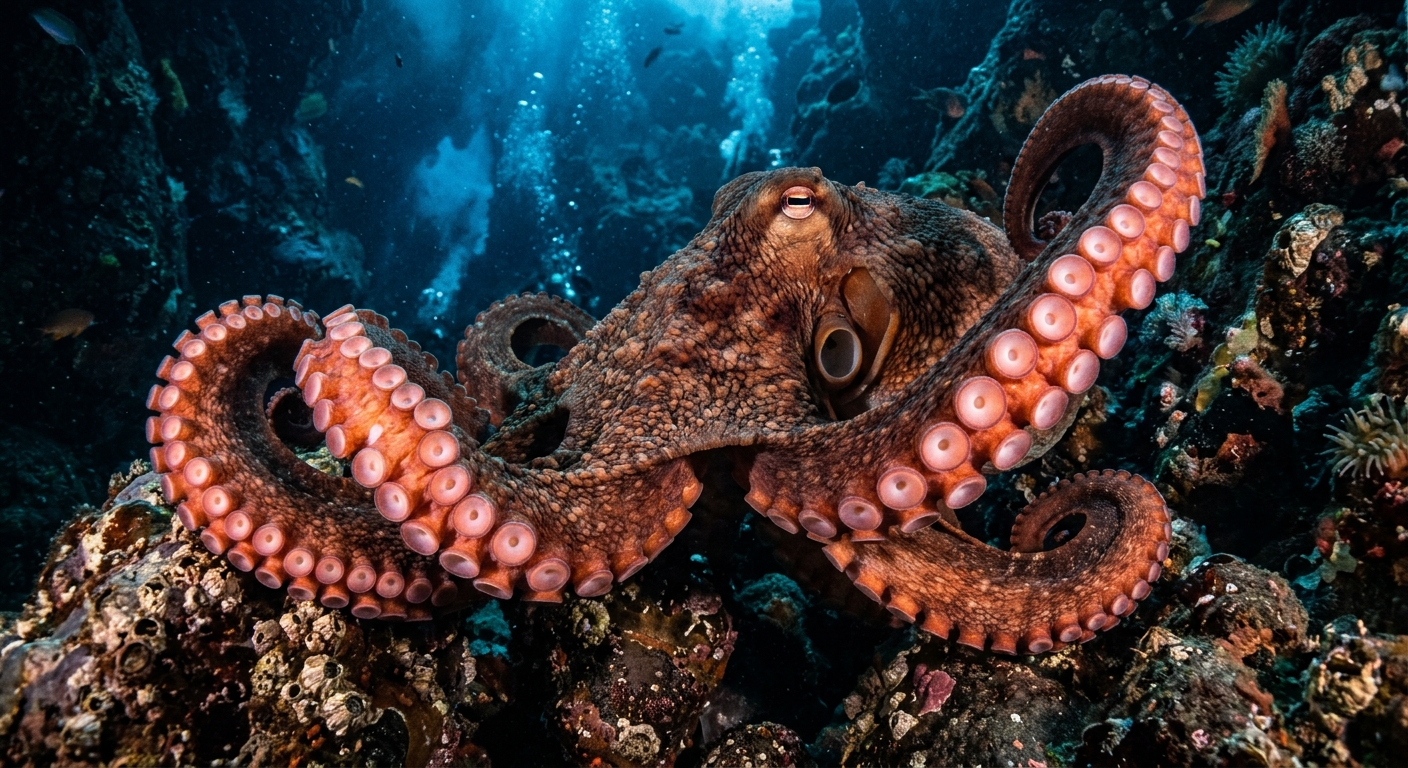
Octopuses possess three hearts and blue blood containing copper instead of iron, representing millions of years of evolution perfectly adapted for deep-sea survival. These alien-like cardiovascular adaptations allow efficient oxygen transport in cold, low-oxygen ocean environments where these remarkable cephalopods thrive.
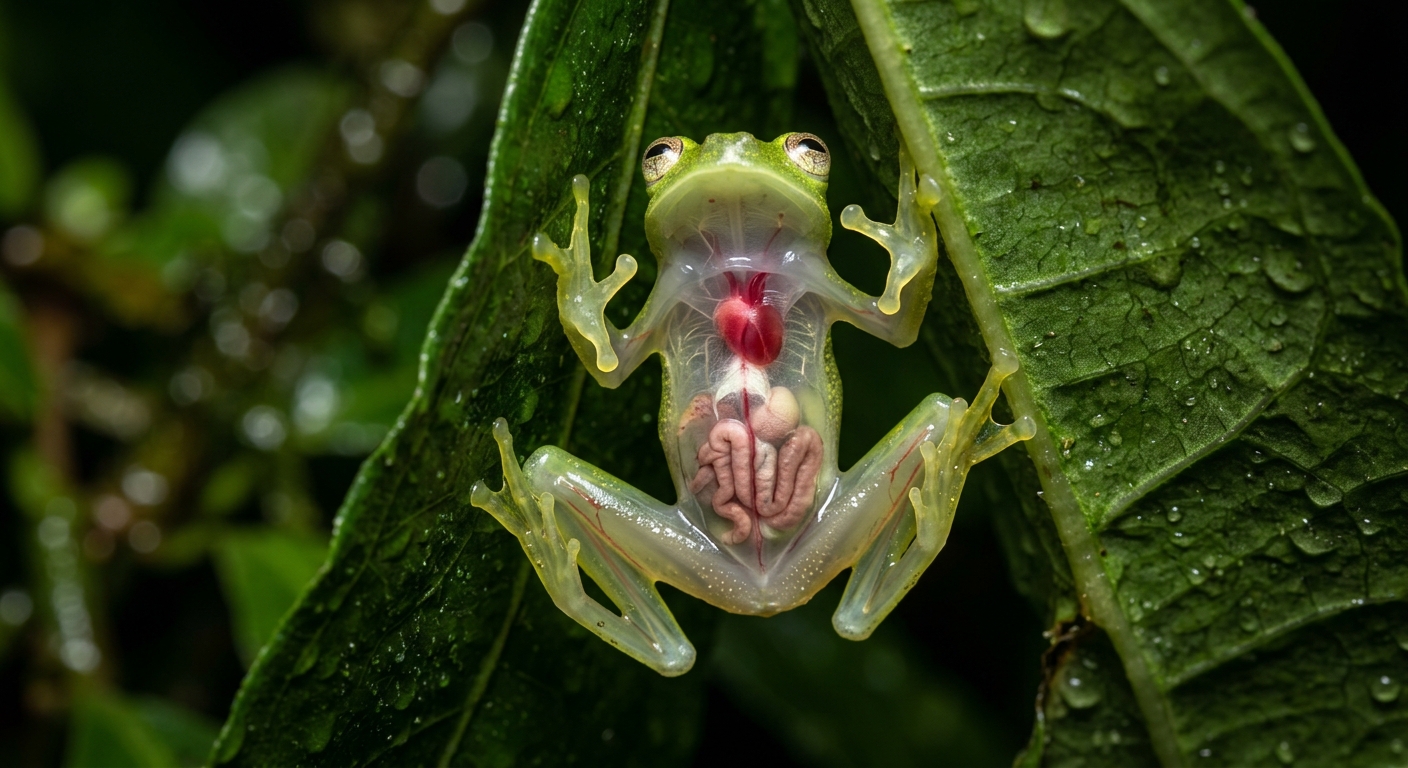
Glass frogs are remarkable amphibians with transparent skin that allows you to see their hearts beating and blood flowing in real-time. These incredible creatures use their see-through bodies as camouflage, making them nearly invisible to predators when resting on leaves in rainforest canopies.
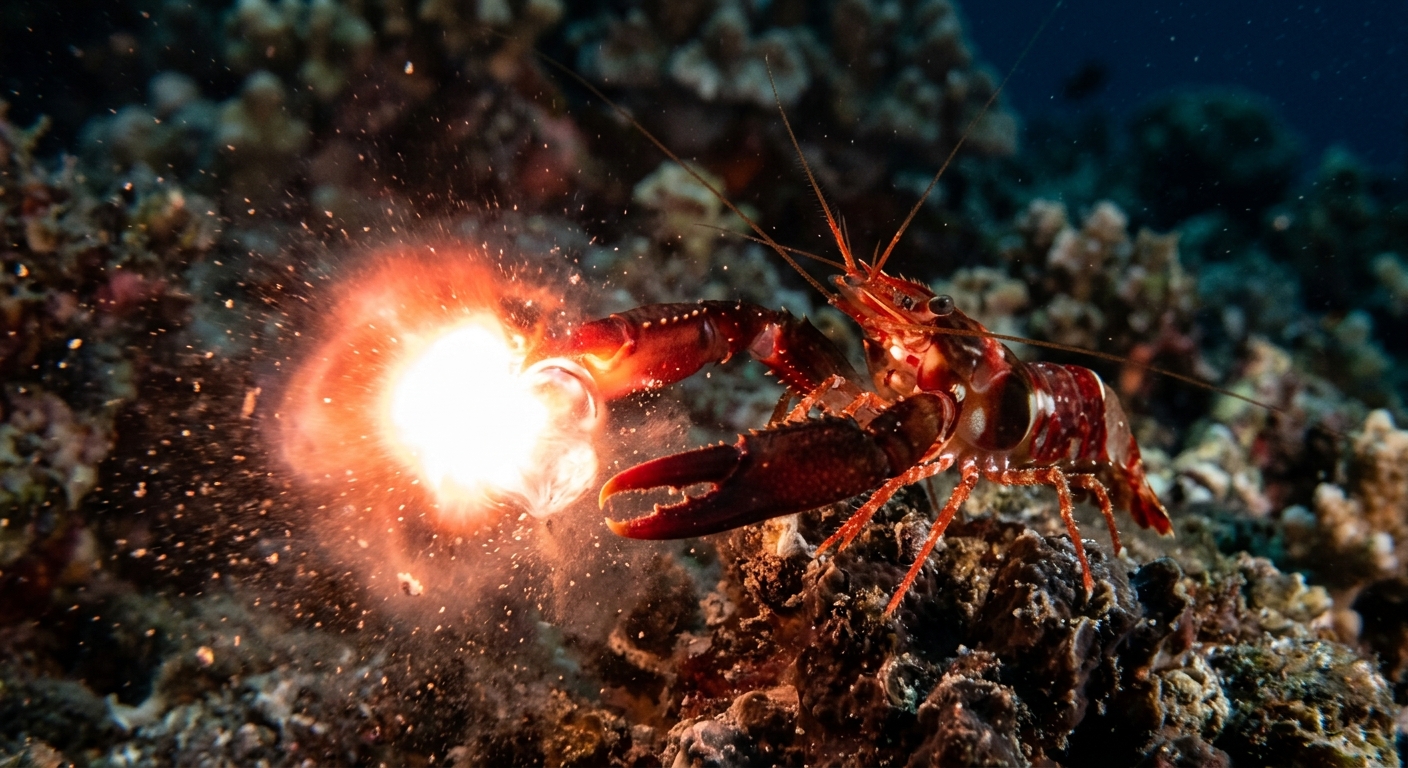
The pistol shrimp creates cavitation bubbles that reach temperatures exceeding 5,000 Kelvin when hunting, making them hotter than the surface of the sun. This tiny marine predator uses this extreme physics phenomenon to stun and kill prey with devastating underwater shockwaves.
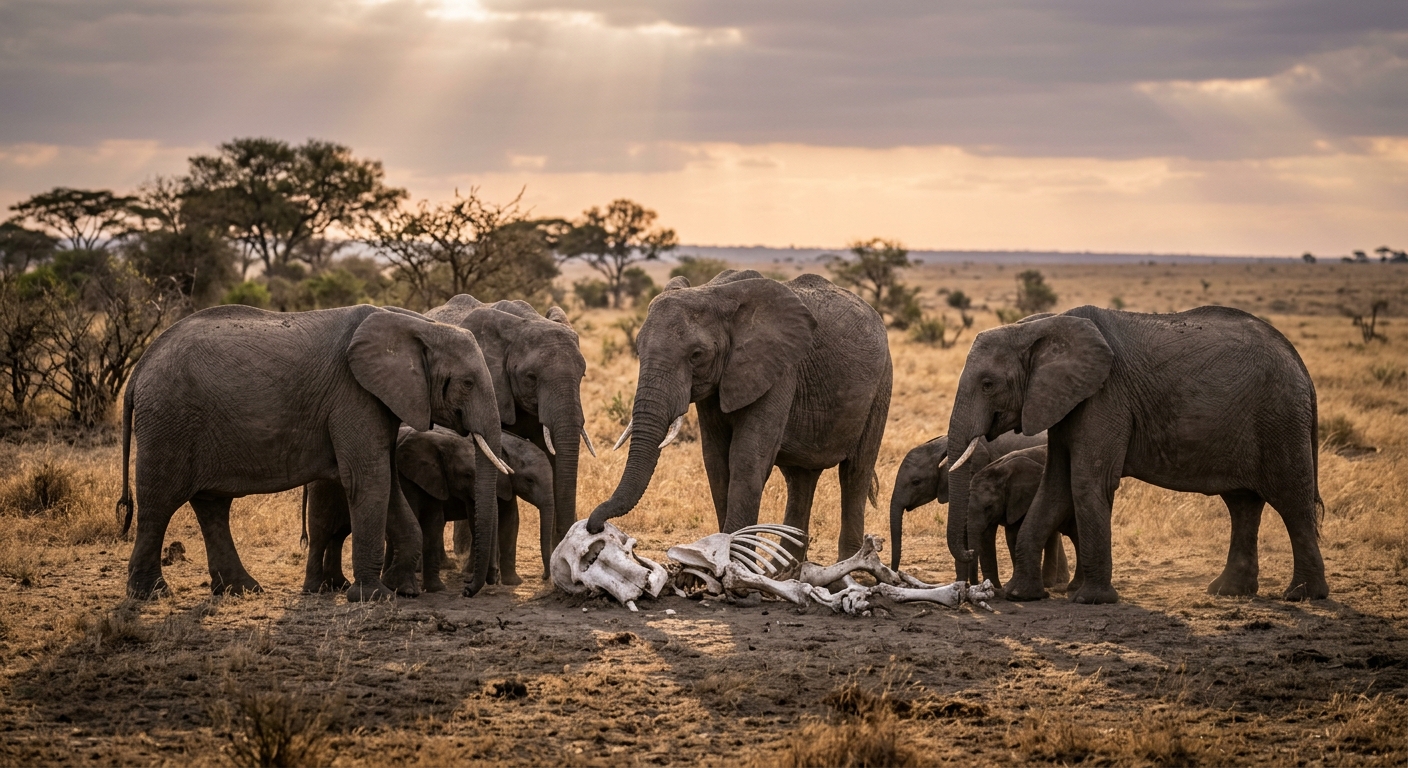
Deep in the African savanna, elephants conduct elaborate funeral ceremonies that last for days, touching and caressing the bones of their deceased with their trunks in what can only be described as genuine grief. These gentle giants return to the burial sites of their loved ones for years, displaying emotional intelligence that rivals human mourning rituals.