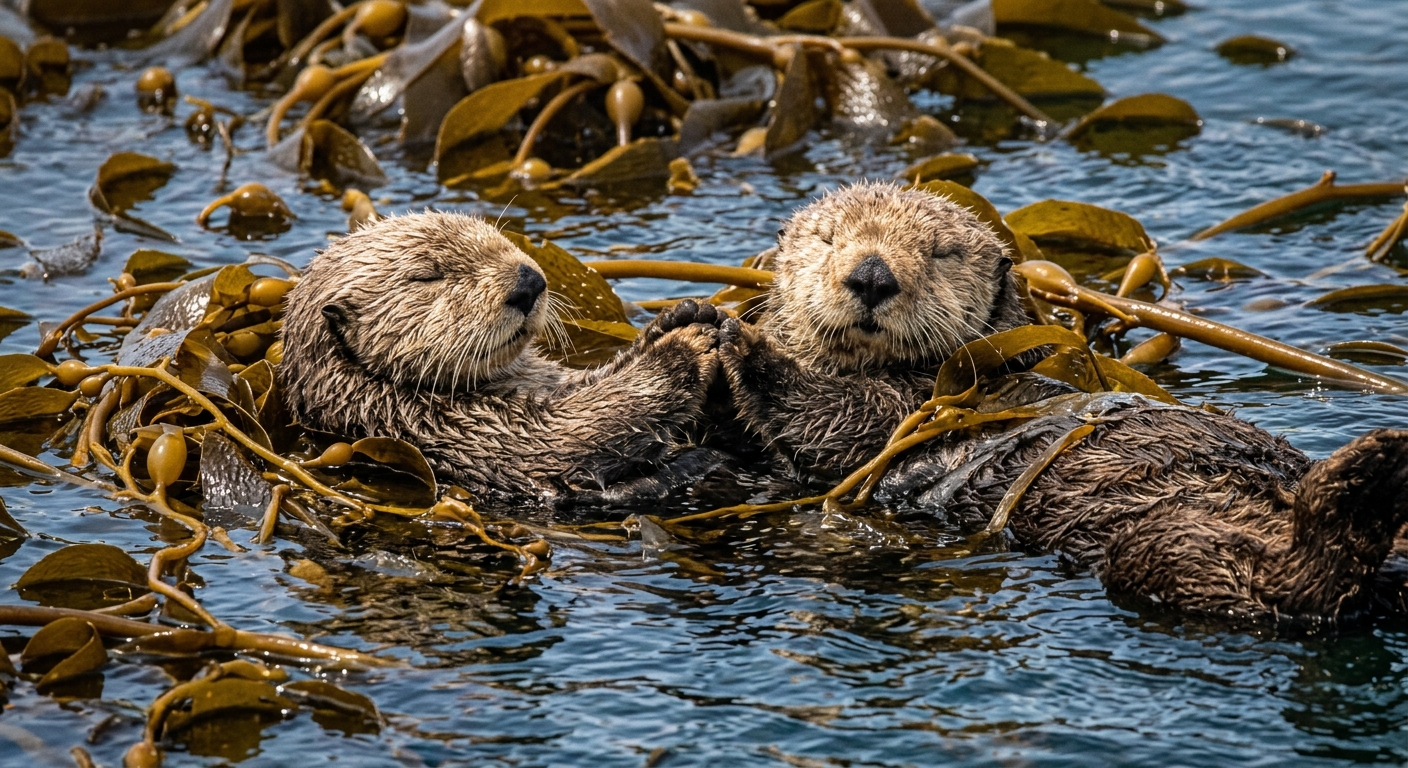
Sea otters have evolved one of nature’s most adorable survival strategies: holding hands while sleeping to prevent drifting apart in ocean currents. This heartwarming behavior is actually a critical adaptation that helps these marine mammals survive in the challenging open ocean environment.
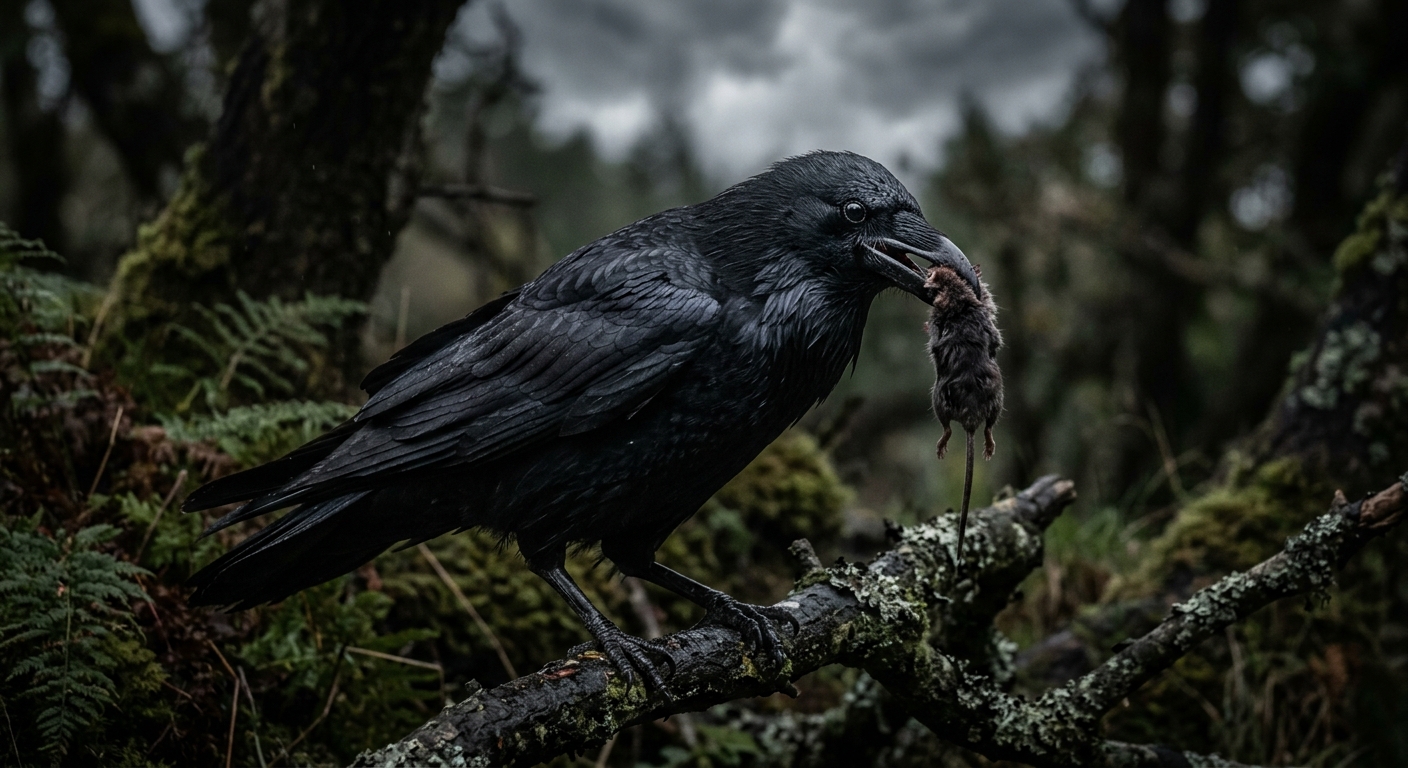
Ravens can plan for future events up to 17 hours in advance and execute sophisticated deception strategies, demonstrating intelligence that rivals young children. These remarkable black birds use fake caches, tactical misdirection, and complex problem-solving skills that force scientists to reconsider the nature of animal consciousness.
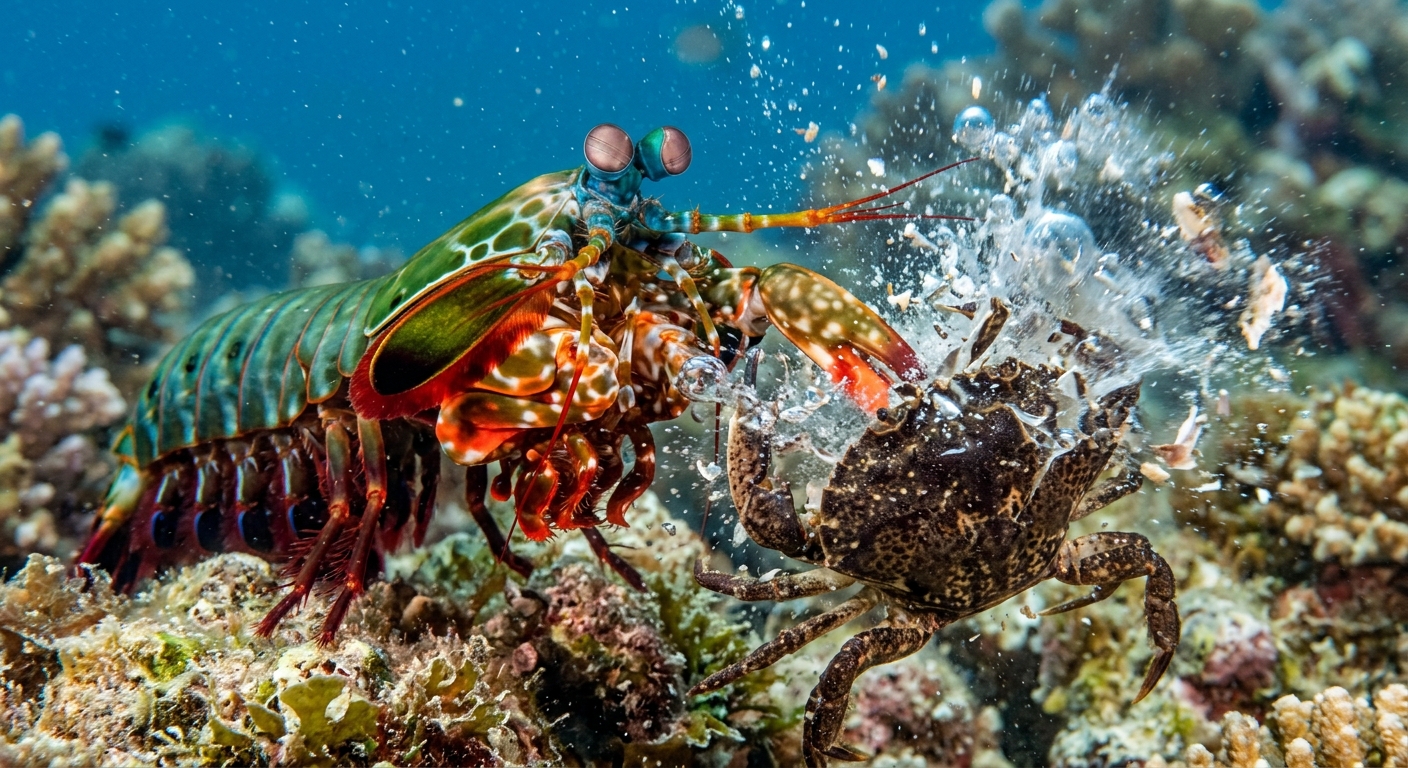
The mantis shrimp’s punch moves faster than a bullet and creates cavitation bubbles that collapse with the force of a sonic boom, generating temperatures nearly as hot as the sun’s surface. This underwater predator’s club-like appendages accelerate at over 10,000 g’s, delivering a devastating double-strike that can shatter aquarium glass and break bones.
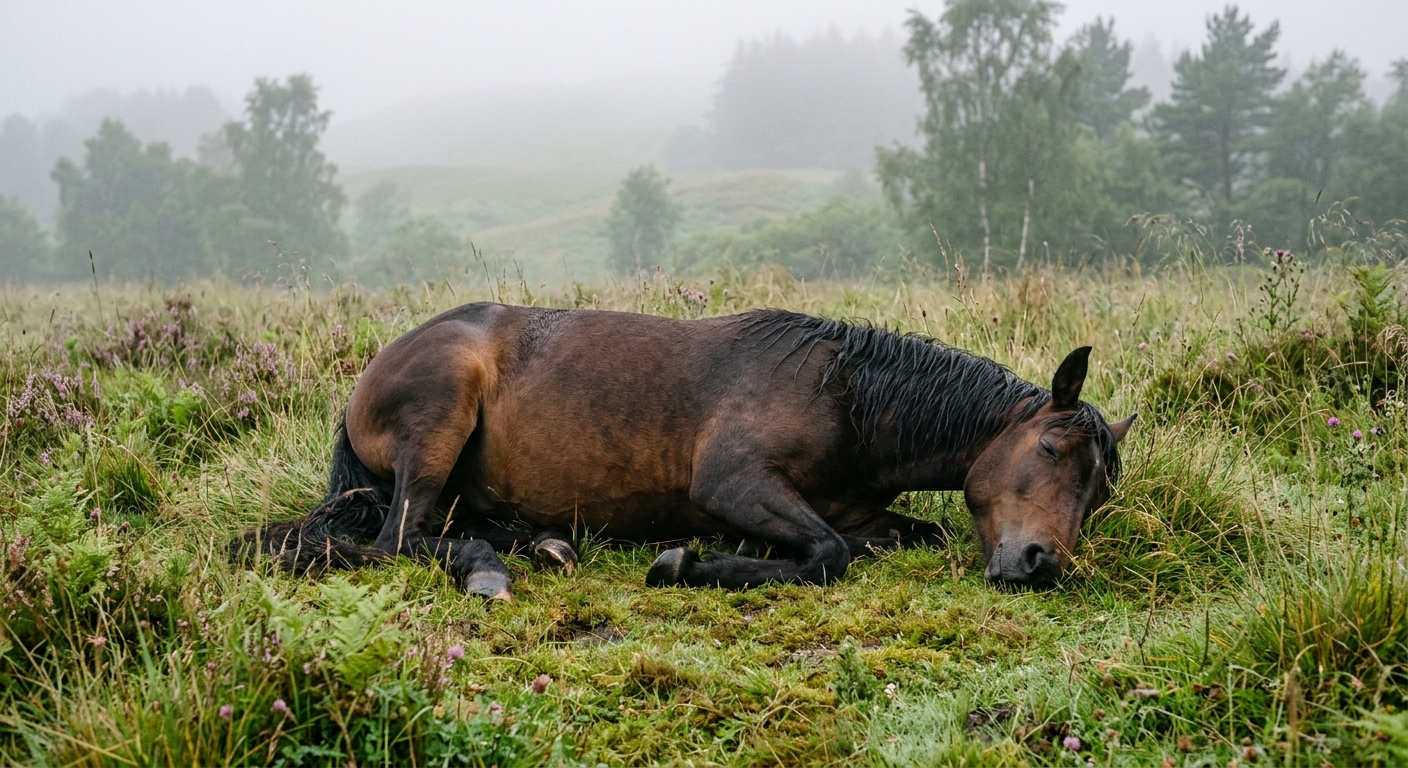
Horses have mastered the ultimate power nap by sleeping while standing upright, thanks to a biological locking mechanism called the stay apparatus. However, they can only dream during REM sleep when lying down, as muscle paralysis during this deep sleep phase makes standing impossible.
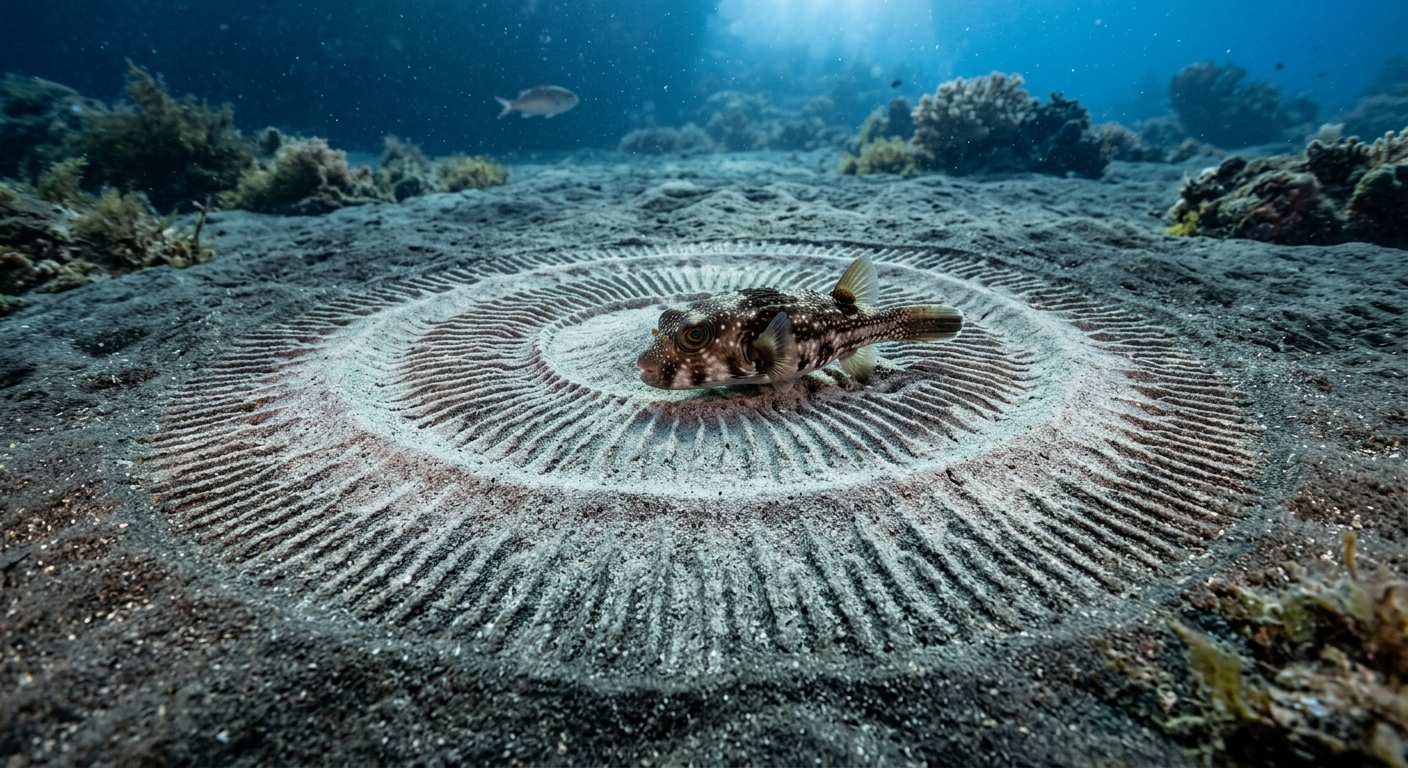
A five-inch puffer fish creates elaborate geometric sand sculptures up to six feet in diameter to attract mates, working tirelessly for days to craft masterpieces that rival human art. These intricate underwater mandalas challenge our understanding of animal intelligence and artistic capability in the natural world.
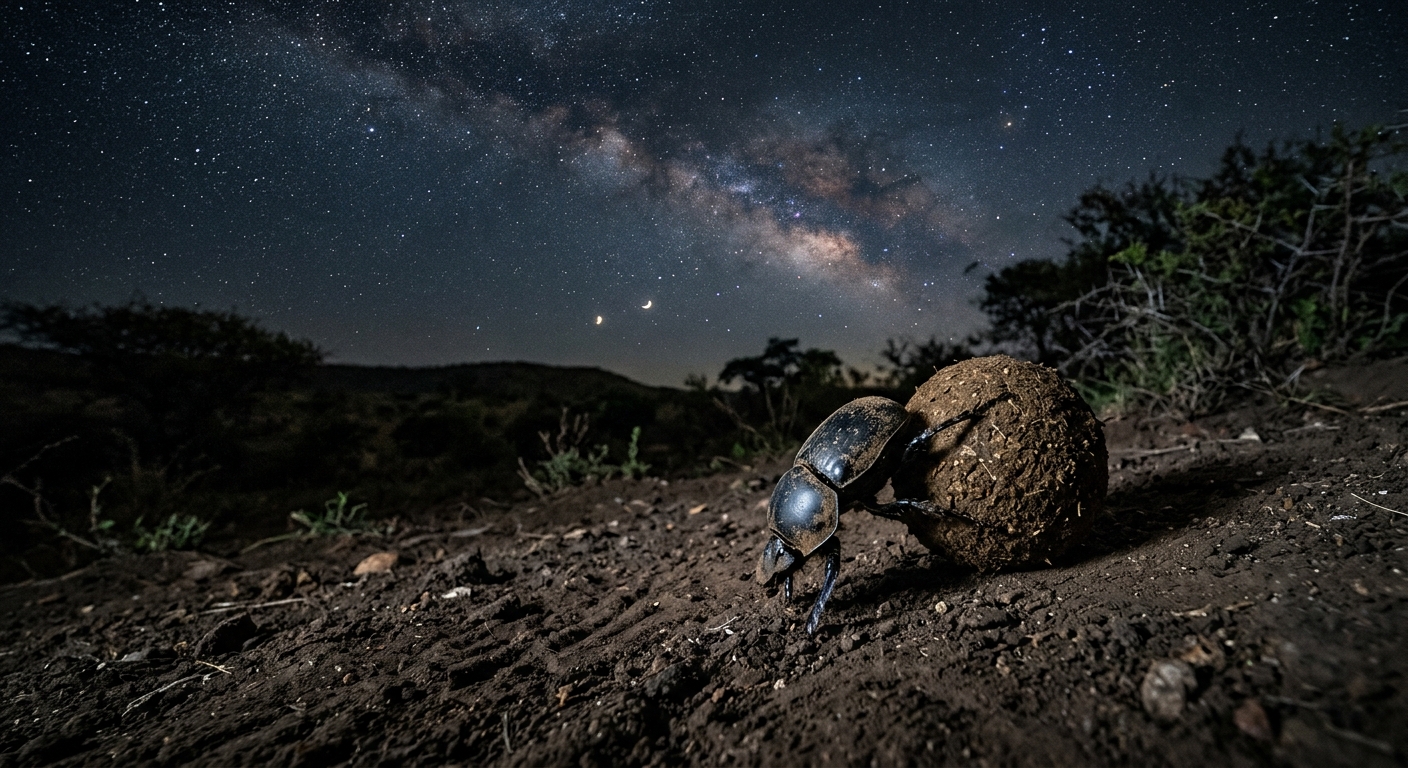
Scientists have discovered that dung beetles use the Milky Way galaxy as a celestial GPS system to navigate in straight lines across featureless terrain. This makes them the first known insect to rely on our galaxy’s glow for navigation, demonstrating one of nature’s most sophisticated astronomical adaptations.
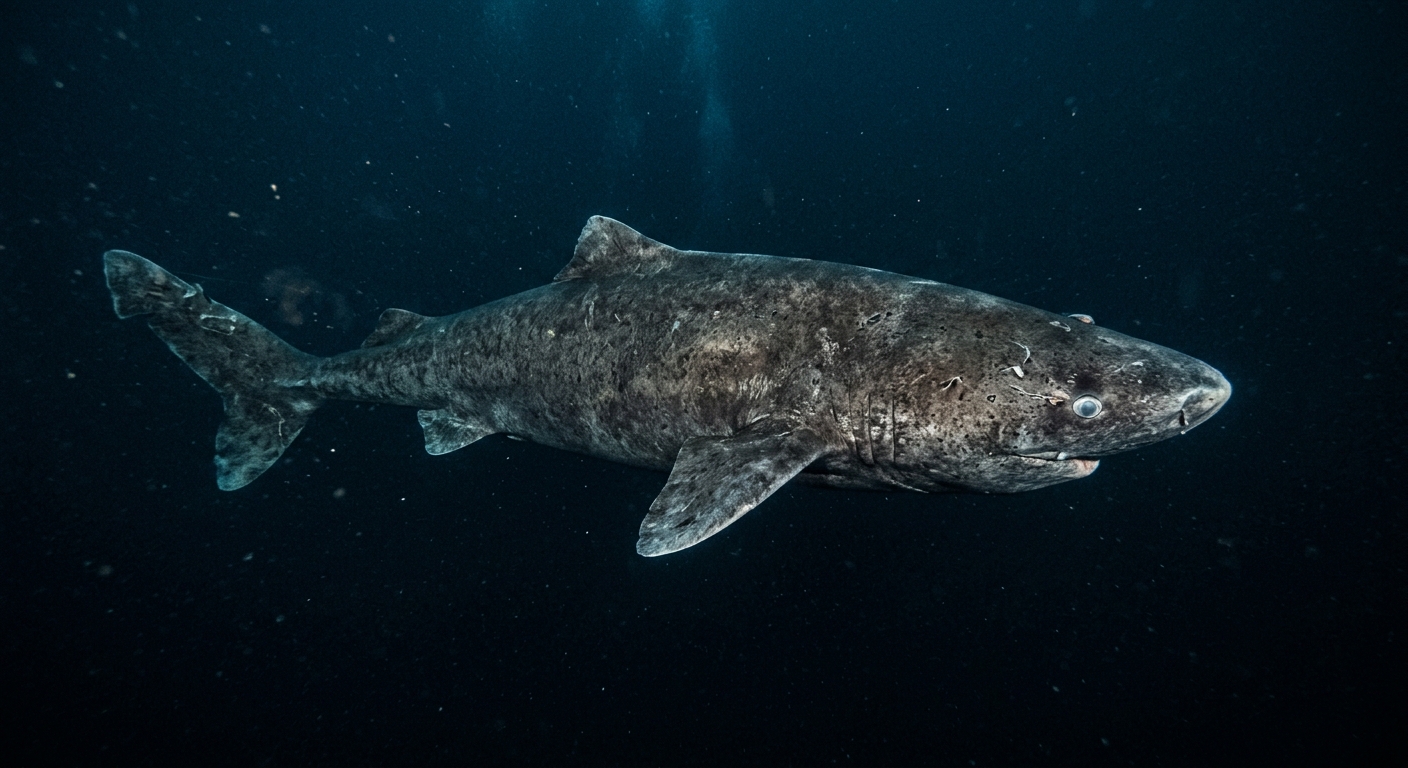
The Greenland shark can live over 400 years, making it the longest-living vertebrate on Earth, with some individuals alive today born before America was founded. Nearly all adults are blind due to parasites that attach to their eyes, yet they remain successful predators in the frigid Arctic waters.
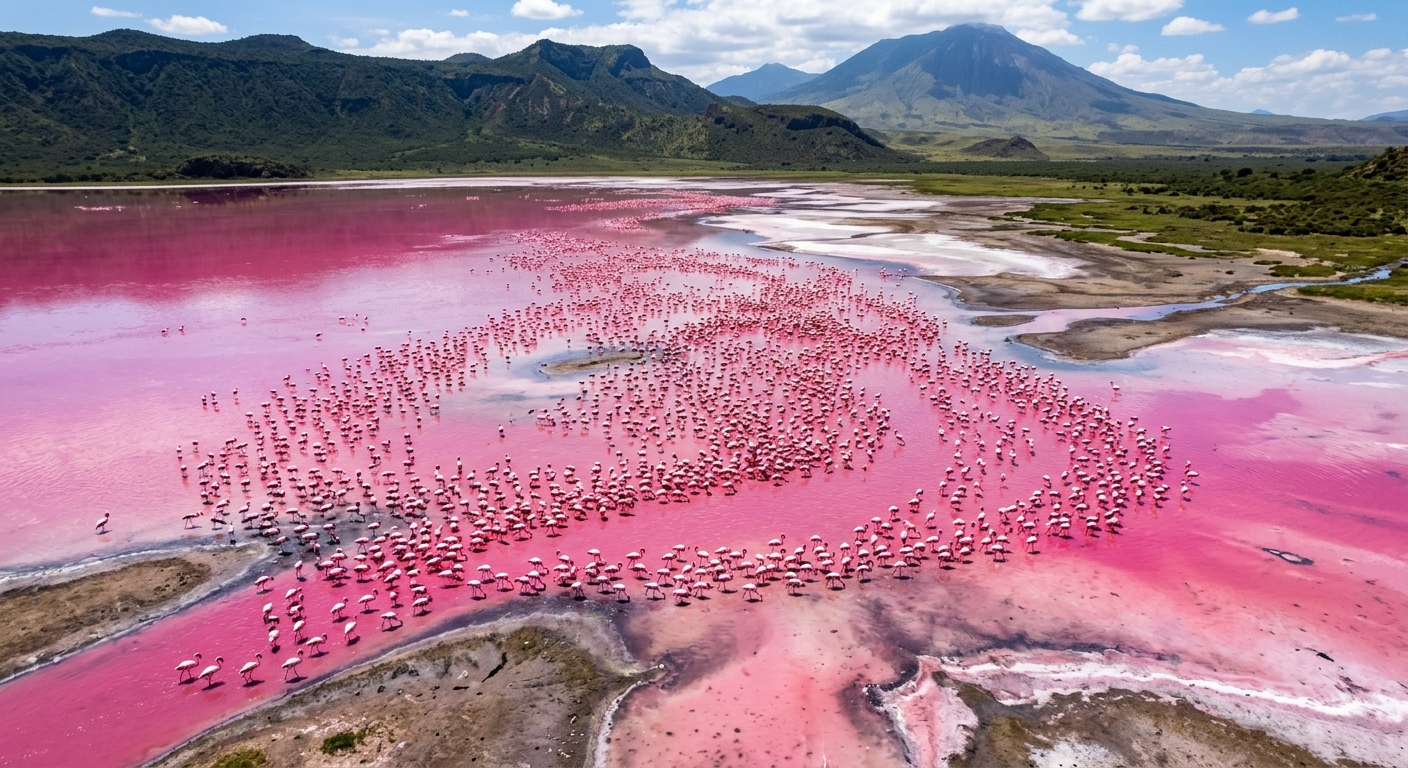
Baby flamingos are born completely gray and only develop their famous pink coloration through years of eating carotenoid-rich algae and crustaceans. Their vibrant pink feathers are essentially nature’s most impressive dye job, requiring constant dietary maintenance to preserve their iconic appearance.
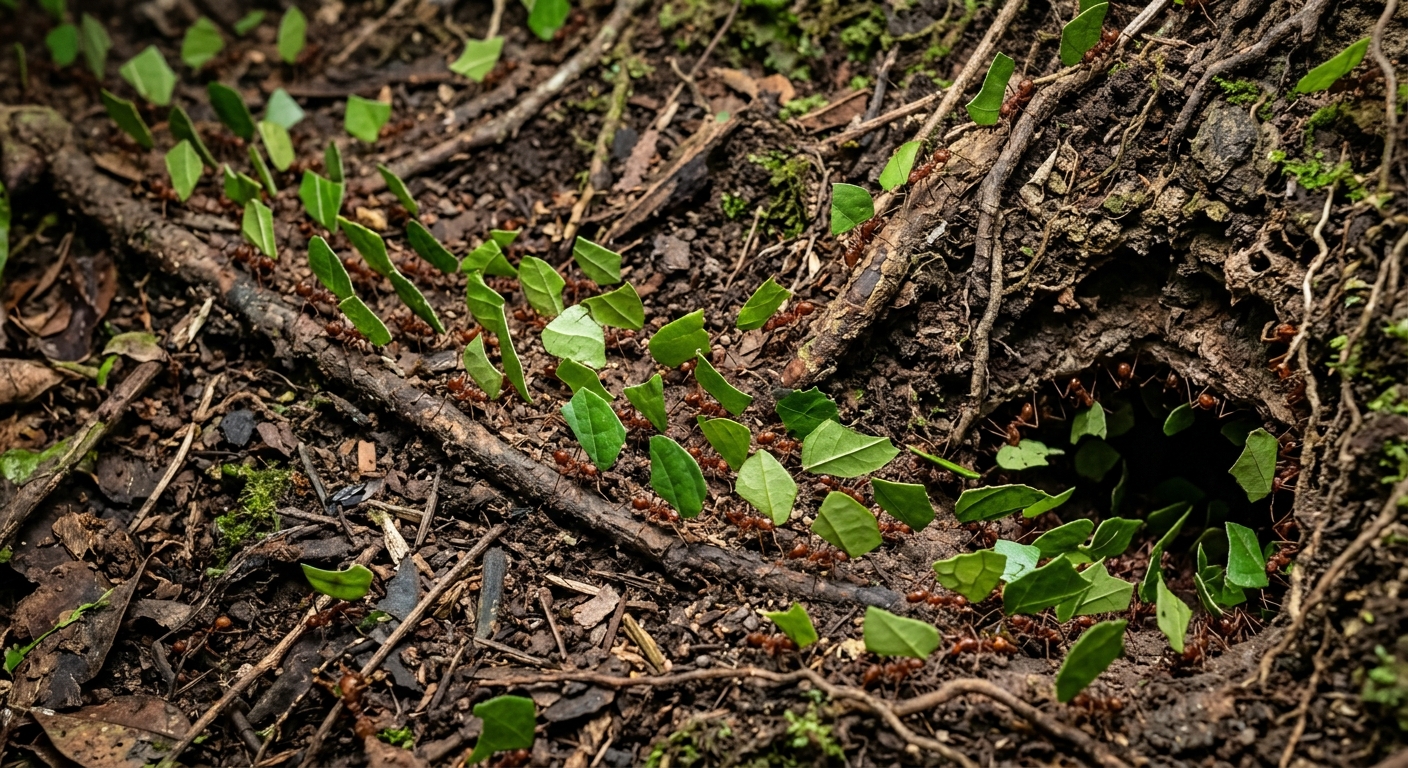
Ants have been perfecting civilization for over 100 million years, developing sophisticated farming, livestock ranching, and military strategies that often surpass human achievements. These tiny insects maintain complex underground cities while cultivating crops, domesticating other insects, and waging strategic wars with remarkable intelligence.
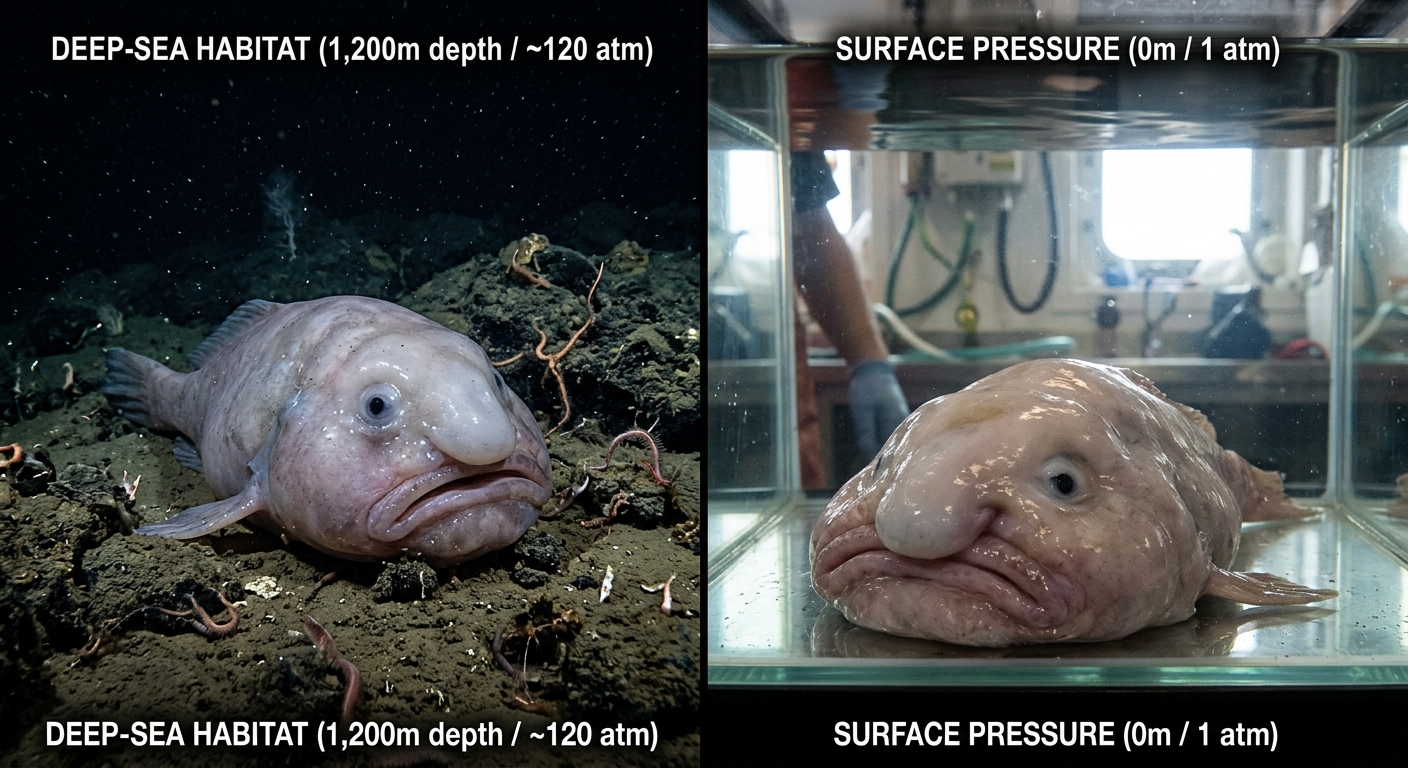
The infamous blobfish looks like a perfectly normal fish when living in its deep-sea habitat under crushing ocean pressure. Only when brought to the surface does this misunderstood creature transform into the gelatinous blob that earned it the title of world’s ugliest animal.