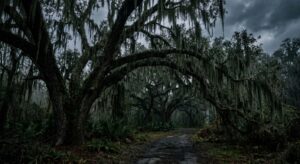
Imagine walking through a tropical forest when suddenly you hear what sounds like gunshots echoing through the canopy. Before you panic about hunters or poachers, consider this: you might have just witnessed one of nature’s most explosive seed dispersal mechanisms in action. The sandbox tree (Hura crepitans) doesn’t just drop its seeds or wait for animals to carry them away. Instead, this remarkable plant has evolved into what can only be described as a living cannon, launching its seeds at speeds that would make a professional baseball pitcher jealous.
The Botanical Cannon in Action
The sandbox tree’s seed pods are natural time bombs, building pressure over months before exploding with tremendous force. When these woody capsules reach maturity, they can launch seeds at speeds reaching 150 miles per hour, sending them flying up to 130 feet from the parent tree. The explosive sound is so loud and sharp that it can be heard from over 300 feet away, often startling wildlife and humans alike.
This incredible feat of natural engineering occurs through a process called explosive dehiscence. As the seed pod matures and dries out, the walls of the capsule create enormous internal pressure. The pod is divided into segments, each containing a single seed. When the pressure reaches its breaking point, the entire structure explodes simultaneously, catapulting seeds in all directions with remarkable velocity.
Engineering Marvel: How Nature Built a Seed Launcher
The sandbox tree’s explosive mechanism is a masterpiece of biological engineering. The seed pod, which can grow up to 3 inches in diameter, consists of multiple carpels arranged in a wheel-like formation. Each carpel contains one flat, disc-shaped seed that’s perfectly designed for flight.
The Pressure-Building Process
The explosive power comes from the unique structure of the pod’s walls. As the fruit matures, different layers of tissue dry at different rates, creating internal stress. The outer layer shrinks faster than the inner layer, building up elastic energy like a compressed spring. This process can take several months, with pressure gradually increasing until the pod reaches its explosive threshold.
The Moment of Explosion
When the pod finally explodes, it doesn’t just crack open. The entire structure splits into segments with such violence that the pieces themselves become projectiles. The seeds are launched with pinpoint accuracy, spinning through the air like natural frisbees. Their flat, disc-like shape helps them achieve maximum distance and stability during flight.
More Than Just a Pretty Explosion: Evolutionary Advantages
This dramatic seed dispersal strategy isn’t just nature showing off. The sandbox tree’s explosive reproduction offers several crucial evolutionary advantages:
- Maximum distance coverage: By launching seeds up to 130 feet away, the tree ensures its offspring won’t compete with the parent for resources
- Reduced competition: Seeds scattered over a wide area are less likely to compete with siblings for sunlight, water, and nutrients
- Colonization of new territories: The high-velocity launch helps seeds reach new, potentially favorable growing locations
- Predator avoidance: The explosive nature and wide dispersal pattern make it difficult for seed predators to anticipate and collect the scattered seeds
A Tree Full of Surprises and Dangers
The explosive seeds are just one of the sandbox tree’s remarkable adaptations. This tropical giant, native to Central and South America, is equipped with an arsenal of defensive features that make it one of the most formidable trees in the rainforest.
The Spiky Armor
The sandbox tree’s trunk is covered in large, sharp spines that can grow up to 2 inches long. These conical spikes cover the entire trunk from base to crown, creating an impenetrable barrier against climbing animals and protecting the tree from herbivore damage.
Toxic Defense System
Perhaps even more dangerous than its spines is the tree’s toxic sap. The milky latex contains powerful toxins that can cause severe skin irritation, temporary blindness if it gets in the eyes, and serious illness if ingested. Indigenous peoples have traditionally used this sap to create poison arrows, earning the tree the alternative name “monkey-no-climb.”
Human Encounters and Historical Uses
Despite its dangerous nature, humans have found ways to interact with the sandbox tree throughout history. In colonial times, people would hollow out the large seed pods to create sandboxes for drying ink, which is how the tree got its common name.
However, these interactions weren’t without risk. Historical accounts describe people being injured by exploding seed pods, and gardeners who attempted to cultivate the trees often learned about their explosive nature the hard way. The combination of toxic sap, sharp spines, and projectile seeds makes this one of the few trees that truly fights back.
Conservation and Modern Significance
Today, the sandbox tree faces pressure from deforestation and habitat loss throughout its native range. These magnificent trees play important ecological roles in their forest ecosystems, providing food for certain wildlife species brave enough to navigate their defenses and creating unique microhabitats around their explosive seed dispersal zones.
Scientists continue to study the sandbox tree’s explosive mechanism, hoping to understand how such precise biological engineering evolved. The research has implications beyond botany, potentially inspiring new designs for human engineering applications where controlled, high-pressure release mechanisms are needed.
The sandbox tree stands as a remarkable reminder that evolution can create solutions that seem almost too incredible to be real. In the ongoing arms race between plants and their environment, this species chose the nuclear option: explosive reproduction that ensures survival through sheer, overwhelming force. The next time you’re walking through a tropical forest and hear what sounds like distant gunfire, look up. You might be witnessing one of nature’s most spectacular displays of botanical ballistics.