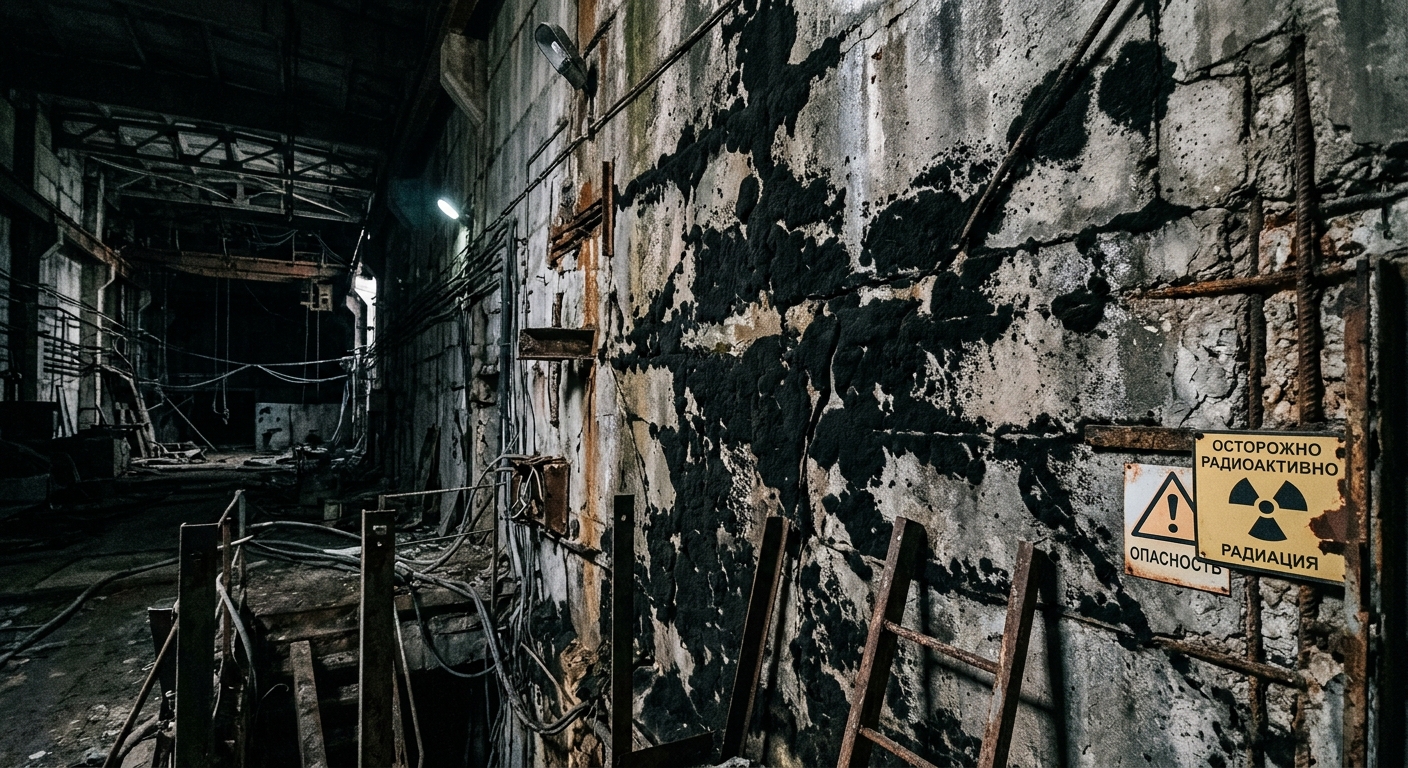
Inside Chernobyl’s radioactive ruins, scientists discovered black mold that doesn’t just survive deadly radiation but actually feeds on it, using nuclear energy as food through a process called radiosynthesis. This extraordinary fungus is thriving in one of Earth’s most hostile environments and could revolutionize everything from nuclear cleanup to space exploration.
Scientists have discovered that sundew plants can actually count the number of times an insect touches their sticky tentacles before deciding to close their deadly trap. This remarkable mathematical ability allows these carnivorous plants to conserve energy by distinguishing between worthwhile prey and false alarms.
A controversial theory suggests that psilocybin mushrooms encountered by early humans in African grasslands may have catalyzed the rapid evolution of human consciousness and intelligence. Modern neuroscience research reveals surprising support for how these fungi enhance brain plasticity, creativity, and social bonding.
Hidden in California’s harsh mountains, bristlecone pines have survived over 5,000 years in conditions that would kill most life forms within seasons. These ancient trees hold secrets to extreme longevity and serve as living libraries of Earth’s climate history.
The world’s largest flower, Rafflesia, grows up to 3 feet across but has no stem, leaves, or roots of its own. This parasitic plant lives entirely inside host vines and emerges only to produce its massive, corpse-scented bloom for just one week before dying.
Pando appears to be a forest of 47,000 aspen trees, but it’s actually a single 6-million-kilogram organism connected by one massive root system. This ancient clone has been growing for up to 80,000 years, making it both the heaviest and possibly oldest living thing on Earth.
The Traveler Tree of Madagascar has evolved an extraordinary water storage system in its leaf bases that can hold over 100 liters of rainwater. This natural reservoir serves as a crucial water source for the island’s unique wildlife during dry seasons, creating a remarkable symbiotic relationship that has sustained ecosystems for millions of years.
Scientists have discovered that trees communicate and share resources through vast underground fungal networks, with healthy trees actively keeping their dying neighbors alive by sending them nutrients and water. This “wood wide web” reveals forests as sophisticated communities where no tree survives alone.
The tiny bladderwort plant operates the fastest trap in nature, snapping shut 100 times faster than a Venus flytrap to capture microscopic prey. This aquatic hunter uses sophisticated vacuum-powered bladder traps that slam closed in just 0.5 milliseconds with forces reaching 600 times gravity.
What if those painful cactus spines piercing your skin were actually leaves in disguise? Scientists have discovered that these desert weapons are actually highly modified leaves that evolution transformed into sophisticated survival tools.