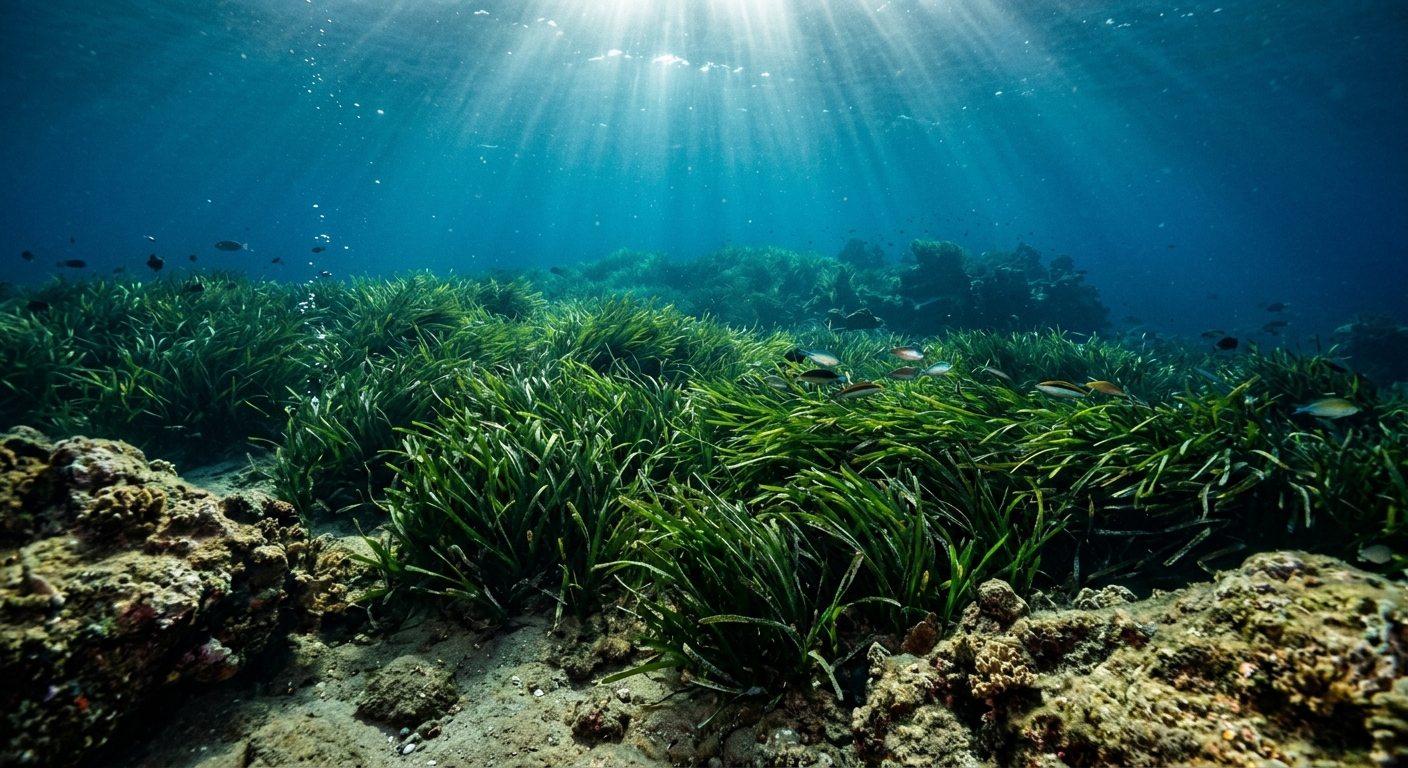
A single seagrass meadow in the Mediterranean Sea has been growing continuously for 200,000 years, making it older than modern humans. This ancient organism represents not just a biological marvel, but an entire underwater ecosystem that has survived ice ages, climate changes, and countless environmental challenges.
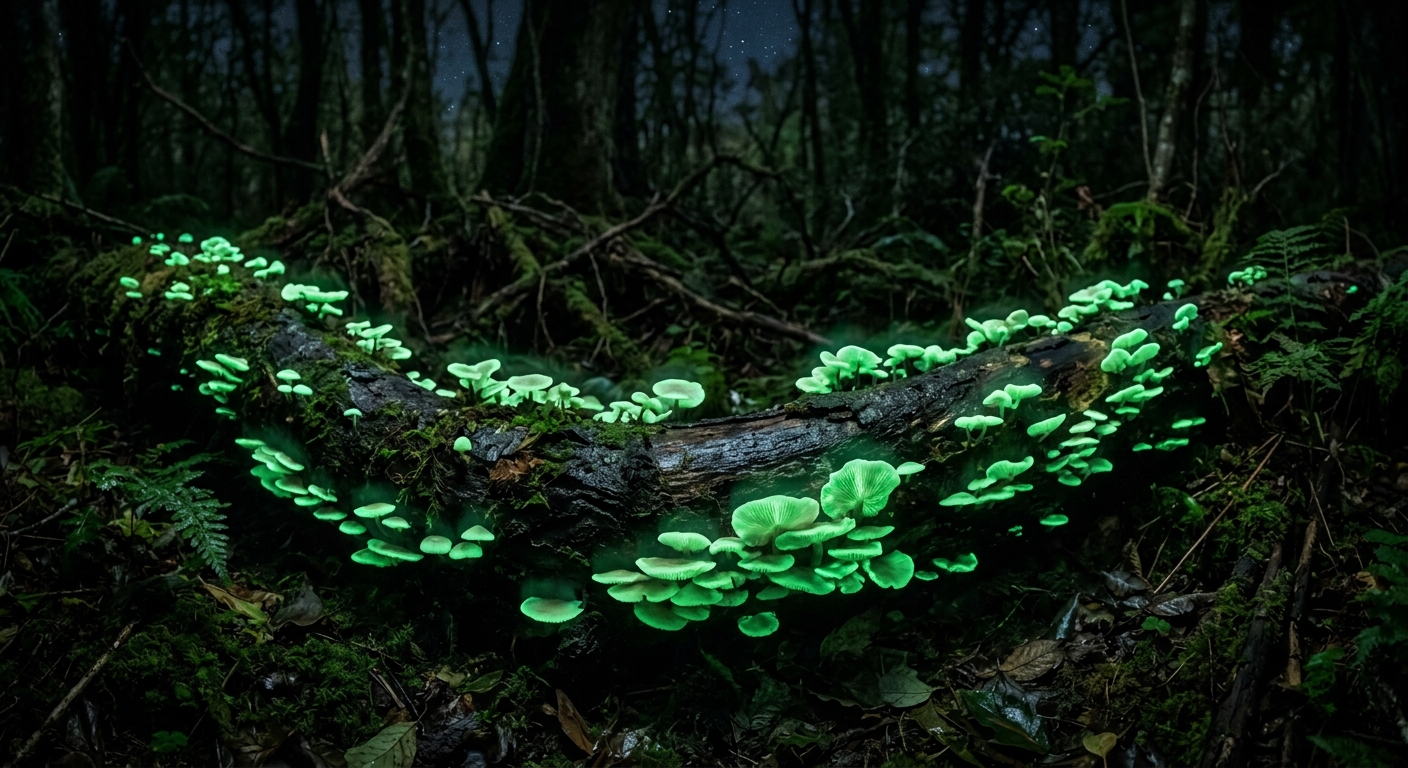
Hidden in the world’s darkest forests, mysterious mushrooms produce their own ethereal green light through a biochemical process that transforms woodland floors into otherworldly scenes. These bioluminescent fungi have evolved one of nature’s most efficient lighting systems, converting chemical energy into visible light with nearly 100% efficiency.
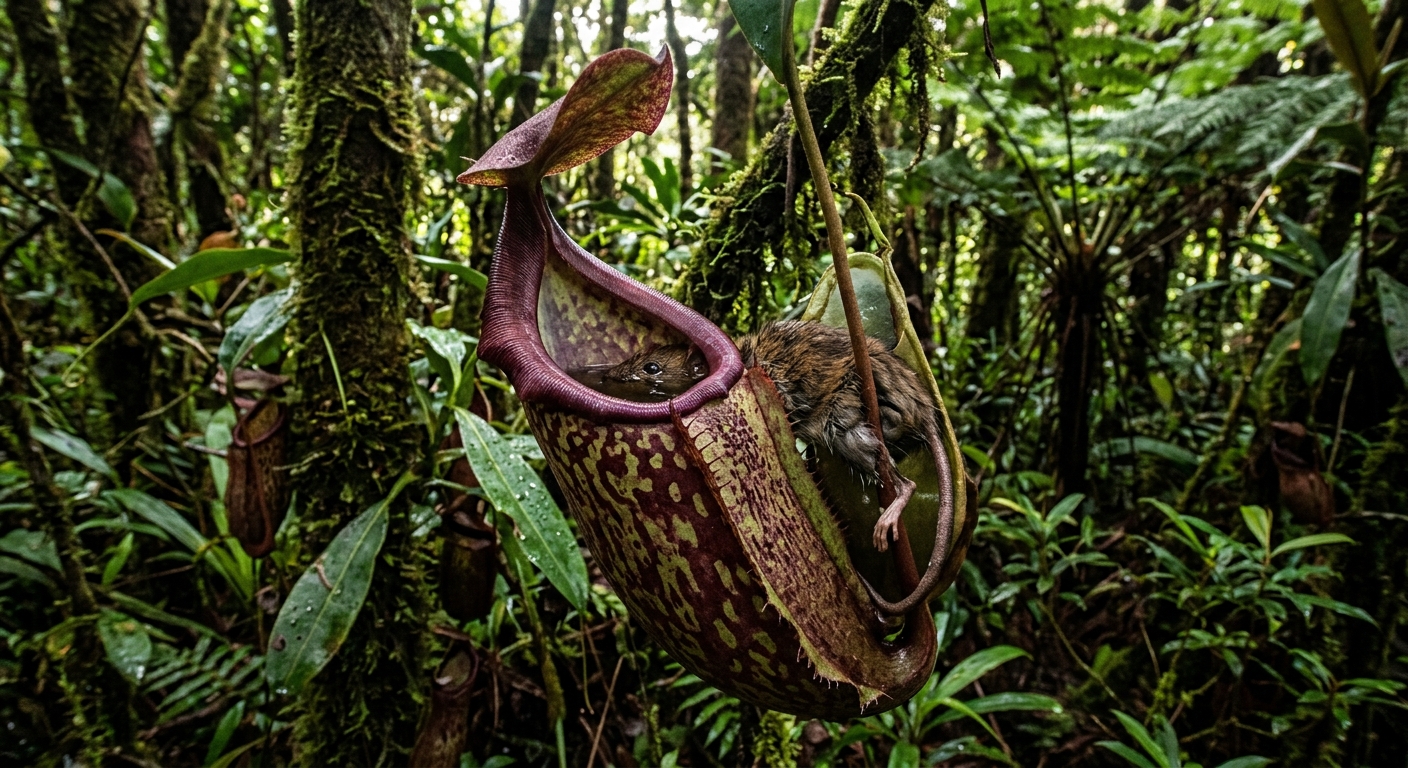
Deep in Southeast Asian rainforests, pitcher plants have evolved into botanical killing machines capable of digesting prey as large as rats and frogs. These carnivorous plants use elaborate traps and powerful digestive acids to extract nutrients from animal protein when soil nutrients are scarce.
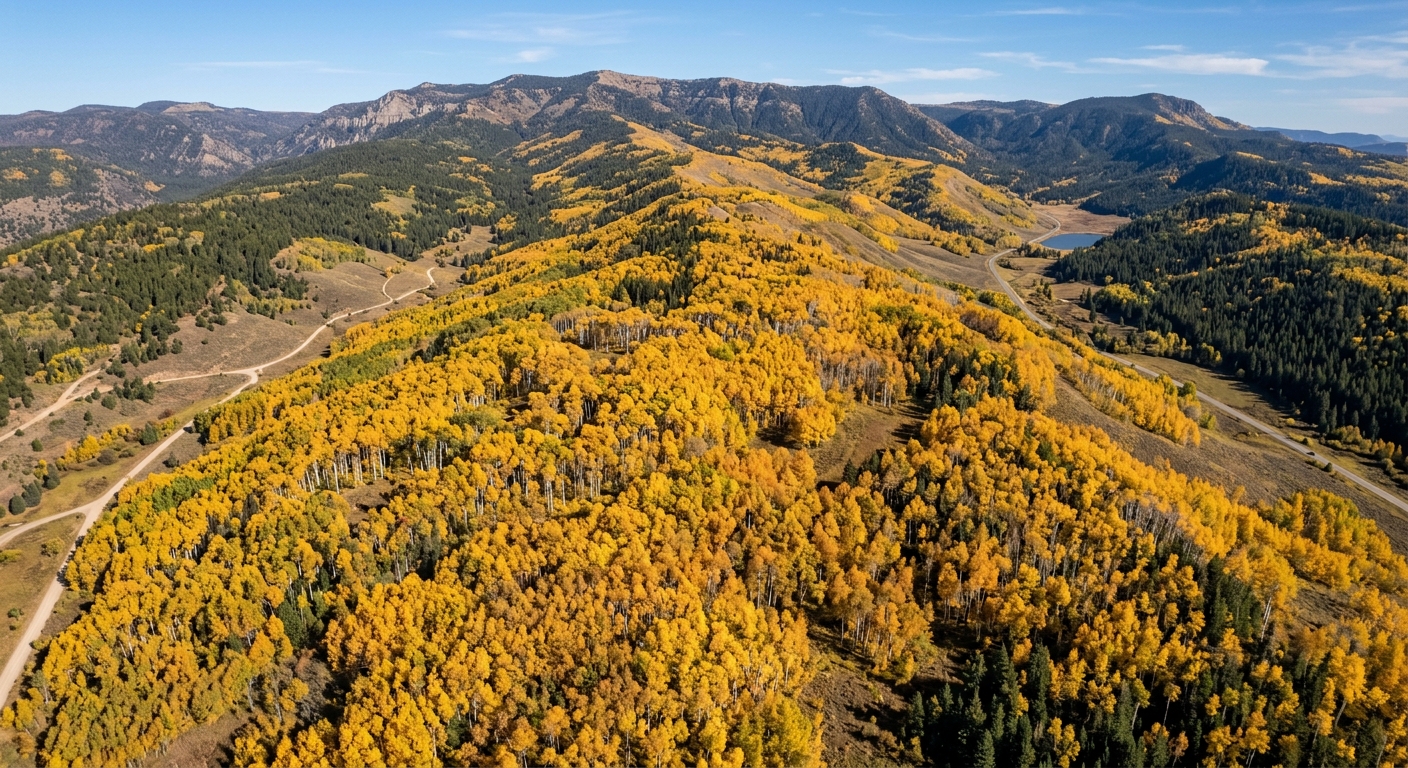
What appears to be 47,000 individual aspen trees in Utah is actually one massive 80,000-year-old organism connected by underground roots. This ancient clone colony weighs 6,000 tons and represents one of the largest and oldest living entities on Earth.
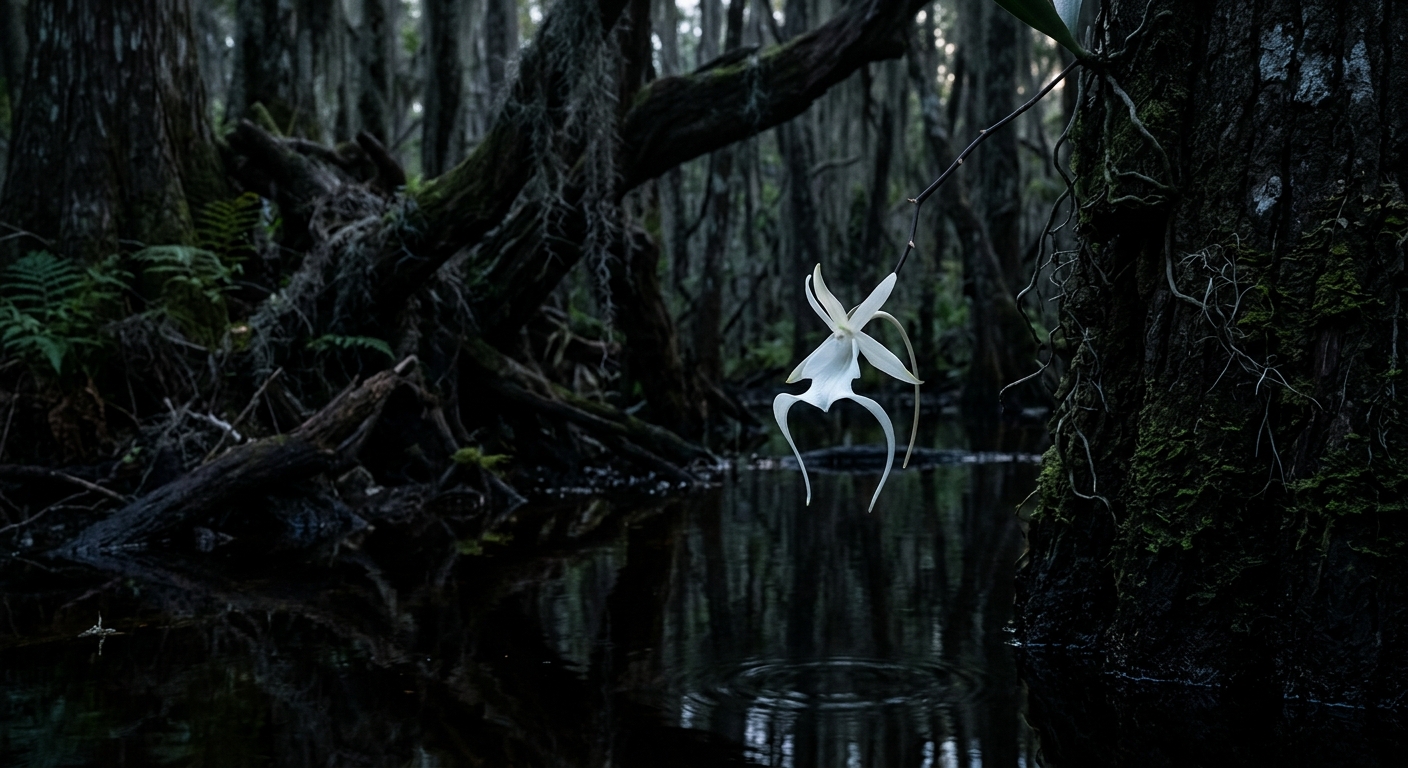
Ghost orchids have evolved to live entirely without leaves, surviving by parasitizing fungal networks instead of photosynthesis. These phantom plants challenge everything we thought we knew about how plants obtain energy and nutrients.
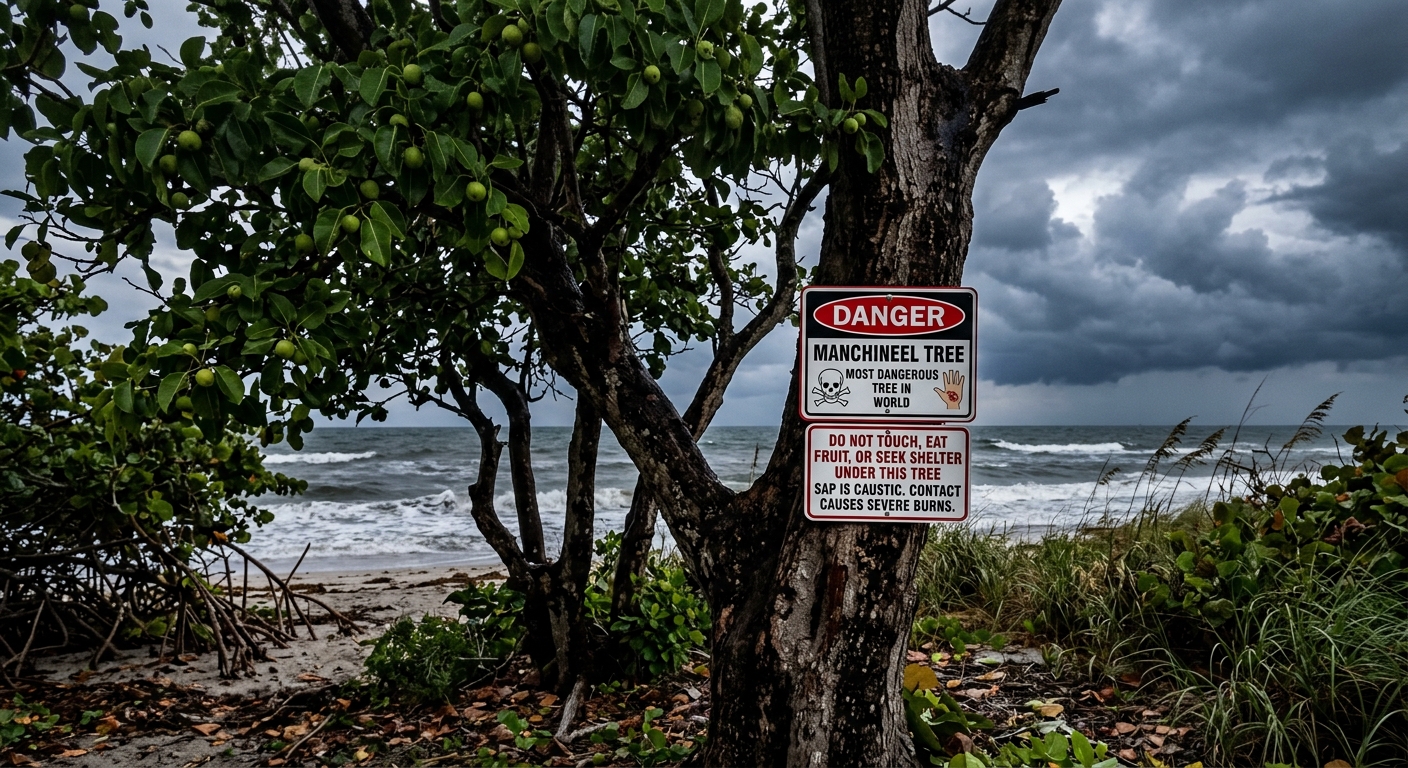
The manchineel tree produces toxins so potent that rainwater dripping from its leaves can cause severe chemical burns on human skin. This Caribbean nightmare holds the Guinness World Record as the world’s most dangerous tree, with every part capable of causing blindness, burns, or death.
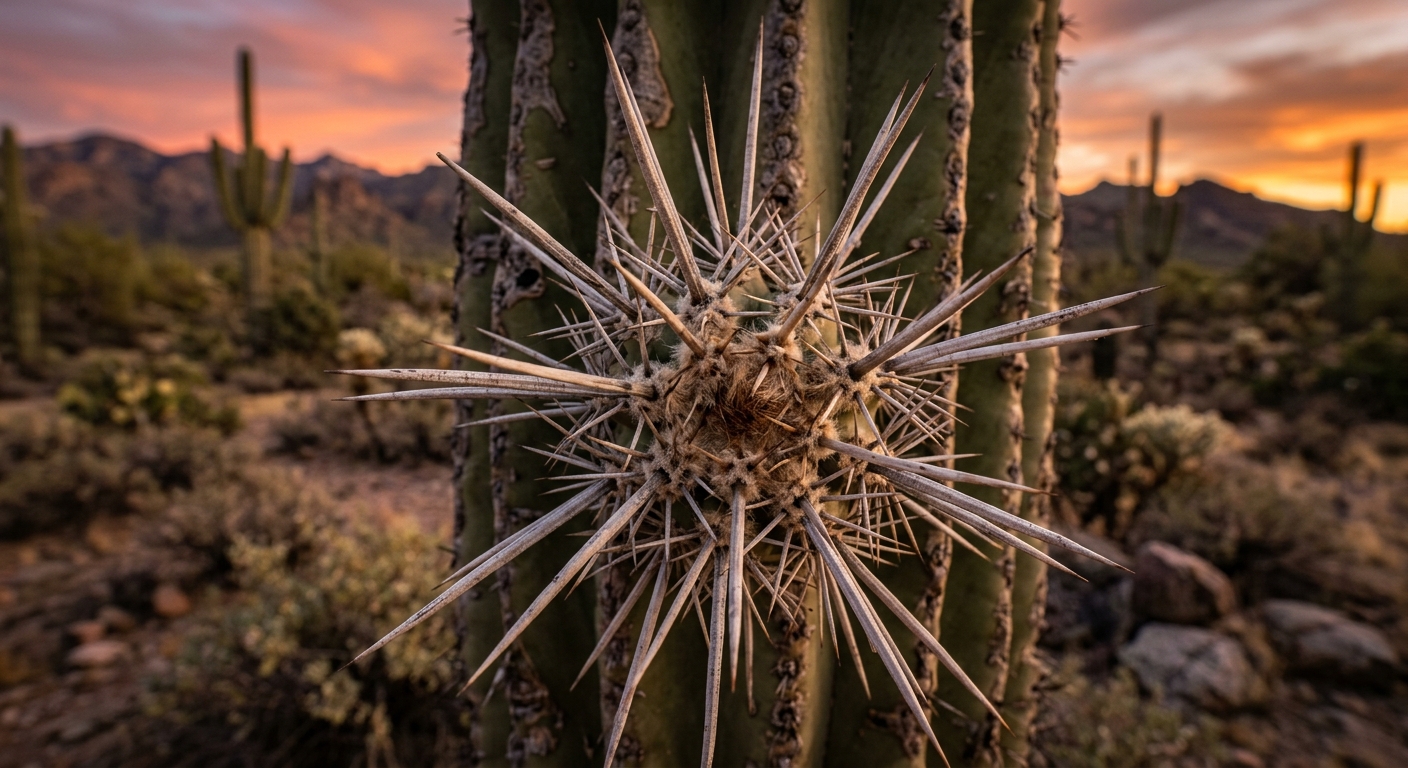
What if those painful cactus spines piercing your skin were actually leaves in disguise? Scientists have discovered that these desert weapons are actually highly modified leaves that evolution transformed into sophisticated survival tools.
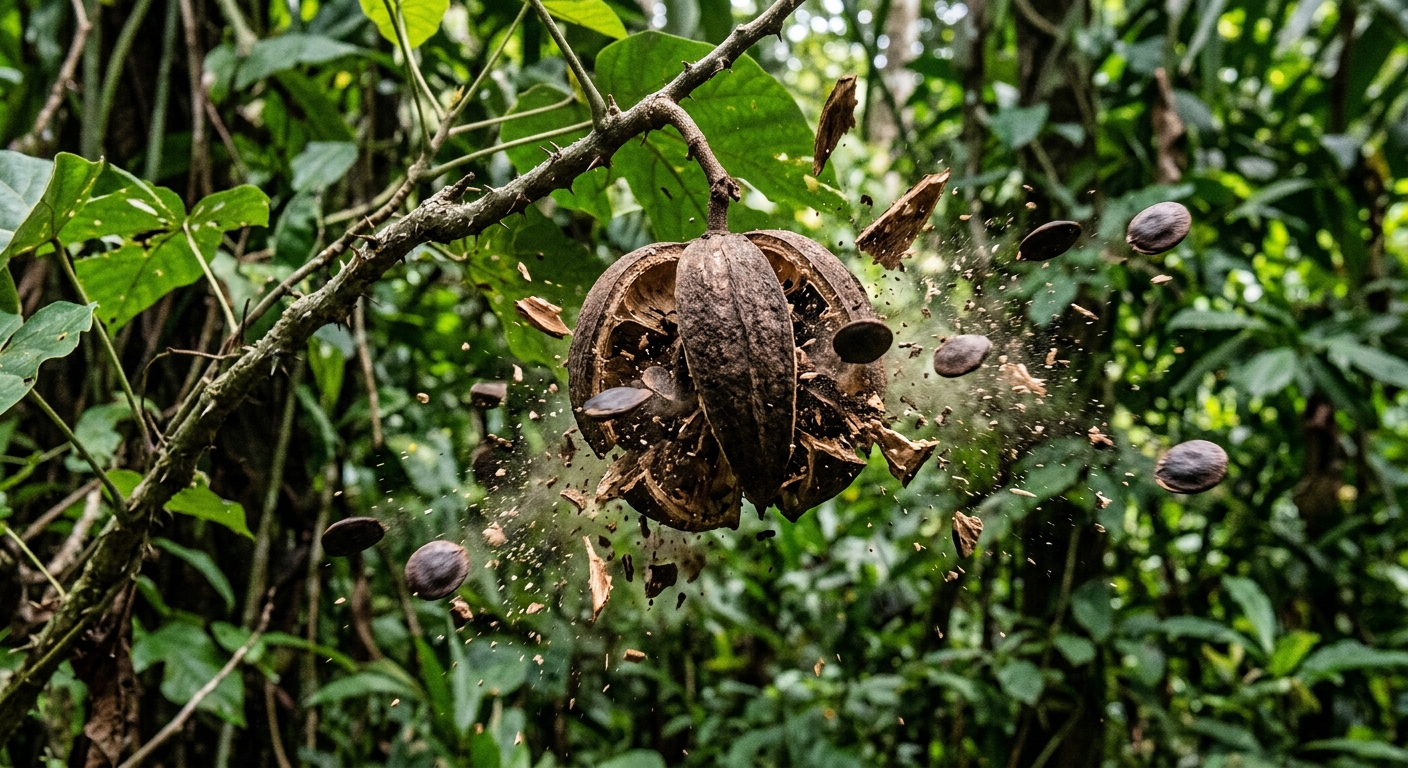
The sandbox tree has evolved one of nature’s most explosive seed dispersal mechanisms, launching seeds at 150 mph with sounds like gunshots. This tropical tree combines toxic sap, sharp spines, and projectile reproduction in one of the plant kingdom’s most formidable defensive arsenals.
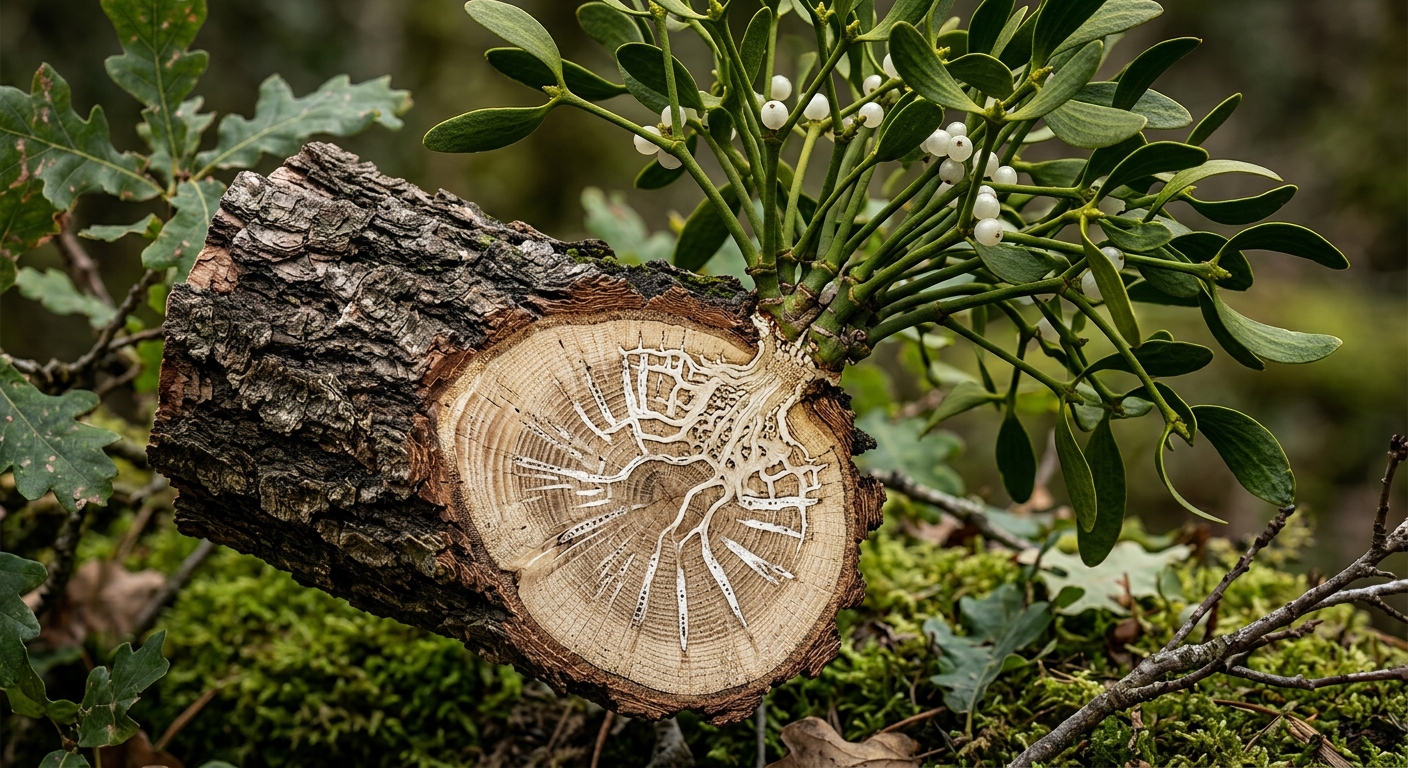
That innocent holiday mistletoe hanging above your door is actually a sophisticated biological vampire that hijacks trees’ water supplies. This parasitic plant uses specialized drilling organs to penetrate bark and manipulate host trees’ hydraulic systems for its own survival.
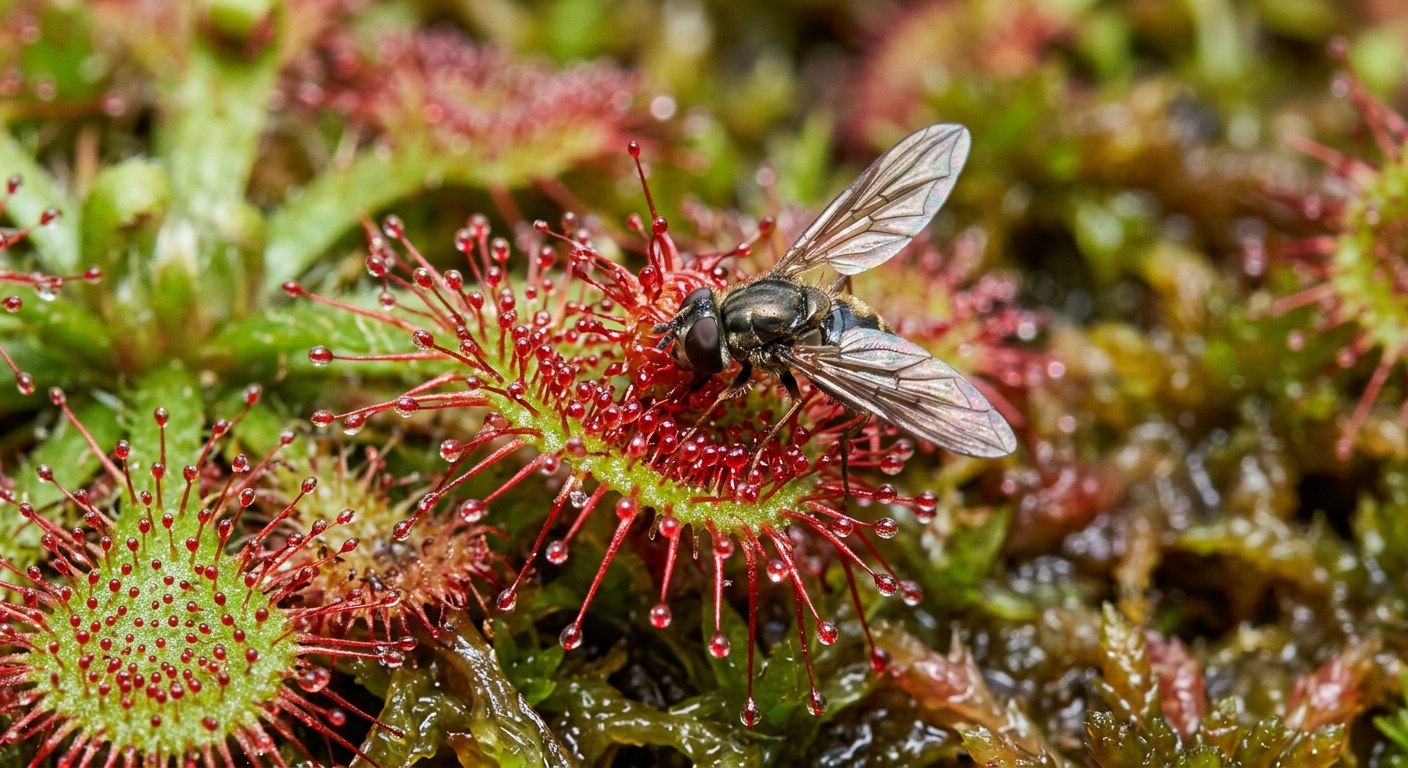
Sundew plants use a sophisticated biological adhesive called mucilage to trap insects in what scientists describe as “living glue.” These deceptively beautiful carnivorous plants have evolved one of nature’s most effective hunting strategies, using enzyme-loaded sticky droplets to capture, immobilize, and digest their prey alive.