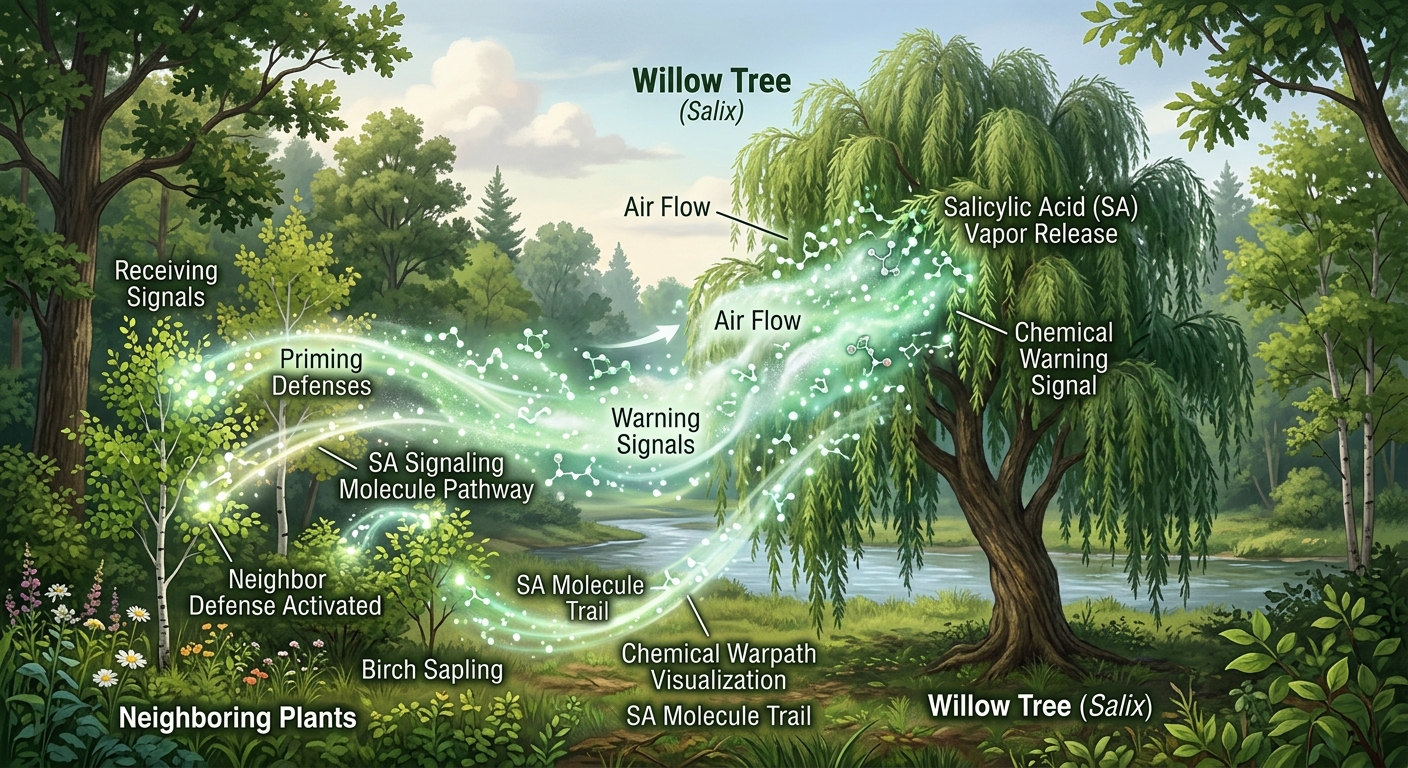
When insects attack, plants don’t suffer in silence. They release aspirin into the air as a chemical alarm system, warning neighboring plants to prepare their defenses using the same compound found in your medicine cabinet.
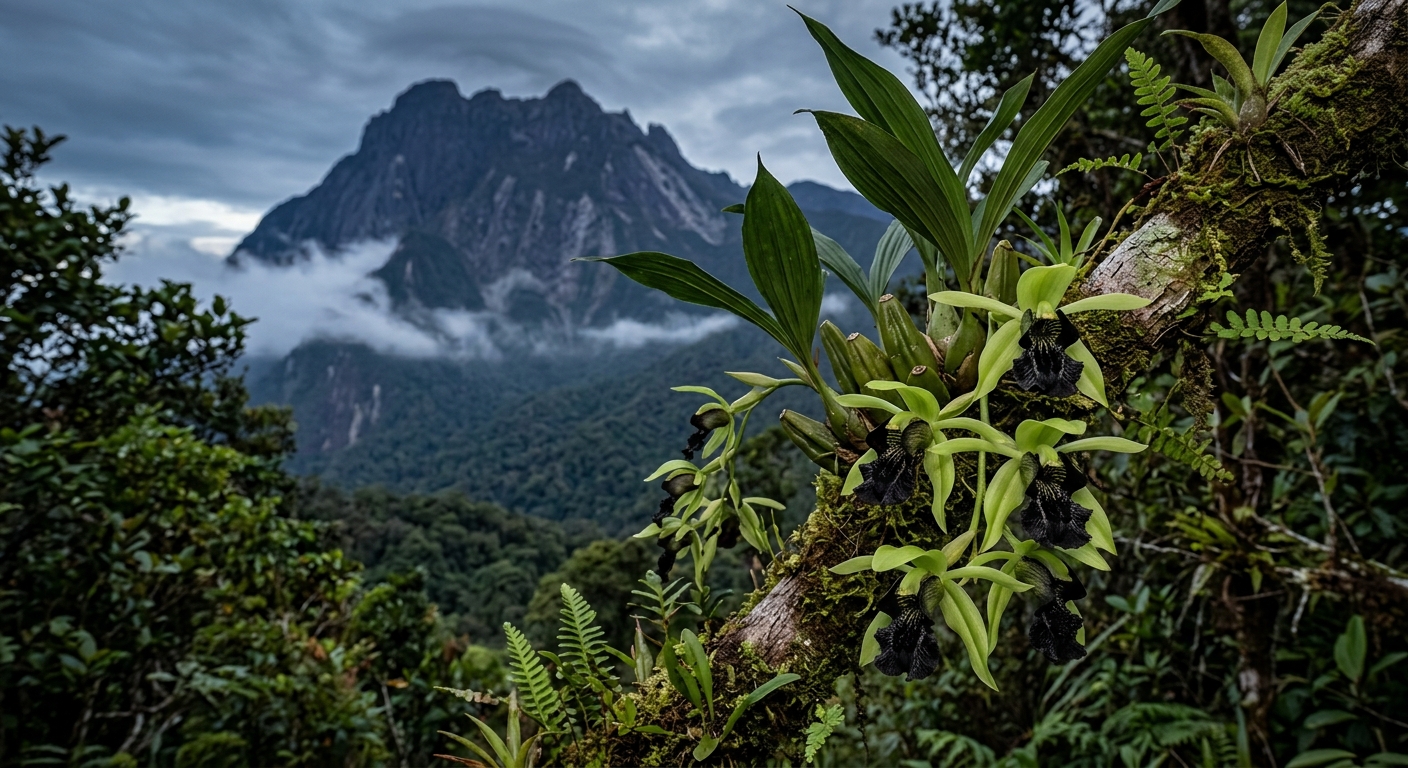
Deep in the highlands of Malaysian Borneo, the mysterious black orchid grows exclusively on Mount Kinabalu, making it one of Earth’s rarest flowers. This stunning epiphyte with emerald and black markings represents the ultimate in evolutionary specialization, thriving only in the unique conditions of this single mountain peak.
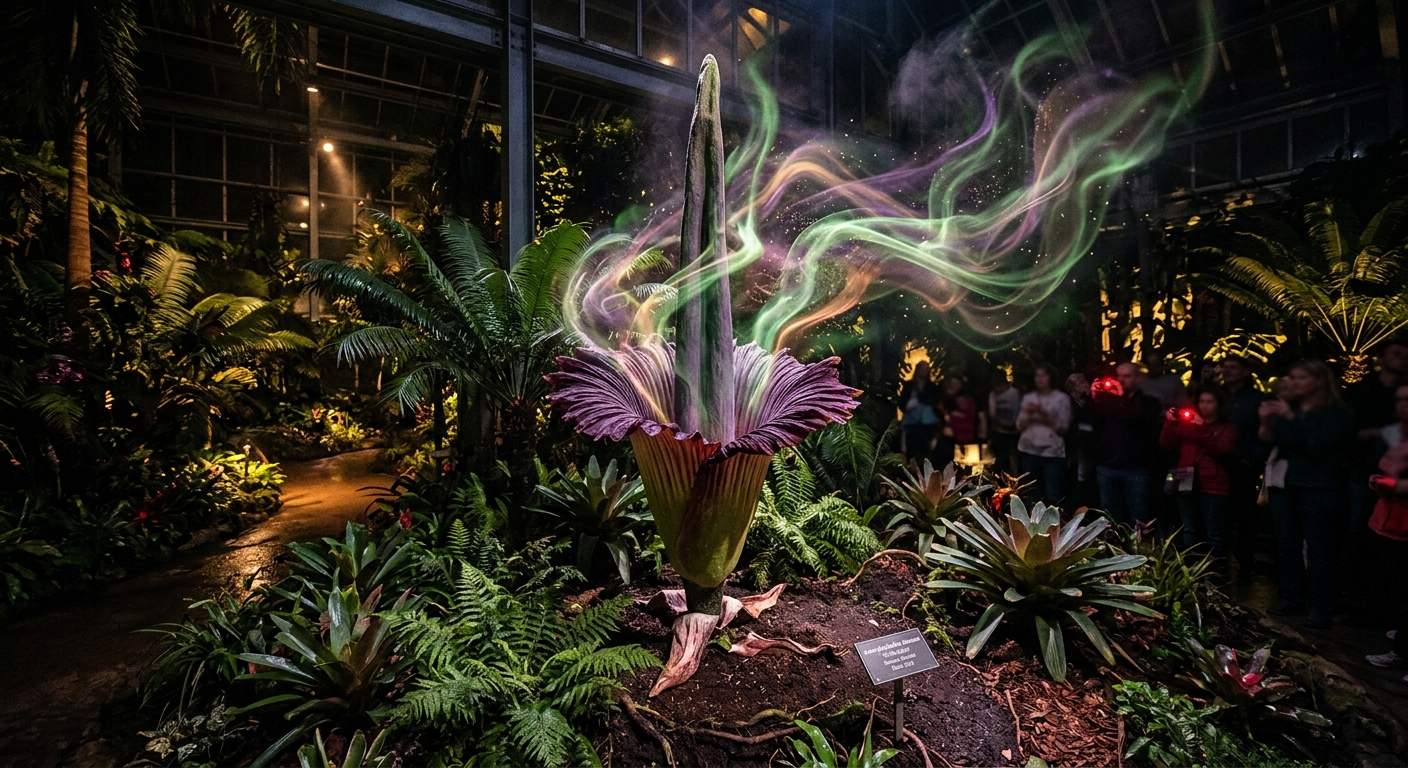
The corpse flower produces the most putrid smell on Earth, mimicking rotting flesh to attract carrion beetles and flies for pollination. This massive plant can be smelled from half a mile away and draws thousands of visitors who wait hours just to experience its legendary 24-hour stench.
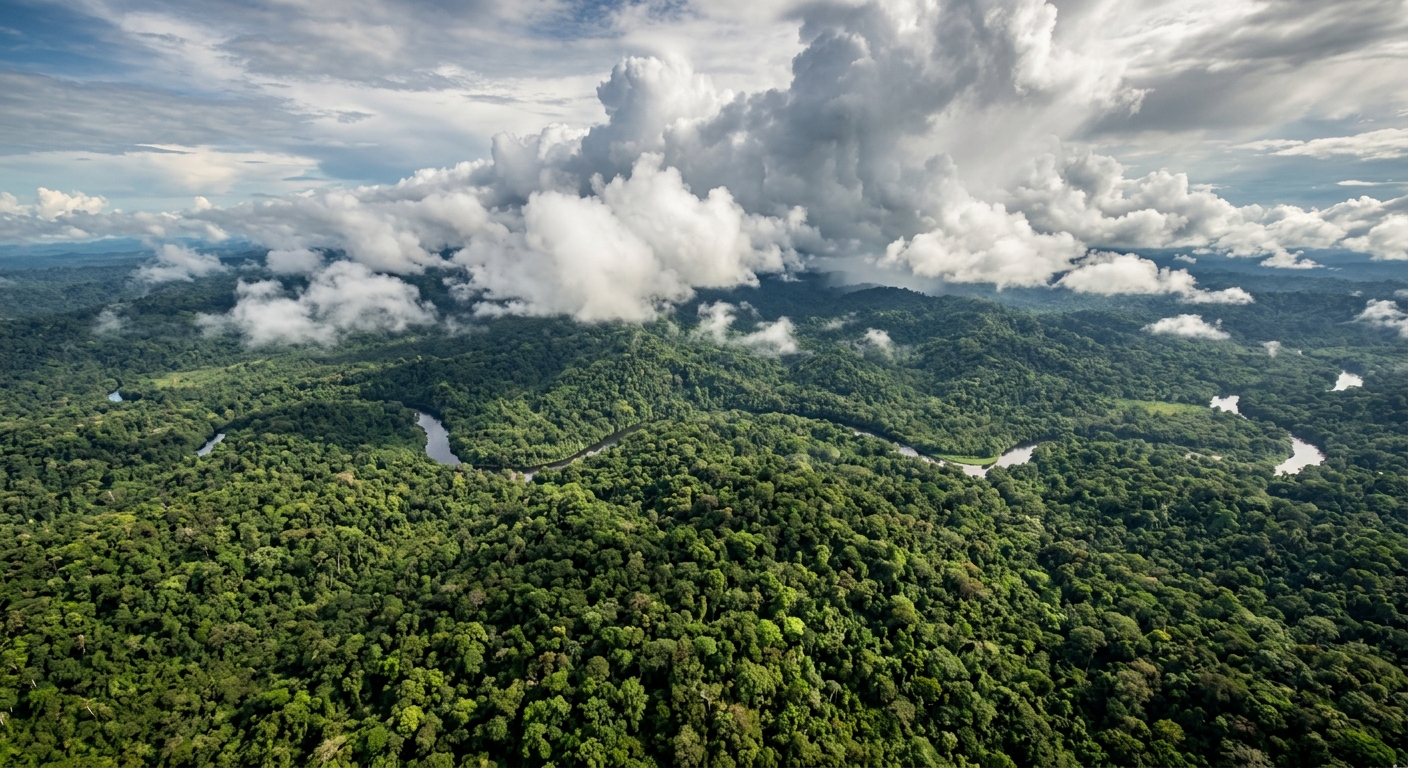
The Amazon rainforest produces roughly half of its own rainfall through an extraordinary process that releases 20 billion tons of water vapor daily into the atmosphere. This natural rain-making system influences weather patterns across South America and demonstrates nature’s most sophisticated climate engineering on a continental scale.
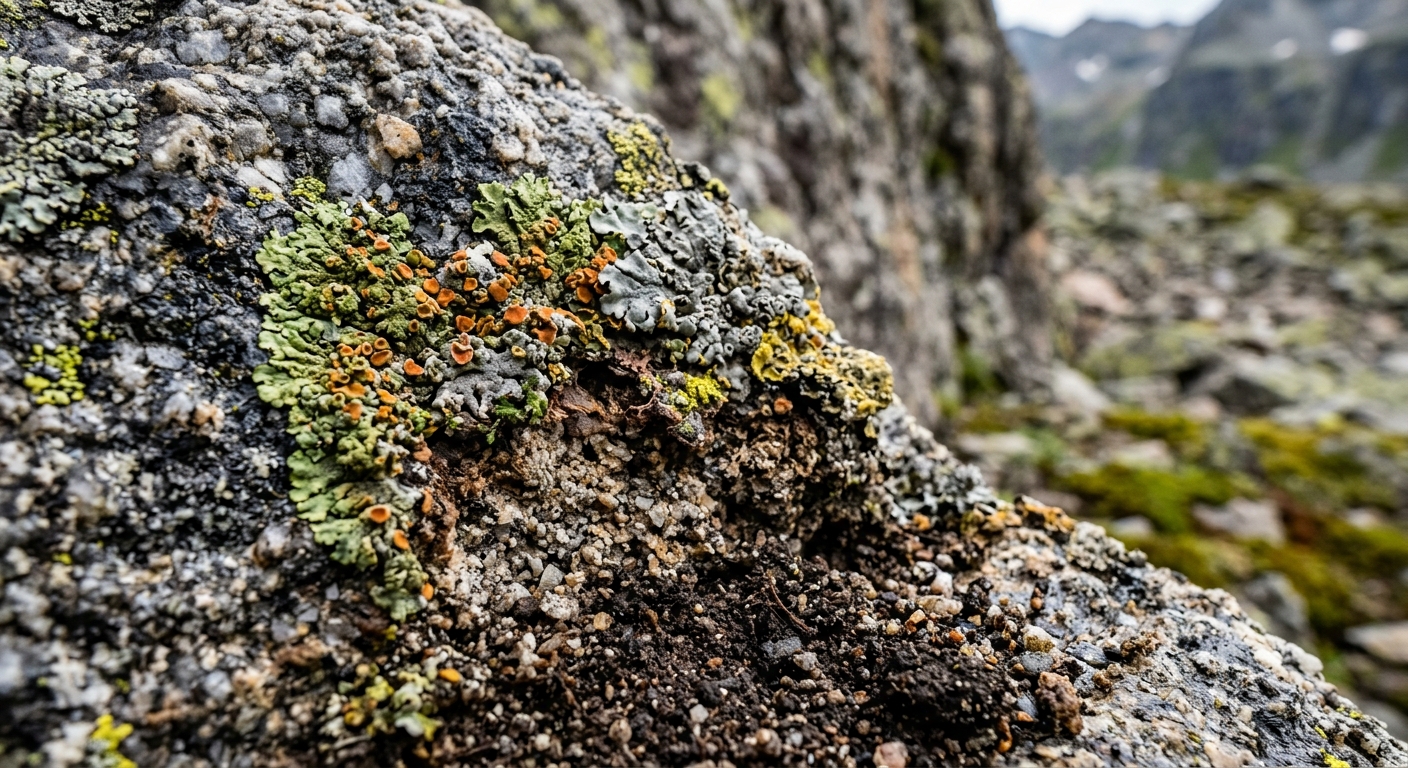
For 400 million years, lichens have been Earth’s unsung heroes, slowly but steadily dissolving solid rock with powerful acids to create the soil that supports all terrestrial life. These remarkable fungus-algae partnerships have transformed our planet from a barren, rocky world into one capable of supporting lush ecosystems through their patient, chemical rock-breaking work.
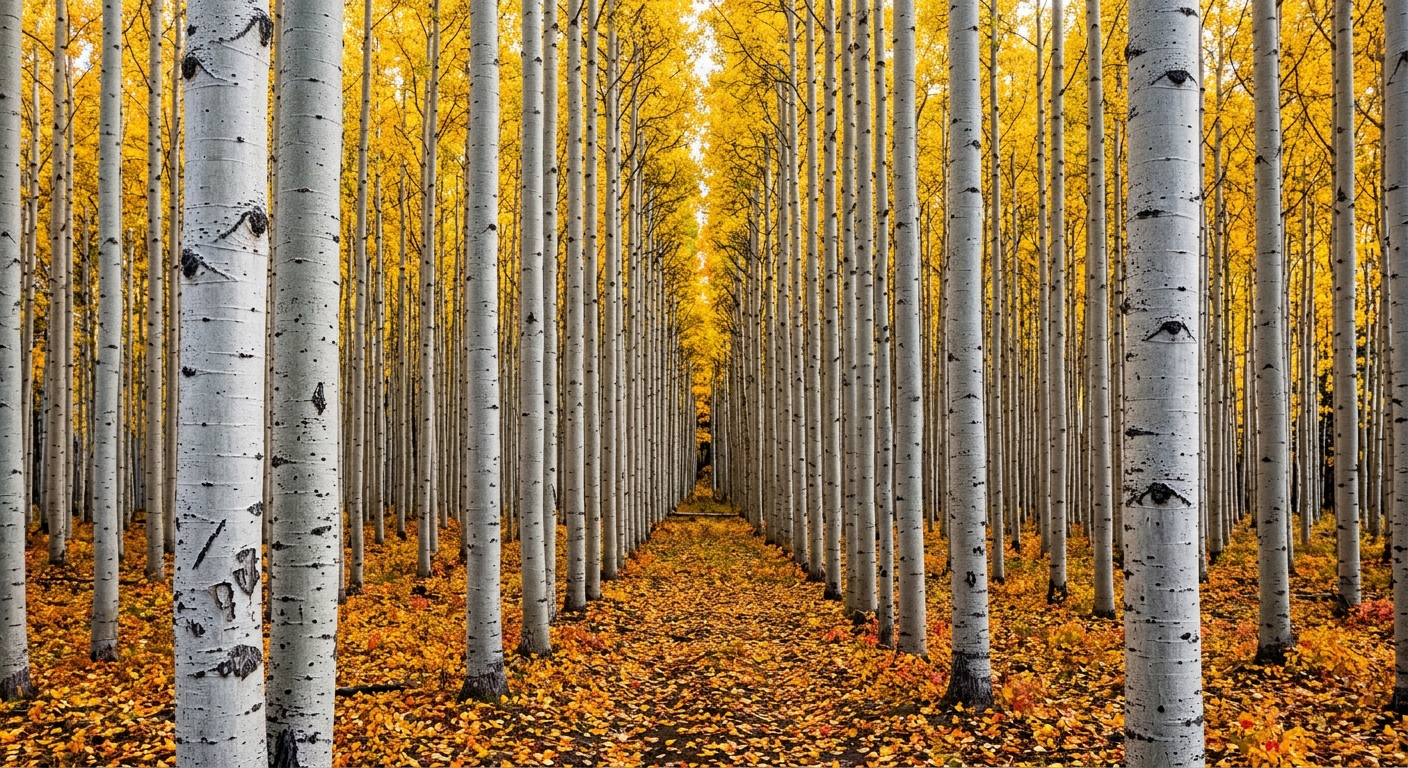
What looks like a forest of 47,000 individual aspen trees is actually one massive organism connected by underground roots, potentially 80,000 years old. This ancient being, called Pando, covers 106 acres and functions as a single living entity that can share resources and communicate across its entire network.
For thousands of years, cinnamon bark commanded prices higher than gold, driving global exploration and shaping world history. This aromatic spice was so valuable that merchants spun elaborate myths about winged creatures and impossible cliffs to protect their profitable monopoly.
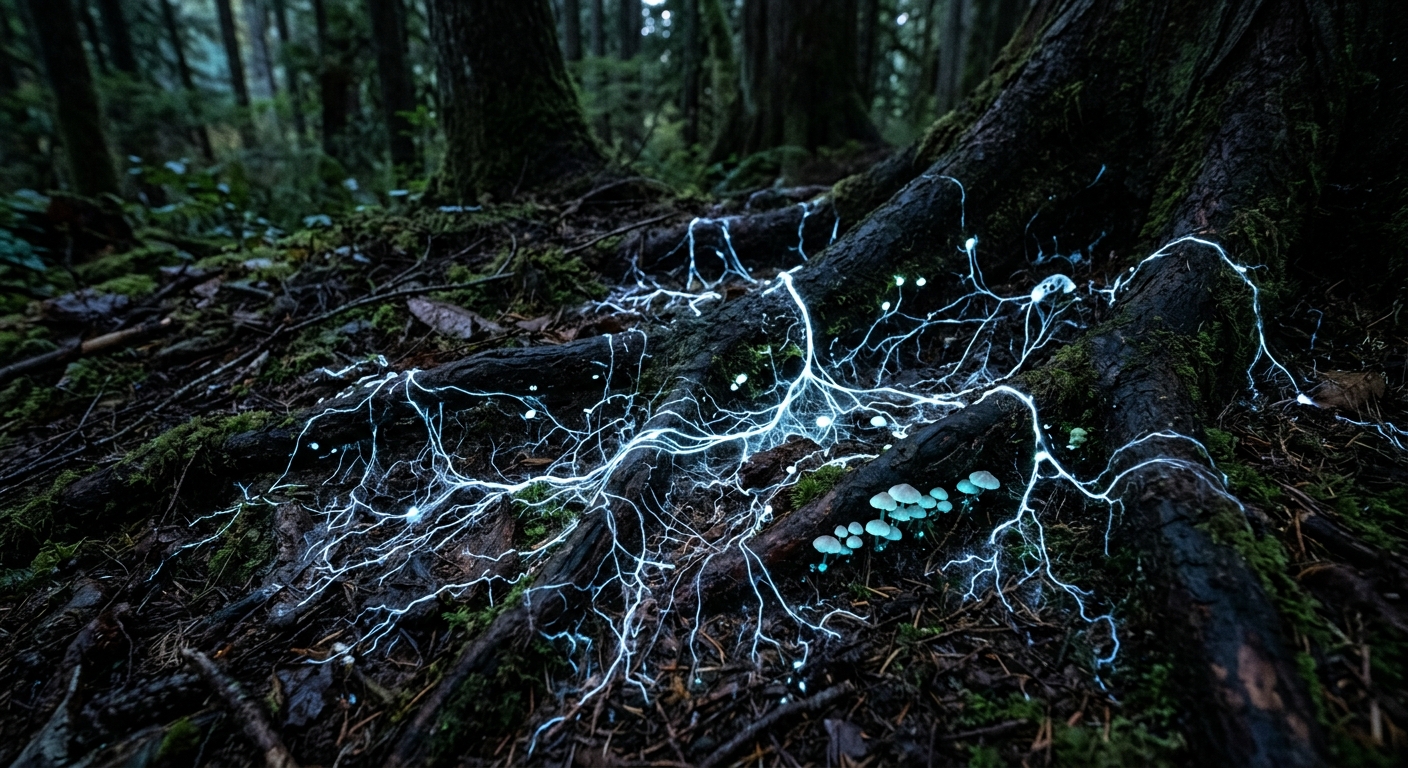
Scientists have discovered that trees communicate through a sophisticated underground fungal network called the Wood Wide Web, where they share resources and send chemical messages. This biological internet connects every plant in the forest through thread-like mycelium that acts like nature’s fiber optic cables.
Some of the world’s most patient plants wait up to 100 years to bloom, and when they finally do, it happens only under the cover of darkness. These desert survivors have turned extreme patience into an evolutionary advantage, creating some of nature’s most spectacular and rare flowering displays.
The foxglove plant contains toxins potent enough to stop a human heart, yet these same deadly compounds have become essential medicine for treating heart disease. This garden beauty perfectly embodies nature’s paradox where poison and cure exist in the same purple flower.