The giant pitcher plant of Borneo has evolved the world’s most unusual toilet facility, where tree shrews pay rent with their nitrogen-rich droppings. This remarkable partnership shows how evolution can create the most unexpected solutions for survival in harsh environments.
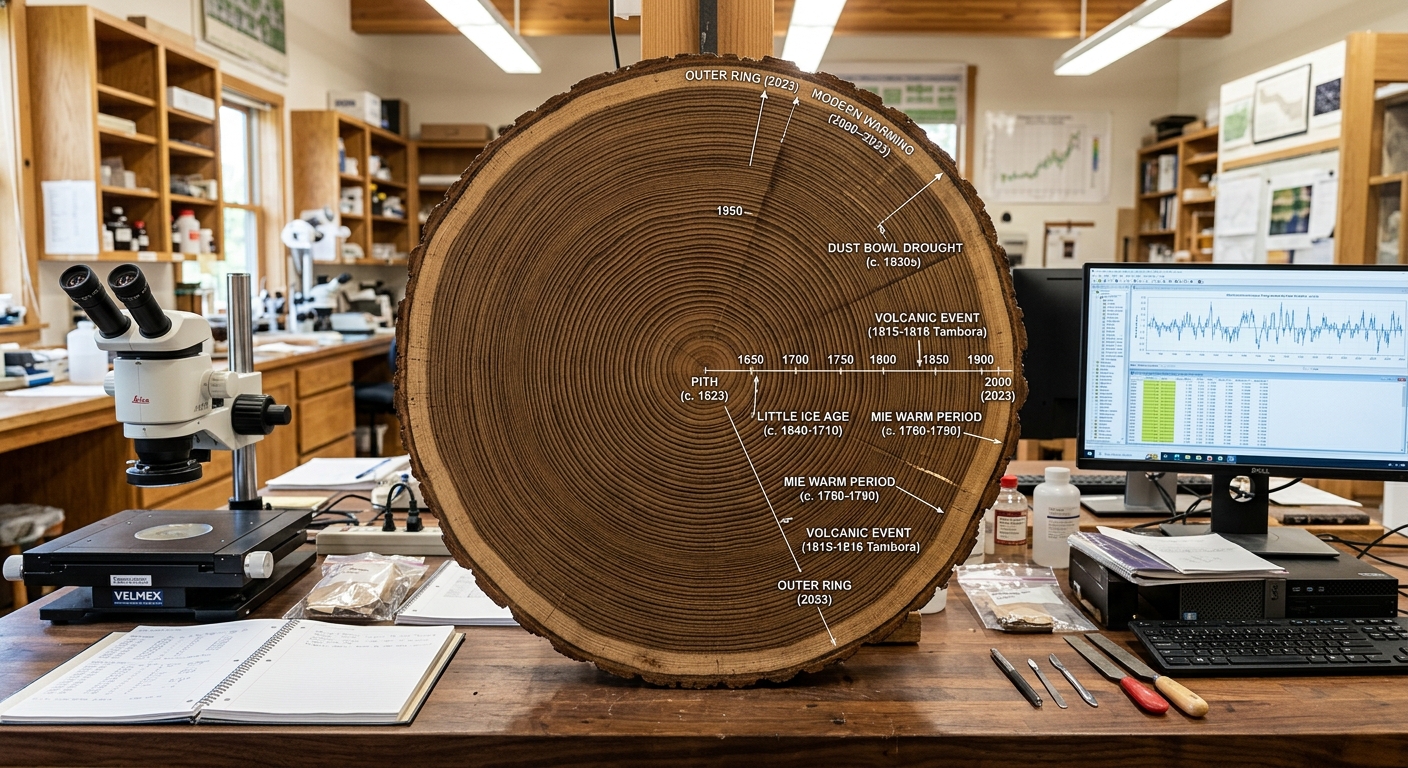
Ancient trees store detailed climate records in their wood rings, with some forests holding drought memories spanning over 400 years. These biological time machines reveal shocking details about historical climate patterns and provide crucial data for understanding how nature survives extreme weather events.
The Moringa tree can transform contaminated water into safe drinking water using crushed seeds that act like natural magnets for bacteria and pollutants. Its leaves contain extraordinary concentrations of nutrients that can reverse severe malnutrition, making it one of nature’s most powerful solutions for global health challenges.
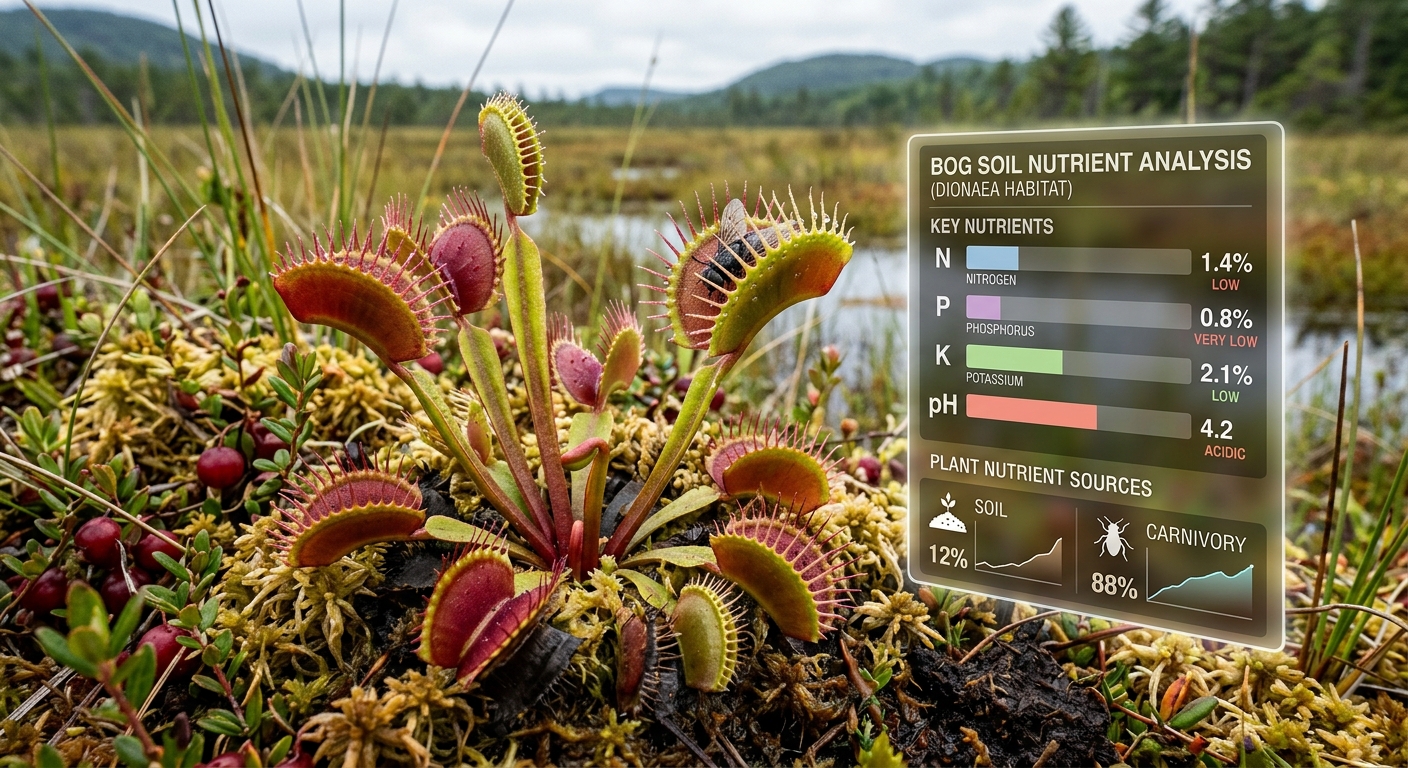
Venus flytraps didn’t evolve their deadly snap traps because they enjoy hunting, but because they live in some of the most nutrient-poor soil on Earth. These remarkable plants became carnivorous out of necessity, supplementing their diet with insects to survive in acidic, waterlogged environments where other plants cannot obtain enough nitrogen and phosphorus to live.
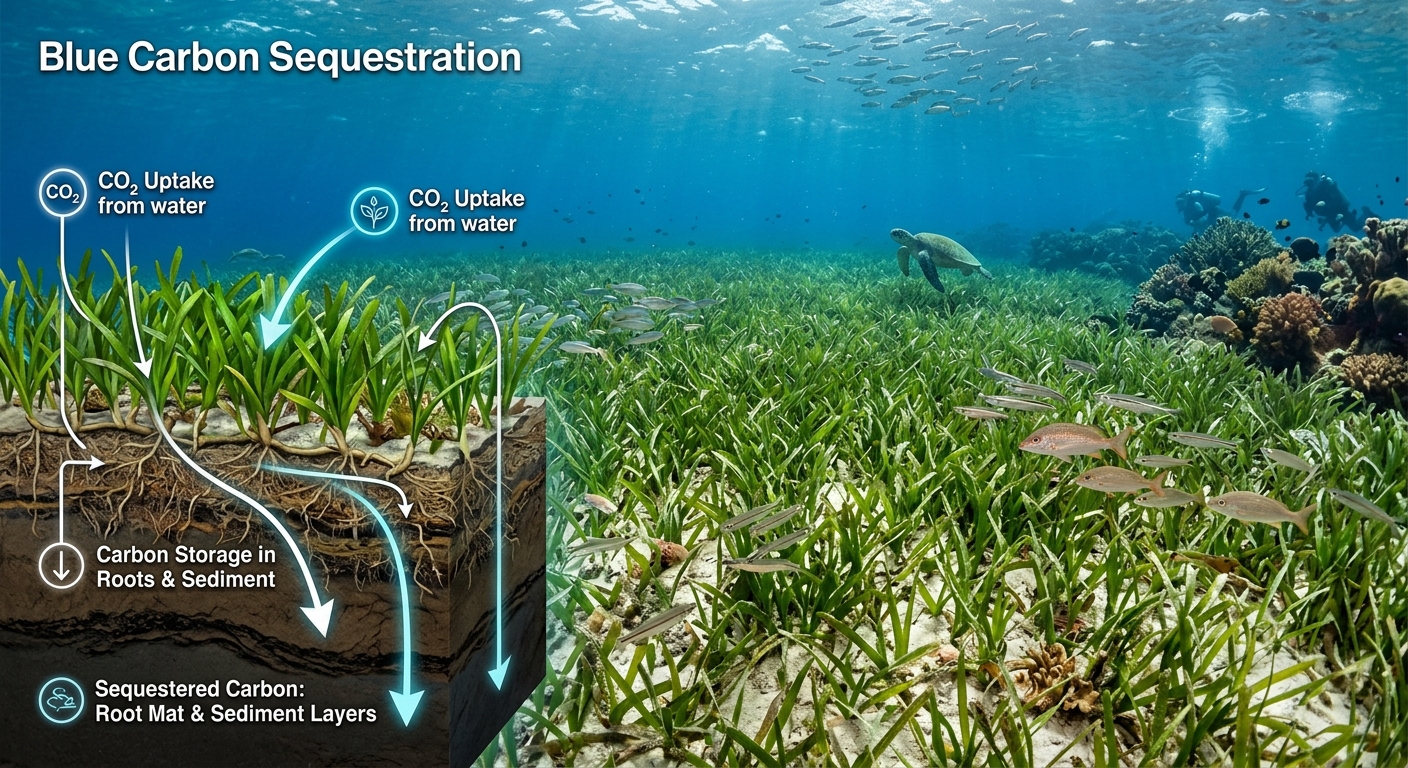
Hidden beneath ocean waves, humble seagrass meadows are quietly outperforming rainforests as carbon storage champions, sequestering carbon up to 35 times faster than their celebrated terrestrial counterparts. These underwater grasslands are disappearing faster than rainforests, taking with them our planet’s most effective natural climate change solution.
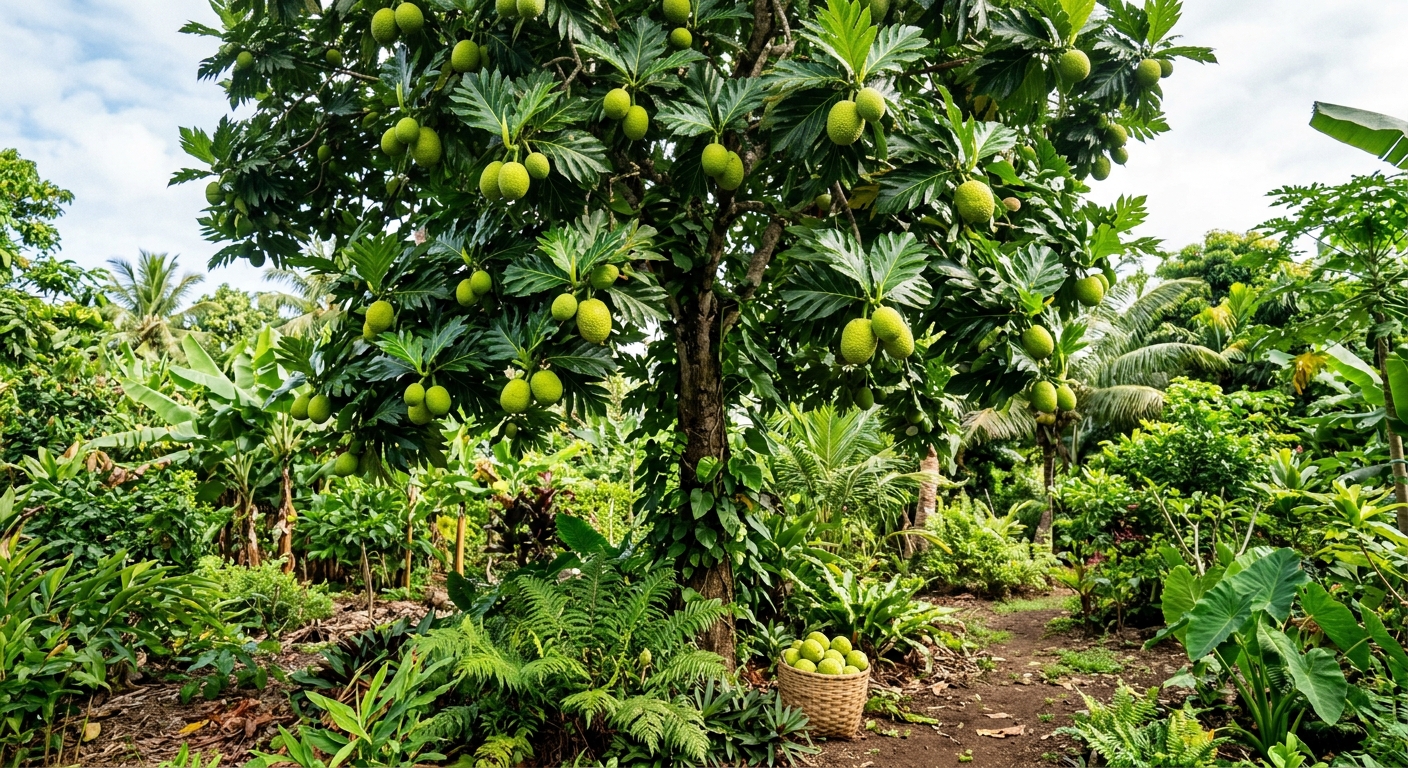
The breadfruit tree produces 200 pounds of nutritious food annually for up to 80 years without requiring any farming, fertilizers, or human intervention. This remarkable plant has sustained entire Pacific Island civilizations for millennia and could potentially help solve modern food security challenges worldwide.
In Pacific island villages, a sacred plant called kava has been putting entire communities into collective trance states for over 3,000 years. This remarkable ceremony creates a unique form of conscious relaxation that science is only beginning to understand.
Scientists have discovered that certain Brazilian fungi don’t just glow in the dark, they actually increase their luminescence by up to 300% when insects visit them. This remarkable interaction represents a sophisticated biological communication system that challenges our understanding of fungal intelligence.
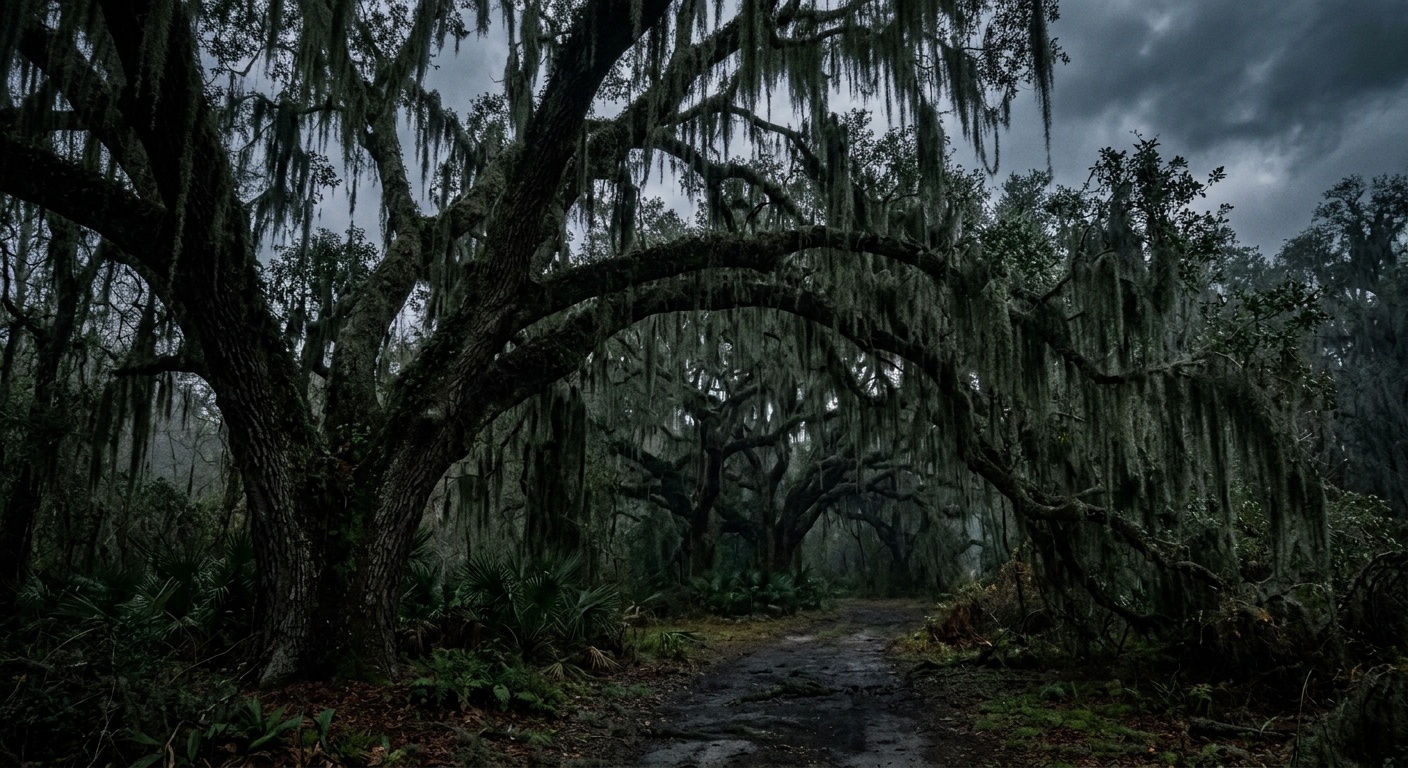
Spanish moss, the iconic draping plant of the American South, isn’t actually moss at all but a sophisticated air plant related to pineapples. This master of botanical disguise survives entirely by harvesting nutrients and moisture directly from the atmosphere, making it one of nature’s most efficient air-filtering systems.
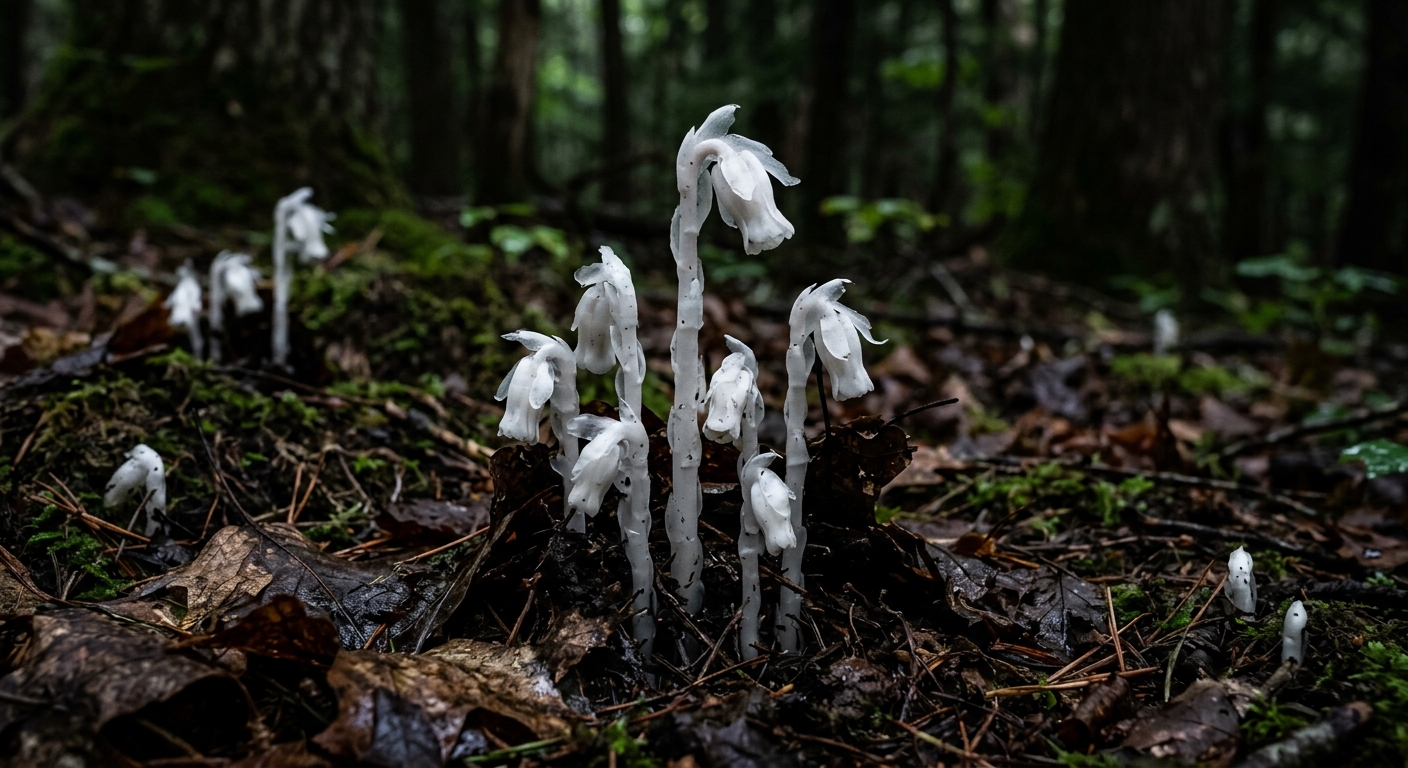
The Indian pipe plant appears completely white and ghostly because it contains no chlorophyll and cannot photosynthesize. Instead, this botanical vampire survives by parasitically tapping into underground fungal networks to steal nutrients from healthy trees.