Deep in Utah’s mountains grows Pando, a forest of genetically identical aspen trees that are actually one massive 80,000-year-old organism connected by underground roots. This 6,000-ton living fossil has survived ice ages and countless disasters through its remarkable clonal reproduction strategy.
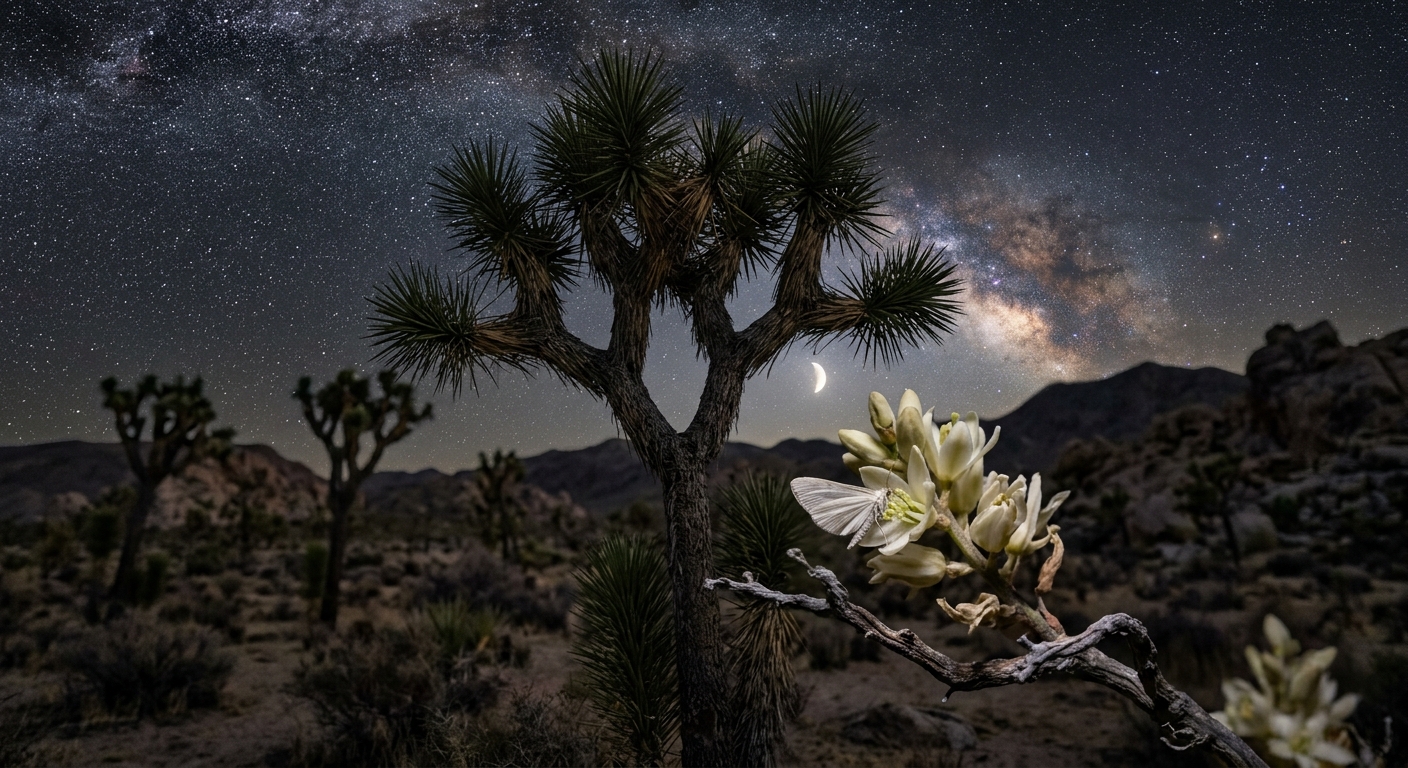
The iconic Joshua tree has survived millions of years in the harsh Mojave Desert thanks to an exclusive partnership with a single moth species that serves as its only pollinator. This ancient relationship, where moth and tree depend entirely on each other for survival, now faces unprecedented threats from climate change.
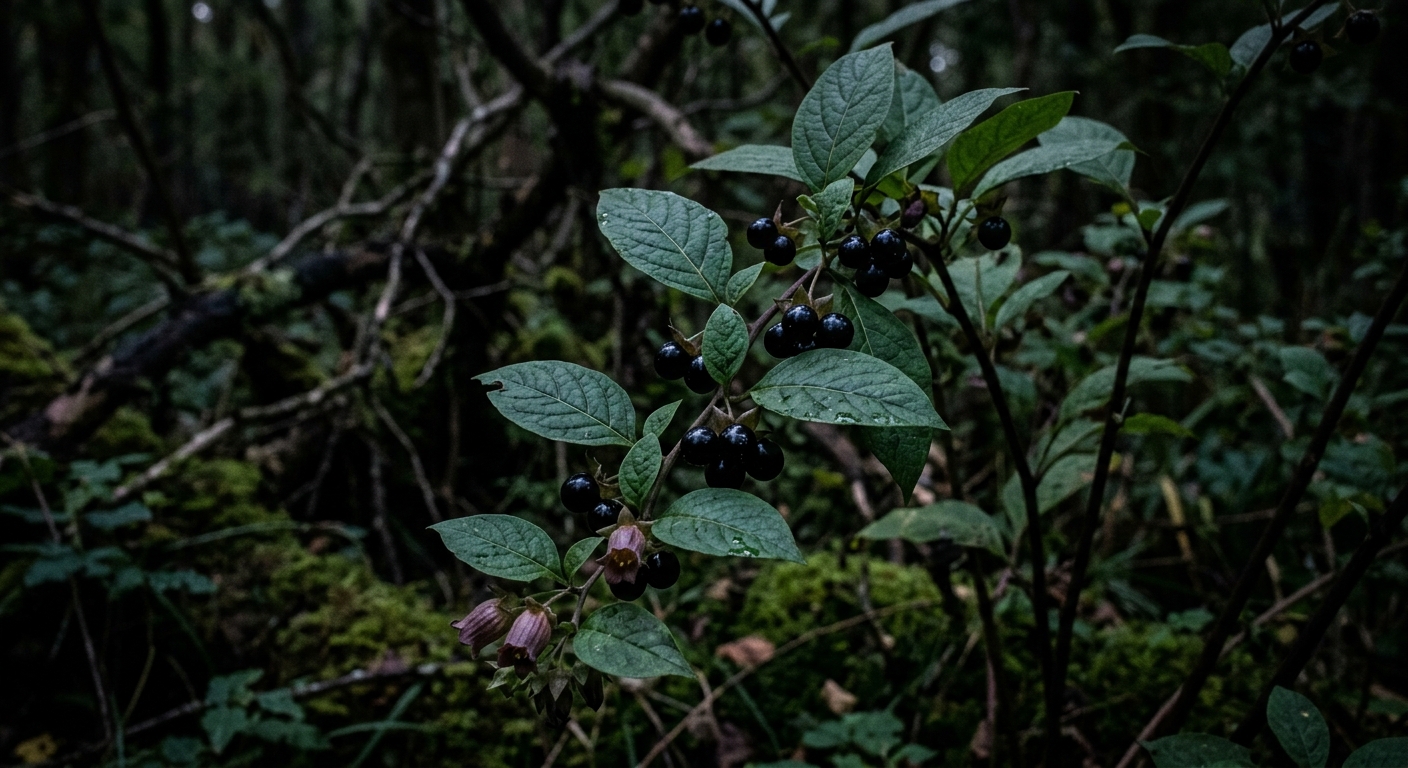
For centuries, European women risked their lives using deadly belladonna to create mesmerizingly dilated pupils, while assassins used the same beautiful plant to poison their enemies. This is the dark history of how one flower became both a beauty treatment and a weapon of choice.
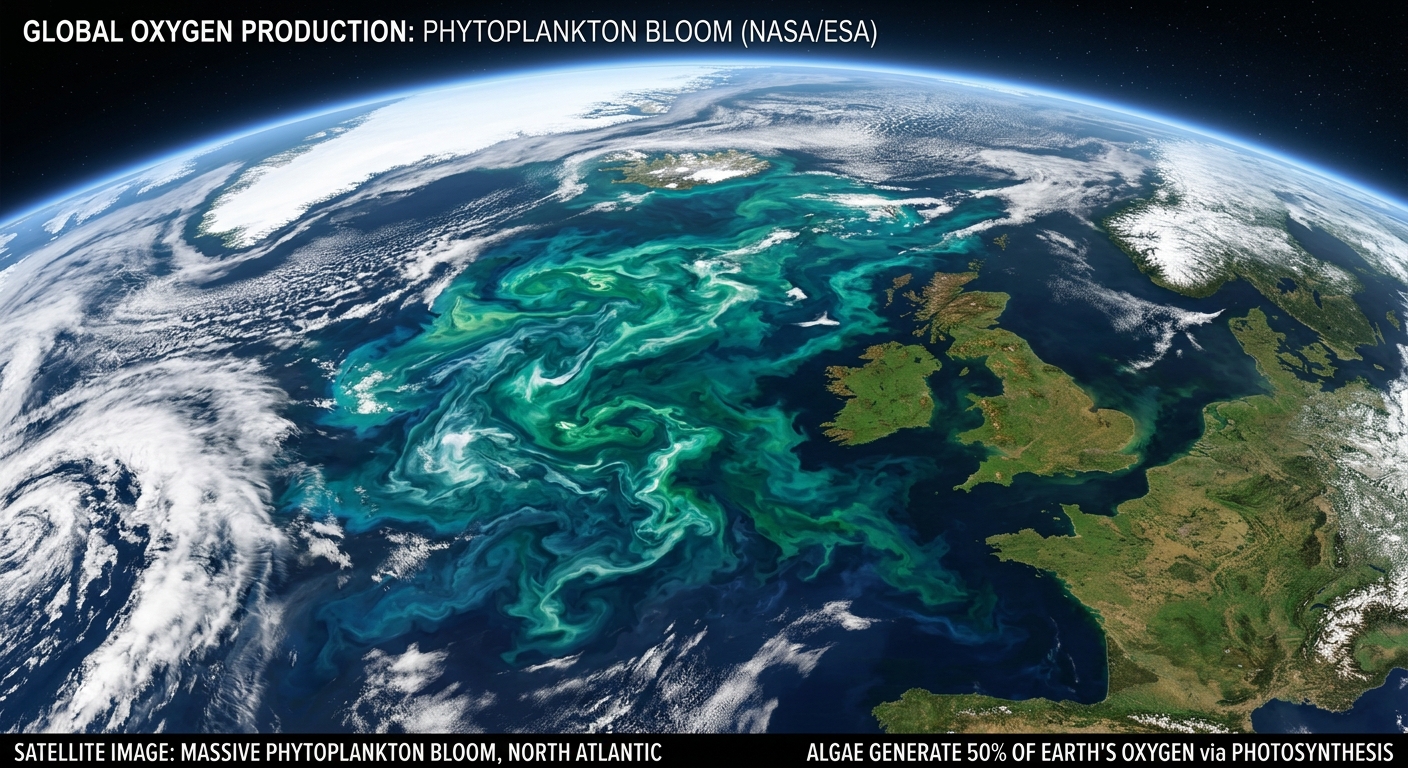
While we credit forests for the air we breathe, microscopic marine phytoplankton actually produce 50-80% of Earth’s oxygen. These invisible ocean organisms collectively outperform every rainforest on the planet and create oxygen production displays so massive they’re visible from space.
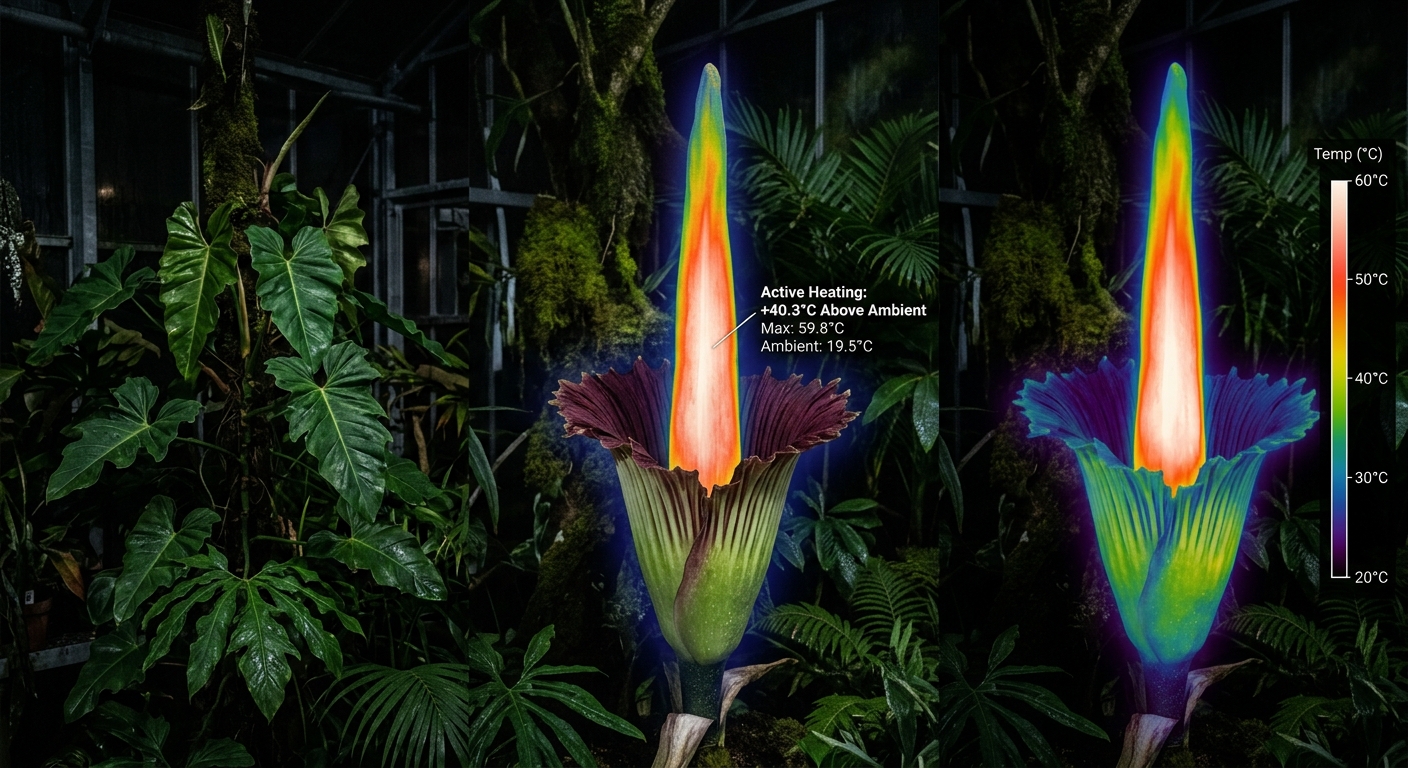
The Amorphophallus titanum generates more heat than any other plant on Earth, reaching temperatures of 98°F to volatilize sulfur compounds that smell like rotting meat. This biological furnace burns through years of stored energy in just 24 hours to create a stench so powerful it can be detected from hundreds of yards away.
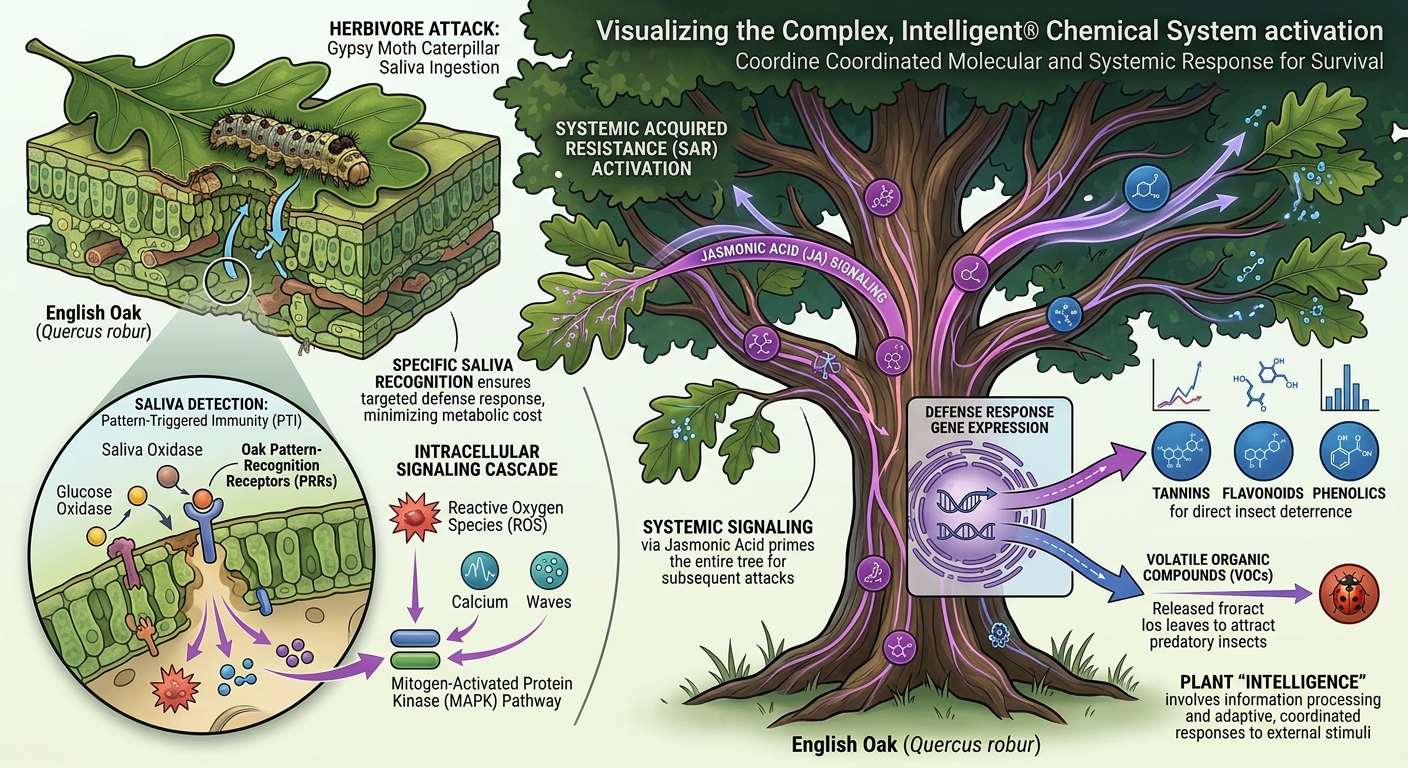
Trees can analyze the saliva of attacking insects to identify exactly which species is eating them, then produce custom chemical defenses tailored specifically to that threat. This botanical detective work represents one of nature’s most sophisticated defense systems, turning plants into real-time chemical laboratories.
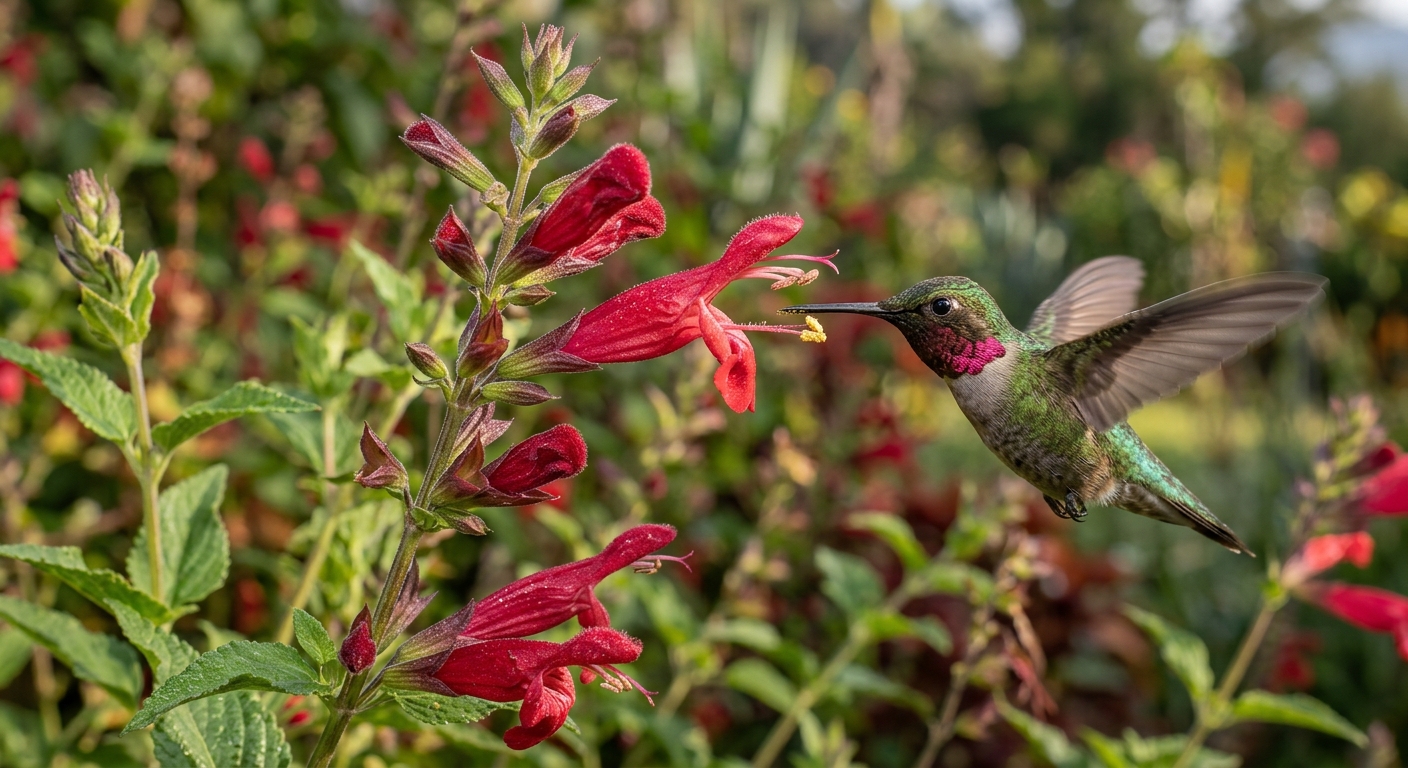
The hummingbird sage has evolved an extraordinary mechanism that keeps its flowers sealed until a hummingbird approaches, detecting the bird’s unique vibrations and heat signature. This exclusive pollination partnership represents one of nature’s most sophisticated lock-and-key relationships.
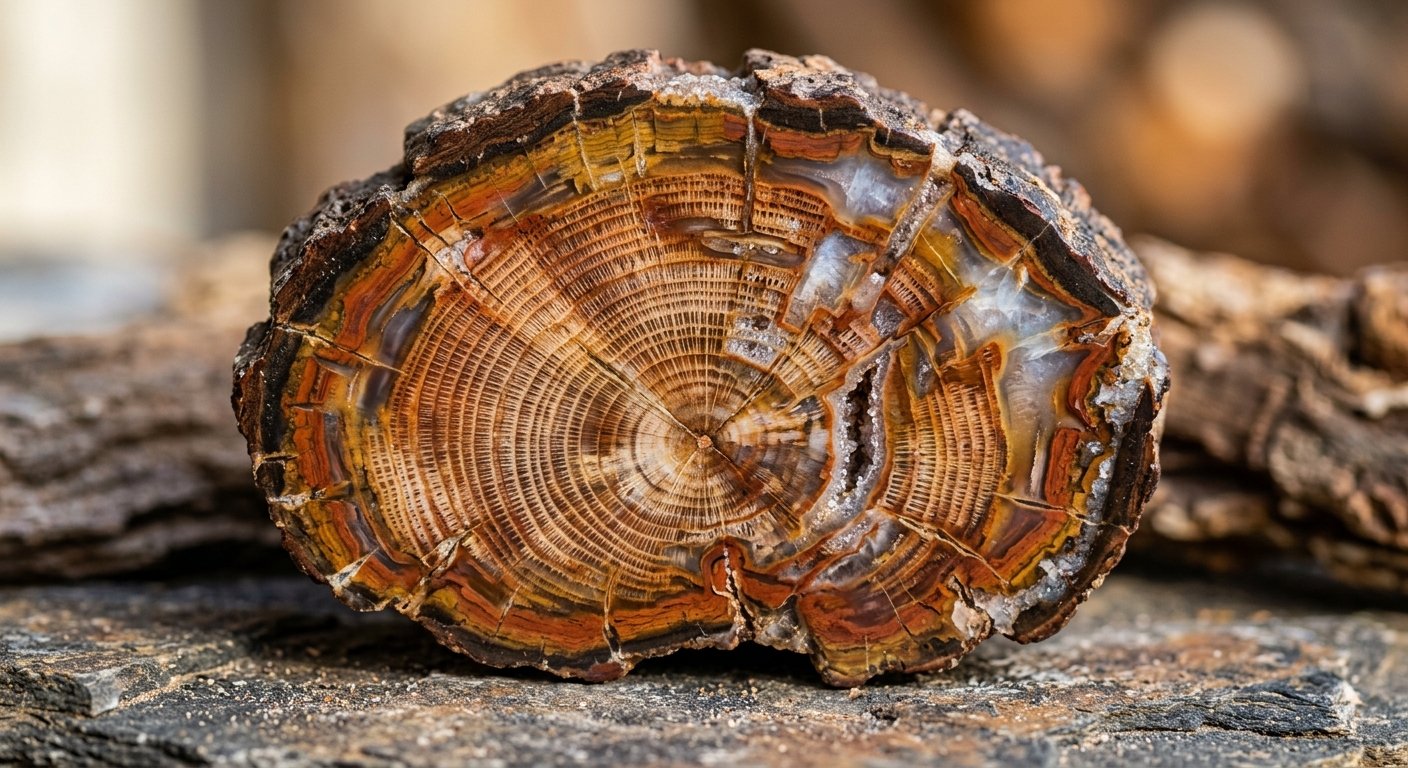
Petrified wood represents one of nature’s most incredible preservation processes where ancient trees are transformed into stunning stone replicas that maintain every detail of the original wood. These geological time capsules preserve forests from millions of years ago, creating rainbow colored stone trees that serve as windows into Earth’s ancient climates and ecosystems.
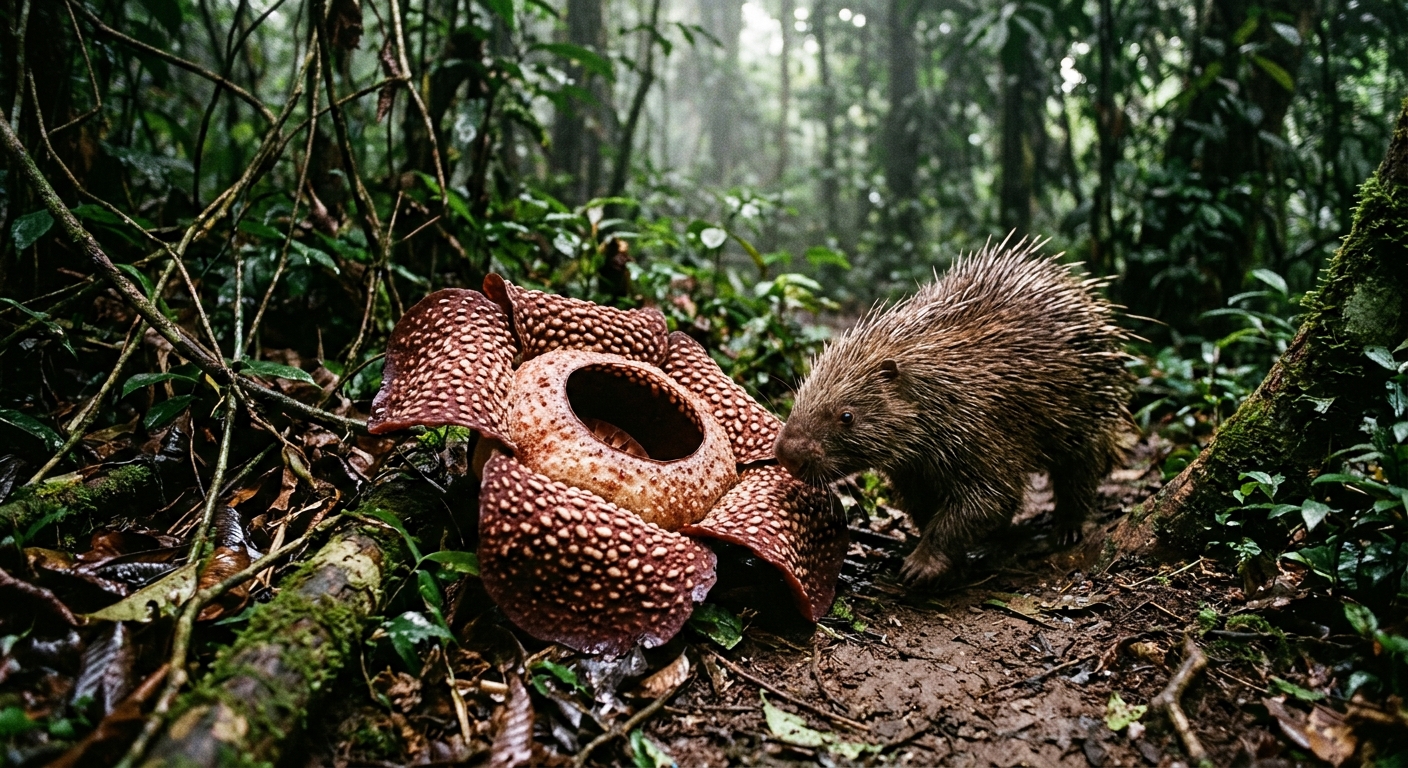
The Corpse Lily, Earth’s largest flower, has evolved the ability to detect blood from wounded animals miles away and uses this information to time its massive, putrid blooms. This parasitic plant’s supernatural sensory abilities rival those of predatory animals and represent one of nature’s most disturbing evolutionary adaptations.
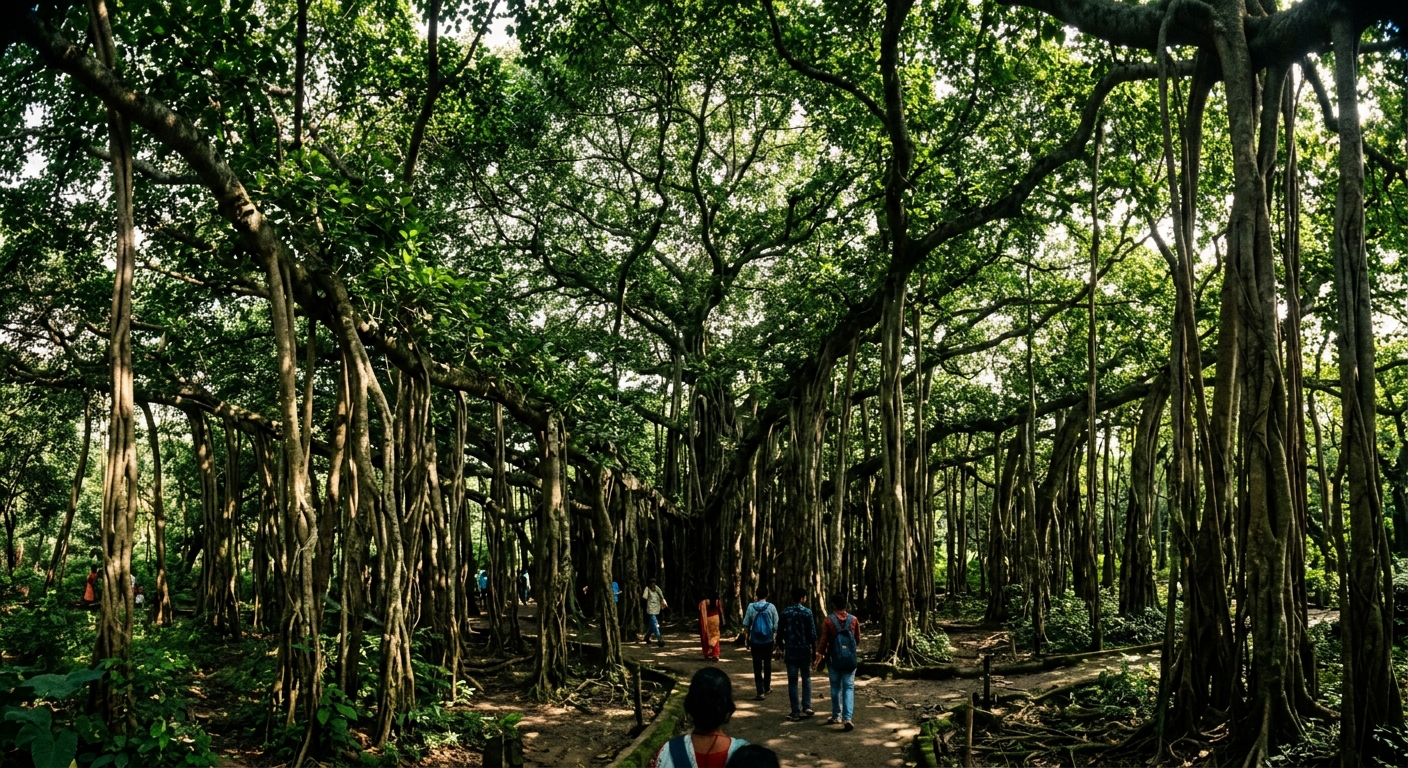
The banyan tree grows aerial roots from its branches that eventually become new trunks, allowing a single tree to spread across acres and function as an entire forest. Some specimens cover over 5 acres and support thousands of animal species in their complex root networks.