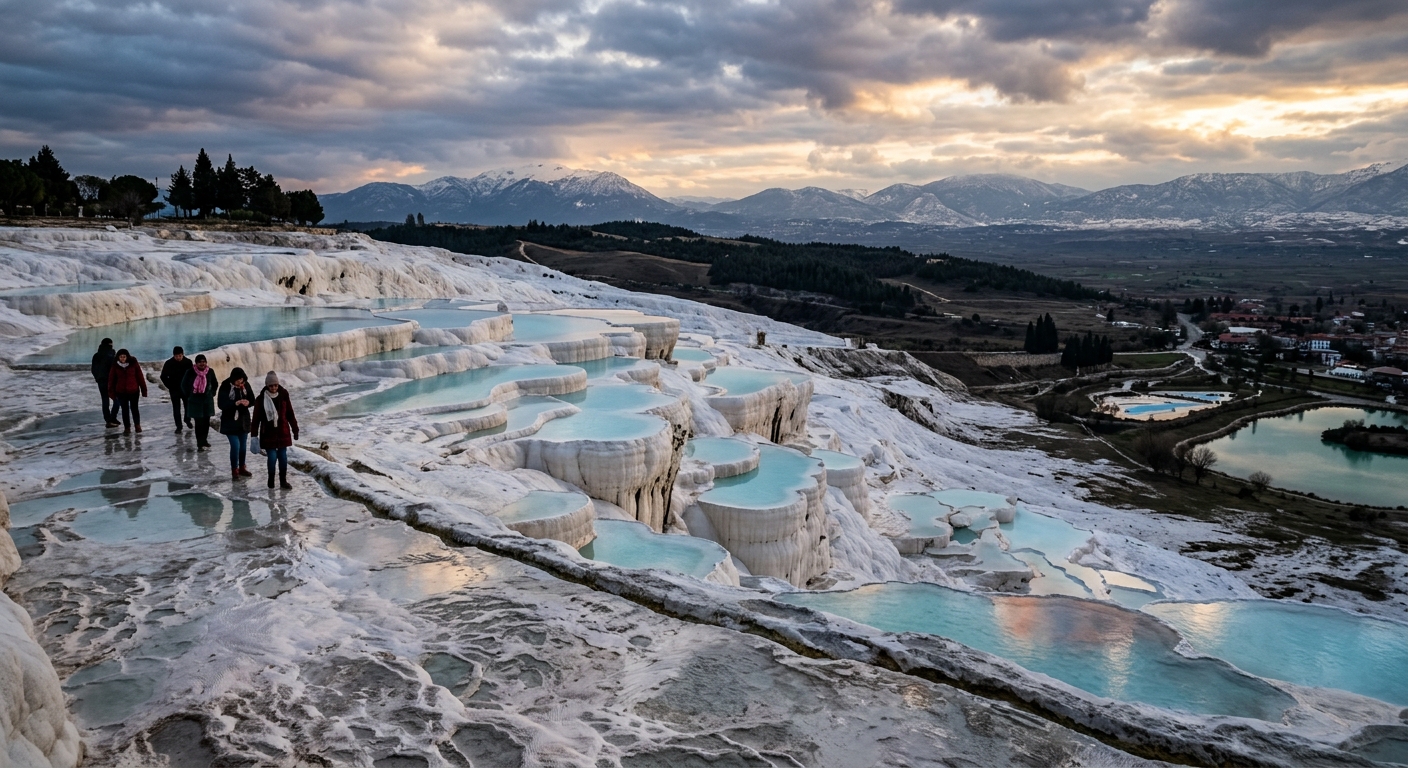
Turkey’s Pamukkale terraces create a stunning optical illusion that tricks visitors into thinking they’re seeing snow-covered pools in the desert heat. These brilliant white formations are actually ancient thermal springs that have been depositing calcium carbonate for over 14,000 years, creating one of Earth’s most surreal landscapes.
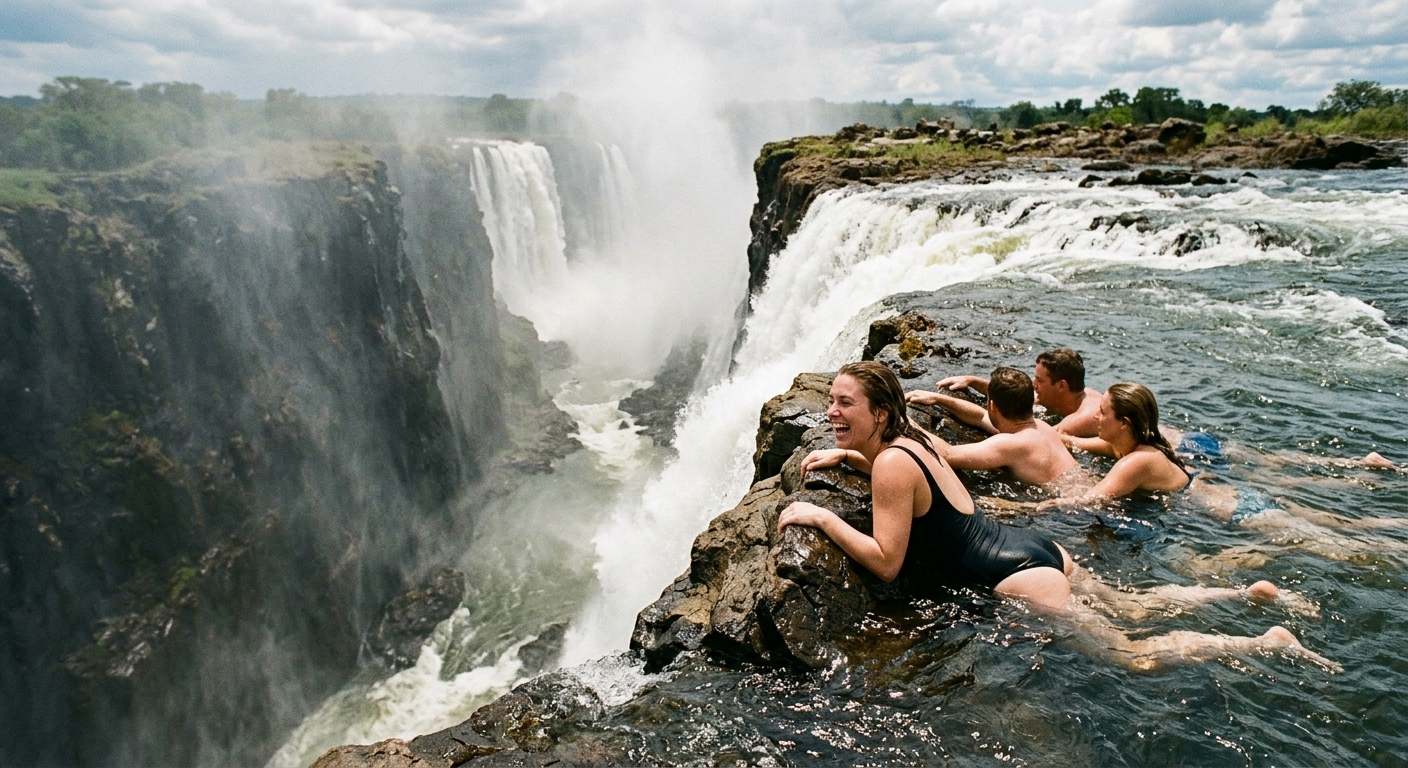
Devil Pool in Zambia allows swimmers to literally float at the edge of Victoria Falls, separated from a 355-foot drop by just a natural rock barrier. This geological marvel is only accessible during dry season when water levels drop enough to reveal nature’s most extreme swimming hole.
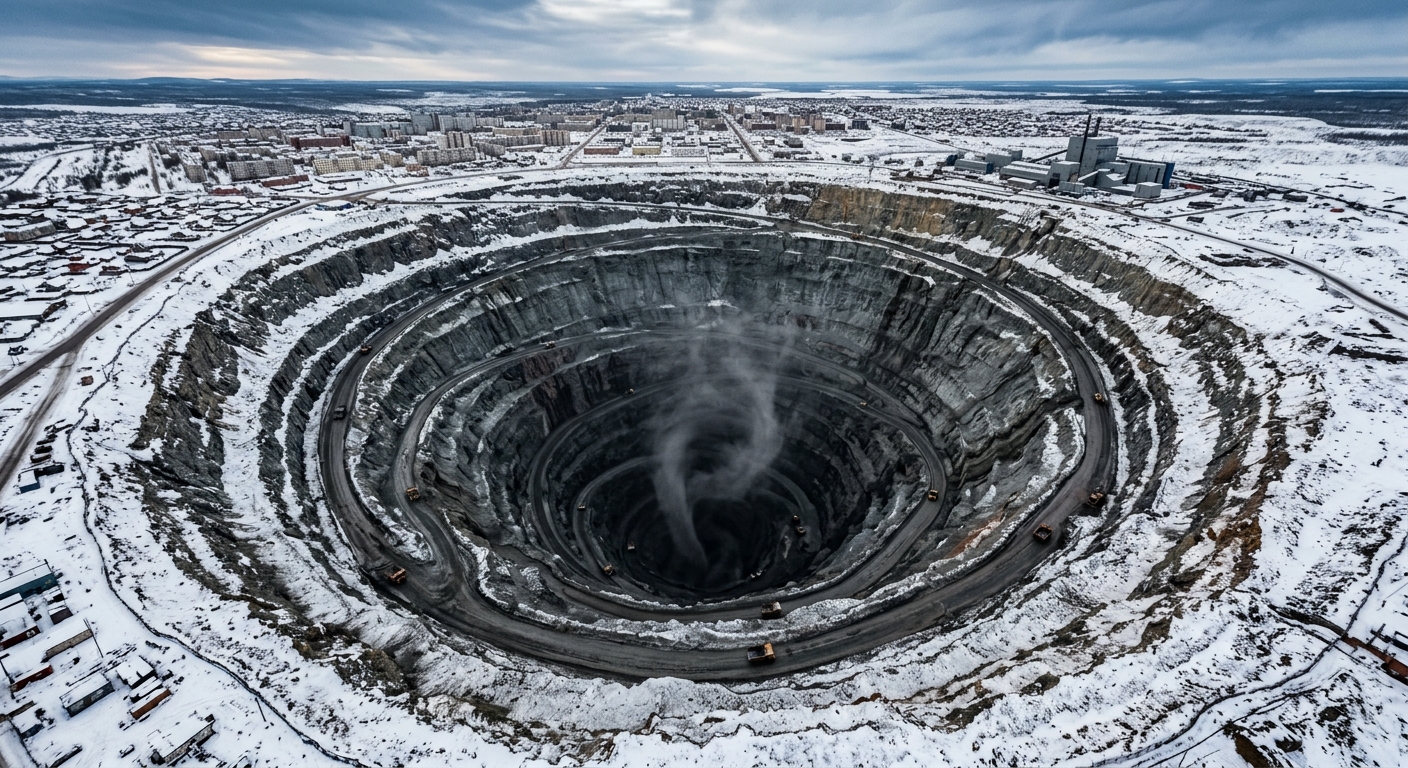
Russia’s Mir Mine is so massive and deep that it creates deadly downdrafts capable of pulling helicopters from the sky. This 1,722-foot-deep crater has an official no-fly zone after aircraft were literally sucked into its atmospheric vortex.
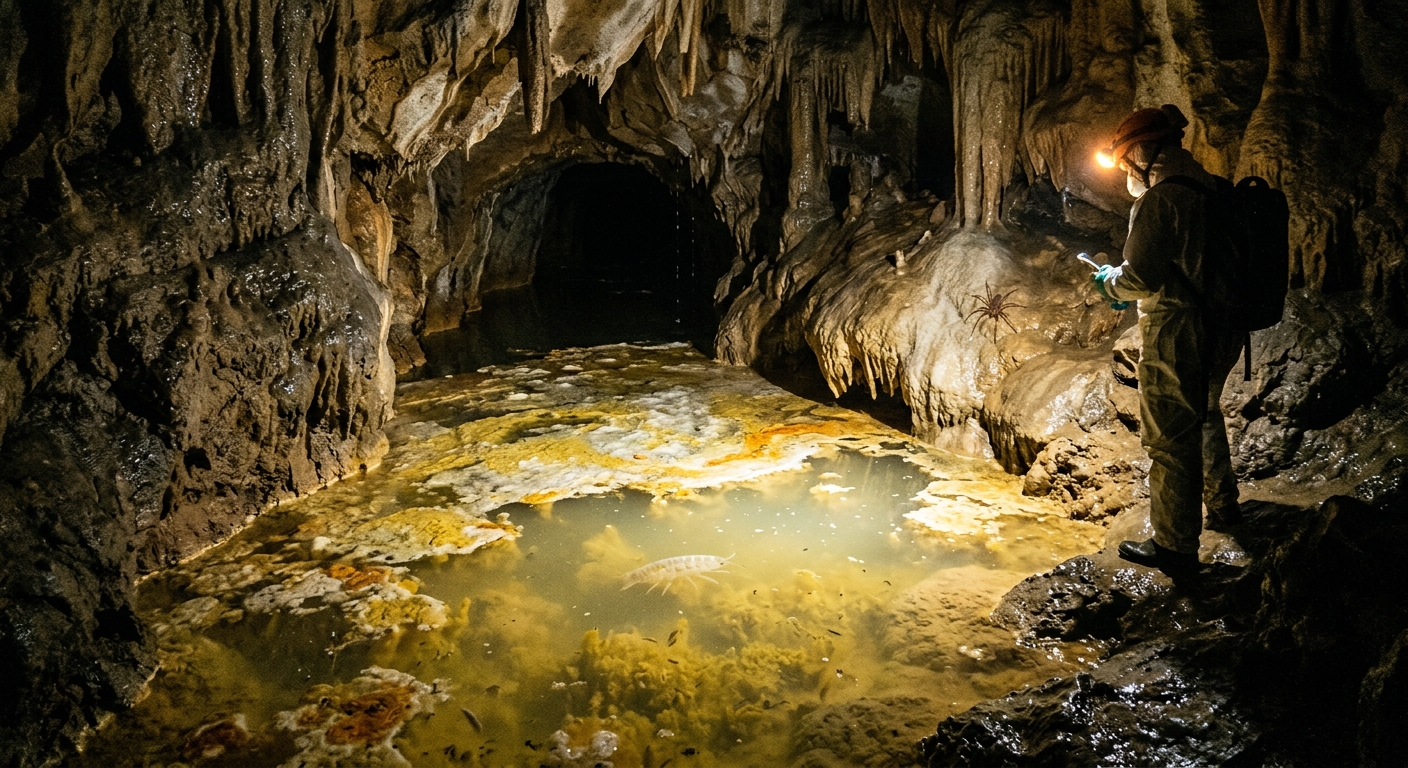
Deep beneath Romania, the Movile Cave has been sealed for 5.5 million years, containing 48 species found nowhere else on Earth. This alien ecosystem thrives in toxic darkness, powered by bacteria that convert poison into energy, challenging everything we know about life’s limits.
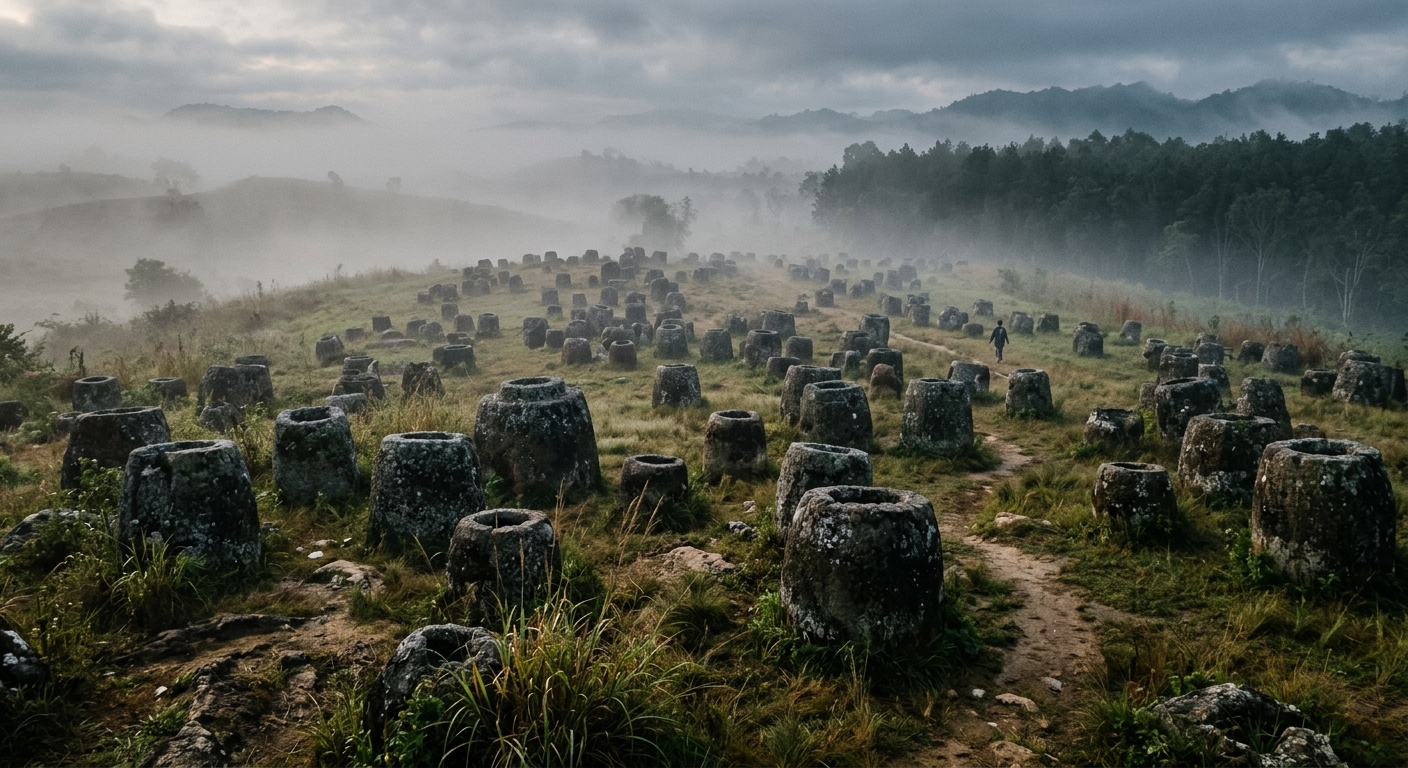
Scattered across the highlands of northern Laos, over 5,000 massive stone jars weighing up to 14 tons each have puzzled archaeologists for over a century. Despite decades of research, no one can definitively explain who made these enormous vessels, when they were created, or what purpose they served in this ancient landscape.
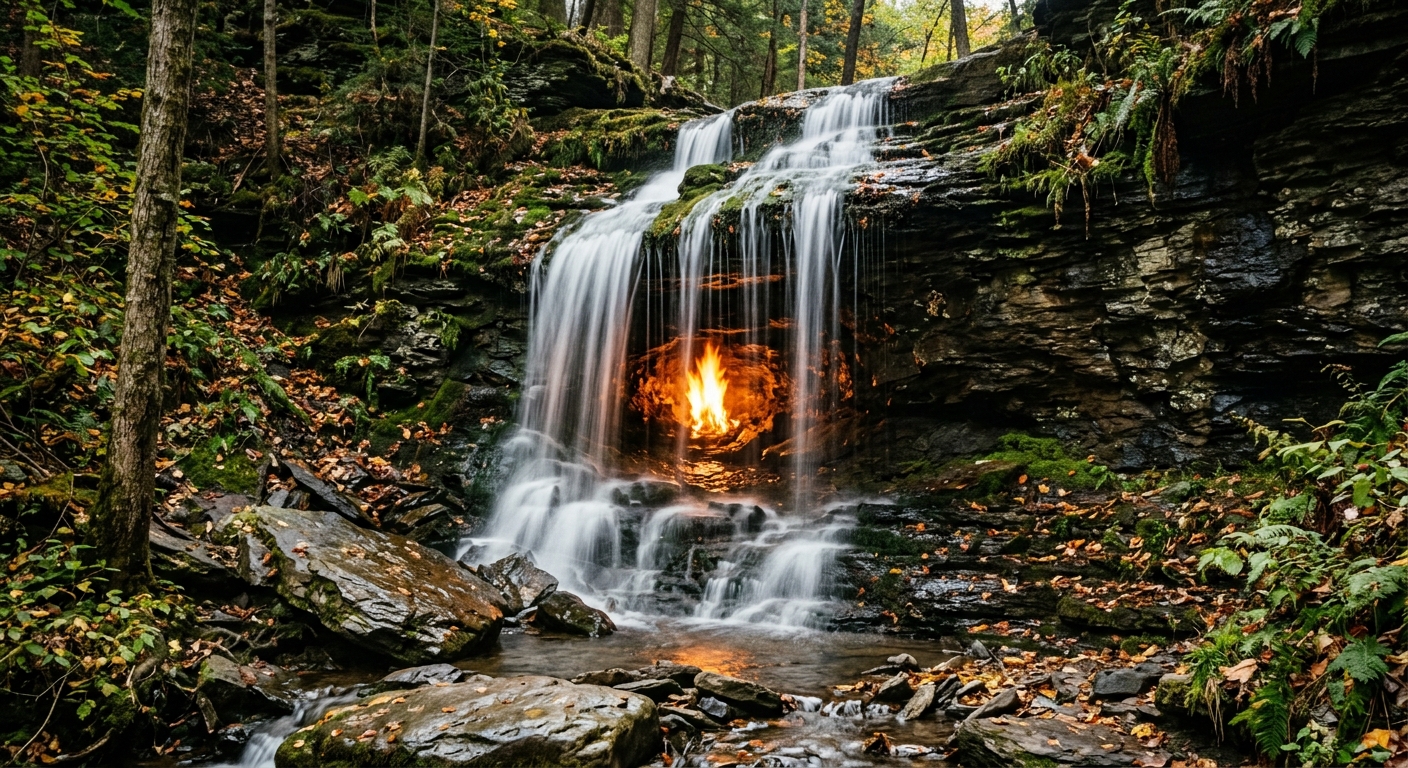
Behind a waterfall in New York, a small flame has burned for centuries, fed by natural gas seeping from ancient shale rock formations. This extraordinary geological phenomenon defies our basic understanding of how fire and water interact, creating one of nature’s most mind-bending spectacles.
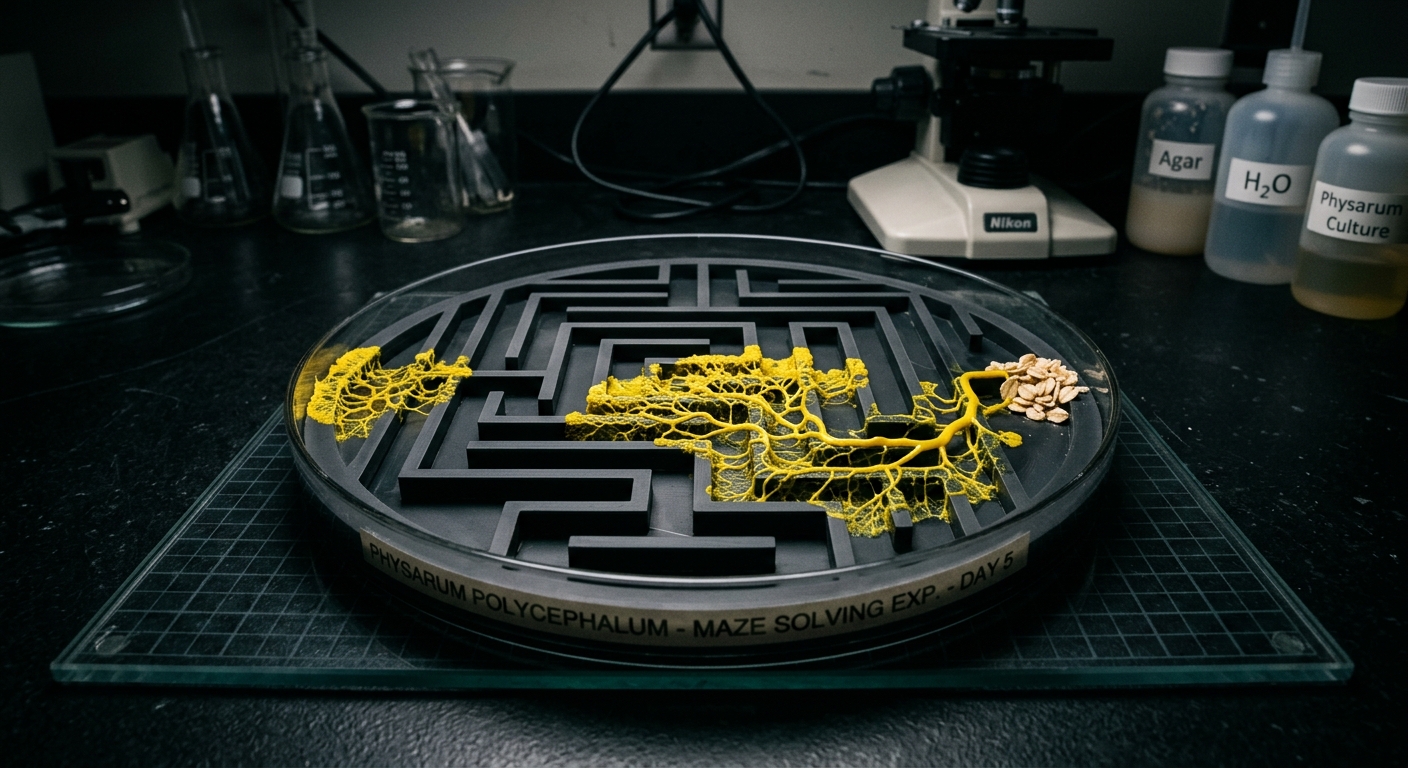
A single-celled organism without a brain consistently outperforms human engineers at solving complex network optimization problems. Scientists are now studying slime molds to revolutionize urban planning, internet infrastructure, and artificial intelligence.
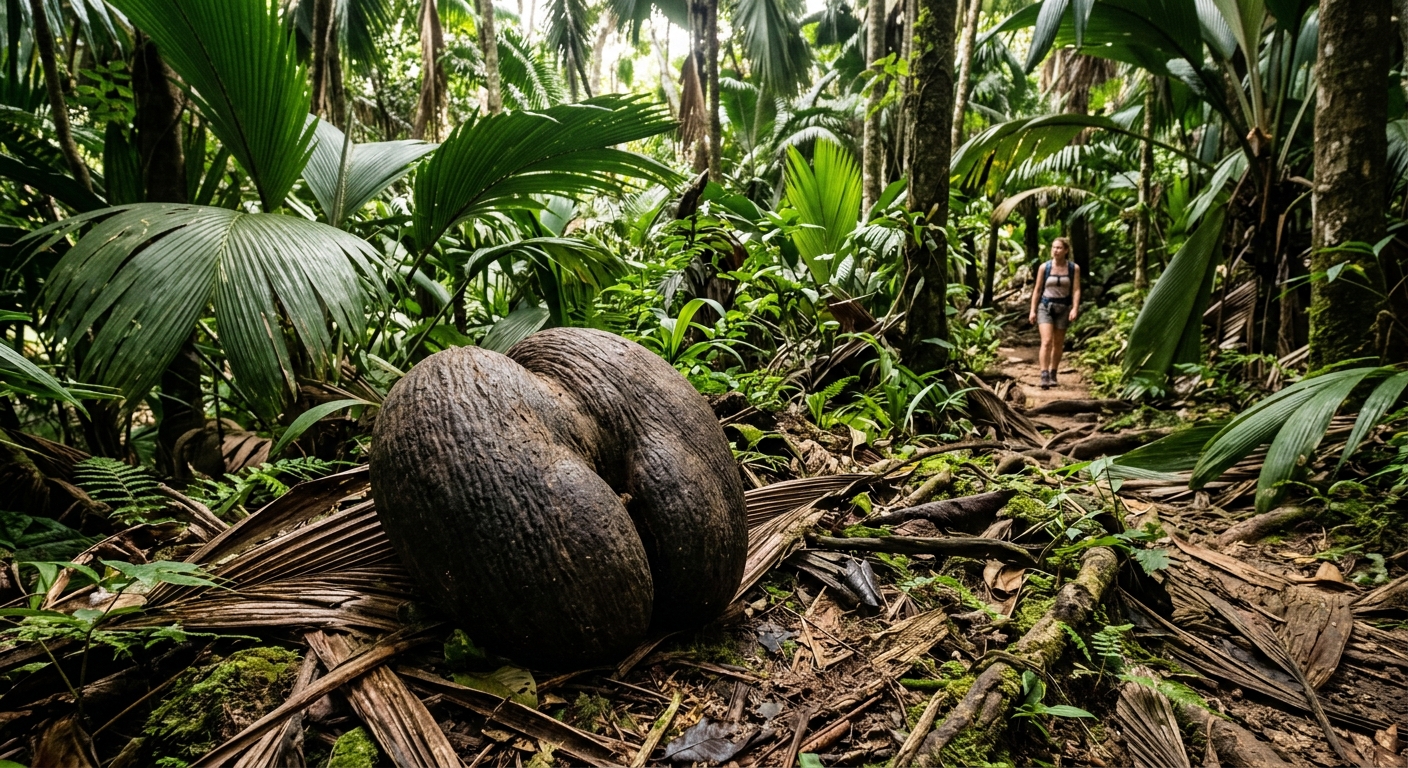
The Coco de Mer palm produces seeds weighing up to 40 pounds, making them the largest in the plant kingdom. These botanical giants take 25 years to mature and grow only on two tiny islands in the Seychelles.
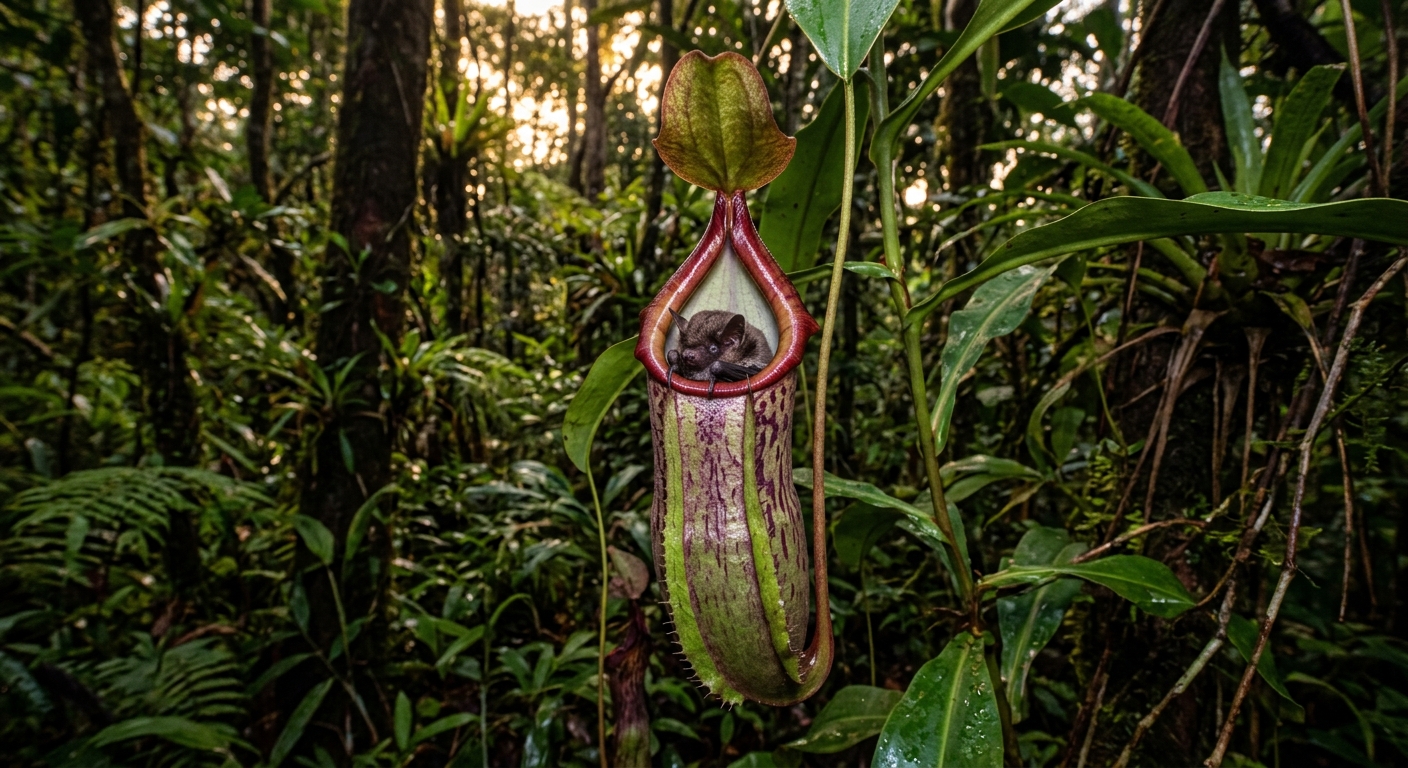
Deep in Borneo’s rainforests, a carnivorous plant has abandoned hunting insects to become a living toilet for bats. This pitcher plant evolved acoustic signals to attract woolly bats, trading roosting space for nitrogen-rich fertilizer in one of nature’s most unusual partnerships.
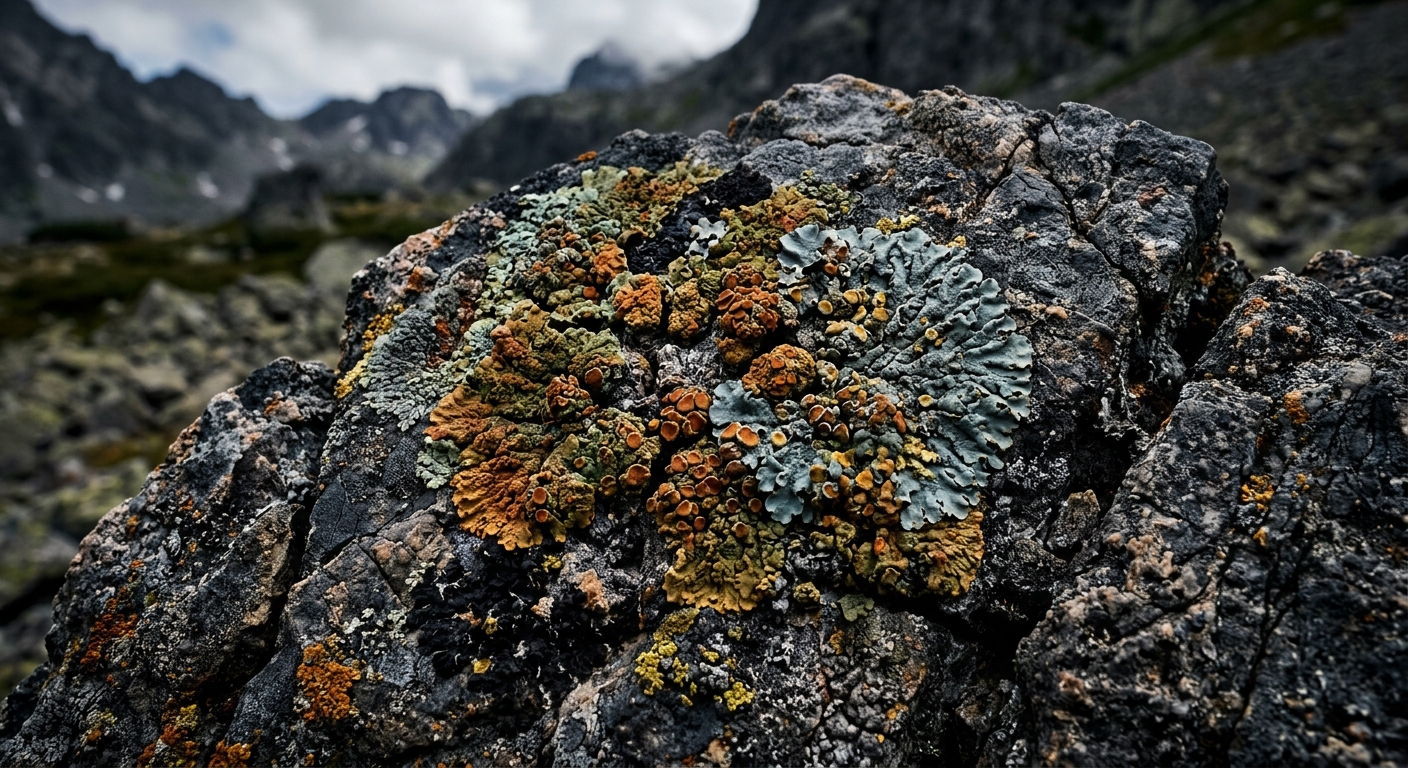
Some lichen patches growing on rocks today are older than human civilization, having grown for thousands of years at rates so slow they predate the pyramids. These ancient organisms represent some of Earth’s oldest living witnesses to environmental change.