A Living Time Capsule Beneath the Mediterranean Waves
Imagine a single organism that began growing when our ancestors were still learning to use stone tools. While empires rose and fell, ice ages came and went, and entire species evolved and disappeared, this remarkable life form quietly continued its existence beneath the Mediterranean Sea. Meet Posidonia oceanica, a seagrass species that holds the extraordinary title of being Earth’s oldest known living organism.
This isn’t just any patch of underwater vegetation. Scientists have discovered that one particular meadow of Posidonia oceanica near the Balearic Islands has been growing continuously for an estimated 200,000 years, making it older than our own species, Homo sapiens. To put this mind-boggling timeline into perspective, this seagrass was already ancient when the last Neanderthals walked the Earth.
What Makes Posidonia So Special?
Unlike the seaweed that most people imagine when thinking of marine plants, Posidonia oceanica is actually a true flowering plant that has adapted to life underwater. These remarkable organisms form vast underwater meadows that can stretch for miles across the Mediterranean seafloor, creating some of the most important ecosystems in the marine world.
What makes this seagrass truly extraordinary is its method of reproduction and growth. While Posidonia can reproduce sexually through flowers and seeds, much of its expansion occurs through clonal growth. The plant sends out underground stems called rhizomes, which sprout new shoots that are genetically identical to the parent plant. Over thousands of generations, a single individual can spread across enormous areas.
The Science Behind the Age Estimate
Determining the age of this ancient organism required sophisticated scientific detective work. Researchers used a combination of genetic analysis and growth rate calculations to estimate the meadow’s age. By studying the genetic diversity within different parts of the meadow and measuring how quickly new shoots develop, scientists could work backward to determine when the original plant first took root.
The process involved:
- Collecting samples from various locations within the meadow
- Analyzing the genetic makeup of each sample
- Measuring current growth rates under different environmental conditions
- Calculating how long it would take for the meadow to reach its current size
- Cross-referencing with geological and climate data from the region
A Living Ecosystem Under Threat
These ancient seagrass meadows are far more than just old plants, they represent entire underwater civilizations. Posidonia meadows support an incredible diversity of marine life, serving as nurseries for fish, feeding grounds for sea turtles, and habitat for countless invertebrates. The dense root systems also play a crucial role in preventing coastal erosion and maintaining water quality.
The ecological services provided by these meadows are invaluable. They produce oxygen, absorb carbon dioxide, filter pollutants from the water, and create complex three-dimensional habitats that support marine biodiversity. Some scientists estimate that Posidonia meadows are among the most productive ecosystems on Earth, rivaling even tropical rainforests in their ecological importance.
Ancient Wisdom in Modern Waters
The longevity of Posidonia oceanica offers fascinating insights into survival strategies and environmental adaptation. These plants have weathered countless storms, climate fluctuations, and environmental changes throughout their existence. Their ability to persist for such extraordinary periods suggests remarkable resilience and adaptability.
However, this ancient survivor now faces unprecedented challenges. Modern threats include:
- Coastal development and anchor damage from boats
- Pollution from agricultural runoff and urban waste
- Climate change leading to rising water temperatures
- Ocean acidification affecting the plant’s ability to photosynthesize
- Invasive species competing for space and resources
Other Ancient Competitors
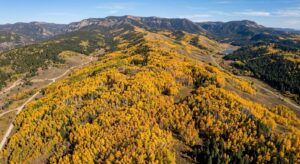
While this Mediterranean seagrass holds the current record, it’s not the only ancient organism still thriving on our planet. Other contenders for extreme longevity include clonal colonies of quaking aspen trees in Utah (estimated at 80,000 years old), certain bacterial colonies, and various coral formations. Each of these organisms demonstrates different strategies for achieving remarkable lifespans through clonal reproduction.
What sets the Posidonia meadow apart is not just its age, but its continuous existence as a single, connected organism in the marine environment. Unlike terrestrial plants that can benefit from soil stability, these seagrasses must contend with ocean currents, storms, and the dynamic nature of underwater ecosystems.
Conservation Efforts and Future Hope
Recognizing the incredible value of these ancient meadows, conservation efforts are now underway throughout the Mediterranean. Marine protected areas have been established around some of the oldest and most intact Posidonia meadows, and strict regulations govern activities that might damage these irreplaceable ecosystems.
Research continues into methods for restoring damaged meadows and protecting existing ones. Scientists are studying the genetic diversity within different populations, investigating the plants’ responses to environmental stresses, and developing techniques for successful transplantation and restoration.
The story of Posidonia oceanica serves as a powerful reminder of the incredible diversity and resilience of life on our planet. In an age when we often focus on rapid change and technological advancement, these ancient meadows offer a different perspective on time, persistence, and the quiet power of gradual growth. They remind us that some of the most remarkable achievements in the natural world happen not through dramatic events, but through the simple act of continuing to exist, day after day, for thousands upon thousands of years.