When Predators Become Environmental Engineers
Imagine if simply walking through your neighborhood could change the course of local waterways, reshape the landscape, and transform entire ecosystems for generations to come. For wolves, this isn’t science fiction – it’s their extraordinary ecological superpower that has left scientists stunned and redefined our understanding of how predators shape the natural world.
The story of how wolves change the course of rivers begins with one of conservation’s greatest comeback tales: the reintroduction of gray wolves to Yellowstone National Park in 1995. After being absent for nearly 70 years, these apex predators returned to find a dramatically altered landscape. What happened next defied all expectations and revealed a ecological phenomenon so profound it has revolutionized environmental science.
The Yellowstone Miracle: When Wolves Returned Home
When 31 gray wolves were released into Yellowstone, park managers expected them to control the exploding deer population that had been devastating vegetation for decades. What they didn’t anticipate was witnessing one of nature’s most spectacular examples of a trophic cascade – a biological domino effect that would literally reshape the geography of the park.
Within just a few years of the wolves’ return, something remarkable began happening to Yellowstone’s rivers. Streams that had meandered lazily across wide, eroded valleys suddenly began cutting deeper, more defined channels. Riverbanks that had been bare and crumbling for decades sprouted lush forests. Entire valleys transformed from barren grasslands into thriving woodland ecosystems.
The Science Behind the Magic
The mechanism behind this geographical transformation reveals the intricate web of relationships that connect predators to landscapes. Here’s how wolves literally moved rivers:
- Behavioral Changes in Prey: Wolves didn’t just reduce deer numbers through predation – they fundamentally changed how deer behaved. Deer became more cautious, avoiding open valleys and riverbanks where they were vulnerable to wolf attacks.
- Vegetation Recovery: With deer pressure reduced in these areas, aspen, willow, and cottonwood trees began regenerating along riverbanks for the first time in decades. These areas, called riparian zones, had been kept barren by constant deer browsing.
- Root Stabilization: As trees and shrubs established along riverbanks, their root systems began stabilizing the soil, reducing erosion and preventing banks from crumbling into the water.
- Channel Formation: With stable banks held together by vegetation, rivers began cutting narrower, deeper channels instead of spreading wide across valley floors. This process, called incision, literally carved new paths for the water to follow.
The Ripple Effect: Beyond Rivers
The wolves’ influence extended far beyond just changing river courses. Their presence triggered a cascade of ecological changes that touched virtually every aspect of Yellowstone’s ecosystem:
Forest Regeneration
Areas that had been treeless for nearly a century suddenly sprouted new growth. Aspen groves, in particular, experienced dramatic recovery. Some stands increased in height by over 300% within a decade of wolf reintroduction. These recovering forests created habitat for dozens of bird species that had been rare or absent from the park.
Scavenger Renaissance
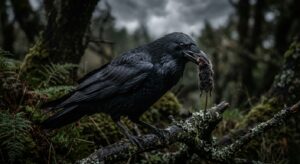
Wolf kills provided a reliable food source for scavengers including ravens, eagles, bears, and coyotes. Raven populations increased significantly, and their presence helped disperse seeds throughout the ecosystem. Even beetles and other insects benefited from the nutrient cycling provided by wolf-killed carcasses.
Beaver Comeback
Perhaps most dramatically, beavers returned to Yellowstone’s rivers. With willows and aspens recovering along waterways, beavers had the food and building materials they needed. Their dams further transformed the hydrology of the region, creating wetlands and ponds that supported fish, amphibians, and waterfowl.
The Geography of Fear
Scientists have coined a term for the phenomenon driving these changes: the “landscape of fear.” This concept describes how the mere presence of predators creates zones of high and low risk that prey animals navigate carefully. In Yellowstone, deer learned to associate certain areas – particularly open valleys and riverbanks – with wolf danger.
This behavioral shift, called the “ecology of fear,” proved more powerful than simple population reduction. Even when deer numbers were much higher in pre-wolf days, the constant browsing pressure in all areas prevented vegetation recovery. With wolves creating “no-go zones” for deer, plants in these areas could finally escape the relentless grazing pressure.
Global Implications: Wolves as Ecosystem Engineers
The Yellowstone wolf story has profound implications for conservation worldwide. It demonstrates that large predators are not just components of ecosystems – they are ecosystem engineers capable of reshaping entire landscapes. This realization has influenced conservation strategies globally:
- Rewilding Projects: Conservation efforts now focus on reintroducing apex predators to restore ecosystem balance
- River Restoration: Natural predator-prey dynamics are being incorporated into watershed management
- Climate Change Mitigation: Recovering forests sequester carbon, making predator conservation a climate strategy
Nature’s Master Planners
The story of wolves changing rivers reveals nature’s extraordinary interconnectedness. These predators, through their very presence, orchestrate landscape-scale changes that would take human engineers decades and millions of dollars to achieve. They remind us that conservation isn’t just about saving individual species – it’s about preserving the complex relationships that allow entire ecosystems to function and thrive.
In a world facing unprecedented environmental challenges, the wolves of Yellowstone offer hope. They show us that nature, given the chance, has remarkable powers of regeneration and self-restoration. Sometimes all it takes is the return of a single keystone species to set in motion changes that can literally move mountains and alter the course of rivers.