Earth Is Weird

The World’s Most Lethal Tree Can Kill You Just by Standing Beneath It

The manchineel tree produces toxins so potent that rainwater dripping from its leaves can cause severe chemical burns on human skin. This Caribbean nightmare holds the Guinness World Record as the world’s most dangerous tree, with every part capable of causing blindness, burns, or death.

Read More →

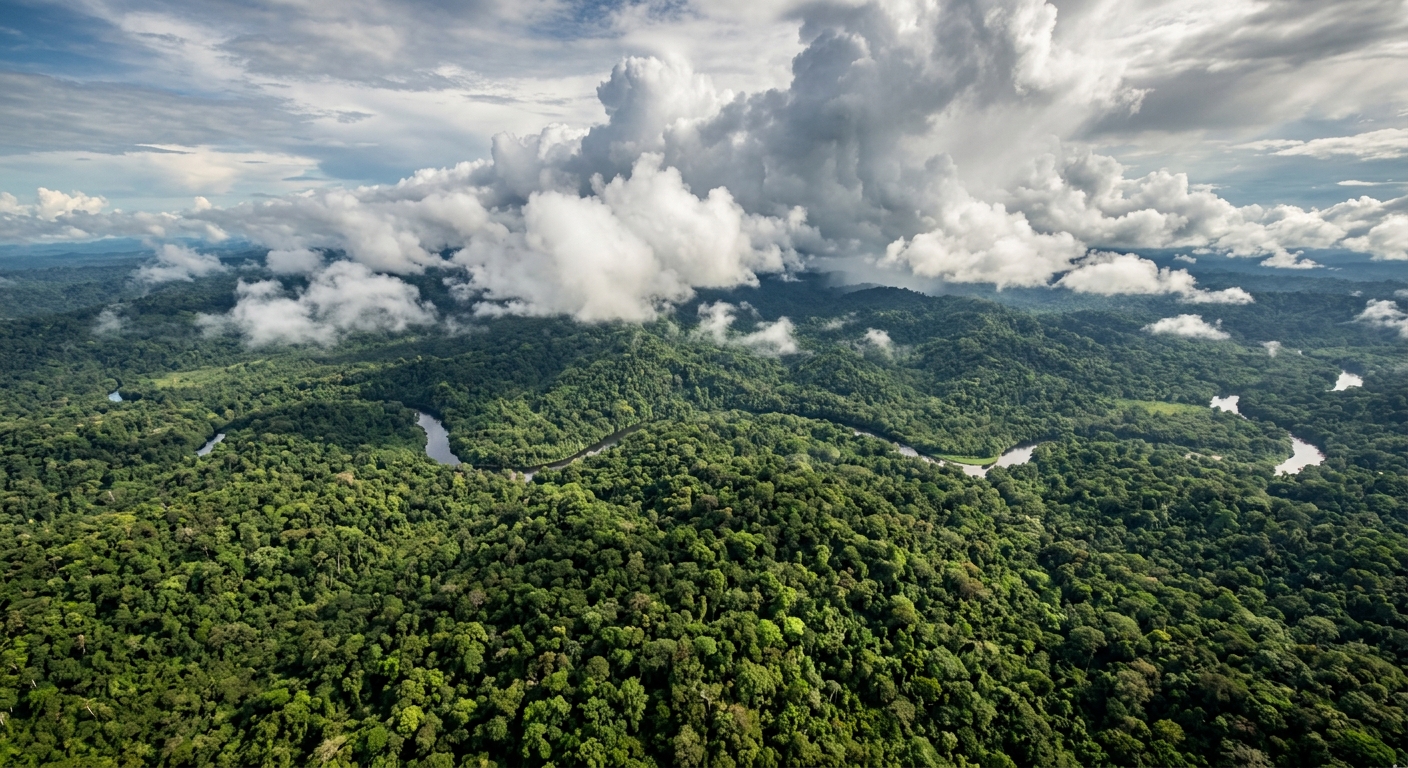
The Wood Wide Web: How Trees Share Food Through Secret Underground Networks

Scientists have discovered that forests operate like vast underground social networks, where ancient trees act as generous elders, sharing food and resources with struggling young trees through fungal connections. This “wood wide web” reveals that trees are far more cooperative and interconnected than we ever imagined, fundamentally changing how we understand forest ecosystems.

Read More →

Nature’s Botanical Cannon: Meet the Tree That Fires Seeds Like Bullets

The sandbox tree has evolved one of nature’s most explosive seed dispersal mechanisms, launching seeds at 150 mph with sounds like gunshots. This tropical tree combines toxic sap, sharp spines, and projectile reproduction in one of the plant kingdom’s most formidable defensive arsenals.

Read More →

The Plant That Steals Christmas: How Mistletoe Hijacks Trees and Drinks Their Blood

That innocent holiday mistletoe hanging above your door is actually a sophisticated biological vampire that hijacks trees’ water supplies. This parasitic plant uses specialized drilling organs to penetrate bark and manipulate host trees’ hydraulic systems for its own survival.

Read More →

This Innocent-Looking Plant Is Actually a Living Torture Chamber for Insects

Sundew plants use a sophisticated biological adhesive called mucilage to trap insects in what scientists describe as “living glue.” These deceptively beautiful carnivorous plants have evolved one of nature’s most effective hunting strategies, using enzyme-loaded sticky droplets to capture, immobilize, and digest their prey alive.

Read More →

The Immortal Plants That Laugh at Death: How Nature’s Ultimate Survivors Can Return From the Dead After a Century

Resurrection plants can survive complete dehydration for decades, appearing totally dead while retaining the ability to spring back to life with just water. These botanical marvels have evolved extraordinary cellular protection mechanisms that allow them to cheat death in some of Earth’s harshest environments.

Read More →

This Plant Has Memory and Learns to Ignore Your Tricks: The Mind-Bending Intelligence of the Sensitive Plant

The sensitive plant doesn’t just fold its leaves when touched, it actually learns to ignore repeated harmless disturbances and remembers these lessons for weeks. This discovery of plant memory is revolutionizing our understanding of intelligence in the natural world.

Read More →

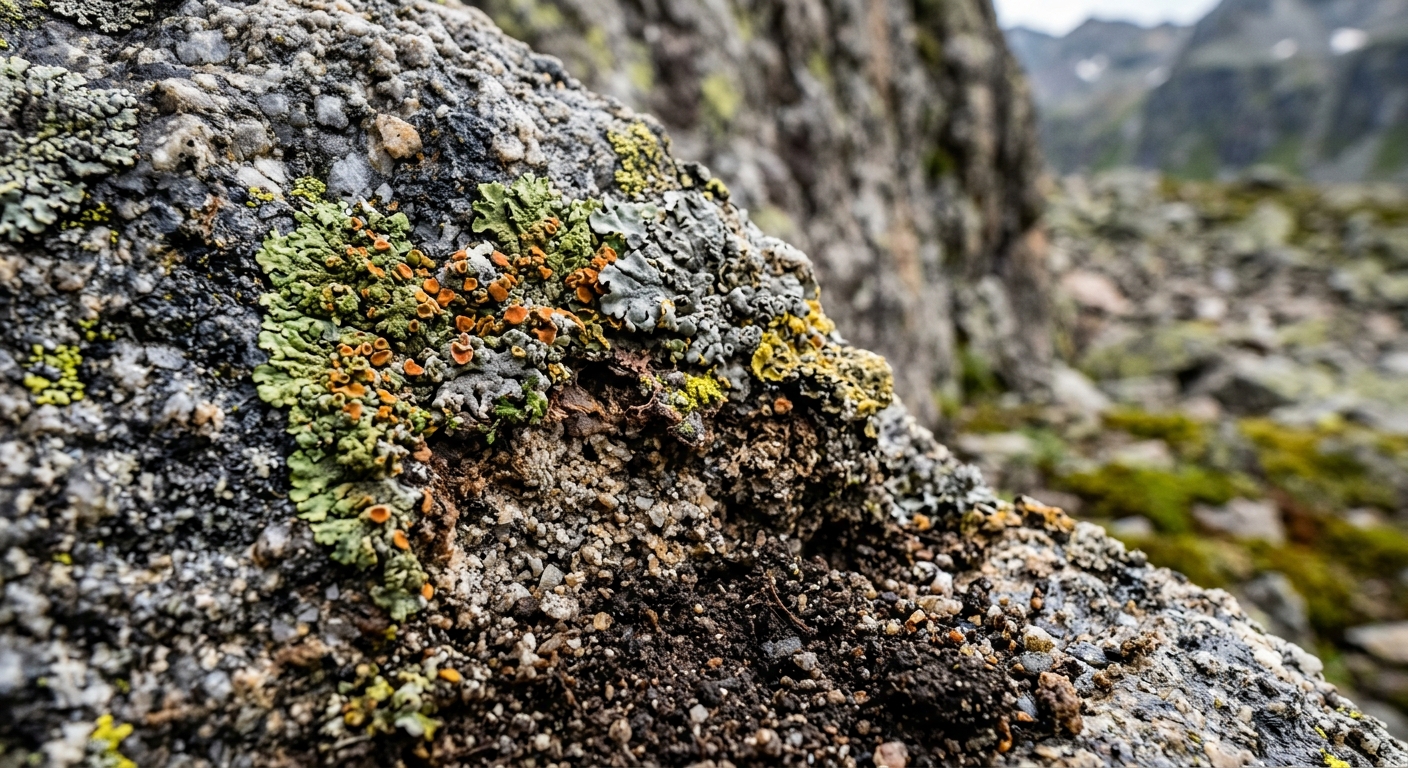
The Living Deception: What Looks Like Plants but Is Actually Two Life Forms in Perfect Disguise

Those colorful patches on rocks and trees that look like simple plants are actually one of nature’s most successful partnerships: a fusion of fungi and algae living as a single organism. This biological alliance is so effective that lichens have conquered environments from Arctic tundra to desert rocks, surviving conditions that would kill most other life forms.

Read More →

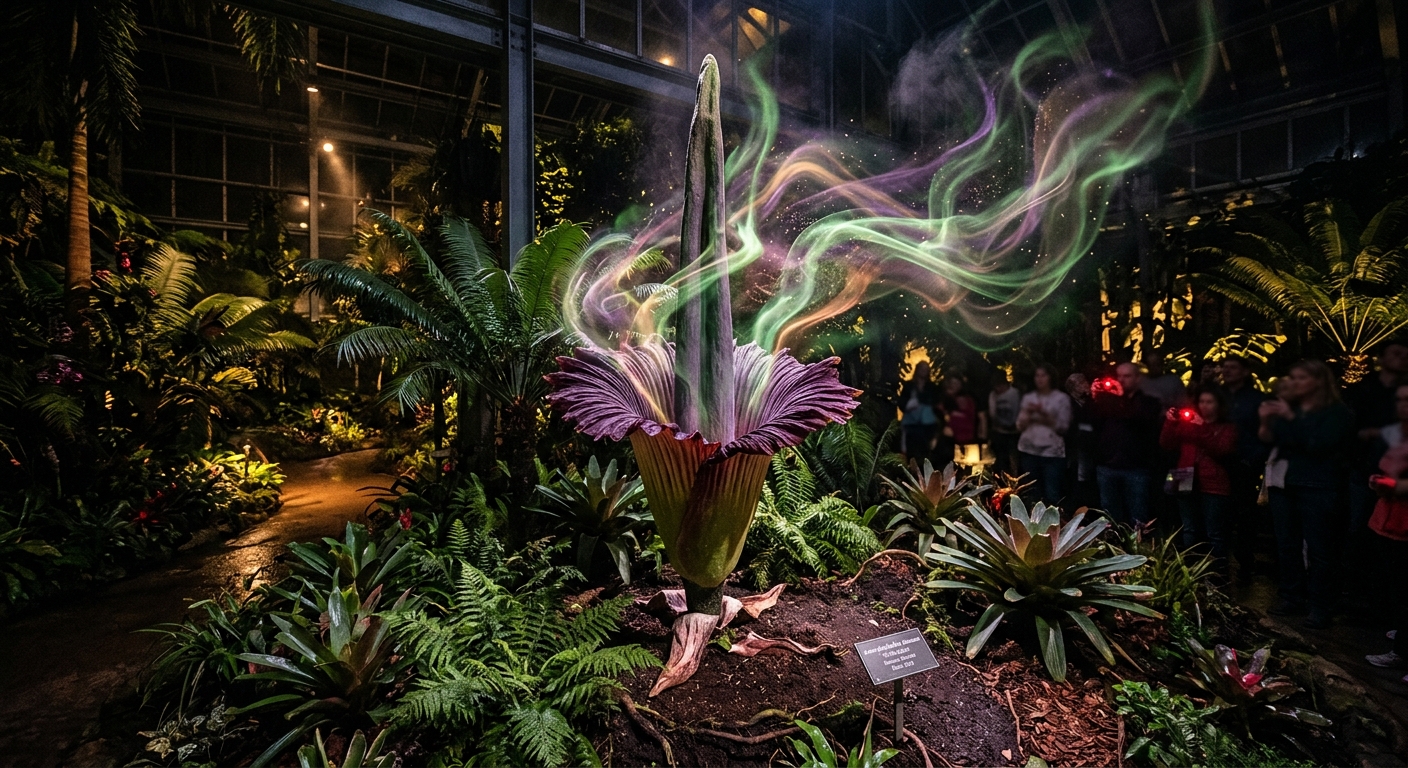
The Corpse Flower’s Secret Furnace: How Nature’s Stinkiest Plant Burns Hotter Than Your Body

The massive Titan Arum flower can heat itself to 98°F through a remarkable process called thermogenesis, generating its own thermal energy to amplify its corpse-like smell. This biological furnace attracts carrion insects from over a mile away, representing one of nature’s most sophisticated pollination strategies.

Read More →

Nature’s Ultimate Catfish: The Orchid That Seduces Wasps with Perfect Female Disguises

Certain orchid species have evolved to perfectly mimic female wasps in both appearance and scent, tricking male wasps into attempting to mate with the flowers. This elaborate deception results in the frustrated males unknowingly pollinating the orchids in what scientists call pseudocopulation.

Read More →