Earth Is Weird

This Tiny Plant Snaps Prey 100 Times Faster Than a Venus Flytrap

The tiny bladderwort plant operates the fastest trap in nature, snapping shut 100 times faster than a Venus flytrap to capture microscopic prey. This aquatic hunter uses sophisticated vacuum-powered bladder traps that slam closed in just 0.5 milliseconds with forces reaching 600 times gravity.

Read More →

The Silent Assassin: How Strangler Figs Execute the Perfect 100-Year Murder

In tropical rainforests, strangler figs execute one of nature’s most patient assassinations, slowly killing their host trees over decades through a methodical process of strangulation and resource theft. What begins as an innocent seed in a bird’s droppings becomes a century-long murder that transforms the forest landscape.

Read More →

The Plant That Chooses Death Over Survival: Why Bamboo Commits Mass Suicide Every Century

Certain bamboo species engage in one of nature’s most bizarre behaviors: flowering once every 60-120 years before every single plant dies simultaneously worldwide. This mysterious phenomenon follows an internal genetic clock that scientists are still trying to understand.

Read More →

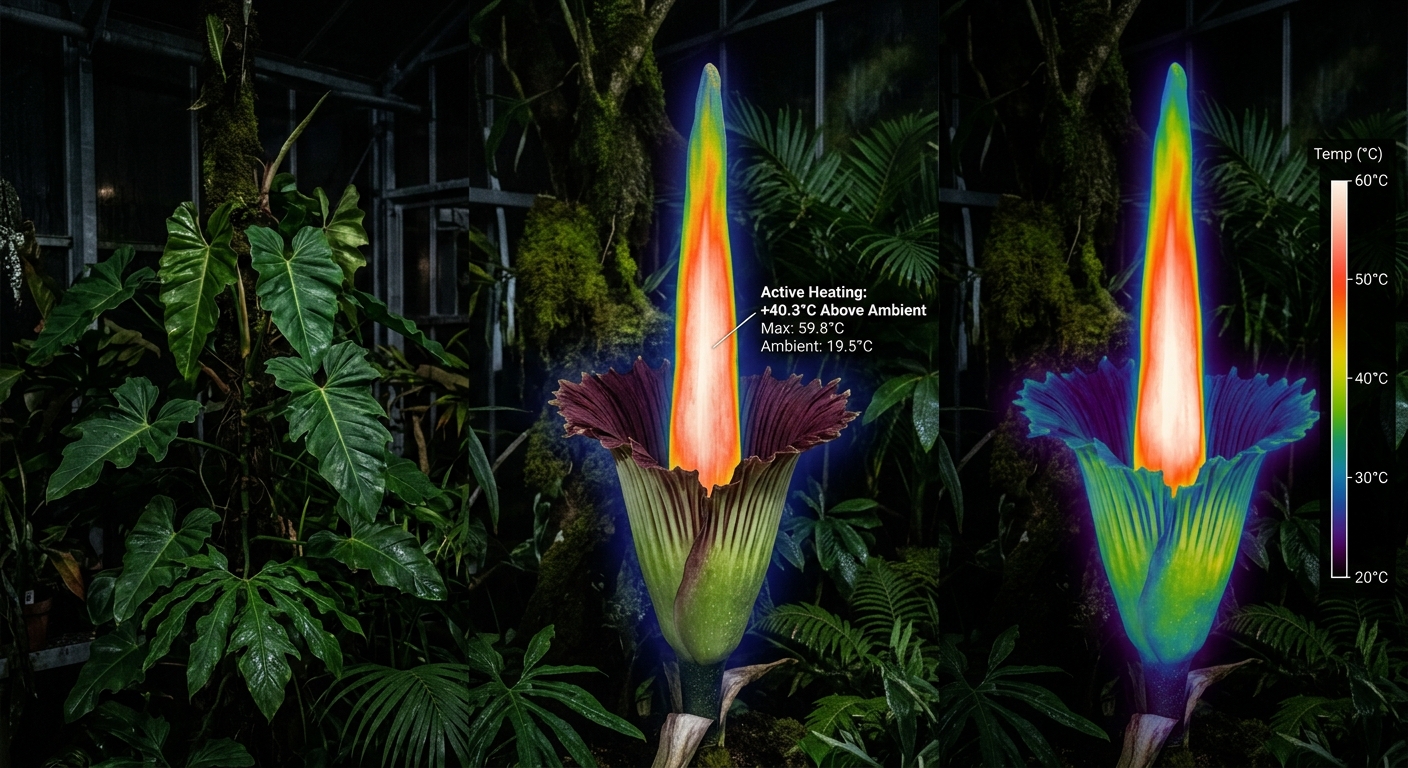
Nature’s Thermal Trickster: How Black Truffles Turn Up the Heat to Seduce Animals Into Spreading Their Offspring

Black truffles have evolved a remarkable strategy combining self-generated heat and irresistible chemical cocktails to manipulate animals into digging them up and spreading their spores. This underground fungus essentially seduces forest creatures through thermal engineering and sophisticated chemical warfare, ensuring its reproductive success in one of nature’s most cunning partnerships.

Read More →

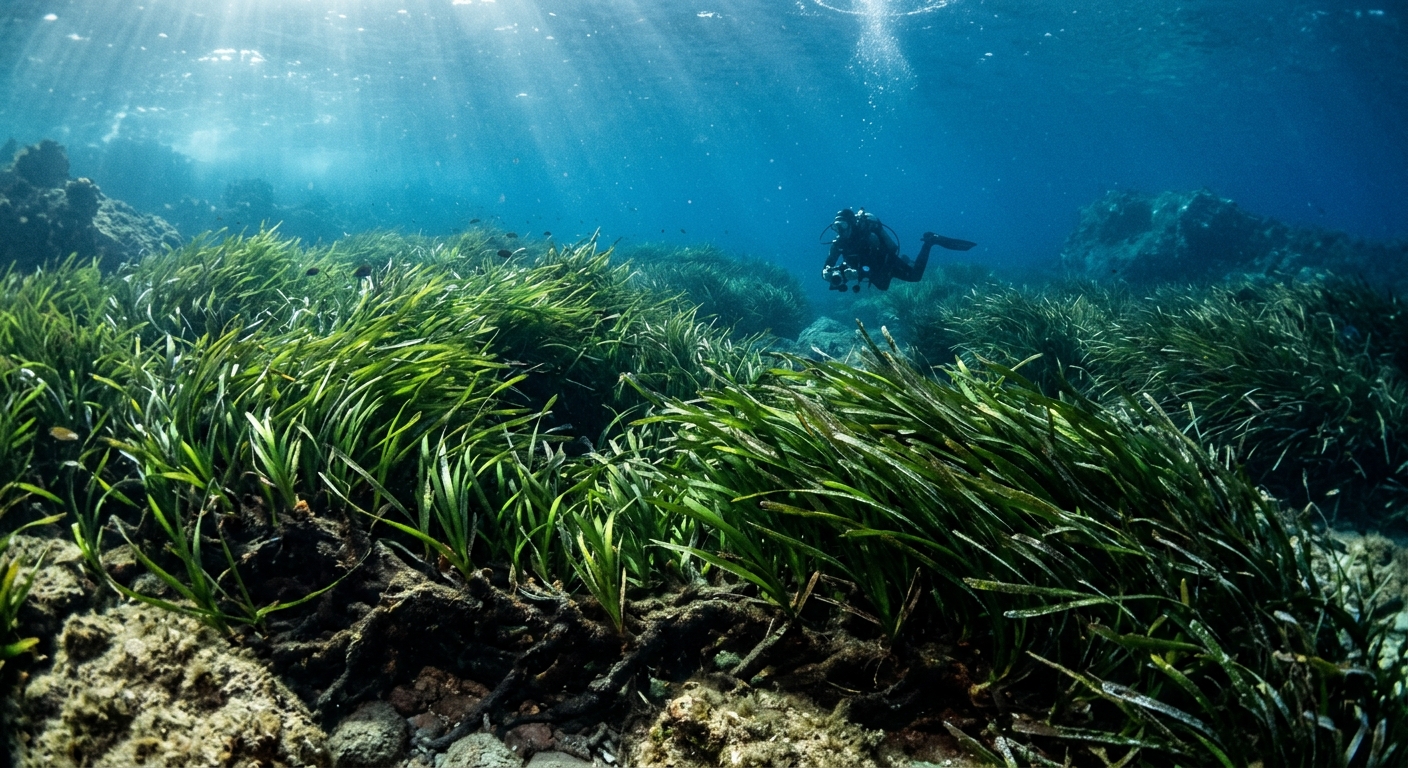
This Underwater Meadow Has Been Alive Since Before Modern Humans Existed

A single seagrass meadow in the Mediterranean Sea has been growing continuously for 200,000 years, making it older than modern humans. This ancient organism represents not just a biological marvel, but an entire underwater ecosystem that has survived ice ages, climate changes, and countless environmental challenges.

Read More →

Nature’s Lanterns: The Alien Forest Where Mushrooms Glow Bright Green at Night

Hidden in the world’s darkest forests, mysterious mushrooms produce their own ethereal green light through a biochemical process that transforms woodland floors into otherworldly scenes. These bioluminescent fungi have evolved one of nature’s most efficient lighting systems, converting chemical energy into visible light with nearly 100% efficiency.

Read More →

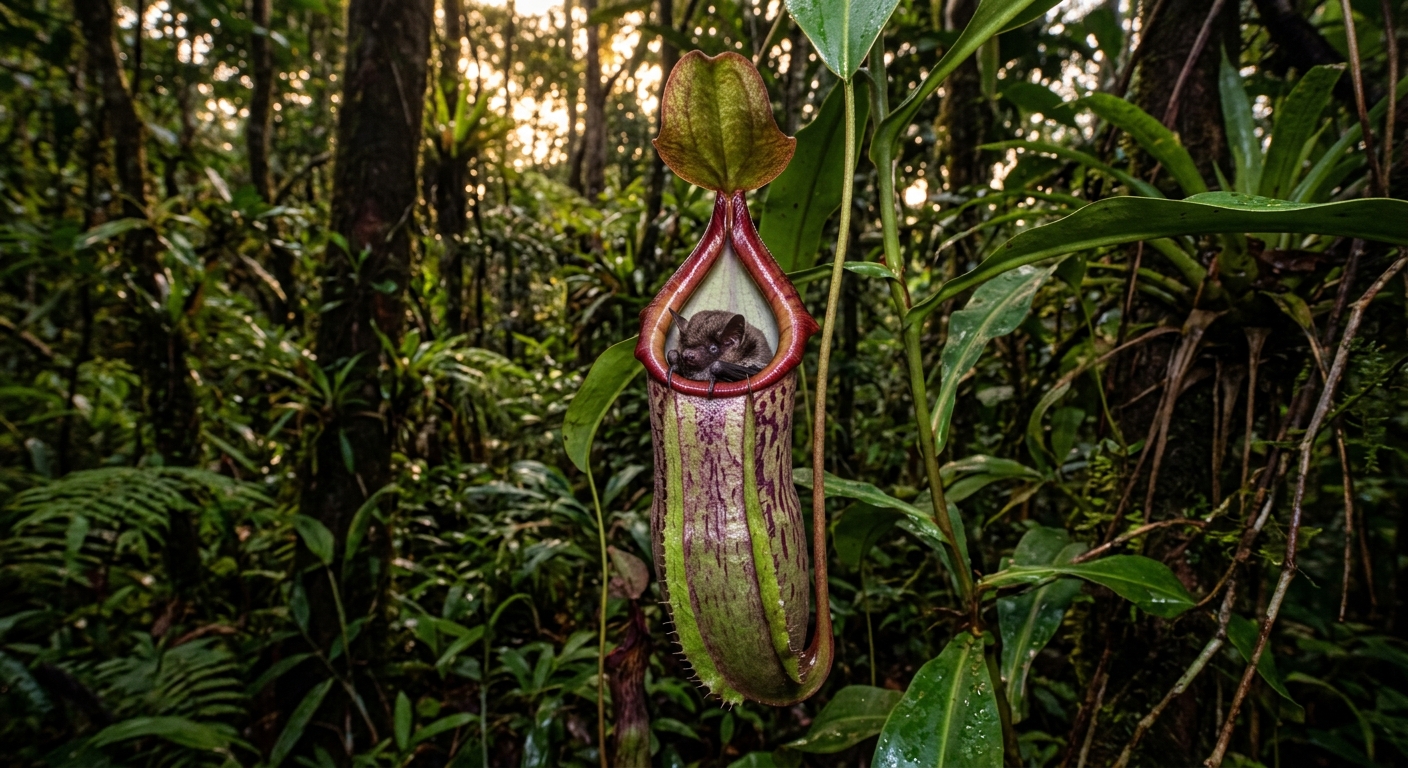
Nature’s Death Trap: The Carnivorous Plant That Devours Everything From Flies to Rats

Deep in Southeast Asian rainforests, pitcher plants have evolved into botanical killing machines capable of digesting prey as large as rats and frogs. These carnivorous plants use elaborate traps and powerful digestive acids to extract nutrients from animal protein when soil nutrients are scarce.

Read More →

The Immortal Clone Army: How 47,000 Aspen Trees Are Actually One 80,000-Year-Old Giant

What appears to be 47,000 individual aspen trees in Utah is actually one massive 80,000-year-old organism connected by underground roots. This ancient clone colony weighs 6,000 tons and represents one of the largest and oldest living entities on Earth.

Read More →