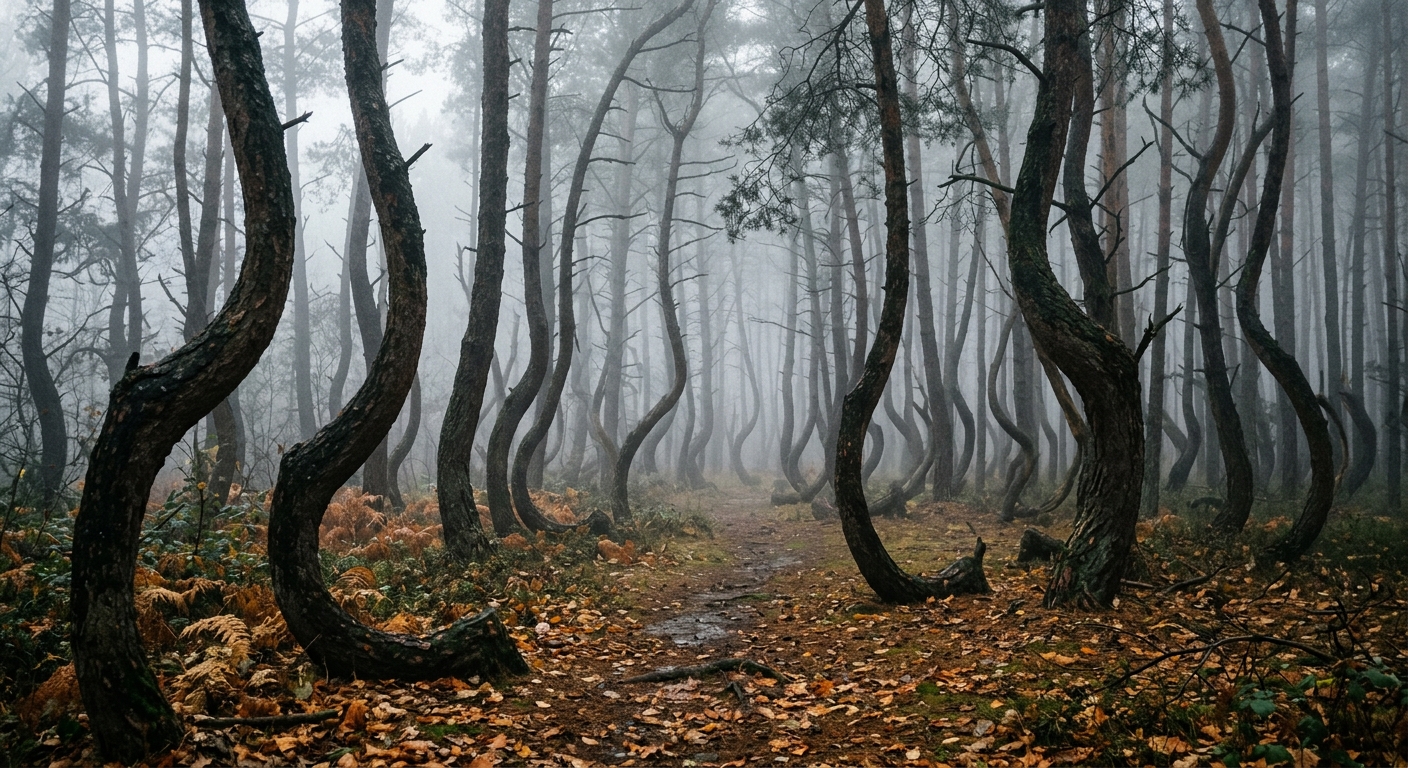
Deep in a Polish forest, 400 pine trees grow in identical J-shapes, each bent at a perfect 90-degree angle before shooting skyward. Scientists still can’t definitively explain how or why these trees defied nature’s laws to create one of Earth’s most baffling botanical mysteries.
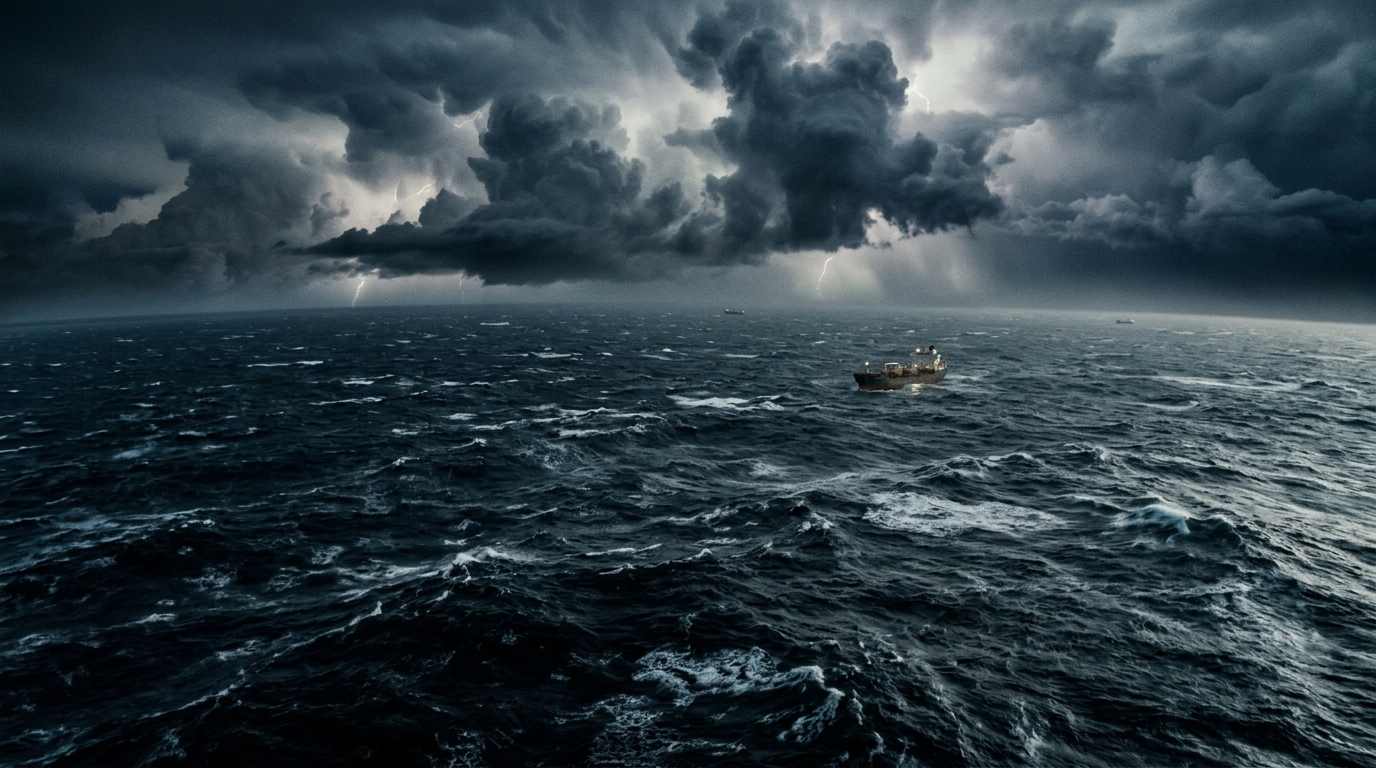
Scientists have discovered that massive underwater methane hydrate deposits beneath the Bermuda Triangle can explode without warning, creating gas bubbles that instantly sink ships and atmospheric disturbances that bring down aircraft. This geological phenomenon finally explains the mysterious disappearances that have puzzled researchers for decades.
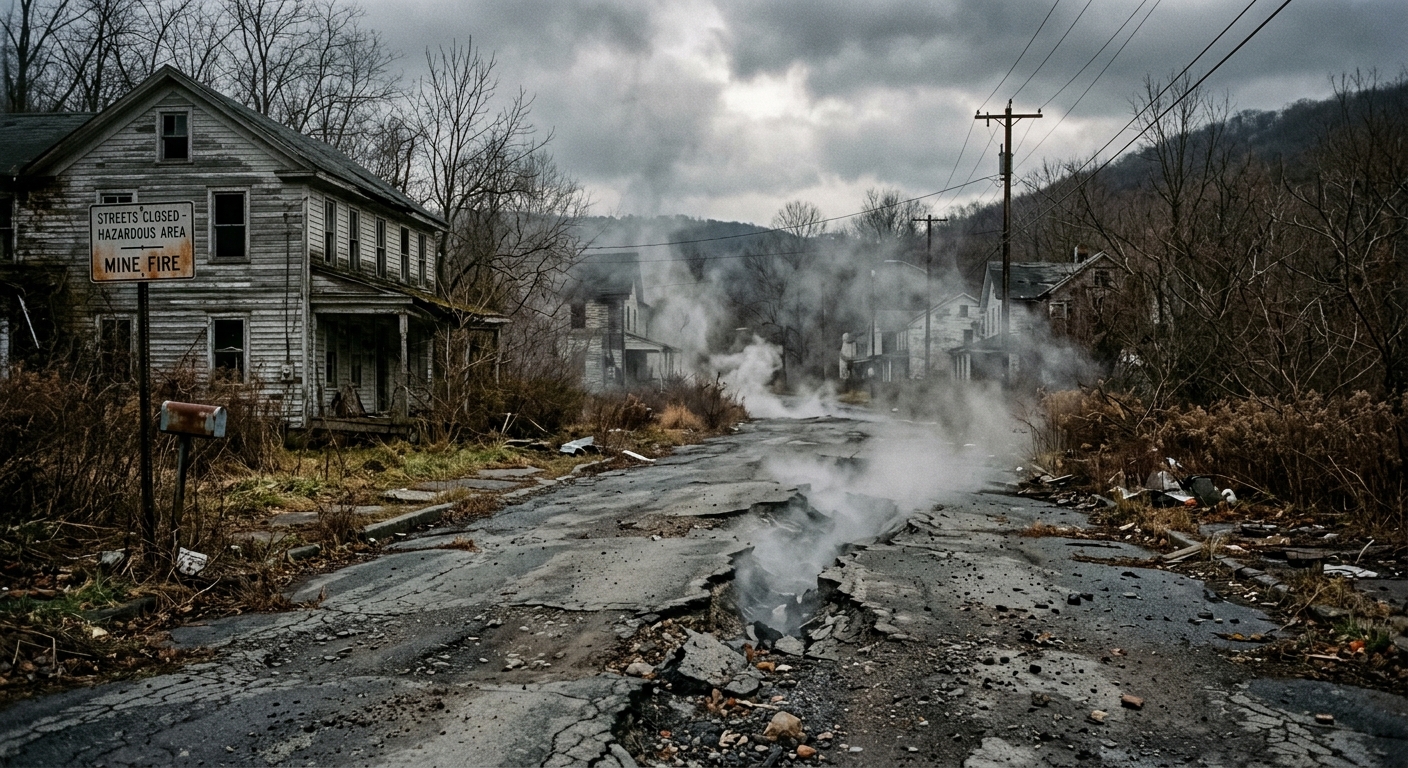
A routine trash burn in 1962 ignited underground coal seams beneath Centralia, Pennsylvania, creating a fire that has burned continuously for over 60 years. This underground inferno transformed a thriving town into a toxic ghost town where the very ground can reach deadly temperatures.
Deep in Mexico’s canals lies an island covered with thousands of decaying, dismembered dolls – the 50-year obsession of a man who believed he was appeasing the spirit of a drowned girl. Locals swear the dolls are haunted, and visitors report paranormal encounters in this disturbing tourist attraction.
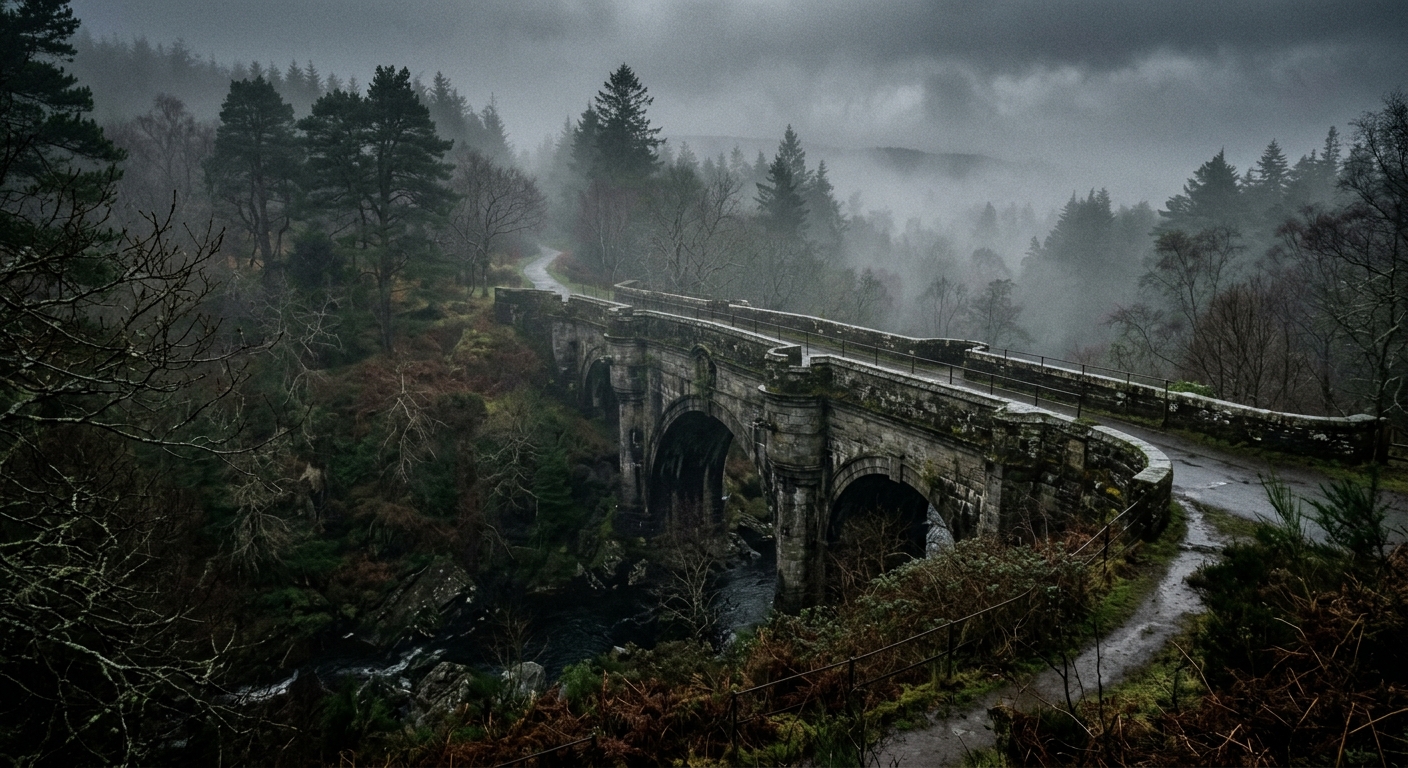
For over 70 years, more than 600 dogs have mysteriously leaped to their deaths from the same spot on Scotland’s Overtoun Bridge, always from the same side and always involving long-nosed breeds. Scientists have finally uncovered the shocking truth behind this deadly phenomenon that involves supernatural legends, Victorian engineering, and the incredible power of canine senses.
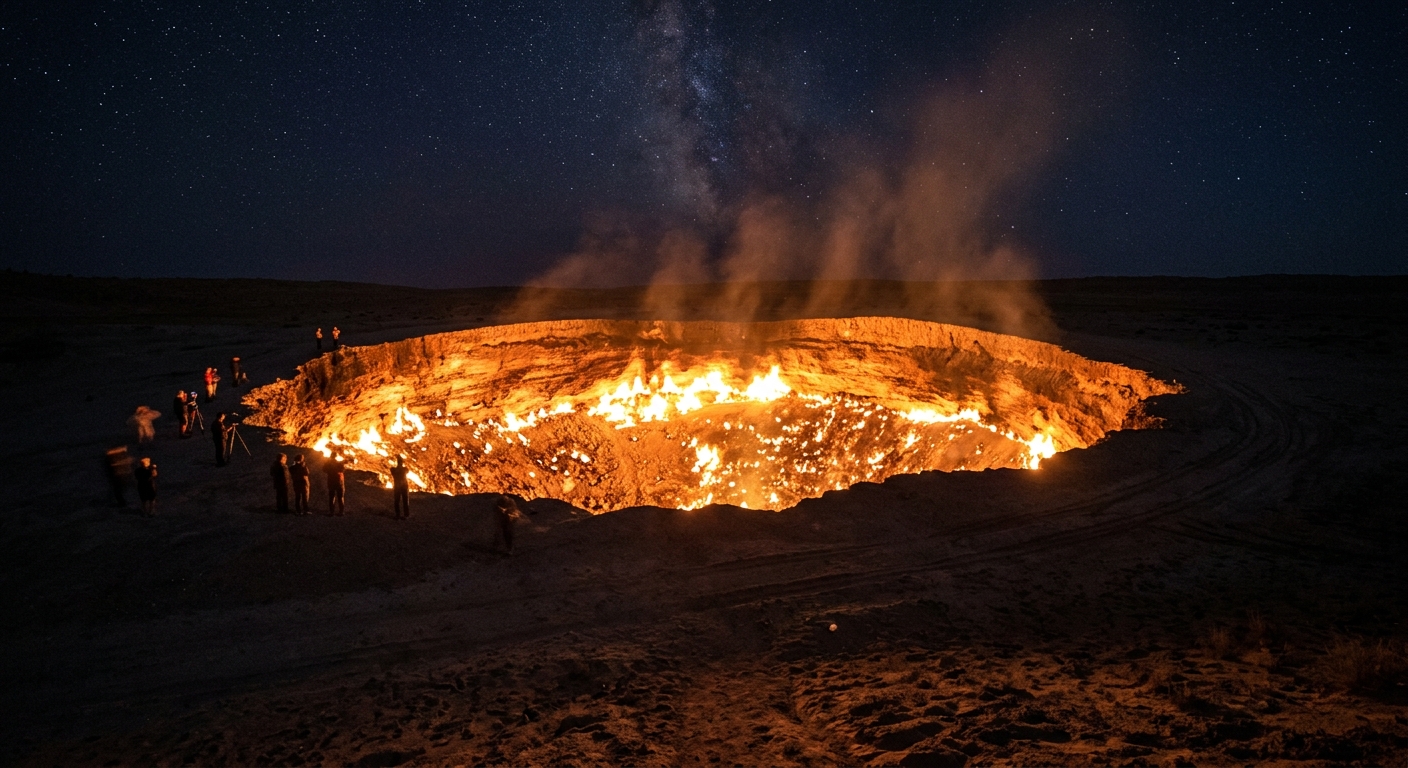
A Soviet drilling accident in 1971 created a massive gas crater in Turkmenistan’s desert that engineers tried to extinguish by burning off the escaping methane. Fifty years later, the “Door to Hell” still burns continuously, fed by seemingly inexhaustible underground gas reserves.
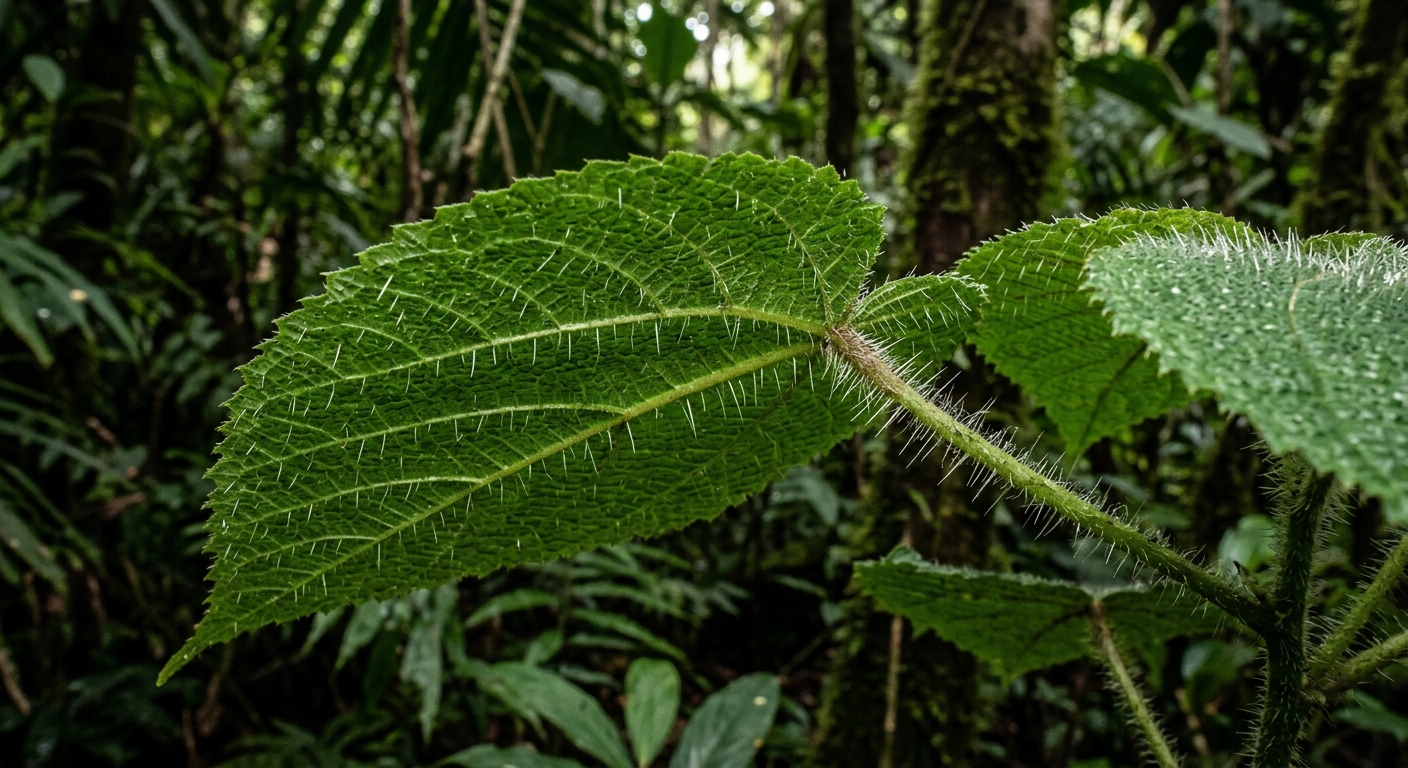
The Gympie-Gympie stinging tree of Australia delivers pain so excruciating that it has driven people to suicide, with agony lasting for years after a single touch. This plant’s microscopic needles inject neurotoxins that permanently alter nerve function, making it arguably the most dangerous plant on Earth.
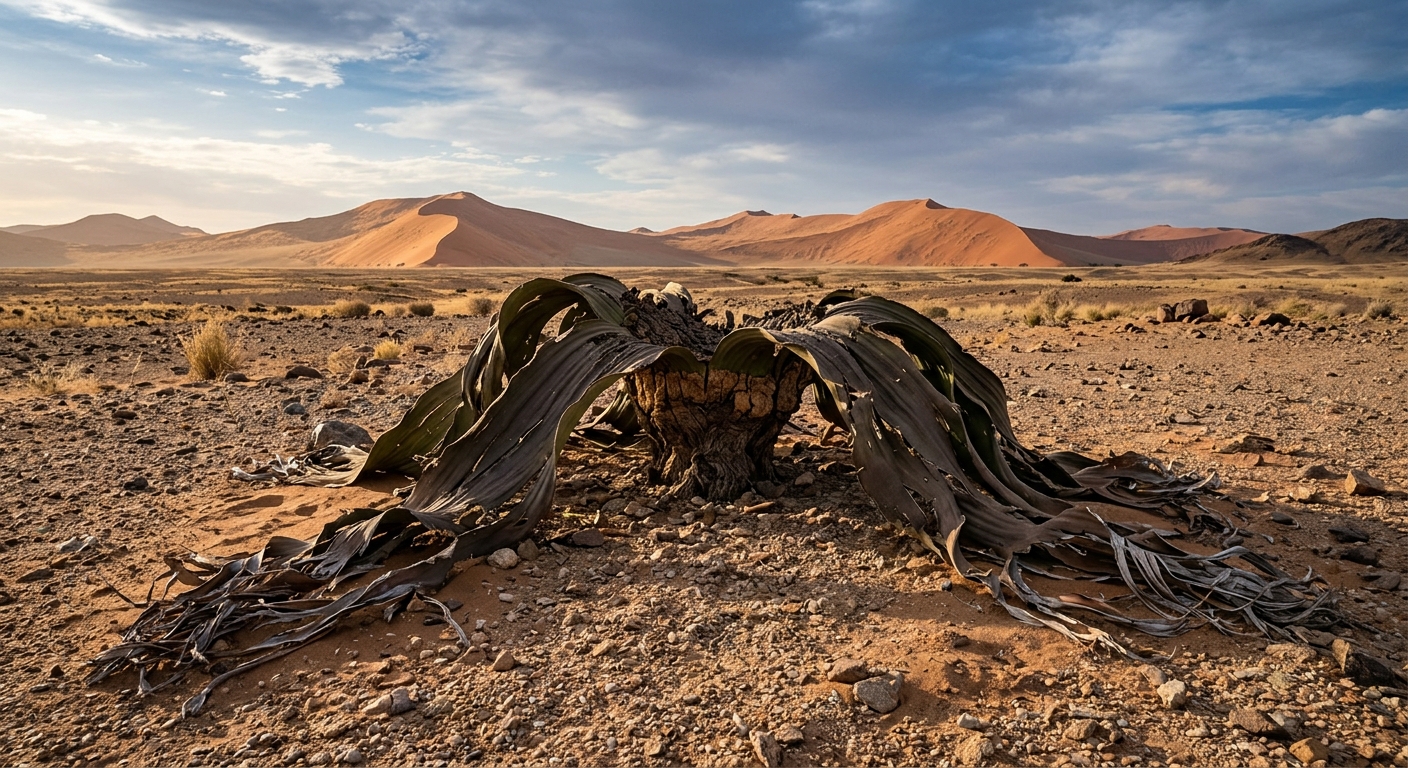
In the brutal Namib Desert lives the Welwitschia mirabilis, a bizarre plant that survives with just two leaves for over 1,500 years. This living fossil defies everything we know about plant biology, thriving in one of Earth’s most hostile environments through extraordinary adaptations.
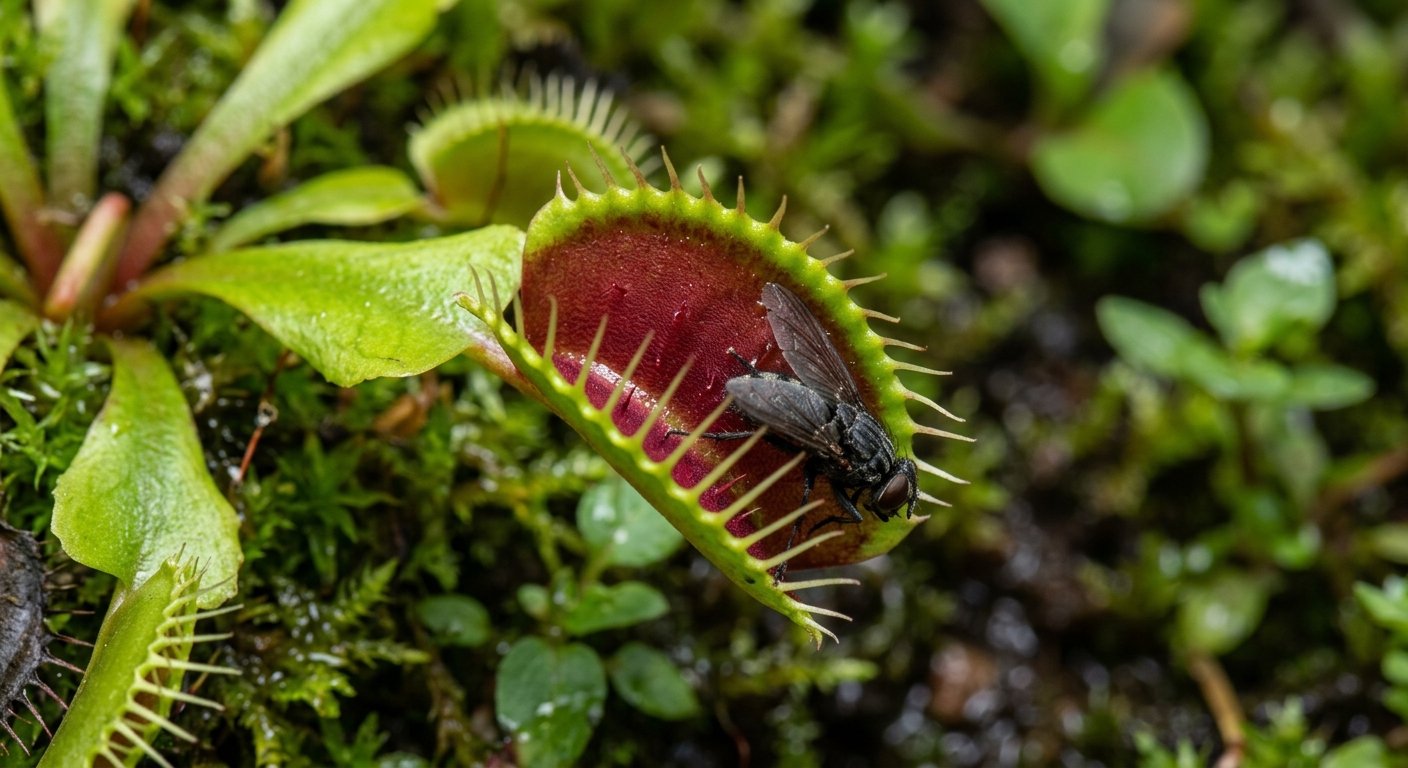
The Venus flytrap doesn’t just snap shut randomly – it actually counts trigger touches up to five before deciding whether to close its trap and begin digestion. This carnivorous plant uses sophisticated bioelectrical signals to perform mathematical calculations that determine whether potential prey is worth the enormous energy cost of closing its deadly jaws.
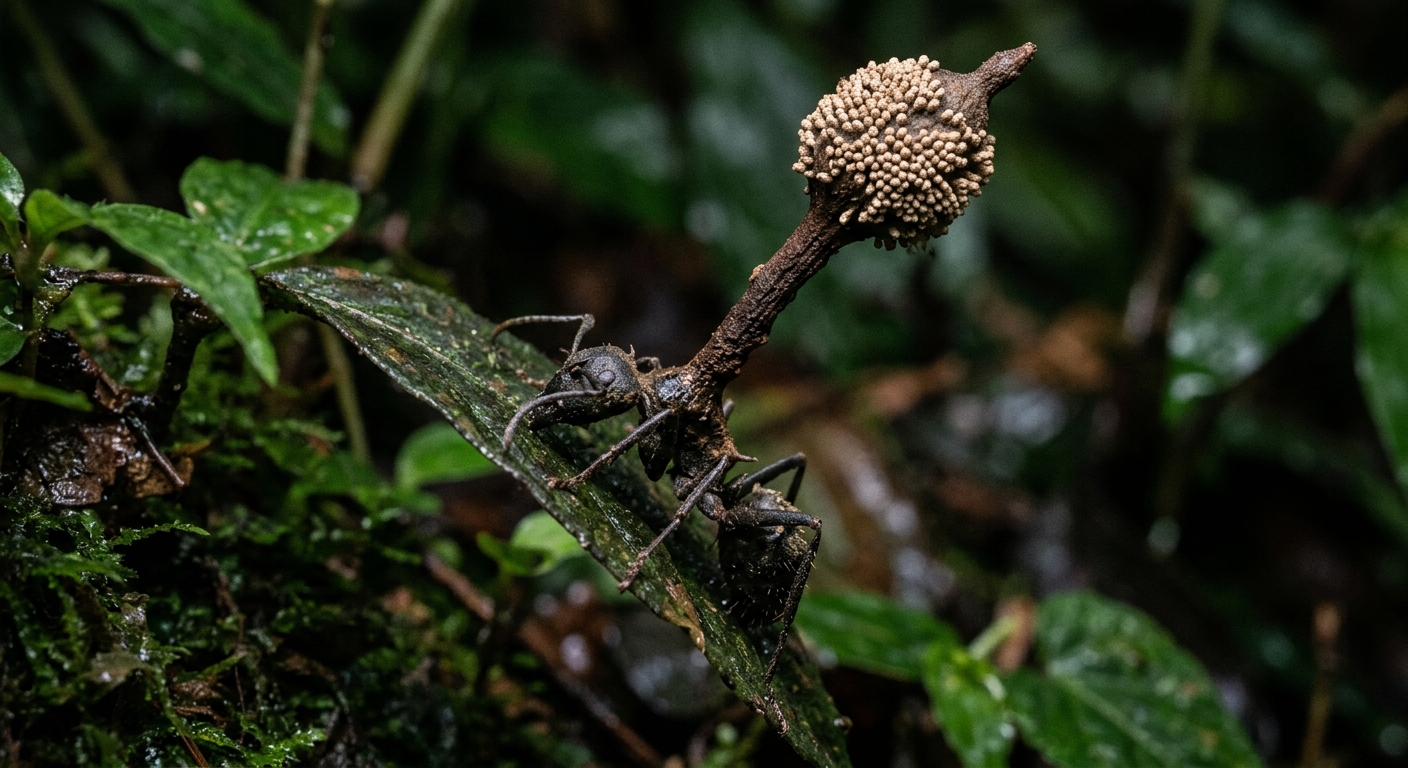
Deep in tropical rainforests, a parasitic fungus turns carpenter ants into mindless zombies, hijacking their behavior to create the perfect spore-spreading machines. This microscopic puppet master forces infected ants to climb to precise locations before erupting from their heads in a gruesome finale that ensures the cycle continues.