Earth Is Weird

Nature’s Snipers: The Fish That Hunt With Deadly Water Bullets

Archerfish have evolved the extraordinary ability to shoot high-pressure water jets with sniper-like accuracy to knock insects and small animals from overhanging branches into the water below. These aquatic marksmen can hit targets up to 6 feet away while automatically compensating for complex physics like light refraction, making them one of nature’s most precise hunters.

Read More →

The Ultimate Roommates: How a Blind Shrimp and Fish Created Nature’s Perfect Partnership

For over 50 million years, the nearly blind pistol shrimp and sharp-eyed goby fish have maintained one of nature’s most sophisticated partnerships. This remarkable duo has developed an intricate communication system and mutual dependency that challenges everything we know about interspecies cooperation.

Read More →

The Alien Living in Our Oceans: Why Octopuses Have Three Hearts and Copper-Based Blue Blood

Octopuses possess three hearts and blue blood containing copper instead of iron, representing millions of years of evolution perfectly adapted for deep-sea survival. These alien-like cardiovascular adaptations allow efficient oxygen transport in cold, low-oxygen ocean environments where these remarkable cephalopods thrive.

Read More →

Nature’s Living X-Ray: The Incredible Glass Frogs That Let You See Their Beating Hearts

Glass frogs are remarkable amphibians with transparent skin that allows you to see their hearts beating and blood flowing in real-time. These incredible creatures use their see-through bodies as camouflage, making them nearly invisible to predators when resting on leaves in rainforest canopies.

Read More →

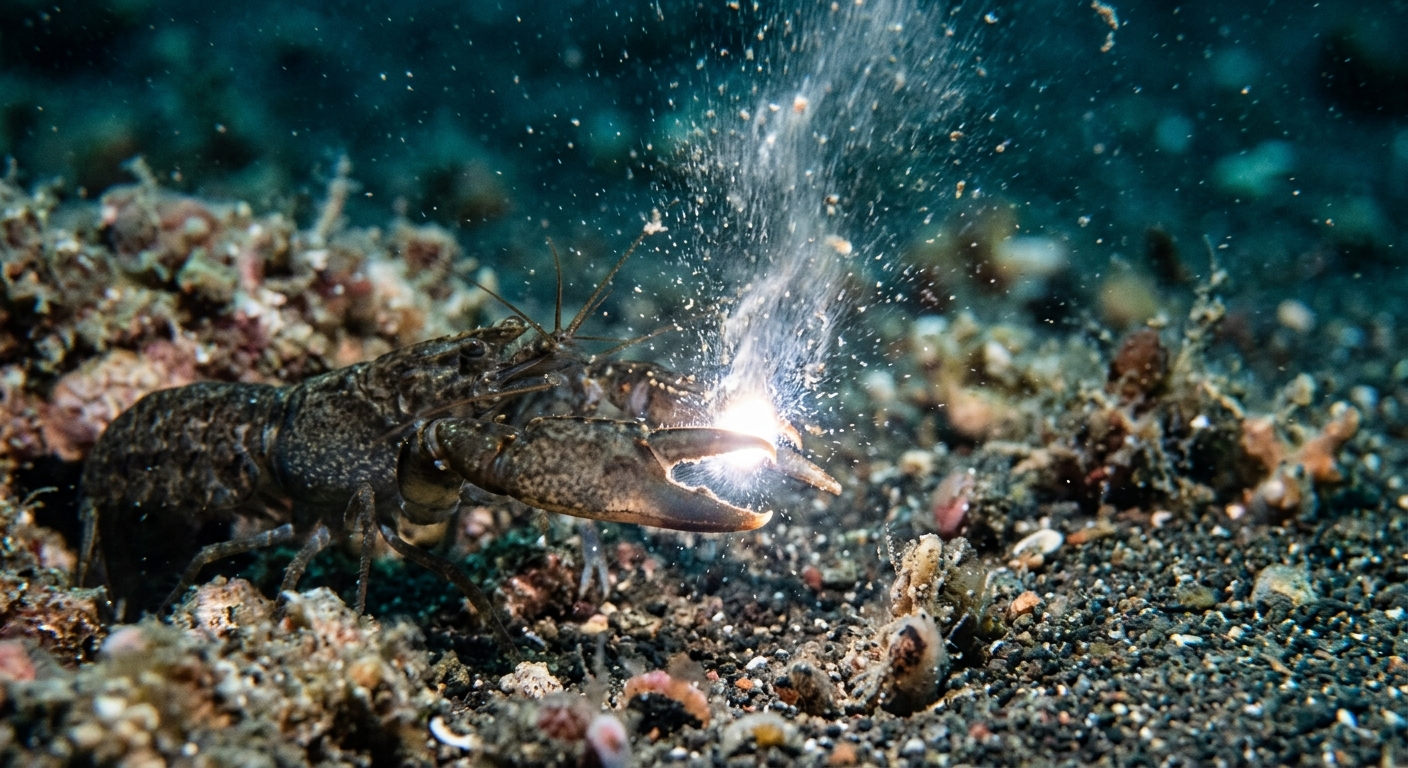
This Tiny Shrimp Creates a Bubble Hotter Than the Sun to Obliterate Its Prey

The pistol shrimp creates cavitation bubbles that reach temperatures exceeding 5,000 Kelvin when hunting, making them hotter than the surface of the sun. This tiny marine predator uses this extreme physics phenomenon to stun and kill prey with devastating underwater shockwaves.

Read More →

The Gentle Giants Who Never Forget: How Elephants Conduct Funerals That Would Make Humans Weep

Deep in the African savanna, elephants conduct elaborate funeral ceremonies that last for days, touching and caressing the bones of their deceased with their trunks in what can only be described as genuine grief. These gentle giants return to the burial sites of their loved ones for years, displaying emotional intelligence that rivals human mourning rituals.

Read More →

This Bird Sounds So Much Like a Chainsaw, Park Rangers Thought Someone Was Logging Illegally

The superb lyrebird can perfectly mimic mechanical sounds like chainsaws and car alarms with such accuracy that park rangers have investigated false reports of illegal logging. These Australian birds use their incredible vocal abilities to create elaborate courtship displays, incorporating both natural and artificial sounds into their repertoires.

Read More →

The Blood Brothel: How Vampire Bats Operate Nature’s Most Twisted Food Bank

Vampire bats have evolved one of nature’s most sophisticated food-sharing systems, literally regurgitating blood meals to save their starving friends from death. This remarkable cooperative behavior allows them to survive in one of the most precarious ecological niches on Earth.

Read More →

The Tiny Predator That Discovered the Secret to Immortality: Meet the Hydra That Defies Death

Deep in freshwater ponds lives a microscopic creature that has achieved true biological immortality, never aging and capable of regrowing any lost body part. The hydra’s extraordinary abilities are revolutionizing our understanding of aging and regenerative medicine.

Read More →

The Impossible Map: How a 120-Million-Year-Old Stone Perfectly Charts Modern Earth

A stone map discovered in Russia depicts Earth’s geological features with impossible accuracy from 120 million years ago, challenging everything we know about ancient civilizations. The three-dimensional relief shows topographical details that should have required satellite technology to create, yet it predates human civilization by millions of years.

Read More →