Hidden deep in the Peruvian Amazon, a river reaches temperatures of 196°F, hot enough to cook any animal that falls in. Until 2011, scientists dismissed the Shanay-timpishka as indigenous legend, but this deadly boiling river is very real and sits hundreds of miles from the nearest volcano.
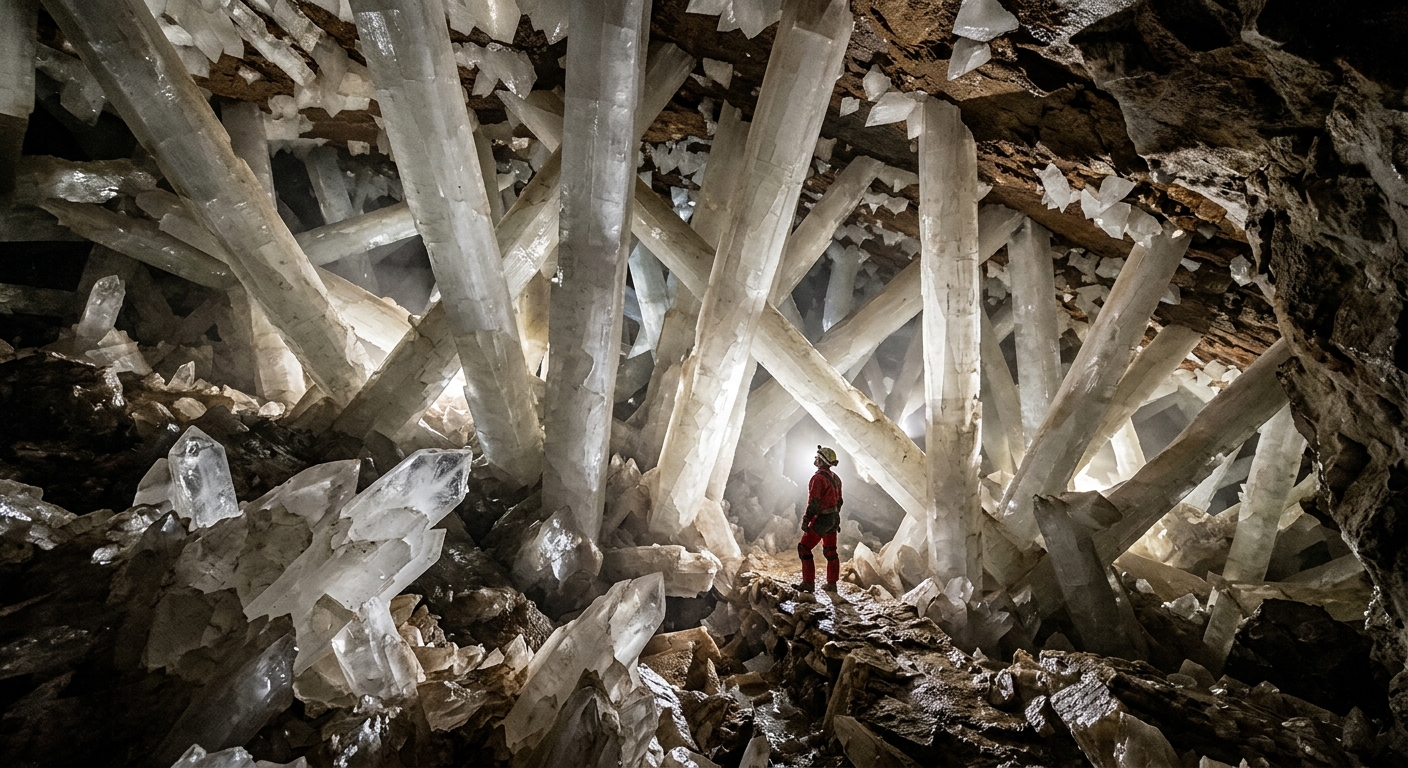
Hidden 300 meters beneath the Mexican desert lies a cave containing selenite crystals that grow up to 36 feet long and weigh 55 tons, rivaling the largest trees on Earth. These half-million-year-old crystal giants exist in conditions so extreme that humans can survive only minutes without specialized cooling equipment.
Every autumn, China’s Panjin Red Beach transforms into a crimson sea thanks to Suaeda salsa, a remarkable seaweed that changes from green to blood red as temperatures drop. This natural phenomenon creates one of the world’s most stunning coastal spectacles while supporting critical wildlife habitat.
The Mütter Museum in Philadelphia houses President Grover Cleveland’s actual tumor, removed during a secret 1893 surgery performed aboard a yacht to prevent economic panic. This preserved specimen represents one of the most extraordinary medical cover-ups in American political history.
Deep in Irish peat bogs lies a 6,000-year-old wooden road system that predates the Egyptian pyramids and remains perfectly preserved today. This remarkable trackway reveals advanced ancient engineering that challenges our understanding of prehistoric civilization.
Deep in New Zealand’s caves, thousands of glowworm larvae create spectacular living constellations on cave ceilings using bioluminescent light to hunt prey. These unique creatures transform underground chambers into natural planetariums that rival any night sky.
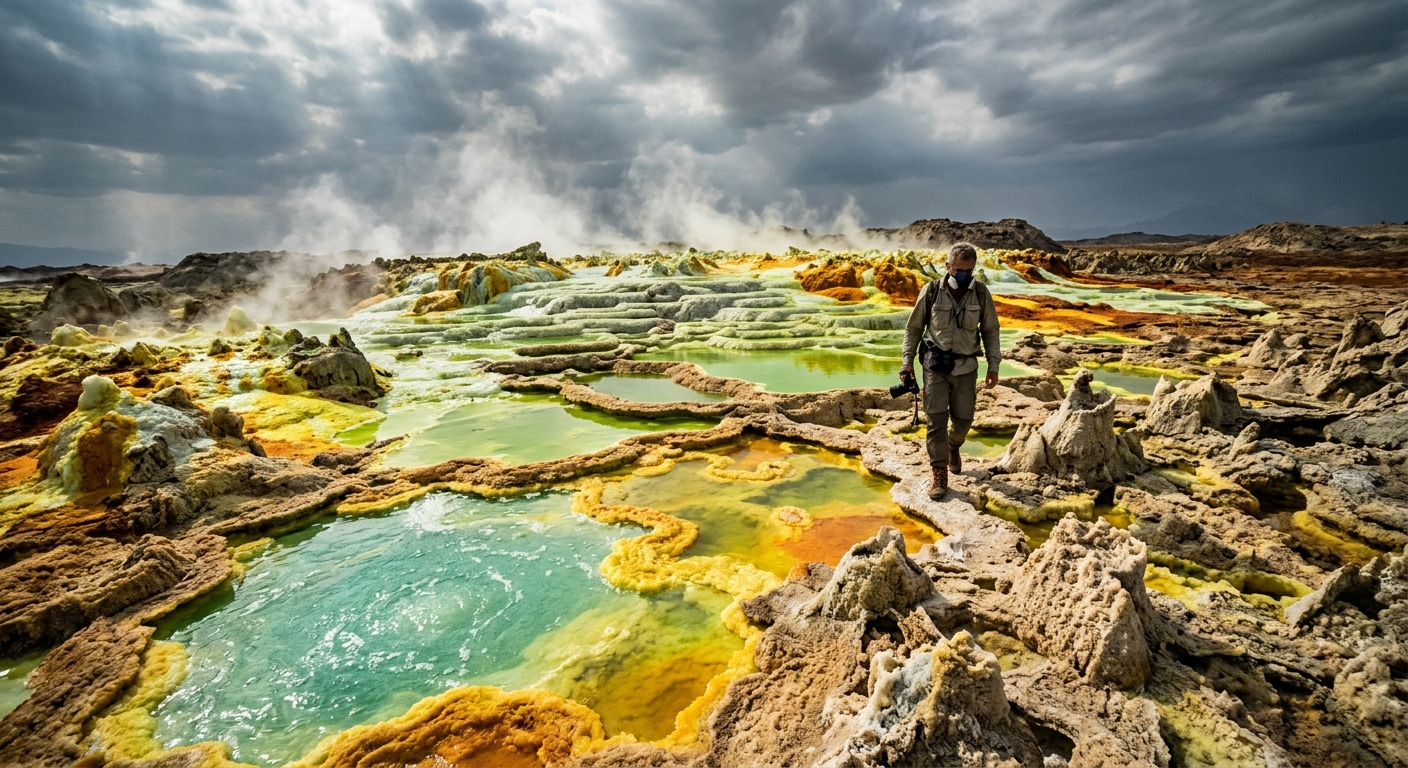
The Dallol Hydrothermal Field in Ethiopia creates such an alien landscape that NASA uses it to study Mars, complete with toxic rainbow pools and impossible life forms. This geological hellscape hosts extremophile organisms that thrive in conditions deadly to most life on Earth.
Nevada’s Fly Geyser, created by accident in 1964, grows approximately one inch taller every year through continuous mineral deposition from geothermal water. This rainbow-colored formation demonstrates rapid geological processes that typically take millennia, creating a living laboratory where visitors can witness Earth’s creative forces in real-time.
The Reed Flute Cave in China contains limestone formations that have been growing continuously for 180 million years, predating dinosaurs and creating an underground palace of natural stone sculptures. This living cave system continues to evolve today, adding new mineral deposits grain by grain in a process that has been ongoing since the Triassic Period.
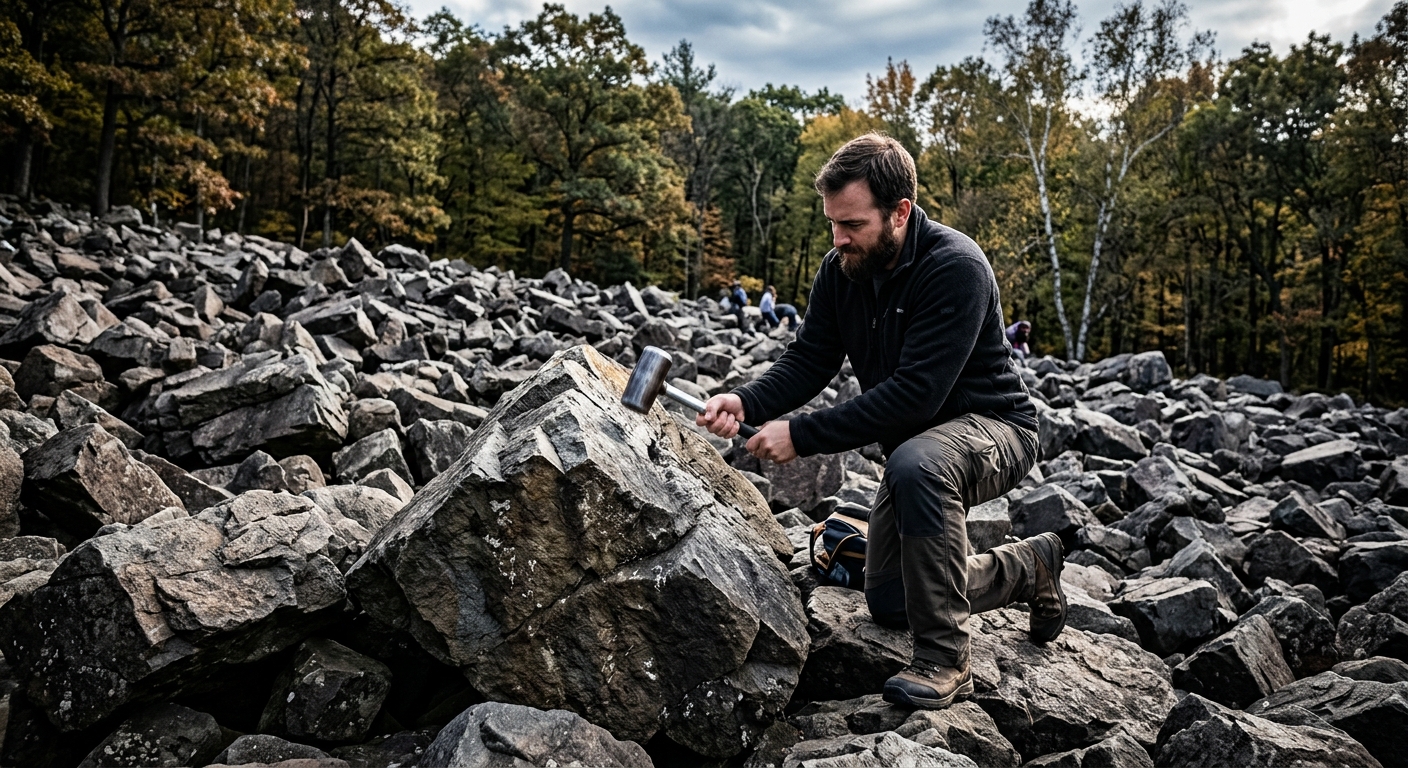
In Pennsylvania’s boulder fields, ordinary-looking rocks produce clear, bell-like tones when struck, creating a natural orchestra that has puzzled scientists for over a century. Despite extensive research, the exact mechanism behind these musical stones remains one of geology’s most charming unsolved mysteries.