Earth Is Weird

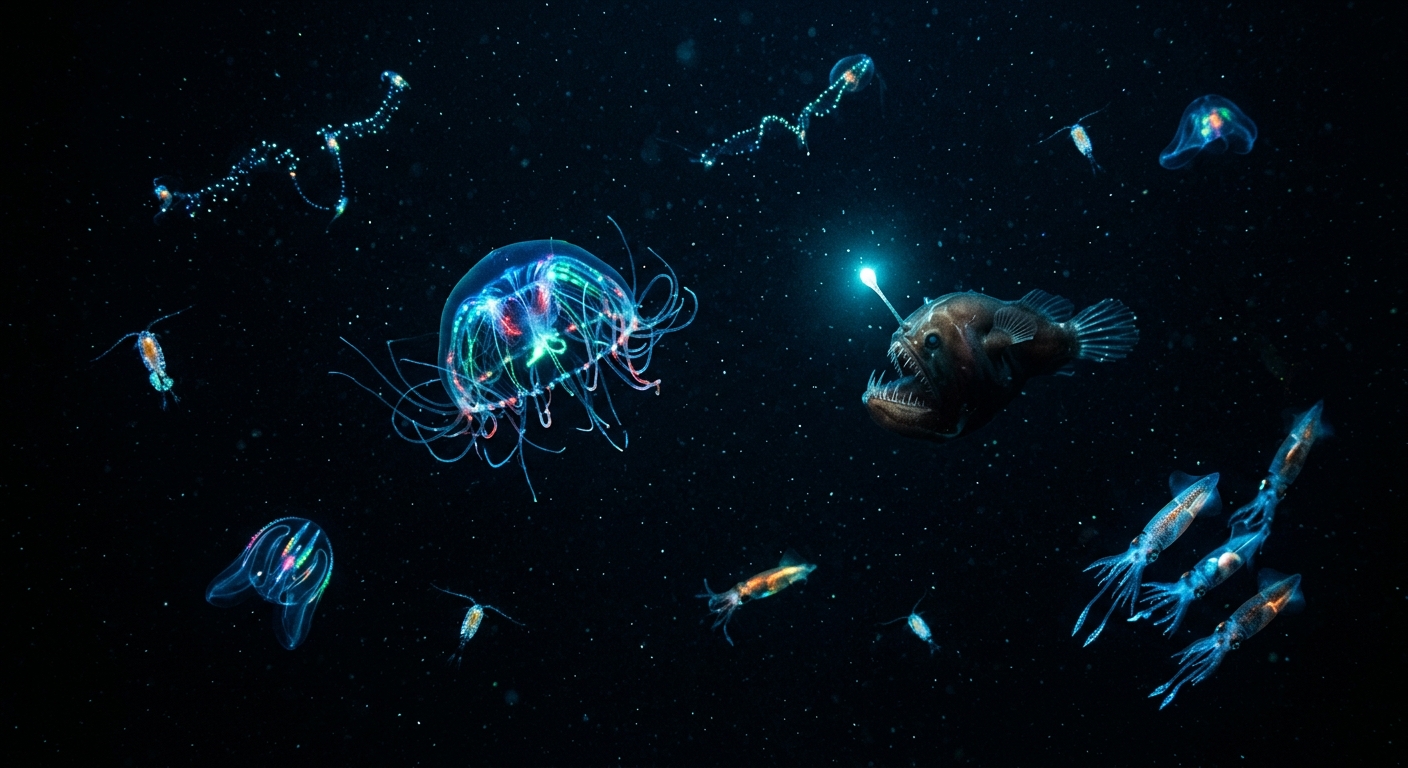
11,000 Meters Down: Inside Earth’s Most Alien World Where Light Has Never Existed

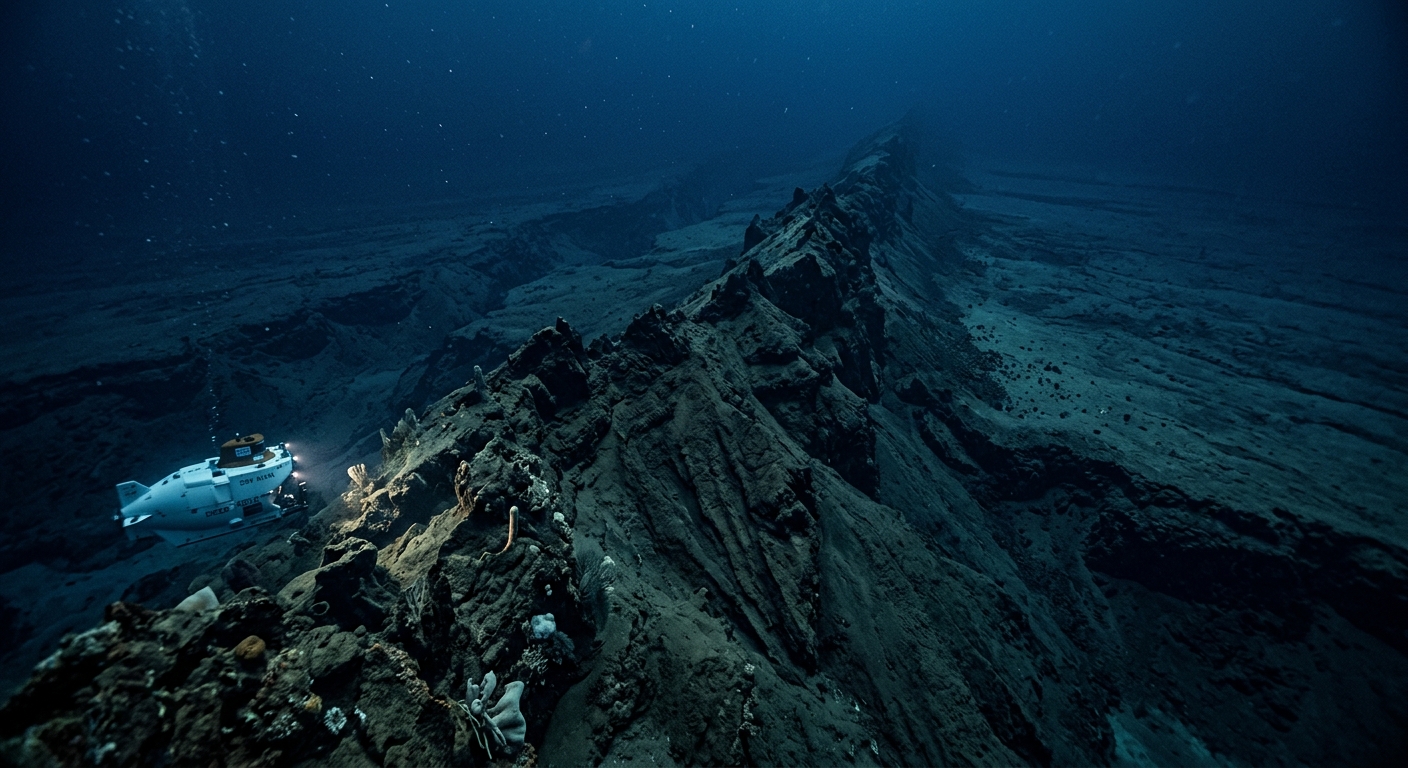
The Challenger Deep plunges nearly 11 kilometers below the ocean surface, creating Earth’s most alien environment where no sunlight has ever reached and bizarre life forms thrive in crushing darkness. This underwater realm, more hostile than space, harbors ecosystems that challenge everything we know about life’s possibilities.

Read More →

The Shocking Truth: Mount Everest Loses Its Crown When Measured From Earth’s Core

Mount Everest may be the highest peak above sea level, but when measured from Earth’s center, an Ecuadorian volcano called Mount Chimborazo actually extends farther into space. This surprising truth reveals how Earth’s equatorial bulge completely changes our understanding of the world’s tallest mountain.

Read More →

This Single River Pumps Out More Water Than 7 Countries Combined: The Amazon’s Mind-Blowing Liquid Empire

The Amazon River discharges an mind-blowing 7.1 million cubic feet of fresh water into the Atlantic Ocean every second, more than the next seven largest rivers combined. This liquid giant creates a freshwater plume extending 100 miles into the ocean and represents 20% of all river water entering the world’s oceans.

Read More →

When the Sahara Was Paradise: The Lost Green World That Vanished in the Blink of Time

Just 6,000 years ago, the Sahara Desert was a lush green savanna filled with hippos, elephants, and flowing rivers. The transformation from paradise to barren desert happened with shocking speed, leaving behind hidden evidence of a lost world beneath the sand.

Read More →

The Last Place on Earth Where Rain is a Stranger: Inside the Atacama’s Bone-Dry Heart

Deep in Chile’s Atacama Desert lie places where meteorological stations have never recorded rain in their entire operational history, creating Earth’s most Mars-like conditions. These hyperarid zones challenge our understanding of life’s limits and serve as testing grounds for future space missions.

Read More →

This Single Ocean Could Swallow Every Continent and Still Have Room to Spare

The Pacific Ocean covers 63.8 million square miles, making it larger than all continents and landmasses on Earth combined by over 6 million square miles. This single body of water demonstrates just how much of our planet is actually ocean rather than land.

Read More →

The Monster Sleeping Under America: Why Scientists Are Watching Yellowstone’s Ticking Time Bomb

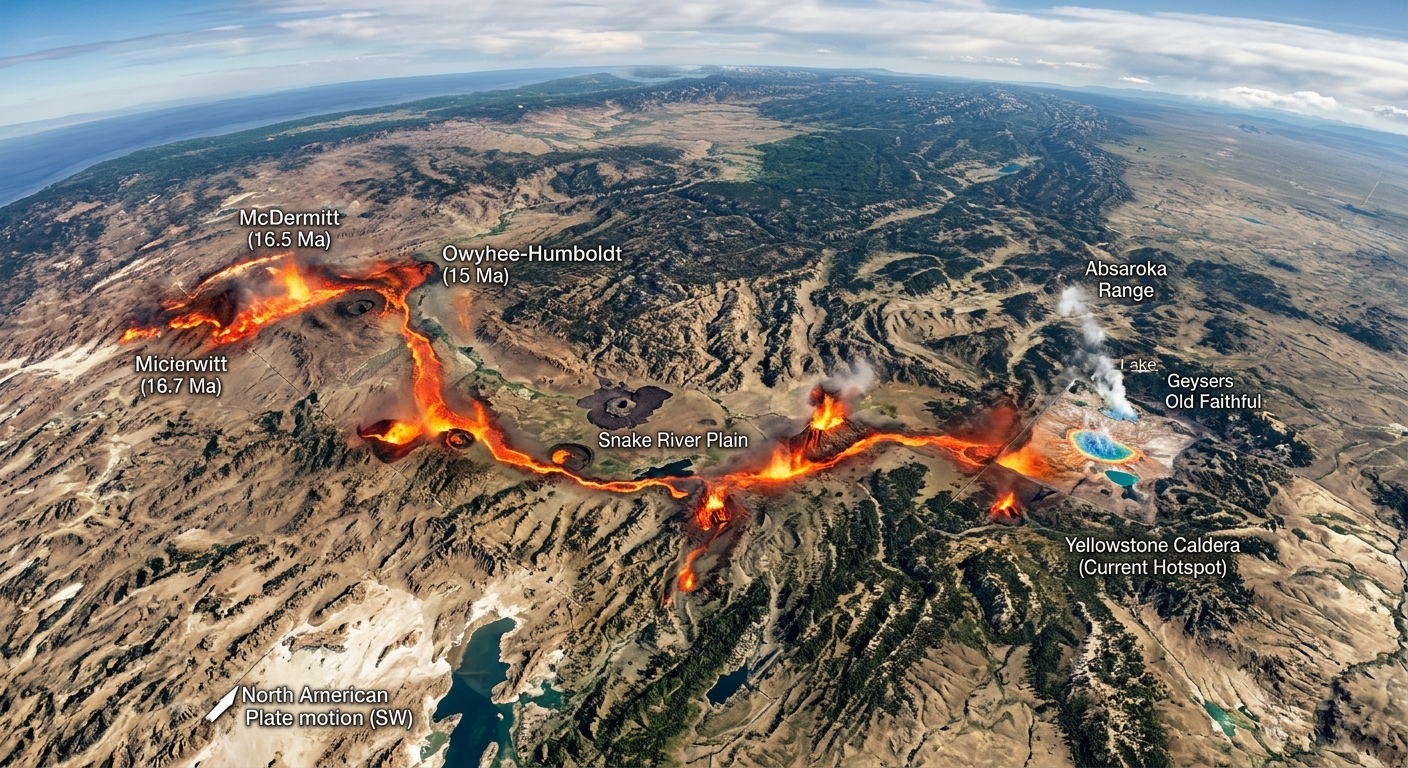
Beneath Yellowstone National Park lies a supervolcano with the power to end human civilization, containing enough molten rock to bury entire states in ash. Scientists monitor this sleeping giant around the clock, knowing that its next eruption could trigger a global volcanic winter lasting years.

Read More →

These Giant Stone Spheres Took 4 Million Years to Grow on the Ocean Floor

The mysterious spherical boulders scattered across New Zealand’s Koekohe Beach took 4 million years to form on the ancient ocean floor through a remarkable process called concretion. These natural sculptures reveal how patient geological forces can create near-perfect spheres from seafloor sediments, offering a glimpse into deep time and the incredible artistry of Earth’s geological processes.

Read More →

Turkey’s White Miracle: How Frozen Waterfalls Healed Ancient Warriors for 2,000 Years

For over 2,000 years, the brilliant white travertine pools of Pamukkale, Turkey have served as nature’s pharmacy, attracting Roman emperors and ancient warriors seeking healing in their mineral-rich waters. Modern science has now proven what the ancients knew intuitively: these geological formations really do provide measurable health benefits through their unique combination of calcium carbonate, magnesium, and other therapeutic minerals.

Read More →

Iceland’s Breathing Blowholes: The Volcanic Wells That Inhale and Exhale Like Sleeping Giants

Deep in Iceland’s volcanic landscape, natural rock formations literally breathe like living creatures, inhaling and exhaling with thunderous sounds that can be heard for miles. These breathing blowholes are created by ocean waves compressing air in underground chambers, producing a rhythmic cycle that mimics the respiration of sleeping giants.

Read More →