Four centuries before Gutenberg revolutionized Europe with his printing press, Chinese inventors had already mastered woodblock printing and even movable type. The world’s oldest printed book, the Diamond Sutra from 868 CE, reveals a sophisticated printing industry that was mass-producing books while Europeans were still copying manuscripts by hand.
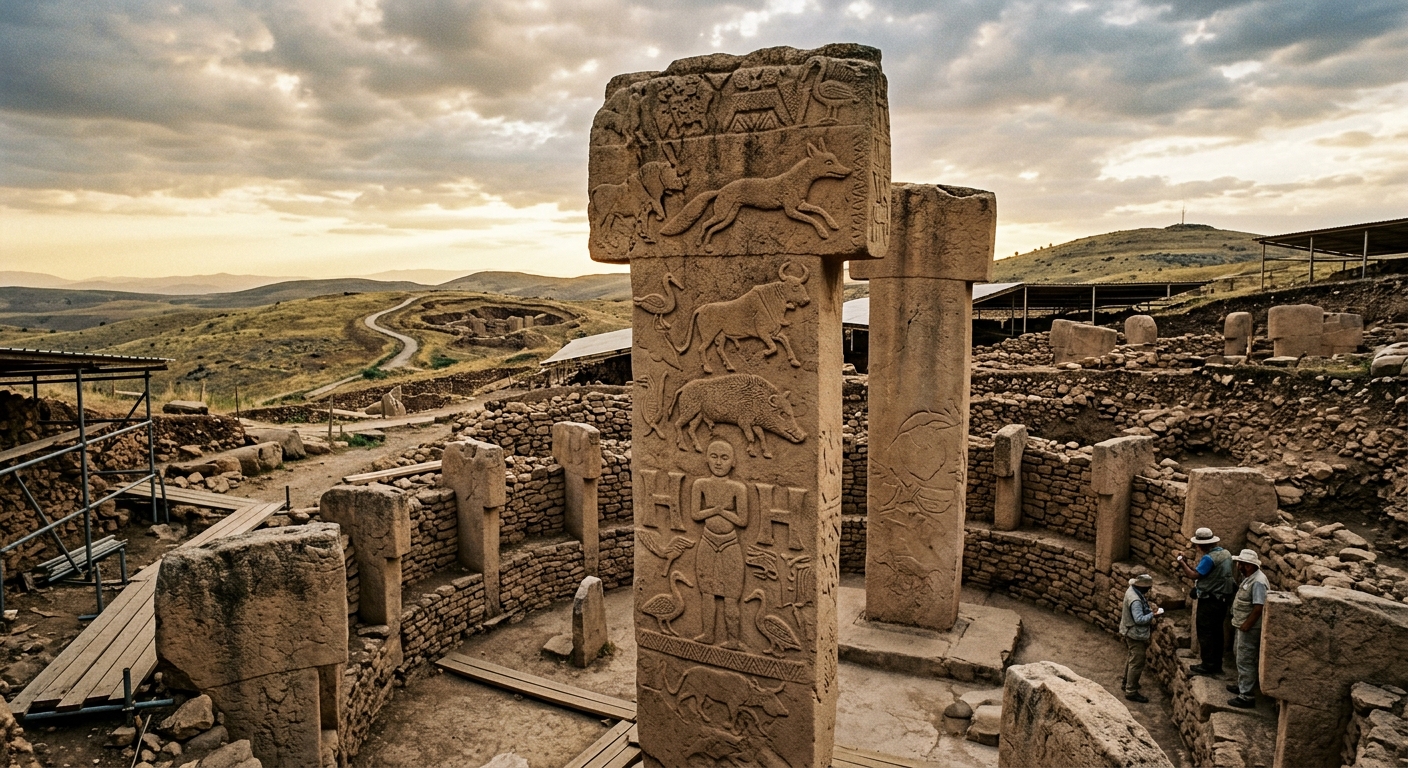
Gobekli Tepe, a 12,000-year-old temple complex in Turkey, predates Stonehenge by 6,000 years and was built by hunter-gatherers who weren’t supposed to have such advanced capabilities. This archaeological marvel has completely overturned our understanding of early human civilization and the development of complex society.
The Voynich Manuscript, a 600-year-old book filled with undecipherable text and impossible botanical illustrations, has defeated every codebreaker from WWII cryptographers to modern AI systems. This medieval mystery continues to guard its secrets despite centuries of attempts by the world’s most brilliant minds to crack its code.
Damascus steel blades were so incredibly sharp and strong they could slice through rifle barrels and cut silk scarves dropped on their edges. The secret forging technique that created this legendary metal was completely lost around 1700 CE, and despite modern scientific analysis, we still cannot fully replicate these ancient masterpieces.
Ancient Egyptian stone vessels display precision drilling and carving that modern engineers cannot replicate, with granite containers featuring walls varying by less than 2mm and complex internal geometries that seem impossible to create. These artifacts challenge our understanding of ancient technological capabilities and continue to perplex researchers today.
The Antikythera mechanism, a 2,000-year-old bronze device discovered in a Greek shipwreck, could predict solar eclipses decades in advance with remarkable accuracy. This ancient analog computer represents a level of technological sophistication that wouldn’t be seen again for over 1,000 years.
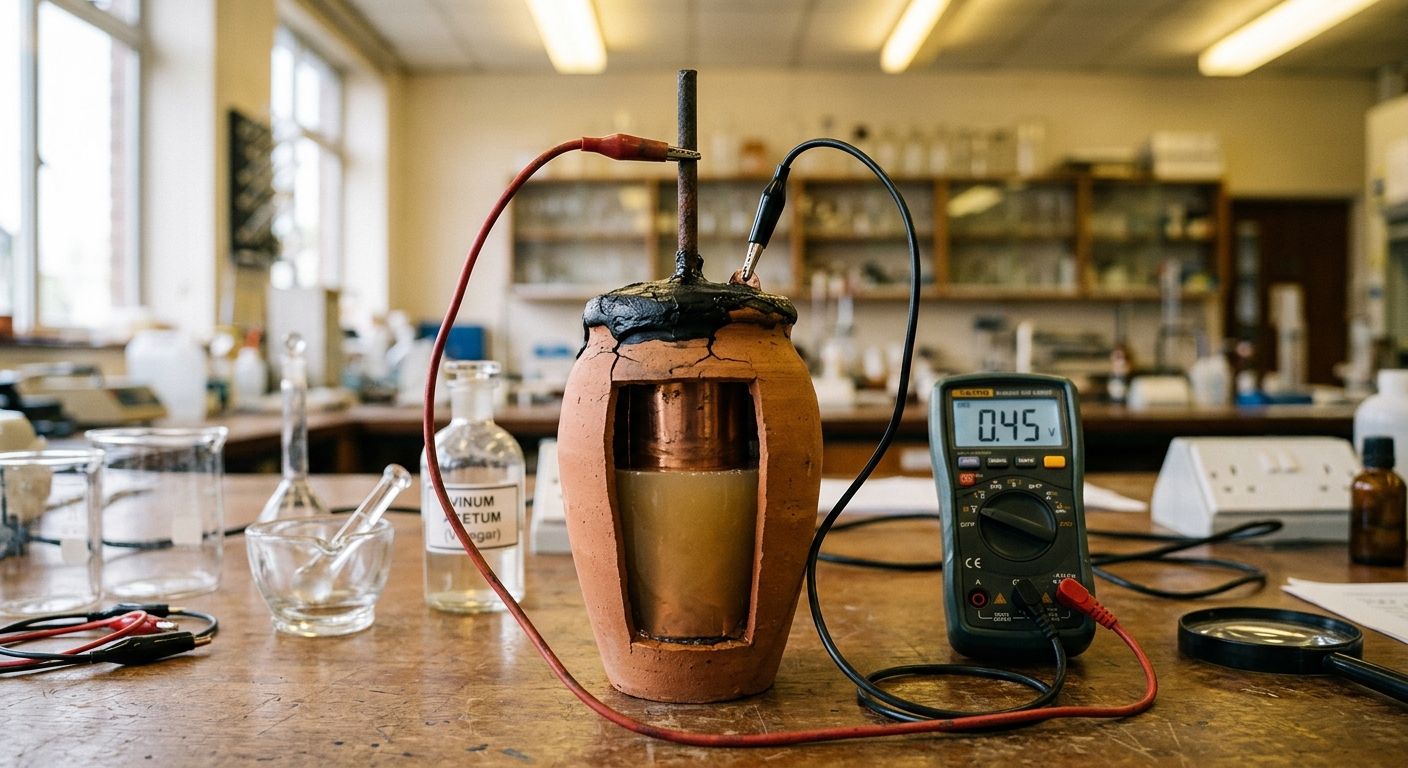
A 2,000-year-old clay jar found in Iraq can generate electricity and was discovered alongside gold-plated artifacts, suggesting ancient peoples might have invented electroplating. This mysterious Baghdad Battery challenges our understanding of ancient technological capabilities and could rewrite history books.
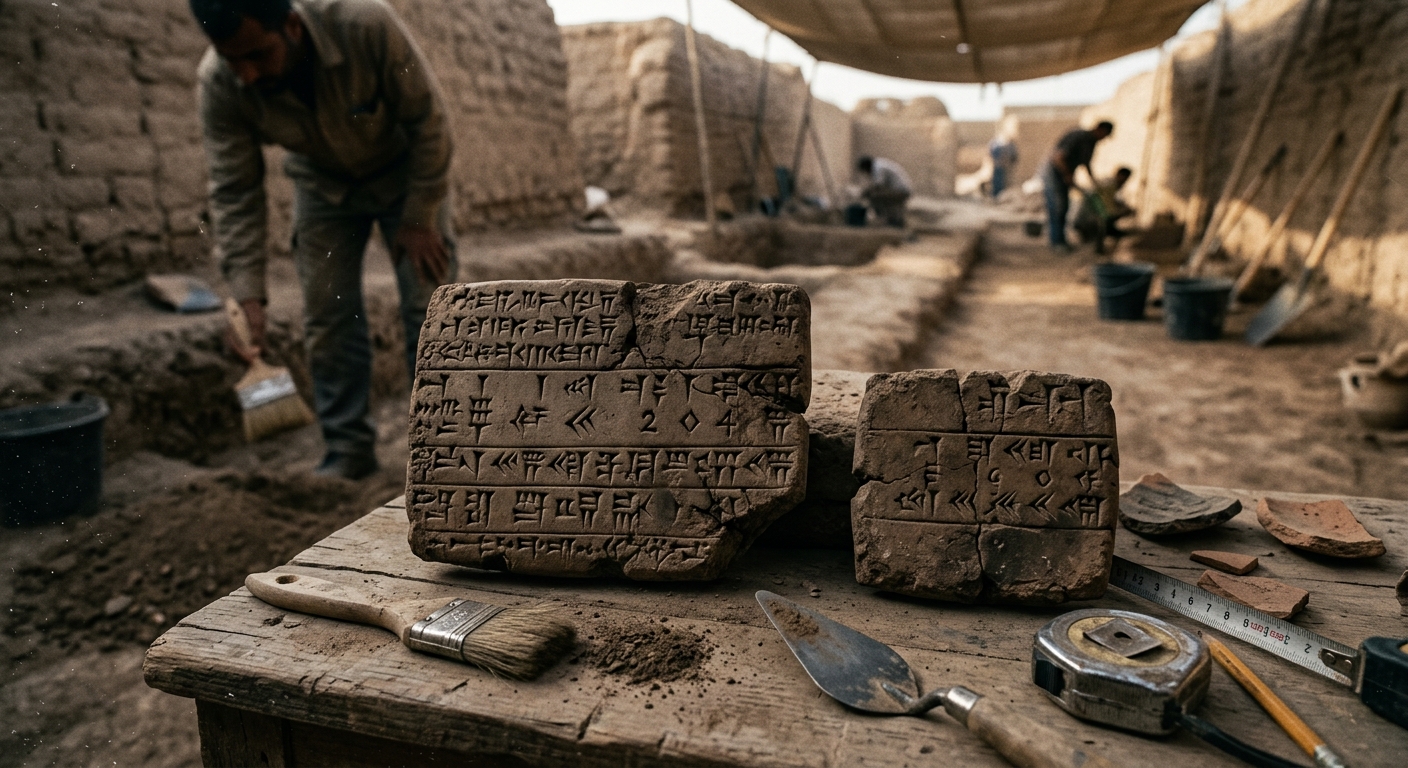
Ancient Mesopotamian clay tablets reveal that Babylonian mathematicians independently invented the concept of zero centuries before other civilizations, revolutionizing their astronomical calculations and mathematical capabilities. This groundbreaking discovery, encoded in cuneiform script on fragile clay tablets, predates the famous Indian and Mayan developments of zero and continues to yield mathematical secrets as scholars decode more ancient texts.
A 2,200-year-old wooden artifact discovered in an Egyptian tomb possesses all the aerodynamic properties of a modern glider, complete with perfect wing ratios and a vertical rudder. This mysterious object challenges our understanding of ancient technological knowledge and continues to baffle aviation experts today.
In 100 BC, Hero of Alexandria created a fully functional steam engine called the aeolipile that could spin at 1,500 RPM using pressurized steam. This remarkable device operated 1,600 years before the Industrial Revolution but was never developed into practical applications that could have changed the course of human history.