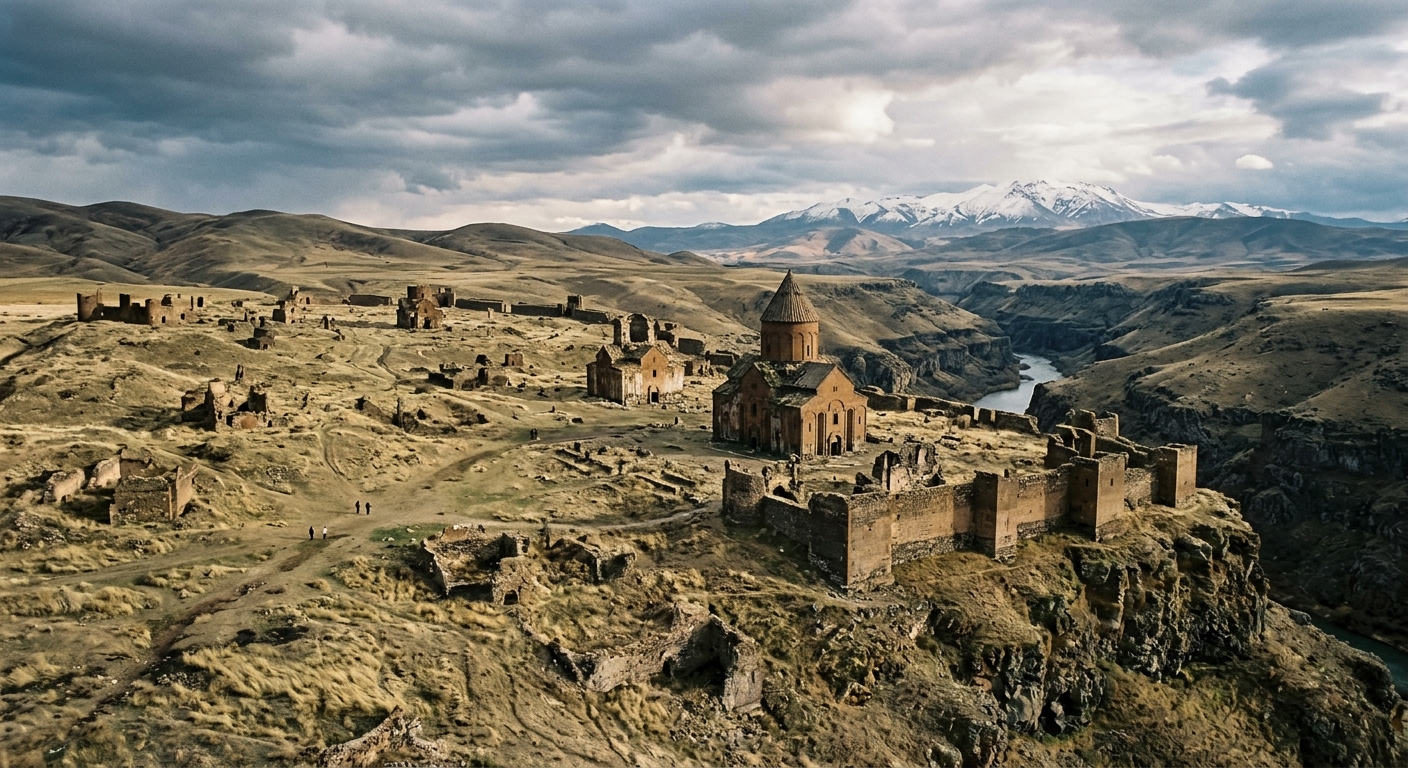
The ruins of Ani in Turkey were once home to 100,000 people, making it larger than medieval Paris or London. This lost Armenian capital along the Silk Road featured revolutionary architecture and advanced urban planning before mysteriously declining into the ghost city that exists today.
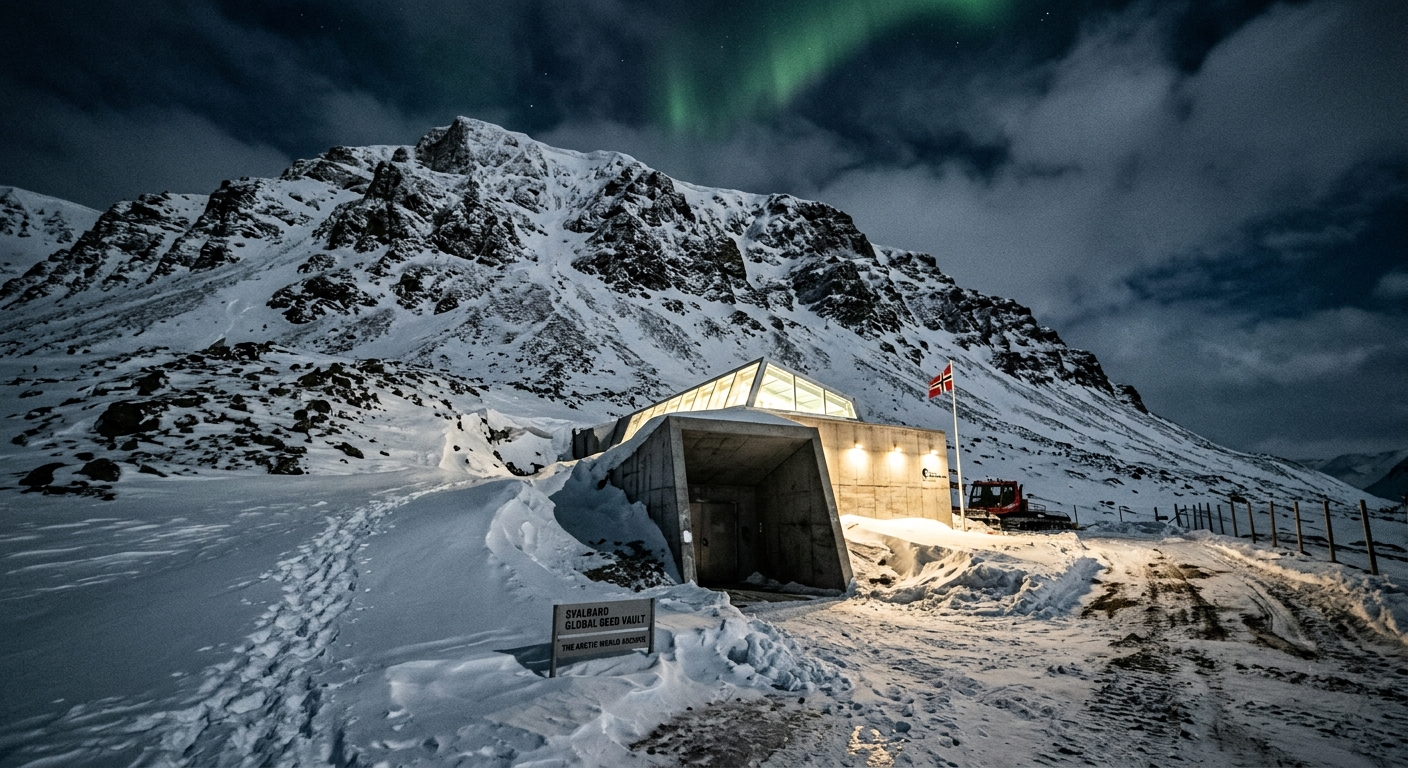
Hidden beneath Norway’s permafrost lies a frozen fortress designed to survive nuclear war and climate catastrophe. The Svalbard Global Seed Vault stores over 1 million seeds from around the world, serving as humanity’s agricultural insurance policy against global disaster.
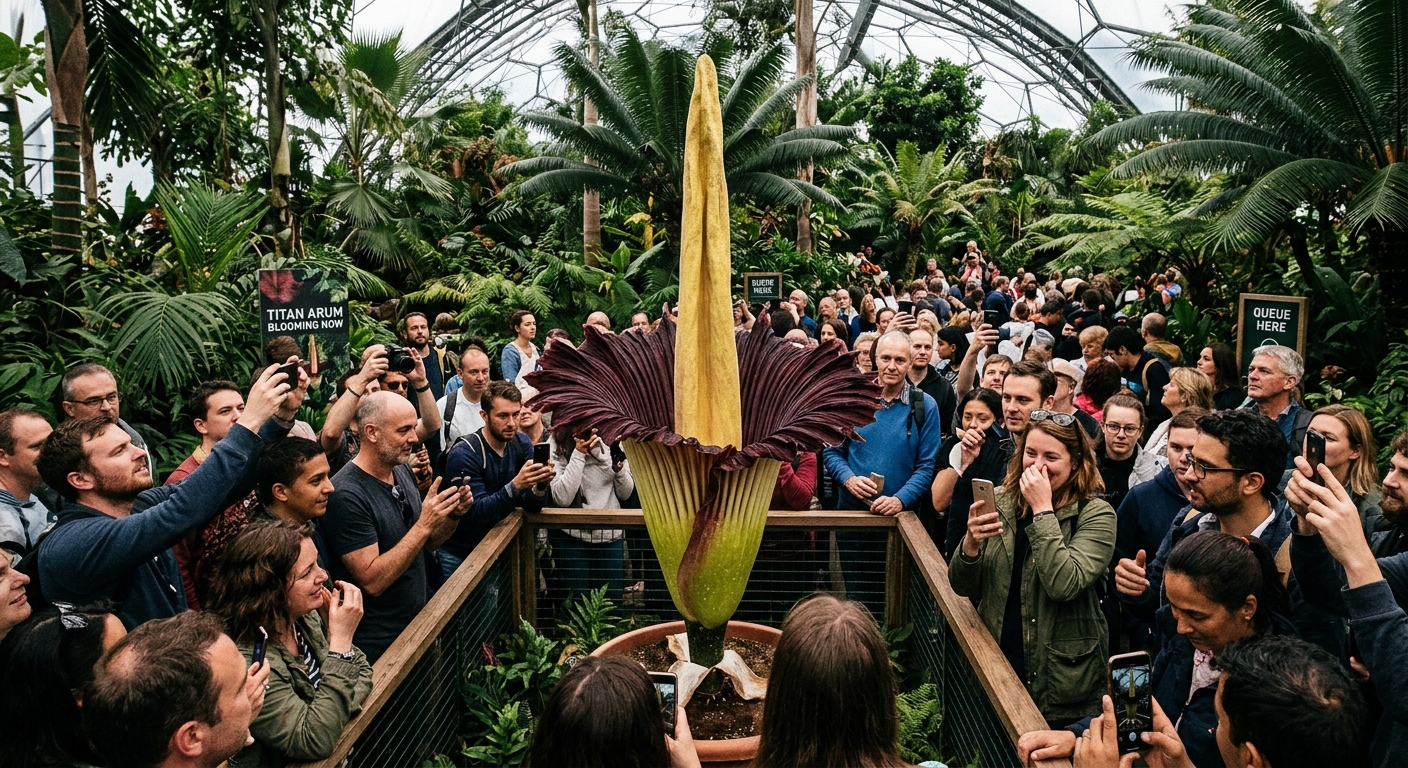
The corpse flower blooms so rarely that when it happens, thousands of people will queue for hours just to smell its revolting, death-like odor. This Indonesian giant creates such a spectacle that botanical gardens report record-breaking crowds, all eager to experience nature’s most offensive masterpiece.
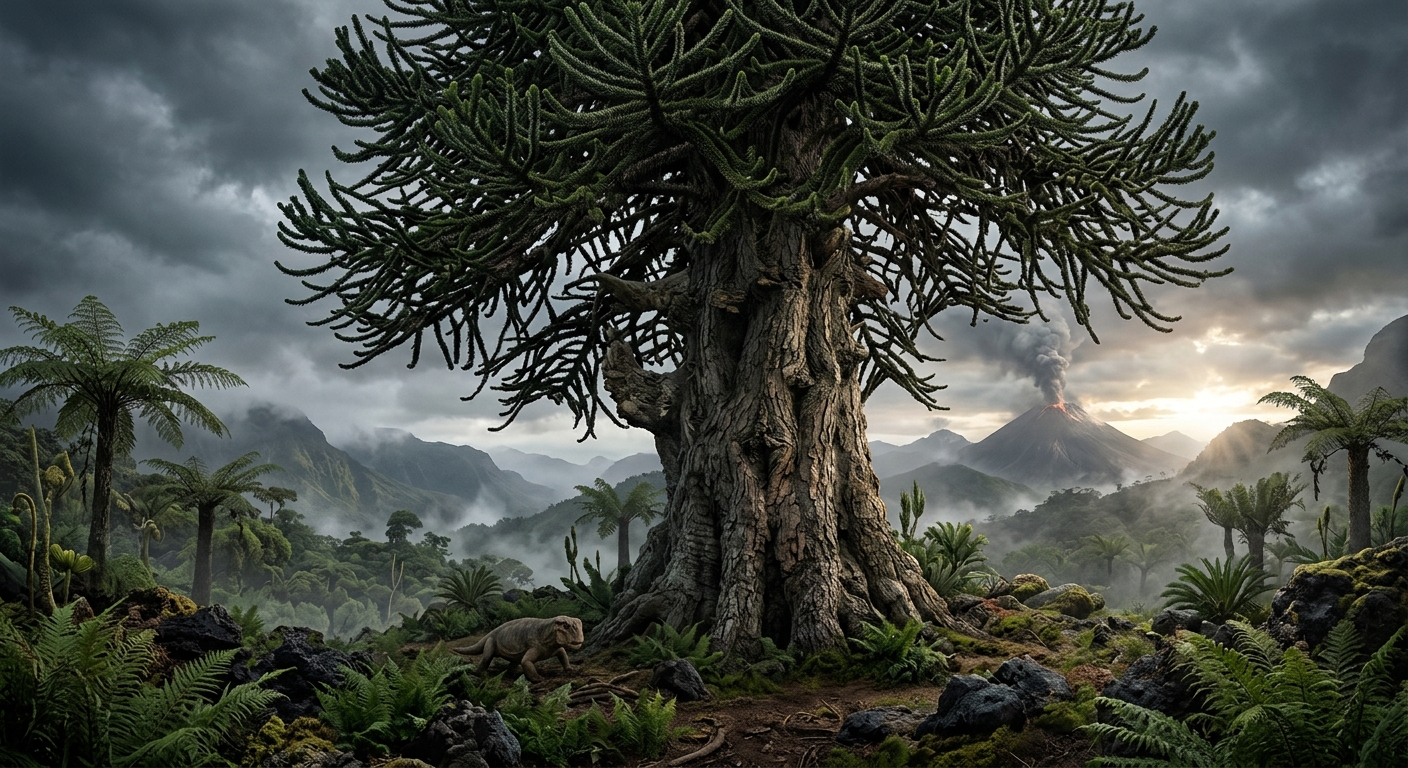
The Monkey Puzzle Tree has been growing on Earth for over 200 million years, predating all flowering plants and surviving since the age of dinosaurs. This living fossil still produces oversized seeds designed for dinosaur digestion, making it a remarkable window into our planet’s ancient past.
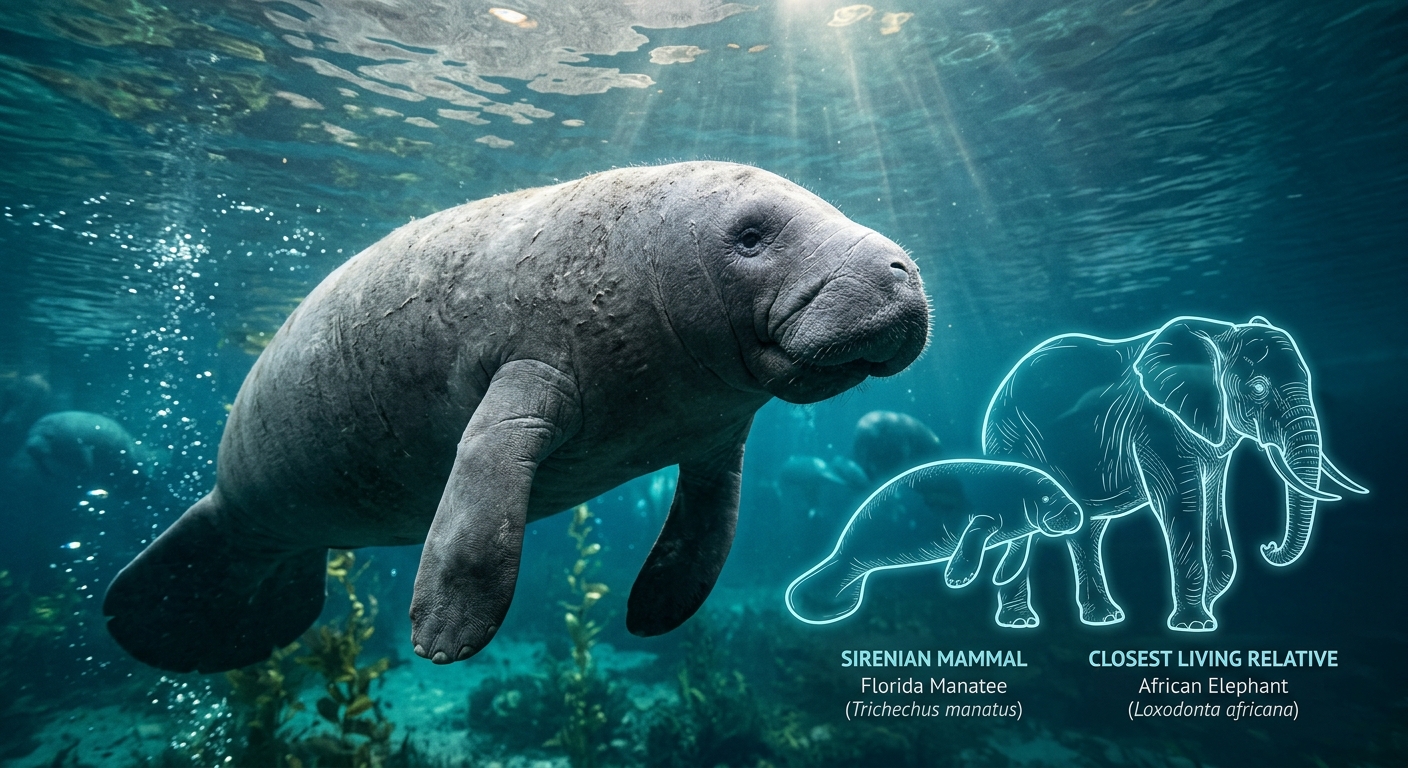
Gentle manatees and massive elephants belong to the same taxonomic superorder despite their vastly different appearances and habitats. This shocking evolutionary connection, revealed through genetic analysis, shows how a single ancient ancestor gave rise to both aquatic and terrestrial giants over 60 million years ago.
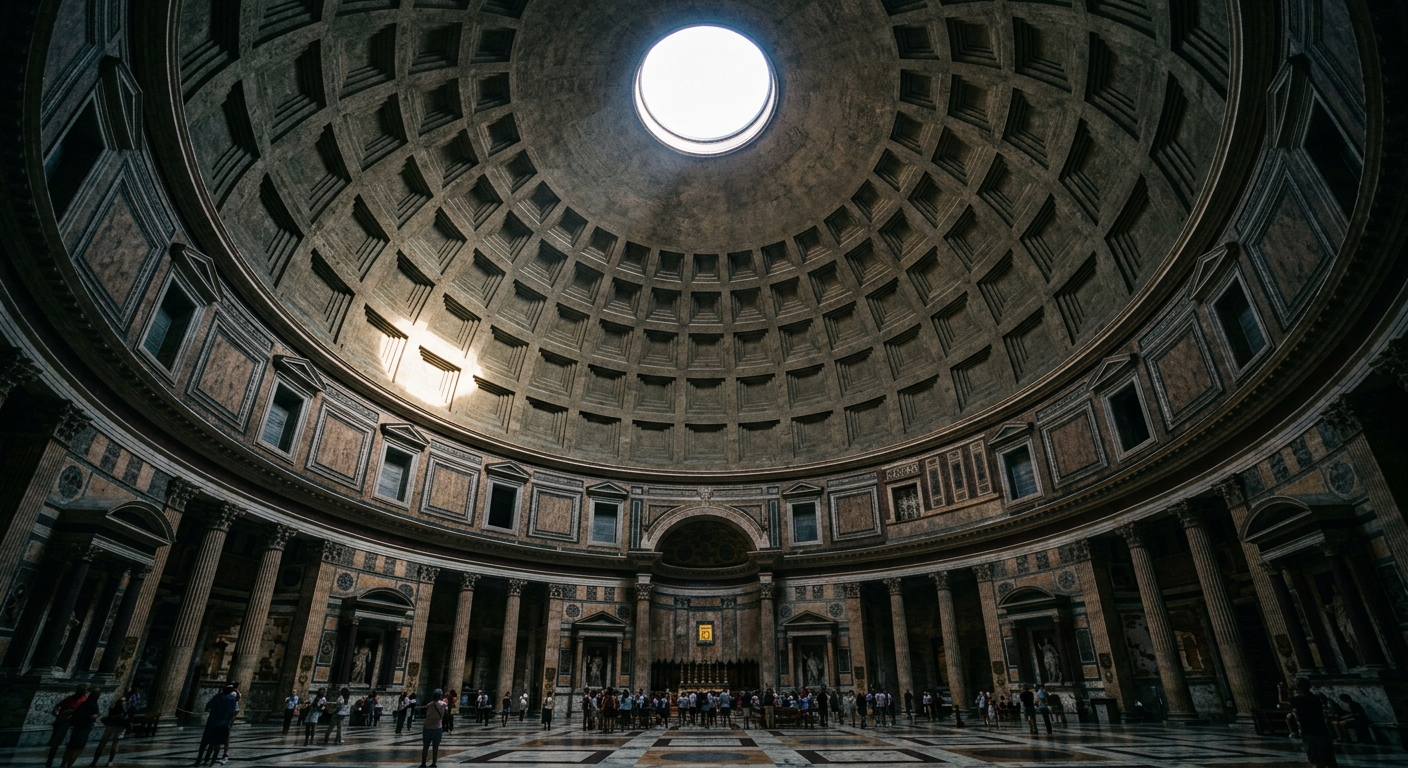
The Roman Pantheon’s massive concrete dome held the world record for largest unsupported span for an astounding 1,300 years. Modern engineers are still discovering the secrets behind this ancient architectural miracle that humbled builders for over a millennium.
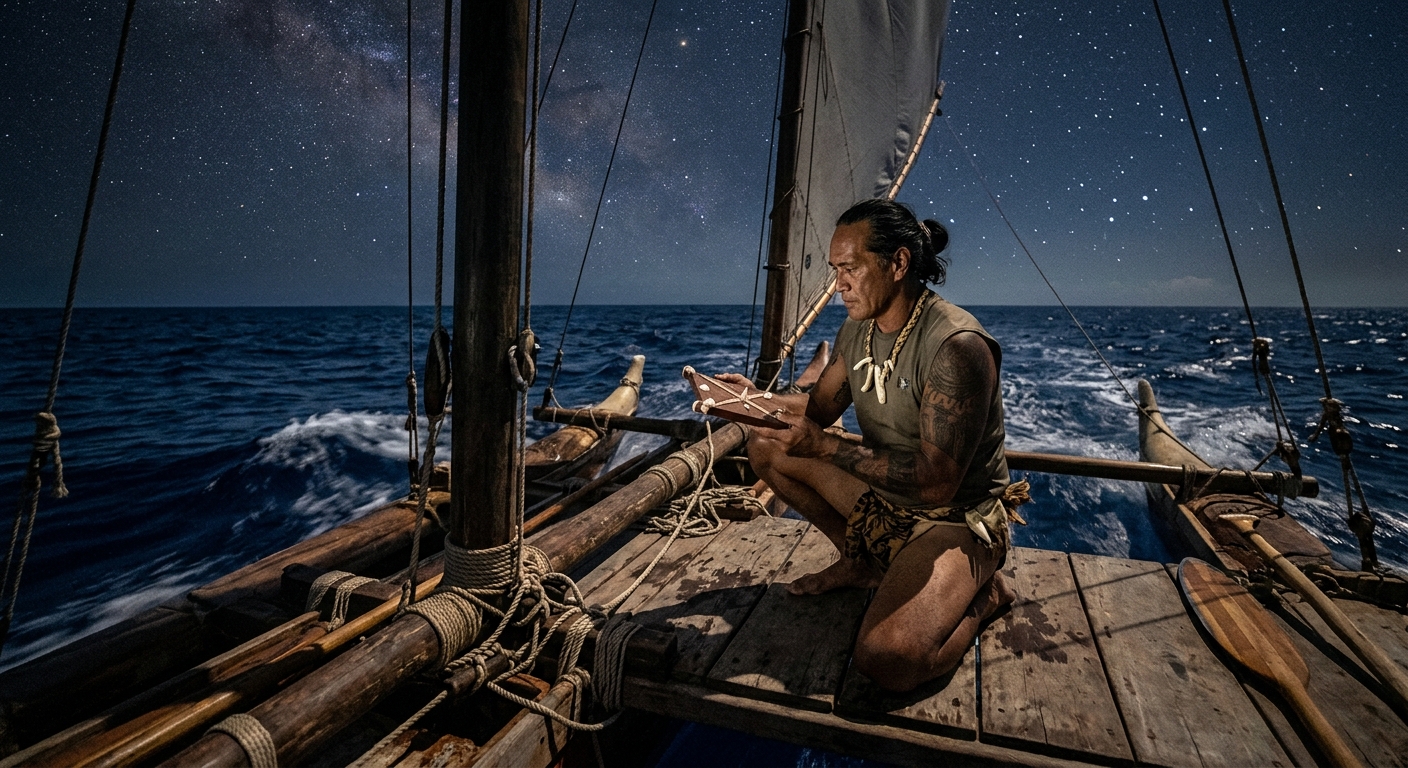
Ancient Polynesian navigators crossed over 10,000 miles of Pacific Ocean using only stars, waves, and natural signs to find tiny islands. Their incredible wayfinding skills allowed them to settle nearly every habitable island in the world’s largest ocean without any modern instruments.
The ancient Library of Alexandria housed up to 700,000 scrolls containing more textual content than the entire modern Library of Congress. This 2,000-year-old institution was humanity’s first research university and the greatest collection of knowledge ever assembled, until its tragic decline changed the course of history.
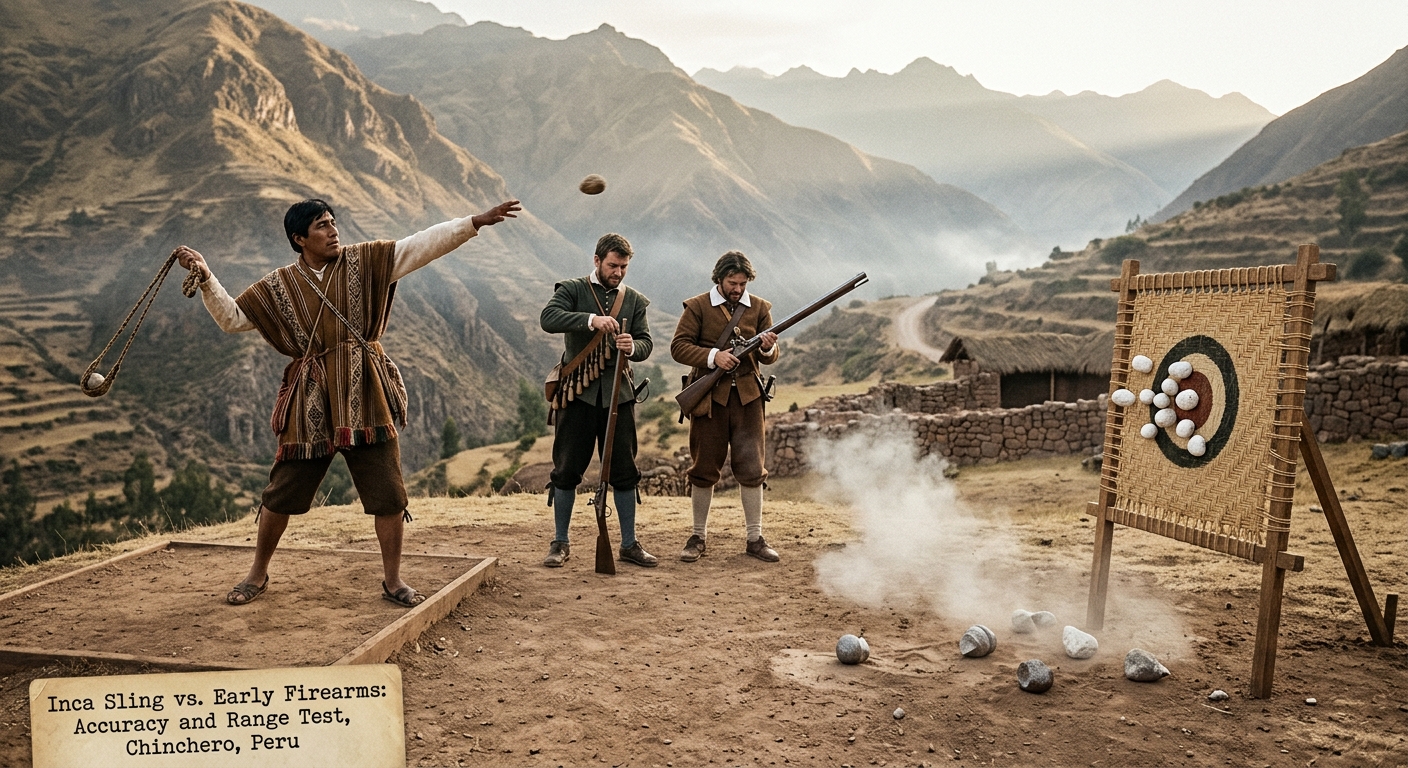
Ancient Peruvian warriors wielded slings with deadly accuracy that surpassed 16th-century Spanish muskets, achieving 80-90% hit rates at 100 meters compared to muskets’ mere 50%. This simple weapon of woven fibers and stones represented thousands of years of refined engineering that outclassed European military technology.
The Bronze Age tin trade created humanity’s first global supply chain, connecting civilizations from Britain to Mesopotamia through the quest for a single precious metal. This ancient network moved Cornish tin thousands of miles across Europe and Asia, creating cultural exchanges and technological transfers that shaped the ancient world.