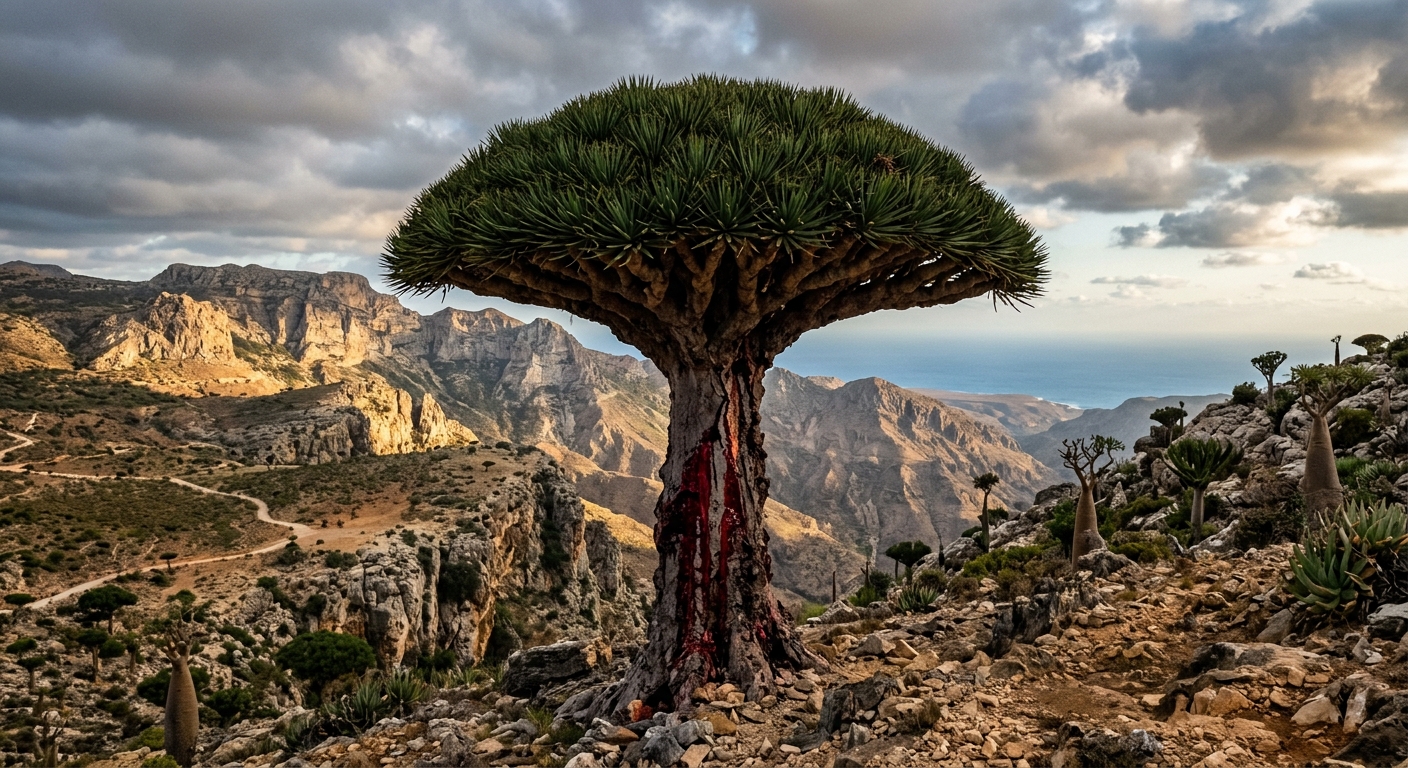
The Dragon Blood Tree of Socotra Island literally bleeds crimson red when wounded and can live for over 650 years, making it one of Earth’s most alien-looking and longest-living plants. These umbrella-shaped giants have witnessed centuries of human history from their remote island home in the Indian Ocean.
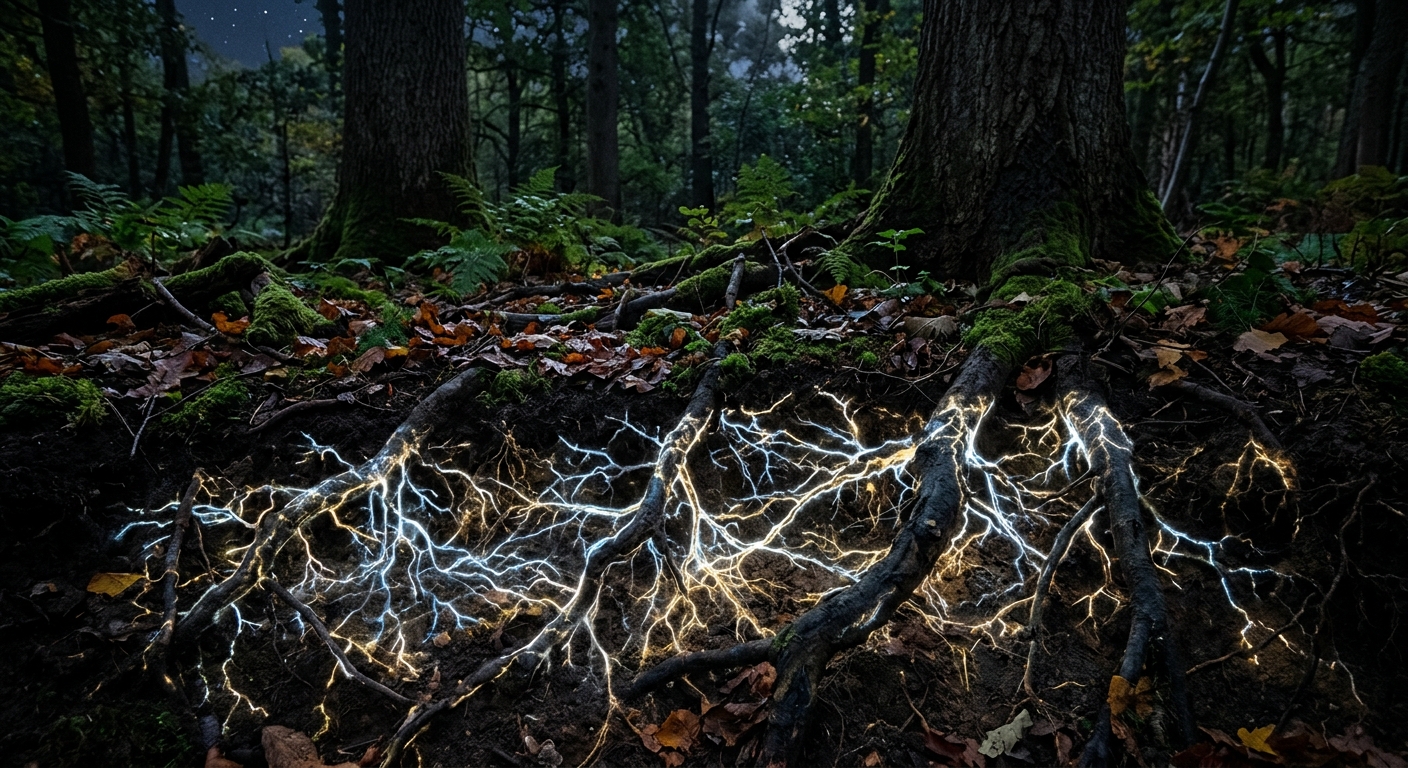
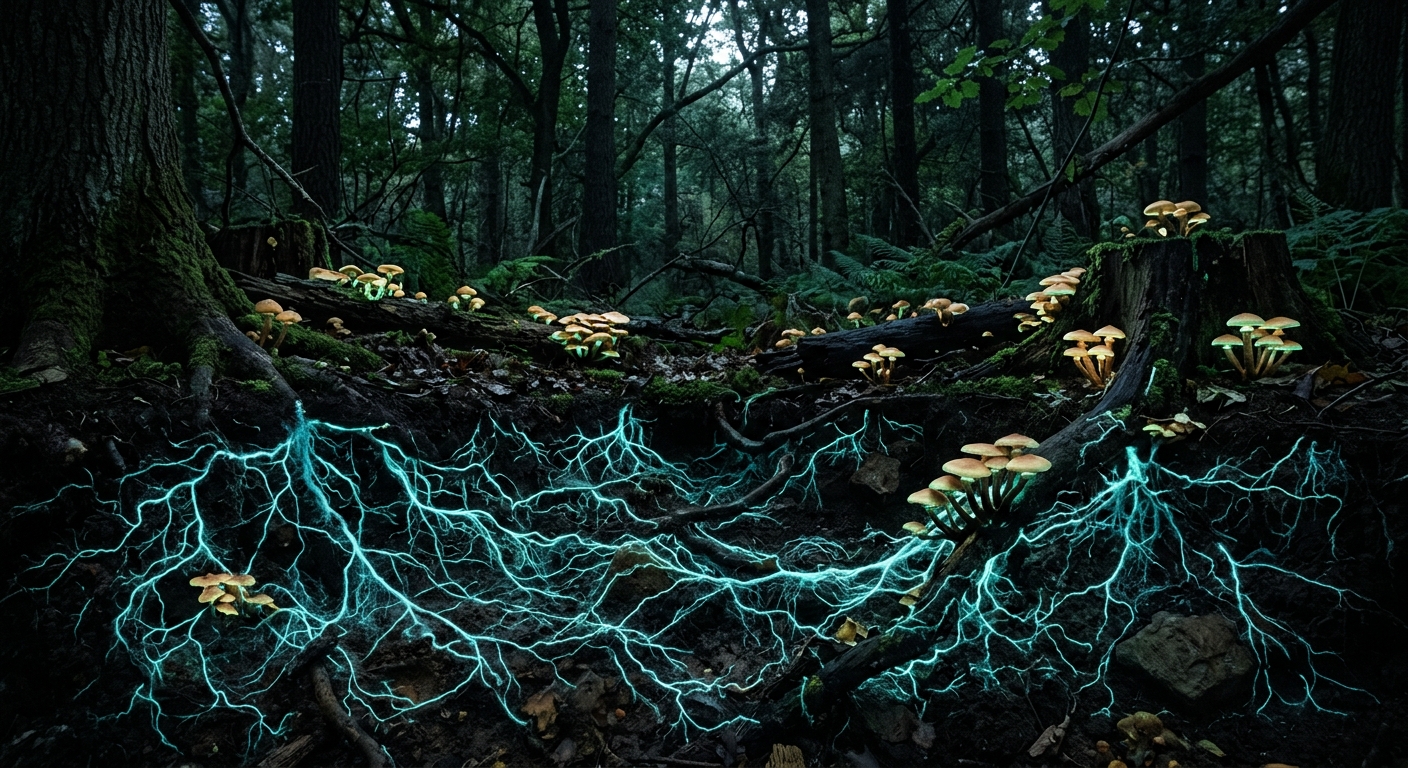
Scientists have discovered that trees communicate through vast underground fungal networks, sharing resources and warning signals in a biological internet that spans entire forests. This “wood wide web” reveals forests as interconnected superorganisms rather than collections of competing individual trees.
Hidden beneath an Oregon forest lies the world’s largest living organism – a single mushroom covering 2,385 acres that has been growing for thousands of years. This fungal giant challenges everything we thought we knew about life on Earth.
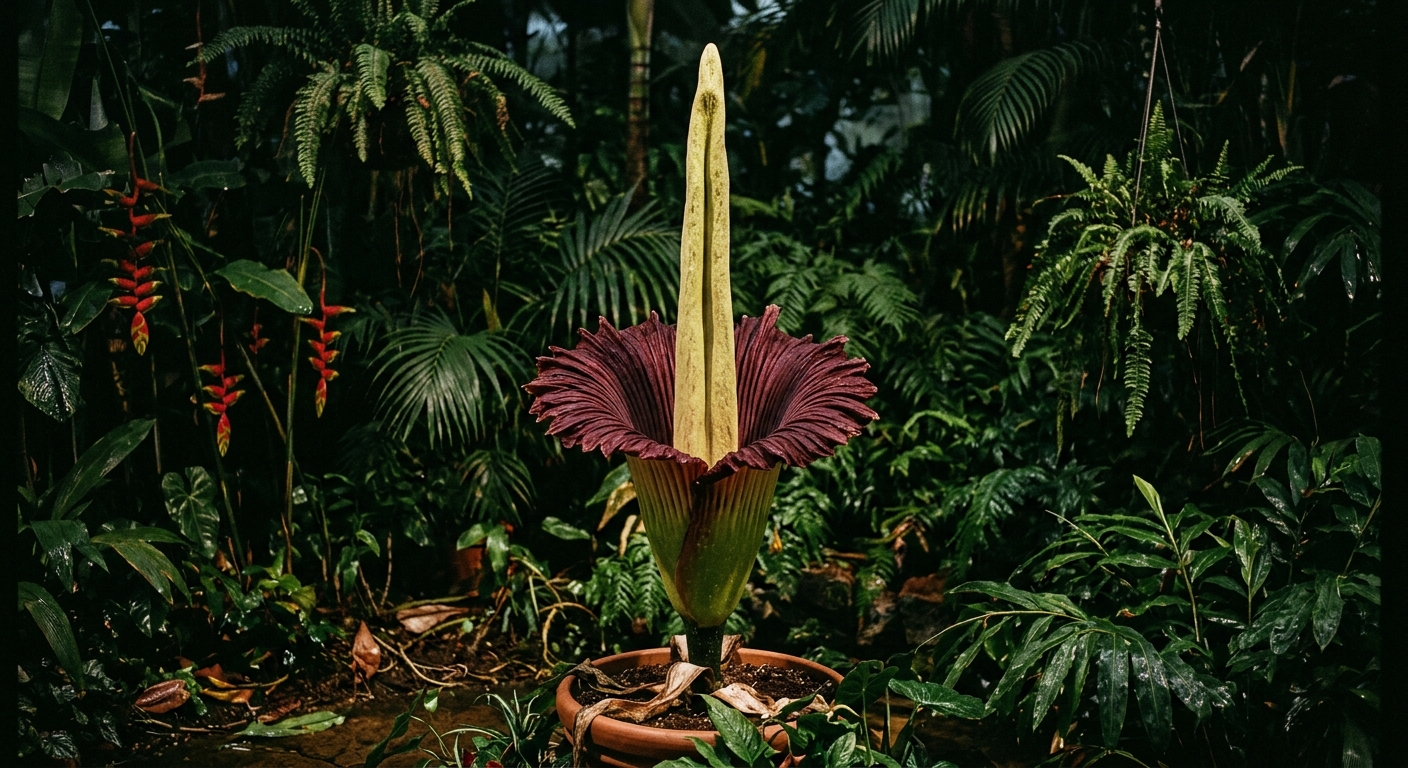
The corpse flower blooms only once a decade, reaching 10 feet tall and producing an odor so putrid it mimics rotting flesh to trick insects into pollination. This botanical horror show represents one of nature’s most extreme evolutionary adaptations, combining massive size, precise chemical mimicry, and body-temperature heat generation.
Scientists have discovered that dolphins create unique signature whistles that function as individual names, which they use to call specific pod members and maintain complex social relationships. This remarkable naming system reveals dolphin intelligence that parallels human communication in ways we never imagined possible.
The bombardier beetle has evolved one of nature’s most explosive defense systems, firing boiling chemicals at 212°F from specialized chambers in its abdomen. This tiny insect’s biological chemical cannon can accurately spray scalding toxins up to 8 inches away, making it one of the most formidable tiny warriors in the animal kingdom.
Crows possess extraordinary memory abilities that allow them to remember human faces for years and teach their offspring to recognize specific threats, creating generational hit lists that span decades. This remarkable intelligence network demonstrates how these birds build sophisticated community knowledge that rivals human neighborhood watch systems.
The platypus operates with ten sex chromosomes instead of two and uses 40,000 specialized nerve endings to hunt prey by detecting their electrical fields underwater. This bizarre mammal combines ancient genetics with superhero-like abilities that continue to baffle scientists.
The axolotl can regrow not just limbs, but entire organs including their heart and brain with perfect functionality. This Mexican salamander’s supernatural regenerative abilities could revolutionize human medicine and unlock the secrets of biological immortality.
The tiny pistol shrimp creates cavitation bubbles that reach 4,400°C – nearly as hot as the sun’s surface – using nothing but a specialized claw. This underwater sonic weapon stuns prey and is so loud it once helped submarines hide from enemy sonar during WWII.