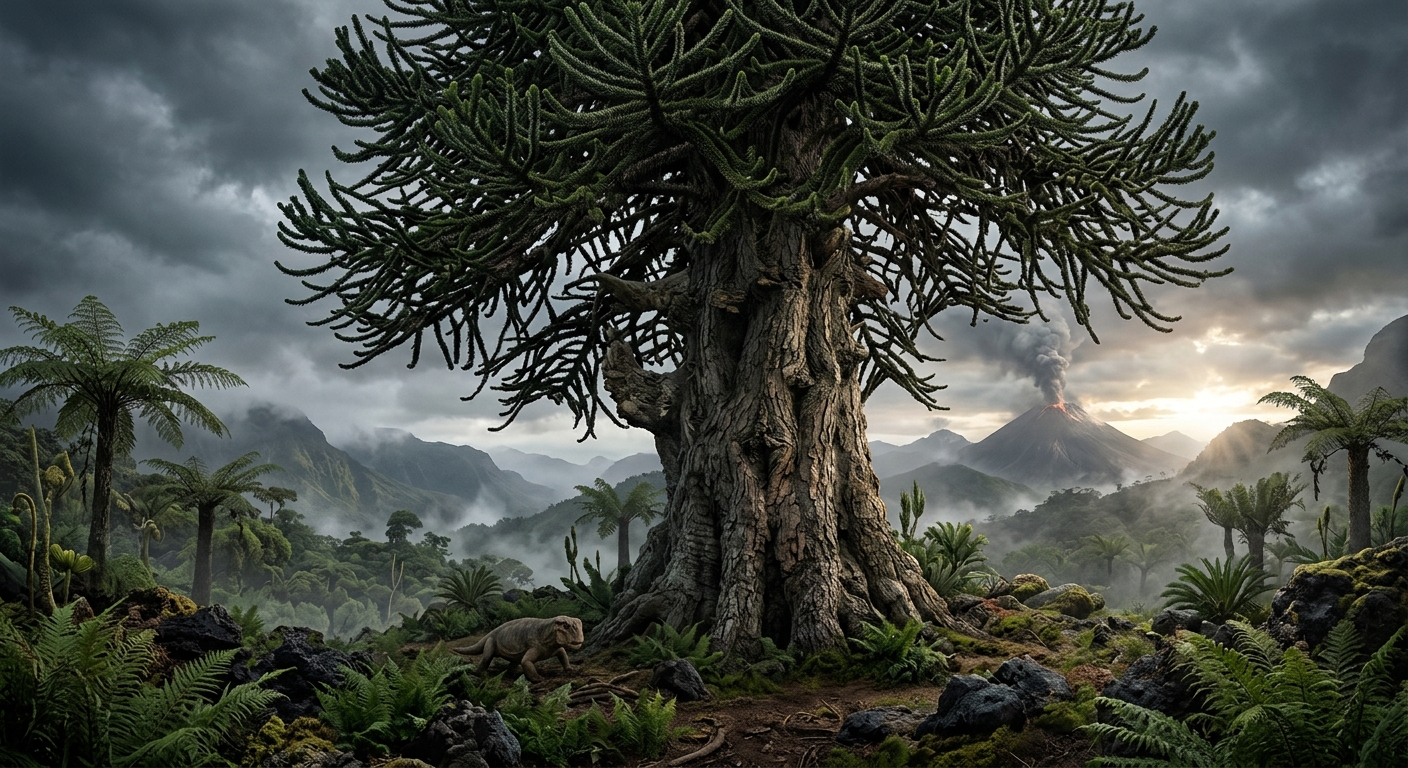
The Monkey Puzzle Tree has been growing on Earth for over 200 million years, predating all flowering plants and surviving since the age of dinosaurs. This living fossil still produces oversized seeds designed for dinosaur digestion, making it a remarkable window into our planet’s ancient past.
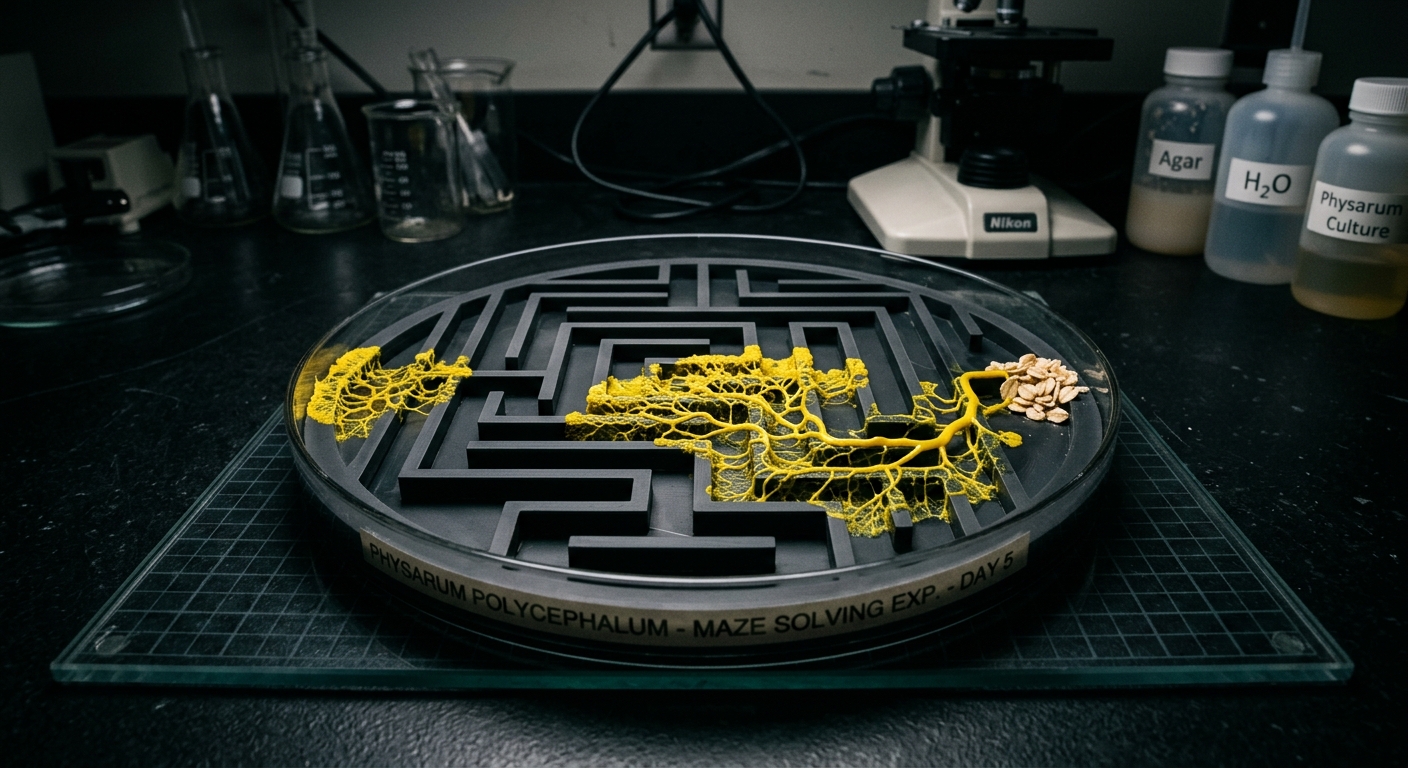
A single-celled organism without a brain consistently outperforms human engineers at solving complex network optimization problems. Scientists are now studying slime molds to revolutionize urban planning, internet infrastructure, and artificial intelligence.
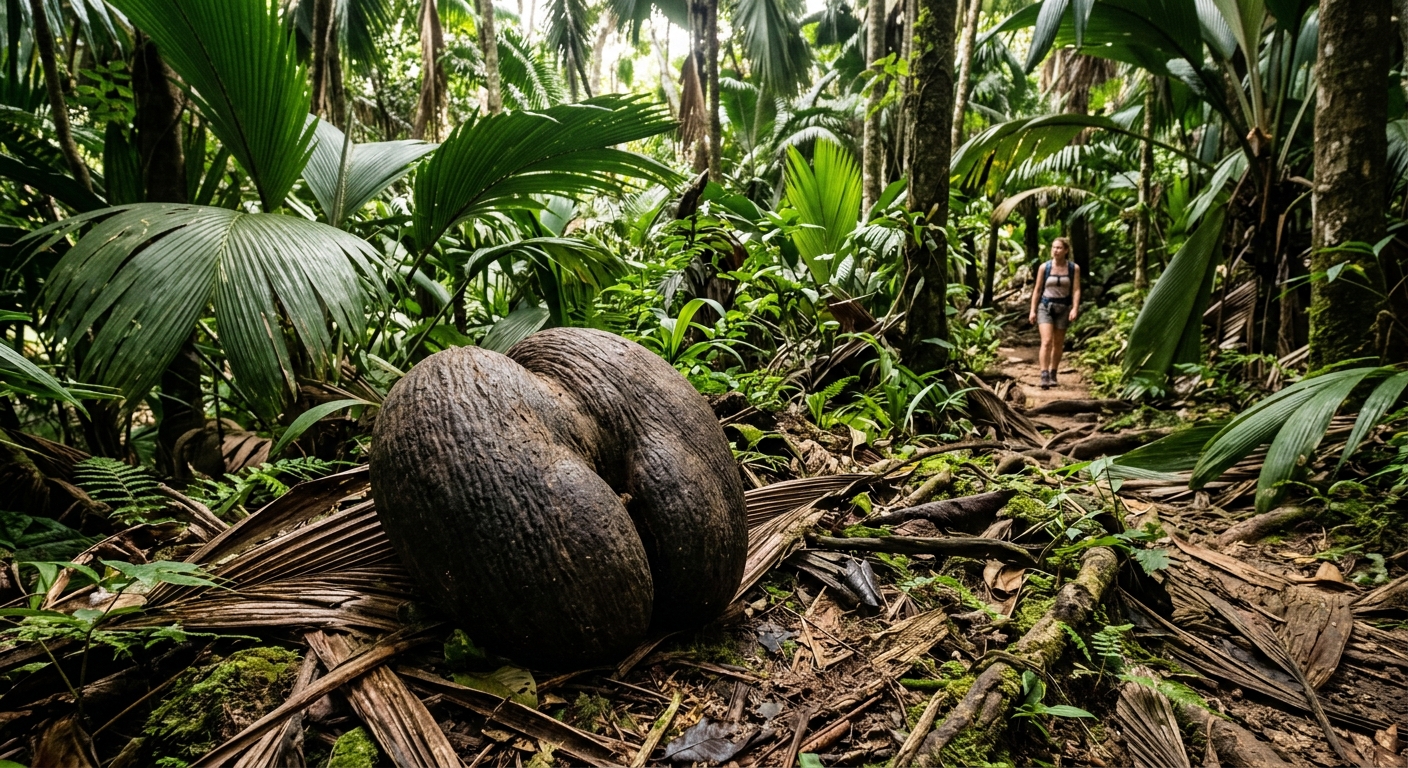
The Coco de Mer palm produces seeds weighing up to 40 pounds, making them the largest in the plant kingdom. These botanical giants take 25 years to mature and grow only on two tiny islands in the Seychelles.
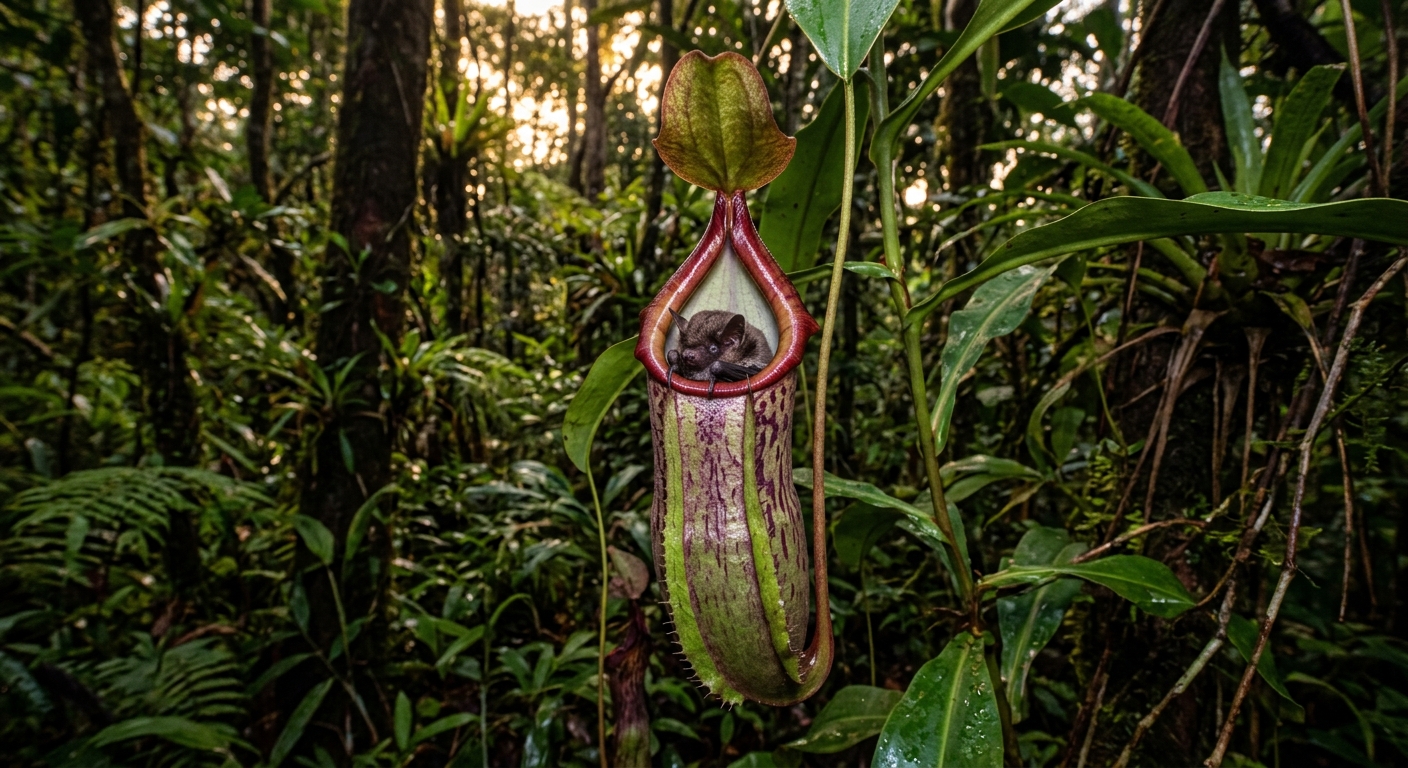
Deep in Borneo’s rainforests, a carnivorous plant has abandoned hunting insects to become a living toilet for bats. This pitcher plant evolved acoustic signals to attract woolly bats, trading roosting space for nitrogen-rich fertilizer in one of nature’s most unusual partnerships.
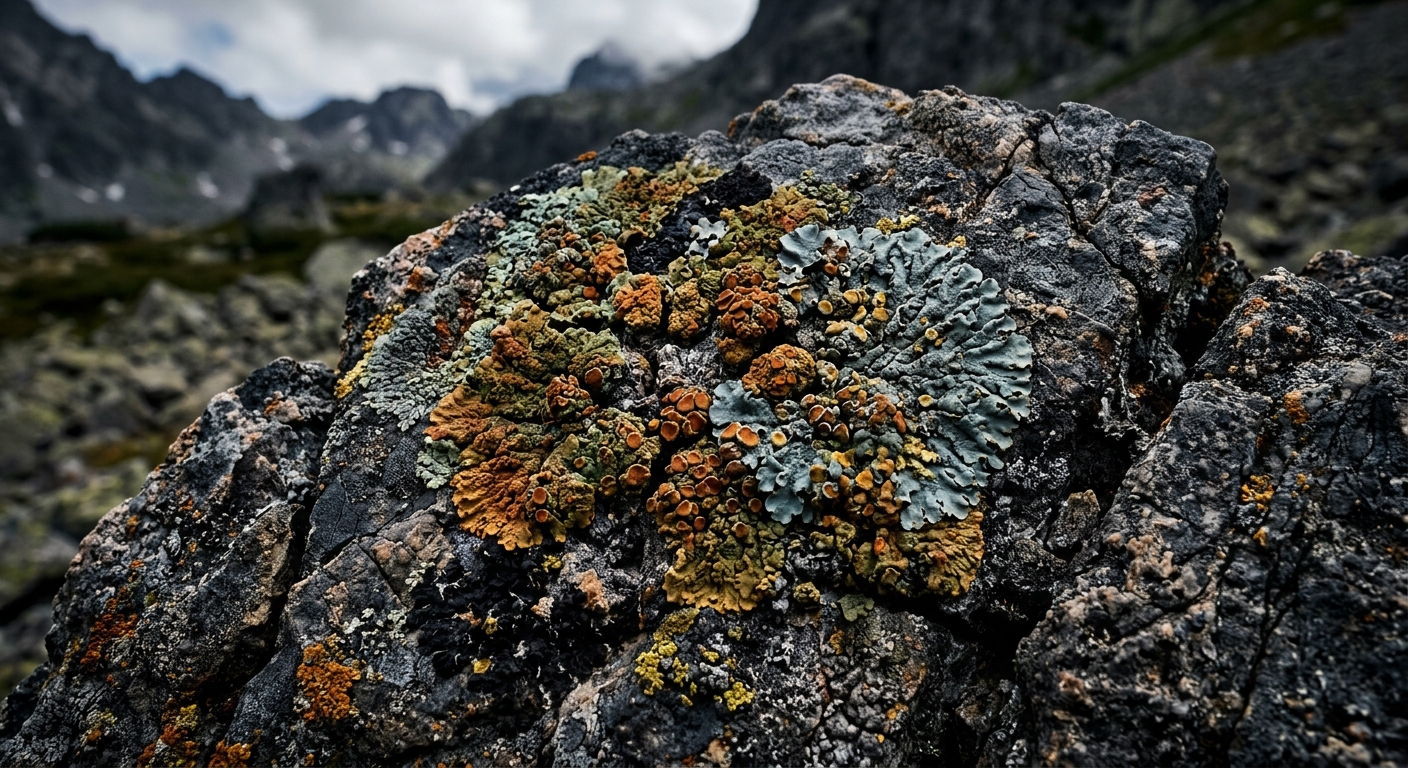
Some lichen patches growing on rocks today are older than human civilization, having grown for thousands of years at rates so slow they predate the pyramids. These ancient organisms represent some of Earth’s oldest living witnesses to environmental change.
Deep in Utah’s mountains grows Pando, a forest of genetically identical aspen trees that are actually one massive 80,000-year-old organism connected by underground roots. This 6,000-ton living fossil has survived ice ages and countless disasters through its remarkable clonal reproduction strategy.
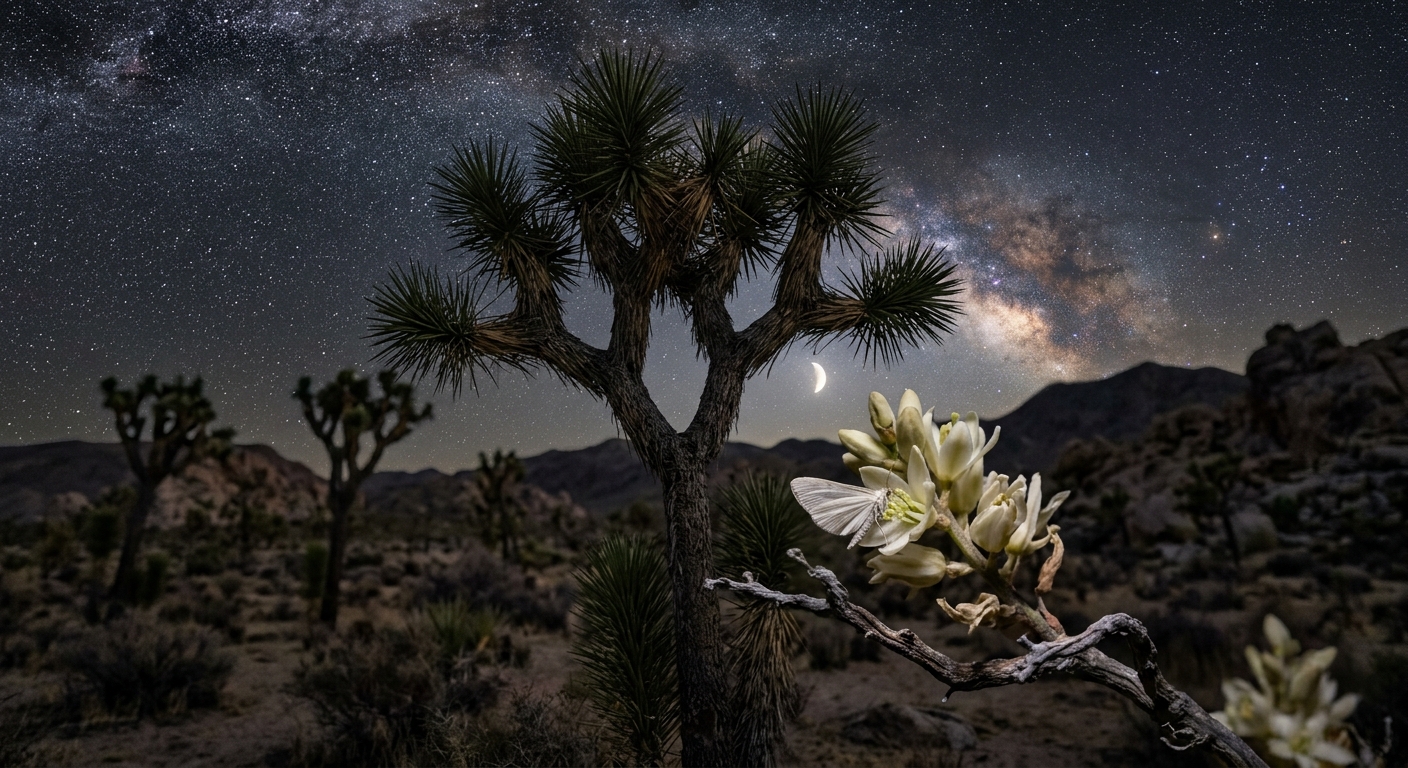
The iconic Joshua tree has survived millions of years in the harsh Mojave Desert thanks to an exclusive partnership with a single moth species that serves as its only pollinator. This ancient relationship, where moth and tree depend entirely on each other for survival, now faces unprecedented threats from climate change.
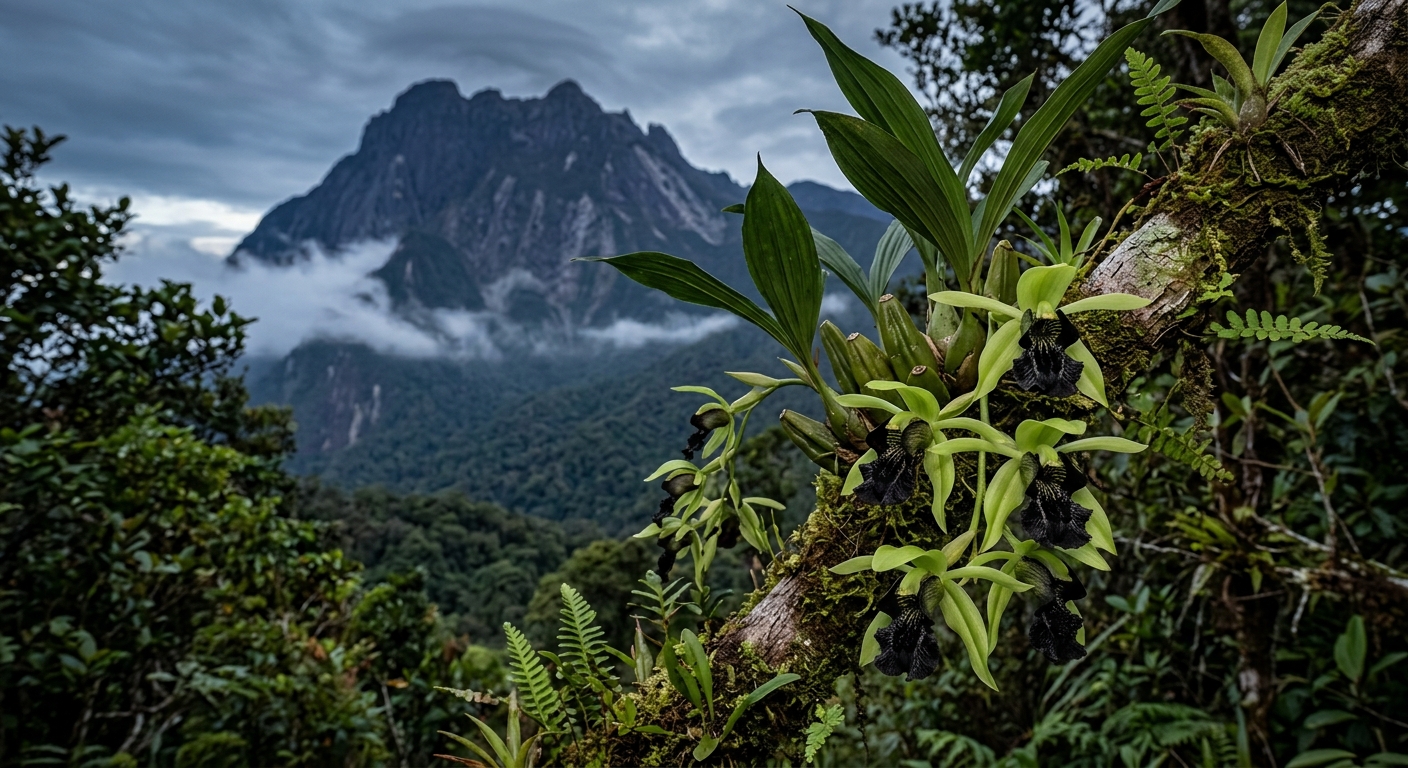
Deep in the highlands of Malaysian Borneo, the mysterious black orchid grows exclusively on Mount Kinabalu, making it one of Earth’s rarest flowers. This stunning epiphyte with emerald and black markings represents the ultimate in evolutionary specialization, thriving only in the unique conditions of this single mountain peak.
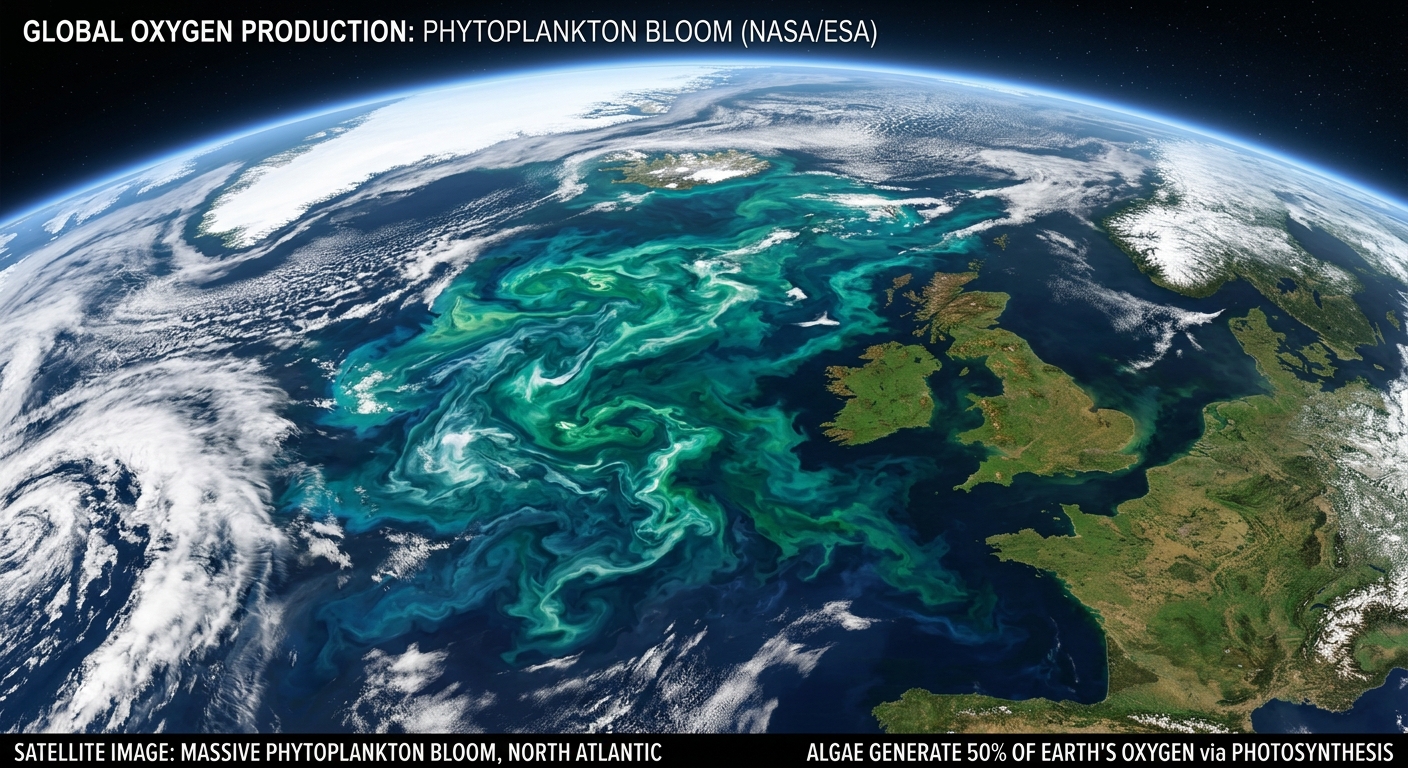
While we credit forests for the air we breathe, microscopic marine phytoplankton actually produce 50-80% of Earth’s oxygen. These invisible ocean organisms collectively outperform every rainforest on the planet and create oxygen production displays so massive they’re visible from space.
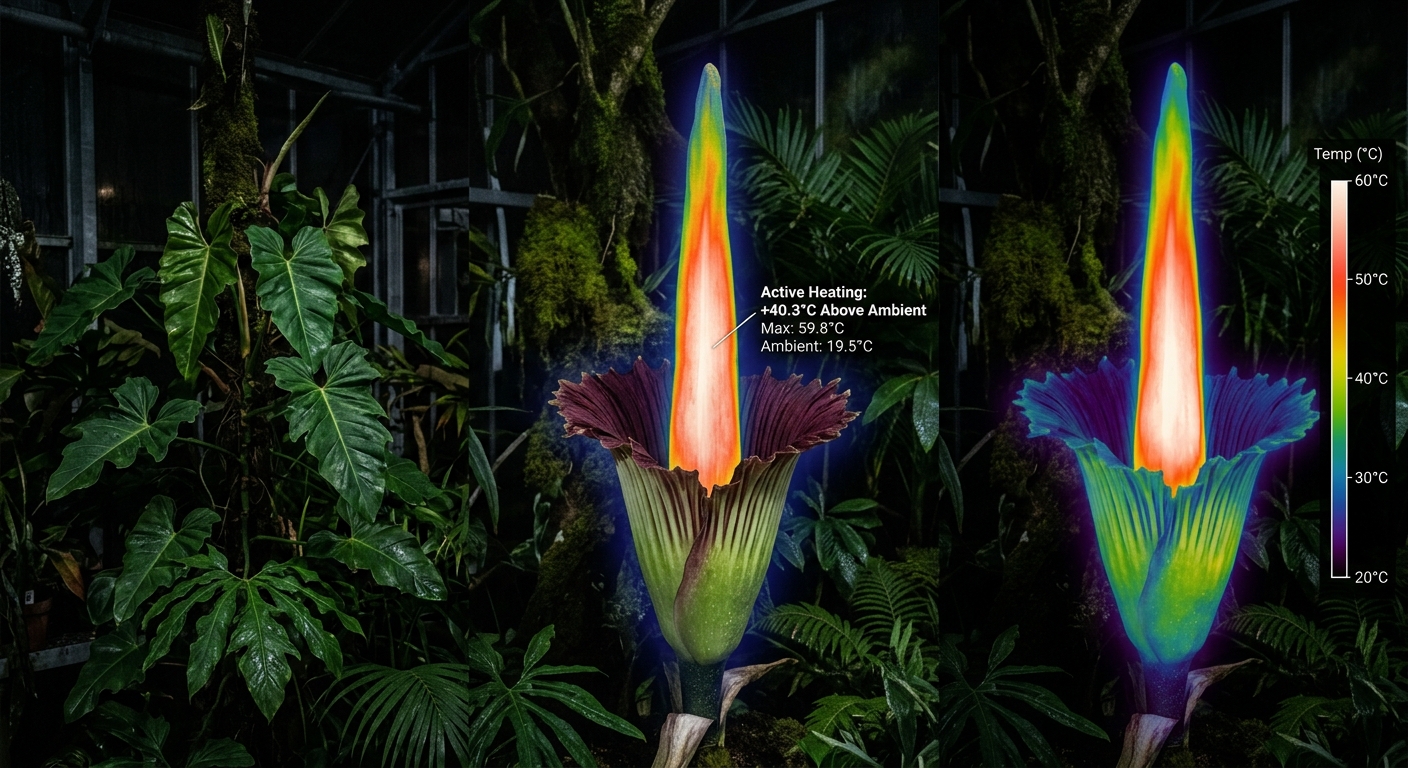
The Amorphophallus titanum generates more heat than any other plant on Earth, reaching temperatures of 98°F to volatilize sulfur compounds that smell like rotting meat. This biological furnace burns through years of stored energy in just 24 hours to create a stench so powerful it can be detected from hundreds of yards away.