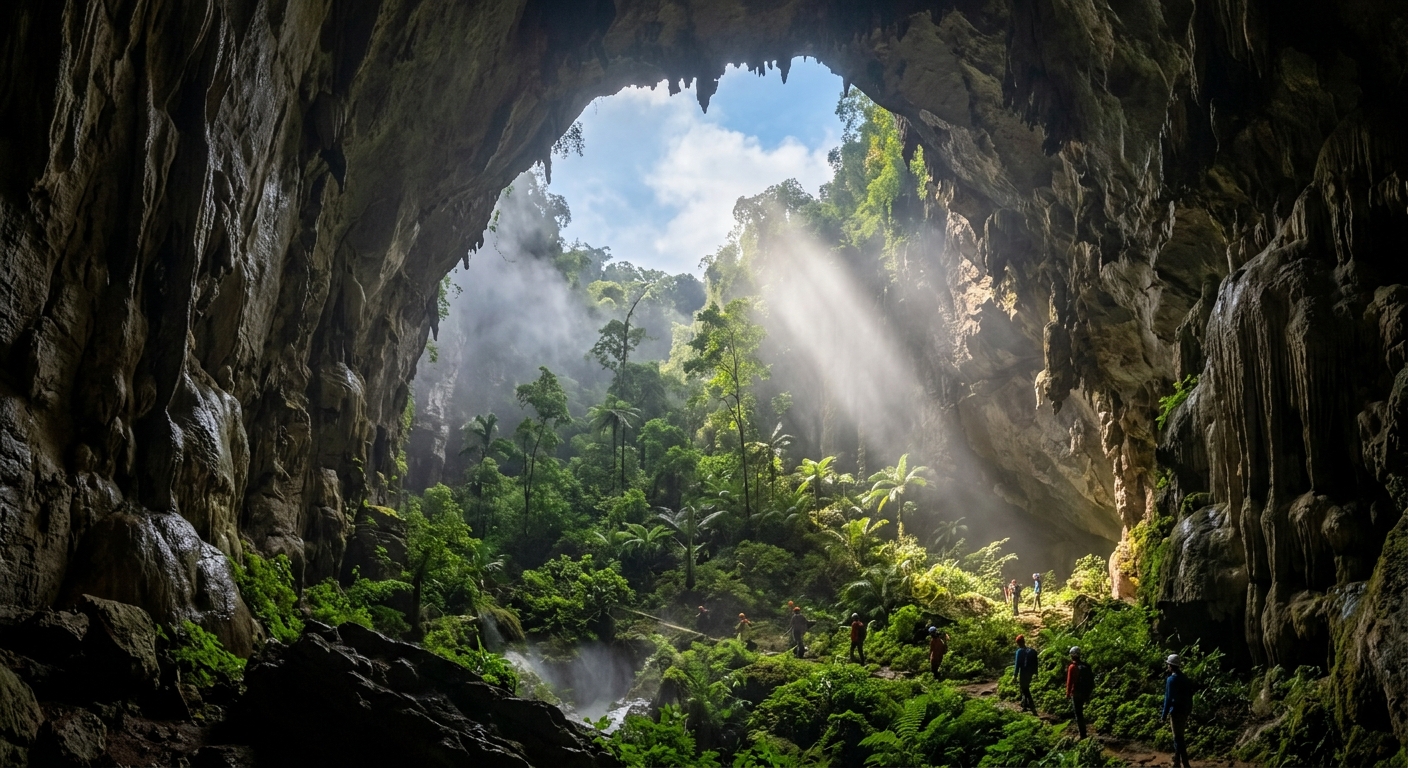
Son Doong Cave in Vietnam is so massive that it has developed its own weather systems, complete with clouds and rainfall, plus underground jungles growing in chambers lit by natural skylights. This subterranean world challenges everything we thought we knew about cave ecosystems.
The Hanging Temple of Datong defies gravity and logic, suspended 75 meters above the ground on a Chinese cliff face for over 1,500 years. This engineering marvel houses three different religions and continues to baffle modern architects with its ingenious construction techniques.
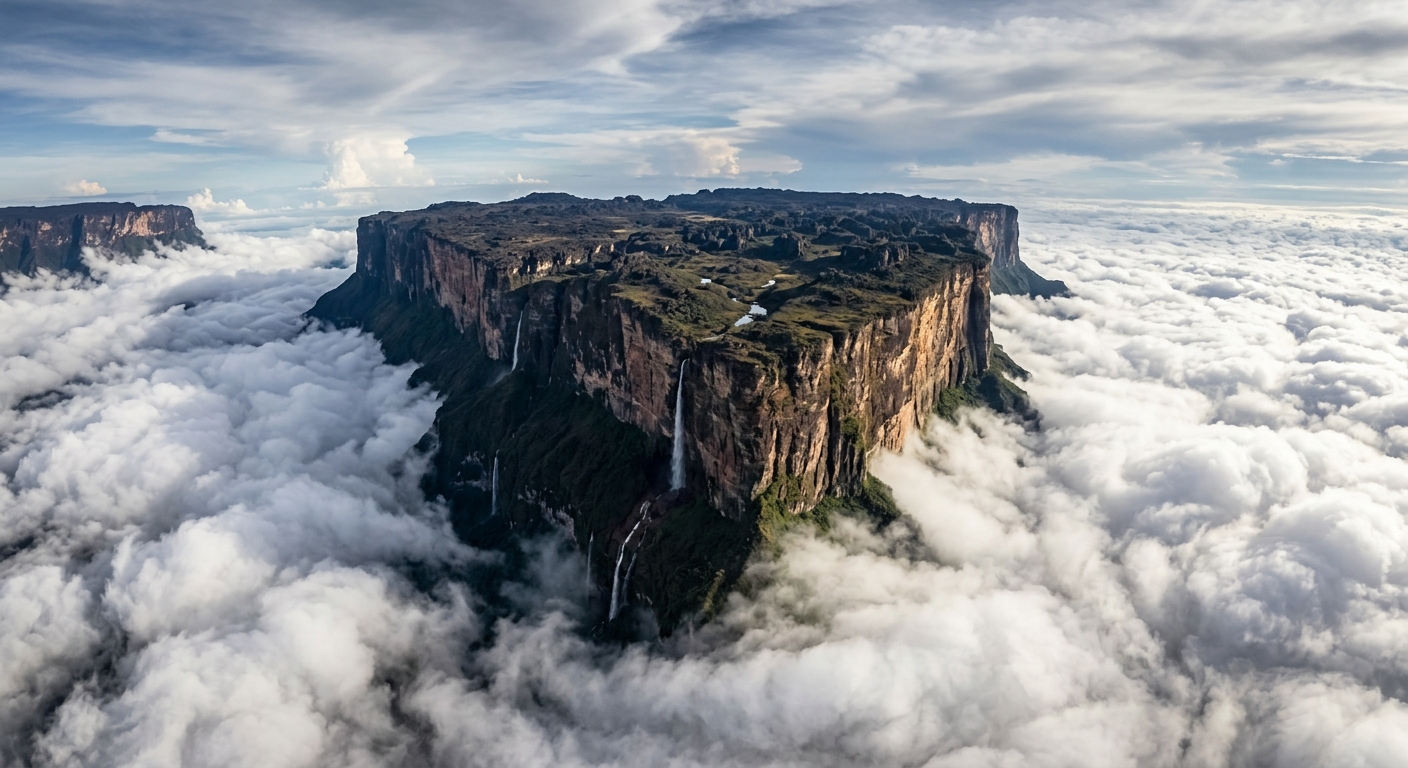
Mount Roraima in Venezuela has been isolated for millions of years, creating a unique evolutionary laboratory where plants and animals exist that are found nowhere else on Earth. This ancient table mountain harbors black frogs that bounce instead of swim, carnivorous plants that trap insects, and countless other endemic species that evolved in complete isolation.
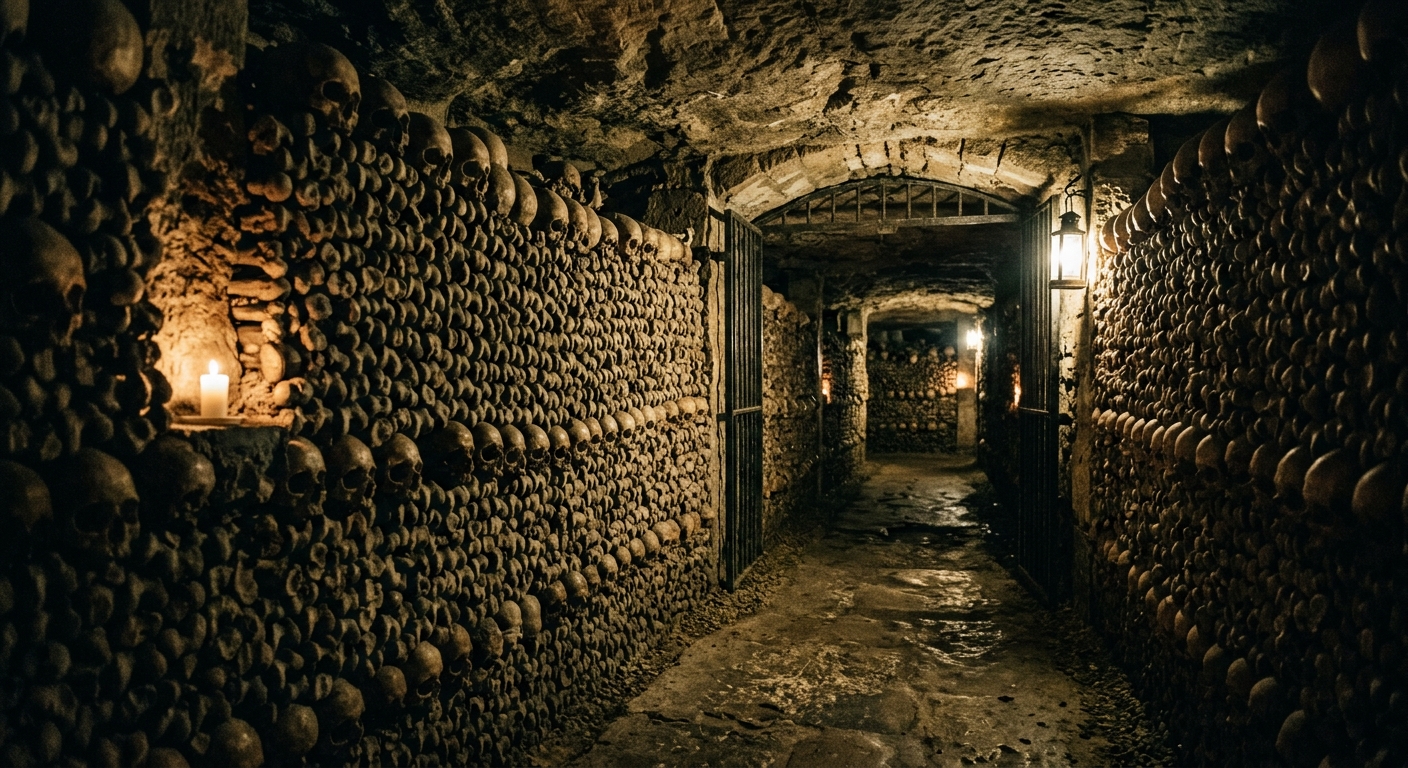
Beneath the streets of Paris lies a hidden empire of death containing the arranged skeletal remains of six million people. This underground ossuary was created in the 18th century to solve a public health crisis and has become one of the world’s most haunting tourist attractions.
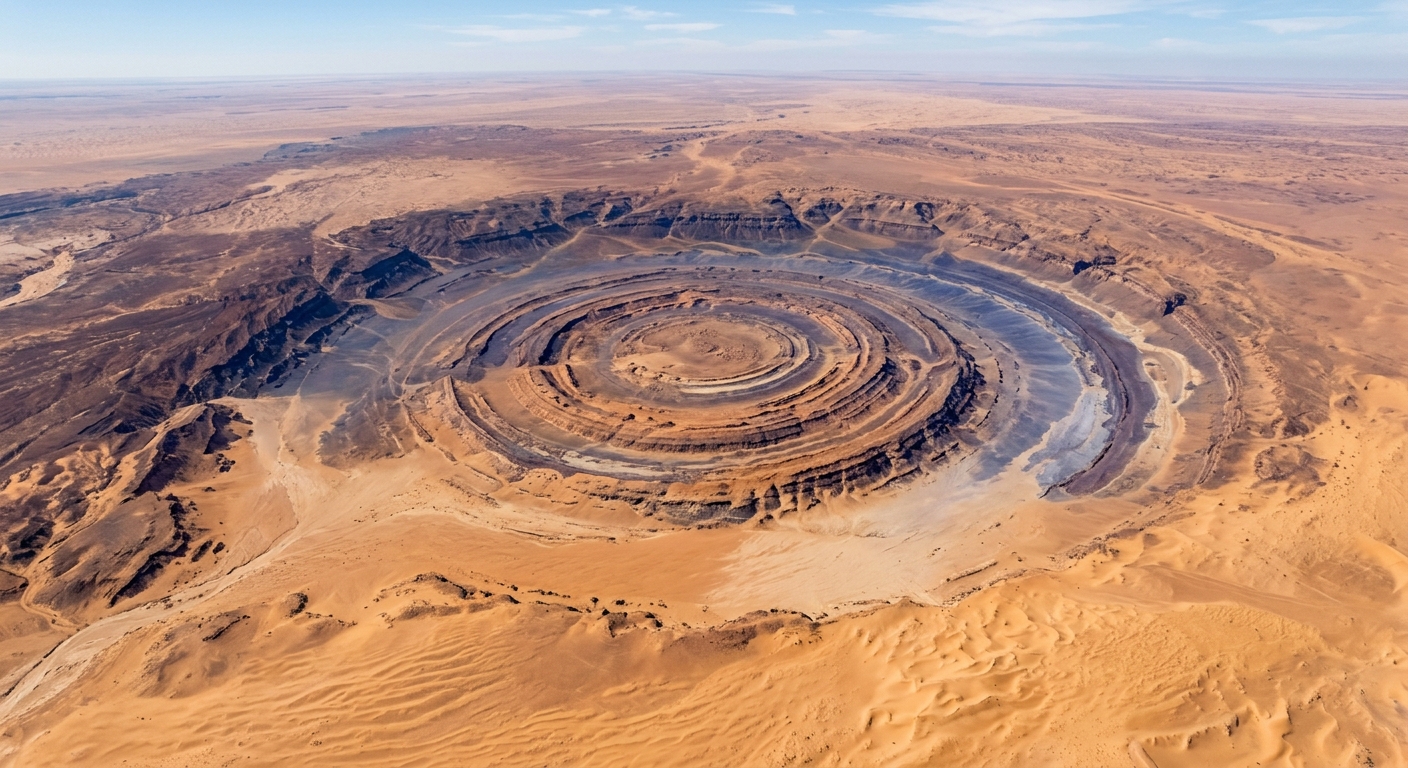
The Richat Structure in Mauritania spans 25 miles across and was initially believed to be an ancient asteroid impact crater due to its perfect circular rings visible from space. Decades of research revealed it’s actually an eroded geological dome, created by uplift and millions of years of differential erosion that exposed layers of rock dating back over 600 million years.
Nevada’s Fly Geyser, created by accident in 1964, grows approximately one inch taller every year through continuous mineral deposition from geothermal water. This rainbow-colored formation demonstrates rapid geological processes that typically take millennia, creating a living laboratory where visitors can witness Earth’s creative forces in real-time.
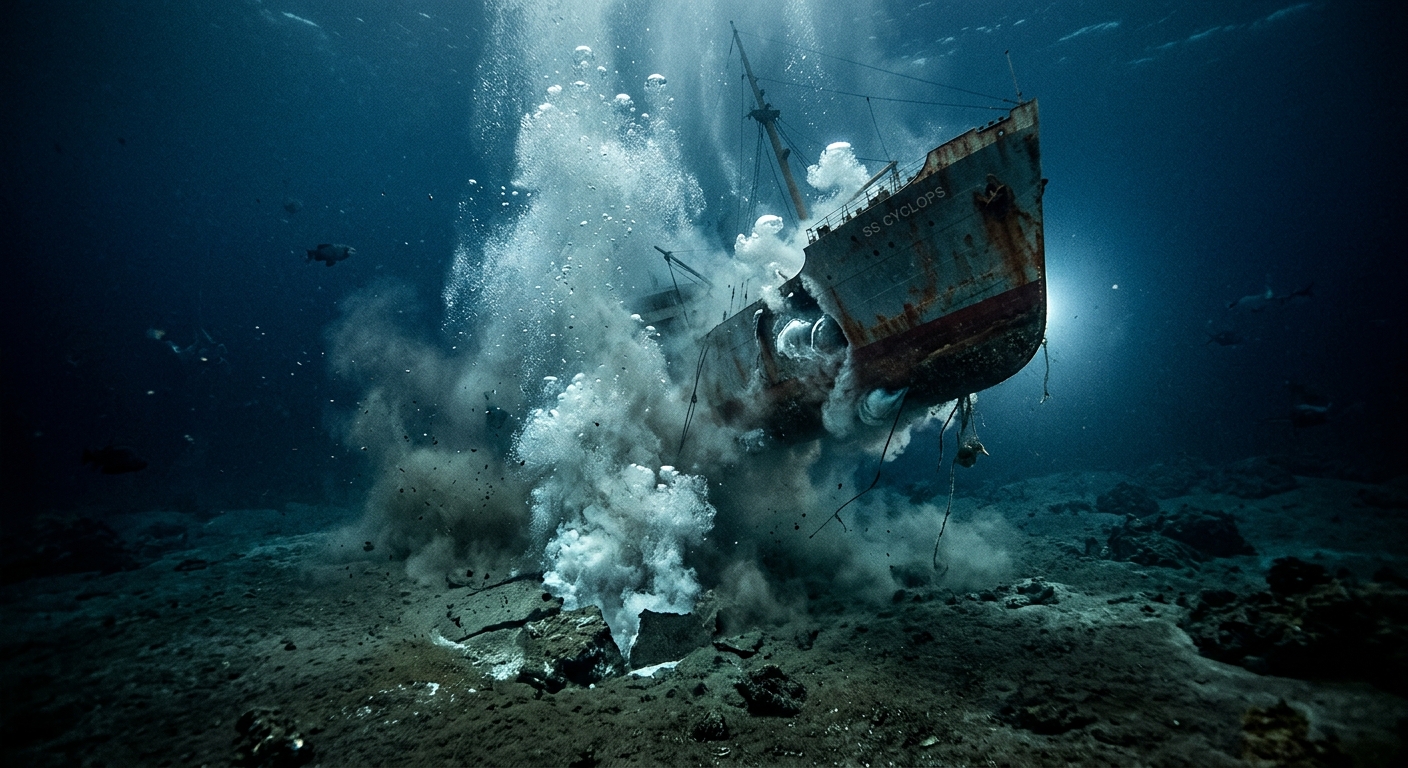
For decades, the Bermuda Triangle has been blamed for mysterious disappearances and supernatural phenomena. Scientists have now thoroughly debunked these claims, revealing that the area is no more dangerous than any other busy ocean corridor, with all incidents explained by weather, geology, and human error.
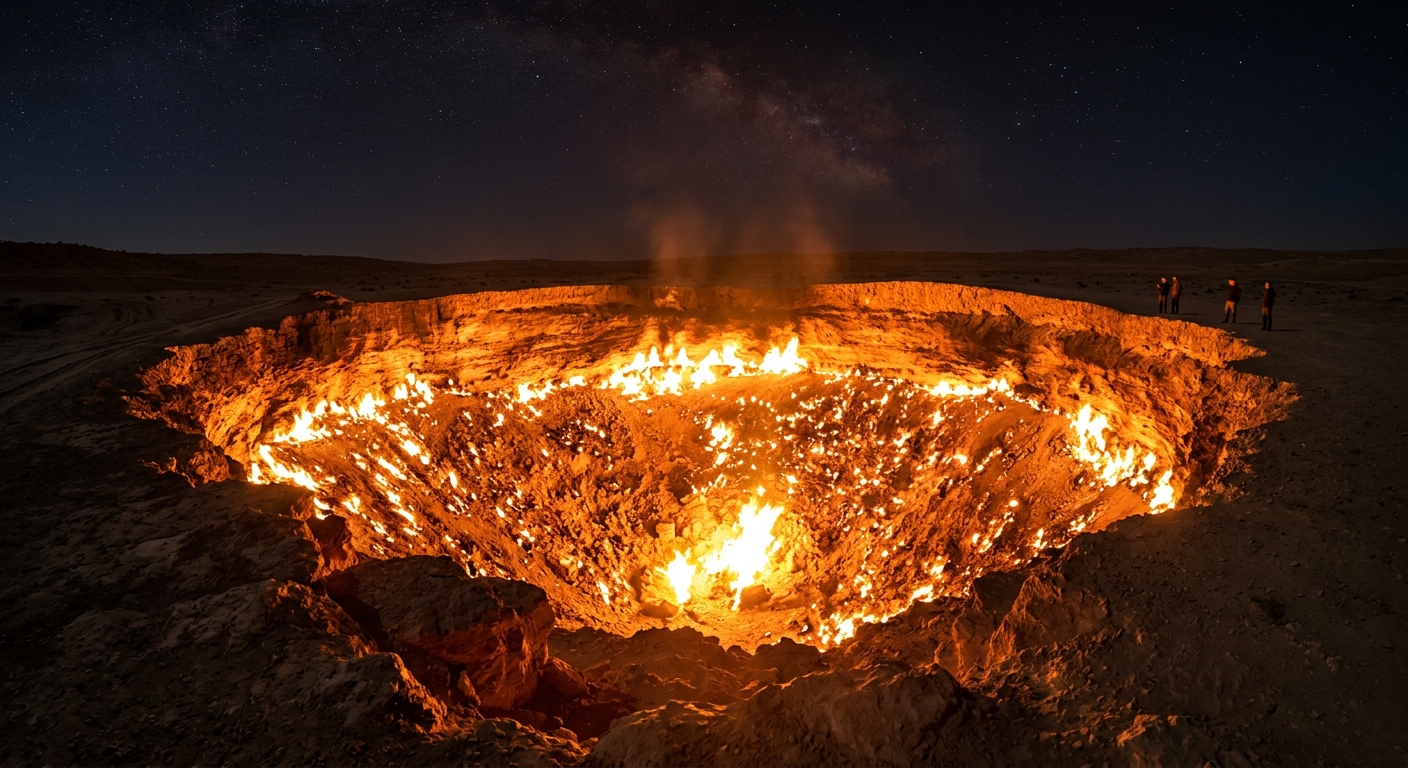
In 1971, Soviet geologists accidentally created a fiery crater in Turkmenistan that has been burning continuously for over 50 years. Known as the Door to Hell, this 230-foot-wide inferno was supposed to burn out in days but continues to rage thanks to vast underground natural gas reserves.
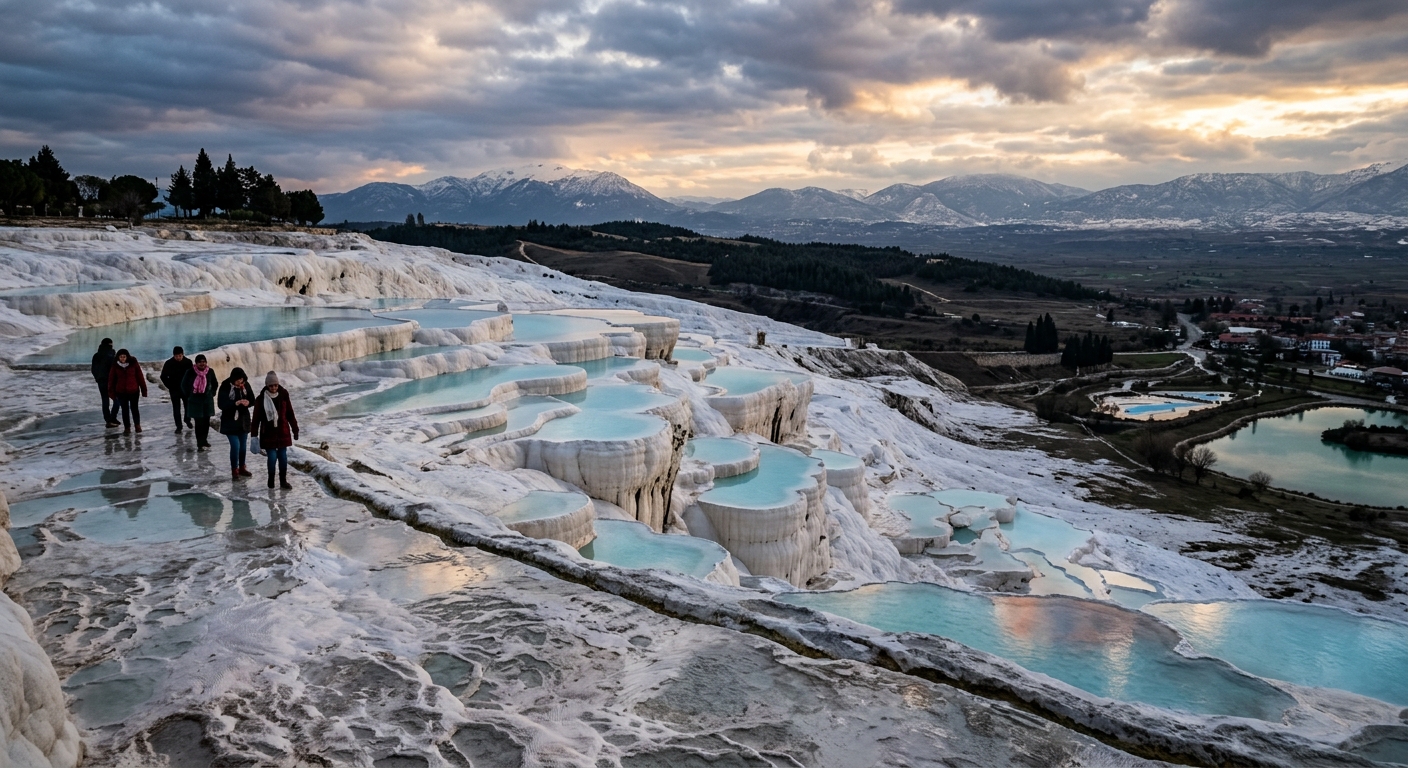
Turkey’s Pamukkale terraces create a stunning optical illusion that tricks visitors into thinking they’re seeing snow-covered pools in the desert heat. These brilliant white formations are actually ancient thermal springs that have been depositing calcium carbonate for over 14,000 years, creating one of Earth’s most surreal landscapes.
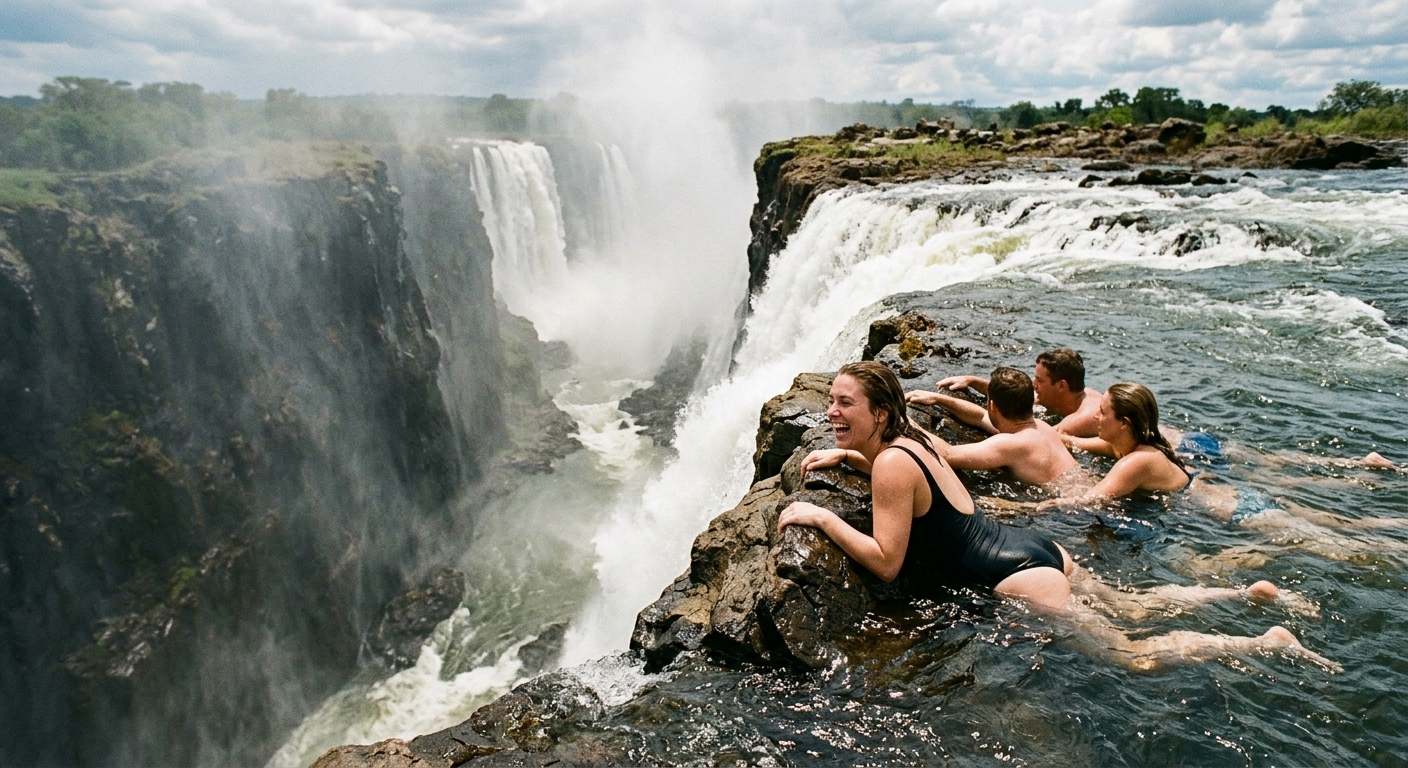
Devil Pool in Zambia allows swimmers to literally float at the edge of Victoria Falls, separated from a 355-foot drop by just a natural rock barrier. This geological marvel is only accessible during dry season when water levels drop enough to reveal nature’s most extreme swimming hole.