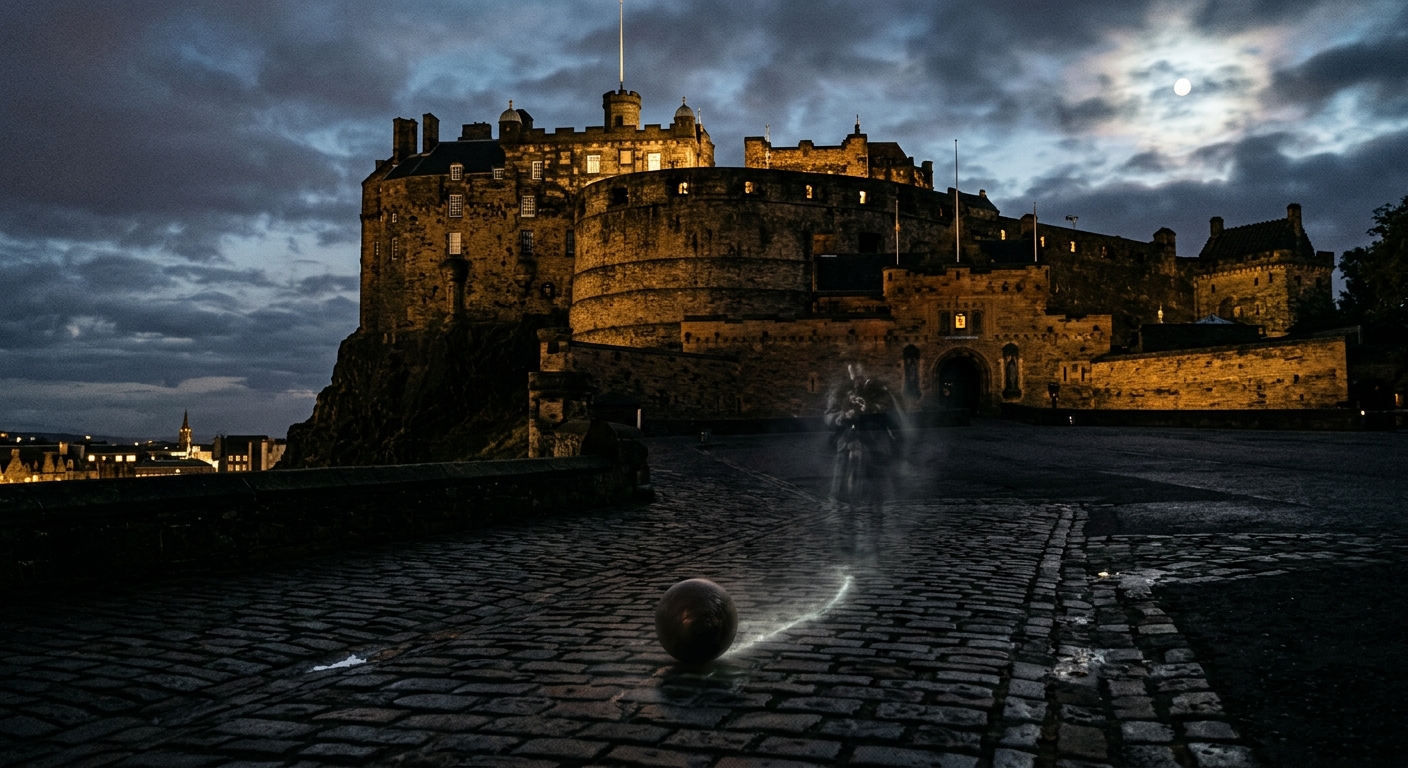
Security guards at Edinburgh Castle have reported witnessing a cannonball that moves through corridors on its own, with no apparent force propelling it. Multiple independent witnesses across decades describe the same phenomenon: a heavy iron ball rolling purposefully through the ancient fortress at a steady, methodical pace.
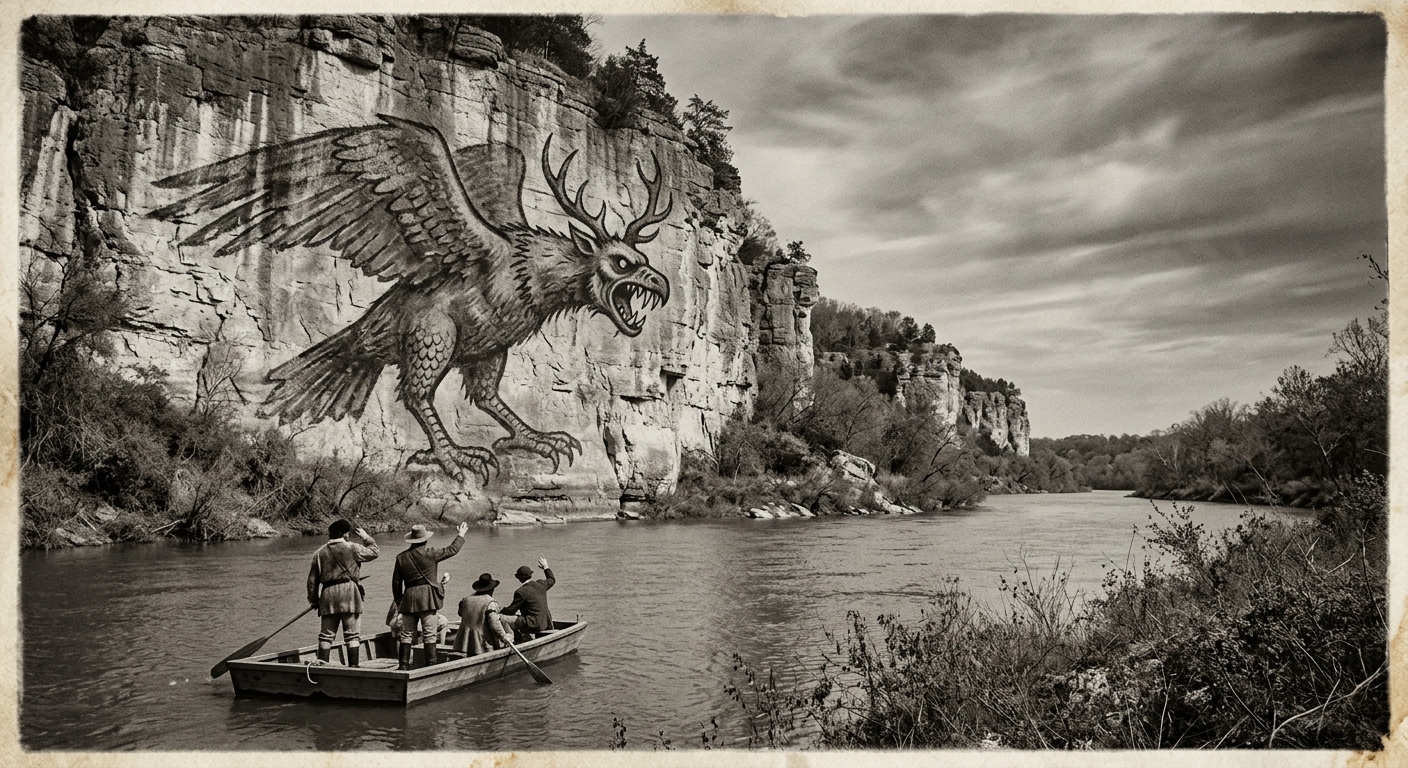
For over 200 years, a terrifying monster painted on Mississippi River cliffs struck fear into the hearts of travelers who passed beneath its gaze. The Piasa Bird legend combines Native American oral tradition with documented European accounts of supernatural encounters that plagued river navigation for centuries.
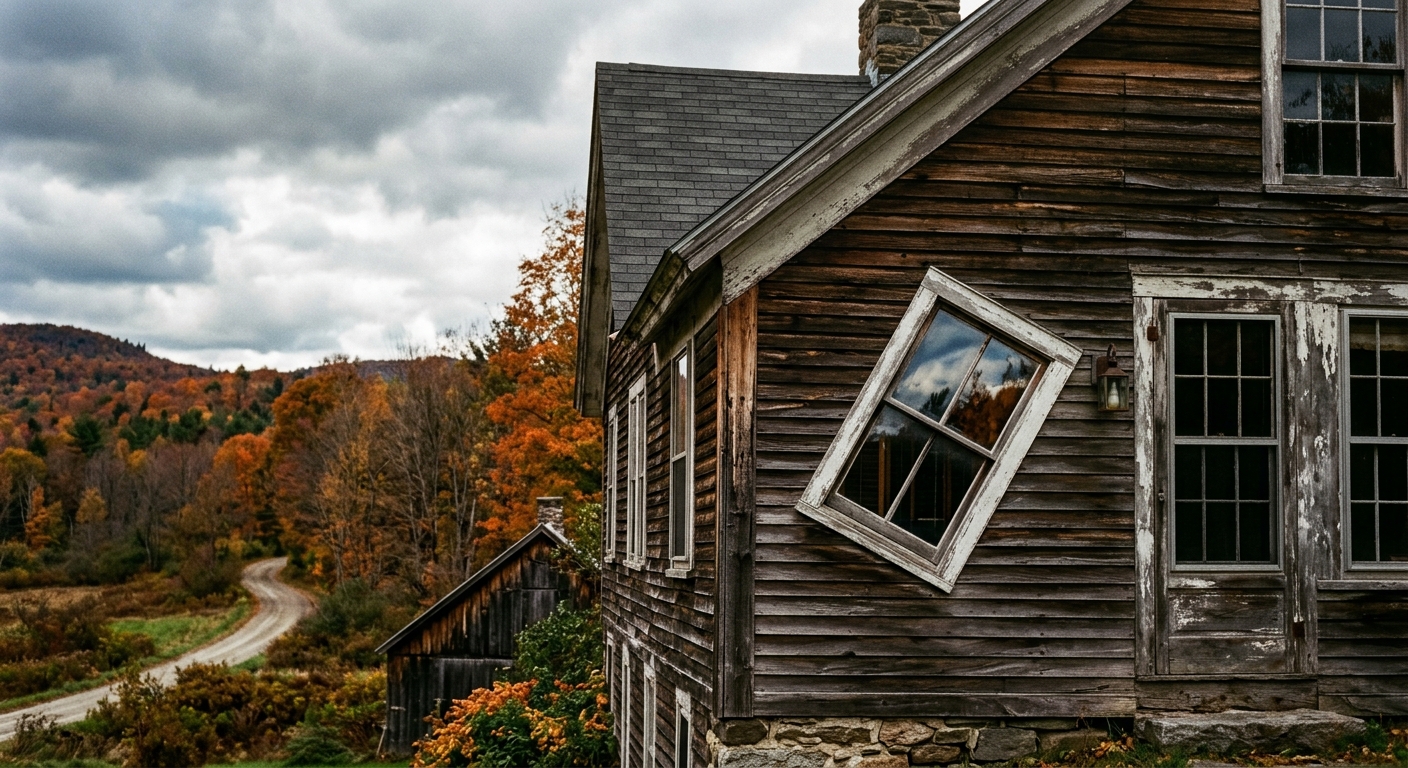
Vermont’s witch windows are diagonal windows installed on houses, originally created to solve space constraints but sustained by folklore claiming they prevent witches from flying through them. These unique architectural features represent a fascinating blend of practical engineering and supernatural superstition found almost nowhere else in America.
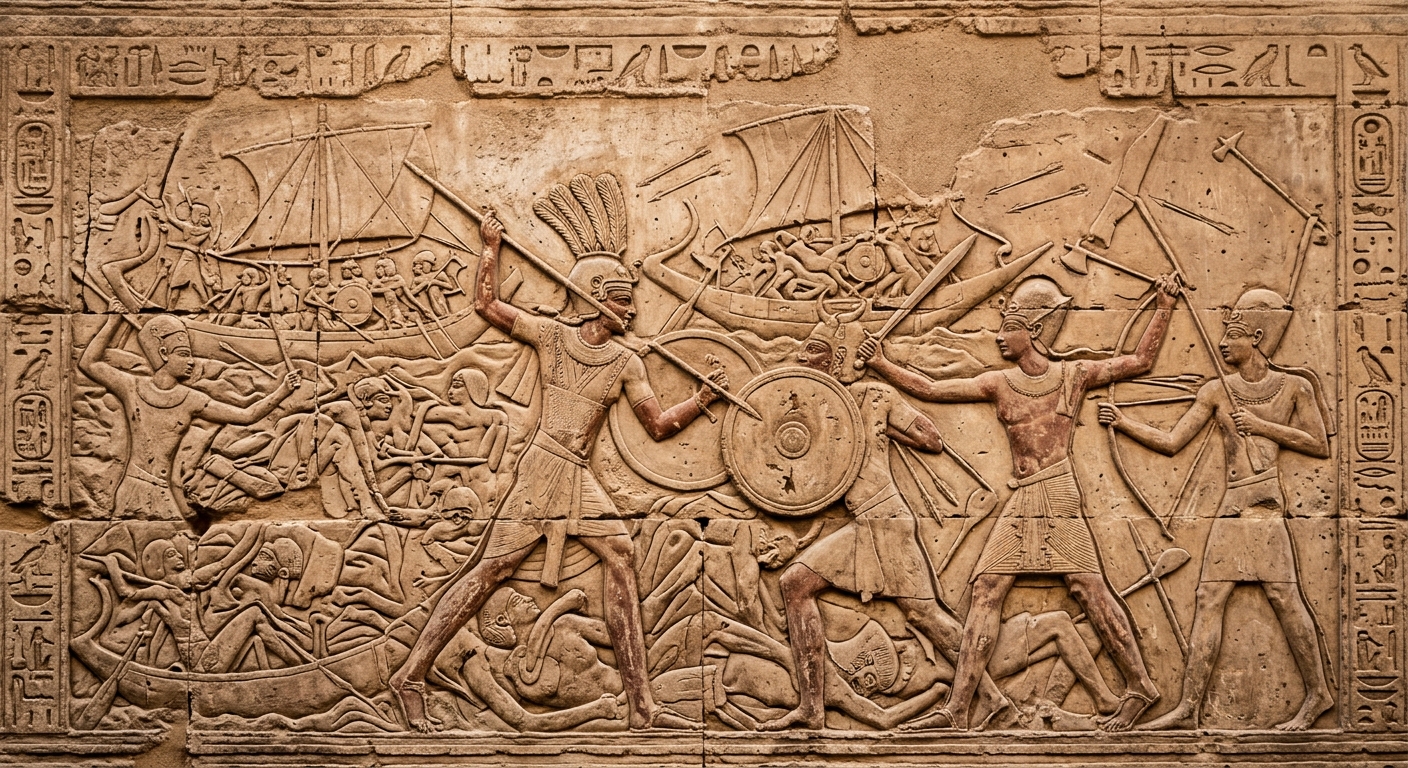
Around 1200 BCE, mysterious invaders called the Sea Peoples emerged from the waves to destroy the Bronze Age world, toppling empires from Greece to Egypt. Despite their massive historical impact, these phantom warriors vanished so completely that archaeologists still have no idea who they really were.
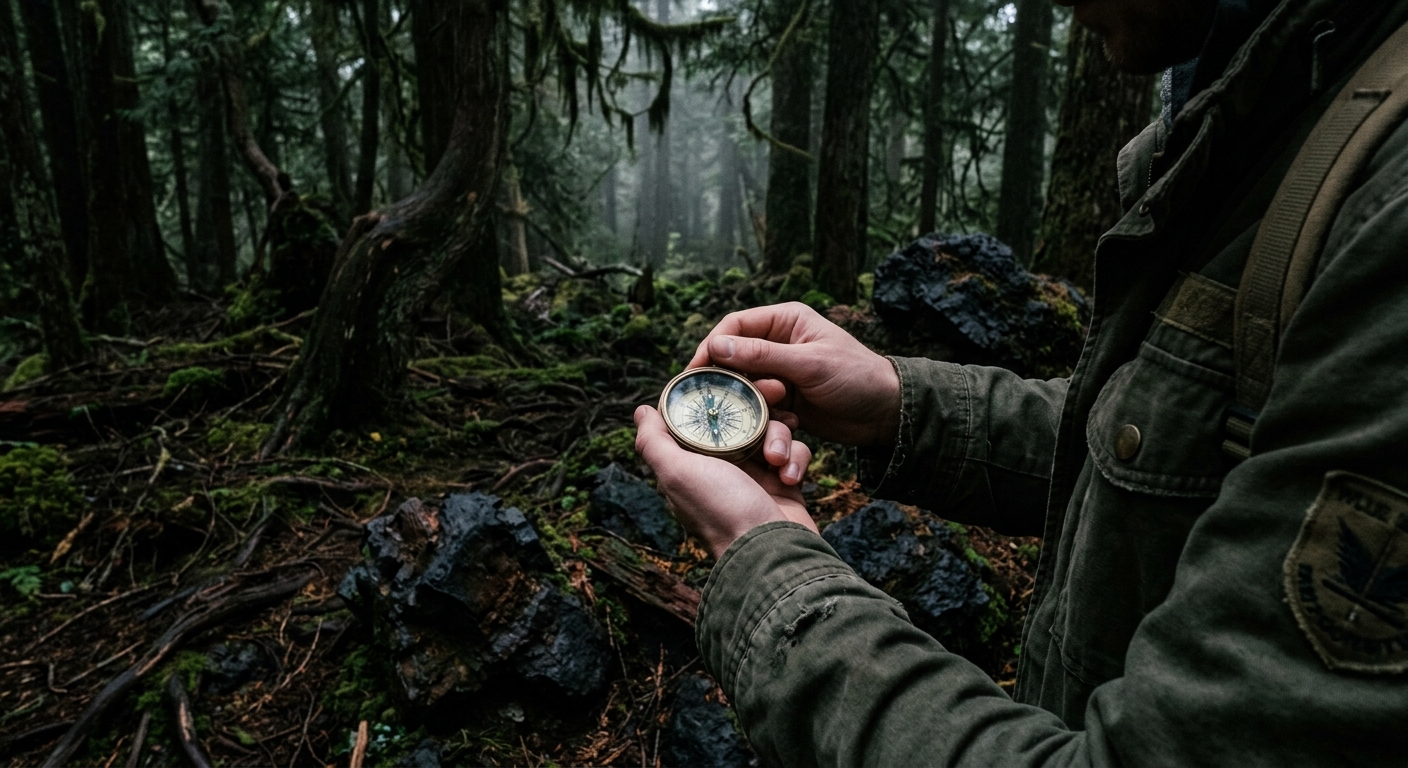
Japan’s most notorious haunted forests, including the infamous Aokigahara, sit atop genuine geological anomalies that create magnetic disturbances, acoustic effects, and gas emissions. These real physical phenomena explain the disorientation, equipment failures, and eerie sensations that have given these woodlands their supernatural reputations for centuries.
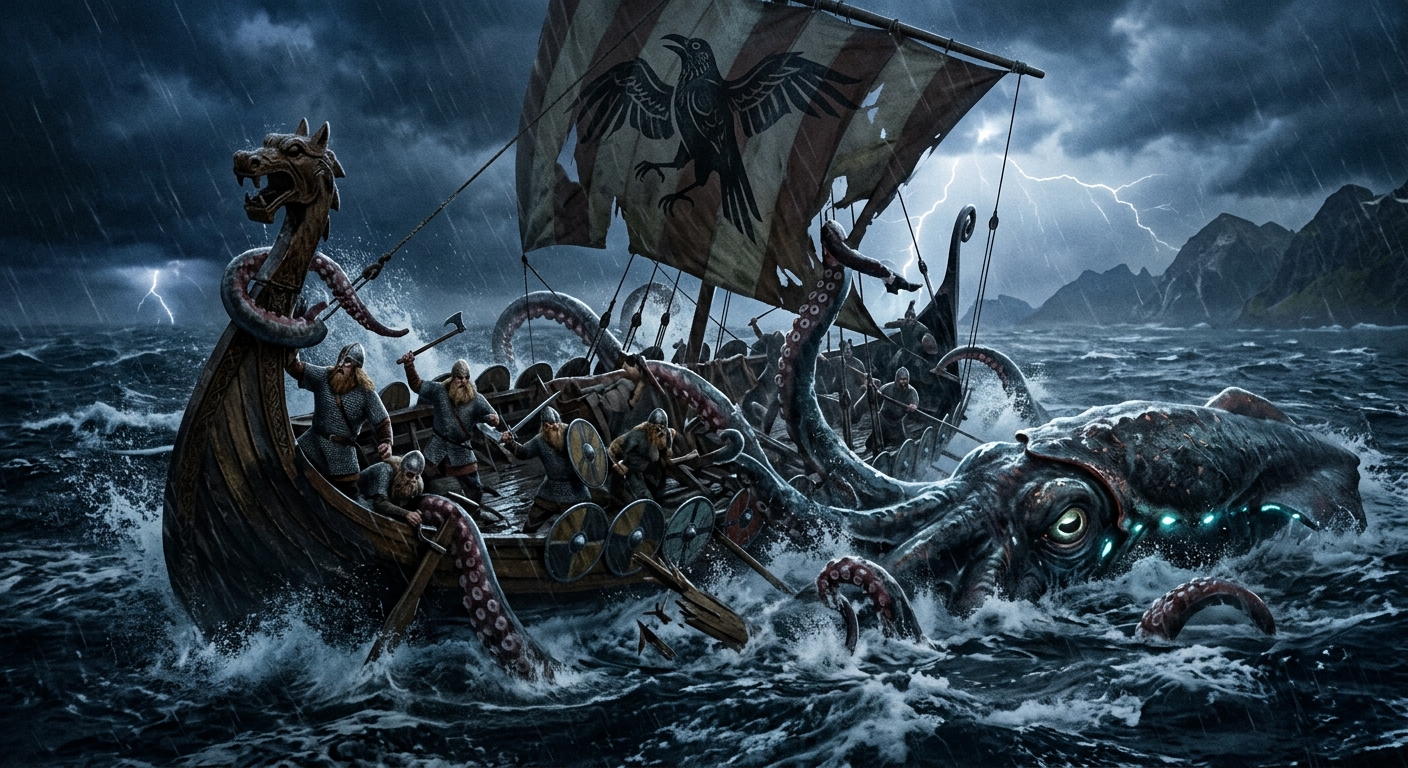
For over a thousand years, Norse sailors told terrifying tales of the Kraken, a massive sea monster capable of destroying ships with its writhing tentacles. Modern science reveals these weren’t mere myths, but likely encounters with giant squid, one of Earth’s most elusive creatures that can reach 43 feet in length.
Ancient Sumerian tablets describing the Anunnaki gods contain eerily specific parallels to Biblical Genesis, from the creation of humanity from clay to detailed flood narratives. These similarities are too numerous and precise to be mere coincidence, suggesting either cultural transmission or shared origins that challenge our understanding of ancient history.
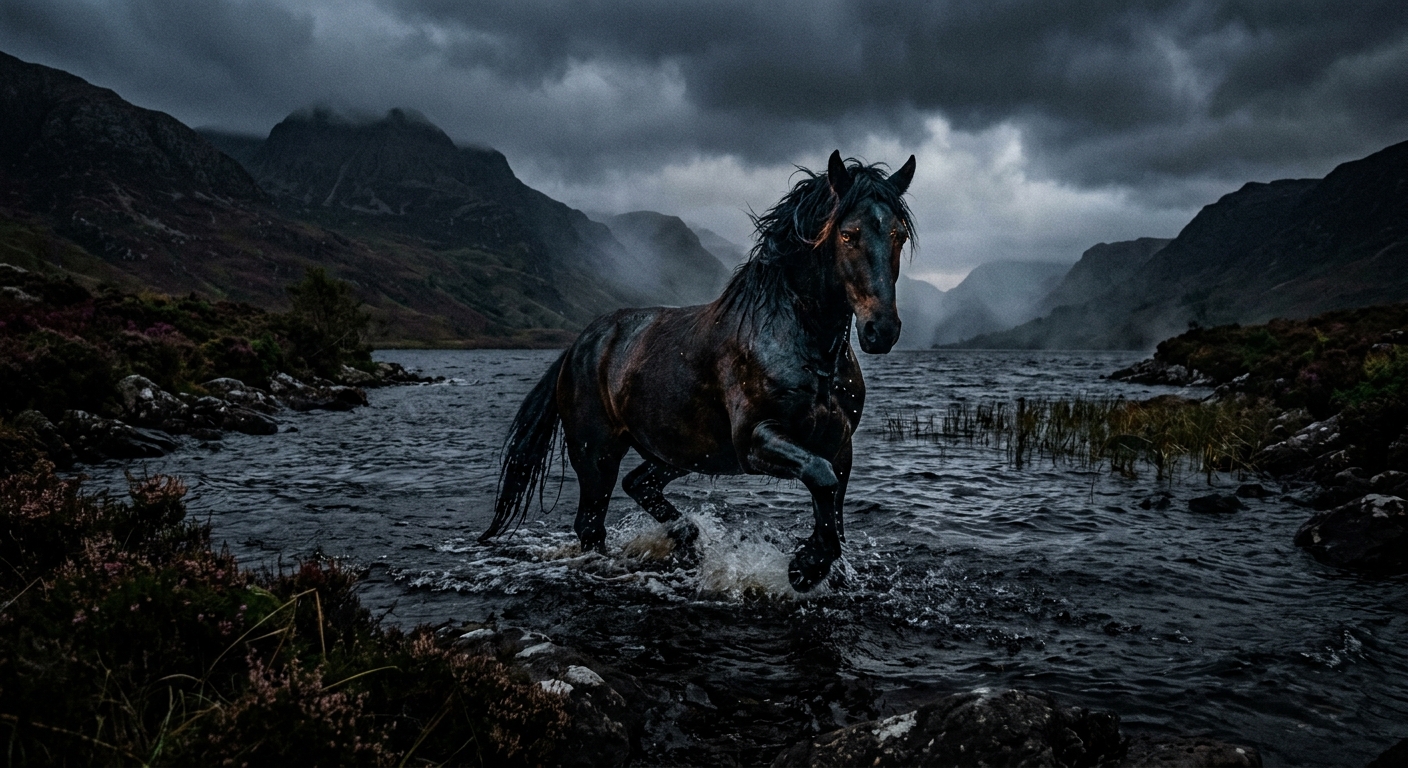
Scotland’s legendary kelpie, a shape-shifting water horse, terrorized communities for centuries by luring victims to watery deaths through supernatural deception. These folklore creatures reveal fascinating insights into how ancient cultures used storytelling as sophisticated safety education and risk management.
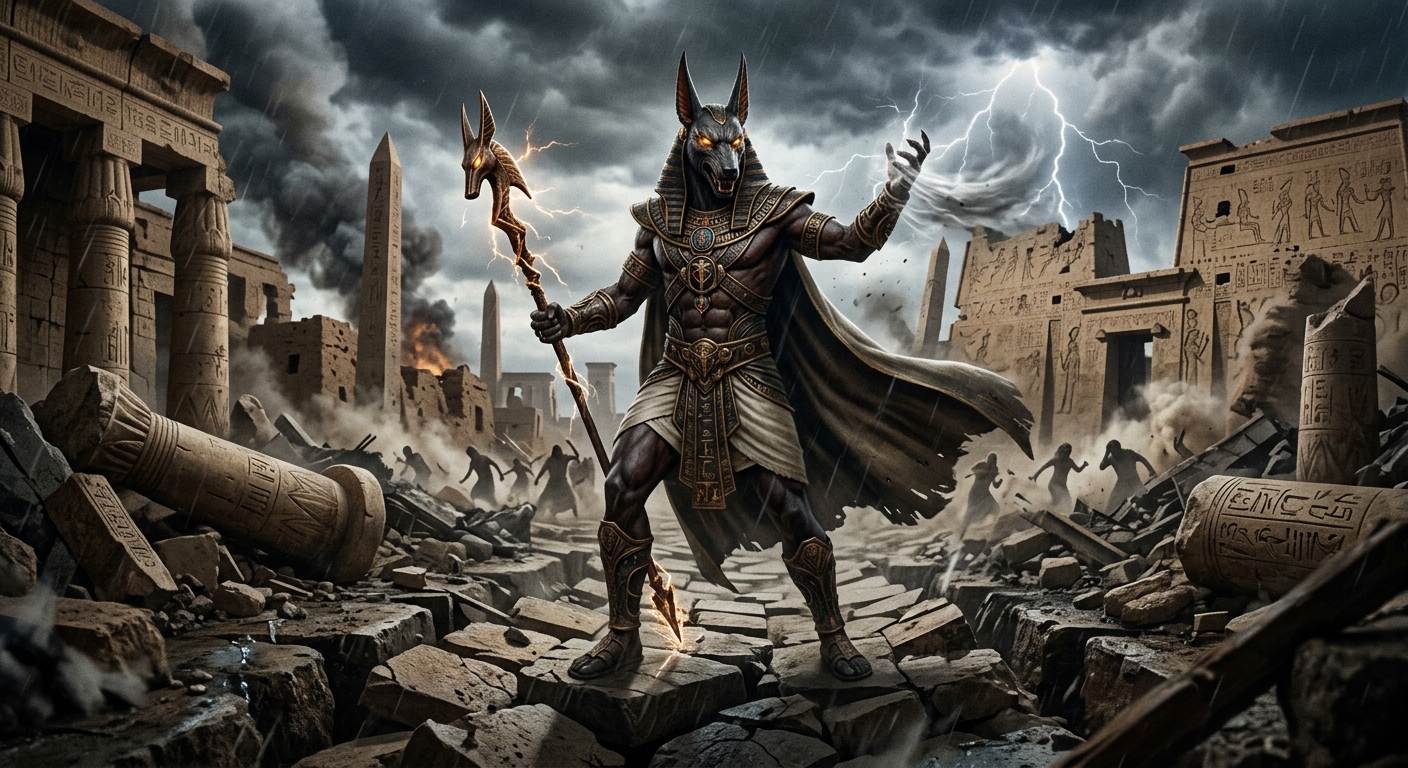
Ancient Egyptians believed that Set, their god of chaos and storms, caused earthquakes by thrashing underground in his eternal rage against the other gods. This fearsome deity with an animal head represented the unpredictable forces of nature that could shake the very foundations of their civilization.
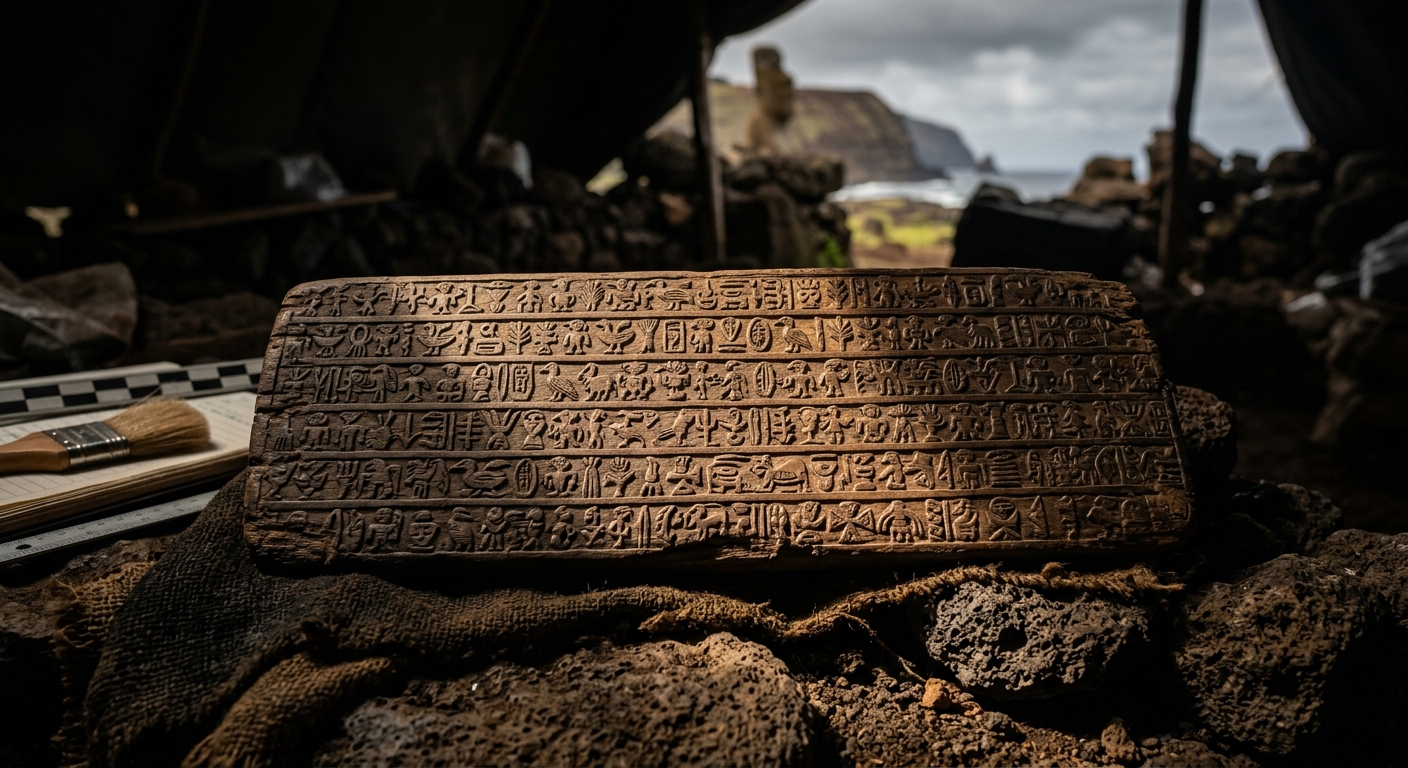
The mysterious rongorongo script of Easter Island contains hundreds of intricate symbols that have baffled researchers for over 150 years, making it one of the world’s last undeciphered writing systems. Despite modern technology and decades of analysis, these wooden tablets continue to guard their secrets, potentially holding invaluable information about one of humanity’s most isolated civilizations.