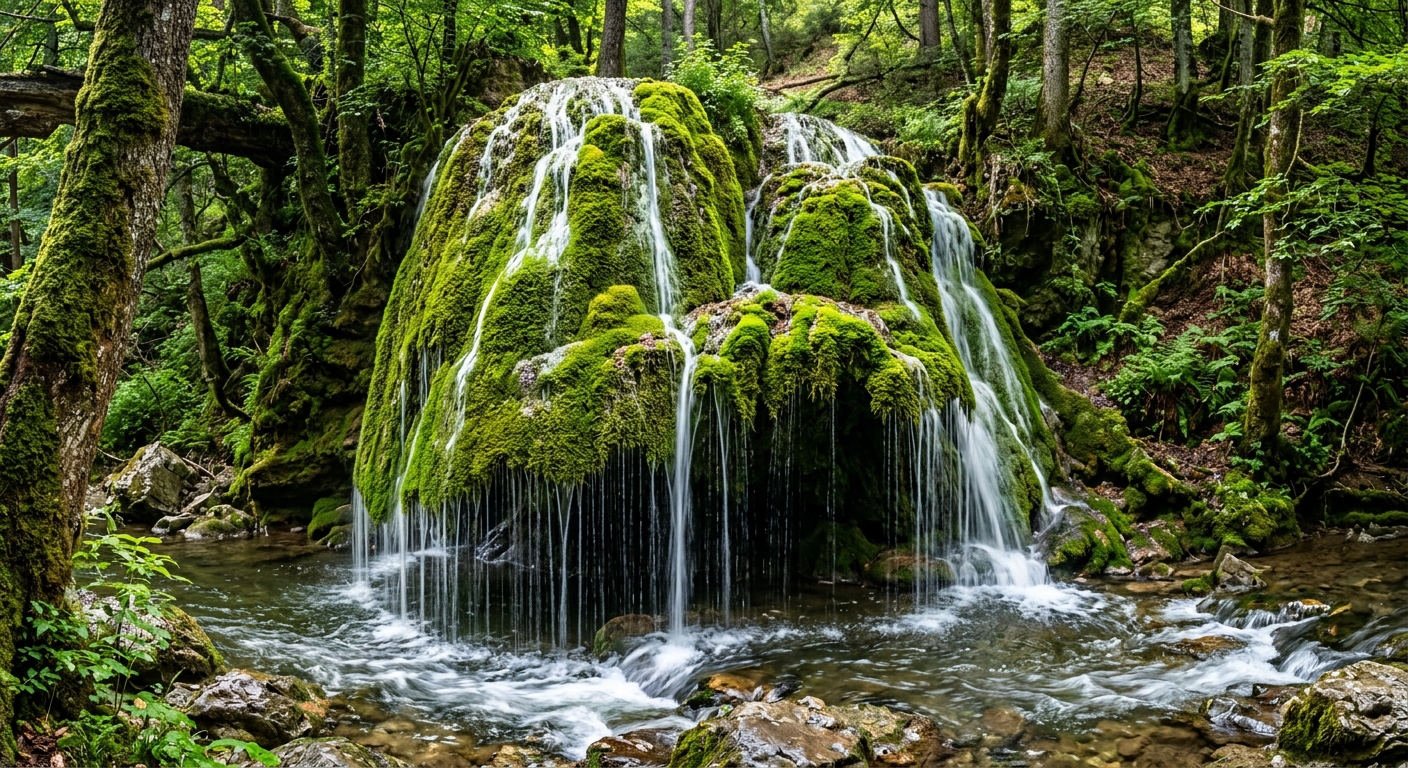
Hidden in Romania lies a waterfall that defies physics by falling in a perfect dome shape over living moss rather than cascading straight down like normal waterfalls. This geological marvel creates hundreds of tiny streams flowing in all directions, making it appear more like alien architecture than a natural formation.
The rolling hills of Washington’s Palouse region look so geometrically perfect that many visitors question whether they’re viewing natural terrain or computer-generated imagery. These mathematically precise formations were sculpted by ancient mega-floods and wind-deposited sediment called loess, creating one of Earth’s most artificially perfect natural landscapes.
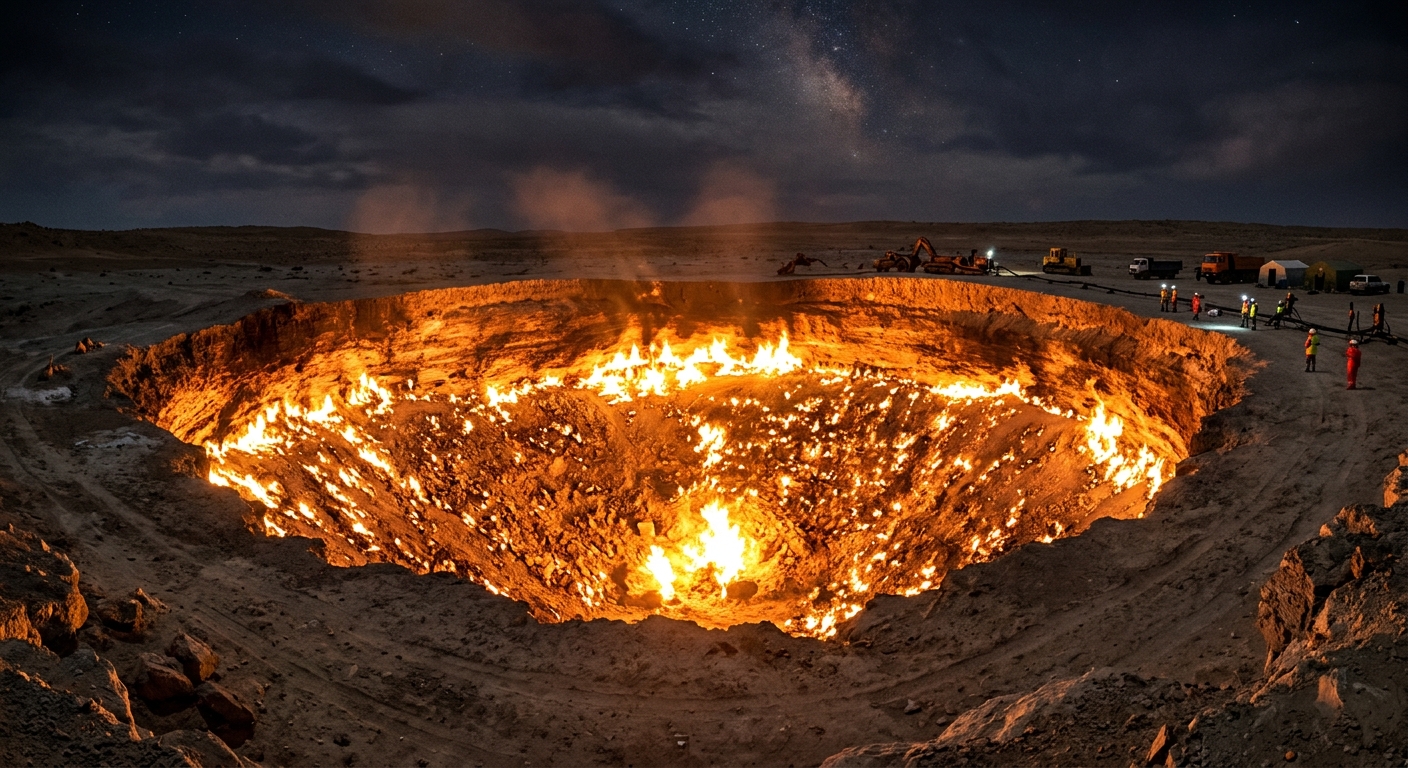
The Darvaza gas crater in Turkmenistan has been burning continuously since 1971 when Soviet geologists accidentally created this fiery pit. Despite multiple government attempts using everything from sand to chemical suppressants, the flames refuse to die, fed by vast underground natural gas reserves.
Namibia’s Skeleton Coast has claimed over 1,000 ships throughout history, combining deadly fog, powerful currents, and hidden reefs into a maritime death trap. Portuguese sailors called it the Gates of Hell, and the endless shipwrecks scattered along its shores prove why this coastline remains one of the most feared in the world.
Venezuela’s tepui mountains have been isolated since the supercontinent Gondwana split 180 million years ago, creating biological time capsules. These ancient sky islands harbor species that have evolved in complete isolation, making them living museums of Earth’s prehistoric past.
Japan’s Beppu Hell Springs reach temperatures of 200°F and display eight distinct colors from dissolved minerals, creating a deadly rainbow that has captivated visitors for over 1,000 years. These scalding geothermal pools are too hot to approach but offer a spectacular glimpse into Earth’s violent underground chemistry.
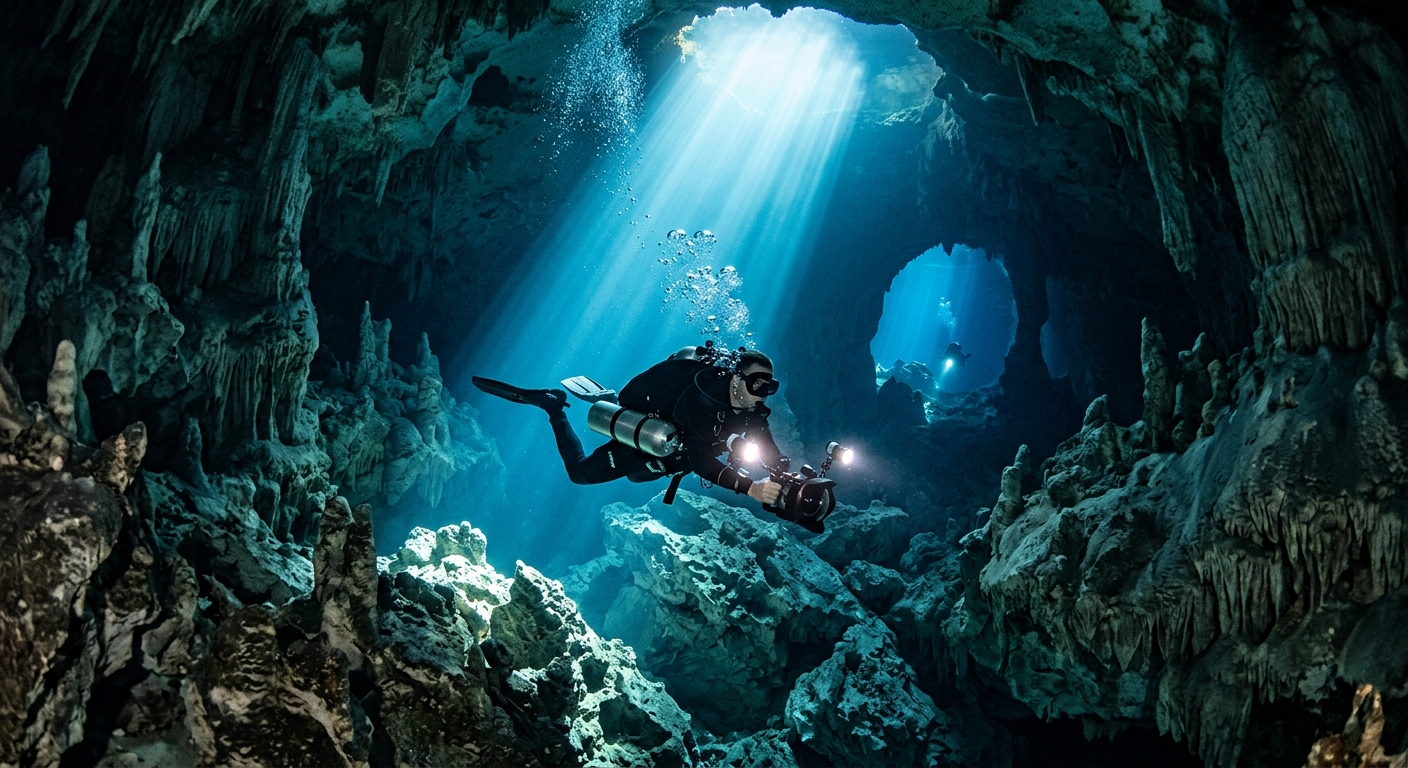
Beneath Mexico’s Yucatan Peninsula flows an underground river system that connects thousands of cenotes and carries more water than the Amazon River. This hidden network spans thousands of miles and harbors unique ecosystems in perpetual darkness.
Trinidad’s Pitch Lake contains 10 million tons of natural asphalt, creating a toxic walking surface that has paved roads worldwide for over 150 years. This geological wonder also harbors extremophile bacteria that could hold keys to understanding life on other planets.
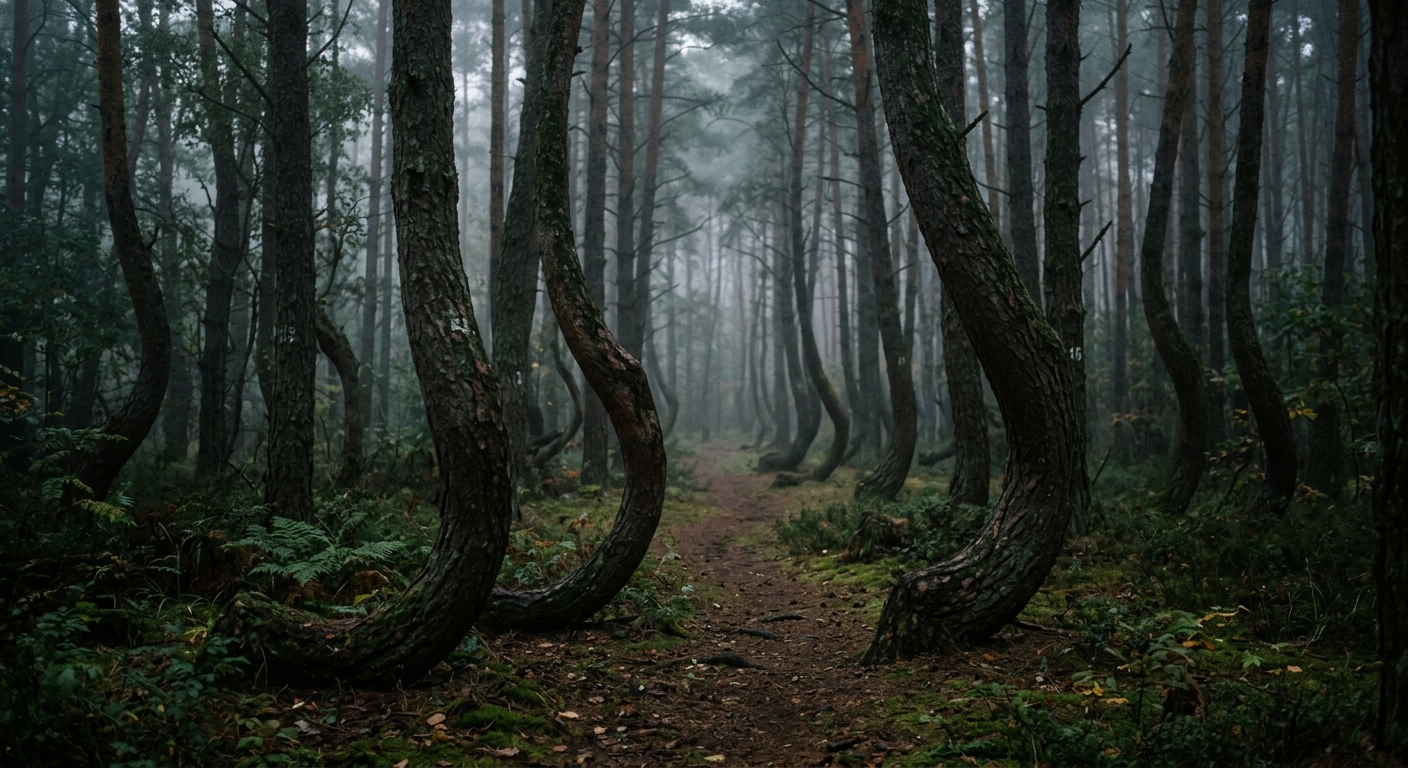
In a small grove in western Poland, 400 pine trees grow in perfect J-shapes, bending at 90-degree angles before reaching skyward. Despite decades of scientific investigation, no one can explain why these trees defy the basic laws of plant growth while their neighbors grow perfectly straight.
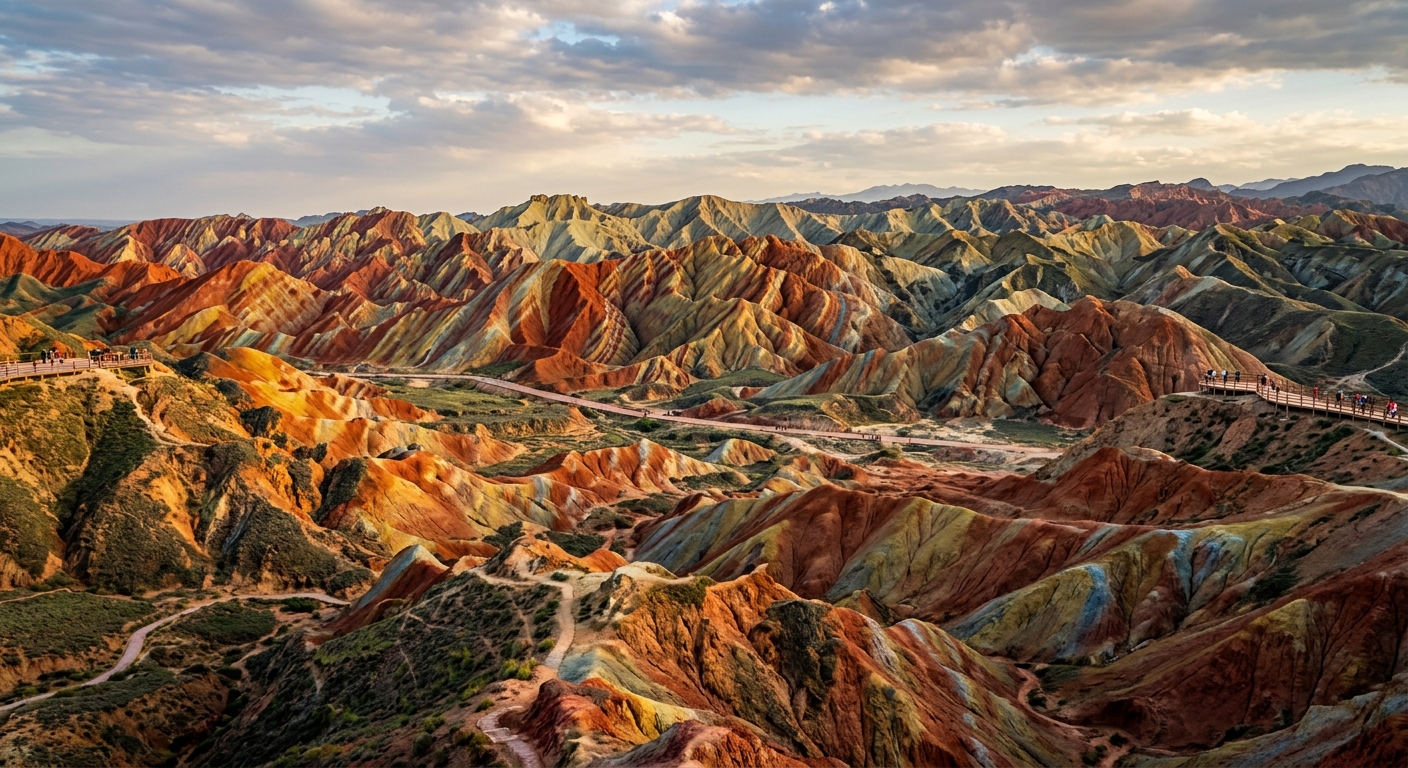
China’s Zhangye Danxia Landform features mountains that look hand-painted in brilliant stripes of red, orange, yellow, green, and blue, created by millions of years of geological processes. This UNESCO World Heritage Site showcases how mineral deposits and tectonic forces can create landscape art that surpasses human imagination.