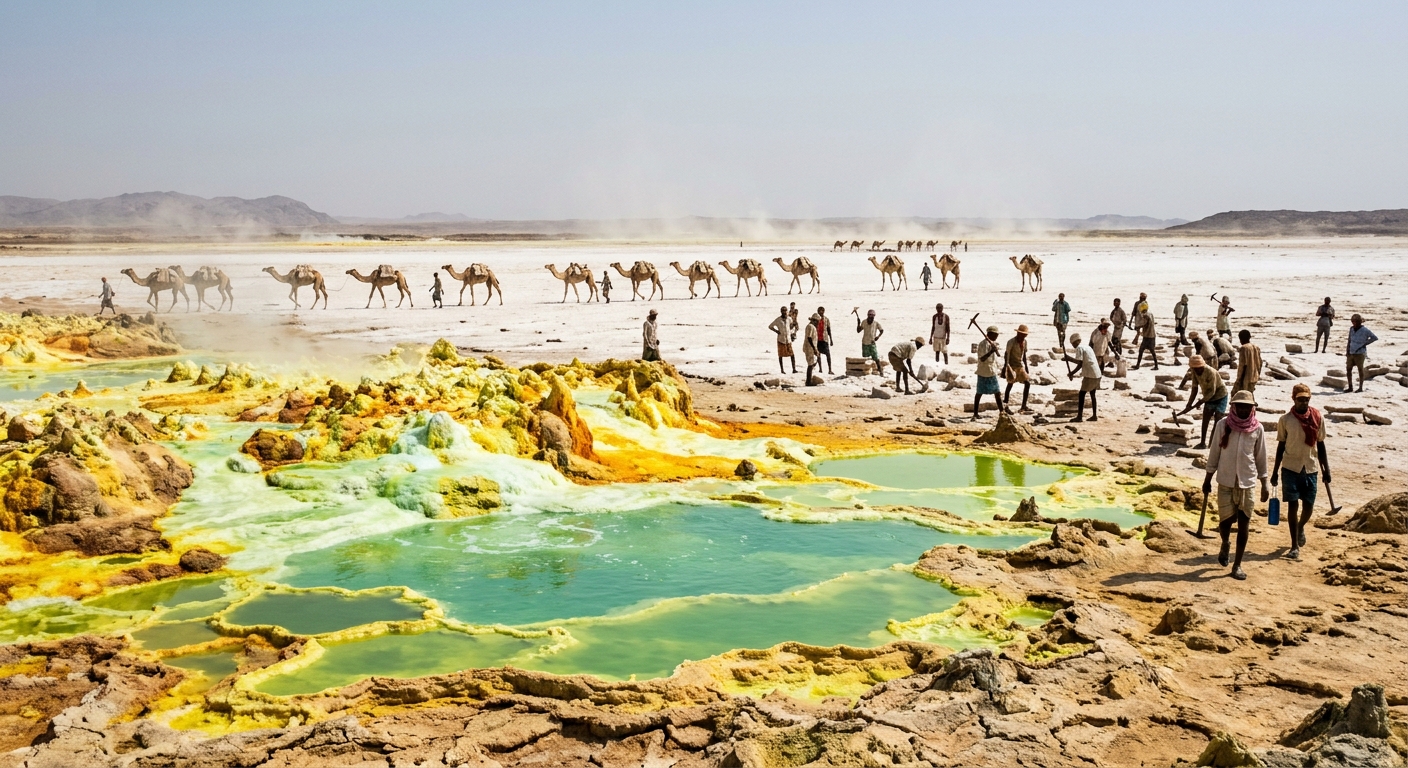
The Danakil Depression in Ethiopia regularly experiences temperatures above 125°F, yet the Afar people have thrived there for thousands of years. This geological furnace reveals incredible human adaptations and provides insights into survival in Earth’s most extreme environments.
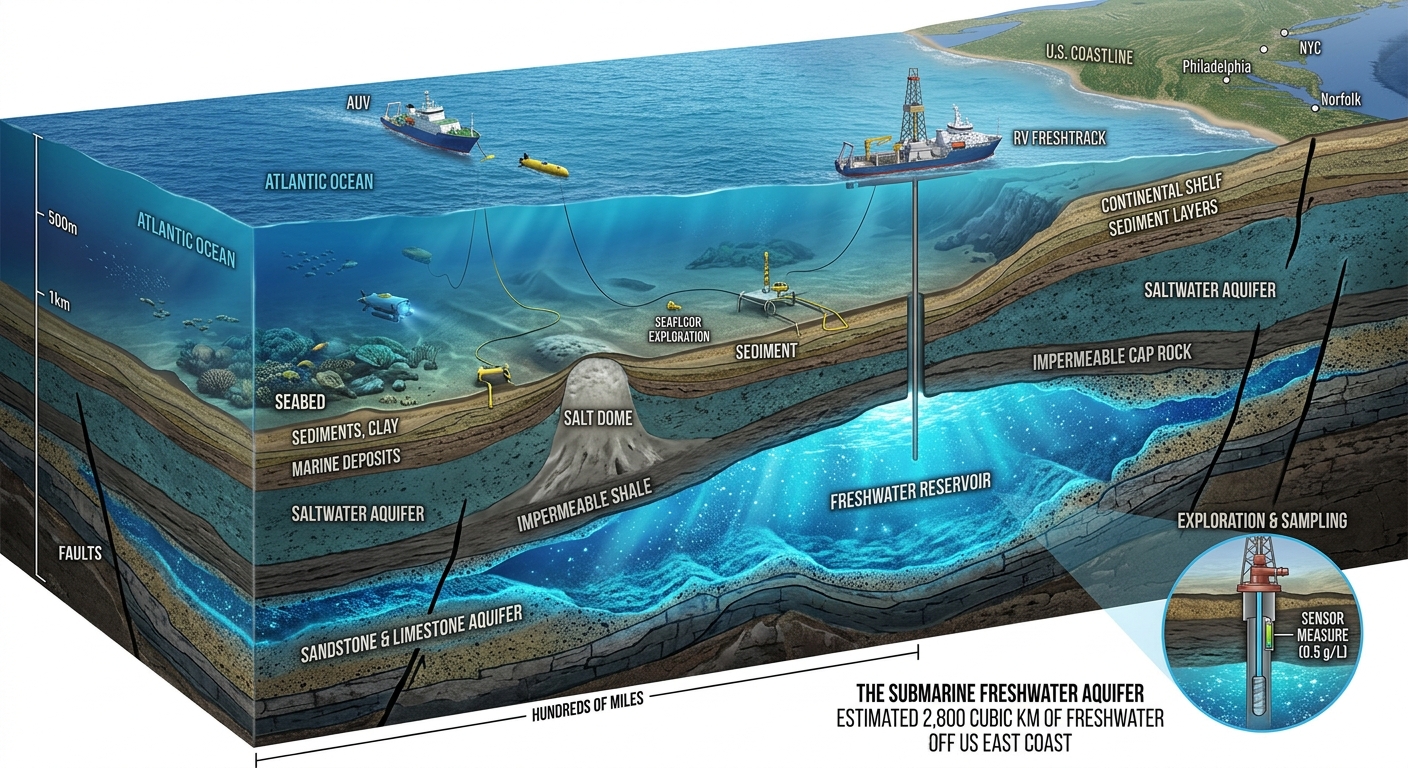
Scientists have discovered a massive freshwater aquifer beneath the Atlantic Ocean floor, containing twice as much water as Lake Superior. This hidden reservoir, preserved since the last ice age, could revolutionize our approach to freshwater scarcity.
The Amazon River, Earth’s mightiest waterway, once flowed in completely the opposite direction toward the Pacific Ocean for over 60 million years. The gradual rise of the Andes Mountains forced this incredible reversal, fundamentally reshaping South America’s geography and biodiversity in the process.
Around 700 million years ago, Earth became completely frozen from pole to equator for millions of years, nearly wiping out all life on the planet. The few microorganisms that survived this “Snowball Earth” in underwater volcanic vents and hot springs became the ancestors of every living thing today.
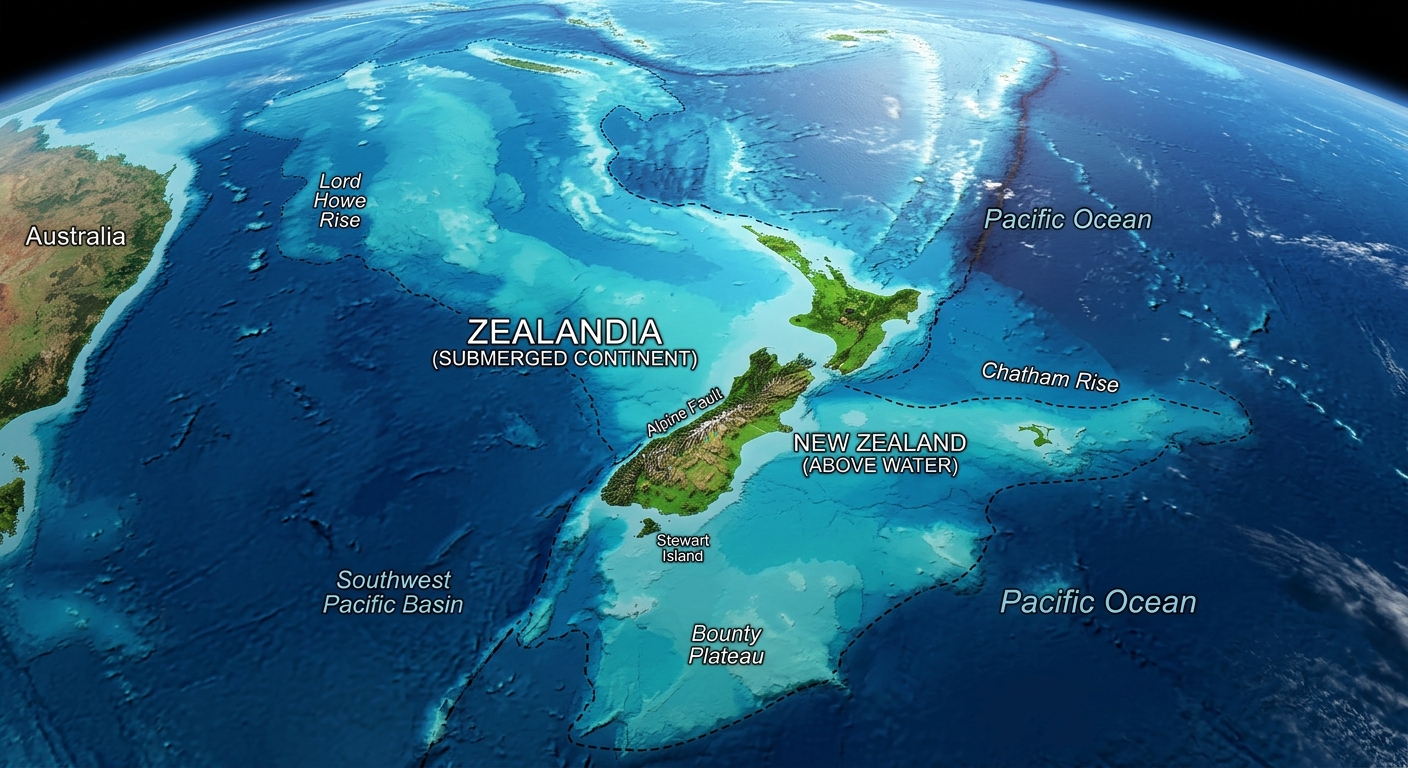
Scientists have discovered that Earth actually has eight continents, not seven, but you’ve probably never seen the eighth one because 94% of it lies hidden beneath the Pacific Ocean. Zealandia, a continent nearly half the size of Australia, has been submerged for millions of years with only New Zealand and New Caledonia remaining above water.
The Yellowstone supervolcano has erupted three times in 2.1 million years, each time ejecting hundreds of cubic miles of material and causing global climate catastrophes. These VEI 8 eruptions created volcanic winters that reshaped continents and drove mass extinctions across the planet.
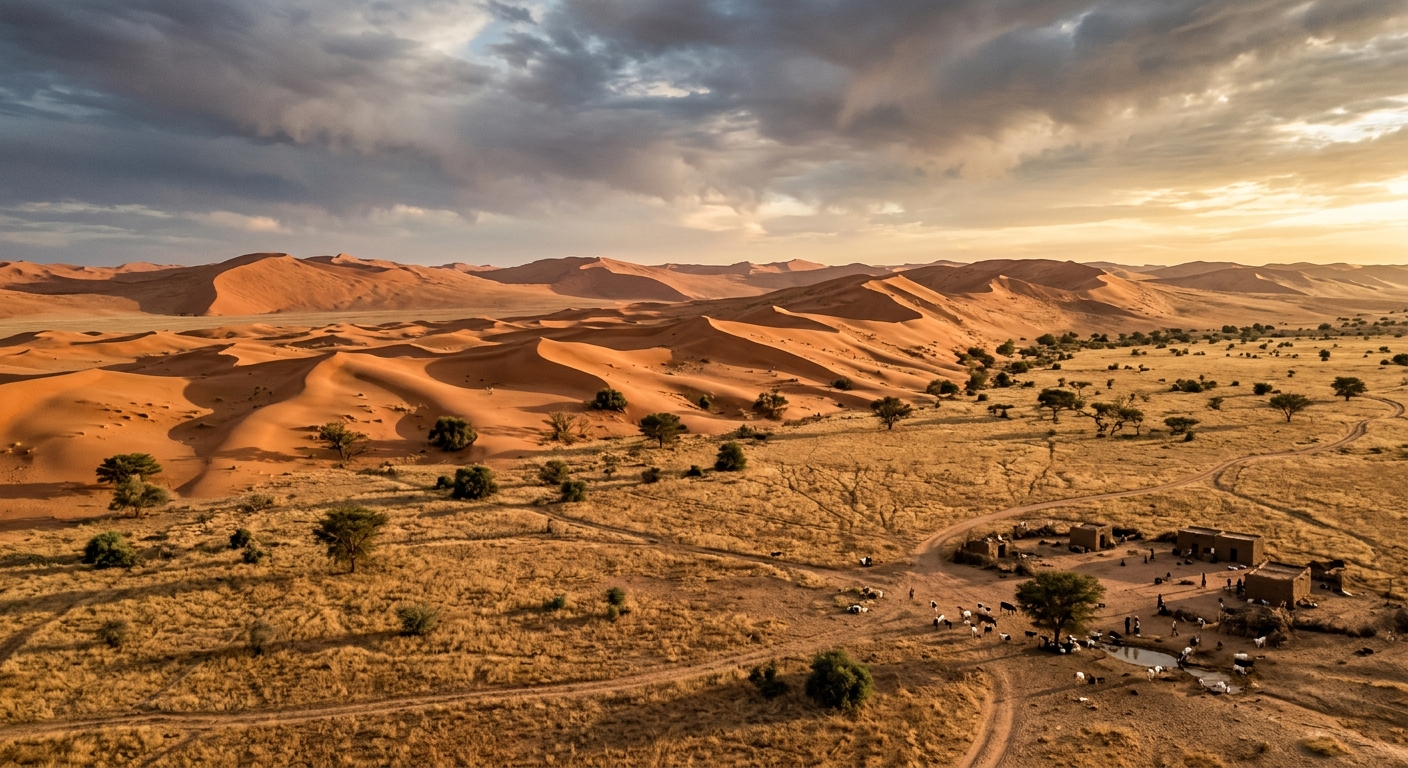
The Sahara Desert is expanding southward at an alarming rate of 48 kilometers per year, swallowing entire regions of Africa and displacing millions of people. This relentless advance represents one of the most dramatic examples of desertification on Earth, fundamentally reshaping the continent’s geography within human lifetimes.
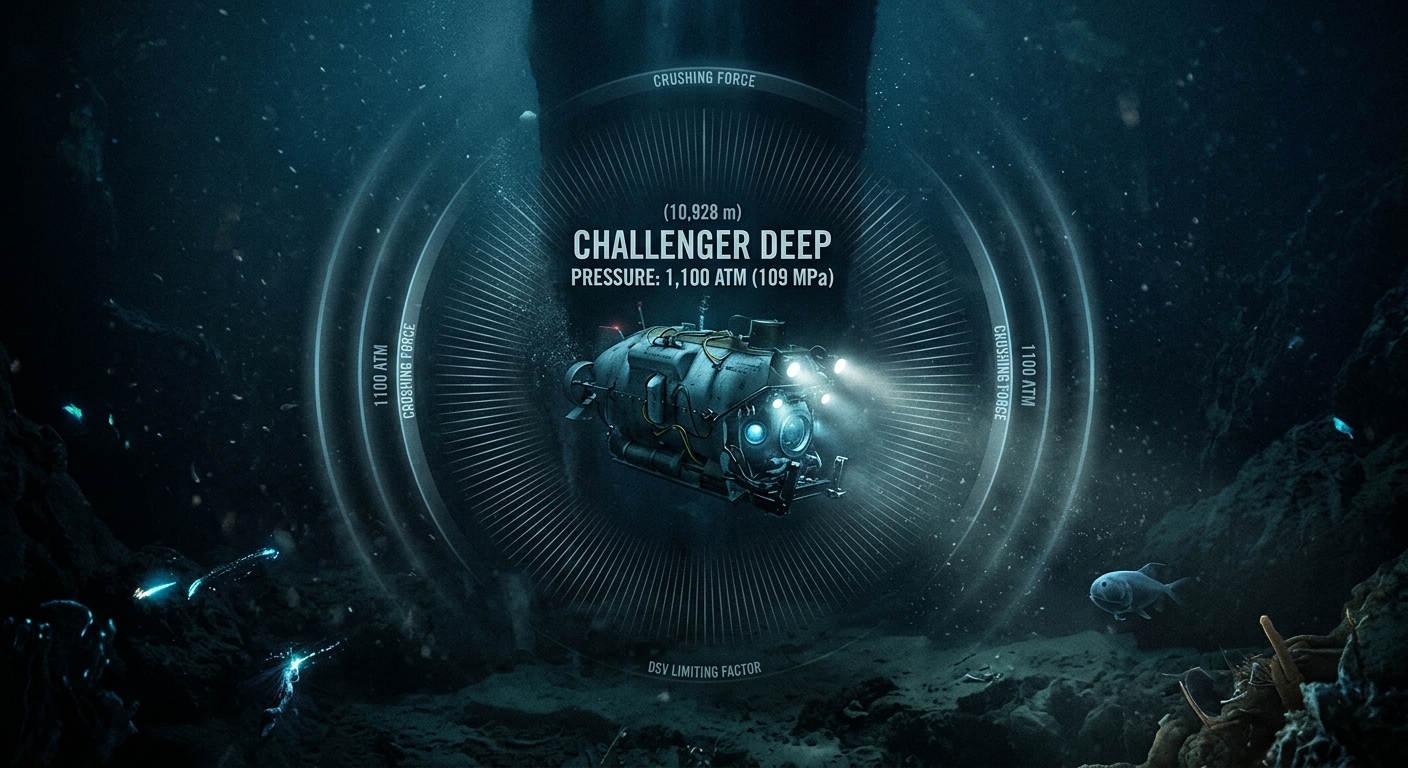
At Challenger Deep, the deepest point on Earth, water pressure reaches 1,086 times greater than sea level, equivalent to having 50 jumbo jets pressing down on every square inch. Despite these crushing forces that could destroy a human in 0.03 seconds, remarkable life forms have evolved to thrive in this extreme environment.
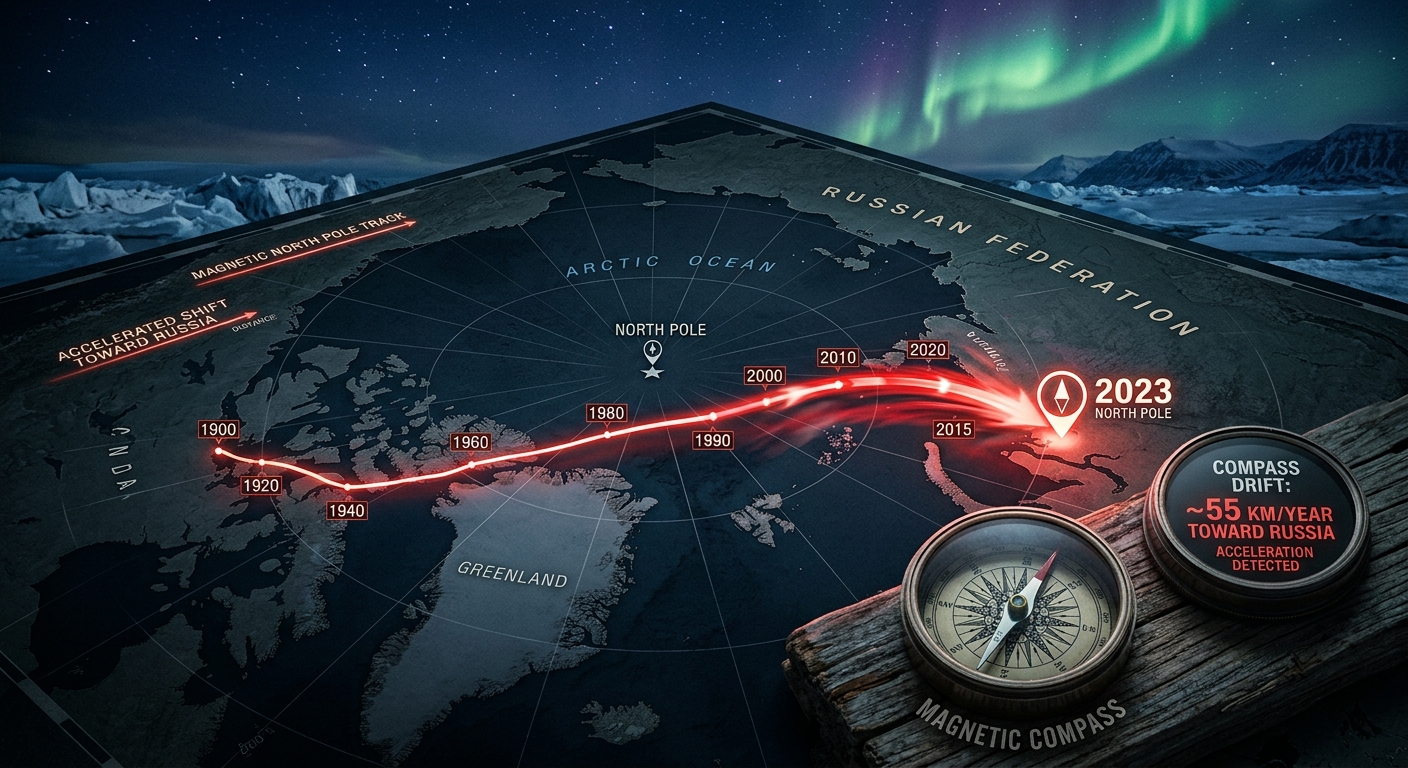
Earth’s magnetic North Pole is racing toward Siberia at 55 kilometers per year, four times faster than its historical pace. This unprecedented acceleration is forcing scientists to constantly update navigation systems while raising questions about potential magnetic field reversals.
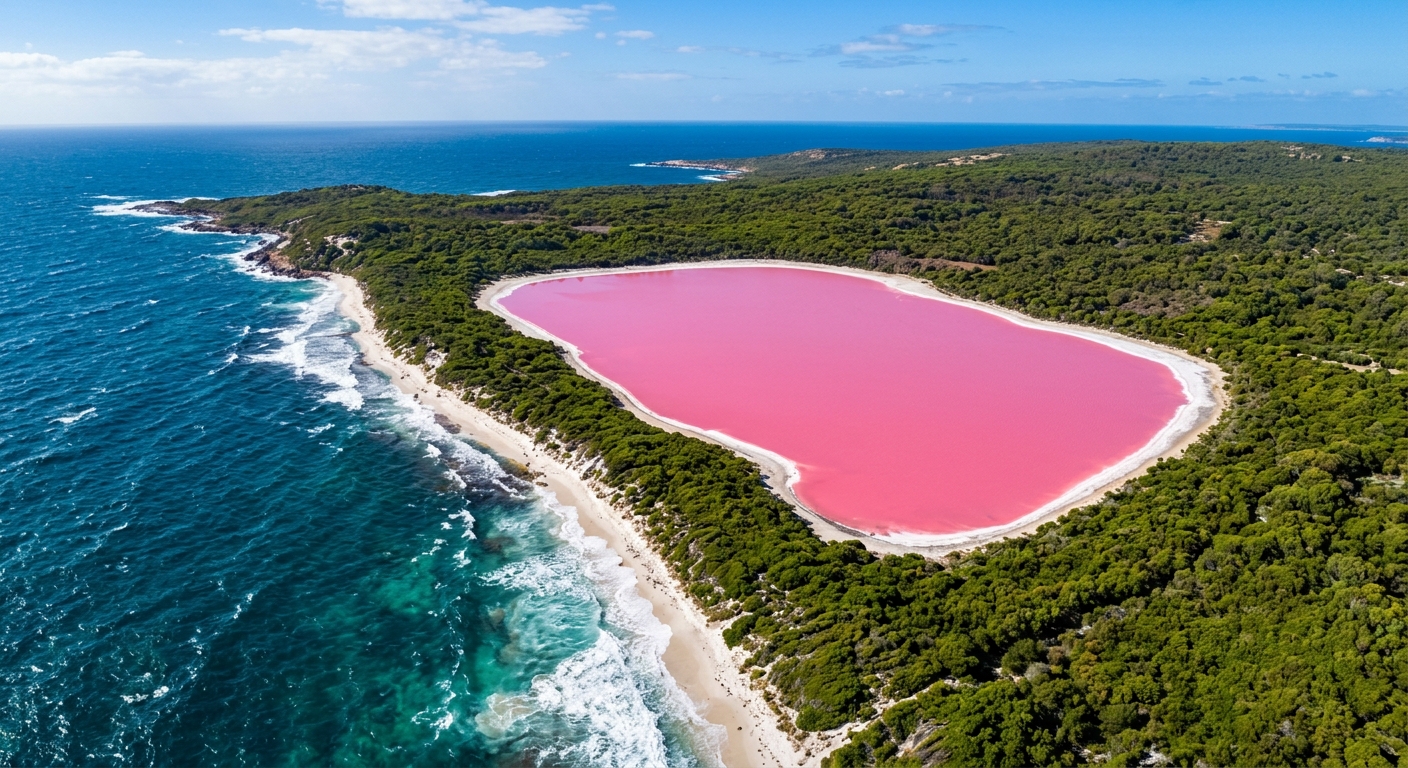
Lake Hillier in Australia maintains a permanent bubble-gum pink color that baffled scientists for over 200 years. Recent genetic analysis revealed the stunning truth: a thriving community of ancient salt-loving microorganisms produces colorful pigments to survive in the extreme environment.