The barren, windswept Tibetan Plateau was once a warm tropical sea filled with coral reefs and marine life before continental collision lifted an entire ocean floor to become the roof of the world. This incredible transformation not only created the Himalayas but fundamentally changed climate patterns across Asia, affecting billions of lives today.
Sound doesn’t travel at a constant speed through air, but changes dramatically based on temperature and humidity conditions. These variations create fascinating real-world effects from wildlife communication strategies to why thunder sounds different in summer versus winter.
The Drake Passage between South America and Antarctica represents the most dangerous ocean crossing on Earth, where hurricane-force winds and 65-foot waves are created by the collision of powerful currents. This 500-mile stretch of hellish waters has terrorized sailors for centuries and continues to challenge even modern ships with its unrelenting fury.
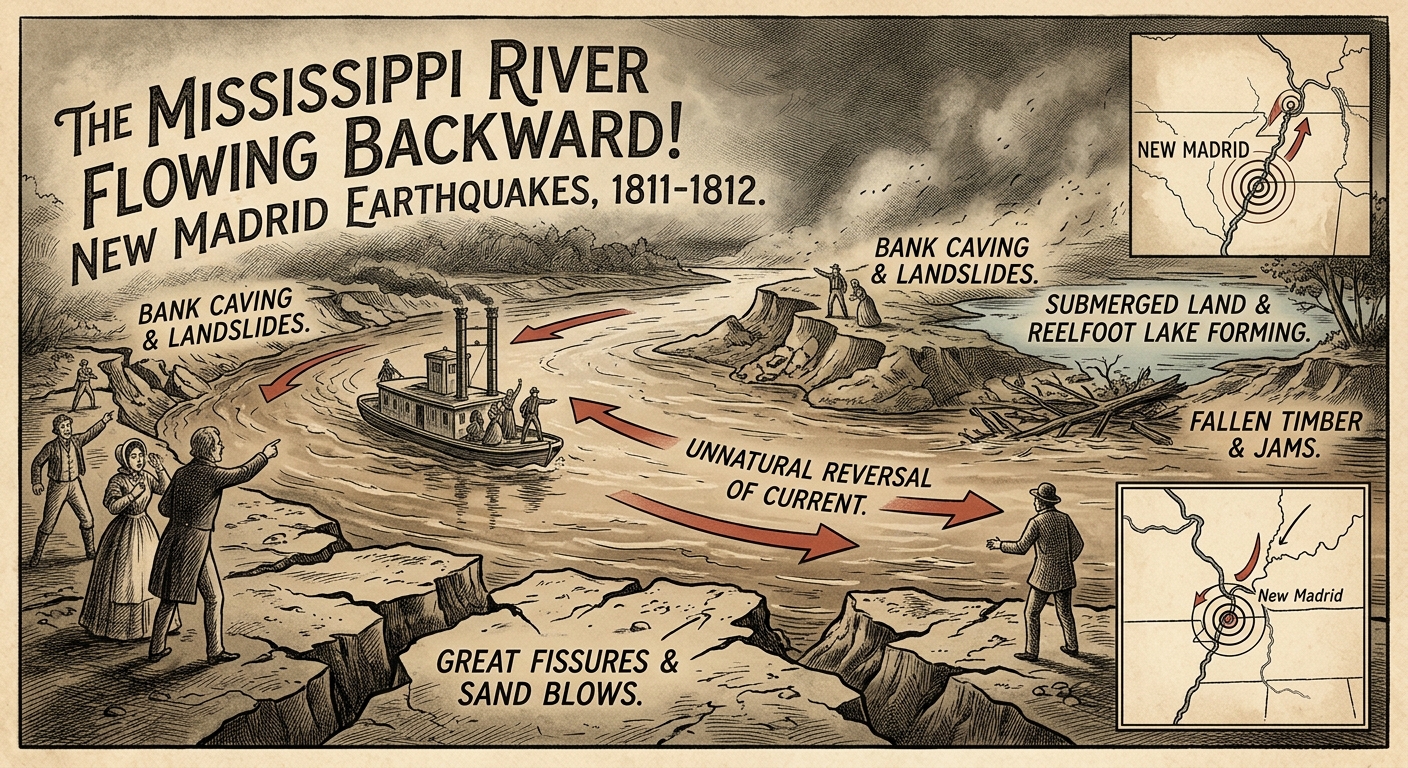
In December 1811, one of the most powerful earthquakes in American history made the Mississippi River flow backward for three days. This incredible geological event reshaped the landscape and created new lakes while demonstrating nature’s awesome power to break the laws we think govern our world.
Scientists have discovered microplastics in the deepest part of the ocean, the Mariana Trench, proving that human pollution has reached even the most remote places on Earth. This shocking finding in creatures living 36,000 feet below the surface reveals that nowhere on our planet remains untouched by plastic contamination.
In the Arctic Circle, the sun refuses to set for two straight months, creating a surreal world of 24-hour daylight that completely disrupts normal life rhythms. This extraordinary phenomenon occurs due to Earth’s axial tilt, transforming Arctic communities into lands where midnight looks identical to midday and reshaping everything from sleep patterns to wildlife behavior.
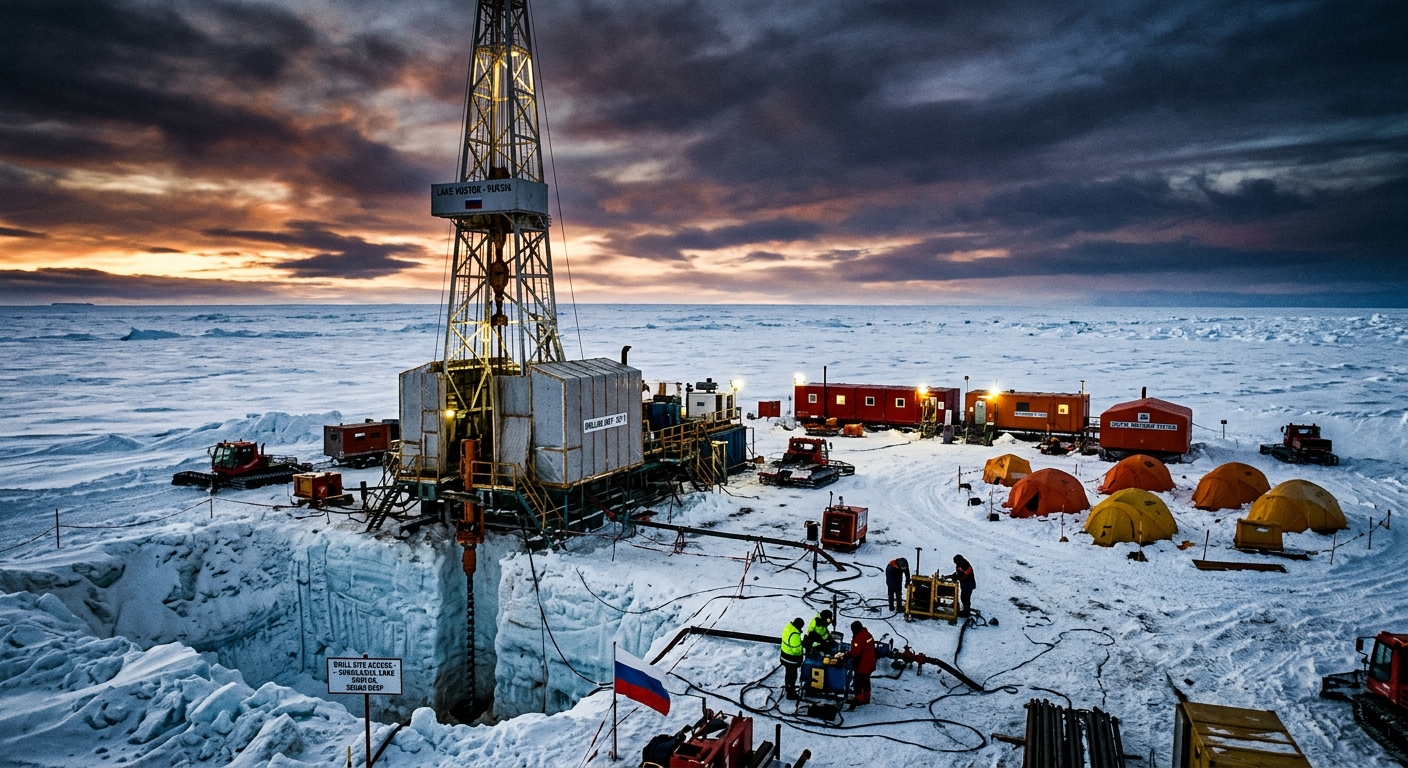
Hidden beneath 2.5 miles of Antarctic ice, Lake Vostok has been completely isolated from the outside world for 15 million years. Scientists who finally breached this frozen time capsule discovered thriving microbial ecosystems that could revolutionize our understanding of life’s limits and possibilities beyond Earth.
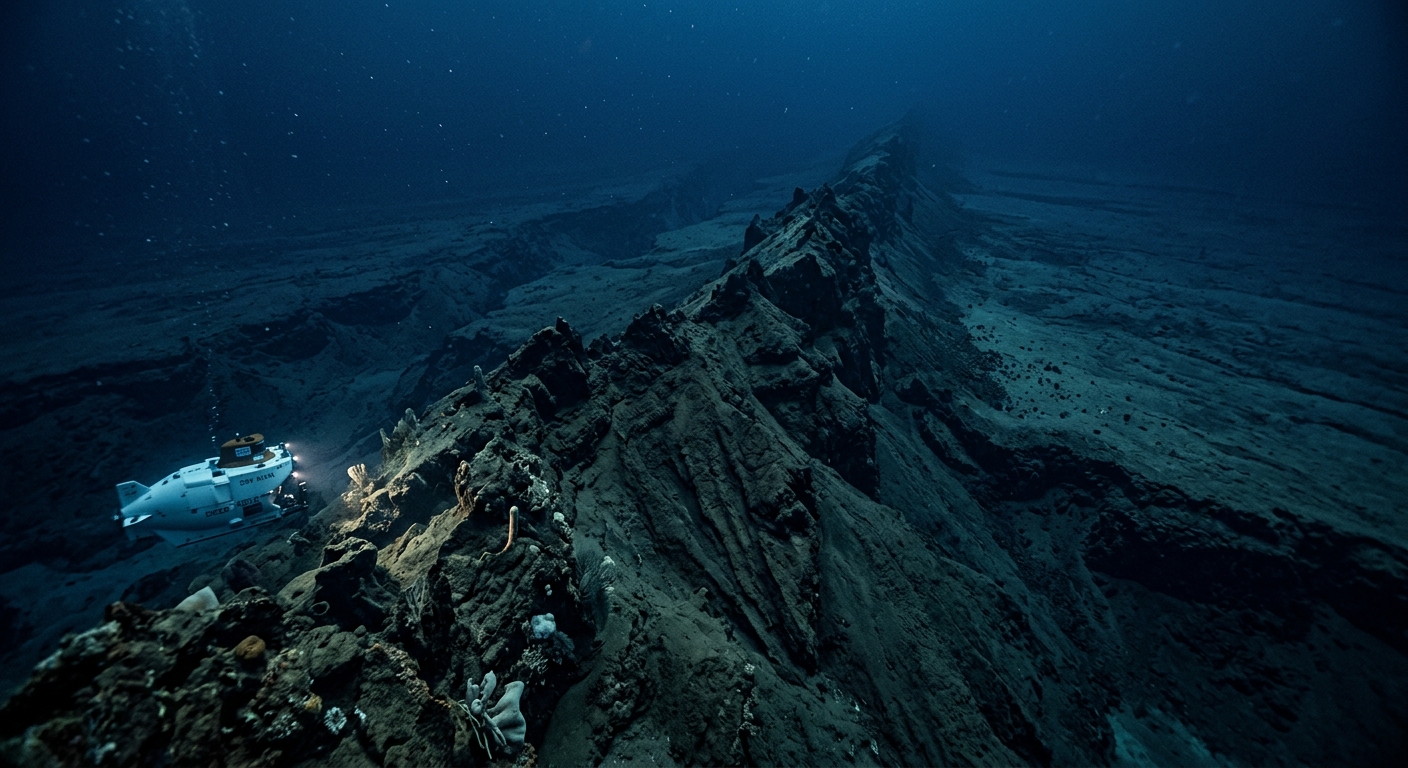
The Ninety East Ridge stretches 5,000 kilometers across the Indian Ocean floor in an almost perfectly straight line, making it the longest and straightest geological feature on Earth. This underwater mountain chain was created over 40 million years as a tectonic plate moved over a stationary volcanic hotspot, leaving behind a ruler-straight trail of peaks.
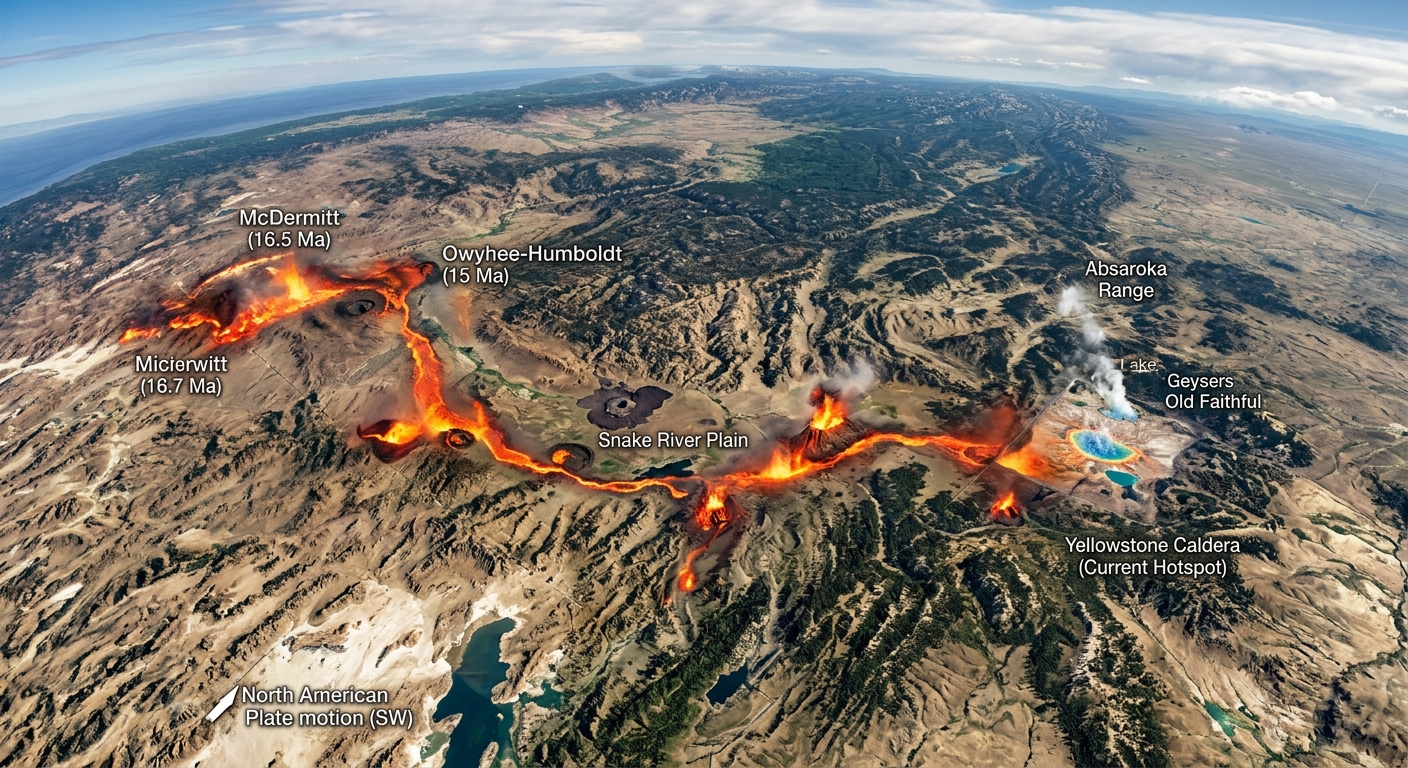
The Yellowstone hotspot is a stationary column of superheated rock that has been systematically burning holes through the North American continent for over 16 million years. This underground blowtorch has created a 400-mile trail of volcanic destruction across three states and produces supervolcanic eruptions powerful enough to reshape entire regions.
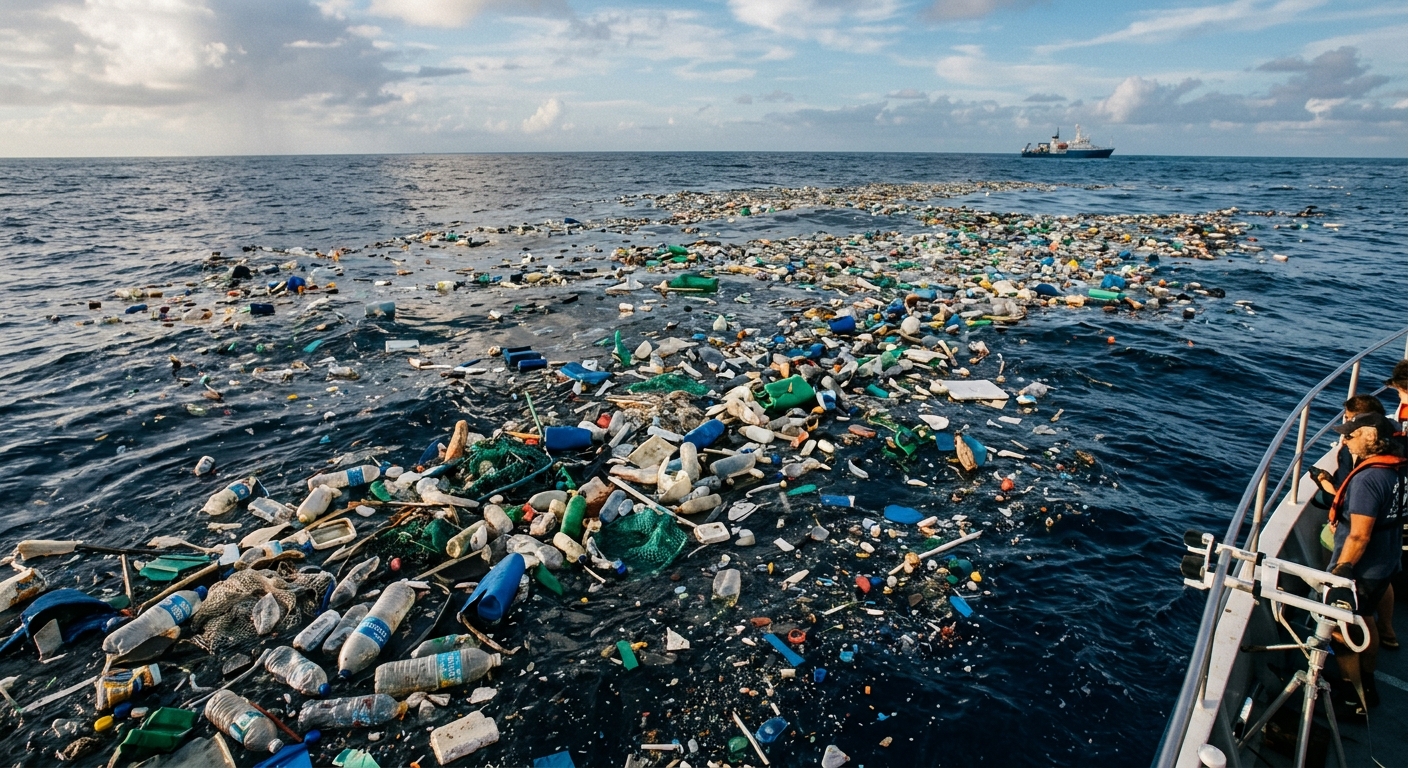
The Great Pacific Garbage Patch covers an area three times larger than France, containing at least 80,000 metric tons of floating plastic debris trapped by ocean currents. This floating continent of waste represents one of the most visible and disturbing examples of humanity’s impact on our planet’s oceans.