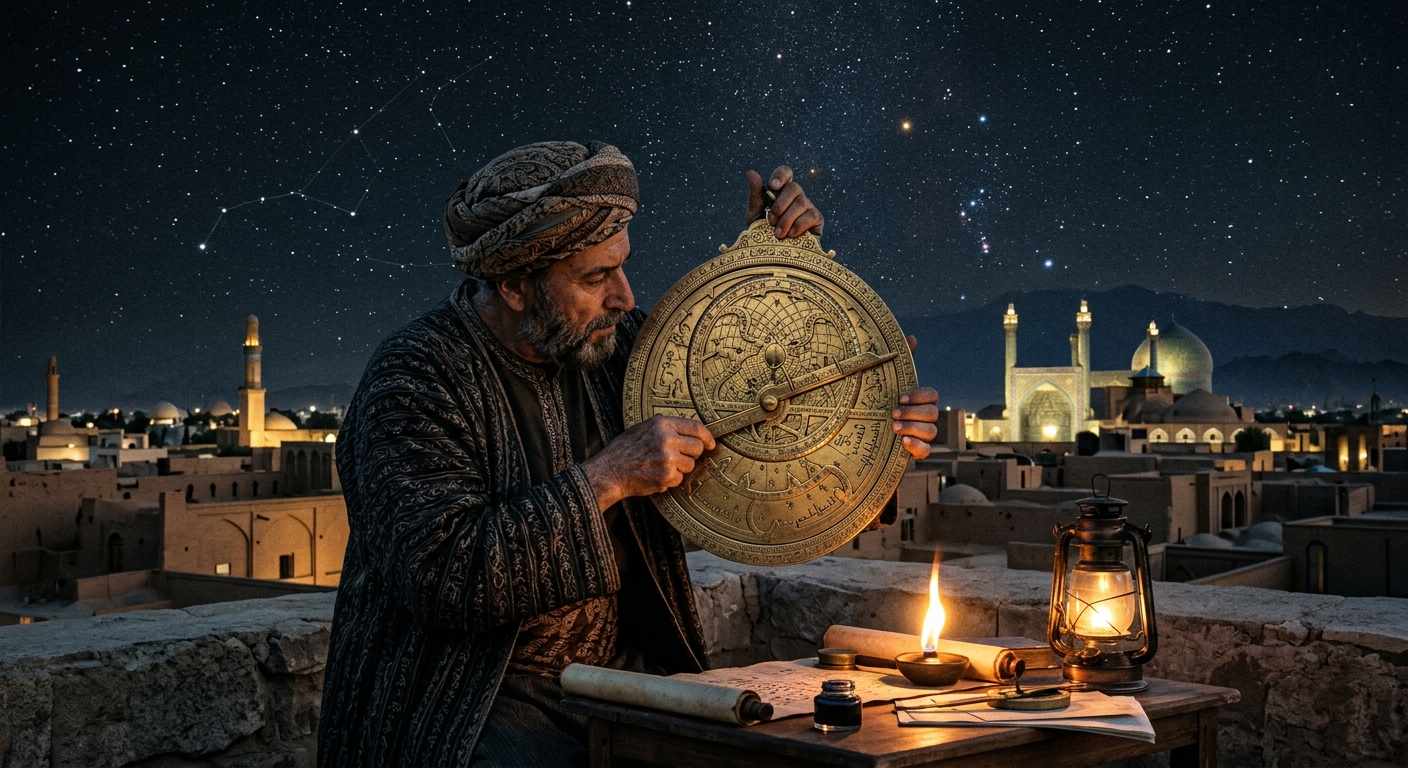
For over 1,500 years, the astrolabe served as humanity’s most sophisticated handheld computer, capable of predicting eclipses, telling time, and navigating oceans without requiring any mathematical calculations. This ingenious medieval instrument compressed the entire cosmos onto rotating bronze discs, making complex astronomy accessible to anyone who could read numbers.
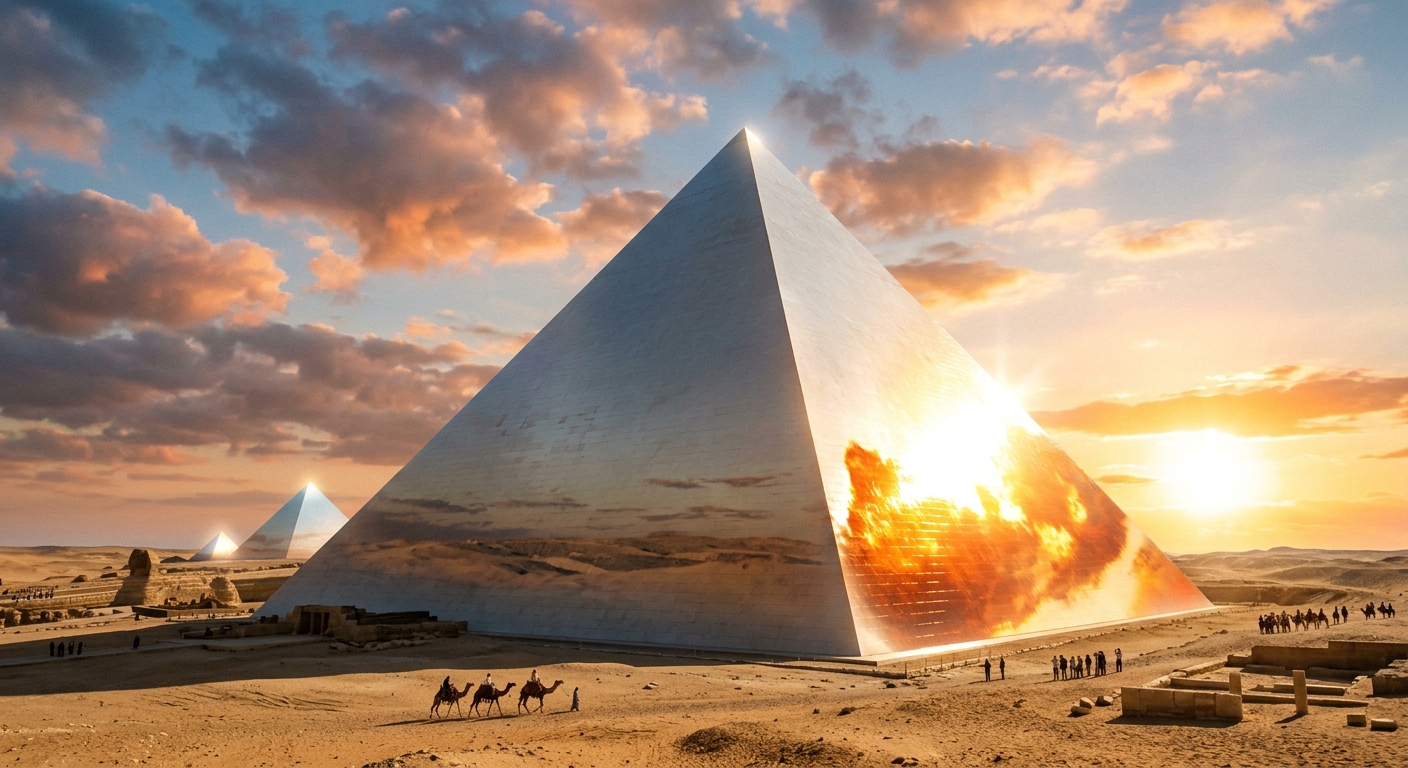
The Great Pyramids of Giza were originally covered in brilliant white limestone casing stones polished to a mirror-like finish, making them shine like beacons across ancient Egypt. These magnificent reflective surfaces, requiring incredible engineering precision, were later stripped away to build medieval Cairo, leaving only the stepped stone core we see today.
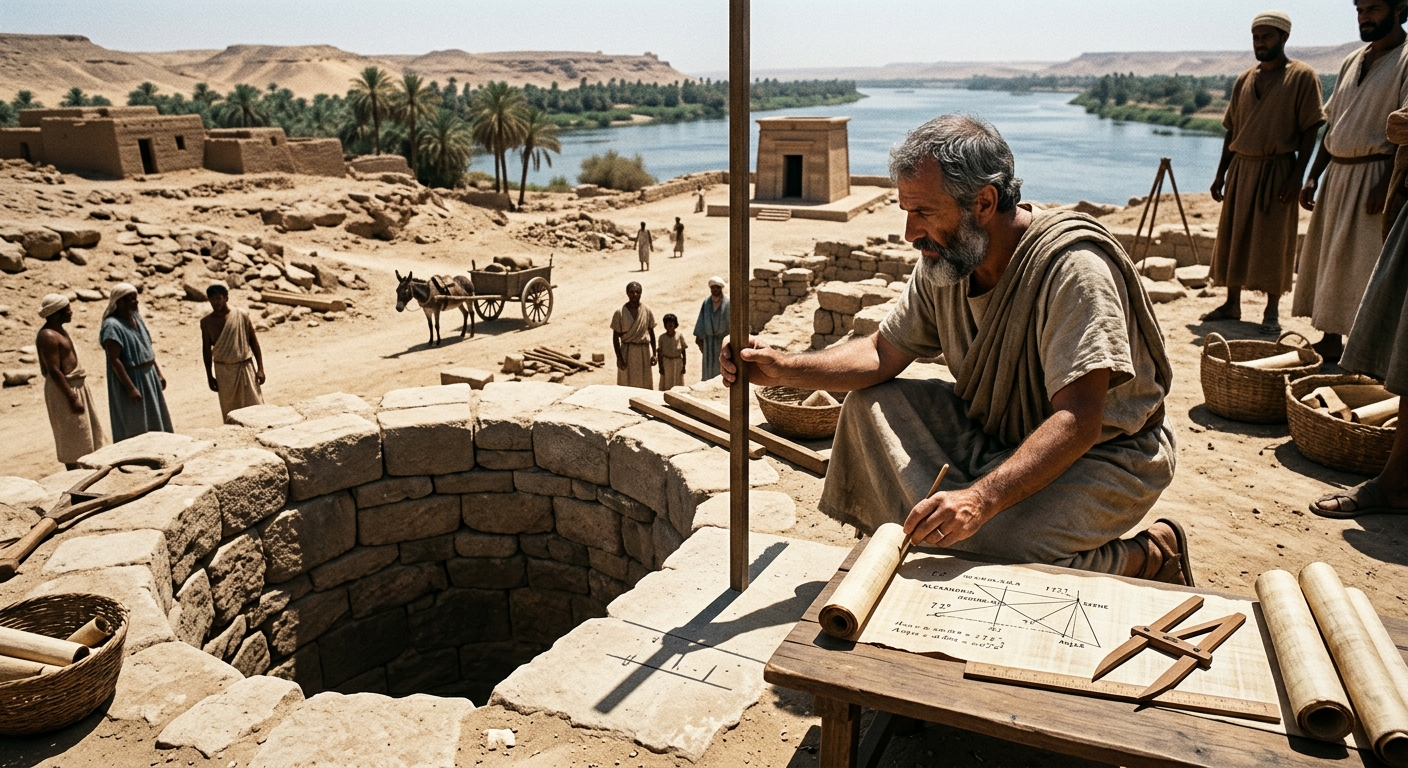
Over 2,200 years ago, a brilliant Greek scholar named Eratosthenes calculated Earth’s circumference using only shadows, a well, and mathematical genius, achieving accuracy within 1-2 percent of the actual measurement. His elegant experiment proves that sometimes the most profound discoveries come from the simplest observations and brilliant reasoning.
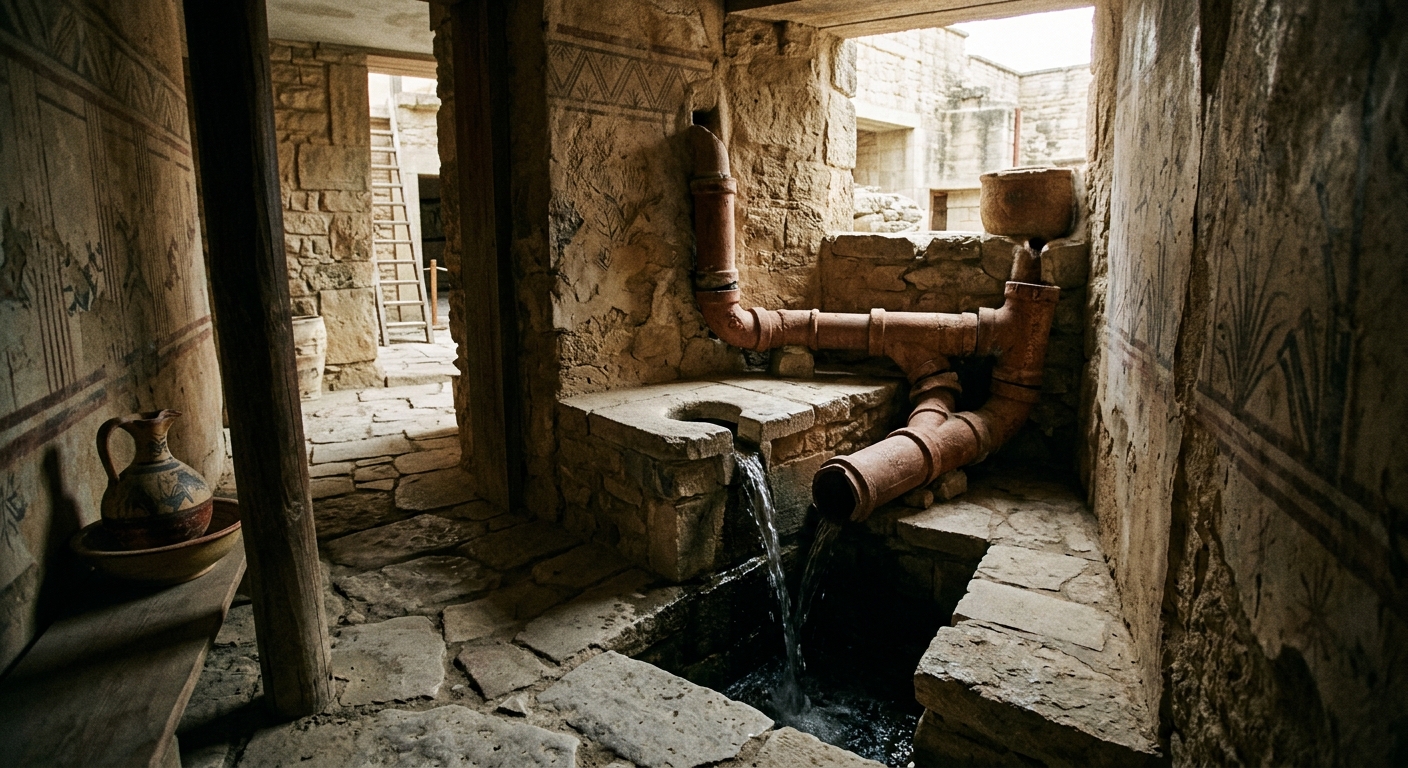
The mysterious Minoan civilization of ancient Crete had fully functional flush toilets and sophisticated indoor plumbing systems 4,000 years ago, complete with hot and cold running water. This Bronze Age technology was so advanced that it wouldn’t be matched in most of the world until the modern era.
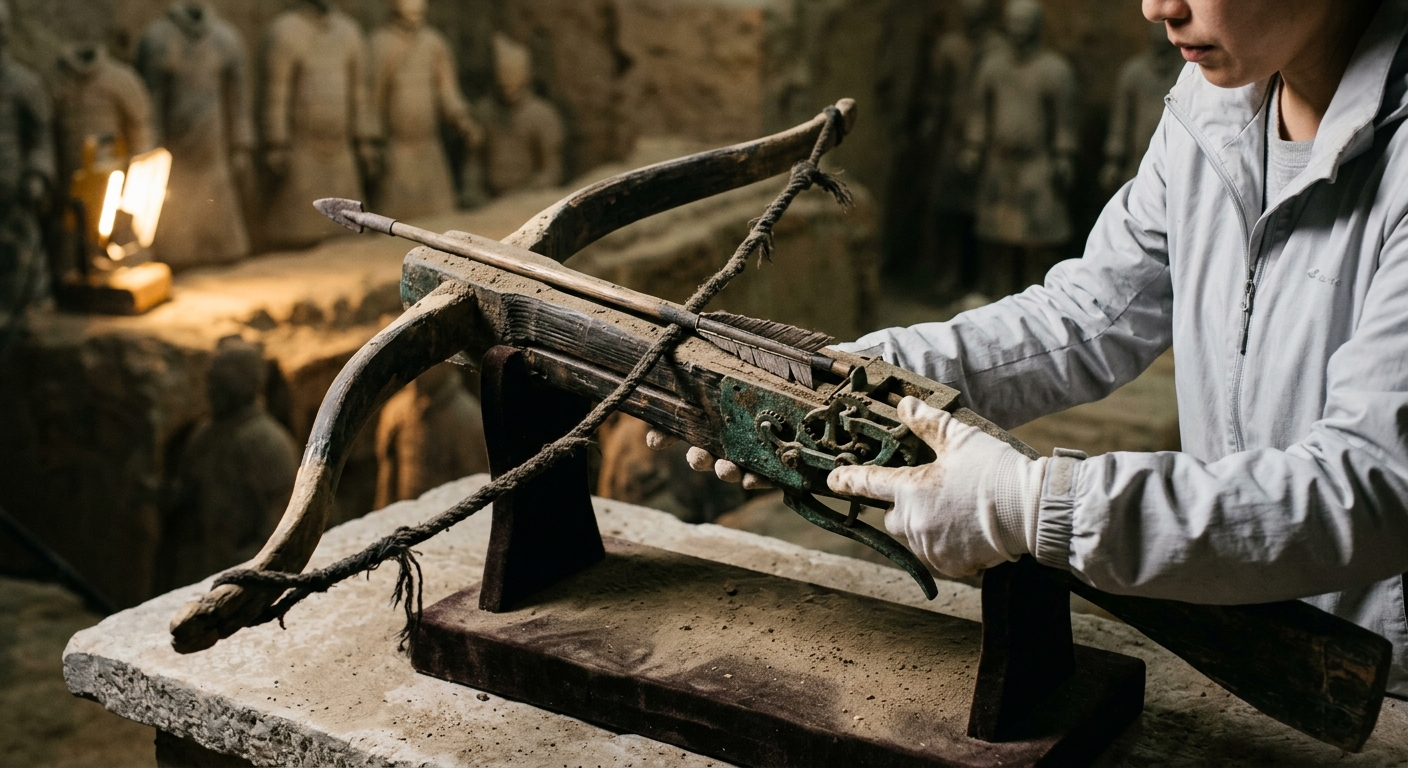
Archaeologists discovered crossbows buried with China’s Terracotta Army that remain fully functional after 2,200 years underground. These ancient weapons feature advanced metallurgy and precision manufacturing that wouldn’t be matched in Europe for another two millennia.
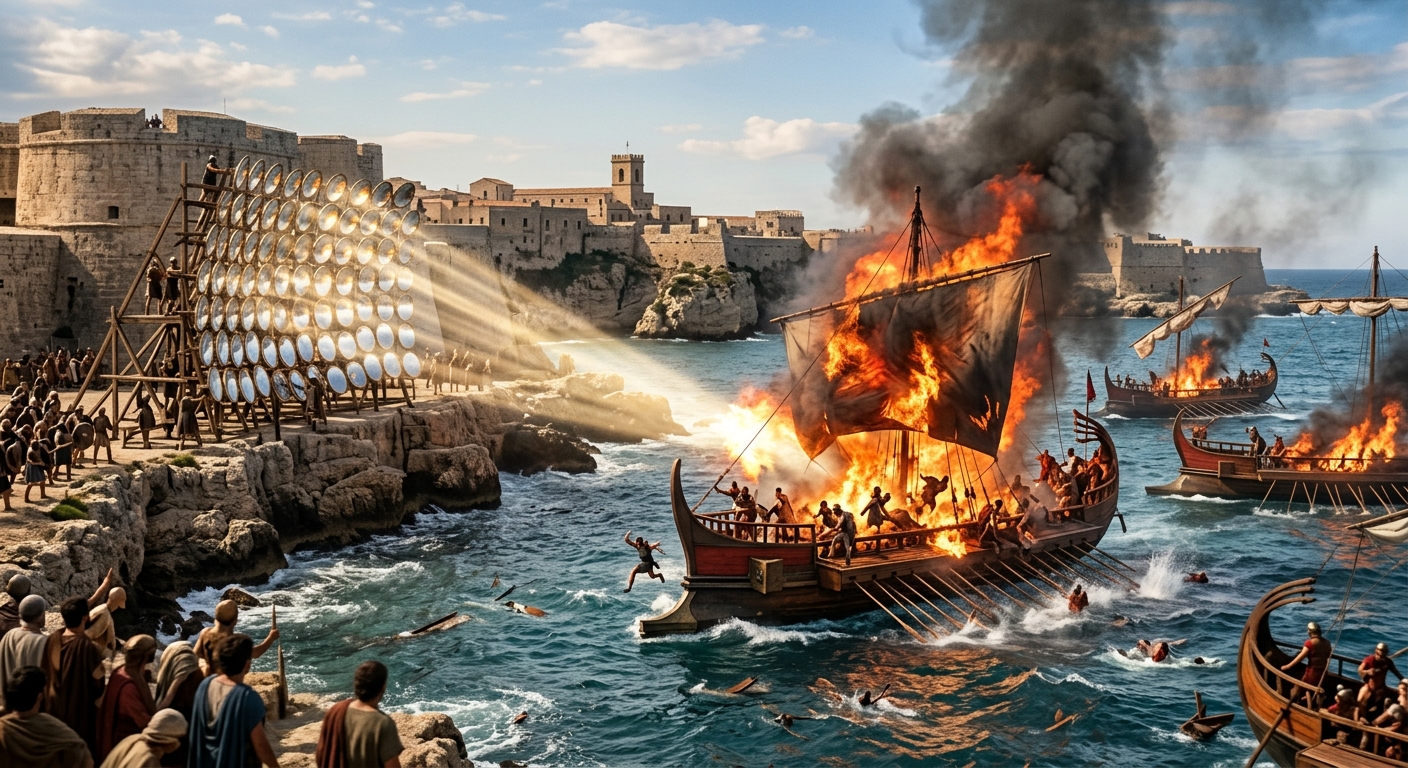
Ancient Greek engineers may have weaponized sunlight itself, using arrays of bronze mirrors to focus solar energy into devastating beams capable of igniting enemy ships. This legendary technology combined advanced mathematics with ingenious engineering in ways that still fascinate scientists today.
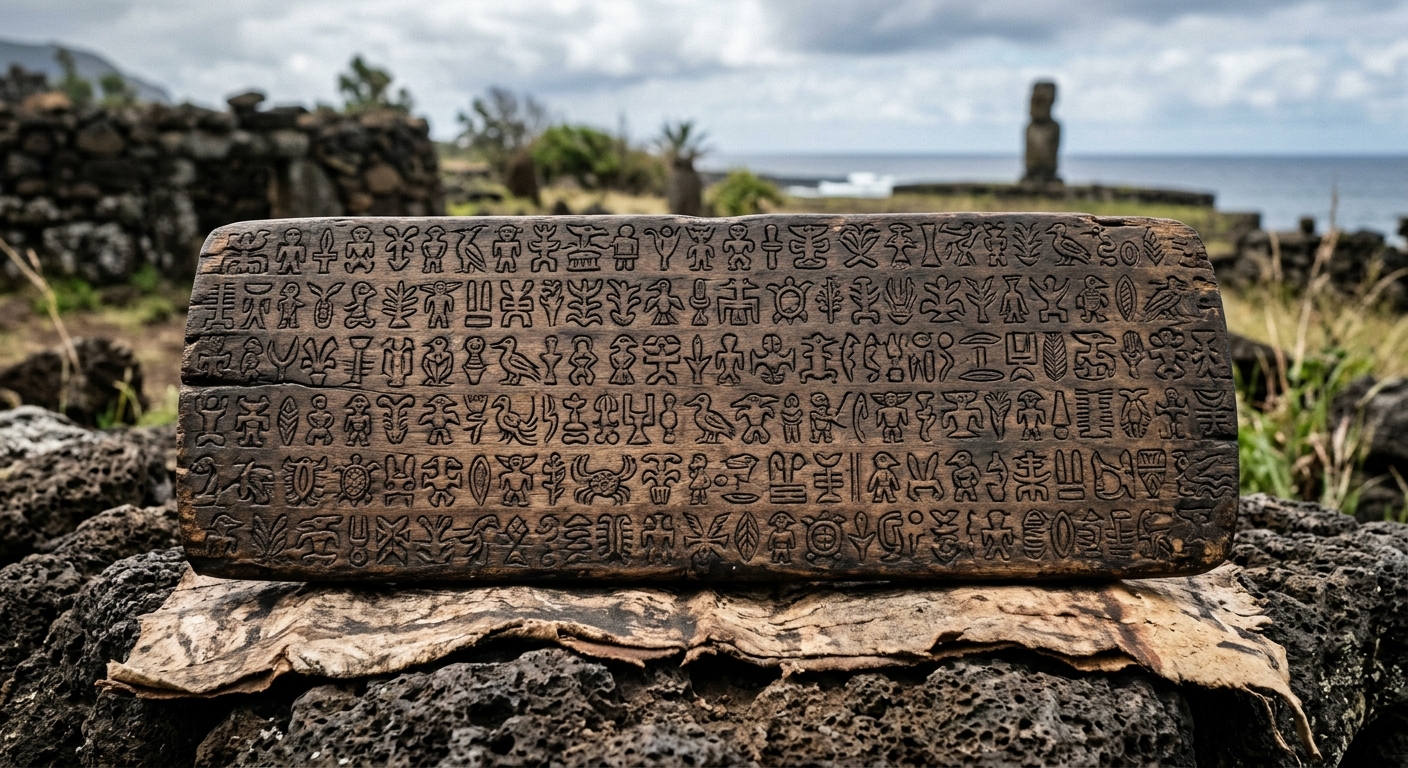
Easter Island’s rongorongo script is the only writing system ever independently developed in all of Oceania, consisting of mysterious glyphs carved into wooden tablets. Despite over a century of study, this unique script remains completely undeciphered, making it one of archaeology’s greatest unsolved mysteries.
Ancient Maya artisans created a brilliant blue pigment so durable it survived 1,500 years in tropical conditions without fading. When the secret technique vanished during Spanish conquest, it took modern scientists decades to discover the Maya had unknowingly invented the world’s first nanotechnology pigment.
Ancient Roman hypocaust heating systems achieved superior efficiency and comfort compared to modern HVAC technology through radiant heat and thermal mass principles. These 2,000-year-old climate control networks provided silent, even heating that many contemporary systems still cannot match.
The tomb of China’s first emperor contains rivers of mercury that flow through underground chambers, creating a toxic environment too dangerous for modern archaeologists to explore. After 2,200 years, this deadly underground palace remains one of the world’s greatest unexcavated archaeological sites.